

Have you ever had a strong feeling about a decision that you just couldn’t explain logically? That’s your intuition speaking, and it’s a skill you can actually strengthen with a little practice. In this article, I’ll walk you through what intuition really is, share four simple daily methods to develop it, and give you tips to avoid common pitfalls so you can start trusting your inner guide.

Key Takeaways
- Practice active imagination, dream journaling, stream-of-consciousness writing, and daily meditation to build intuition.
- Pay attention to physical sensations like gut feelings or chills as intuitive signals.
- Reduce stress and anxiety to create a clear mental space for intuitive insights.
- Don’t confuse intuition with fear, anxiety, or wishful thinking; a calm inner knowing feels grounded.
- Strengthening intuition takes consistent daily effort over several weeks and months for noticeable results.
What is Intuition and How Can I Strengthen It?
Intuition is that inner knowing or ‘gut feeling’ that guides you without conscious reasoning. It’s a non-linear process, often showing up as physical sensations like chills or a sense of expansion in your body. Unlike instinct, which is an automatic behavioral response, intuition draws on your subconscious insights. You can strengthen it through active imagination, dream interpretation, journaling, and daily meditation. These practices help you connect with your subconscious and make space for intuitive messages to surface.
Essential Tools for Your Intuition Journey

You don’t need much to start your intuition practice. Gather these basics:
- Journal or notebook: For recording thoughts, dreams, and intuitive hits.
- Pen: A reliable one you enjoy writing with.
- Quiet space: A corner where you can meditate and reflect without interruptions.
- Art supplies (optional): Paints, colored pencils, or music tools for creative expression that accesses non-verbal parts of your brain.
Four Steps to Develop Your Intuition Daily
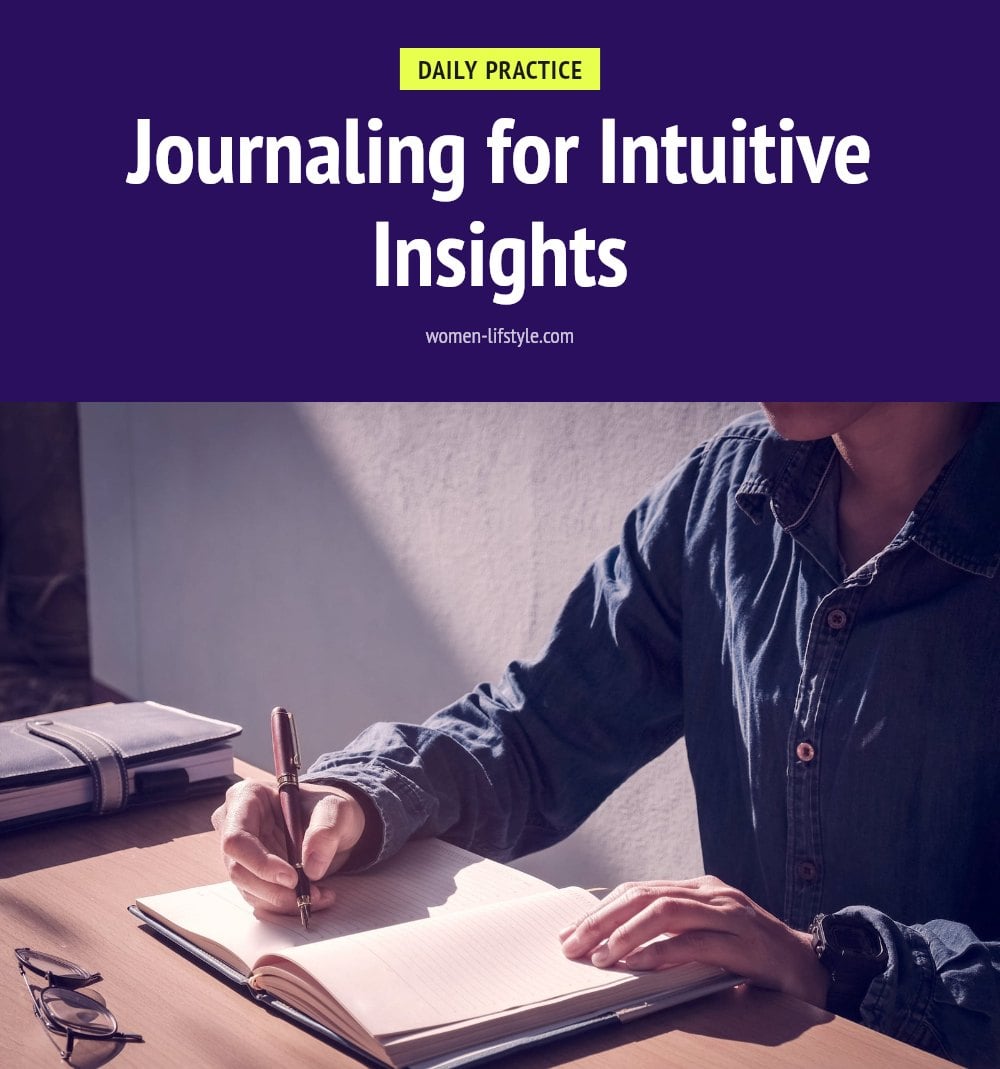
These four methods, drawn from Carl Jung’s approach, build intuition through regular practice. Do them daily for the best results.
- Practice active imagination: Set aside quiet time, close your eyes, and visualize a scene or question. Let your mind explore it, paying attention to images and emotions. Engage with them as if they were real. This opens a dialogue with your subconscious, revealing hidden patterns and connecting you to your inner world.
- Interpret your dreams: Keep a dream journal by your bed and write down dreams immediately upon waking. Over time, look for recurring symbols or themes. These can point to unresolved emotions or intuitive knowledge your conscious mind overlooks. Jung saw dreams as a direct channel to the subconscious, so treat them as valuable data.
- Journal freely: Write without censoring about a problem, decision, or feeling. Let words flow without overthinking. This stream of consciousness allows your subconscious to express itself, often leading to unexpected breakthroughs and patterns that reveal intuitive answers. My tip: do this first thing in the morning, before your inner critic wakes up.
- Meditate daily: Dedicate at least 10 minutes each day to meditation. Focus on your breath, let go of distracting thoughts, and simply observe what arises. This creates mental space for subtle intuitive insights to surface. Over time, you’ll notice increased creativity, better problem-solving, and enhanced decision-making.
Here is the method in action: Whispering ideas demonstrates it in about 16 minutes. The how-to part starts at 5:55.
Understanding the Nuances of Intuition
Intuition is distinct from instinct. Instinct is a hardwired, automatic response to a stimulus, like flinching from heat. Intuition, on the other hand, is a non-linear process that can manifest as physical sensations: a ‘gut feeling’, chills, or a sense of expansion or contraction in your body. It draws on subconscious information and isn’t always logical.
Carl Jung identified several types of intuition that blend with other mental functions:
- Sensing intuition: Picking up subtle environmental clues through physical connection.
- Thinking intuition: Combining intuition with logic to solve problems or connect scattered details.
- Feeling intuition: Understanding situations through emotional resonance.
Developing your intuition, regardless of type, leads to increased creativity, improved problem-solving, enhanced decision-making, and greater self-awareness. It’s a powerful mental function that connects you to your inner world and hidden patterns, going beyond logic or observation.
Best Tips for Cultivating a Stronger Intuition
Beyond the daily practices, a few lifestyle shifts can make a big difference. My tip: start by reducing stress and anxiety. A clear, calm mind is far more receptive to subtle intuitive signals than a cluttered one. Even a short walk outside helps.
- Spend time in nature: A quiet setting quiets your mental chatter and makes you more receptive to inner knowing.
- Engage in creative activities: Painting, playing music, or any free-form expression accesses non-verbal parts of your brain where intuition often lives.
- Reflect on past experiences: Look back at times your gut was right or wrong. This helps you recognize your own intuitive patterns and refine your understanding.
- Set clear intentions: Before you seek intuitive guidance, take a moment to focus your mind on exactly what you want insight about.
Common Mistakes When Trying to Hear Your Intuition
Even with the best practices, it’s easy to trip up. Here are the most common mistakes and how to correct them.
- Confusing intuition with anxiety or fear: A calm inner knowing feels grounded and clear. Fear feels urgent and tight. Learn to tell them apart.
- Dismissing subtle signals: Don’t wait for a loud voice. Pay attention to the quiet whispers, the gentle nudges, the body sensations.
- Overthinking intuitive feelings: Trust your initial gut feeling before your mind starts rationalizing it away. That first impression is often the truest.
- Relying solely on intuition: Always pair intuitive guidance with logic and facts, especially for critical decisions. Intuition is one input, not the only one.
- Failing to act on guidance: Intuition often requires action to be fully realized. If you feel a nudge to call someone or take a different route, do it.
How Long Does It Take to Strengthen Intuition?
Strengthening intuition is an ongoing practice, not a quick fix. You will likely notice improvements in recognizing and trusting your inner guidance after consistent effort over several weeks.
- Timeline: Expect gradual, steady progress, not overnight results.
- Frequency: Daily practice of meditation, journaling, or dream interpretation is most effective.
- Cost: Minimal. A journal and pen are all you really need. Art supplies are optional.
When to Seek Professional Guidance
Intuition is a helpful guide, but it should not replace professional advice. If your intuitive feelings consistently lead to negative outcomes or cause significant distress, it may be wise to speak with a mental health professional.
- Safety: Do not use intuition as a substitute for medical, financial, or legal counsel. Always consult a qualified expert for those matters.
Frequently Asked Questions
What is the difference between intuition and instinct?
Instinct is a hardwired, automatic behavioral response, like flinching from heat. Intuition, on the other hand, is a non-linear process that draws on your subconscious knowledge and often shows up as a physical sensation or a ‘gut feeling.’ They serve different purposes, but intuition is something you can develop over time.
Can intuition ever be wrong?
Yes, intuition is not always right. It’s a form of information that needs to be critically evaluated alongside logic and external data, especially for important decisions. Reflecting on past intuitive hits and misses can help you refine your understanding of your own intuitive patterns.
How long does it take to develop intuition?
Strengthening intuition is an ongoing practice. With consistent daily effort, you can expect to notice gradual improvements in recognizing and trusting your inner guidance over several weeks and months. It’s not a quick fix, but steady progress is realistic.
What if my intuitive feelings cause distress?
If your intuitive feelings consistently lead to negative outcomes or cause significant distress, it may be wise to seek guidance from a mental health professional. Intuition should not replace professional medical, financial, or legal advice.
How do I know if I’m naturally intuitive?
Naturally intuitive people often feel deeply connected to their inner world, have a sensitivity to life’s hidden layers, and frequently tune into their own thoughts and feelings. They may also contemplate deeper questions and notice subtle environmental clues. However, anyone can strengthen their intuition with practice.
Final Thoughts
My tip: start with just one practice, like 10 minutes of daily meditation or a quick dream journal entry each morning. You won’t see a transformation overnight, but after a few weeks of consistent effort, you’ll likely notice those subtle nudges becoming clearer. Trust the process and keep showing up for yourself.
The information in this article is for general informational purposes only and is not a substitute for professional medical, financial, or legal advice. Always consult a qualified professional for any persistent or serious concerns.
