

You’ve probably seen all sorts of natural teeth whitening tricks online, from baking soda pastes to oil pulling. While some of these can help lift surface stains from your morning coffee or tea, it’s important to know what they can and can’t do. This article walks you through the gentle methods that may help, the common mistakes to avoid, and when it’s time to call in a professional.
Key Takeaways
- Natural methods like baking soda only remove surface stains, not intrinsic discoloration.
- Limit baking soda use to once or twice a week to protect enamel.
- Avoid frequent use of acidic fruits or vinegar on teeth.
- Rinse with water after eating or drinking staining foods.
- See a dentist if you have sensitivity, gum pain, or existing dental work.
Can You Really Whiten Teeth Naturally?
Natural methods like baking soda or charcoal can help remove surface stains from coffee, tea, or tobacco, but they don’t change the natural color inside your tooth. True whitening requires bleaching agents such as hydrogen peroxide that penetrate the enamel. Some natural remedies are abrasive or acidic, and using them too often can damage enamel rather than brighten your smile.
Why Teeth Get Discolored
Two Types of Discoloration
Extrinsic stains sit on the tooth surface and come from food, drinks like coffee or red wine, and tobacco. These are the stains that gentle home methods can sometimes reduce.
Intrinsic discoloration happens inside the tooth structure. It can result from genetics, aging, trauma, or certain medications. No amount of surface scrubbing will change this type of color.
Your natural tooth shade is largely determined by genetics, so a slightly off-white or yellowish tone may be completely normal for you.
Essential Supplies for Natural Stain Removal
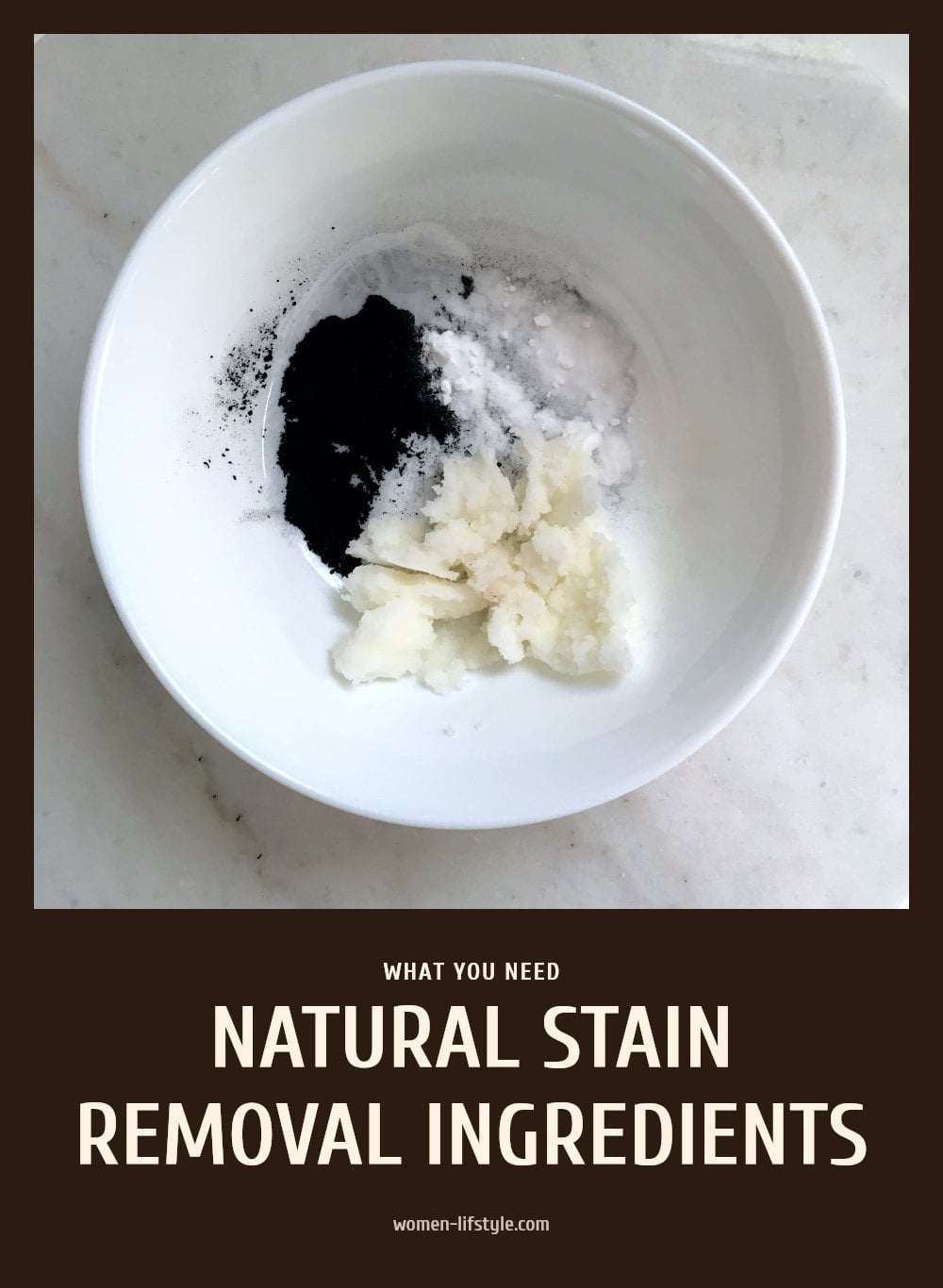
For safe at-home stain removal, gather these items:
- Baking soda (sodium bicarbonate): A mild abrasive that polishes surface stains.
- Coconut oil: Used for oil pulling (optional, limited evidence).
- Food-grade activated charcoal: Can absorb stains but is abrasive; use with caution.
- Soft-bristled toothbrush: Protects enamel from unnecessary wear.
- Water: For rinsing after any treatment.
Gentle Natural Methods for Surface Stain Removal
Baking Soda Paste
Mix a small amount of baking soda with water to form a paste. Apply it to your toothbrush and gently brush for no more than 1-2 minutes, then rinse thoroughly. Tip: Limit this to once or twice a week to avoid wearing down enamel.
Activated Charcoal
Wet your toothbrush, dip it into food-grade activated charcoal powder, and brush gently for about a minute. Rinse completely. Caution: Charcoal is highly abrasive. Overuse can erode enamel and increase sensitivity. Stop if you notice any discomfort.
Oil Pulling
Swish a tablespoon of coconut oil in your mouth for 10-15 minutes, then spit it into a trash can (not the sink). Some people find this helps reduce surface stains, but scientific evidence for whitening is limited.
Avoid: Acidic fruits like strawberries or lemon juice, and apple cider vinegar. Their acids can dissolve surface stains temporarily but erode enamel with repeated use, leading to permanent damage and sensitivity.
Common Mistakes to Avoid When Whitening Teeth
The biggest mistake is expecting natural remedies to change the actual color of your teeth. These methods only polish away surface stains, not the shade inside the tooth. If you want a truly whiter smile, you need bleaching agents like hydrogen peroxide, which a dentist can provide.
Another common error is scrubbing too hard or too often. Abrasive ingredients like baking soda and activated charcoal can wear down enamel if used aggressively, leaving teeth more sensitive and yellower over time. Use them sparingly, maybe once or twice a week, and always with a soft-bristled brush.
Just because something is natural doesn’t mean it’s safe for your teeth. Acidic items like lemon juice or apple cider vinegar can erode enamel quickly. And don’t skip the dentist, especially if your discoloration might come from an underlying issue. Finally, be patient: gentle methods yield minimal, gradual results, not overnight changes.
Preventing New Stains and Maintaining a Bright Smile

Keeping stains off your teeth starts with the basics. Brush twice a day with a fluoride toothpaste and floss daily to remove plaque and food particles that cause discoloration. My tip: keep a small bottle of water at your desk and rinse your mouth after coffee, tea, or red wine to reduce how much those pigments stick to enamel.
Use a soft-bristled toothbrush to protect your enamel from wear, and limit highly staining foods and drinks like berries, soy sauce, and dark sodas. Regular dental check-ups help your dentist spot early signs of enamel thinning or decay that could make staining worse. These habits won’t whiten teeth that are already stained, but they keep new stains from forming and support overall oral health.
When to Consult Your Dentist About Teeth Whitening
If you notice significant tooth sensitivity, gum pain, or bleeding, stop any whitening method and see your dentist. These symptoms may point to underlying dental issues that need professional care.
Before trying any new whitening approach, especially if you have existing dental conditions or dental work like fillings, crowns, or veneers, get your dentist’s advice. Whitening agents won’t lighten these restorations, so you may end up with uneven color.
For more significant or lasting results beyond surface stain removal, professional treatments are your best option. Your dentist can safely address intrinsic discoloration that home methods can’t change.
Frequently Asked Questions
Can natural methods change my intrinsic tooth color?
No, natural methods like baking soda or charcoal only work on surface stains. Intrinsic discoloration, which is inside the tooth structure, requires bleaching agents like hydrogen peroxide that a dentist can provide. If your teeth are discolored due to genetics, aging, or medication, natural remedies won’t change that.
How often can I use baking soda for teeth whitening?
It’s best to use baking soda sparingly, about once or twice a week. Brushing with it more often can wear down your enamel because it’s abrasive. Mix a small amount with water to form a paste, brush gently for no more than 1-2 minutes, and rinse thoroughly.
Will teeth whitening work on fillings or crowns?
No, whitening agents do not lighten fillings, crowns, or veneers. If you have dental work, whitening your natural teeth could create an uneven color match. It’s important to talk to your dentist before starting any whitening treatment to discuss how it might affect your existing restorations.
What causes tooth discoloration?
Tooth discoloration comes from two main sources. Extrinsic stains sit on the surface from coffee, tea, red wine, or tobacco, and can sometimes be reduced with gentle methods. Intrinsic stains happen inside the tooth due to genetics, aging, trauma, or certain medications, and require professional treatment.
Are there any side effects to natural teeth whitening?
Yes, some natural methods can have side effects. Acidic substances like lemon juice or apple cider vinegar can erode enamel, leading to sensitivity and cavities. Abrasive materials like charcoal can wear down enamel if used too often. If you experience pain, sensitivity, or gum irritation, stop and see a dentist.
Final Thoughts
If you’re looking to brighten your smile at home, stick to gentle methods like a baking soda paste used sparingly, and keep up with daily brushing and flossing. Remember, these approaches mainly tackle surface stains, so don’t expect dramatic changes to your tooth’s natural shade. For lasting or significant whitening, a dentist can offer options with proven bleaching agents. And if you ever notice sensitivity or discomfort, stop and get professional advice.
This article is for general information only and is not a substitute for professional dental advice. Always consult your dentist before trying any new whitening method, especially if you have existing dental conditions, sensitivity, or dental work. If you experience pain or discomfort, seek professional care promptly.
