

You know that bone-deep tiredness that doesn’t lift even after a full night’s sleep? That’s fatigue, and it’s different from just feeling sleepy. It can make getting through your day feel like a real struggle. This article covers the most common lifestyle reasons behind it and shares natural strategies to help you reclaim your energy, from tweaking your sleep and diet to managing stress and knowing when to see a doctor.

Key Takeaways
- Prioritize 7-9 hours of quality sleep each night with a consistent bedtime and wake time.
- Stay hydrated throughout the day; even mild dehydration can drain your energy.
- Incorporate regular moderate exercise, like a brisk walk, to boost energy levels.
- Eat a balanced diet with whole foods, lean protein, and complex carbs for sustained fuel.
- If fatigue is severe or doesn’t improve with lifestyle changes, consult a healthcare professional.
What is Fatigue and Why Am I So Tired?
Fatigue isn’t just feeling sleepy after a late night. It’s a persistent lack of energy that hangs around even after rest, making daily tasks feel heavier. Lifestyle factors like stress, diet, and sleep patterns often play a big role. The good news is that natural strategies, focusing on daily habits, can help restore your vitality without quick fixes.
Common Reasons You Might Be Feeling Fatigued
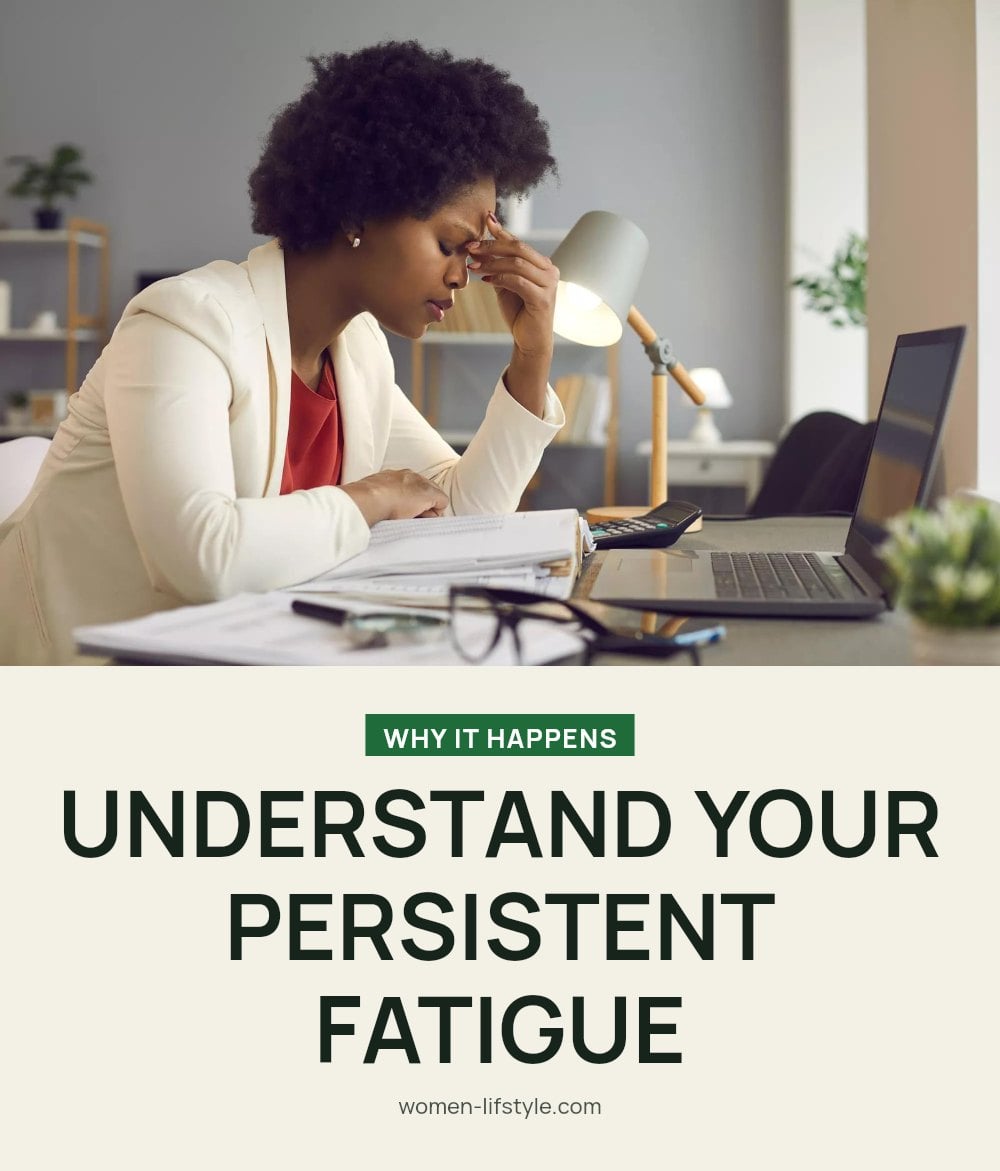
Common Reasons You Might Be Feeling Fatigued
Chronic fatigue can last six months or more and is unexplained, but many cases trace back to lifestyle. Insufficient sleep (less than the 7-9 hours adults need) is a major culprit. Even mild dehydration reduces energy and cognitive function. A poor diet, lacking whole foods, complex carbs, and lean proteins, causes energy crashes. Excessive caffeine can disrupt sleep, creating a fatigue cycle. Chronic stress depletes your reserves over time.
Underlying medical conditions are also common, especially in women. Iron deficiency (anemia) and vitamin D deficiency are frequent causes. If your fatigue is severe, sudden, or doesn’t improve with lifestyle changes, consult a healthcare professional to rule out issues like thyroid disorders or sleep apnea.
Natural Strategies to Boost Your Energy

Natural Strategies to Boost Your Energy
Prioritize sleep: Aim for 7-9 hours nightly with a consistent routine. Go to bed and wake at the same time, even on weekends. My tip: Keep your bedroom cool and dark to support deeper rest.
Stay hydrated: Drink water throughout the day. Keep a water bottle at your desk as a reminder. Even mild dehydration can drain your energy.
Move your body: Regular moderate exercise, like brisk walking, improves energy and reduces fatigue. Tip: Start with 10-15 minutes if you’re not used to it, then gradually increase.
Eat for energy: Focus on whole foods, lean proteins, and complex carbs (think oats, quinoa, veggies). These provide steady fuel instead of spikes and crashes. Caution: Skip heavy meals right before bed, as they can disrupt sleep.
Manage stress: Try meditation or deep breathing for 5-10 minutes daily. Good to know: This reduces mental exhaustion, which often contributes to fatigue.
Get natural light: Spend time outdoors, especially in the morning, to regulate your circadian rhythm and improve sleep quality. Pro move: Pair a morning walk with your first glass of water to combine two energy boosters.
Limit screens before bed: Turn off bright screens 30-60 minutes before sleep. Caution: Blue light can delay melatonin production, making it harder to fall asleep.
Common Fatigue-Fighting Mistakes and How to Avoid Them
Mistake: Blaming only lack of sleep. Fatigue often involves diet, stress, or hydration. Look at the whole picture.
Mistake: Pushing through exhaustion. Rest is not lazy; it’s necessary. Take a short break or nap when your body signals it needs one.
Mistake: Relying on more caffeine. Too much can disrupt sleep, worsening fatigue. Limit caffeine to earlier in the day.
Mistake: Ignoring diet and fluids. Skipping meals or not drinking enough water will keep energy low. Eat balanced meals and sip water consistently.
Mistake: Underestimating chronic stress. Stress drains energy reserves. Incorporate stress-reduction techniques like deep breathing or a short walk.
Best Tips for Sustained Energy Throughout Your Day

Listen to your body: When your focus slips or your eyes feel heavy, that’s a signal to pause. A 5-minute break to stretch or walk around can reset your energy better than forcing yourself through another hour.
Plan your meals: Skipping breakfast or waiting too long between meals lets blood sugar dip, which fuels that mid-afternoon crash. Keep balanced snacks like nuts or fruit nearby so you’re never running on empty.
Mindful caffeine use: I cap my coffee intake before noon. Caffeine later in the day lingers in your system and can disrupt sleep, which starts the fatigue cycle all over again.
Movement breaks: After 30-60 minutes of sitting, a short walk around the block or up the stairs can boost circulation and alertness. Even 5 minutes helps.
Prioritize self-care: Overcommitting drains you before the day even ends. Block out time for rest, even if it’s just 15 minutes of quiet, and treat it as non-negotiable.
How Long Until You Feel Better and What to Expect
With consistent changes, you may notice a shift in your energy within days to a few weeks. Small wins, like sleeping better or feeling less foggy after lunch, often show up first. For chronic fatigue, plan for a longer runway: sustained effort and patience are part of the process, and setbacks are normal.
The good news is that most of these strategies are low-cost. You are mostly rearranging habits, not buying products. The main expenses are healthy groceries, a reliable water bottle, and comfortable walking shoes. My tip: start with one change, like a morning walk or a fixed bedtime, and give it two weeks before judging the results.
When to Consult a Healthcare Professional About Fatigue
See a doctor if your fatigue is severe, comes on suddenly, or shows up with concerning symptoms like unexplained weight loss, fever, or pain. Also make an appointment if you’ve stuck with better sleep, hydration, and diet changes for several weeks and still feel drained.
Fatigue can signal underlying conditions such as anemia, thyroid disorders, sleep apnea, diabetes, or autoimmune disease. If you suspect any of these, don’t guess. A blood test can check for common culprits like iron or vitamin D deficiency.
Caution: Never self-diagnose or self-treat chronic fatigue. And before you overhaul your diet or start supplements, talk to your doctor, especially if you take medication or have a health condition. Professional guidance keeps your energy plan safe and effective.
Frequently Asked Questions
What’s the difference between tiredness and fatigue?
Tiredness is a normal, temporary feeling after a busy day or a poor night’s sleep, and it usually goes away with rest. Fatigue is a persistent, overwhelming lack of energy that continues even after you’ve rested, and it can interfere with your daily life for weeks or months.
Can certain foods make fatigue worse?
Yes, foods high in added sugar or refined carbs can cause a quick energy spike followed by a crash, leaving you more tired. Skipping meals, especially breakfast, can also lead to low blood sugar and low energy. Sticking with whole foods, lean protein, and complex carbs helps keep your energy steady.
Is it normal to feel tired after exercise?
Feeling tired right after a workout is normal as your body recovers, but it should lift within a few hours. If you feel persistently drained after exercise, you might be overdoing it, not eating enough to fuel your workouts, or not hydrating properly. Try moderate activity and see how you feel.
How can I boost my energy naturally?
Start with the basics: get 7-9 hours of quality sleep, drink water throughout the day, eat balanced meals with whole foods, and include moderate exercise like walking. Managing stress with deep breathing or a short break also helps. Avoid relying on caffeine for a quick fix, as it can disrupt sleep later.
Final Thoughts
Think of your energy like a bank account: you need to make consistent deposits through good sleep, hydration, and nutrition. One solid recommendation is to start with your sleep routine, set a fixed wake time and aim for 7-9 hours in a dark, quiet room. You might notice small improvements in a few days, but for chronic fatigue, plan for a longer runway of several weeks. Listen to your body and be patient with yourself.
This article provides general wellness information and is not a substitute for professional medical advice. Fatigue can be a symptom of an underlying condition, such as anemia or a thyroid disorder. If your fatigue is severe, sudden, or persists despite lifestyle changes, please consult a healthcare professional.
