

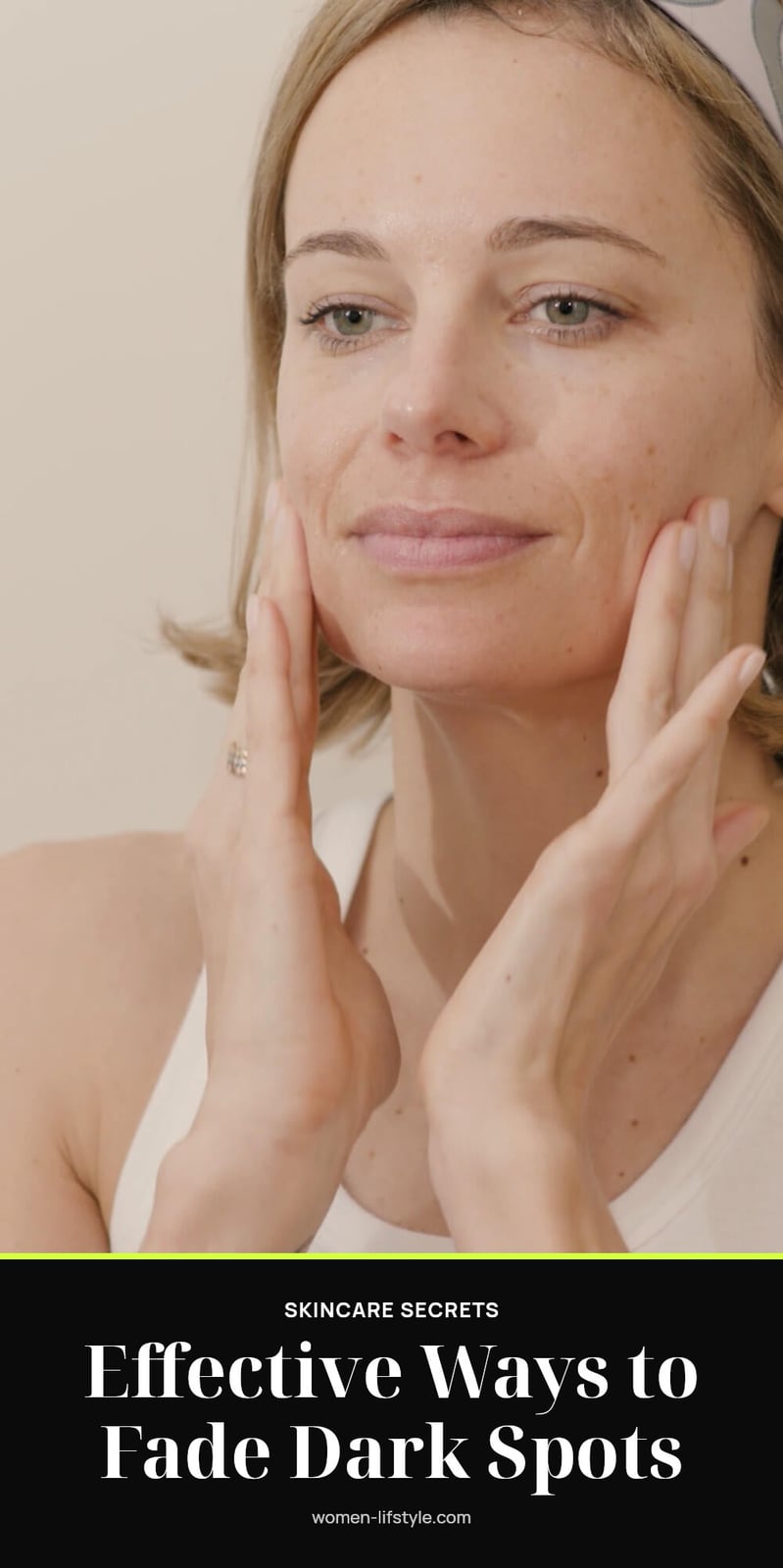
Dark spots can feel like a stubborn puzzle, but the right approach really does make a difference. Whether yours are from sun exposure, past breakouts, or hormonal shifts, the key is combining daily sun protection with ingredients that target melanin production. This article covers the most effective remedies, from vitamin C and retinoids to professional treatments like chemical peels and lasers, so you can find what works for your skin.
Key Takeaways
- Apply broad-spectrum sunscreen with SPF 30 or higher every single day, even indoors.
- Use a vitamin C serum in the morning to brighten skin and block melanin production.
- Start retinoids slowly (a few nights a week) to speed cell turnover without irritation.
- For stubborn spots, consult a dermatologist about prescription hydroquinone or professional peels.
- Expect visible results from topical treatments within 4-12 weeks of consistent use.
What Are Dark Spots and Why Do They Appear?
Dark spots are areas of hyperpigmentation where your skin produces excess melanin. They usually come from sun exposure (sun spots), past breakouts or injuries (post-inflammatory hyperpigmentation), or hormonal shifts like melasma. The most effective approach combines daily sun protection with ingredients that target melanin production and encourage cell turnover.
1. Daily Broad-Spectrum Sunscreen
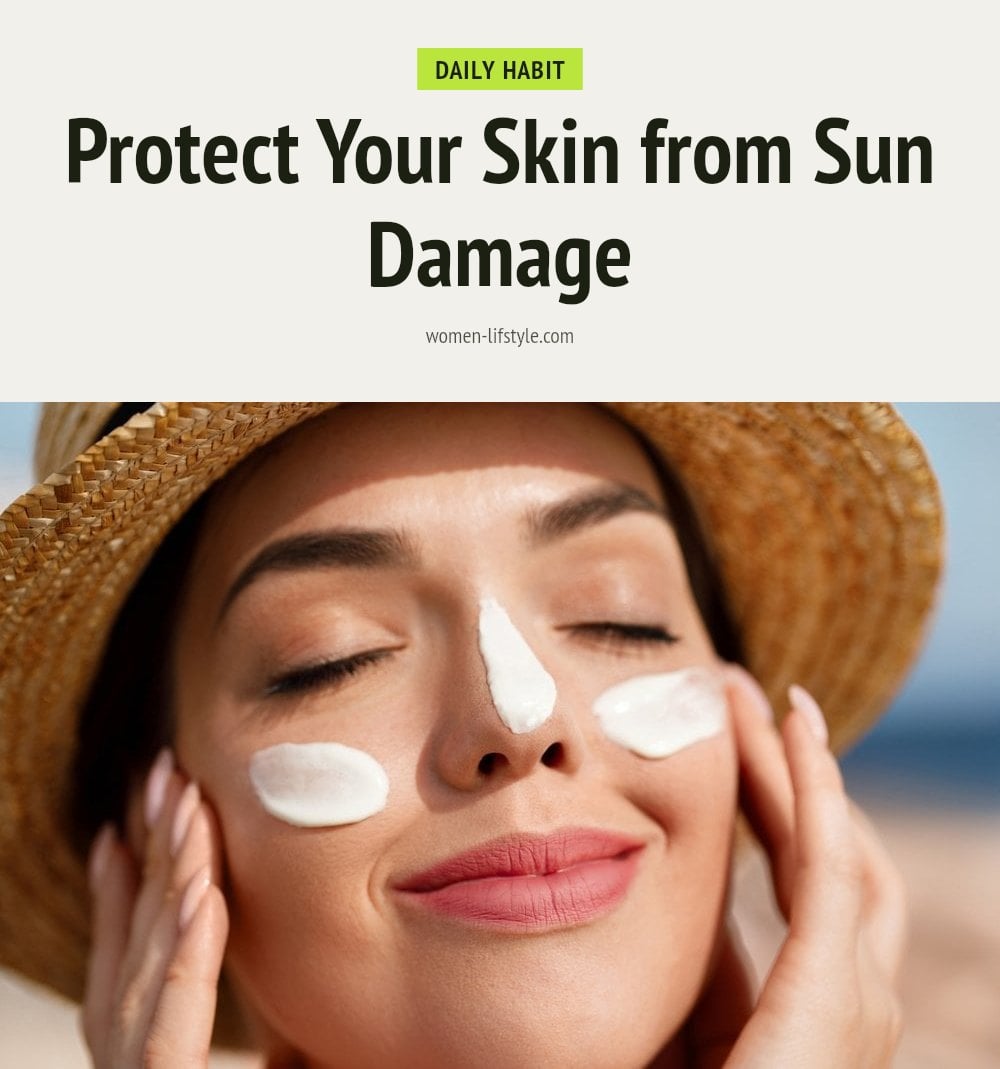
Sunscreen with SPF 30 or higher is non-negotiable. It prevents new dark spots from forming and stops existing ones from getting darker. Apply it every morning, even if you are indoors or it is cloudy. When you are outside, reapply every two hours.
My tip: Look for mineral sunscreens with zinc oxide or titanium dioxide. They provide broad-spectrum protection and are less likely to irritate hyperpigmented skin.
2. Vitamin C Serums
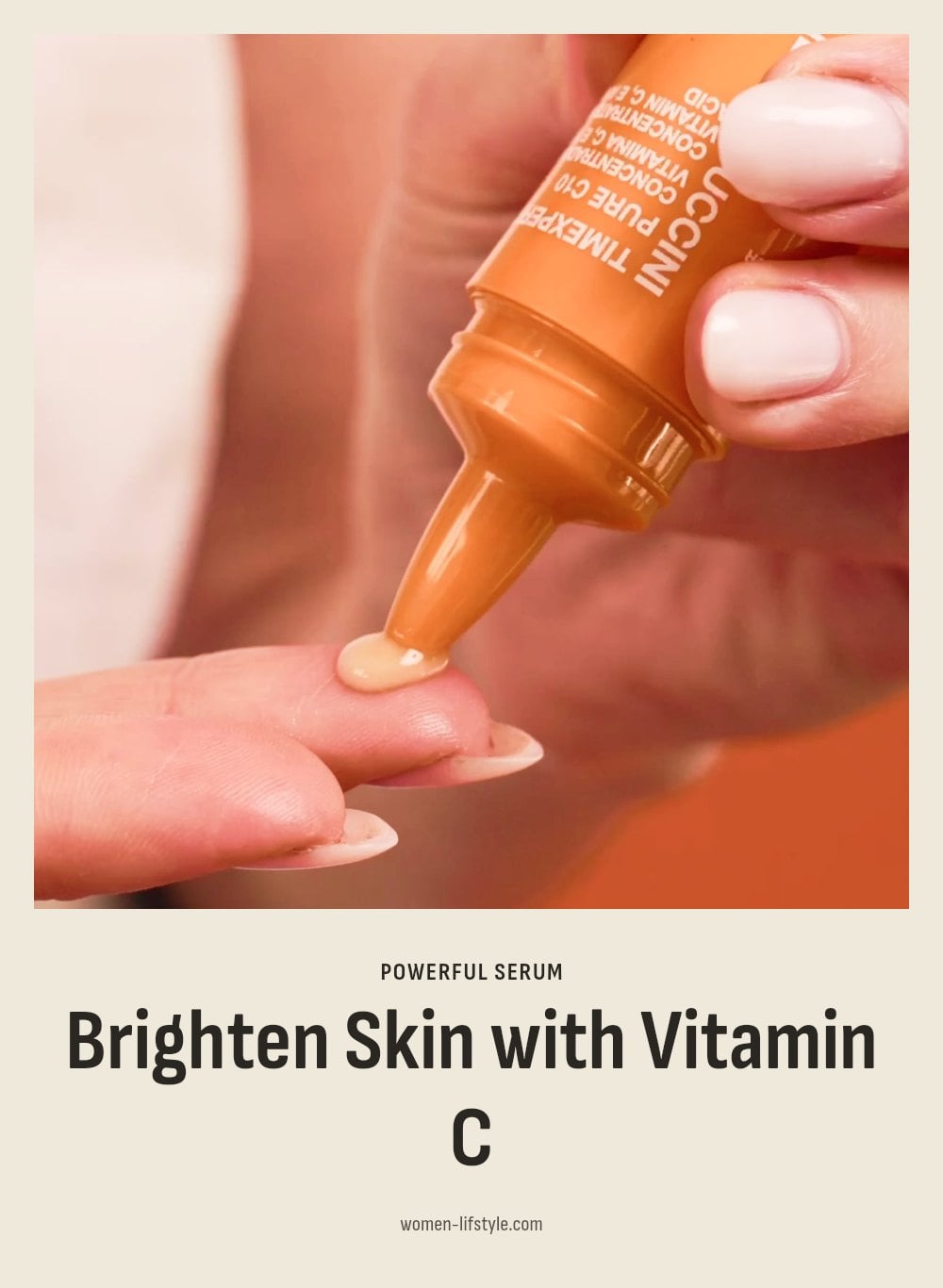
Vitamin C is a powerful antioxidant that brightens skin and inhibits melanin production, which helps fade existing dark spots. For best results, choose a serum with a stable form like L-Ascorbic Acid, as it penetrates effectively and maintains potency.
My tip: Apply the serum in the morning before sunscreen. This pairing boosts the sunscreen’s protective effect against UV damage that triggers new spots.
3. Retinoids (Retinol or Tretinoin)
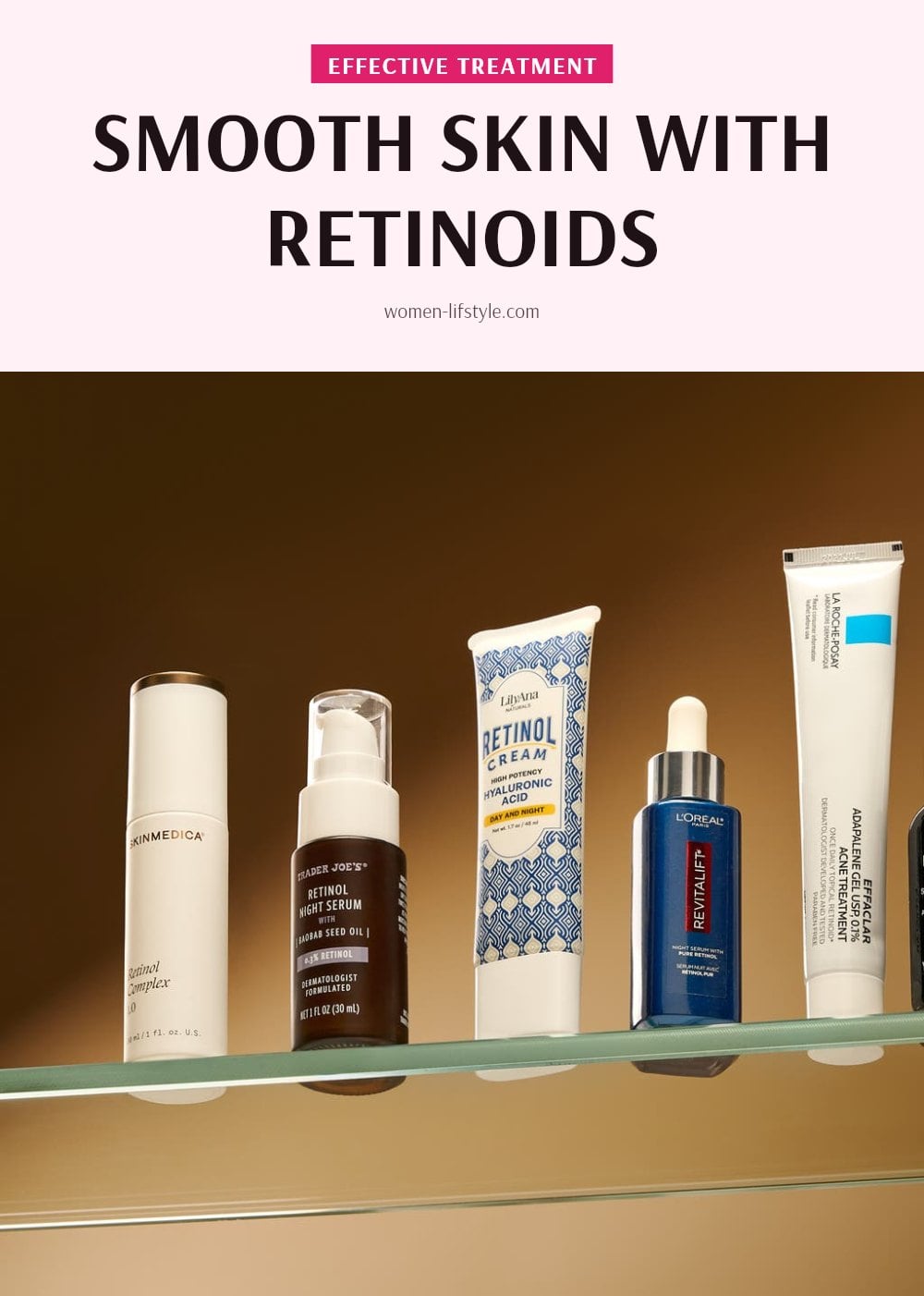
Retinoids increase cell turnover, which helps shed pigmented skin cells and even out your skin tone. Start with an over-the-counter retinol a few nights a week to let your skin adjust. For stubborn spots, a dermatologist may recommend prescription tretinoin.
Caution: Retinoids can make your skin more sensitive to the sun. Use them only at night and always apply broad-spectrum sunscreen during the day to protect your progress and prevent new spots.
4. Niacinamide Treatments
Niacinamide, or Vitamin B3, works by reducing the transfer of pigment to skin cells while calming inflammation. This makes it a gentler option for sensitive skin that may not tolerate stronger actives. Tip: Look for serums with 5-10% niacinamide for effective results. You can use it alongside other treatments like vitamin C or retinoids without irritation.
5. Alpha Hydroxy Acids (AHAs)
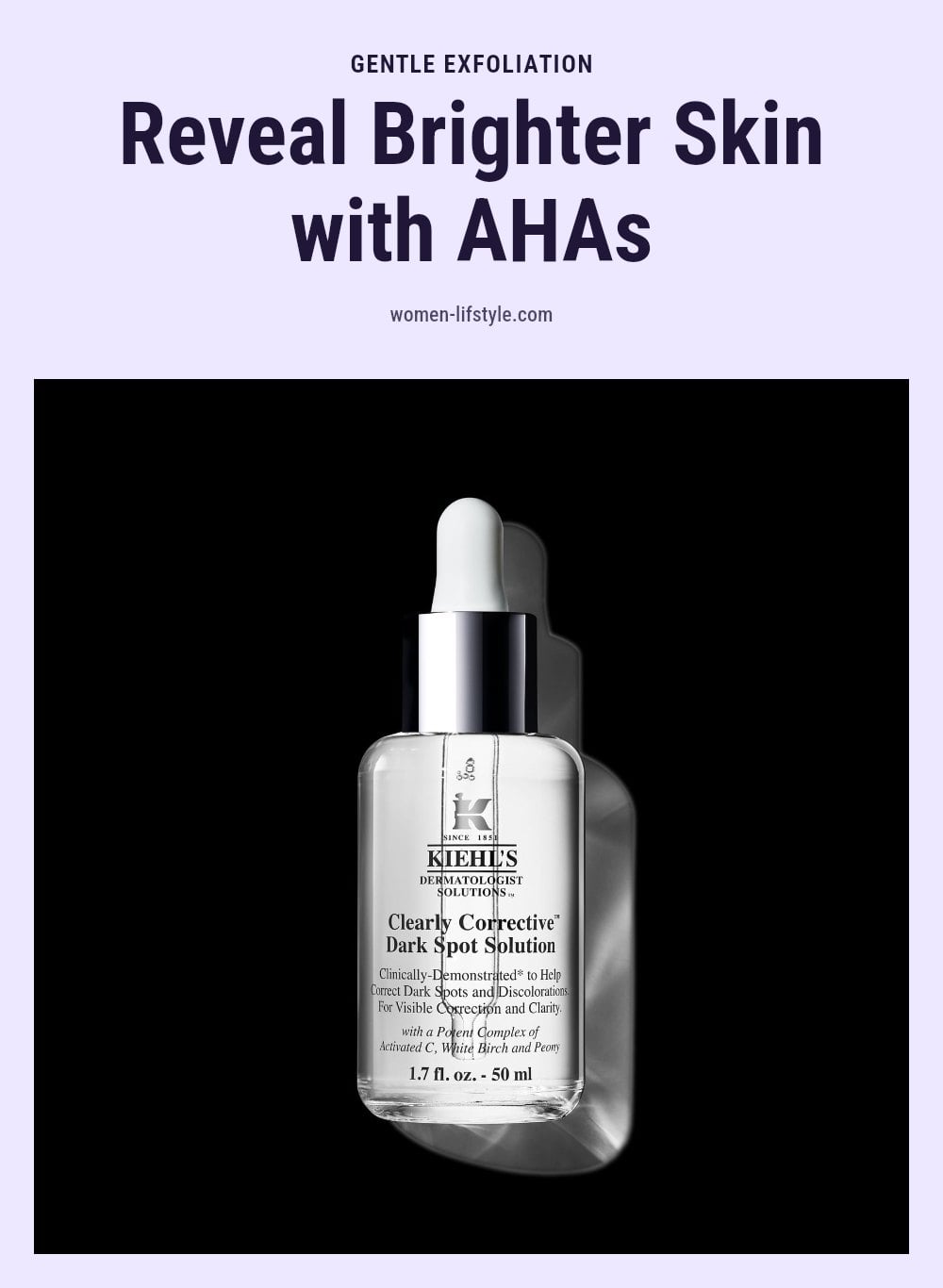
Alpha hydroxy acids like glycolic or lactic acid exfoliate the skin’s surface, helping to remove pigmented cells. Use them a few times a week to avoid over-exfoliation, which can worsen dark spots. Caution: AHAs make your skin more sensitive to the sun, so apply them in the evening and always wear sunscreen during the day. This evening application and daytime SPF protection are key to safe and effective use.
6. Hydroquinone (Prescription Strength)
Hydroquinone is often considered a gold standard for lightening dark spots by directly reducing melanin production. It is potent and usually requires a prescription due to potential side effects like ochronosis with prolonged use. Always use under professional guidance to ensure safe and effective treatment.
7. Kojic Acid and Azelaic Acid
Kojic acid, derived from mushrooms, and azelaic acid, found in grains, are effective melanin inhibitors. They are often used in combination with other ingredients and are good alternatives if your skin is sensitive to stronger actives. Good to know: Azelaic acid is also great for acne-prone skin that experiences post-inflammatory hyperpigmentation.
8. Chemical Peels
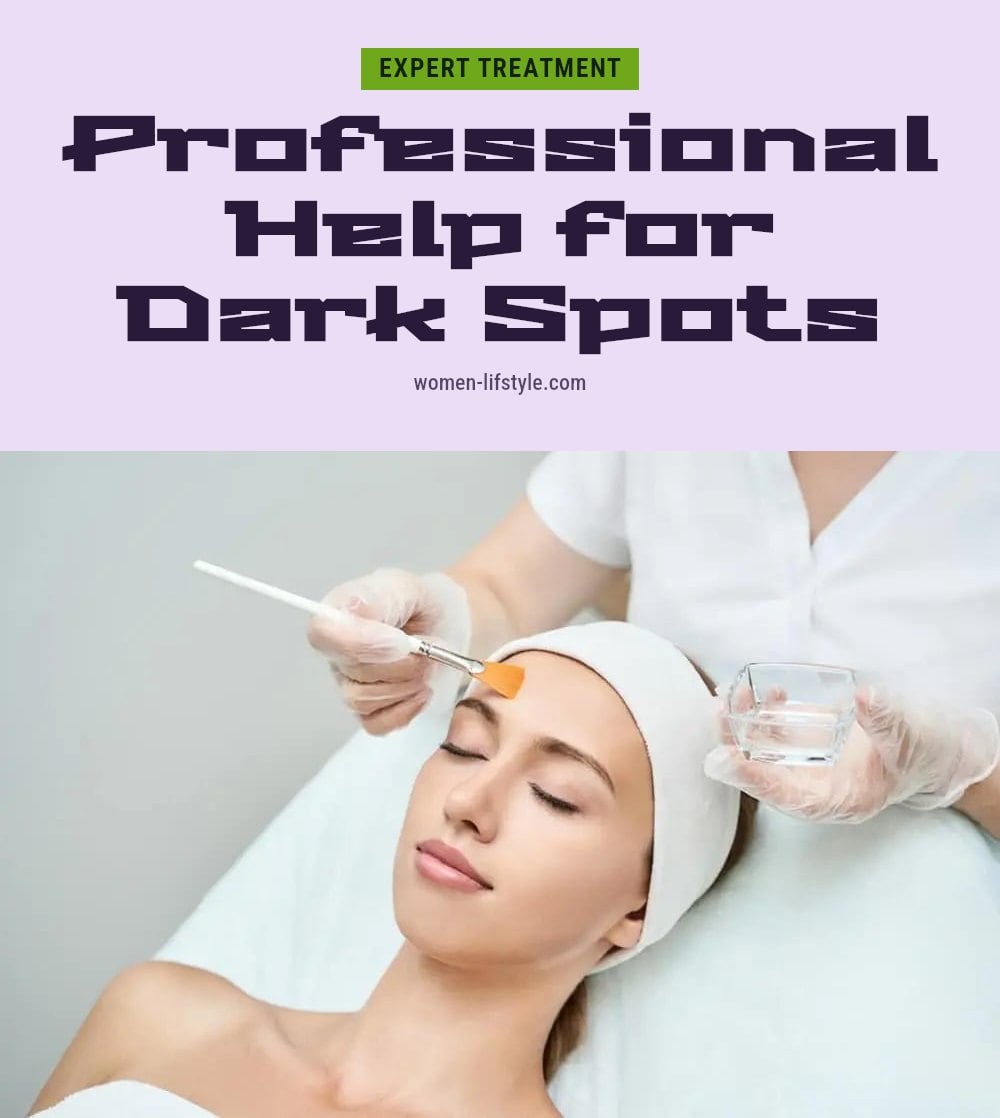
Professional chemical peels use stronger acids than at-home versions to exfoliate multiple layers of skin. This deep exfoliation sheds pigmented cells and reveals brighter skin underneath. Peels are effective for stubborn dark spots but require downtime and careful aftercare.
- Consult a dermatologist: They will assess your skin type and spot severity to choose the right peel strength and formula.
- Expect peeling and redness: Your skin will need a few days to recover, so plan around social events.
- Follow aftercare strictly: Use gentle cleansers, heavy moisturizers, and avoid sun exposure until skin heals completely.
Pro move: Schedule a peel when you have no major plans for at least a week, so your skin has time to recover without added stress.
9. Microdermabrasion
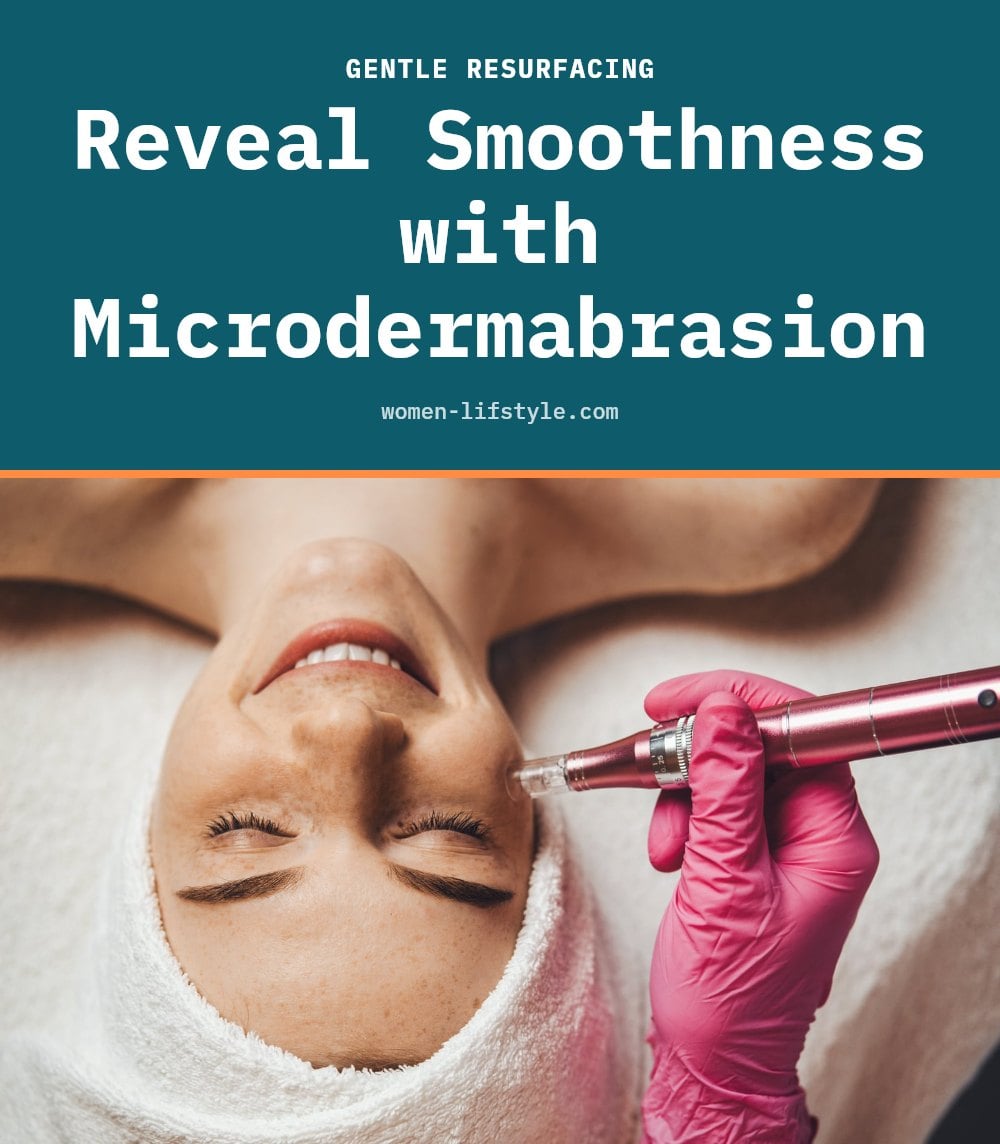
Microdermabrasion uses a device with fine crystals or a diamond tip to gently exfoliate the outermost layer of your skin. This physical exfoliation improves texture and reduces superficial dark spots by removing the pigmented surface cells.
Quick tip: Microdermabrasion is best for surface-level hyperpigmentation, not deep or hormonal spots like melasma. It is less invasive than chemical peels but often requires multiple sessions, typically 4-6, spaced a few weeks apart for noticeable results.
10. Laser Therapy
Various types of lasers can target and break down melanin in dark spots, leading to their fading or removal. Laser therapy is highly effective for specific types of hyperpigmentation, including sun spots and some forms of melasma.
- Caution: This is a professional treatment that requires careful assessment by a dermatologist to choose the correct laser and avoid complications like burns or increased pigmentation.
- Multiple sessions may be needed: Most people see improvement after 3-5 treatments, with results lasting months to years with proper sun protection.
11. Patience and Consistency
Regardless of the method you choose, treating dark spots takes time and consistent effort. Skin cell turnover is a slow process, so expect visible results typically within 4-12 weeks, with more significant improvement over 3-6 months.
Tip: Stick with your chosen routine. Hopping between products too quickly can irritate your skin and delay results. If you don’t see change after 3 months, then consider adjusting your approach or consulting a dermatologist.
When to See a Dermatologist
If your dark spots are persistent, large, or widespread, a dermatologist can offer stronger treatments than over-the-counter options. Any dark spot that changes in size, shape, color, or texture, or becomes itchy or bleeds, needs immediate professional evaluation to rule out skin cancer. For melasma, which is often hormone-related, a dermatologist can provide targeted and often more effective treatment plans, including prescription-strength ingredients or in-office procedures.
Frequently Asked Questions
How long does it take for dark spots to fade?
With consistent use of topical treatments, you can expect to see visible results within 4 to 12 weeks. More significant fading often takes 3 to 6 months. Professional treatments like chemical peels or lasers may show faster results, but patience is key for any approach.
Can dark spots come back after treatment?
Yes, dark spots can return if you don’t protect your skin from the sun or if the underlying cause (like hormonal changes) continues. Daily sunscreen with SPF 30 or higher is essential to prevent new spots and keep treated areas from darkening again.
Are natural remedies effective for dark spots?
Natural remedies like aloe vera, apple cider vinegar, or lemon juice are often mentioned, but scientific evidence supporting their effectiveness is limited. They may provide mild lightening for some people, but for consistent results, proven ingredients like vitamin C, niacinamide, or retinoids are more reliable.
What’s the difference between sun spots and melasma?
Sun spots (solar lentigines) are caused by cumulative sun exposure and appear as small, dark patches. Melasma is triggered by hormonal changes (pregnancy, birth control) combined with sun exposure and often forms larger, symmetrical patches on the face. Melasma can be more challenging to treat.
Can makeup hide dark spots while treating them?
Yes, makeup like concealer or color-correcting products can temporarily cover dark spots while you treat them. Just make sure to remove makeup gently at night and continue your treatment routine underneath. Sunscreen should still be applied under makeup for protection.
Final Thoughts
My top recommendation is to build a routine around daily sunscreen and one or two targeted actives like vitamin C or niacinamide. Realistic expectations matter here: most topical treatments take at least a month to show visible fading, with more significant improvement over three to six months. Stick with it, and your skin will thank you.
This article provides general information about dark spot treatments and is not a substitute for professional medical advice. If you have persistent, large, or changing dark spots, or if you are pregnant or breastfeeding, consult a dermatologist or healthcare provider for personalized guidance.
