

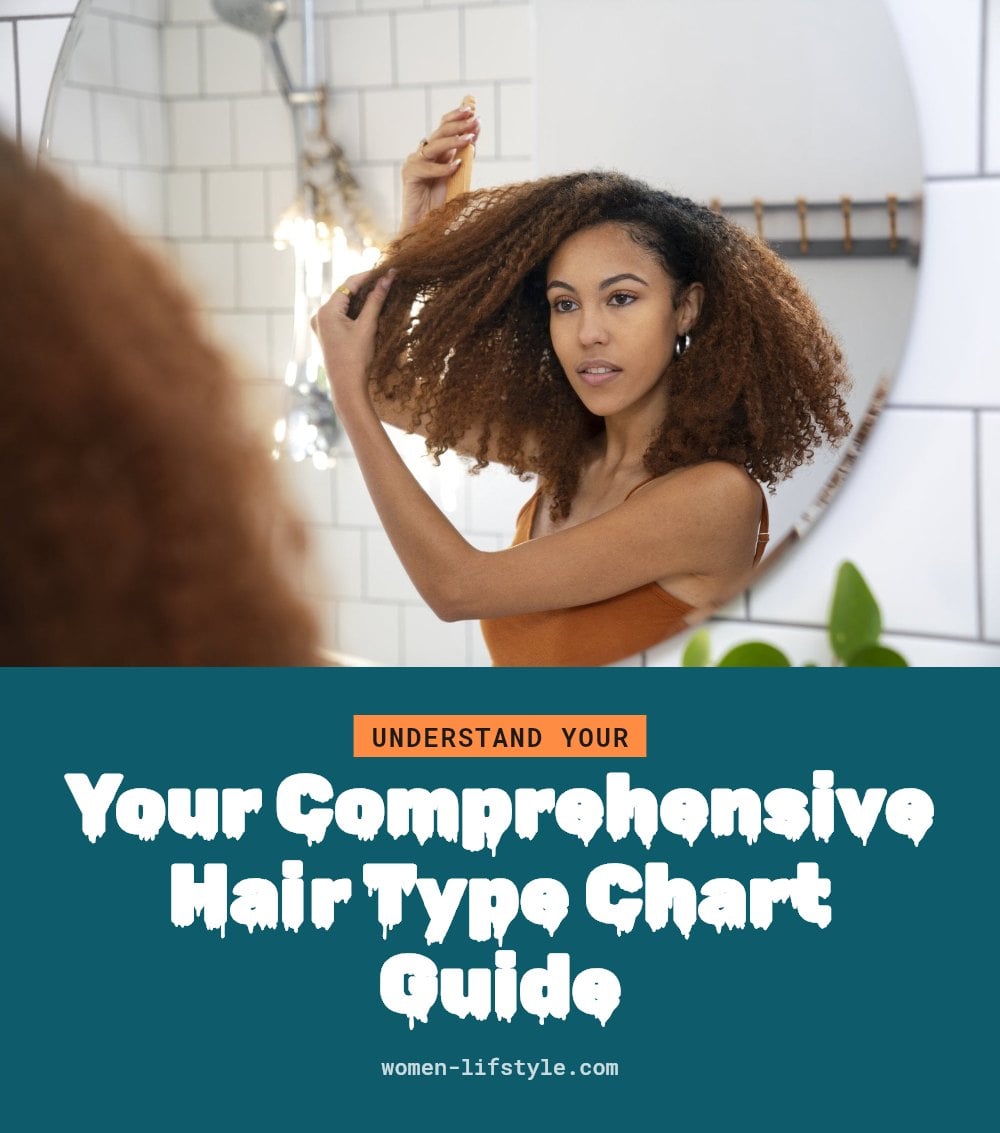
If you’ve ever felt like your hair has a mind of its own, you’re not alone. Understanding your hair type is the first step to finally getting a routine that works with it, not against it. This guide walks you through the Andre Walker system for curl patterns, plus how to check your hair’s porosity, density, and strand width so you can pick the right products and techniques.
I’ve spent a lot of time figuring out what makes hair tick, and the biggest lesson is that curl pattern is just one piece of the puzzle. Porosity, density, and width matter just as much for how your hair behaves and what it needs. Let’s break it all down.
Key Takeaways
- Hair types range from Type 1 (straight) to Type 4 (coily), with A, B, and C subcategories for curl tightness.
- Porosity, density, and strand width are just as important as curl pattern for choosing products.
- Always assess your hair when it’s clean and product-free for accurate results.
- Your hair type can shift with age, hormones, or chemical treatments, so recheck it periodically.
- Don’t compare your hair to others; everyone’s combination of traits is unique.
What is a Hair Type Chart and Why Does it Matter?
Think of a hair type chart as your personal roadmap to healthier hair. It organizes your hair by its natural curl pattern, but I’ve found that the real magic happens when you look beyond curls. Porosity, density, and strand width are just as crucial for picking the right products and routines. Using a chart without these factors is like choosing a face cream without knowing your skin type. It helps you stop guessing and start tailoring your care for results that actually last.
Essential Tools for Discovering Your Hair Type
You don’t need a fancy kit to figure out your hair type. Just three basics will do.
- Clean, product-free hair: This is non-negotiable. Any leftover gel or oil will mask your natural pattern and porosity.
- Water: You need a glass of room-temperature water for the simple porosity float test.
- Mirror: A good mirror lets you check your scalp for density and see your curl shape from all angles.
My tip: Don’t rely on a single observation. Check your hair over a few washes to confirm the pattern, since humidity and how you sleep can change it day to day.
Step-by-Step: Identifying Your Hair’s Curl Pattern
Wash and air dry your hair: Start with a thorough wash using a gentle shampoo. Skip conditioner, leave-ins, and any styling products. Let your hair air dry completely without touching it or brushing it.
- Observe the dry shape: Look at the overall form your hair takes naturally. Does it hang straight, form loose S-waves, or curl into tight spirals? This is your baseline.
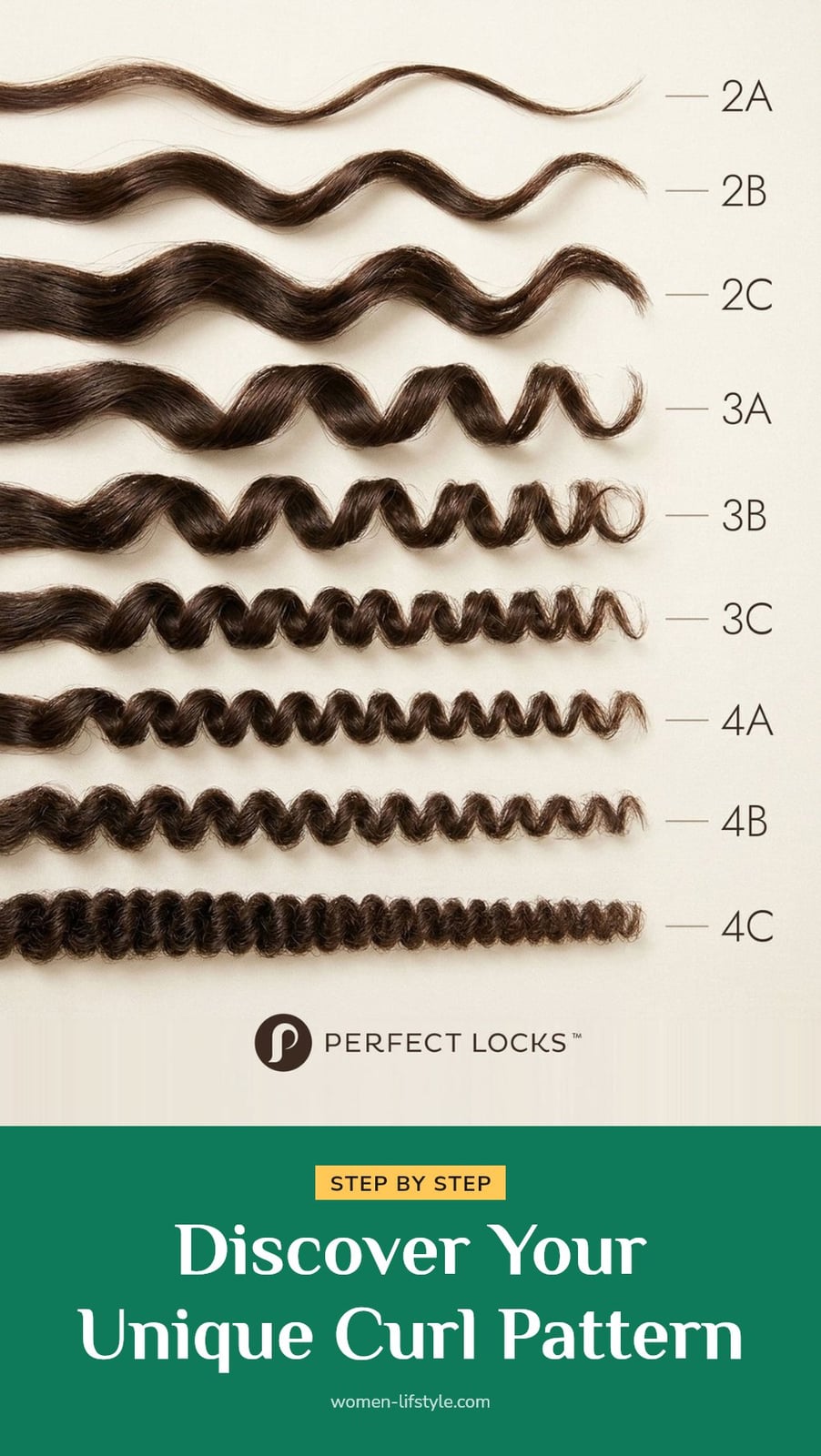
- Use the Andre Walker system: This is the most common way to classify curl patterns. It splits hair into four main types: Type 1 (straight, no curl), Type 2 (wavy, S-shaped), Type 3 (curly, distinct loops), and Type 4 (coily, tight zigzag or S-coils).
- Refine with A, B, or C: Each main type has three subcategories based on curl tightness. For Type 2, 2A is a loose, barely-there wave, 2B is a more defined S-wave, and 2C is a thick wave that starts to curl. For Type 3, 3A curls are large and loose, 3B are medium ringlets, and 3C are tight corkscrews. For Type 4, 4A coils are soft and defined, 4B are tighter with a Z-shape, and 4C are the most tightly packed with less visible definition.
Tip: Look at a strand from your crown, not just the ends, since damage can change the shape near the tips.
How to Determine Your Hair Porosity

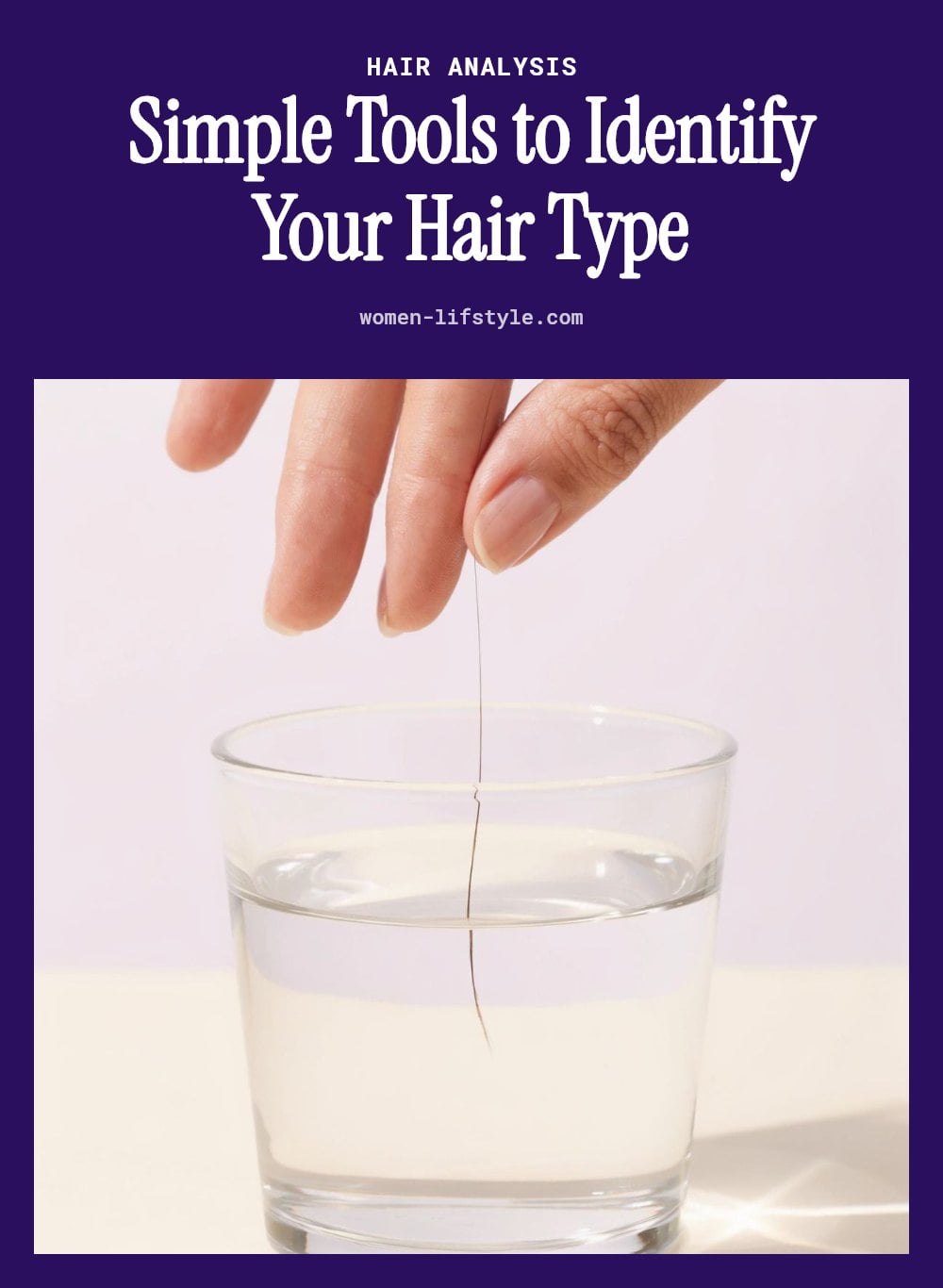
Perform the float test: Take one clean, product-free strand of hair from your brush or comb. Drop it into a glass of room-temperature water. Let it sit for 2-4 minutes without disturbing it.
- Observe the position: Check where the strand settles. If it floats on top, it likely has low porosity. If it hovers in the middle, it is medium porosity. If it sinks quickly to the bottom, it is high porosity.
- Understand low porosity: This means the cuticles are tightly closed. Water and products sit on the hair rather than soaking in. It takes longer to get wet, but once moisture is in, it stays there.
- Understand high porosity: The cuticles are raised or damaged, so moisture rushes in but escapes just as fast. Hair dries quickly and often feels dry or frizzy soon after washing.
- Understand medium porosity: This is the balanced middle ground. The cuticles are slightly open, so hair absorbs moisture well and holds onto it without much effort.
Keep in mind the float test is a common home check but not scientifically precise. It gives you a solid starting point for choosing products.
Understanding Hair Density and Strand Width
Understanding Hair Density and Strand Width
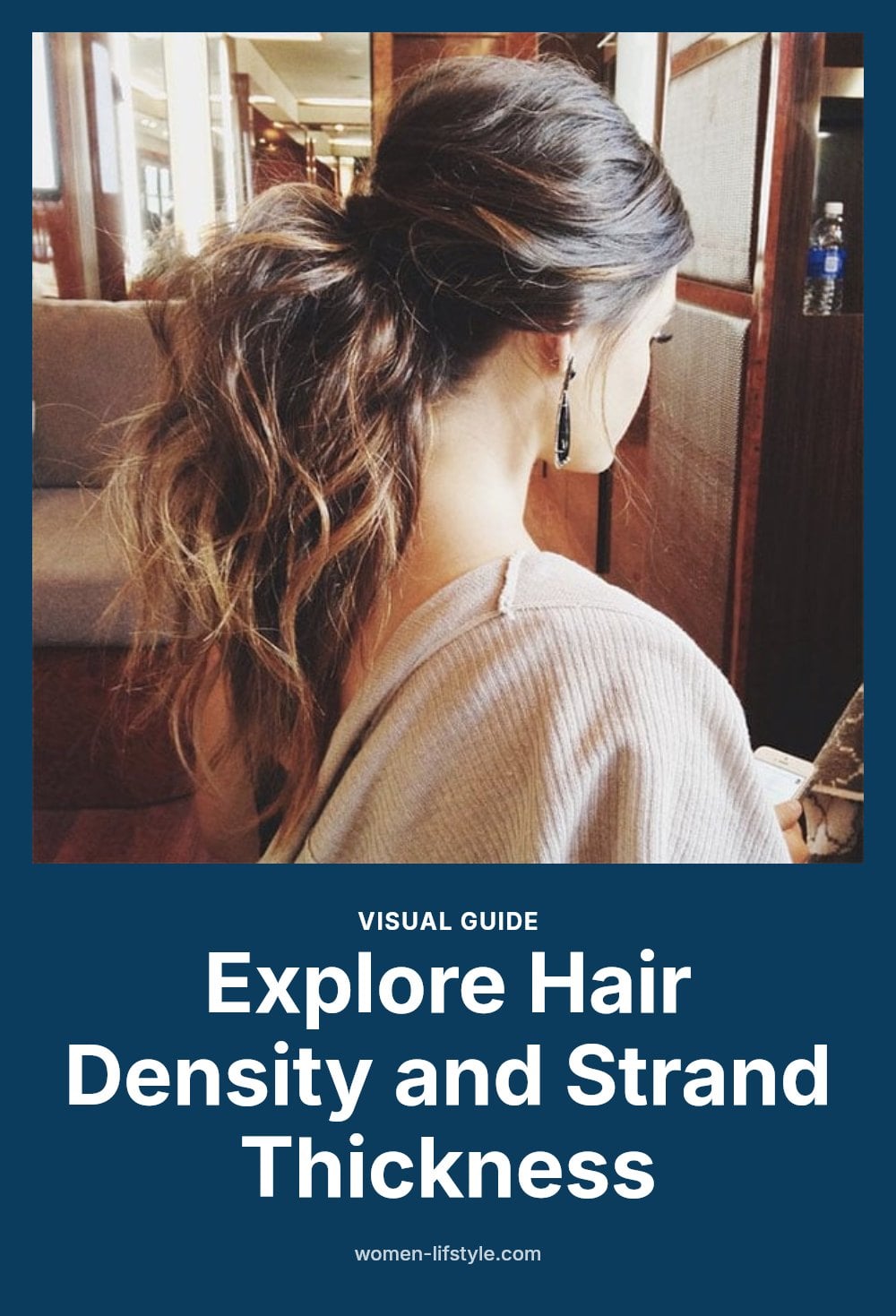
Density is simply how many strands you have on your scalp, while width (or texture) is the thickness of a single strand. Both impact product choice and styling more than you might think. To check density, part your hair and look at your scalp. If you see a lot of scalp, you likely have low density; if you barely see it, you have high density. For width, pull out one clean strand and compare it to a sewing thread. If it feels thinner than the thread, it’s fine; if it feels thicker, it’s coarse; if it matches, it’s medium. Knowing these helps you pick the right product weight and styling tools.
Common Mistakes When Identifying Your Hair Type
Even with the right chart, it’s easy to trip up. Here are the most common mistakes I see.
- Only focusing on curl pattern: Porosity and density are equally important for a complete picture.
- Checking hair with products: Always observe clean, product-free hair for accurate results.
- Assuming hair type is static: Hair can change due to age, hormones, or treatments.
- Comparing to others: Everyone’s hair is unique; focus on your own characteristics.
- Confusing density and width: These are distinct characteristics that need separate assessment.
Best Tips for Tailoring Your Hair Care Routine
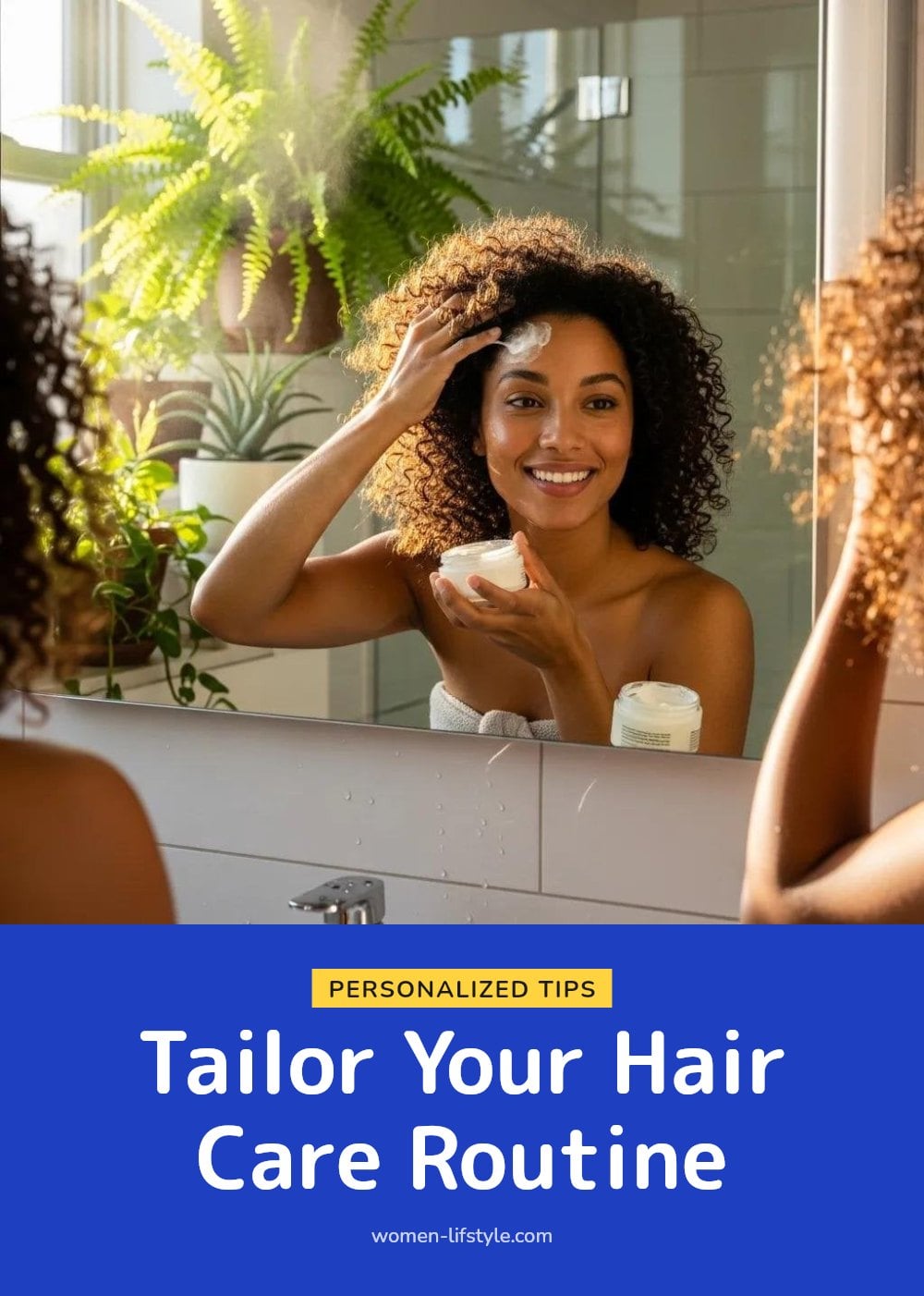
Once you know your full hair profile, here’s how to put it to work.
- Start with gentle products: Choose shampoos and conditioners formulated for your specific hair type and porosity.
- Experiment with styling: Find techniques that work best with your curl pattern and density.
- Moisture is key: Adjust your moisturizing routine based on your porosity; low porosity needs lighter hydration, high porosity needs more sealing.
- Seek professional advice: A stylist can offer personalized insights if you’re unsure.
- Be patient: It takes time and observation to truly understand and cater to your hair’s needs.
Frequently Asked Questions
Can my hair type change over time?
Yes, your hair type can change due to factors like age, hormonal shifts, or chemical treatments such as coloring or relaxing. It’s a good idea to reassess your hair every few months or after any major life or hair changes to keep your routine effective.
Is the Andre Walker system the only way to classify hair?
No, the Andre Walker system is the most widely recognized, but it’s not the only method. Some stylists use other systems that focus more on porosity or density. The key is to find a framework that helps you understand your hair’s needs, not to get stuck on one label.
How often should I re-evaluate my hair type?
Re-evaluate your hair type every few months, especially after significant changes like pregnancy, weight loss, or chemical treatments. Your hair’s curl pattern, porosity, and density can shift, so a quick check helps you keep your routine on track.
Does hair type depend on race or ethnicity?
No, hair type is not determined by race or ethnicity. People of any background can have straight, wavy, curly, or coily hair. While certain patterns are more common in some populations, your individual hair characteristics are unique to you.
What if my hair has different curl patterns?
That’s completely normal. Many people have a mix of curl patterns on their head, like wavy sections near the front and curlier ones in the back. Focus on the overall needs of your hair, and treat each section based on its specific pattern if needed.
Final Thoughts
Once you know your full hair profile, start with gentle products made for your curl pattern and porosity, then adjust based on how your hair responds. Expect to fine-tune your routine over a few washes as you learn what works. Remember, your hair is unique, and the goal is healthy, manageable strands, not a perfect label.
