

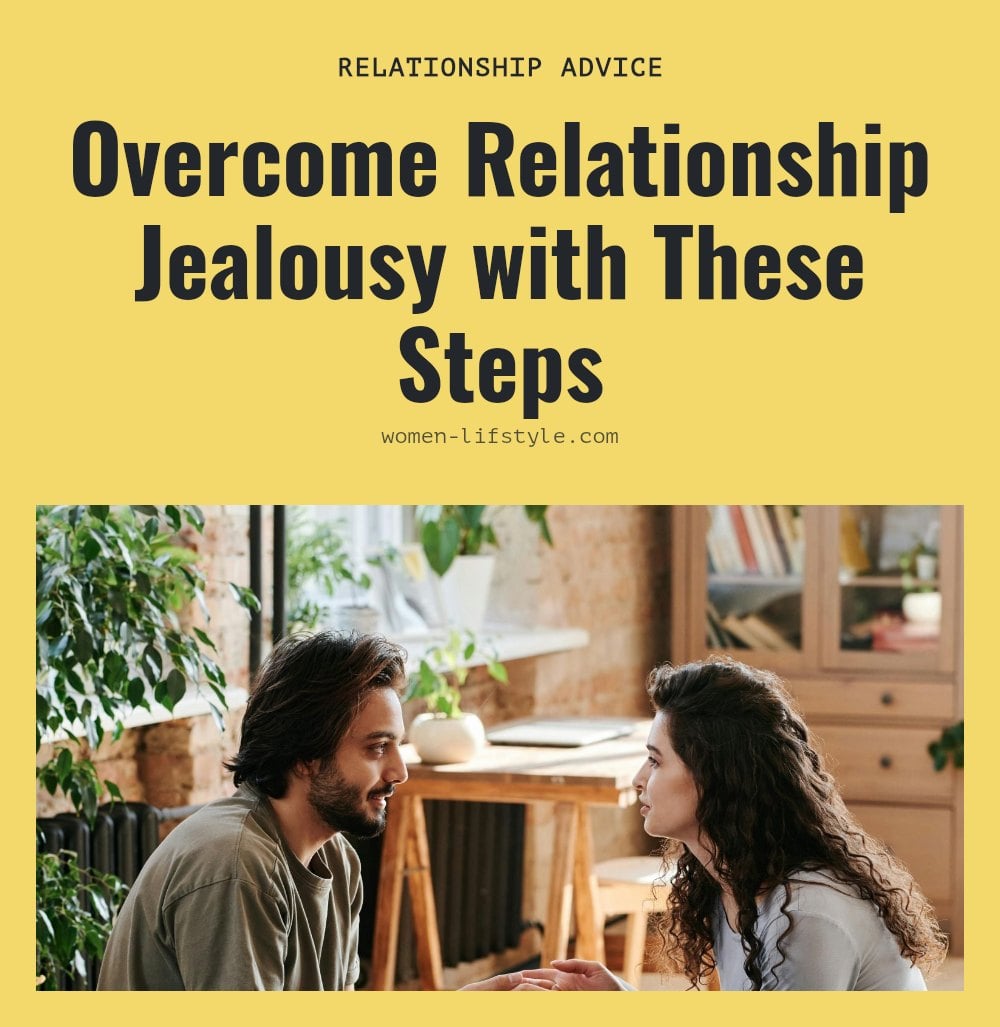
Jealousy can feel like a knot in your stomach that tightens every time your partner laughs at someone else’s joke or mentions a coworker’s name. It is a natural emotion, but when it starts dictating your actions, it can chip away at the trust you have built. This article breaks down why jealousy shows up, how to work through it step by step, and when to consider reaching out for professional support.
Key Takeaways
- Jealousy is a fear of losing a valued relationship, not a sign of how much you love someone.
- Common triggers include past betrayals, low self-esteem, and attachment insecurities that heighten your sensitivity.
- Open, honest communication with your partner is essential for addressing jealous feelings and rebuilding trust.
- Practicing self-compassion and challenging irrational thoughts can reduce the intensity of jealous reactions.
- Seek professional help if jealousy leads to controlling, abusive, or violent behavior from either partner.
Understanding Jealousy: More Than Just a Feeling
Jealousy shows up when you sense a threat to a relationship you value, and it usually has less to do with the other person and more to do with your own insecurity or fear of loss. It is not the same as envy, envy is wanting what someone else has, while jealousy involves a third party you see as a risk to your bond. Feeling jealous from time to time is completely normal, but letting it run unchecked can slowly erode trust and closeness between you and your partner.
Why Jealousy Takes Hold: Common Triggers
Why Jealousy Takes Hold: Common Triggers
Jealousy often grows out of past betrayals, low self-esteem, or attachment insecurities that make you hyperaware of perceived threats. A partner who works late, a new friendship they form, or even a compliment they receive can feel like a danger signal. These triggers can show up as suspicion, possessiveness, anxiety, anger, or controlling behaviors.
- Past betrayals: If you have been cheated on before, your brain stays on alert for signs of it happening again.
- Low self-esteem: When you do not feel good enough, you may assume your partner will leave you for someone who is.
- Attachment insecurities: An anxious attachment style can make you worry constantly about being abandoned or replaced.
- Perceived threats: A coworker your partner mentions often or an ex who still calls can trigger jealousy even when no real threat exists.
Steps to Manage and Overcome Jealous Feelings

When jealousy hits, working through it step by step makes a real difference. Here is what I have found helps most.
- Identify the root cause: Ask yourself what exactly you are afraid of losing. Is it your partner, your sense of worth, or the security you feel? Getting specific about the fear helps you see whether it is based on reality or old wounds.
- Talk to your partner openly: Say something like, “I have been feeling jealous lately, and I know it is my issue to work on, but I want you to understand where I am coming from.” Using “I” statements keeps the conversation from sounding like an accusation.
- Practice self-compassion: Remind yourself that feeling jealous does not make you a bad partner. It makes you human. Treat yourself the way you would treat a friend who admitted the same feeling.
- Challenge irrational thoughts: When your mind jumps to worst-case scenarios, pause and ask for evidence. Did your partner actually do anything wrong, or is your imagination filling in the blanks? Cognitive reframing like this can stop the spiral before it takes over.
- Build your own life: Pour energy into hobbies, friendships, and goals that have nothing to do with your relationship. The more fulfilled you are on your own, the less your partner becomes the sole source of your security.
- Set healthy boundaries: Agree together on what feels respectful and safe. For example, you might decide to share calendars or check in after nights out, but not to track each other’s location or read private messages.
My tip: Keep a small notebook nearby for a few weeks. Each time jealousy flares, jot down what triggered it and what you told yourself in that moment. Patterns will emerge, and spotting them makes them easier to untangle.
Common Mistakes When Dealing with Jealousy
Even with good intentions, it is easy to fall into patterns that make jealousy worse. Here are the most common ones I see.
- Mistaking jealousy for love: Believing that jealousy proves how much you care is a setup for pain. Real love does not require possessiveness or constant worry.
- Confusing jealousy with envy: If you are actually wishing you had what someone else has, their looks, their job, their social life, that is envy, not jealousy. Treating it like jealousy sends you looking for relationship threats that are not there.
- Controlling your partner: Checking their phone, demanding they cut off friends, or asking where they are every hour does not fix jealousy. It damages trust and pushes them away.
- Staying silent: Bottling up jealous feelings does not make them disappear. They fester and usually come out later as resentment or an explosion over something small.
- Expecting your partner to fix it: Your partner can reassure you and support you, but they cannot cure your jealousy. That work is yours to do.
- Blaming everything on jealousy: Not every argument is about jealousy. Sometimes you are annoyed about money, chores, or feeling unheard, and labeling it all as jealousy prevents you from solving the real issue.
Practical Tips for Building Trust and Security

My tip: Start by acknowledging the feeling without acting on it. Say to yourself, “I feel jealous right now, and that is okay.” That simple step stops the emotion from taking over your actions.
Build trust through consistency: Show up when you say you will, follow through on small promises, and be transparent about your day. Trust grows from repeated reliable behavior, not grand gestures.
Practice mindfulness: When your mind starts replaying worst-case scenarios, take three slow breaths. Notice the physical sensations of jealousy without judging them. This breaks the cycle of anxious rumination.
Avoid these pitfalls:
- Do not snoop through your partner’s phone or personal belongings. That erodes trust faster than jealousy ever could.
- Stop comparing your relationship to what you see on social media. Those curated snapshots leave out the real work behind every healthy partnership.
Seek support: Talk to a trusted friend or family member who can offer perspective without fueling your fears. Sometimes saying it out loud is enough to shrink the feeling.
Tools and Resources for Your Journey
Journal or notebook
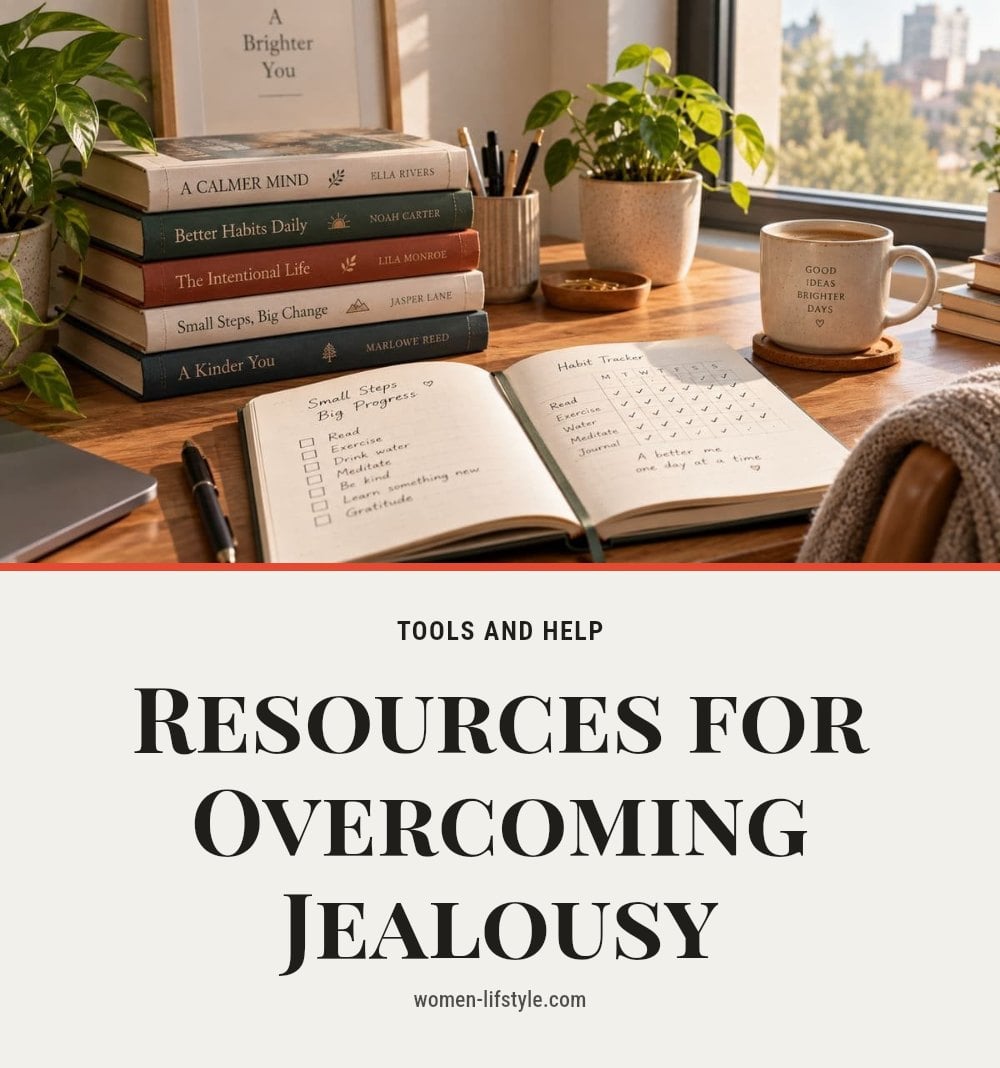
A dedicated notebook helps you spot patterns. Write down what triggered the jealousy, how you reacted, and what you needed in that moment. Over time, you will see which situations consistently set you off.
Books on self-esteem and communication
Look for resources that offer concrete exercises, not just theory. Workbooks on cognitive behavioral techniques can help you challenge the irrational thoughts that fuel jealousy. Practice the exercises even when you feel calm.
Therapist or counselor
If jealousy feels stuck, a professional can give you strategies tailored to your situation. Many people find that a few sessions provide tools they could not develop on their own. Therapists also help address underlying issues like past betrayal or low self-worth.
When to Seek Professional Help for Jealousy
Jealousy becomes dangerous when it turns into controlling or abusive behavior. If you find yourself checking your partner’s location without their knowledge, demanding their passwords, or isolating them from friends, that is a red flag that requires professional help. The same goes if your partner does these things to you.
Seek immediate help if:
- You feel unsafe due to a partner’s jealous behavior. Call a domestic violence hotline or talk to a trusted person who can help you make a safety plan.
- The jealousy is so overwhelming that you cannot focus at work, sleep, or maintain other relationships. This level of distress may signal an underlying condition that a therapist or psychiatrist can address.
Persistent jealousy that does not improve with self-help strategies warrants a consultation with a mental health professional. They can help you untangle whether the issue stems from past trauma, an anxiety disorder, or relationship dynamics that need a neutral third party to resolve.
Frequently Asked Questions
Is jealousy a normal emotion?
Yes, jealousy is a normal human emotion that nearly everyone experiences at some point. It is your brain’s way of signaling that you value a relationship and sense a potential threat to it. The key is not to eliminate it but to manage it so it does not control your behavior.
Can jealousy be a sign of love?
No, jealousy is not a sign of love. True love is built on trust, respect, and security, not possessiveness or fear. Mistaking jealousy for passion often leads to controlling behaviors that damage the relationship. Healthy love allows space for individuality and does not require constant reassurance.
How can I stop being jealous in a new relationship?
In a new relationship, focus on building trust gradually through consistent actions and open communication. Identify what specifically triggers your jealousy and ask yourself if it is based on past experiences or current reality. Working on your own self-esteem outside the relationship can also reduce the intensity of those early feelings.
What if my partner’s jealousy is controlling?
If your partner’s jealousy leads to controlling behaviors like checking your phone, demanding passwords, or isolating you from others, that is a red flag. Prioritize your safety and consider speaking with a therapist or contacting a domestic violence resource. You do not have to manage their jealousy alone, and your well-being comes first.
Final Thoughts
Overcoming jealousy is not about flipping a switch; it is a process that takes consistent effort over weeks or months. Start by naming the feeling without acting on it, then dig into what fear is really driving it. With practice, you will notice that the knot loosens a little more each time you choose self-awareness over suspicion.
This article is for general informational purposes only and is not a substitute for professional medical or mental health advice. If you or your partner are experiencing persistent, overwhelming jealousy that affects daily life or safety, please consult a licensed therapist, counselor, or other qualified professional.
