

Dealing with roaches is one of the most frustrating parts of homeownership or renting. You want them gone, but you may not want to use harsh chemical sprays, especially if you have kids or pets. The good news is that you can tackle a roach problem naturally with a combination of smart cleaning, sealing entry points, and using specific DIY remedies.
This article walks you through the most effective natural methods, what to avoid, and how to keep them from coming back. Consistency is your best weapon, so let’s get started.
Key Takeaways
- Combine cleaning, sealing cracks, and natural remedies for best results.
- Food-grade diatomaceous earth kills roaches by dehydrating them, but only when dry.
- Fix leaky pipes and remove standing water, as roaches need water weekly.
- Use sticky traps to monitor activity and identify hiding spots.
- Expect full eradication to take several weeks to a few months.
How to Get Rid of Roaches Naturally
Getting rid of roaches naturally means using a combination of deterrents, traps, and non-toxic substances instead of chemical sprays. Focus on three things: keeping your home clean, sealing up cracks and gaps where roaches enter, and consistently applying natural remedies like diatomaceous earth, baking soda, and essential oils. Natural methods take longer than chemical ones, often several weeks to a few months, but they are much safer for homes with children and pets.
Why Roaches Invade Your Home
Why Roaches Invade Your Home
Roaches come inside for three things: food, water, and shelter. Crumbs, spills, and grease left on counters or floors are an open invitation. Standing water from leaky pipes, dripping faucets, or condensation around appliances gives them the hydration they need to survive, roaches can live only about a week without water.
Cracks in walls, gaps around pipes, and openings in your foundation are common entry points. Once inside, roaches hide in dark, undisturbed areas. Because they are nocturnal, you rarely see them during the day, which lets a small problem grow into a full infestation before you notice.
Your Natural Roach-Fighting Arsenal
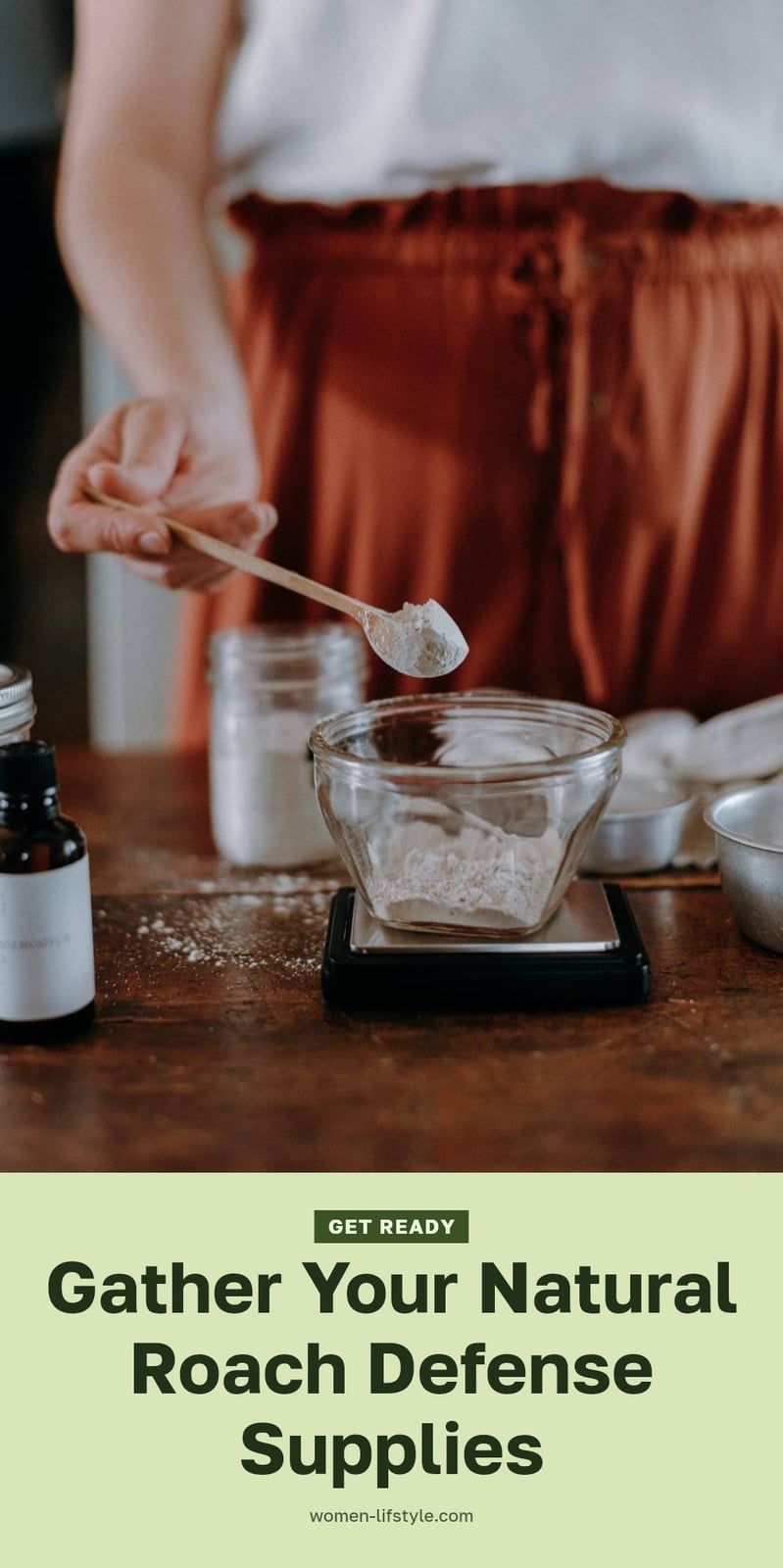
Before you start, gather the right tools. Each item in your arsenal has a specific job.
- Food-grade diatomaceous earth: A fine powder that dehydrates roaches by damaging their exoskeletons.
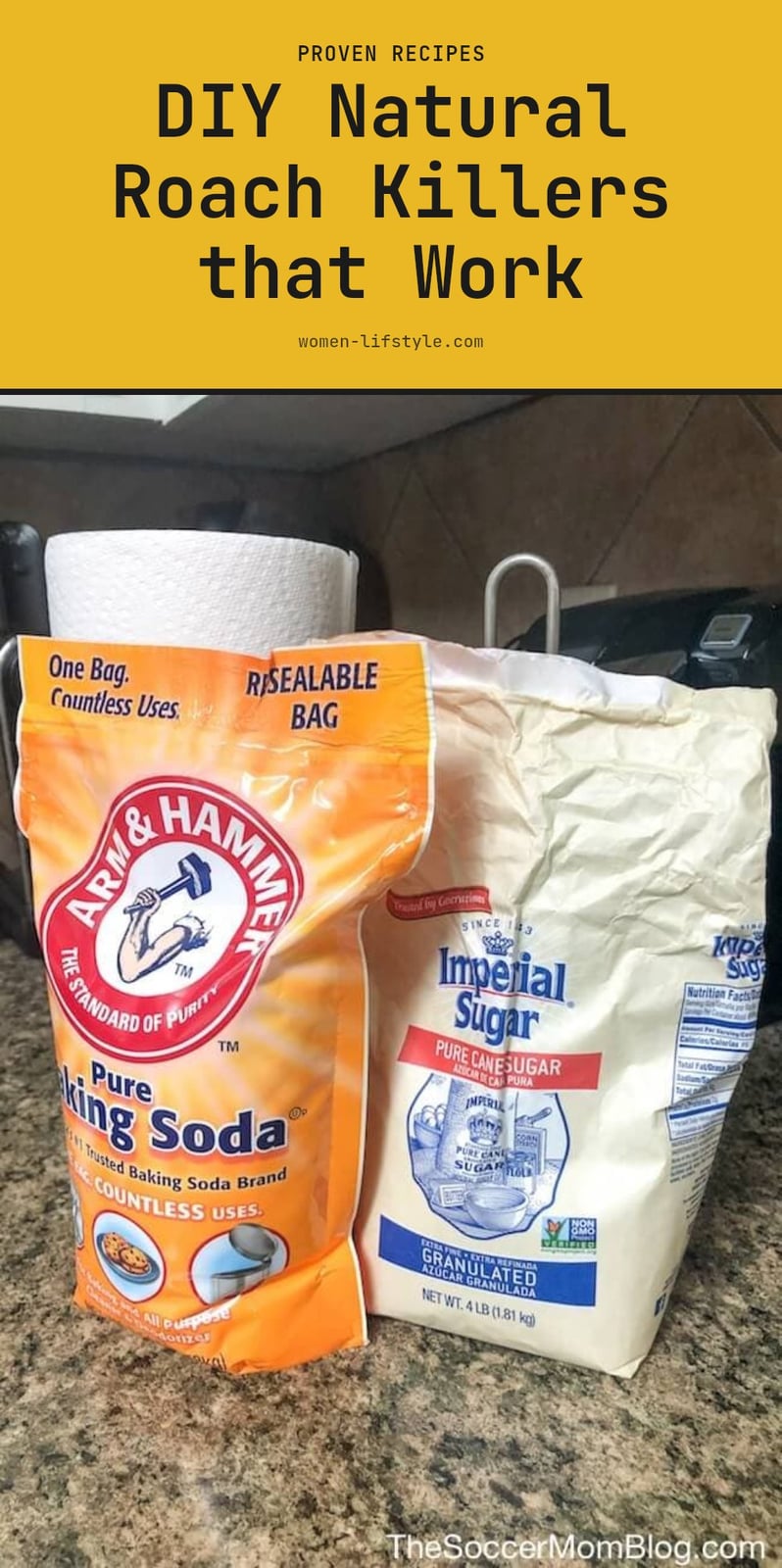
- Baking soda and sugar: The sugar attracts roaches, and the baking soda creates a fatal gas buildup inside them.
- Dish soap and water: A direct-contact spray that suffocates roaches on contact.
- Essential oils (peppermint, cedarwood, eucalyptus): Strong scents that repel roaches from treated areas.
- Caulk or sealant: For blocking cracks and gaps that roaches use as entry points.
- Sticky traps: To monitor roach activity and catch individual insects.
Effective Natural Methods to Eliminate Roaches
Diatomaceous Earth
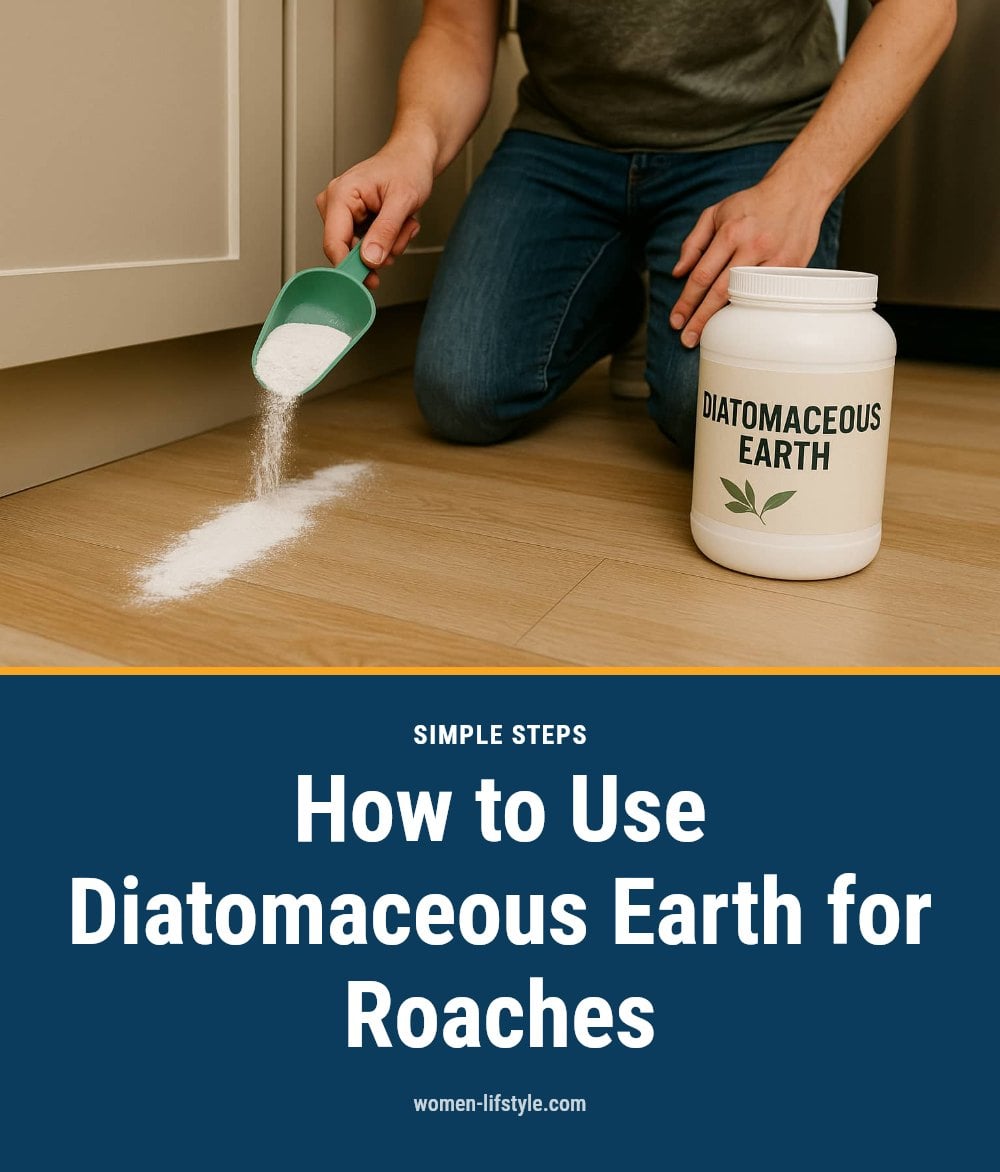
Dust food-grade diatomaceous earth into dry, hidden areas like under sinks, behind the refrigerator, and along baseboards. The powder sticks to roaches as they walk through it and slowly dehydrates them. Caution: DE only works when dry. If it gets wet, it becomes useless, so reapply after cleaning or spills.
Baking Soda and Sugar
Mix equal parts baking soda and powdered sugar. Sprinkle the mixture in shallow lids and place them where you have seen roach activity. Roaches eat the sugar and then the baking soda, which reacts with their stomach acid and kills them.
Soap and Water Spray
Fill a spray bottle with water and add a few squirts of dish soap. When you see a roach, spray it directly. The soap blocks the tiny pores on its body, suffocating it within seconds. This method works only on roaches you spot, so use it alongside other strategies.
Essential Oil Repellents
Mix 10-15 drops of peppermint, cedarwood, or eucalyptus oil with water in a spray bottle. Shake well and mist along baseboards, windowsills, and around pipes. The strong scent deters roaches from entering those areas. Reapply every few days because the smell fades.
Sticky Traps
Place sticky traps along walls and near hiding spots. They catch individual roaches and, more importantly, tell you where the activity is heaviest. Check traps daily and replace them when full.
Bay Leaves
Tuck dried bay leaves into cabinets, drawers, and small enclosed spaces. The aroma is thought to repel roaches, though it works better as a mild deterrent than as a killer. Use it in areas where you want to discourage roaches without leaving powder.
My tip: Rotate between methods. If you use only one, roaches can adapt or avoid it. A rotating schedule keeps them guessing.
Common Mistakes to Avoid When Fighting Roaches
Even with the right natural methods, a few common mistakes can keep roaches coming back. Only treating visible roaches: It is easy to focus on the ones you see, but their nests and pathways are hidden behind walls and under appliances. Spraying a lone roach does nothing to the colony. Inconsistent cleaning: A single crumb or spill can attract roaches right back. You need to wipe counters, sweep, and wash dishes every day, not just after you see a roach. Using wet diatomaceous earth: DE only works when it is bone dry. If you apply it in a damp area or after cleaning with water, it turns into a useless paste. Relying on a single method: Diatomaceous earth alone, or baking soda alone, will not cut it. You need repellents, killers, and traps working together. Ignoring moisture issues: Roaches can live weeks without food but only days without water. A leaky pipe under the sink is a lifeline for them. Assuming infestation is gone too soon: Roaches are masters at hiding. If you stop treating because you do not see any for a few days, they can rebound quickly. Keep applying your methods for at least a few weeks after the last sighting.
Preventing Future Roach Infestations

Once you have the infestation under control, keeping roaches out for good takes consistent habits. Maintain a clean kitchen: Wipe down counters and sweep floors after every meal. Wash dishes immediately, not overnight. Store food in airtight containers: Transfer dry goods like flour, cereal, and pet food into sealed jars or bins. Roaches can chew through cardboard and plastic bags. Fix leaky pipes and faucets: Even a slow drip provides the water roaches need. Repair any plumbing issues promptly. Seal cracks and crevices: Use caulk to close gaps in walls, along baseboards, and around pipes. Pay special attention where utility lines enter the home. Empty trash cans frequently: Use bins with tight-sealing lids and take out the trash every day. Inspect behind appliances: Pull out the refrigerator and stove a few times a year to clean crumbs and check for signs of roaches.
What to Expect: Timeline and Costs
Timeline: You may see fewer roaches within the first few days of using natural methods like diatomaceous earth and essential oil sprays. However, complete removal of an established infestation typically takes several weeks to a few months. Consistency: The single most important factor is sticking with your routine. Reapply powders after cleaning, refresh repellent sprays weekly, and keep traps in place. Cost: Natural methods are very low-cost. A bag of food-grade diatomaceous earth costs a few dollars, and baking soda, sugar, and dish soap are already in your kitchen. The real investment is your time and dedication to daily cleaning and weekly applications.
When to Call a Professional Pest Controller
Natural methods work for most situations, but some infestations require professional help. Severe and widespread infestation: If you see roaches in multiple rooms, including during the day, the colony is large. No improvement after consistent effort: If you have applied natural methods diligently for several weeks to a few months and the problem has not improved, call a pro. Dealing with German cockroaches: This species is especially resilient and reproduces quickly. They often need targeted treatments that a professional can provide. Unable to find the source: If you cannot locate entry points or nesting areas despite thorough inspection, a pest controller can identify and seal them.
Frequently Asked Questions
Can roaches become resistant to natural remedies?
Roaches can develop resistance to chemical pesticides over time, but natural remedies like diatomaceous earth and baking soda work through physical or mechanical means, so resistance is unlikely. However, relying on a single method is not recommended; a combination of cleaning, sealing, and multiple natural deterrents is more effective.
What is the best way to find where roaches are hiding?
Sticky traps are your best tool for locating roach hiding spots. Place them along baseboards, under sinks, and behind appliances where you suspect activity. Check the traps daily to see where roaches are most concentrated, then focus your treatment efforts there.
Is it safe to use boric acid around food preparation areas?
Boric acid is toxic if ingested, so it should never be used in areas where food is prepared or stored. Keep it away from counters, cabinets, and any place accessible to children or pets. If you need to treat a kitchen area, opt for food-grade diatomaceous earth instead, which is safer when used correctly.
What kills roaches naturally and fast?
For a quick kill, a direct spray of soapy water can suffocate roaches on contact. However, for long-term control, food-grade diatomaceous earth works within a few days as roaches walk through it and become dehydrated. Remember that natural methods generally take longer than chemical sprays, so patience is key.
Are essential oils truly effective at repelling roaches?
Essential oils like peppermint, cedarwood, and eucalyptus have strong scents that may deter roaches, but they are not a guaranteed solution. They work best as a repellent in areas where you see roaches, not as a standalone killer. Combine them with other natural methods for better results.
Final Thoughts
Your best move is to start with a thorough cleaning, seal all cracks and gaps, and apply food-grade diatomaceous earth in dry, hidden areas. Combine that with a baking soda and sugar bait and essential oil sprays to repel them. Stick with this routine for at least a few weeks, and you should see a noticeable drop in activity, though complete removal may take a few months.
Remember, natural methods are not a quick fix, but they are safe and effective when used consistently. If you don’t see improvement after several weeks, it may be time to call a professional.
This article is for general informational purposes only and does not constitute professional pest control advice. Natural methods may not work for every infestation. If you have a severe or persistent roach problem, or if you have health concerns, consult a licensed pest control professional or your healthcare provider.
