

When life throws you a curveball, it’s natural to feel knocked off balance. But resilience isn’t about never falling, it’s about how you get back up. This article walks you through practical habits that can help you adapt, recover, and even grow through stress and adversity. I’ll share tips on building a strong support network, practicing self-care, and reframing negative thoughts, so you can navigate tough times with more ease.
Key Takeaways
- Resilience is a skill you can learn and strengthen over time, not a fixed trait.
- Strong social connections are a key factor in building resilience, so don’t isolate yourself.
- Setting small, achievable goals helps maintain a sense of control during tough periods.
- Mindfulness and meditation improve emotional regulation and support your stress response.
- Finding purpose or meaning, even in small ways, can enhance your ability to cope.
What is Resilience and Why Does It Matter?
Resilience is your ability to adapt and recover from stress, adversity, or trauma. It’s not about avoiding difficulties but navigating them effectively. Think of it as a dynamic process, not a fixed trait. You can learn and develop it over time, which means tough times can help you grow rather than just survive them. I’ve seen this in my own life: the more I practice resilience, the more capable I feel.
1. Cultivate a Strong Support Network

When you’re facing difficulties, reach out to friends, family, or community members. Strong social connections are significant factors in fostering resilience. Sharing your experiences can lighten your load and provide new perspectives.
My tip: Don’t isolate yourself. Even a quick phone call or a coffee date can make a difference. You don’t have to have a deep conversation; sometimes just being around people who care helps.
2. Practice Regular Self-Care

Prioritize adequate sleep, nutritious food, and consistent exercise. Physical activity, adequate sleep, and a balanced diet are foundational for both physical and mental well-being, which supports resilience. Neglecting physical health makes coping harder.
My tip: Even small acts of self-care make a big difference. A short walk, a healthy snack, or going to bed 30 minutes earlier can add up.
3. Set Small, Achievable Goals
Break down large challenges into smaller, manageable steps. Setting realistic goals and taking small, actionable steps can help build a sense of accomplishment and control during challenging periods. Instead of thinking about the whole mountain, focus on the next foothold.
Achieving these mini-milestones boosts your confidence and reminds you of your capability to progress. Write down your small goals and check them off as you go. It’s a simple but powerful way to keep moving forward.
4. Engage in Mindfulness and Meditation

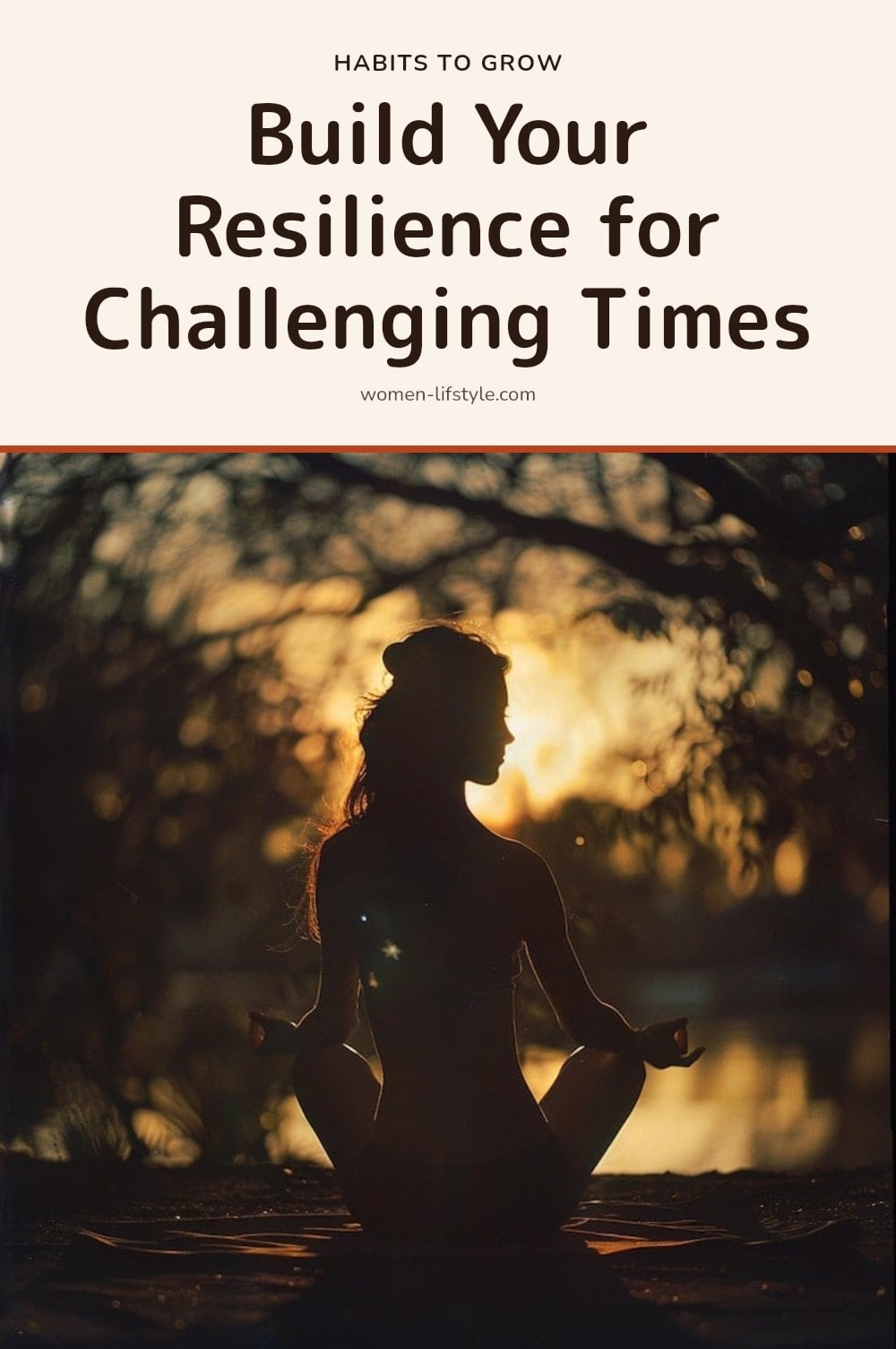
Incorporate mindfulness or meditation into your daily routine to manage stress and improve emotional regulation. Practicing mindfulness and meditation can improve emotional regulation and stress response, contributing to resilience.
You don’t need a long session to see benefits. My tip: Even five minutes of focused breathing can help you feel more grounded. Focus on the sensation of your breath moving in and out. When your mind wanders, gently bring it back without judgment.
5. Reframe Negative Thoughts
Identify and challenge negative thought patterns, actively seeking alternative, more positive or realistic perspectives. Reframing negative thoughts into more positive or realistic ones is a cognitive strategy used in building resilience.
Instead of ‘I can’t do this,’ try ‘This is challenging, but I can learn from it.’ Tip: A journal can be a great tool for this. Write down the negative thought, then write a reframed version next to it.
6. Find Purpose and Meaning
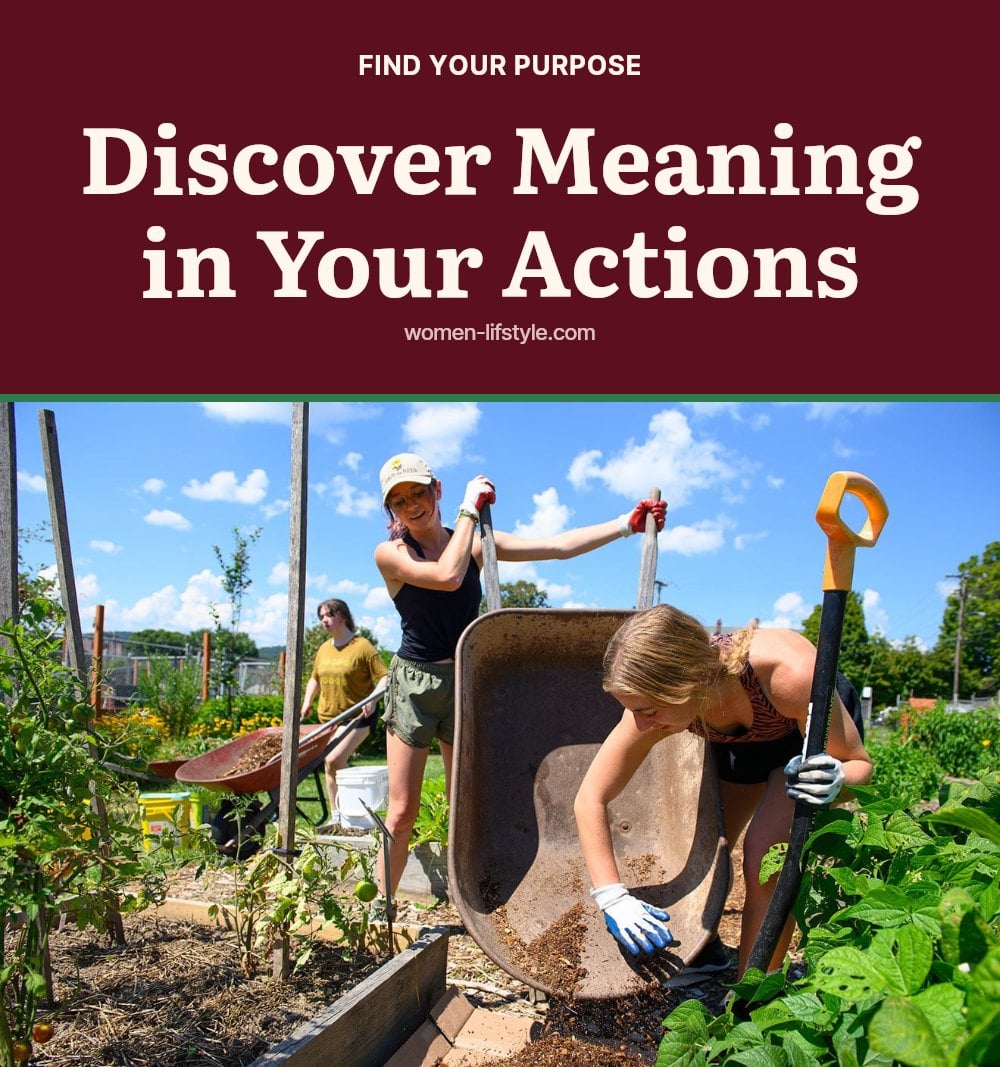
Look for opportunities to find purpose or meaning in your daily life, even amidst adversity, which can enhance your ability to cope and persevere. This could be through volunteering, pursuing a passion, or simply focusing on what truly matters to you.
Purpose gives you something to hold onto when things feel uncertain. It shifts your focus from what’s going wrong to what still matters, making challenges feel more manageable.
7. Learn from Past Experiences
Reflect on past challenges and how you overcame them, recognizing your personal strengths. Learning from past experiences and recognizing personal strengths can reinforce self-efficacy and resilience.
This reminds you that you have a track record of handling tough situations, building your confidence for future ones. Think back to a specific difficult time and write down three strengths you used to get through it.
8. Embrace Humor

Use humor as a coping mechanism to maintain perspective and reduce stress during difficult times. A funny movie, a silly meme, or a lighthearted conversation can break the tension and give your brain a mental reset. Tip: Sometimes a good laugh is exactly what you need to shift your mindset, even for a moment. It doesn’t solve the problem, but it makes the weight feel lighter.
9. Cultivate Self-Awareness
Pay attention to your emotions, thoughts, and physical sensations throughout the day. Self-awareness is a key component of resilience because it helps you understand your reactions to stress. Knowing your triggers and how you typically respond allows you to choose healthier coping strategies instead of reacting on autopilot.
10. Practice Self-Compassion
Treat yourself with kindness and understanding, especially during difficult times. It’s okay to have bad days; resilience doesn’t mean never feeling sad or overwhelmed. I’ve learned that being gentle with myself helps me recover faster than being overly critical. Tip: Talk to yourself like you would a dear friend.
11. Develop Problem-Solving Skills
When faced with a challenge, actively brainstorm solutions rather than dwelling on the problem. Problem-solving skills are crucial components of resilience. Break the problem down into smaller parts, consider different approaches, and take action. This proactive stance gives you a sense of control and forward momentum.
Common Mistakes When Building Resilience
Believing resilience means never feeling bad: It is okay to experience sadness, anger, or overwhelm. Resilience is about how you recover, not avoiding negative emotions. Thinking it is innate: Resilience is a skill you develop, not a trait you either have or don’t. Consistent practice is key. Ignoring physical health: Your mental capacity to cope is deeply tied to your physical well-being. Neglecting sleep, nutrition, or exercise hinders resilience. Trying to go it alone: Seeking help and support from others is a sign of strength, not weakness. Don’t isolate yourself. Focusing only on the negative: While acknowledging difficulties, look for opportunities for growth or learning within challenging situations.
Frequently Asked Questions
How long does it take to build resilience?
Building resilience is an ongoing process that requires consistent practice. Many people notice improvements in their ability to cope within a few weeks to months of regular effort. However, there’s no set timeline, as it depends on your personal circumstances and the strategies you use.
Can therapy help with building resilience?
Yes, therapy can be very helpful. A mental health professional can guide you in developing coping strategies, addressing underlying issues, and building the skills that support resilience. If feelings of hopelessness or anxiety are persistent, consulting a therapist is a wise step.
What is the difference between resilience and optimism?
Optimism is a positive outlook on the future, while resilience is the ability to adapt and recover from stress or adversity. You can be resilient even without being naturally optimistic, as resilience involves practical skills like problem-solving and self-care that help you navigate challenges.
Is it normal to struggle with resilience sometimes?
Absolutely. Resilience isn’t about being strong all the time. It’s normal to have days when you feel overwhelmed or struggle to cope. Building resilience is a journey with ups and downs, and being kind to yourself during those tough moments is part of the process.
Final Thoughts
My recommendation: start with one small habit, like a five-minute mindfulness session or a single phone call to a friend. Building resilience takes consistent effort, and you may notice improvements in your coping abilities over weeks to months. Remember, it’s okay to have bad days. The goal isn’t perfection, it’s progress. You’ve got this.
This article provides general information for educational purposes and is not a substitute for professional medical or psychological advice. If you are experiencing persistent feelings of hopelessness, anxiety, or depression, please consult a qualified mental health professional.
