

Waking up with itchy, raised welts on your skin can be unsettling, especially when you don’t know what caused them. The good news is that most hives are temporary and can be managed at home with a few simple steps. This article covers what to do when hives appear, how to soothe them with home remedies, common mistakes to avoid, and when to see a doctor.
Key Takeaways
- Take an over-the-counter oral antihistamine as soon as hives appear.
- Apply cool compresses or take a cool bath to reduce itching.
- Wear loose cotton clothing and keep nails trimmed to prevent skin damage.
- Keep a diary to identify triggers and avoid future outbreaks.
- Seek emergency care if hives come with breathing trouble or facial swelling.
What to Do When Hives Appear
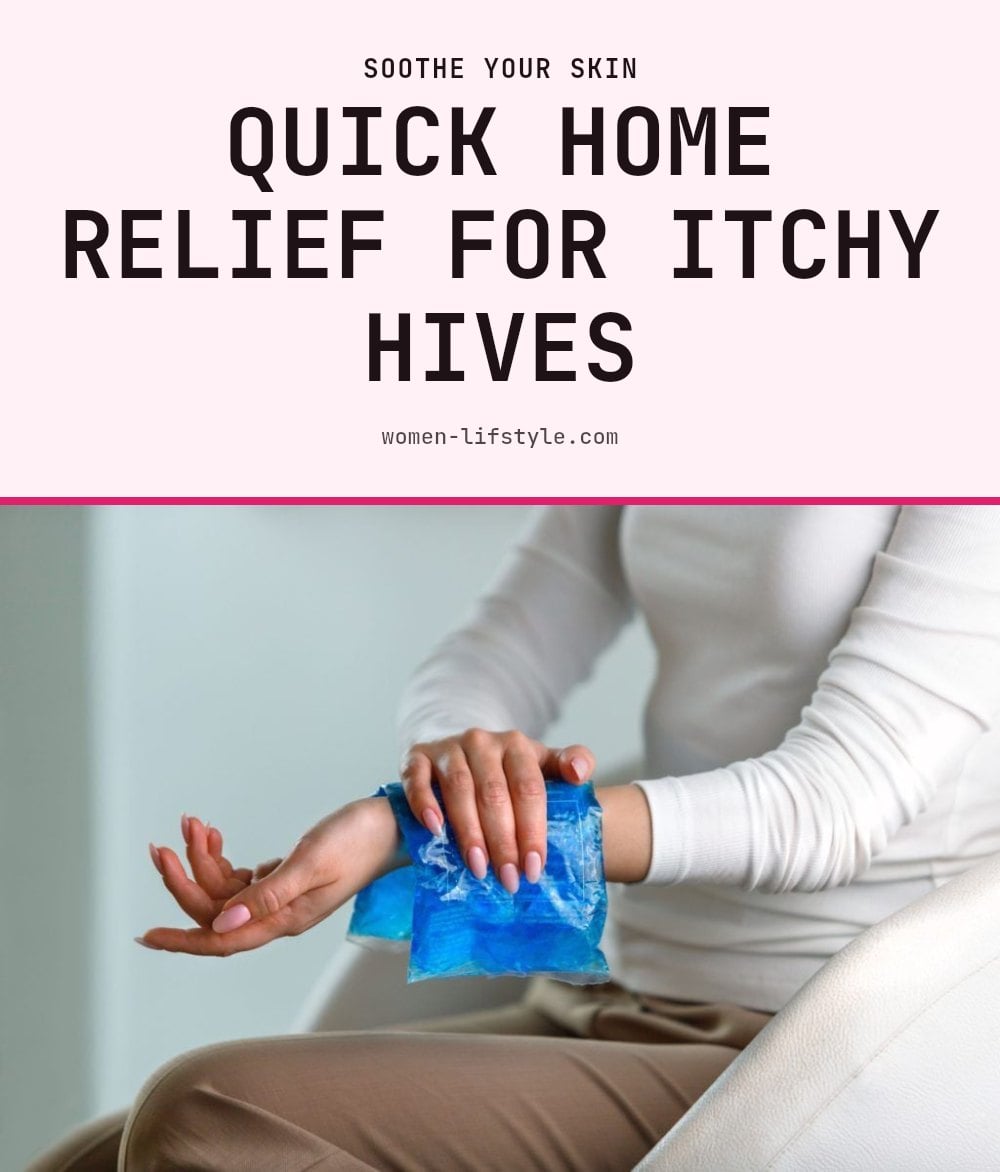
When hives flare up, reach for an over-the-counter oral antihistamine and apply a cool compress to the itchy areas. These two steps can cut the swelling and calm the urge to scratch within minutes. Then, think about what you touched, ate, or stressed over recently, since avoiding that trigger is your best defense against a repeat. Caution: if you notice difficulty breathing, swelling of your lips or throat, or dizziness, call for emergency help right away. Those symptoms can signal a severe reaction that needs immediate medical care.
Why Hives Appear on Your Skin
What Hives Look Like and Why They Move
Hives are raised, itchy welts that can show up suddenly in any size or shape. One spot may fade within hours, only for new ones to pop up elsewhere, which makes them feel like they’re traveling across your body.
Common Triggers
- Foods: Shellfish, nuts, and eggs are frequent culprits.
- Medications: NSAIDs like ibuprofen and certain antibiotics can trigger hives.
- Environmental allergens: Insect bites, pet dander, pollen, and latex all count.
- Physical stimuli: Cold, heat, pressure, sunlight, or exercise can cause hives in some people.
- Stress and infections: Both viral and bacterial infections, plus emotional stress, are known triggers.
Hives often appear without a clear cause, but tracking your surroundings and recent activities can help you spot patterns.
Essential Items for Hives Relief
Having the right supplies on hand makes a flare-up easier to handle. Here’s what I keep in my medicine cabinet and closet for hives relief.
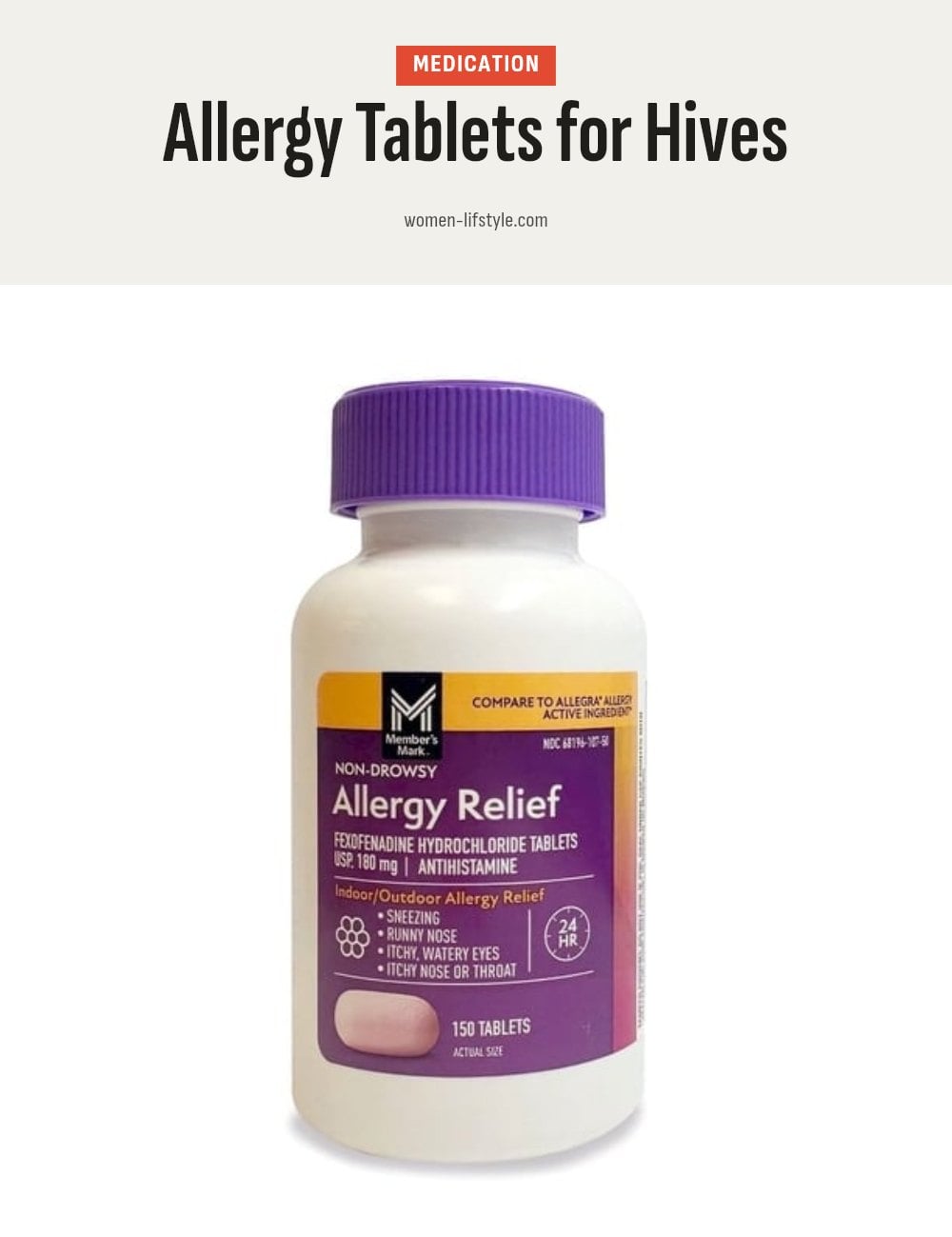
- Oral antihistamines: Look for non-drowsy options like loratadine or cetirizine, or diphenhydramine for nighttime relief.
- Cool water and a soft cloth: For quick compresses that take the edge off itching.
- Colloidal oatmeal: Add it to a cool bath to soothe widespread irritation.
- Loose cotton clothing: Soft, breathable fabrics prevent rubbing and overheating.
Effective Home Remedies to Soothe Hives
Start with an oral antihistamine, since that’s the most reliable way to reduce itching and swelling from hives. Take it as soon as you notice welts, and follow the label instructions for dosing.
Cool Compresses for Instant Relief
Soak a clean cloth in cool water, wring it out, and lay it over the itchy patches for 10 to 15 minutes. The cold numbs the nerve endings and shrinks blood vessels, which calms the urge to scratch. Reapply as needed throughout the day.
Cool Baths with Colloidal Oatmeal
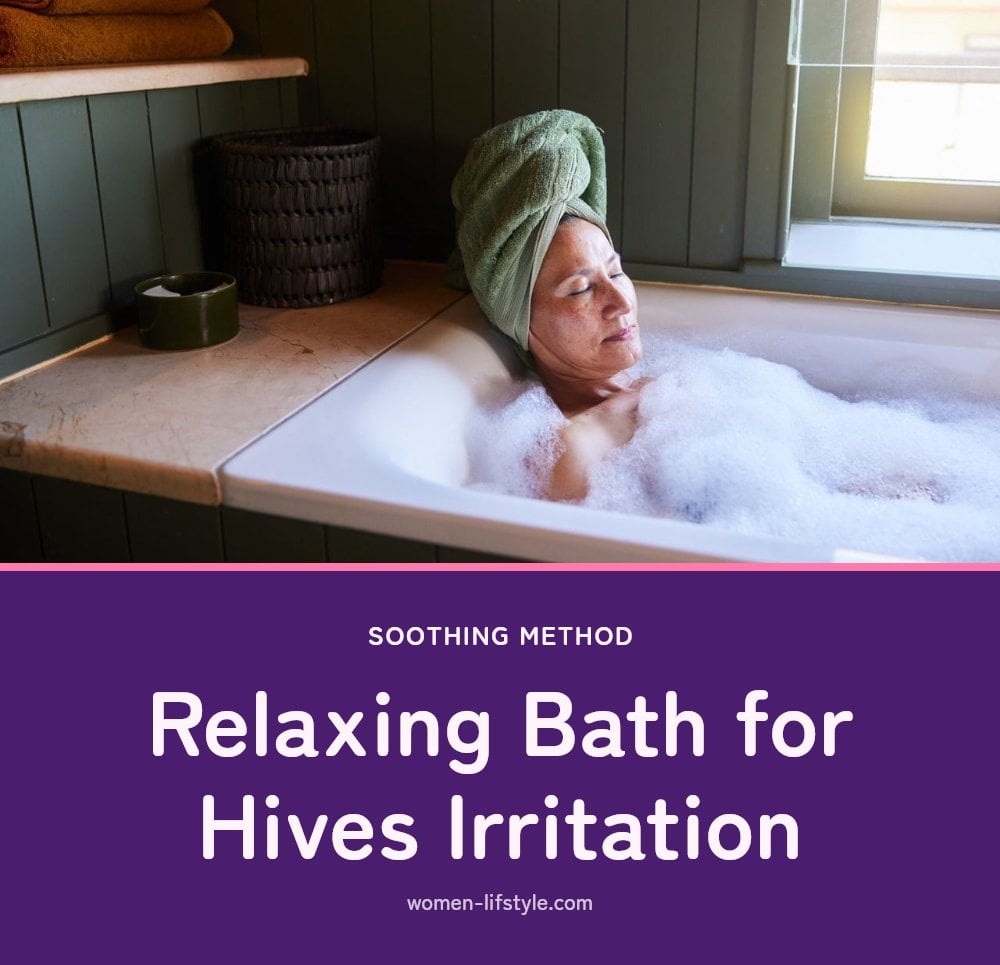
For hives covering large areas, a cool bath can be a game-saver. Fill the tub with lukewarm or cool water, sprinkle in colloidal oatmeal, and soak for 15 to 20 minutes. The oatmeal forms a protective film that soothes irritated skin. Pat yourself dry with a soft towel, don’t rub.
Loose, Soft Clothing
Swap tight fabrics for loose cotton pieces. Tight seams and synthetic materials trap heat and rub against welts, making everything worse. My tip: keep a soft cotton tee and loose pants ready for flare-up days.
Caution: if new hives keep appearing after a few days, or if you have any trouble breathing, see a doctor.
Common Hives Mistakes to Avoid
Scratching hives vigorously is the fastest way to make them worse. It can break the skin, introduce bacteria, and lead to infection. Trim your nails short and press a cool cloth against the welts instead.
Many people assume hives always come from food, but that can delay finding the real cause. Triggers can be physical (cold, heat, pressure), emotional (stress), or related to infections. Keep an open mind and track what was happening when hives appeared.
Ignoring persistent or severe hives can lead to complications. If welts last more than a few days or keep coming back, see a doctor. Also avoid harsh soaps and irritating topical creams, which can worsen the rash. Stick to mild, fragrance-free cleansers and plain cool water.
My tip: Underestimating stress as a trigger is common. If you notice hives during busy periods, add a short relaxation practice like deep breathing or a walk.
Preventing Future Hives Outbreaks
The most important step for preventing future outbreaks is identifying and avoiding your personal triggers. Keep a diary of when hives appear, noting what you ate, what you wore, your activity, and your stress level. Patterns will emerge.
- Manage stress: Try relaxation techniques such as deep breathing, meditation, or gentle yoga. Stress can directly trigger hives in some people.
- Track outbreaks: Write down the date, time, possible triggers, and how long the hives lasted. This diary helps you spot connections you might miss otherwise.
- Wear loose clothing: Tight fabrics or pressure from straps can cause physical urticaria. Choose loose, breathable cotton clothes to avoid irritation.
Once you know your triggers, you can avoid them and reduce the chance of a repeat flare-up.
When to See a Doctor for Hives
Seek immediate medical attention if hives come with difficulty breathing, wheezing, swelling of the lips or throat, dizziness, or a sudden drop in blood pressure. These are signs of a severe allergic reaction that needs emergency care.
Consult a doctor if hives persist for more than a few days or keep returning. Chronic hives (lasting over six weeks) require professional evaluation to rule out underlying causes.
Caution: Do not stop taking a prescribed medication if you suspect it is causing hives. Talk to your doctor first. If hives significantly interfere with your sleep, work, or daily comfort, a healthcare provider can recommend stronger treatments or refer you to a specialist.
Frequently Asked Questions
How long do hives usually last?
Individual welts often fade within 24 hours, but new ones can appear elsewhere, making it seem like they last longer. Acute hives typically clear up within six weeks, while chronic hives can persist for months or years. If your hives last more than a few days or keep coming back, it’s a good idea to consult a doctor.
Can stress cause hives to appear?
Yes, stress is a known trigger for hives in many people. Emotional stress can affect your immune system and lead to a flare-up. Managing stress through relaxation techniques, like deep breathing or meditation, can help reduce the frequency of outbreaks if stress is one of your triggers.
What foods commonly trigger hives?
Shellfish, nuts, and eggs are among the most common food triggers for hives. Other culprits can include fish, milk, and certain food additives. If you suspect a food is causing your hives, keep a food diary and talk to an allergist for testing and guidance.
Are chronic hives serious?
Chronic hives, lasting more than six weeks, are not usually life-threatening but can be very uncomfortable and affect your quality of life. They can be a sign of an underlying condition, so it’s important to see a doctor. Treatment options, including prescription antihistamines, can help manage symptoms effectively.
Can I get hives from exercise?
Yes, exercise can trigger a type of hives called physical urticaria. Heat, sweat, or the physical exertion itself can cause welts to appear. If you notice hives during or after workouts, try exercising in a cool environment and stay hydrated. If symptoms are severe, consult a doctor.
Final Thoughts
For most flare-ups, an oral antihistamine plus a cool compress is your best first move, and it can ease the itch within minutes. If hives keep returning or last beyond six weeks, that’s a sign to talk to a doctor about chronic hives or possible triggers you haven’t spotted yet. Remember, hives often resolve on their own, but staying calm and treating the itch gently will help you feel better faster.
This article is for general information only and is not a substitute for professional medical advice. If you have persistent, severe, or concerning symptoms, or if you suspect an allergic reaction, please consult a doctor or dermatologist. In case of emergency signs like difficulty breathing, seek immediate medical care.
