

If you often feel drained by bright lights, loud noises, or crowded spaces, you might be a Highly Sensitive Person. This trait, known as Sensory Processing Sensitivity, affects about 15-20% of people and is a normal, innate characteristic, not a flaw. In this article, I share practical tips for managing daily life with high sensitivity, from creating calm spaces to setting boundaries, so you can thrive with your unique nature.

Key Takeaways
- Create a quiet sanctuary at home to recharge from overstimulation.
- Schedule 10-15 minutes of daily downtime for your nervous system.
- Set firm boundaries and say no to energy-draining commitments.
- Use noise-canceling headphones or earplugs in noisy settings.
- Recognize early signs like irritability to prevent burnout.
Understanding Your Highly Sensitive Trait
If you’ve always felt things more intensely, you might be a Highly Sensitive Person (HSP), a term coined by psychologist Dr. Elaine Aron in the mid-1990s. It’s also known as Sensory Processing Sensitivity (SPS), and it’s an innate personality trait, not a disorder. About 15-20% of the population shares this trait, meaning you process physical, emotional, and social stimuli more deeply than others. That depth brings unique strengths like empathy and intuition, but it also means you’re more prone to overstimulation. Managing sensitivity is about recognizing your needs, creating supportive environments, and using coping strategies to prevent burnout.
1. Create a Personal Sanctuary Space
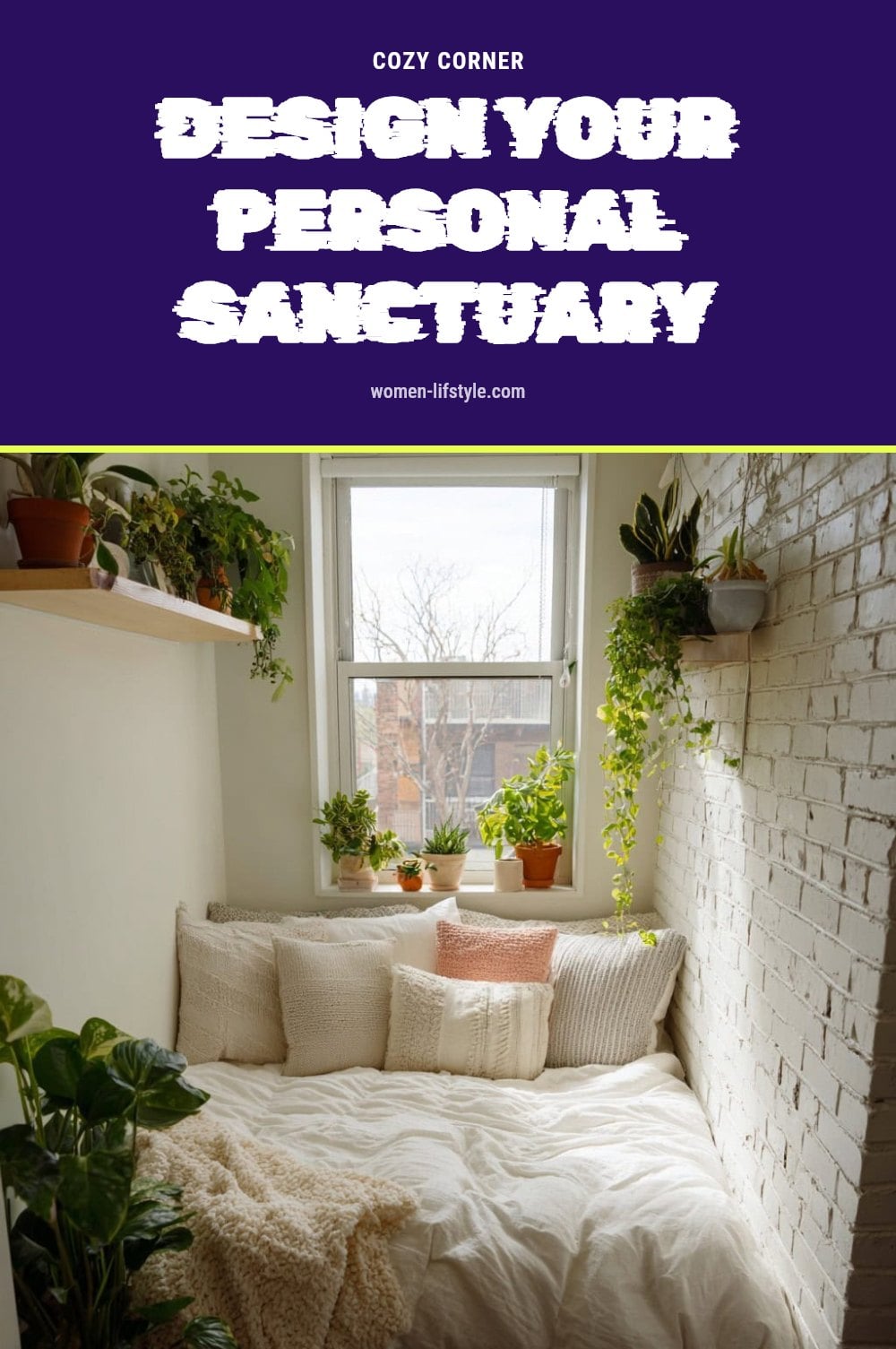
Designate a quiet corner of your home as your recharging zone, free from bright lights, loud noises, and clutter. This space is your retreat when the world feels like too much.
- Soft lighting: Use a dimmable lamp or warm bulbs instead of overhead fluorescents.
- Cozy textures: Add a plush throw blanket or a soft rug to soothe your senses.
- Minimal clutter: Keep surfaces clear to reduce visual noise.
My tip: Make this spot non-negotiable, even if it’s just a corner with a chair and a blanket. You’ll find yourself recovering faster when you have a go-to place to decompress.
2. Prioritize Regular Downtime
Schedule deliberate periods of solitude and rest into your day or week, just as you would any important appointment. Your sensitive nervous system needs time to decompress and process experiences, much like a phone needs regular charging.
- Daily pause: Take 10-15 minutes of quiet time after a stimulating event, like a meeting or a grocery run.
- Weekly reset: Block out an afternoon each week with no plans, just for you.
- Guilt-free rest: Remind yourself that this downtime is essential, not lazy.
Without it, overstimulation builds, and you may hit a wall of exhaustion or irritability.
3. Set Firm Boundaries
Learn to say ‘no’ to commitments that drain your energy, and set clear limits with others about your time and space. For an HSP, this isn’t selfish, it’s essential self-preservation.
- Use a script: Try, “I can’t take that on right now, but thanks for thinking of me.”
- Limit social engagements: Give yourself permission to leave events early or decline invitations when you’re already stretched.
- Protect your space: Tell roommates or family when you need quiet hours at home.
Boundaries prevent the resentment and burnout that come from overcommitting. You’ll have more energy for the things that truly matter.
4. Practice Mindfulness and Meditation
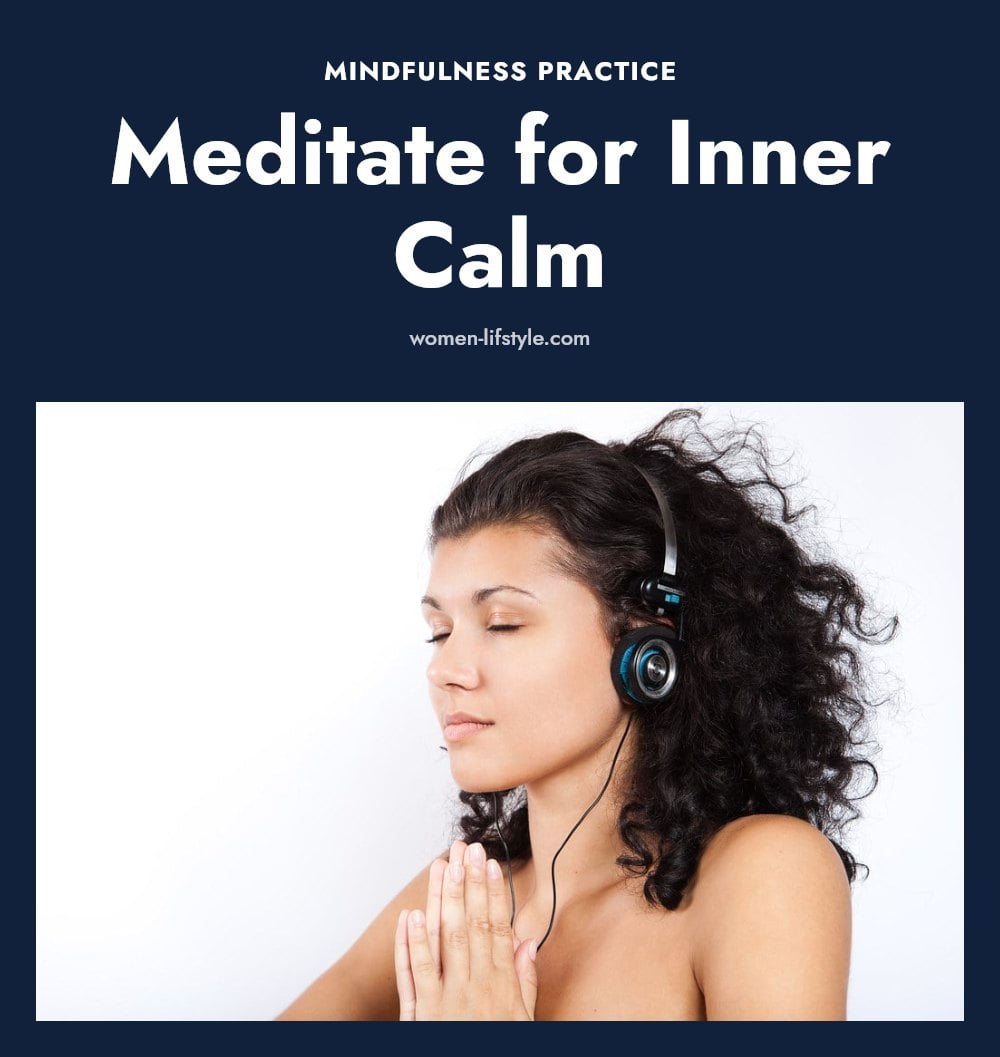
Engage in daily mindfulness or meditation practices to help manage sensory input and regulate emotional responses. Even 10-15 minutes can make a big difference in grounding yourself.
My tip: Try a simple body scan meditation where you notice each part of your body without judgment. This trains your brain to observe sensations without reacting, which directly counters overstimulation. Apps with timed sessions make it easy to build the habit.
5. Choose Comfortable Clothing
Choose soft, natural fabrics like cotton or linen over synthetic blends. These materials breathe and feel gentle against the skin, reducing the scratchy sensation that can trigger overstimulation.
Look for flat seams and tagless labels to minimize rubbing. Loose fits also help by avoiding constant contact with sensitive areas.
My tip: Wash new clothes twice before wearing to soften fibers further and remove any residual manufacturing stiffness.
6. Plan for Transitions
Allow buffer time when moving between activities, especially from stimulating environments to quieter ones, to give your system time to adjust. Rushing between high-stimulus events can quickly lead to overwhelm.
Pro move: Schedule 5-10 minutes of quiet transition time after a busy meeting or social event. Sit in your car with the engine off or step outside for a few deep breaths before heading home.
7. Communicate Your Needs Clearly
Openly discuss your sensitivity with trusted friends, family, and colleagues so they can better understand and support you. Often, people just don’t know unless you tell them.
Start with a simple statement like, ‘I process sensory input deeply, so I need quiet time to recharge.’ This frames it as a neutral trait, not a flaw. Most people respond with understanding once you explain.
8. Seek Aligned Environments and Activities

Actively choose activities and environments that resonate with your sensitive nature. Nature walks, creative pursuits like drawing or writing, and quiet hobbies such as reading or gardening can feel deeply restorative. You’ll find yourself thriving when you’re in sync with your true self.
Tip: Keep a list of these aligned activities handy so you can turn to them when you feel your energy dipping.
9. Recognize Overstimulation Signs
Learn to identify your personal early warning signs of overstimulation. Common ones include irritability, fatigue, or difficulty concentrating. Early recognition allows you to step away and recharge before reaching burnout.
Check in with yourself throughout the day. If you notice tension in your shoulders or a racing mind, that’s your cue to take a break.
10. Embrace Your Strengths
Remember that being an HSP comes with unique strengths like deep empathy, strong intuition, attention to detail, and a rich inner life. These aren’t weaknesses; they’re superpowers that can enrich your life and the lives of those around you.
Lean into these qualities by volunteering for tasks that require careful observation or by offering your empathetic ear to a friend.
11. Utilize Sensory Tools
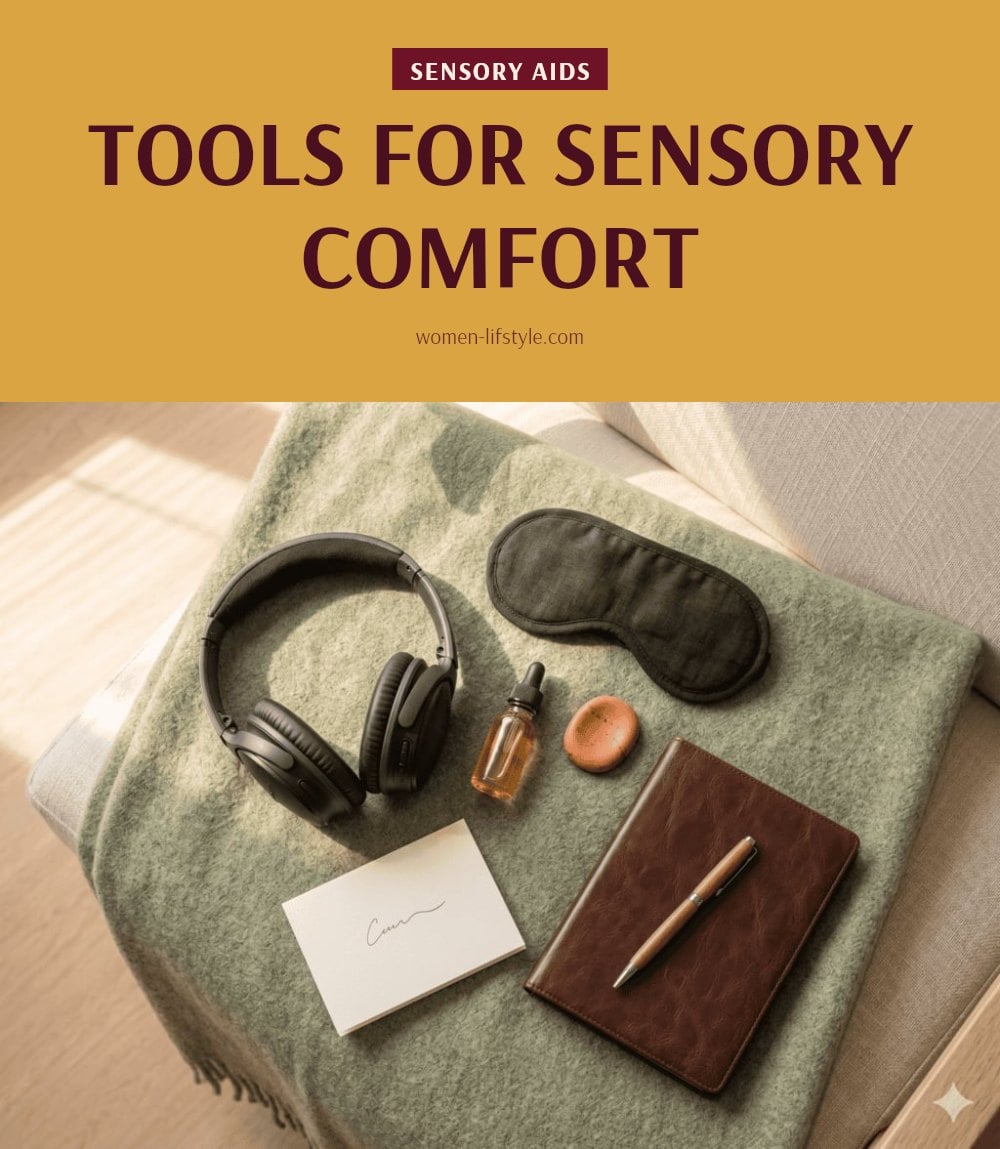
Keep noise-canceling headphones, earplugs, or an eye mask handy to help manage overwhelming sensory input when needed. These simple tools can be lifesavers in noisy or brightly lit environments.
I always carry a pair of earplugs in my bag. They let me filter out the chaos and stay calm wherever I am.
When to Seek Professional Support
If feelings of overwhelm, anxiety, or depression are persistent and significantly interfere with your daily life, consult a mental health professional. Being an HSP is not a disorder, but a therapist can help you develop personalized coping strategies and differentiate your trait from other conditions. Avoid self-diagnosing; professional guidance ensures you receive appropriate support tailored to your unique needs.
Frequently Asked Questions
What does the DOES acronym stand for?
DOES stands for Depth of processing, Overstimulation, Emotional responsiveness/Empathy, and Sensory sensitivity. These are the core characteristics of Highly Sensitive People, as identified by psychologist Dr. Elaine Aron. Understanding these can help you recognize your own patterns and needs.
Can high sensitivity be changed or cured?
No, high sensitivity is an innate personality trait, not a condition to be cured. It’s a normal variation in how your nervous system processes information. Instead of trying to change it, focus on adapting your environment and routines to support your sensitivity, which can help you thrive.
How can I handle social gatherings without feeling overwhelmed?
Plan ahead by setting a time limit for yourself and having an exit strategy. Use brief breaks to step outside or find a quiet corner. Practice a simple phrase like, ‘I need a moment to recharge,’ to communicate your needs. These small steps can make social events more manageable.
Is being an HSP the same as being introverted?
No, they are distinct. Introversion relates to where you get your energy from, while high sensitivity is about how deeply you process stimuli. About 30% of HSPs are actually extroverts. You can be an outgoing HSP who still needs downtime to recharge from sensory input.
What careers are well-suited for highly sensitive people?
Many HSPs excel in roles that value empathy, intuition, and attention to detail, such as counseling, creative writing, research, or design. Look for jobs with quiet environments and flexible schedules. My tip: prioritize roles that allow for periods of focused, solitary work and minimize chaotic settings.
Final Thoughts
Embracing your sensitivity starts with small, consistent changes. My tip: pick one or two strategies from this list, like creating a sanctuary or planning transitions, and practice them for a week. You’ll likely notice improved well-being as you build a routine that honors your needs. Remember, being an HSP is a strength, not a weakness, and with the right tools, you can navigate daily life with more ease and confidence.
This article is for general informational purposes only and is not a substitute for professional medical or mental health advice. If you experience persistent overwhelm, anxiety, or depression that interferes with daily life, please consult a qualified healthcare provider or therapist.
