

If you’ve spotted fleas on your pet or in your home, you know how fast they can take over. These tiny pests multiply quickly, and a full infestation means treating both your pet and every corner of your house. This article walks you through the most effective steps to break the flea life cycle, from vet-approved pet treatments to deep cleaning your home.
Key Takeaways
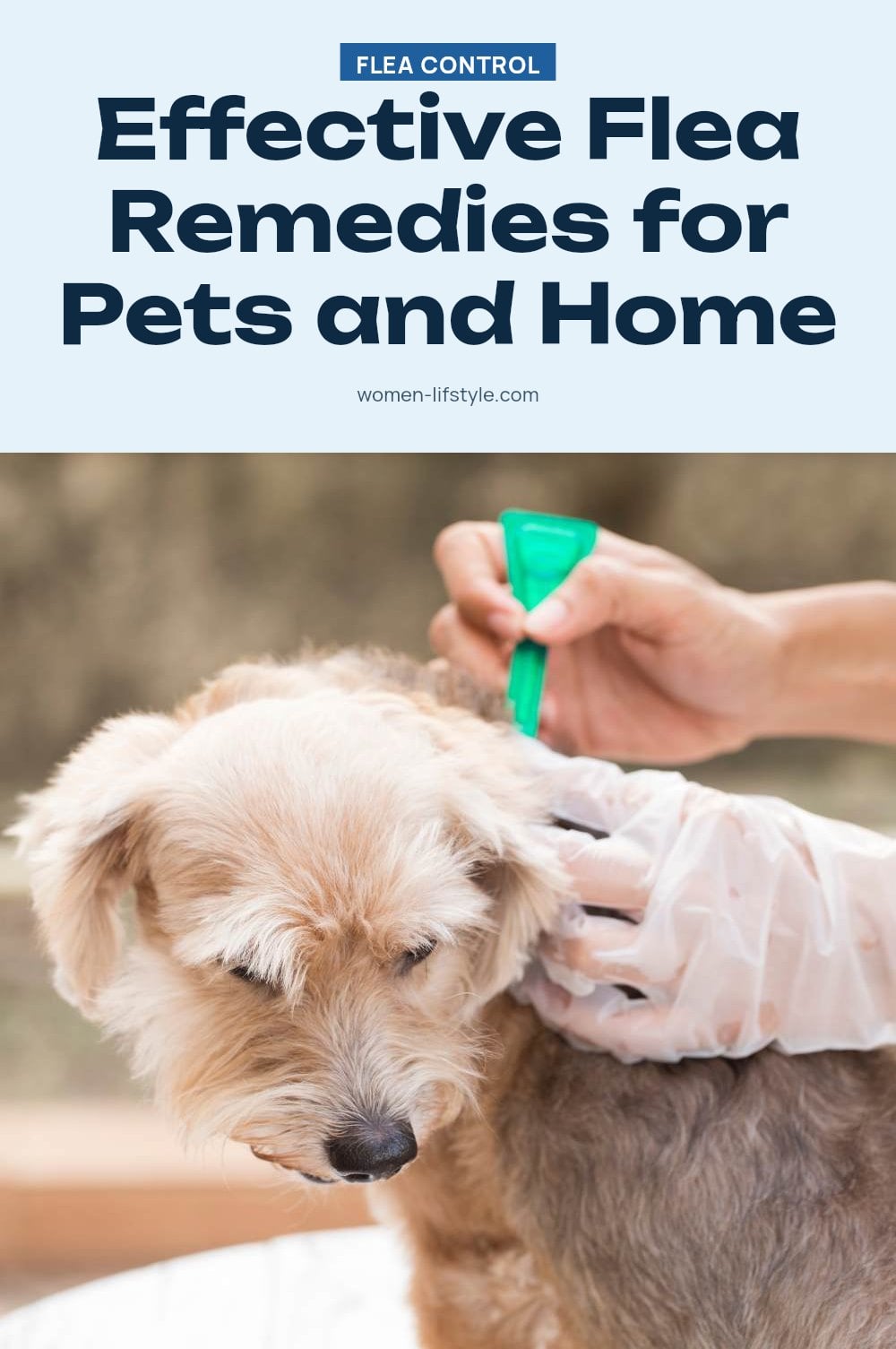
- Treat all pets in the household with a veterinarian-approved flea product, even if only one shows signs.
- Vacuum carpets, rugs, and upholstery daily or every other day during an infestation.
- Wash all pet bedding and linens in hot water at least 140°F (60°C) and dry on high heat.
- Consider household sprays with an insect growth regulator (IGR) to stop eggs and larvae from maturing.
- Be patient: eliminating a full infestation typically takes several weeks to months of consistent effort.
How to Get Rid of Fleas in Your Home and On Your Pets
Getting rid of fleas means tackling two fronts at once: your pets and your home. A veterinarian-approved treatment for every pet in the house kills adult fleas and often stops eggs from hatching. Meanwhile, you need to vacuum daily and wash bedding in hot water to remove eggs, larvae, and pupae from carpets and furniture. The flea life cycle has four stages, and adult fleas make up only about 5% of the total population. Breaking that cycle takes several weeks to months of consistent work, so don’t expect a quick fix.
1. Consult Your Veterinarian First
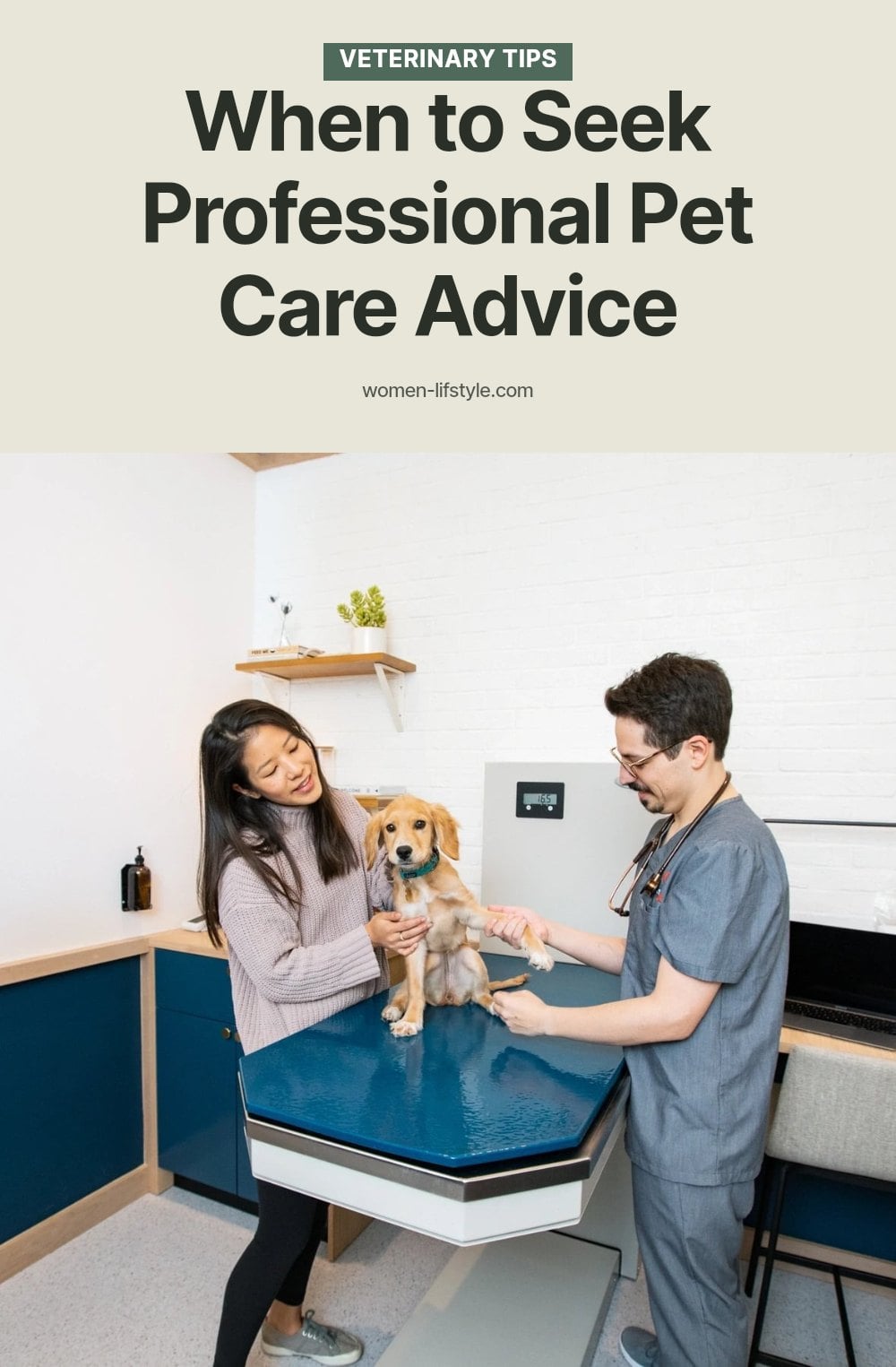
Start with a call to your vet. They know which treatment fits your pet’s species, age, weight, and health history. Options include topical spot-ons, oral medications, and medicated collars. All kill adult fleas and many also disrupt the life cycle.
Caution: Never use a dog flea product on a cat, or the reverse, unless your vet says it is safe. Ingredients that work for one species can poison the other.
2. Treat All Pets in the Household
If one pet has fleas, treat every animal in the house. Untreated pets become a reservoir where fleas keep breeding. They re-infest the pets you treated and your home.
Stick to the schedule your vet gave you for each pet. Skipping or delaying doses lets the life cycle continue.
3. Vacuum Thoroughly and Frequently
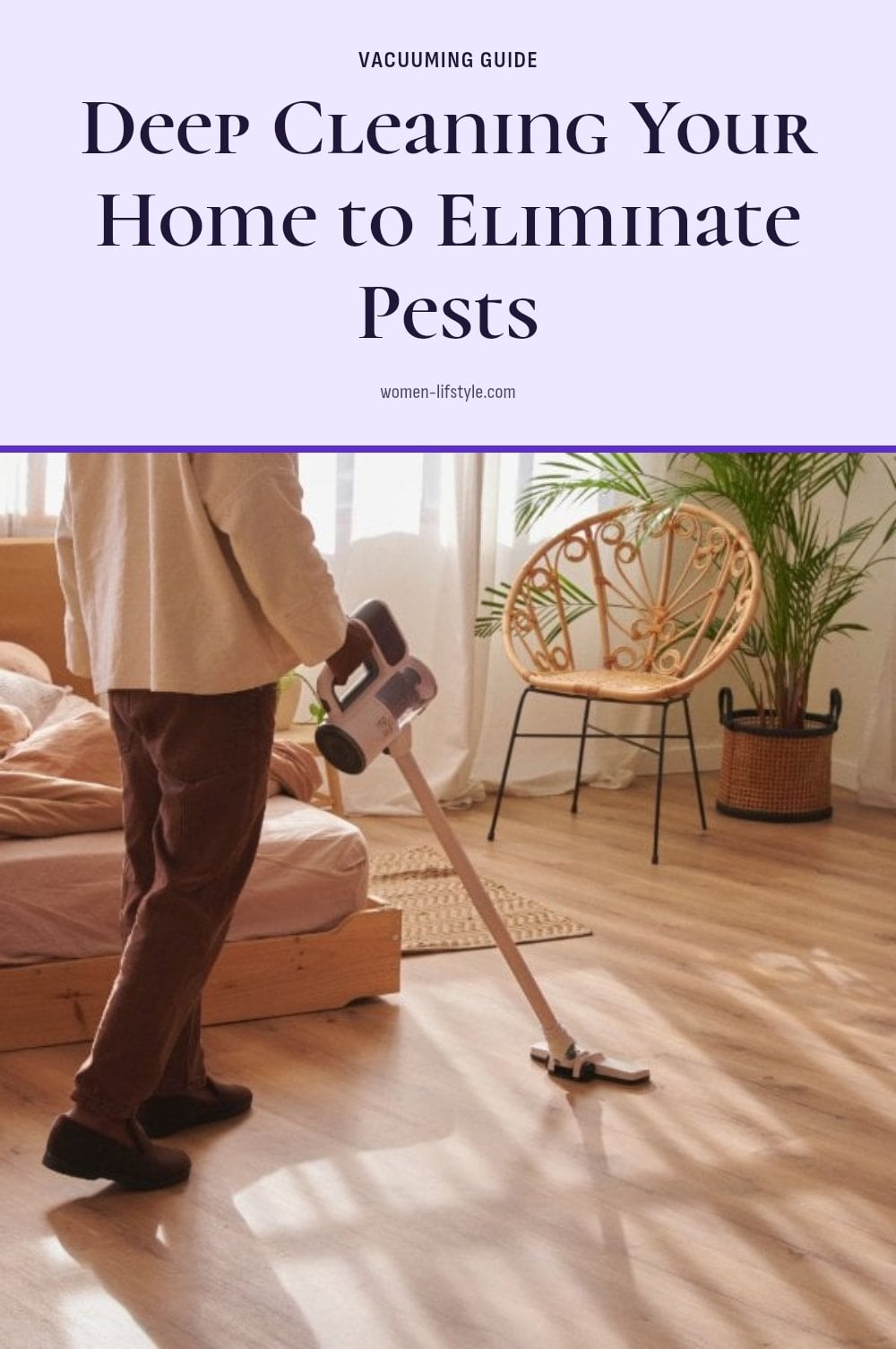
Vacuum carpets, rugs, upholstered furniture, and floor cracks every day or every other day during an infestation. This removes up to 50% of flea eggs and a good number of larvae and pupae from the carpet fibers.
My tip: Empty the vacuum bag or canister right after you finish. Do it outdoors into a sealed bag and toss it in an outside trash can. If you leave the contents inside, fleas can crawl back out.
4. Wash All Pet Bedding and Linens

Gather every fabric item your pet touches: bedding, blankets, washable toys, and any linens they sleep on. Wash them in hot water set to at least 140°F (60°C). Dry on the highest heat setting your dryer allows.
This heat kills eggs, larvae, pupae, and adult fleas in one cycle. Skip the cool rinse or low-heat dry, it won’t reach the temperature needed to destroy all life stages.
5. Consider Household Flea Sprays
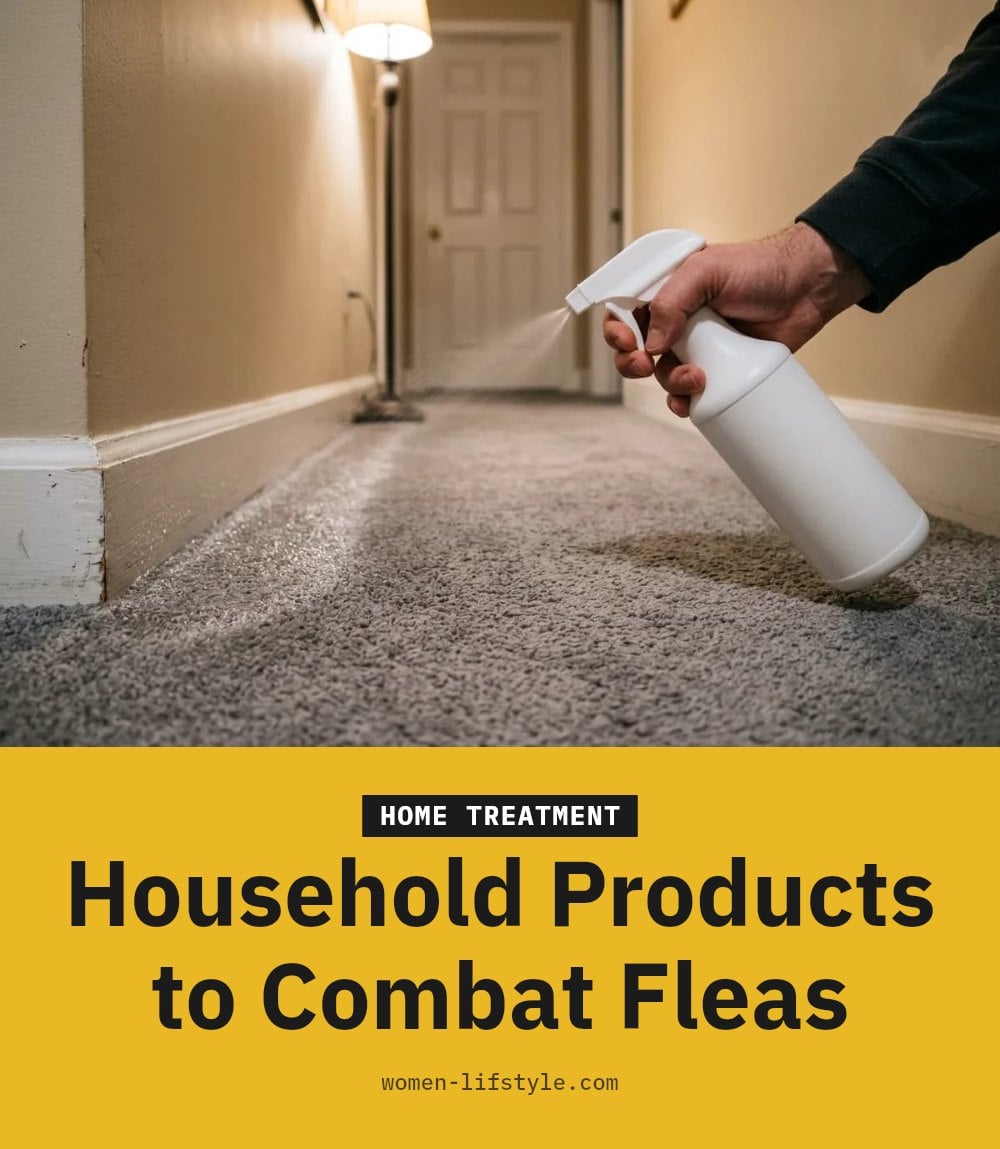
For a heavy infestation, household sprays with an insect growth regulator (IGR) can make a real difference. IGRs stop flea eggs and larvae from maturing into biting adults, breaking the cycle before it restarts.
Caution: Read every line of the label first. Open windows for ventilation. Keep pets and children out of the sprayed rooms until the product is completely dry, which usually takes a few hours.
6. Steam Clean Carpets and Upholstery

Steam cleaning carpets and upholstery reaches temperatures high enough to kill fleas at every stage, even the tough pupae that resist most sprays. Focus on spots where your pet naps, sleeps, or plays most often.
My tip: Let the area dry fully after steaming. Damp conditions can lead to mold or mildew, especially under furniture or in corners.
7. Use a Flea Comb Regularly
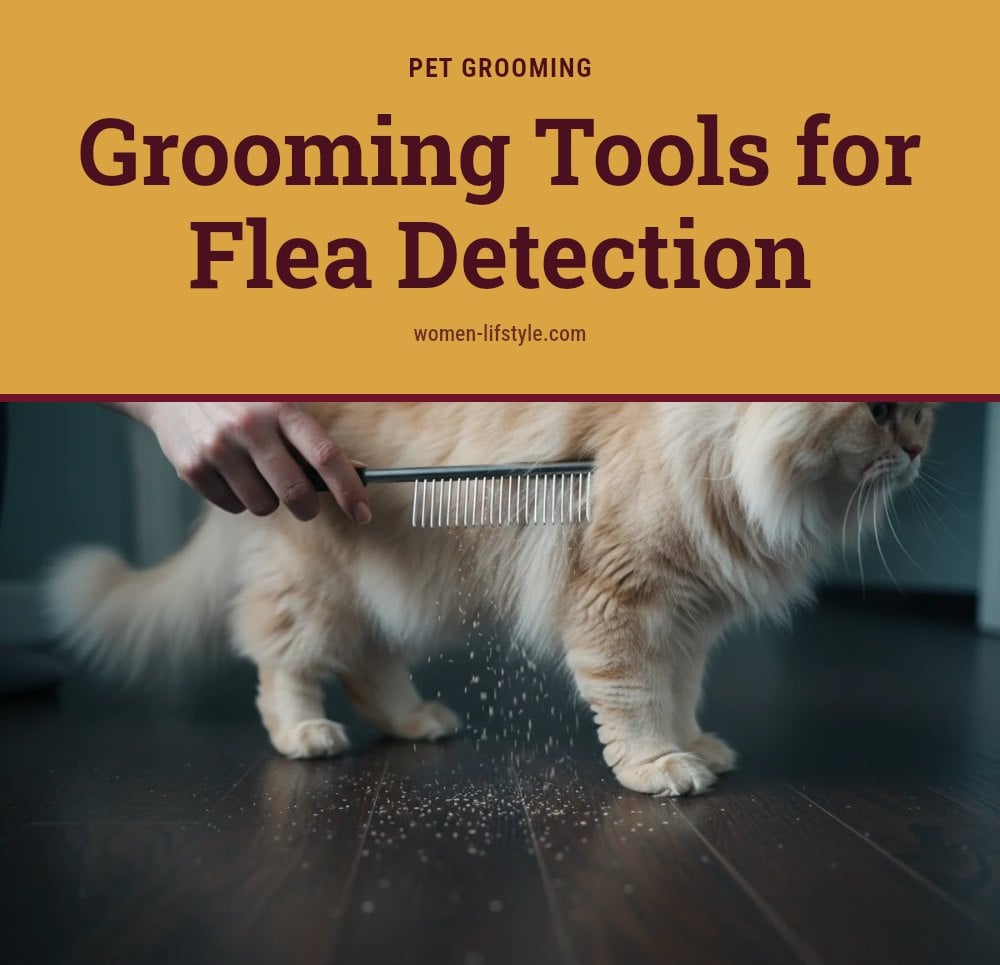
A fine-toothed flea comb physically lifts adult fleas and flea dirt from your pet’s coat. Run the comb through their fur, starting at the head and working down. After each stroke, dip the comb into a bowl of soapy water to drown any fleas caught.
This is a safe daily habit for pets who react to chemical treatments. It also helps you spot a new infestation early, before it becomes a full-blown problem.
8. Consider Diatomaceous Earth
Consider diatomaceous earth: Food-grade diatomaceous earth (DE) is a natural powder made from fossilized algae. It kills fleas by dehydrating them, so it works as a non-chemical option. Lightly sprinkle DE on carpets, pet bedding, and cracks in floors. Let it sit for a few hours, then vacuum thoroughly.
Caution: DE must stay dry to be effective. Avoid inhaling the dust, as it can irritate your lungs. Wear a mask while applying it, and keep pets and children away until the powder settles.
9. Address Outdoor Areas
Address outdoor areas: If your pets spend a lot of time outside and fleas keep coming back, your yard may need attention. Mow the lawn regularly and keep bushes trimmed. Remove leaf piles and debris where fleas and their hosts (like rodents) hide. Focus on shady, damp spots where pets rest.
Some pet-safe outdoor flea sprays are available. Always check the label to confirm they are safe for your animals, and follow application instructions exactly.
10. Be Patient and Consistent
Be patient and consistent: A full flea infestation usually takes several weeks to months to clear. Adult fleas are only about 5% of the total population. The other 95% are eggs, larvae, and pupae hiding in carpets, bedding, and floor cracks. You need to keep treating until every stage is gone.
Tip: Don’t stop treatment as soon as you stop seeing adult fleas. Continue your vet’s recommended prevention schedule and your cleaning routine for at least a month after the last sign of fleas.
11. Maintain Year-Round Prevention
Maintain year-round prevention: Once the infestation is gone, keep up with regular flea prevention for all your pets, every month of the year. Fleas can live indoors during cold months, so seasonal breaks leave your home vulnerable. A consistent prevention routine is the simplest way to avoid a repeat infestation and keep your pets comfortable.
When to Call a Professional Exterminator
If you’ve been vacuuming, washing, and treating your pets for several weeks with no improvement, a professional exterminator may be the next step. Severe infestations, especially in multi-pet homes or rooms with heavy carpeting, often respond better to commercial-grade treatments that target hidden pupae.
For your pet’s health: Contact your vet immediately if your pet develops severe skin reactions, excessive hair loss, or signs like lethargy or loss of appetite. These symptoms may indicate a flea-related problem that needs medical attention, not just pest control.
Frequently Asked Questions
How long does it take to get rid of fleas completely?
It usually takes several weeks to a few months to clear a full infestation. Adult fleas are only about 5% of the population; the rest are eggs, larvae, and pupae hiding in your home. You need to keep treating and cleaning until all life stages are eliminated.
Can fleas live on humans?
Fleas can bite humans, but they don’t live on us the way they do on pets. They prefer furry hosts. If you’re getting bitten, it’s a sign the infestation is severe, and you should focus on treating your home and pets.
Do I need to treat my yard for fleas?
If your pets spend a lot of time outside and fleas keep returning, yes. Mow the lawn, trim bushes, and remove leaf piles. Focus on shaded areas where your pets rest. For persistent problems, consider an outdoor flea spray labeled for yard use.
What are the signs of fleas on my pet?
Common signs include excessive scratching, licking, or biting, red skin, scabs, and small black specks called flea dirt in the fur. If you see these, check with a flea comb and call your vet for treatment options.
Is diatomaceous earth safe to use around pets?
Food-grade diatomaceous earth is generally safe for use around pets, but avoid inhaling the dust, as it can irritate lungs. Keep pets out of the area while you apply it and until the dust settles. It works by dehydrating fleas, but it must stay dry to be effective.
Final Thoughts
Getting rid of fleas requires a two-pronged approach: treating every pet and cleaning your home thoroughly. My tip: stick with it even after you see fewer fleas, because the pupae can linger for months. Consistent vacuuming, washing, and year-round prevention are your best bet for keeping your home flea-free.
This article provides general information for managing flea infestations and is not a substitute for professional veterinary or pest control advice. Always consult your veterinarian before starting any flea treatment for your pet, and follow all product label instructions carefully. If your pet has a severe reaction or the infestation persists, seek professional help.
