

You know that feeling when you look around your home and just don’t know where to start? The piles of stuff can feel so heavy that it’s easier to close the door and deal with it later. I’ve been there, and the secret isn’t a weekend-long marathon. It’s about shrinking the task until it feels doable. This article walks you through a simple, emotional-layer method that makes decluttering manageable, plus practical tips to keep the clutter from coming back.
Key Takeaways
- Start with one small area like a single drawer or shelf to build momentum without feeling overwhelmed.
- Sort items into one of four emotional layers to understand how hard each item will be to let go of.
- Set a timer for 15 to 30 minutes per session to prevent burnout and stay consistent.
- Use the ‘one in, one out’ rule to keep new clutter from accumulating after you declutter.
- Take a picture of sentimental items to preserve the memory without keeping the physical object.
The Easiest Way to Start Decluttering
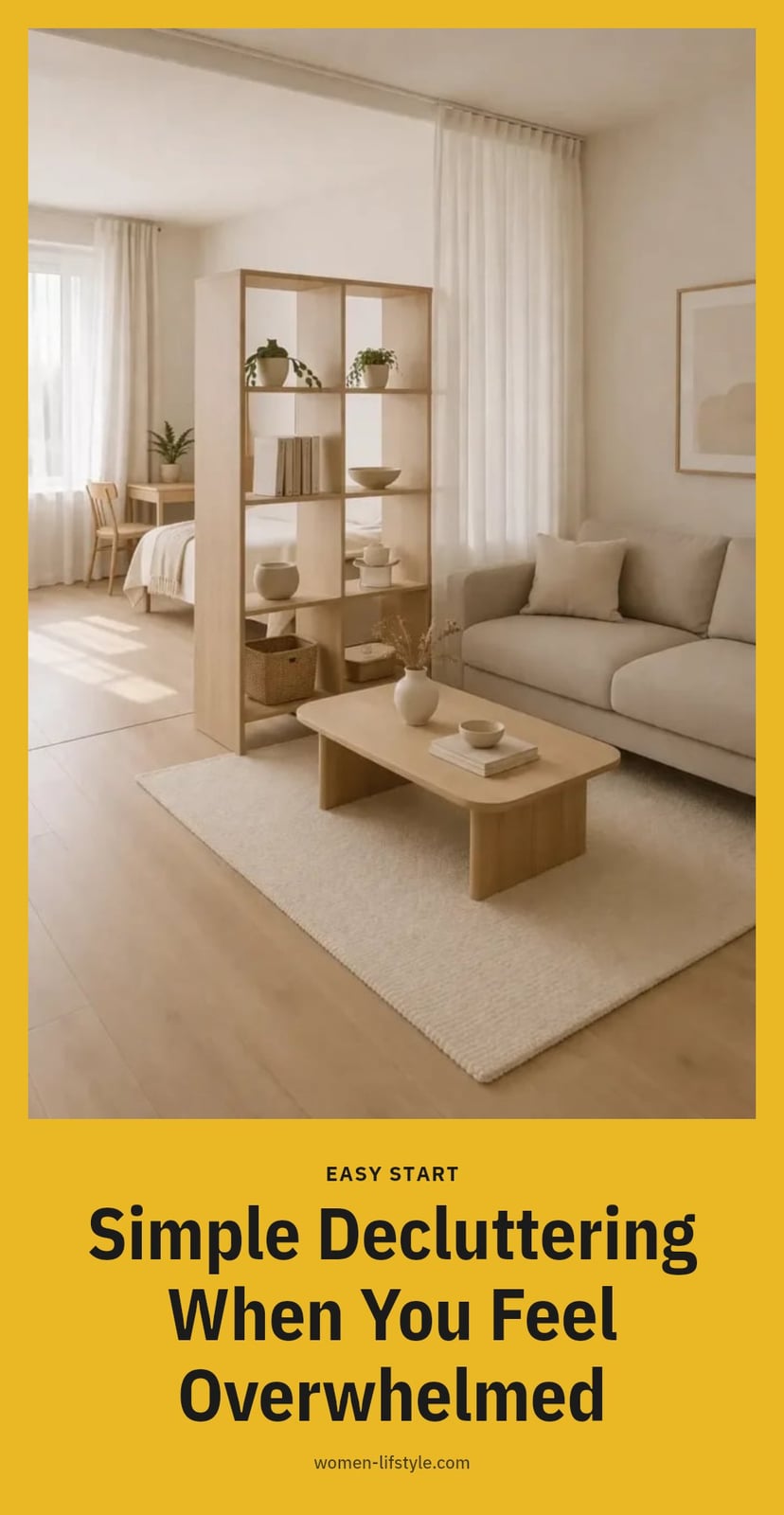
When clutter feels overwhelming, the trick is to shrink the task until it feels doable. Pick one drawer, one shelf, or even a single surface, and focus only on that. Then sort items by how attached you feel to them: start with the easy ones, like old mail, and work up to the harder stuff. Set a timer for 15 to 30 minutes so you don’t burn out. Short, focused bursts build momentum without turning decluttering into a marathon.
Gather Your Decluttering Essentials
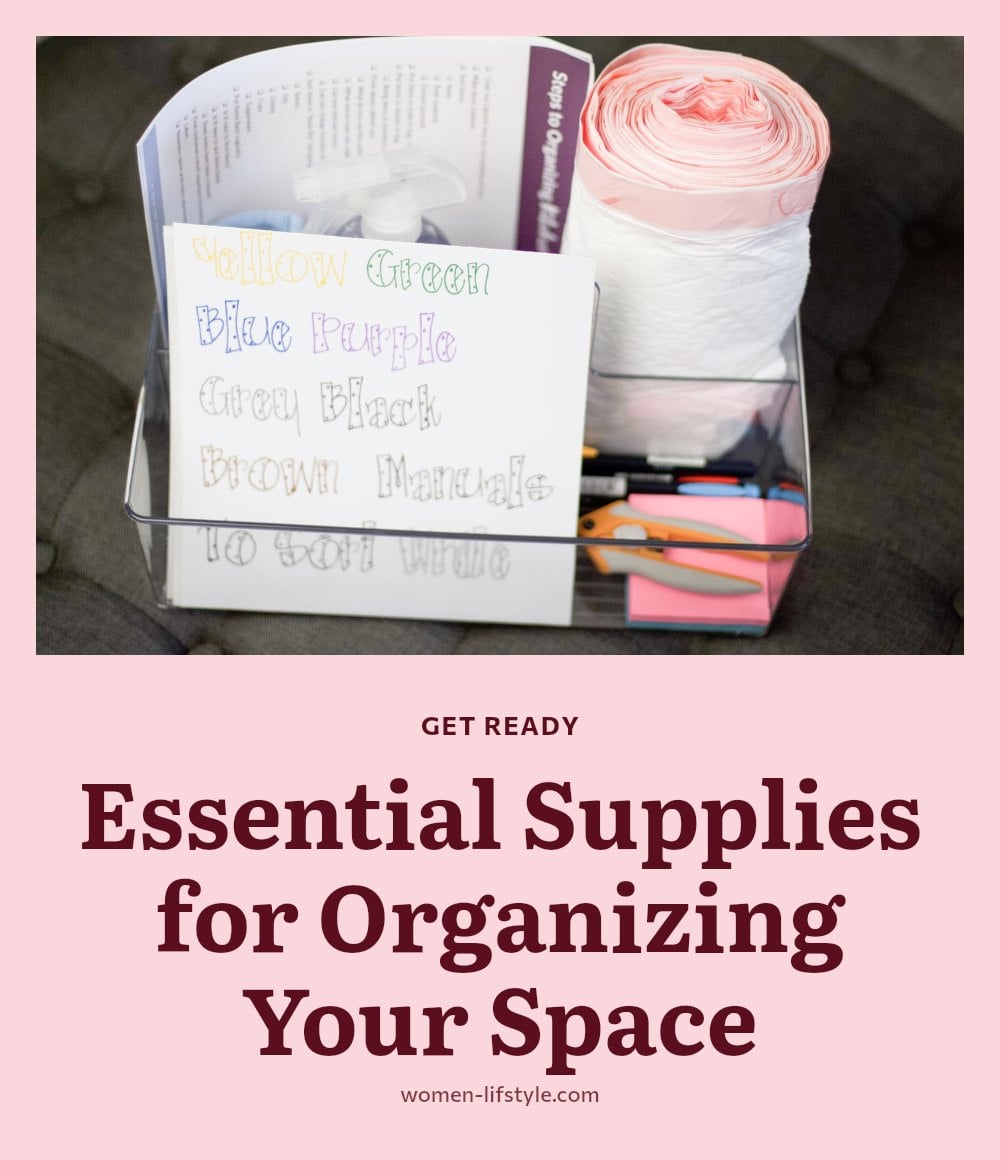
Before you start, gather everything you’ll need so you don’t lose momentum mid-session.
- Trash bags: for items to throw away.
- Donation boxes or bags: for things you’ll give away.
- Recycling bin: for paper and other recyclables.
- Cleaning cloths and all-purpose cleaner: to wipe down surfaces after you clear them.
- Labels (optional): to mark what stays, so you can see progress at a glance.
Having these ready means you can sort and dispose in one flow, no trips to find a bag.
Your Step-by-Step Guide to Decluttering
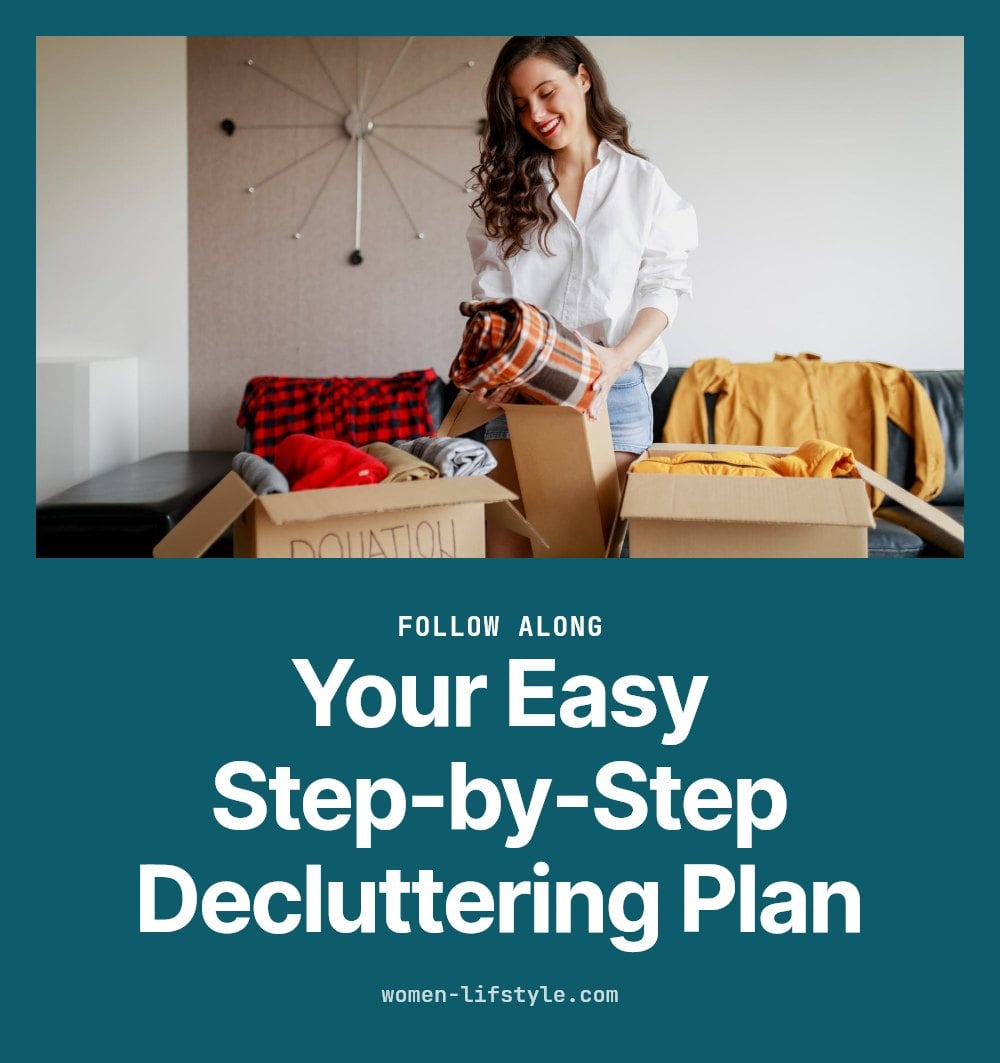
The most effective way to declutter is to sort items by how emotionally attached you are to them. This is the ‘layer’ method, and it tells you how hard each item will be to let go. Work through the layers in order, starting with the easiest.
- Sort by layer: Identify which of the four layers an item falls into: ‘Out of Sight, Out of Mind,’ ‘Happy Memories,’ ‘My Ideal Self,’ or ‘It’s So Hard to Say Goodbye.’ The first is easiest, the last is hardest.
- Toss the easy stuff: For ‘Out of Sight, Out of Mind’ items like old mail, just toss them. If there’s a lot, set a timer for 15 to 30 minutes and work through it while listening to a podcast or music.
- Handle happy memories: For ‘Happy Memories’ items, ask yourself, ‘Do I want this?’ If not, toss it. Consider taking a picture to keep the memory without the physical item. If you want it, organize it in a designated spot.
- Question ‘My Ideal Self’ items: These are things that represent who you want to be, like exercise gear or craft supplies. Ask: ‘Why do I want this?’, ‘Am I actively working to use this?’, and ‘Does this make me feel good about myself?’ If the answers point to no, let it go.
- Be patient with the hardest layer: For ‘It’s So Hard to Say Goodbye’ items, acknowledge that you may need time, especially after a loss. When ready, ask: ‘When I see this, I feel blank,’ ‘I want to keep this because blank,’ and ‘I will make sure this is not forgotten.’
- Break it down: Whatever layer you’re working on, keep sessions short. Set a timer for 15 to 30 minutes and stop when it rings. This prevents burnout and keeps you coming back.
Prefer to watch? KristiDoingThings walks through the whole method in this 12-minute video. The how-to part starts at 1:55.
Smart Decluttering Tips for Lasting Results
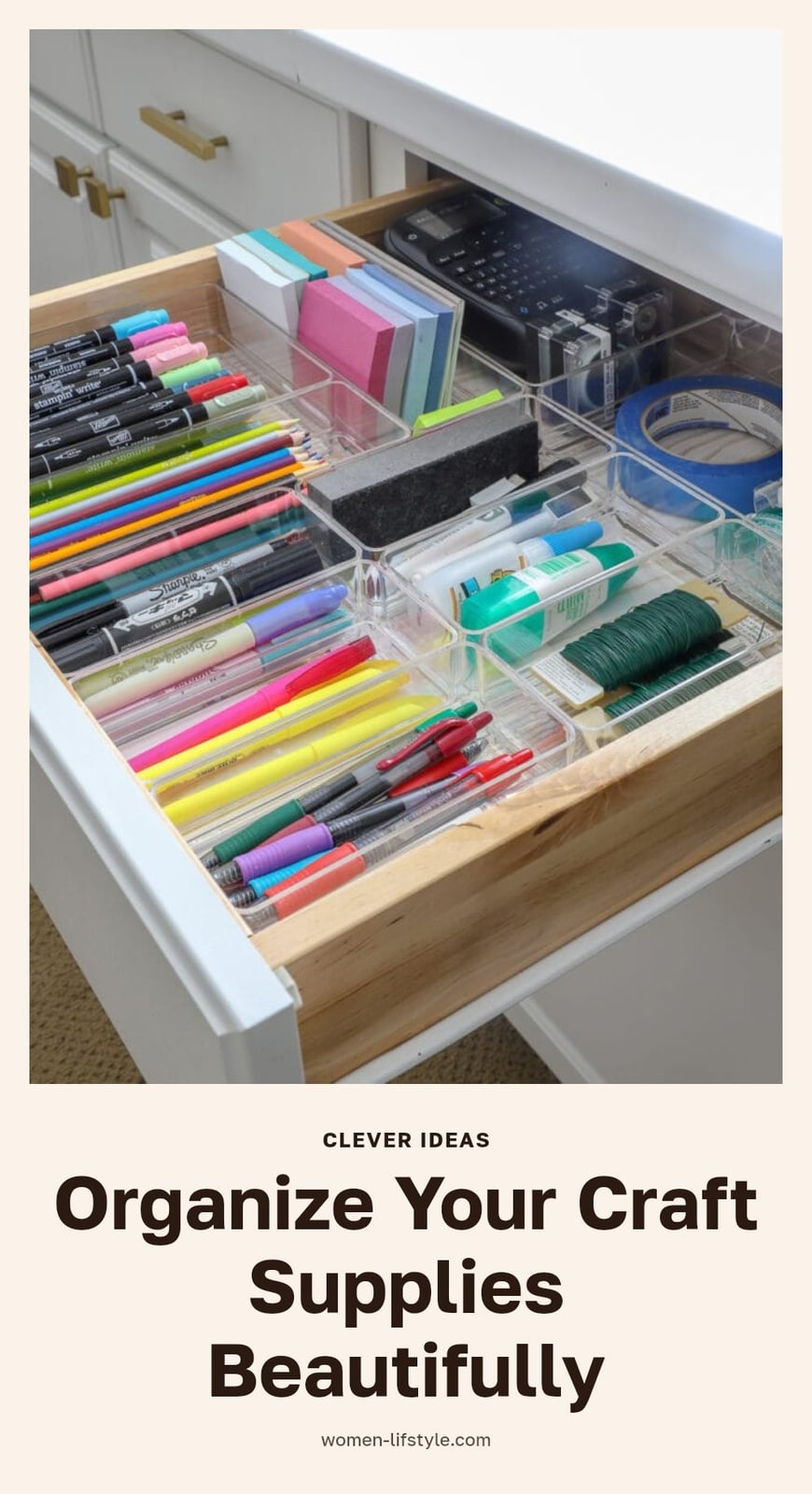
These tips will help you stay on track and make your decluttering stick.
- Start small: Focus on a single drawer, shelf, or surface. That’s enough to build momentum without feeling swamped.
- Set a timer: Dedicate 15 to 30 minutes to decluttering. Short bursts prevent burnout and make it easier to start.
- Categorize first: Group similar items, like all clothes or all books, so you can make decisions faster and see patterns.
- Be honest: Ask yourself if you truly use, need, or love an item. If it’s a maybe, it’s usually a no.
- Celebrate wins: Acknowledge your progress, no matter how small. Finished a drawer? That’s a win, and it fuels motivation for the next one.
Common Decluttering Mistakes to Avoid
Trying Too Much At Once: The fastest way to burn out is to tackle a whole room in one go. Break it down to a single drawer or shelf. That small win builds momentum without the overwhelm.
No Sorting Plan: Starting without designated piles invites chaos. Set up boxes or bags labeled ‘keep,’ ‘donate,’ ‘trash,’ and ‘relocate’ before you touch a single item.
‘Just In Case’ Mentality: Guilt and vague future use are clutter traps. If you haven’t used it in a year and don’t have a concrete plan for it, let it go.
Emotional Attachment Paralysis: Getting stuck reminiscing slows everything down. Make a quick call: keep it, toss it, or take a photo for the memory and release the object.
Buying Storage First: Resist buying bins and baskets until you’ve decluttered. You don’t know what you need to store until you’ve decided what stays. Storage before editing just hides the problem.
Preventing Future Clutter from Accumulating
Implement the ‘One In, One Out’ Rule: For every new item you bring home, remove one similar item. This keeps your totals balanced and forces you to consider each purchase.
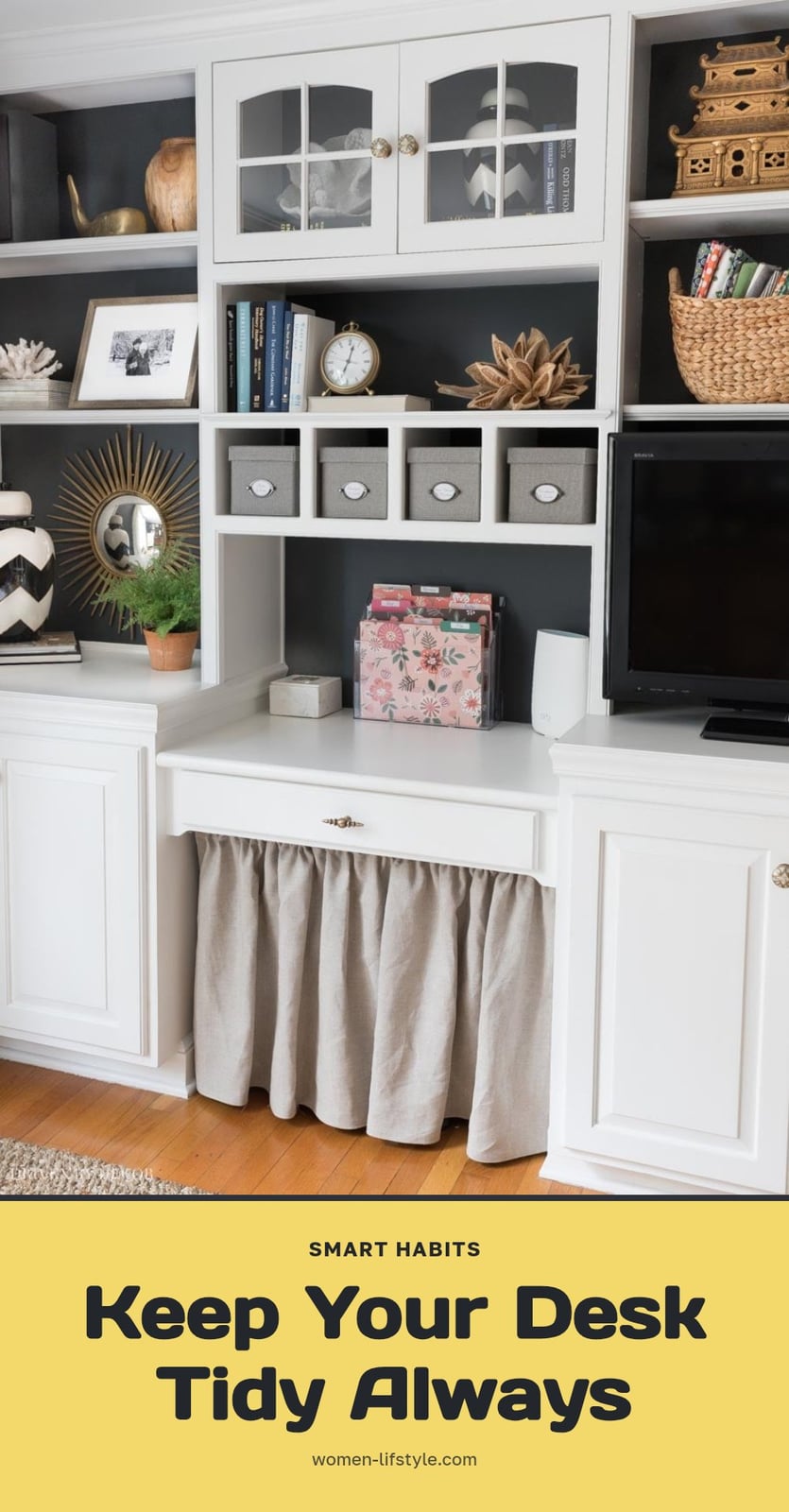
Give Everything a Home: Every kept item needs a designated spot. When things have a place, putting them away takes seconds, and clutter doesn’t pile up on surfaces.
Regular Mini-Declutter Sessions: Spend 5-10 minutes each week tidying one small area. A quick sweep of a drawer or counter prevents the slow creep of new clutter.
Question New Purchases: Before buying, ask yourself if you truly need it and where it will live. If you can’t answer both, skip it.
Process Mail Immediately: Sort incoming mail as soon as it arrives. Toss junk, file what matters, and handle action items right away. This stops paper clutter before it starts.
After Your Decluttering Session: What’s Next?
Dispose of Items Promptly: Take trash bags to the curb, load donations into your car, and return relocated items to their proper homes. Don’t let bags sit in the hallway.
Clean the Newly Cleared Space: Wipe down surfaces, vacuum, or mop the area you just decluttered. A clean, empty surface makes the fresh start feel real.
Organize Remaining Items: Arrange what you’ve kept so it’s functional and easy to access. Group like items together and use simple containers if needed.
Reflect and Celebrate: Take a moment to appreciate your work. Notice how the space feels and functions better. That positive feeling fuels your next session.
Plan Your Next Small Area: Choose another manageable spot to tackle next, like a single shelf or a junk drawer. Keep the momentum going with one small goal at a time.
Frequently Asked Questions
How often should I declutter?
Short, regular sessions are more effective than infrequent all-day marathons. Aim for 15 to 30 minutes daily or weekly, focusing on a single small area each time. Consistency builds momentum without the overwhelm.
What if I have trouble letting go of sentimental items?
Sentimental items often fall into the ‘Happy Memories’ or ‘It’s So Hard to Say Goodbye’ layers. Take a picture to keep the memory digitally, then let the physical item go. If the loss is recent, give yourself time and revisit the item later when you’re ready.
Can decluttering help with stress?
Yes. Clutter can contribute to feelings of stress and anxiety, and clearing it often makes a space feel calmer and more functional. Even a small win like a cleared counter can lift your mood and reduce daily visual noise.
Is it better to declutter by room or by category?
Both can work, but starting by category (for example, all t-shirts or all books) helps you see how much you own of one type, which can make decisions easier. If categories feel too big, start with a single drawer or shelf within a room.
What should I do with items I decide to get rid of?
Have designated boxes or bags for ‘donate,’ ‘trash,’ and ‘recycle’ ready before you start. Dispose of trash and recycling promptly, and load donation items into your car right after the session to prevent bags from lingering.
Final Thoughts
My tip: pick one drawer or shelf today and work through the layers in order, starting with the easiest items. You’ll likely see a visible difference in that one spot within 15 minutes, which is enough motivation to keep going. The goal isn’t perfection, it’s progress, one small space at a time.
