

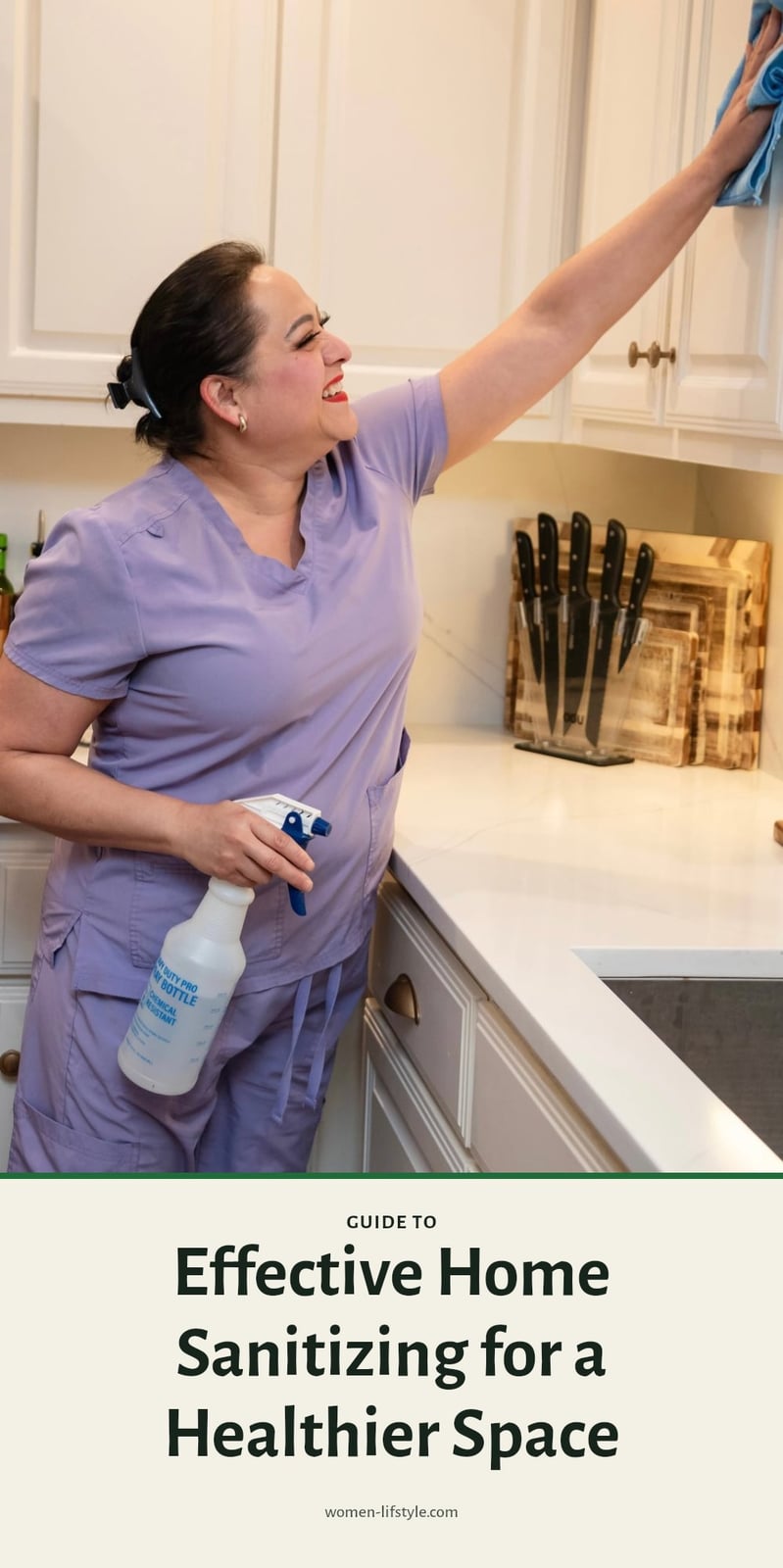
You want a home that’s truly clean, not just tidy. Sanitizing goes beyond wiping down surfaces. It reduces germs to a safe level, which is especially important during cold and flu season. In this article, I’ll walk you through the essential steps for effective sanitizing, from choosing the right products to focusing on the spots that matter most.
Key Takeaways
- Always clean surfaces with soap and water before applying a sanitizer to remove dirt that blocks germ-killing action.
- Use a diluted bleach solution (1 tablespoon per gallon of water) or an alcohol-based solution with at least 70% alcohol for effective sanitizing.
- Allow sanitizing products to remain on surfaces for the full contact time listed on the label, do not wipe immediately.
- Focus daily sanitizing on high-touch surfaces like doorknobs, light switches, remote controls, and countertops.
- Sanitize fabrics by washing in hot water (at least 130°F or 54°C) and drying on high heat, and use your dishwasher’s sanitize cycle for dishes.
What is Sanitizing and Why Does it Matter?
Sanitizing means reducing the number of germs on a surface to a safe level, as set by public health standards. It is not the same as cleaning, which removes dirt and grime but does not necessarily kill germs, or disinfecting, which kills nearly all germs. The process matters most on high-touch surfaces where germs spread easily. For sanitizing to work, you must clean the surface first, then apply a sanitizing agent and let it sit for the contact time listed on the label.
1. Always Clean Before You Sanitize
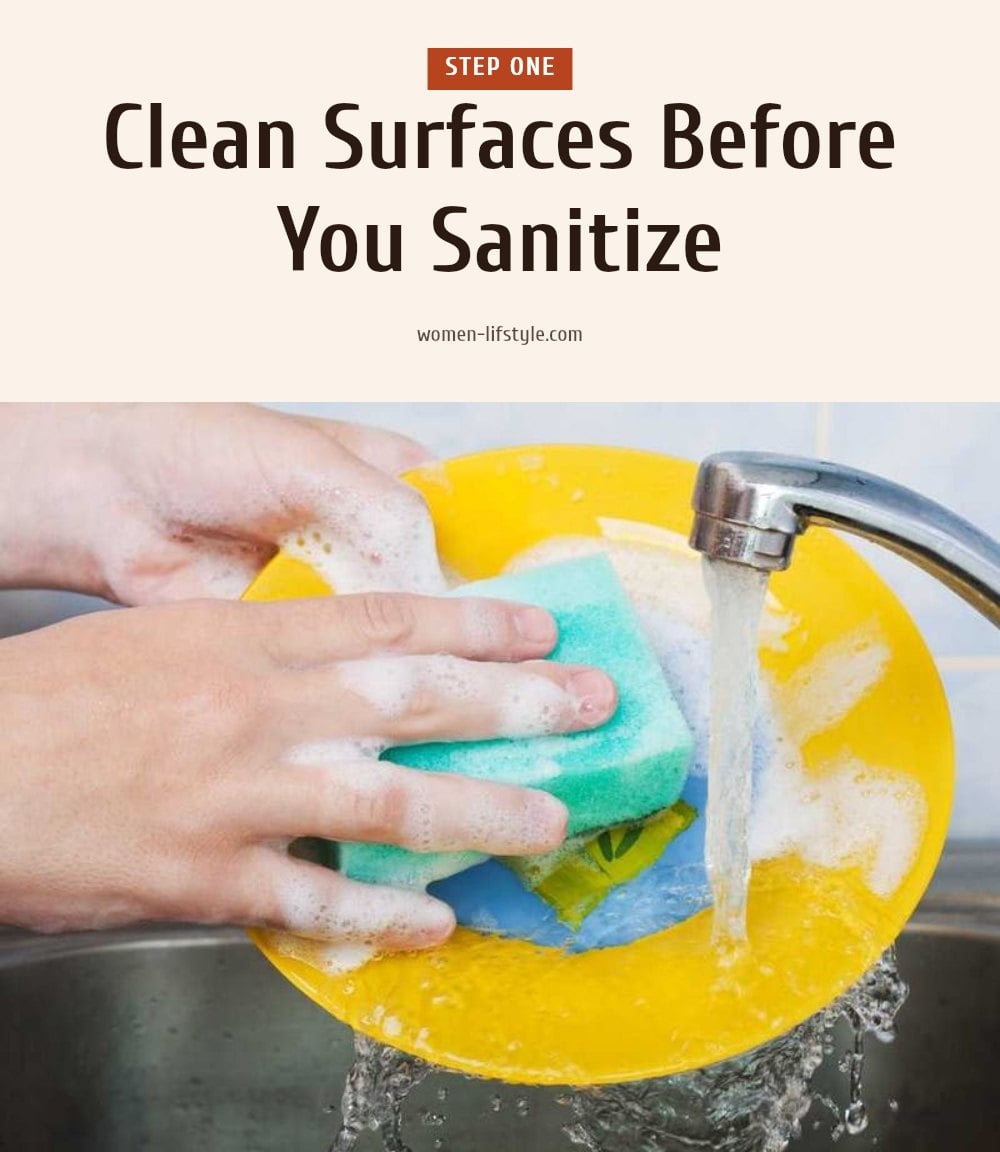
Sanitizers need a clean surface to work effectively. Dirt, dust, and grime create a barrier that blocks the sanitizer from reaching the germs underneath.
- Clean first: Use soap and water or an all-purpose cleaner to remove visible soil from the surface.
- Then sanitize: Apply your sanitizing solution only after the surface looks clean. This two-step process ensures the sanitizer can do its job.
2. Choose the Right Sanitizing Agent
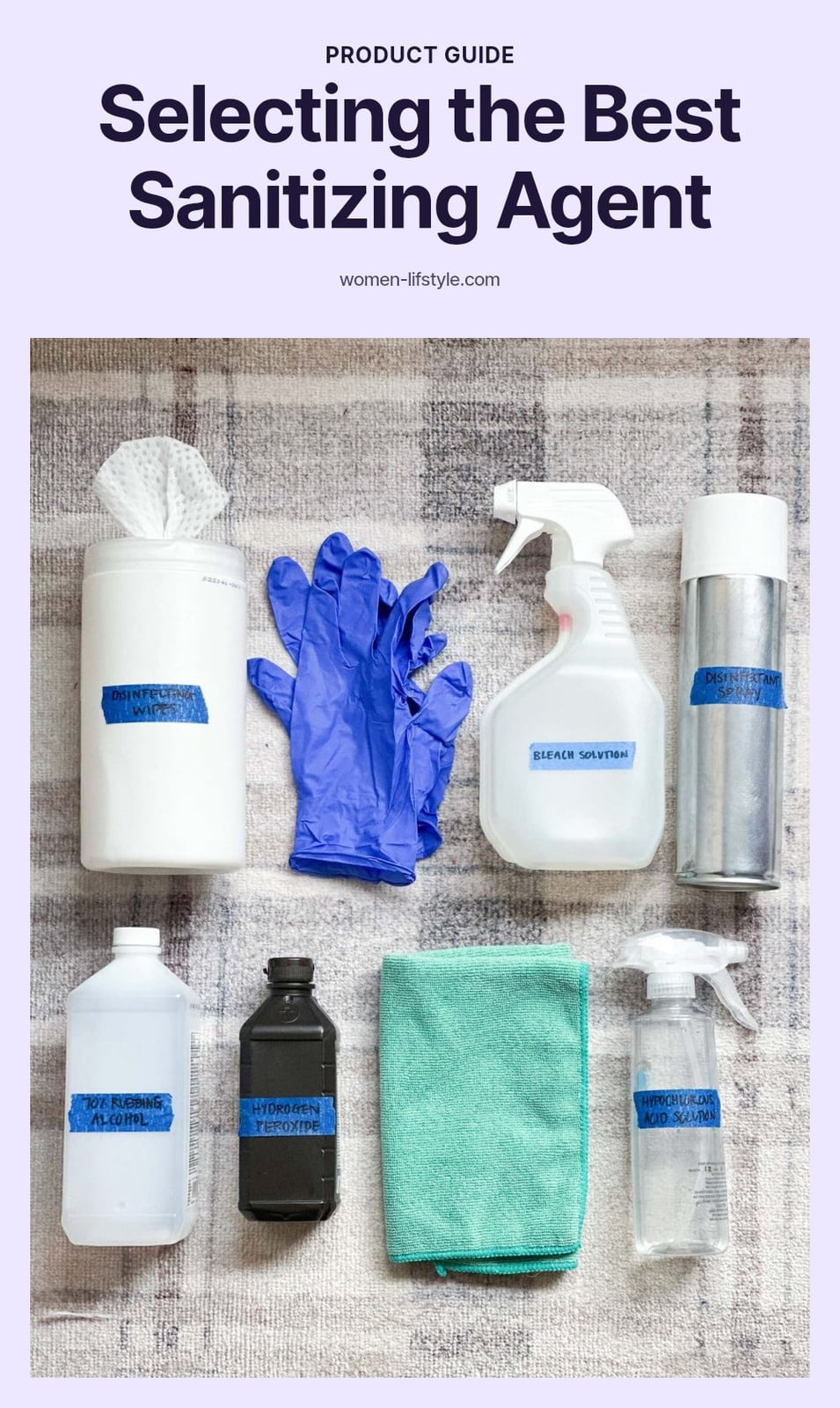
Not all products are equally effective at sanitizing. Choose an agent that is proven to reduce germs to safe levels.
- Diluted bleach: Mix 1 tablespoon of bleach per gallon of water for non-porous surfaces. This is a reliable, low-cost option.
- Alcohol-based solutions: Use products with at least 70% alcohol. Hand sanitizers with this concentration also work on hard surfaces.
- EPA-registered sanitizers: Look for the EPA registration number on the label. This means the product has been tested and proven effective against germs.
3. Mind the Contact Time
A sanitizer needs time on the surface to reduce germs. The required “dwell time” or “contact time” is printed on the product label and is not a suggestion.
- Do not wipe immediately: If you wipe the surface dry right after applying, you remove the sanitizer before it has finished working.
- Let it air dry or wait: Follow the label’s recommended time, which is often 30 seconds to several minutes. Only wipe if the label says to do so after the contact time ends.
4. Focus on High-Touch Surfaces
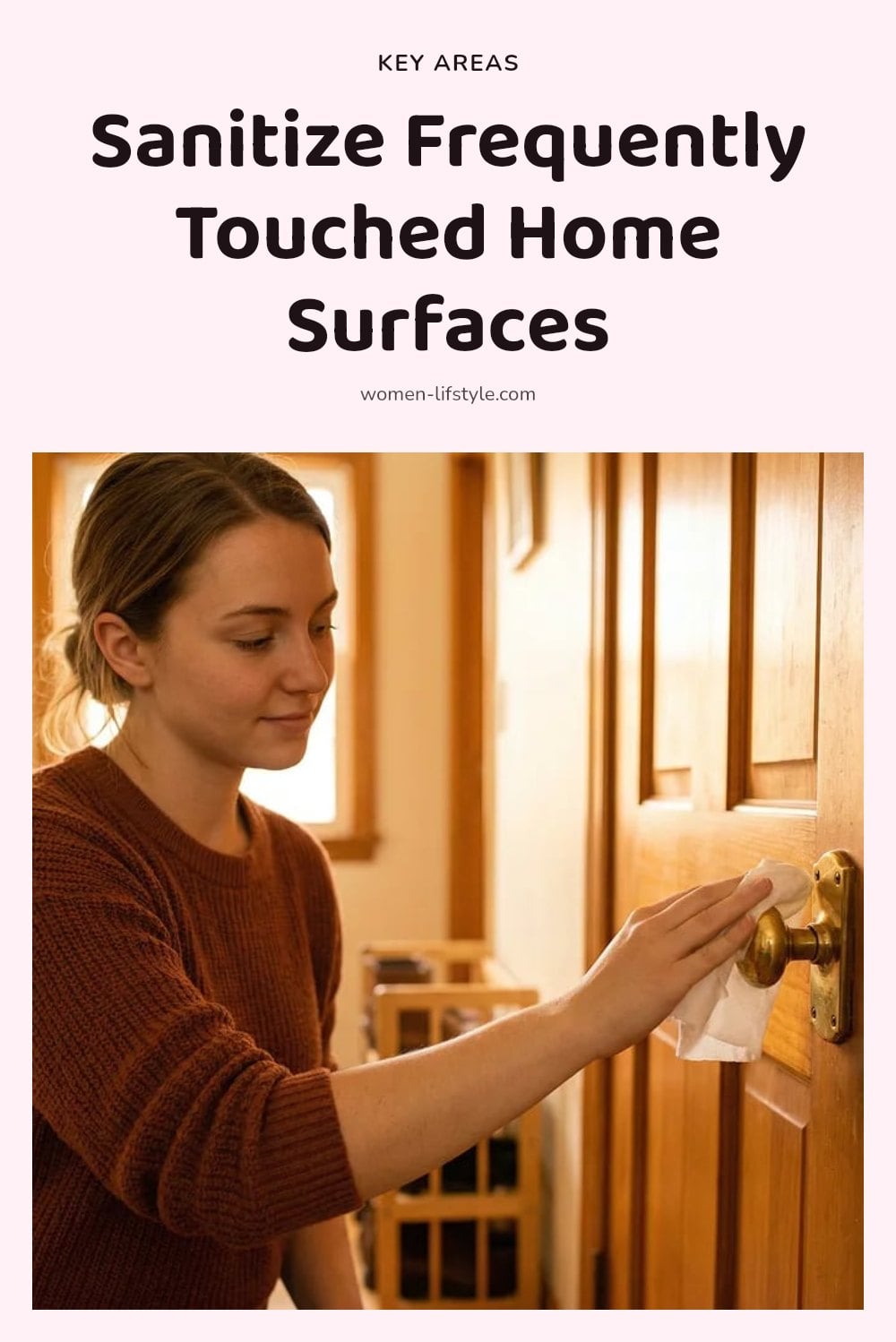
Not every surface in your home needs daily sanitizing. Focus your effort on high-touch spots that multiple people contact throughout the day. These are the surfaces where germs transfer most often.
- Doorknobs and light switches: Touched every time you enter a room or turn on a light.
- Remote controls and cell phones: Held for long periods and rarely cleaned.
- Countertops and faucet handles: Contacted during food prep and hand washing.
Sanitize these surfaces daily during cold and flu season or when someone in the house is sick. A quick wipe with a sanitizing spray or wipe, respecting the contact time, is enough to reduce germ levels significantly.
5. Sanitize Fabrics and Linens
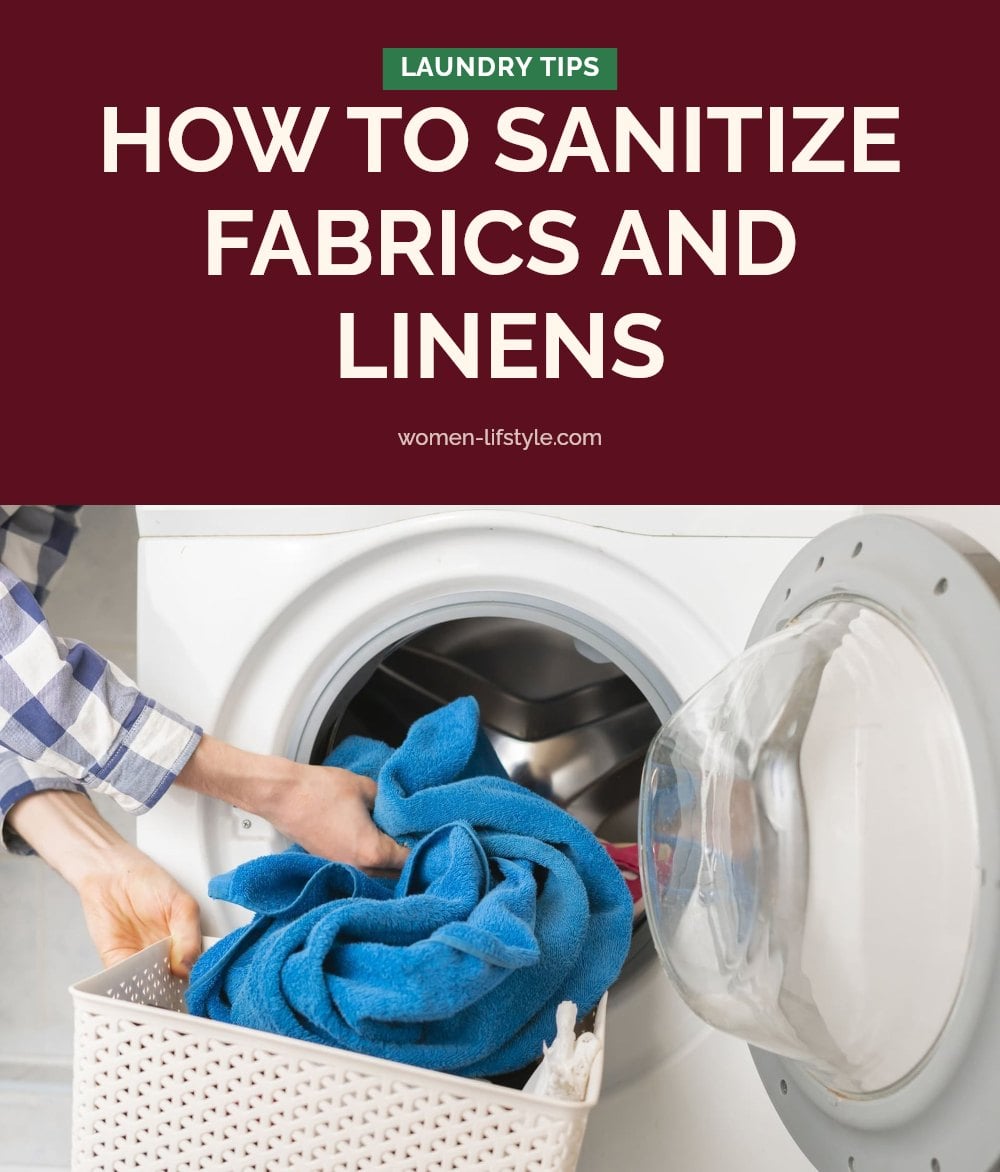
Bedding, towels, and certain clothing need sanitizing too, but the method is different from hard surfaces. Set your washing machine to hot water, at least 130°F or 54°C, because that temperature kills most germs effectively. Tip: Check the fabric care label first, hot water can shrink or damage delicate items like wool or silk.
Drying on high heat finishes the job. The combination of hot water in the wash and high heat in the dryer creates a one-two punch that reduces germs to safe levels. Skip the air-dry setting for these loads if sanitizing is your goal.
6. Utilize Your Dishwasher’s Sanitize Cycle
If your dishwasher has a ‘sanitize’ cycle, use it. That cycle heats the water to a temperature high enough to kill germs on dishes, cutting boards, and other kitchen items. It is a hands-off method that works while you do something else.
Tip: Check your dishwasher’s manual to confirm the cycle is certified to meet sanitization standards. For plastic items that may not tolerate high heat, place them on the top rack away from the heating element.
7. Consider Steam for Chemical-Free Sanitizing
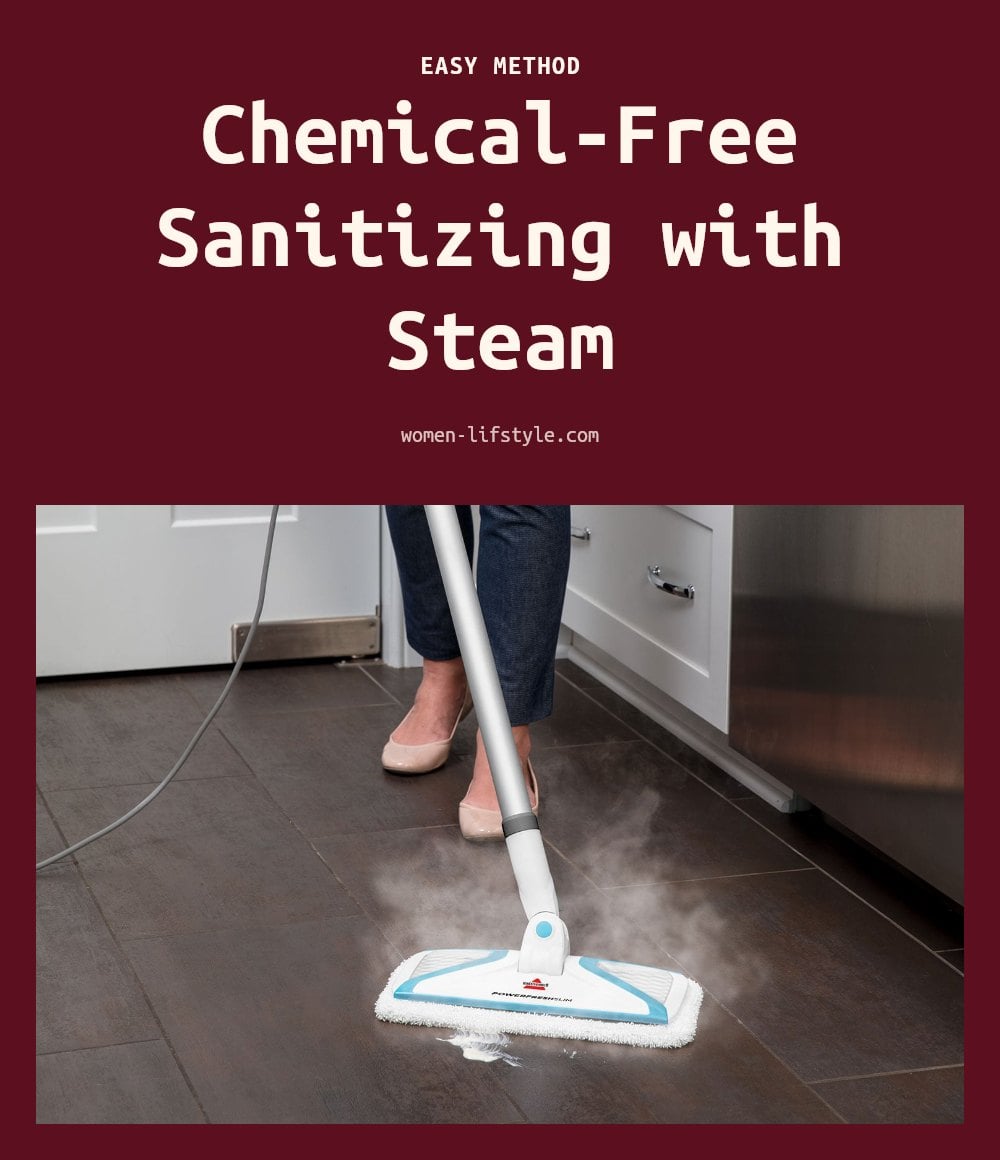
A steam cleaner is a chemical-free way to sanitize many household surfaces. It works by heating water to a high enough temperature that the steam kills germs on contact. For this to work, the steam must reach and stay at the sanitizing temperature, usually above 212°F (100°C) at the nozzle. I use a handheld steamer for quick jobs like kitchen counters and bathroom fixtures, and a larger unit with a floor attachment for sealed hard floors. Steam is especially good for areas where you don’t want chemical residue, like cutting boards or children’s toys.
Tip: Let the steam sit on the surface for a few seconds before wiping. Moving too fast won’t give the heat enough time to reduce germs.
8. Protect Yourself with Proper Gear
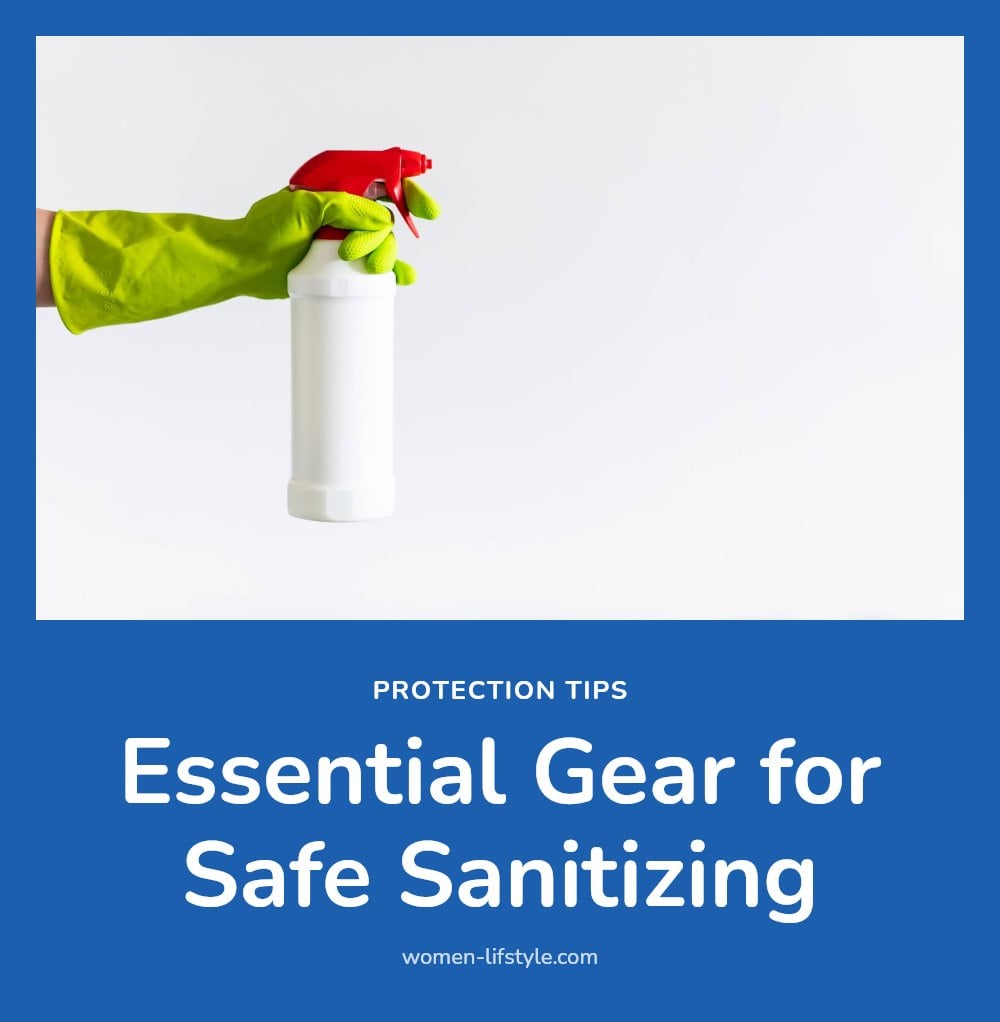
Wear protective gloves: Bleach and other strong chemical sanitizers can irritate skin. Rubber or nitrile gloves create a barrier that prevents contact.
Ventilate the room: Open a window or turn on a bathroom fan before you start. Fumes from bleach and alcohol-based products can cause coughing, headaches, or more serious respiratory irritation if you breathe them in for long.
9. Read and Follow Product Labels
Product labels tell you exactly how to get results without wasting product or risking safety. They list the correct dilution ratio (for concentrates), the required contact time, and which surfaces the formula works on. My tip: never mix two different cleaners or sanitizers together. Combining bleach with ammonia or even with vinegar creates toxic chlorine gas. If a label doesn’t say mixing is safe, don’t do it.
10. Store Products Safely and Test First
Store out of reach: Keep all sanitizing products in a locked cabinet or on a high shelf, away from children and pets. A cool, dry spot prevents containers from leaking or degrading.
Test before you treat: Apply a small amount of the sanitizer to an inconspicuous area of the surface or fabric. Wait for the contact time, then check for discoloration, dullness, or damage before using it on the full area.
11. Know When to Seek Medical Attention
If you get a sanitizer in your eyes, rinse them with water for 15 minutes. For severe skin irritation that doesn’t improve after rinsing, or if you accidentally swallow any product, call poison control (1-800-222-1222 in the US) or go to urgent care. Persistent coughing or trouble breathing after using chemicals indoors also warrants a call to your doctor. Don’t wait to see if symptoms get worse.
Common Sanitizing Mistakes to Avoid
Sanitizing seems straightforward, but a few common mistakes can make your efforts pointless or even unsafe. Skipping the cleaning step is the most frequent error, dirt and grime block the sanitizer from reaching germs, so always wash surfaces first with soap and water. Another big one is not allowing enough contact time; if you wipe too soon, the germs haven’t been reduced to safe levels. Let the product sit for the full time listed on the label.
Improper dilution also trips people up. Too little sanitizer won’t work effectively, and too much can damage surfaces or create a safety hazard. Follow the instructions precisely. Myth: Many people assume natural cleaners like vinegar or lemon juice are effective sanitizers. While they have some cleaning properties, most are not broad-spectrum sanitizers, check for EPA registration if germ-killing is your goal. Finally, never use chemical sanitizers in a closed room. Poor ventilation can cause you to inhale harmful fumes, so always open windows or turn on a fan.
Frequently Asked Questions
What is the difference between cleaning, sanitizing, and disinfecting?
Cleaning removes dirt, dust, and grime from surfaces but doesn’t necessarily kill germs. Sanitizing reduces the number of germs to a safe level as determined by public health standards. Disinfecting kills nearly all germs, including bacteria, viruses, and fungi, on surfaces.
Can I use natural products like vinegar to sanitize?
Vinegar and lemon juice have some cleaning properties, but they are not generally considered effective sanitizers against a broad spectrum of germs. For reliable sanitizing, stick with EPA-registered sanitizers, diluted bleach, or alcohol-based solutions with at least 70% alcohol.
Do steam cleaners really sanitize effectively?
Yes, steam cleaners can sanitize surfaces using high-temperature steam without chemicals, as long as the steam reaches and maintains a high enough temperature to kill germs. This method works on many hard, non-porous surfaces and is a good chemical-free option for your home.
How often should I sanitize surfaces in my house?
High-touch surfaces such as doorknobs, light switches, and countertops should be sanitized daily or several times a week, especially during cold and flu season. Other areas can be sanitized less frequently, depending on use and household health concerns.
Final Thoughts
My tip: make a habit of sanitizing high-touch surfaces daily, especially when someone in your household is sick. Expect that proper sanitizing takes a little extra time, cleaning first and waiting for the contact time, but it’s worth the effort for a healthier home. Stick with these steps, and you’ll keep germs at bay without overcomplicating your routine.
This article provides general information about home sanitizing and is not a substitute for professional medical or cleaning advice. If you have specific health concerns or a serious issue related to germs or illness, consult a healthcare provider or a cleaning professional for guidance.
