

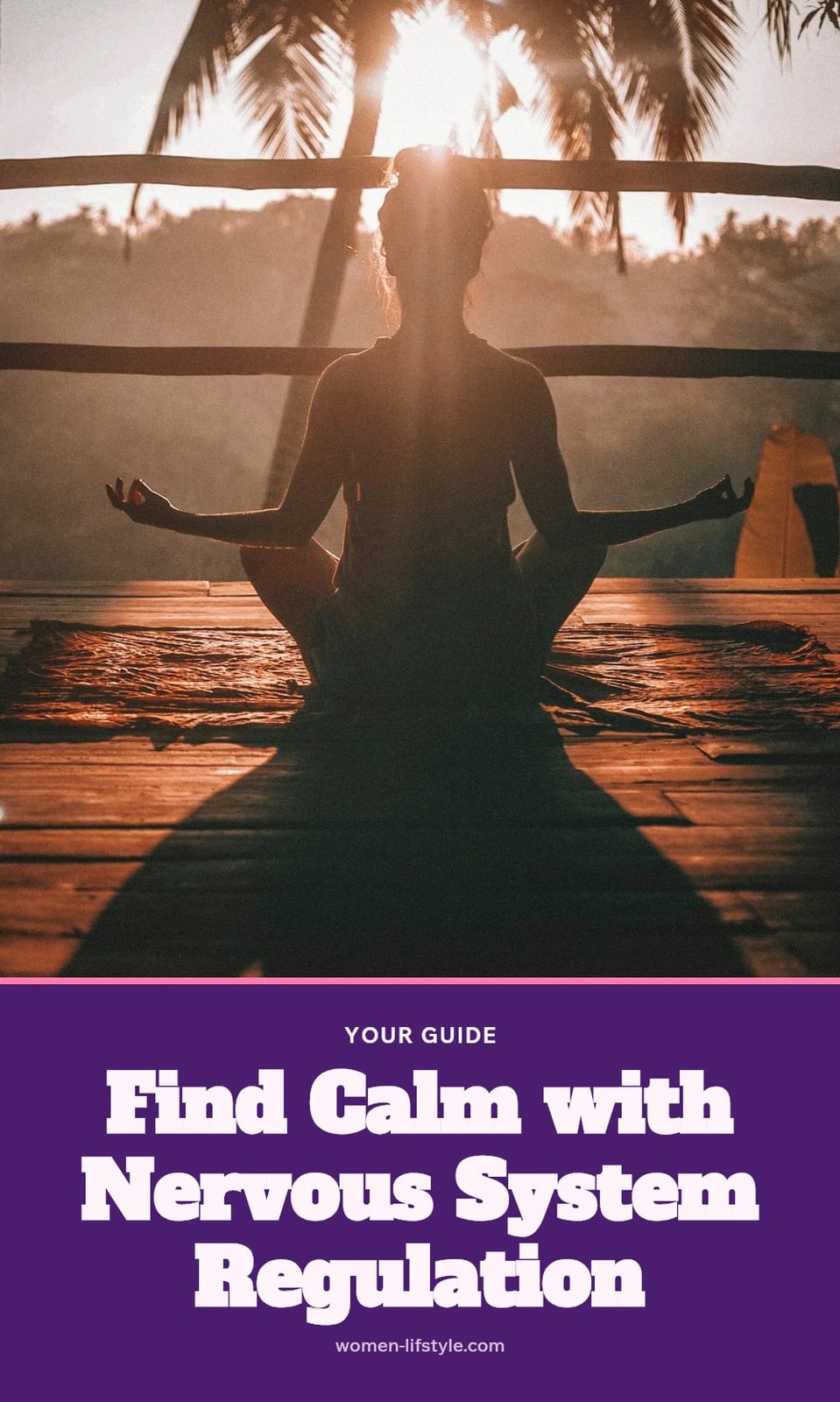
Have you ever felt like your body is stuck in a constant state of high alert, even when there’s no immediate danger? That’s your nervous system working overtime, and learning how to regulate it can be a game-changer for your overall well-being. In this article, I’ll walk you through what nervous system regulation really means and share practical, everyday tips to help you shift from ‘fight-or-flight’ to a calmer, more resilient state.
Key Takeaways
- Nervous system regulation balances your ‘fight-or-flight’ and ‘rest-and-digest’ responses for better stress management.
- Deep belly breathing directly stimulates the vagus nerve to promote relaxation.
- Prioritizing 7-9 hours of quality sleep each night is essential for nervous system repair.
- Gentle movement like yoga or walking helps release physical tension and signals calm.
- Consistent practice of regulation techniques builds resilience, not just temporary calm.
What is Nervous System Regulation?
Nervous system regulation is the ability to balance your body’s two main stress responses: the ‘fight-or-flight’ (sympathetic) and ‘rest-and-digest’ (parasympathetic) systems. When you’re chronically stressed, your sympathetic system stays on high alert, making anxiety worse and draining your energy. Regulation helps your body adapt to stress and return to a calm state, which is key for managing anxiety, improving your mood, and supporting overall health.
1. Practice Diaphragmatic Breathing Daily

My tip for instant calm: Deep belly breathing, also called diaphragmatic breathing. This technique directly stimulates your vagus nerve, a major player in your ‘rest-and-digest’ system.
- Inhale deeply through your nose, letting your belly rise like a balloon.
- Exhale slowly through your mouth, fully releasing the air.
- Aim for a few minutes several times a day, especially when you feel stress building.
2. Engage in Gentle Movement
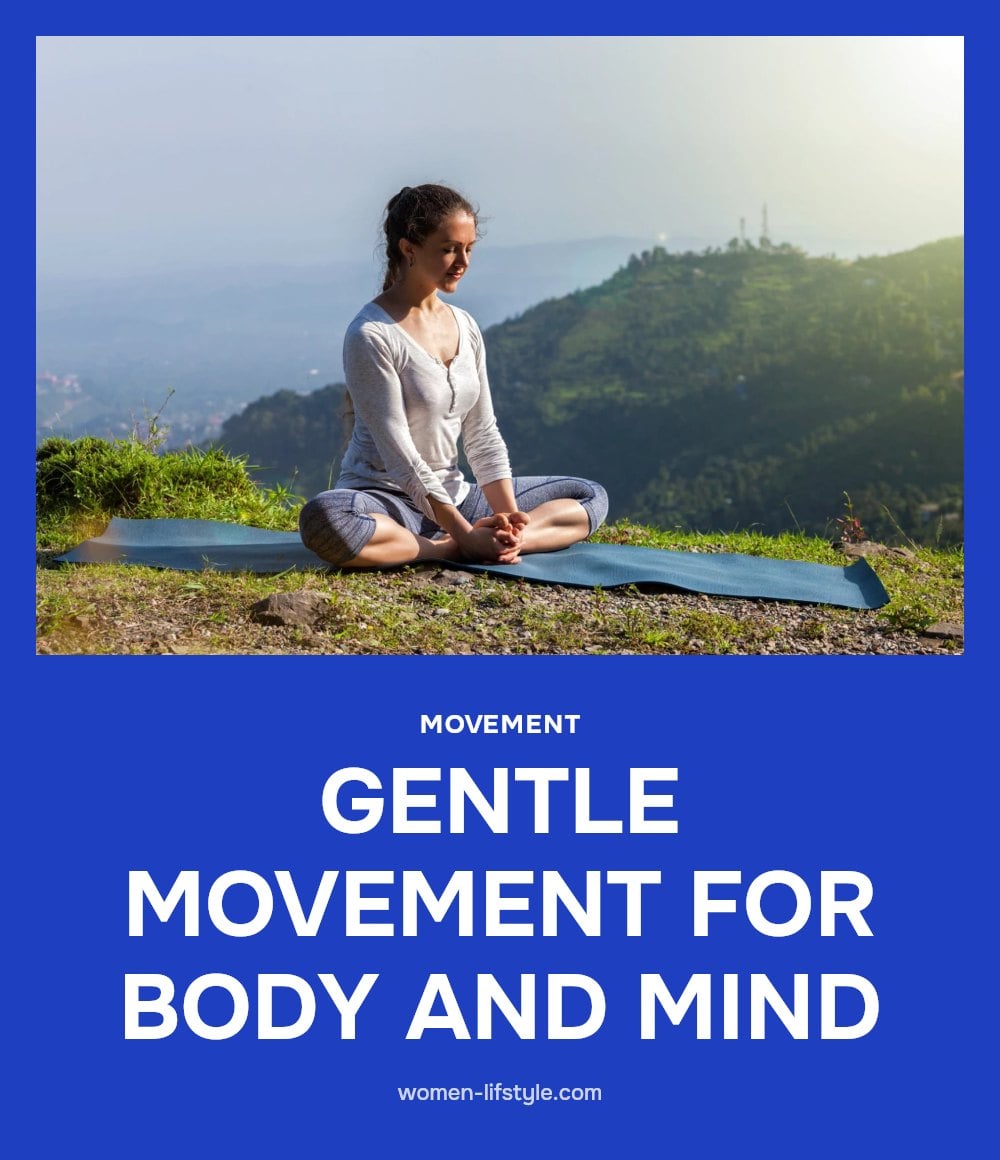
Gentle movement like yoga, walking, or stretching helps release physical tension and signals your nervous system to shift into a more relaxed state. The key is mindful movement, not intense workouts. Focus on how your body feels with each stretch or step, allowing stored stress to melt away.
3. Prioritize Consistent, Quality Sleep
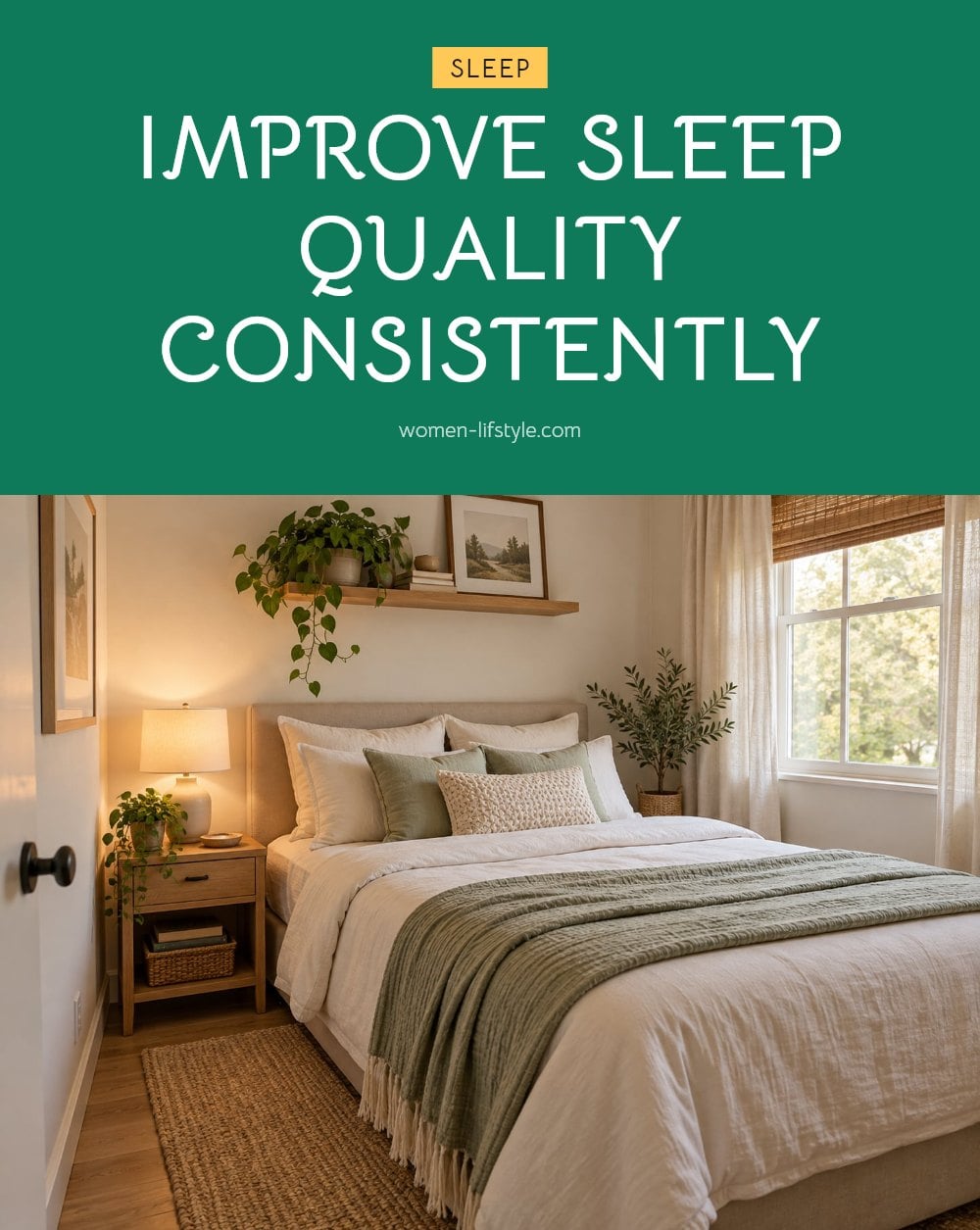
Adequate sleep, 7-9 hours for most adults, is non-negotiable for nervous system repair and regulation. When you’re sleep-deprived, your body is more likely to stay stuck in a ‘fight-or-flight’ state, making stress harder to manage. Create a consistent bedtime routine, like dimming lights an hour before bed, to support this process.
4. Incorporate Mindfulness and Meditation
Mindfulness helps you stay present and observe your thoughts without judgment, which reduces the grip of stress on your nervous system. This practice trains your brain to pause before reacting, building resilience rather than just temporary calm. Start with a few minutes of guided meditation or simply focus on one sense, like the feeling of your breath or the sound of a fan. Consistency matters more than duration.
5. Spend Time in Nature
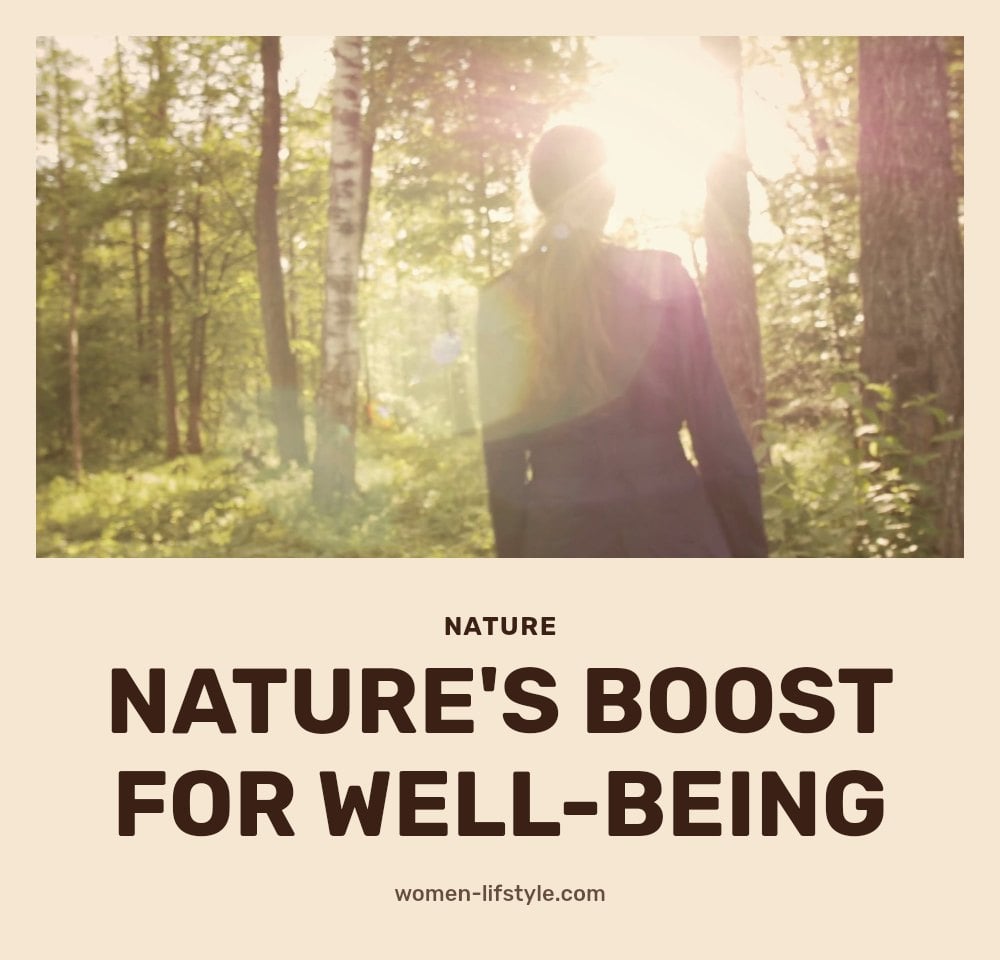
Even a short walk in a park can reduce stress and boost your ‘rest-and-digest’ activity. Nature calms the nervous system by lowering cortisol levels and shifting focus away from internal worries. My tip: Engage all your senses, notice the texture of tree bark, the smell of damp earth, the sound of rustling leaves. This sensory immersion deepens the relaxation effect.
6. Maintain a Balanced Diet
What you eat directly affects your brain and nervous system function. A diet rich in whole foods, fruits, vegetables, and healthy fats provides the nutrients your nervous system needs to operate smoothly. Limit processed foods, excessive sugar, and unhealthy fats, which can trigger inflammation and keep your body in a stress state. Stable blood sugar levels also help prevent mood swings that strain your system.
7. Connect with Supportive People

Spending time with supportive friends and family releases oxytocin, a hormone that promotes relaxation and reduces stress. Social connection is a powerful regulator because it signals safety to your nervous system. A good conversation or a comforting hug can shift you out of ‘fight-or-flight’ mode faster than many solo techniques. Make time for face-to-face interactions, even when you feel too busy.
8. Limit Caffeine and Alcohol
That morning coffee or evening glass of wine might feel like a quick fix, but excessive caffeine and alcohol can disrupt your nervous system’s delicate balance. Caffeine keeps your sympathetic ‘fight-or-flight’ branch active, while alcohol interferes with sleep and heightens anxiety. Both make it harder for your body to return to a regulated, calm state.
- Caffeine: Try cutting off coffee by early afternoon and notice if your afternoon jitters fade.
- Alcohol: Even one drink before bed can reduce restorative deep sleep.
- My tip: Pay attention to how these substances make you feel. If anxiety spikes or sleep suffers, consider cutting back.
9. Practice Gratitude
Shifting your focus from what’s stressful to what’s good in your life directly impacts your mood and nervous system. Gratitude practices help activate the parasympathetic ‘rest-and-digest’ response, reducing the grip of chronic stress.
- Keep a gratitude journal: Write down three things you’re grateful for each day, no matter how small.
- Think three thoughts: If you don’t have a journal, simply pause and name three positives in your head.
- Make it a routine: Pair it with your morning routine or bedtime wind-down for consistency.
10. Set Healthy Boundaries
Learning to say ‘no’ is one of the most effective tools for preventing chronic stress. Healthy boundaries protect your time and energy, which directly reduces the load on your sympathetic nervous system.
- Start small: Say no to one low-priority request this week.
- Protect downtime: Block off 30 minutes each day with no plans.
- Communicate clearly: A simple ‘I can’t take that on right now’ is enough.
When you manage external demands, you create space for self-care, allowing your nervous system to rest and recover.
11. Incorporate Regular Play
Play is not just for kids. Engaging in activities purely for enjoyment, with no goal or purpose, is incredibly regulating for your nervous system. It reduces stress, boosts positive emotions, and helps shift you out of a chronic ‘fight-or-flight’ state.
- Pick a hobby: Painting, dancing, puzzles, or any activity you do just for fun.
- Be silly: Laugh, play a game, or do something that feels light and joyful.
- No pressure: The point is enjoyment, not achievement.
When to Seek Professional Help
These lifestyle practices are powerful tools, but they aren’t a substitute for professional care. If you experience severe or persistent symptoms of anxiety, panic attacks, chronic stress, or depression that interfere with daily life, it’s time to consult a healthcare professional. A therapist, doctor, or mental health specialist can offer personalized guidance and treatment to support your nervous system health.
Frequently Asked Questions
How long does it take to regulate the nervous system?
There is no set timeline, but many people notice some benefits like a sense of calm or reduced tension immediately after a practice like deep breathing or a nature walk. For lasting changes in your overall stress response and resilience, consistent daily or weekly practice over several weeks or months is typically needed.
Can diet affect nervous system regulation?
Absolutely. A balanced diet rich in whole foods, fruits, vegetables, and healthy fats provides the nutrients your brain and nerves need to function properly. On the flip side, processed foods, excessive sugar, and unhealthy fats can trigger inflammation and make it harder for your nervous system to stay balanced.
What is the vagus nerve and how does it relate to regulation?
The vagus nerve is a major nerve that runs from your brainstem down to your abdomen, and it’s a key player in your ‘rest-and-digest’ system. When you stimulate it, through deep breathing for example, it helps slow your heart rate, lower blood pressure, and shift your body into a relaxed state.
Is it normal to feel worse before feeling better with regulation techniques?
Yes, some people experience a temporary increase in discomfort when they first start practices like mindfulness or deep breathing. This can happen because you’re becoming more aware of the stress your body has been holding. Stick with it gently, and if the feeling persists or worsens, consider speaking with a healthcare professional.
Can I regulate my nervous system on my own, or do I need a professional?
Many people can improve their nervous system balance with consistent lifestyle practices like deep breathing, movement, and sleep hygiene. However, if you’re dealing with severe or persistent symptoms of anxiety, panic attacks, or chronic stress that interfere with daily life, it’s important to consult a doctor, therapist, or other qualified professional.
Final Thoughts
If you take one thing away from this guide, let it be this: start with just one practice, like two minutes of deep breathing or a short walk outside, and do it daily. Real change in your nervous system takes consistent effort, not a quick fix. Be patient with yourself and remember that building resilience is a gradual process, not an overnight transformation.
This article is for informational purposes only and does not constitute medical or professional advice. The techniques discussed may not be suitable for everyone, especially individuals with certain respiratory, cardiovascular, or mental health conditions. If you have a persistent or serious concern, please consult a qualified healthcare provider.
