

Frizzy hair can feel like a losing battle, especially when humidity spikes or your strands just won’t cooperate. The good news is that frizz is often a sign of dryness and a raised cuticle, both of which you can address with the right routine. In this article, I’ll walk you through proven remedies that work for all hair types, from choosing the right shampoo to adjusting how you dry and sleep on your hair.

Key Takeaways
- Switch to a sulfate-free shampoo to avoid stripping natural oils.
- Deep condition once a week or every two weeks for lasting moisture.
- Apply leave-in conditioner or anti-frizz serum to damp hair.
- Dry hair with a microfiber towel or cotton t-shirt, never rub.
- Sleep on a silk or satin pillowcase to reduce friction.
What Causes Frizzy Hair and How to Fix It
Frizzy hair happens when the hair shaft lacks moisture, causing the outer cuticle to lift and absorb humidity from the air. The result is uneven swelling and that rough, flyaway look. The fix is twofold: restore hydration and seal the cuticle. Focus on deep conditioning, leave-in products, and protecting strands from humidity and heat damage. Consistent moisture care smooths the cuticle, so it stays flat and resists environmental triggers.
1. Choose Sulfate-Free Shampoos
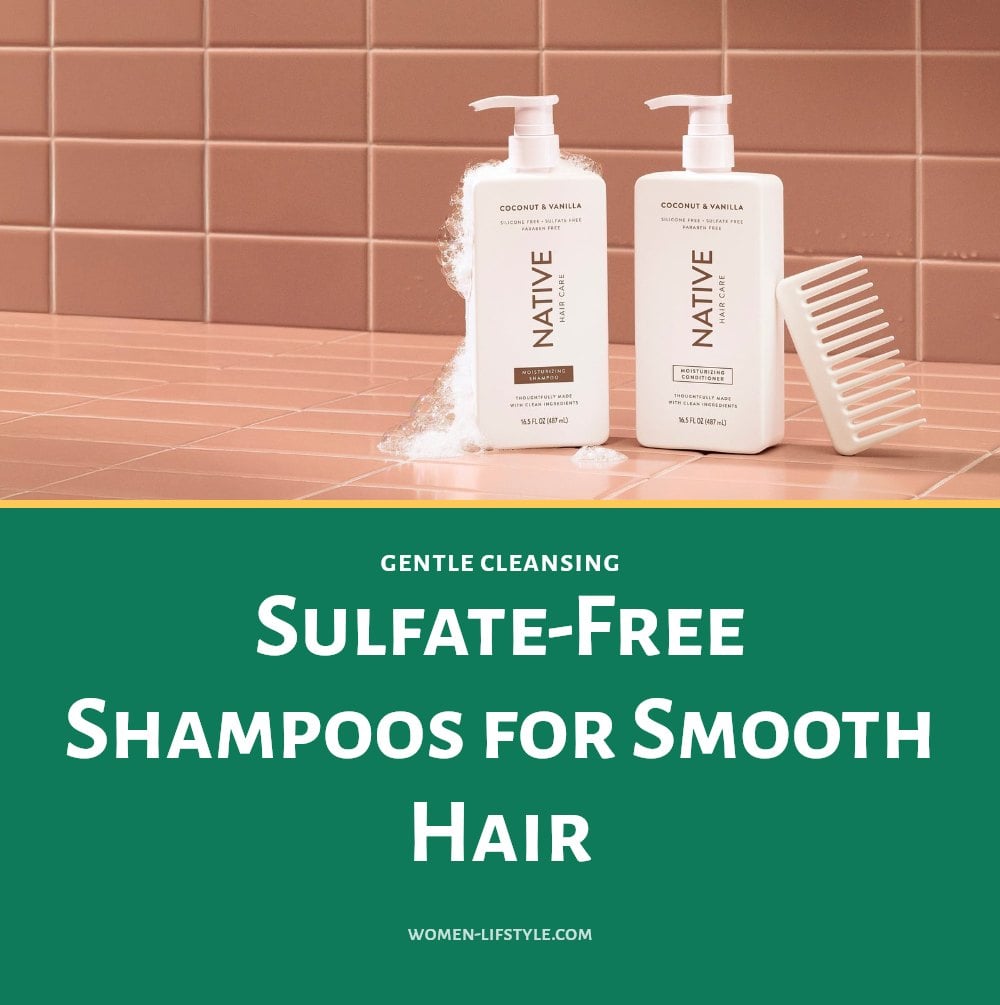
Sulfates are harsh detergents that strip away your hair’s natural oils, leaving it dry and more prone to frizz. Switch to a sulfate-free shampoo to cleanse gently without disrupting the moisture balance.
- Look for labels: Choose formulas that say “sulfate-free” on the front.
- Focus on scalp: Apply shampoo mainly to the roots, not the lengths.
- Follow with conditioner: Always pair with a hydrating conditioner to replenish moisture.
2. Deep Condition Regularly

Deep conditioning once a week or every two weeks significantly boosts your hair’s moisture levels. This treatment smooths the cuticle, making it less likely to lift and absorb humidity.
- Choose a mask: Pick one suited to your hair type (curly, coily, or color-treated).
- Apply from mid-shaft: Focus on the driest parts, avoiding the scalp to prevent weighing down roots.
- Leave on longer: Follow the package instructions, usually 5 to 20 minutes, then rinse with cool water.
3. Use a Leave-In Conditioner
A leave-in conditioner applied to damp hair after washing provides ongoing hydration and helps detangle, reducing friction that leads to frizz. It acts as a protective layer, locking in moisture and keeping strands smooth throughout the day.
- Apply evenly: Work a small amount through mid-lengths and ends with your fingers.
- Comb through: Use a wide-tooth comb to distribute the product evenly.
- Reapply if needed: On very humid days, a tiny bit on dry ends can tame flyaways.
4. Apply Anti-Frizz Serum or Oil

Anti-frizz serums or oils work by coating the hair shaft with a protective layer that seals the cuticle and blocks humidity. Apply a small amount to damp hair, concentrating on the mid-lengths and ends, before you style. This locks in moisture and adds shine without weighing your hair down.
5. Ditch Harsh Towel Drying

Rubbing your hair vigorously with a terrycloth towel is one of the fastest ways to rough up the cuticle and create frizz. The friction from the coarse fabric lifts the outer layer of each strand, making it easier for humidity to sneak in and swell the hair unevenly.
Instead, blot your hair gently with a microfiber towel or an old cotton t-shirt. These materials are much smoother and absorb excess water without disturbing the cuticle. Squeeze sections of your hair in the fabric, working from roots to ends, until it is just damp.
6. Air Dry or Diffuse
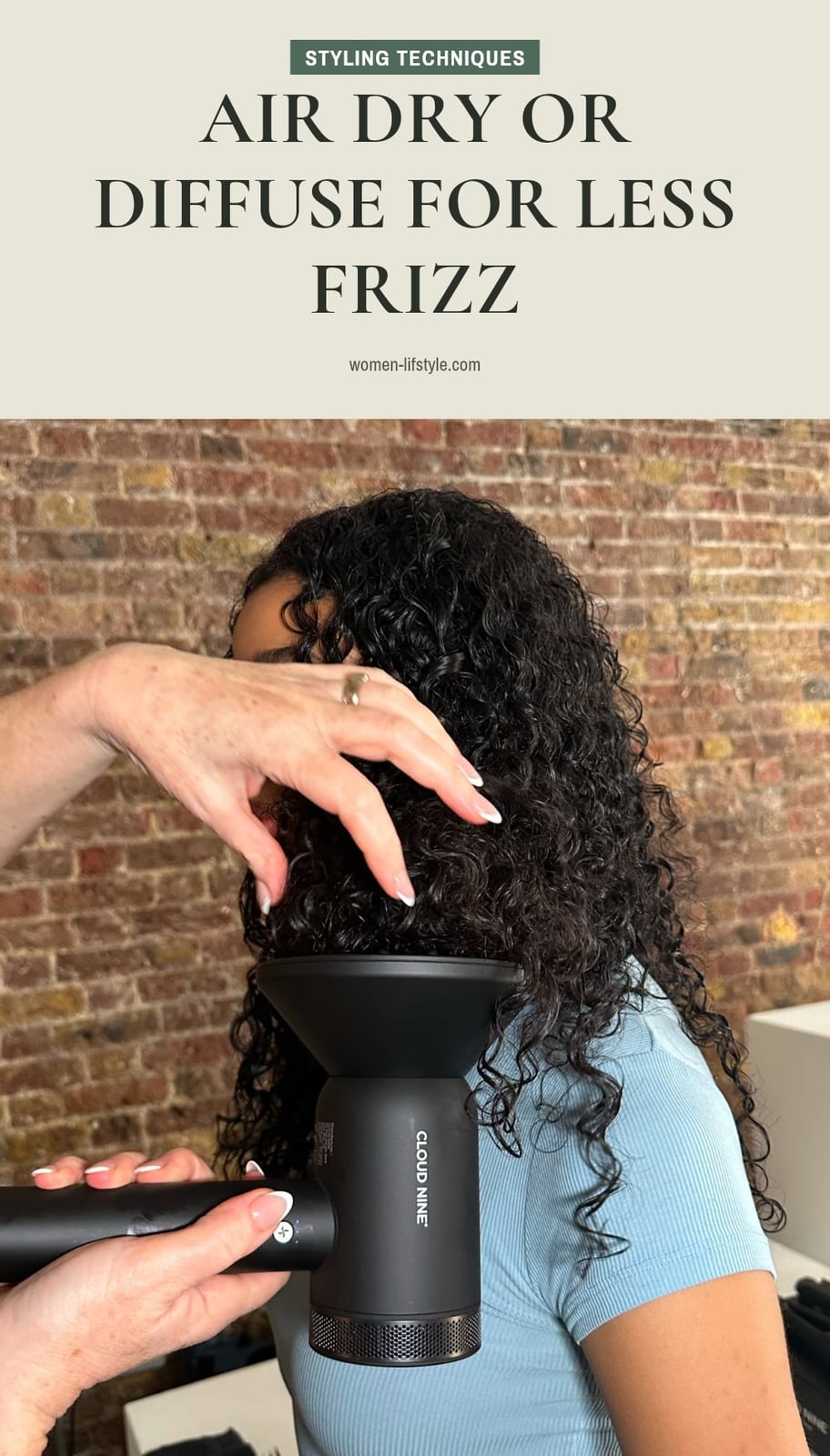
High heat from blow dryers damages the cuticle, making hair more prone to frizz. Let your hair air dry whenever you can. If you need a dryer, attach a diffuser and use a low heat setting to spread the airflow evenly and preserve your natural texture.
7. Sleep on Silk or Satin
Cotton pillowcases create friction as you move during sleep, which lifts the cuticle and leads to frizz and breakage. Switch to a silk or satin pillowcase so your hair glides smoothly. This simple swap helps your hair retain moisture and wake up smoother.
8. Protect Hair from Heat
Always apply a heat protectant spray before using flat irons, curling wands, or any other hot tool. This product creates a barrier that shields the hair cuticle from direct heat exposure, which is one of the main causes of cuticle damage and subsequent frizz.
Tip: Spray evenly on damp or dry hair before styling, and focus on the mid-lengths and ends where heat damage shows up first. A few seconds of protection can save your hair from weeks of frizz.
9. Brush Hair Gently When Wet
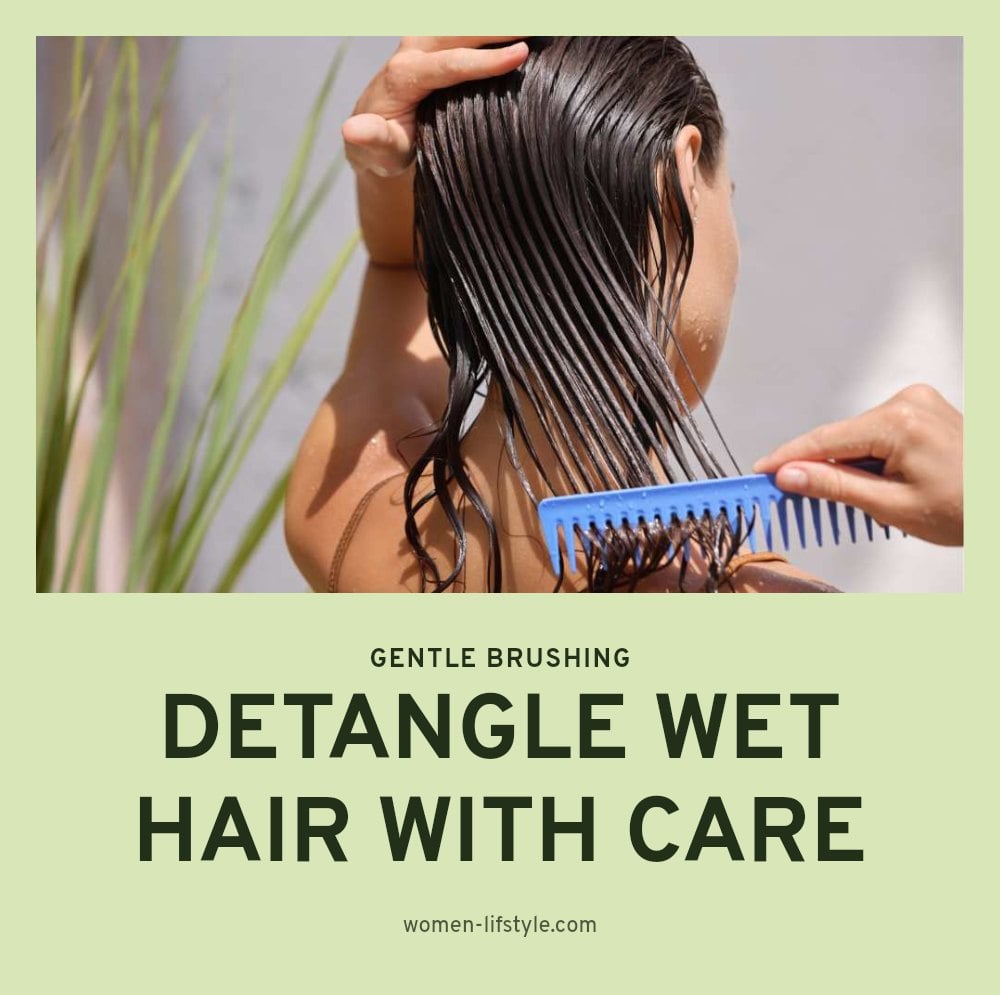
Brushing your hair when it is dry, especially if you have curly or wavy texture, roughs up the cuticle and triggers frizz. The friction breaks the hair’s natural pattern and lifts the outer layer, letting humidity in.
Instead, detangle your hair while it is still wet and coated with conditioner. Use a wide-tooth comb to work through knots gently, starting at the ends and moving upward. This minimizes breakage and keeps the cuticle smooth.
10. Get Regular Trims
Split ends are more porous than healthy hair, which means they absorb moisture from the air and swell unevenly, worsening frizz. The result is a frayed, unkempt look that makes the whole head appear frizzy.
Getting a trim every 6 to 8 weeks removes those damaged ends before they travel up the hair shaft. This keeps the cuticle intact and your hair looking smoother and healthier overall.
11. Avoid Over-Processing Hair
Chemical treatments like coloring, perms, and relaxers break down the hair cuticle to alter the hair’s structure. This leaves the cuticle open and vulnerable, making it highly prone to absorbing humidity and frizzing up.
If you do choose to color or chemically treat your hair, have it done by a professional who can minimize damage. Follow up with intensive moisturizing care, such as weekly deep conditioning masks, to help restore the cuticle’s integrity.
Common Frizz-Fighting Mistakes to Avoid
Using harsh shampoos: Shampoos with sulfates strip natural oils, leaving hair dry and more prone to frizz. Opt for gentle, sulfate-free formulas instead.
Over-brushing dry hair: This disrupts the hair cuticle, especially for curly or wavy textures, causing frizz. Only detangle wet hair with a wide-tooth comb.
Skipping heat protectant: Heat styling without protection damages the cuticle, making hair prone to frizz. Always apply a heat protectant before using any hot tools.
Ignoring humidity: High humidity is a major frizz trigger. Use anti-frizz products to create a barrier and seal the cuticle against moisture in the air.
Applying too much product: Overloading your hair can weigh it down or make it greasy without reducing frizz. Use products sparingly and focus on mid-lengths to ends.
Frequently Asked Questions
Why does my hair get frizzy even when it’s healthy?
Even healthy hair can frizz if the cuticle is raised, which can happen from humidity, friction, or using the wrong products. High porosity hair, which absorbs moisture easily, is also more prone to frizz. The key is to maintain moisture balance and protect the cuticle with leave-in conditioners or serums.
Can humidity alone cause frizzy hair?
Yes, high humidity is a primary trigger. When the air is humid, moisture enters the raised cuticle and swells the hair shaft unevenly, causing frizz. Using anti-frizz products that seal the cuticle can help block that moisture from getting in.
How often should I deep condition for frizz control?
For most people, deep conditioning once a week or every two weeks is enough to significantly boost moisture and reduce frizz. If your hair is very dry or damaged, you might lean toward weekly treatments, but avoid overdoing it as too much can weigh hair down.
Is it bad to brush frizzy hair?
Brushing dry hair, especially if you have curly or wavy texture, can disrupt the cuticle and make frizz worse. Instead, detangle your hair while it’s wet using a wide-tooth comb, and avoid brushing once it’s dry.
What’s the best way to dry hair to prevent frizz?
Gently squeeze excess water with a microfiber towel or an old cotton t-shirt, then let your hair air dry. If you use a blow dryer, attach a diffuser and set it to low heat to minimize damage and frizz.
Do cold water rinses really help with frizz?
Some people find that a cold water rinse at the end of washing helps seal the cuticle and lock in moisture, which can reduce frizz. It’s not a guaranteed fix for everyone, but it’s a low-effort habit worth trying to see if it works for your hair.
Final Thoughts
For the smoothest results, start by swapping your shampoo to a sulfate-free formula and commit to a weekly deep conditioning session. You’ll likely notice a difference within the first few washes, but consistent care is what keeps frizz at bay long term. Remember, the goal is to keep your hair hydrated and your cuticle sealed, so choose products and habits that support that. With a little patience, your hair can look smoother and feel healthier every day.
