

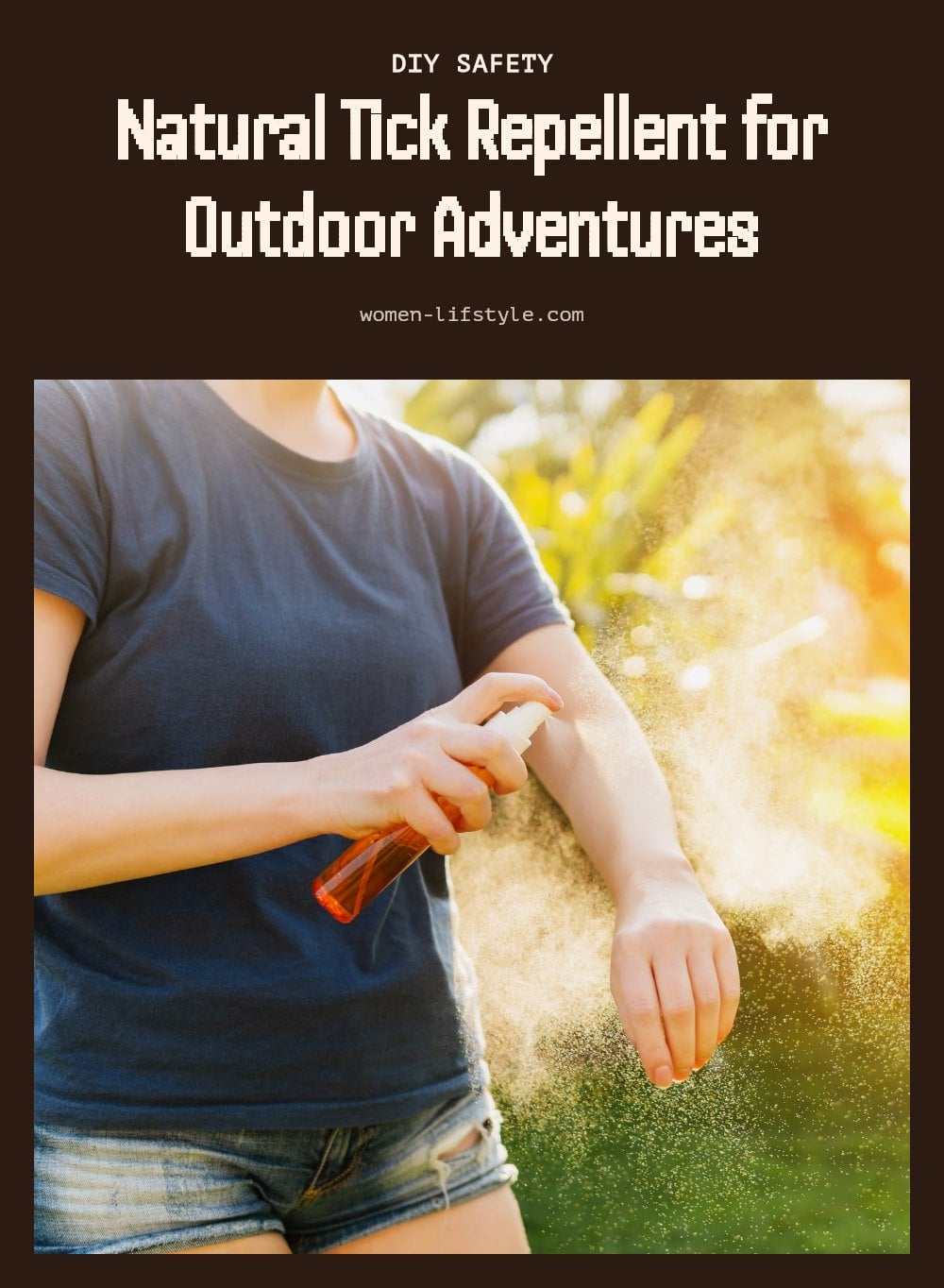
You love spending time outdoors, but ticks can turn a peaceful hike into a worry. DIY tick repellents made with essential oils are a popular natural option, but they work differently than store-bought sprays. This article covers how to make your own repellent safely, what to expect from its protection, and the other habits that keep ticks off you and your family.
My tip: think of a DIY spray as one tool in your tick-prevention kit, not a guarantee. It needs frequent reapplication and works best when combined with the right clothing and regular tick checks.
Key Takeaways
- Dilute essential oils to a 1-2% solution (5-10 drops per ounce of carrier oil or water) before applying to skin.
- DIY repellents typically need to be reapplied every 1-2 hours, and more often if you sweat or swim.
- Always pair a DIY repellent with light-colored clothing, long sleeves, and tucked-in pants for best protection.
- Perform a patch test on a small area of skin before using any new repellent widely.
- Consult a veterinarian before using essential oil-based repellents on or near pets, especially cats.
Can You Make Your Own Tick Repellent That Really Works?
Yes, you can make your own tick repellent at home, and many recipes rely on essential oils like geraniol, cedarwood, or lemongrass. These natural ingredients can deter ticks, but they don’t offer the same level of protection as EPA-registered chemical repellents like DEET or picaridin. Their effectiveness varies with the specific oils, concentration, and how often you reapply. My tip: treat DIY repellents as one layer of defense, not your only one. Always pair them with protective clothing and thorough tick checks after spending time outdoors.
Gather Your Ingredients: What You’ll Need for DIY Repellent
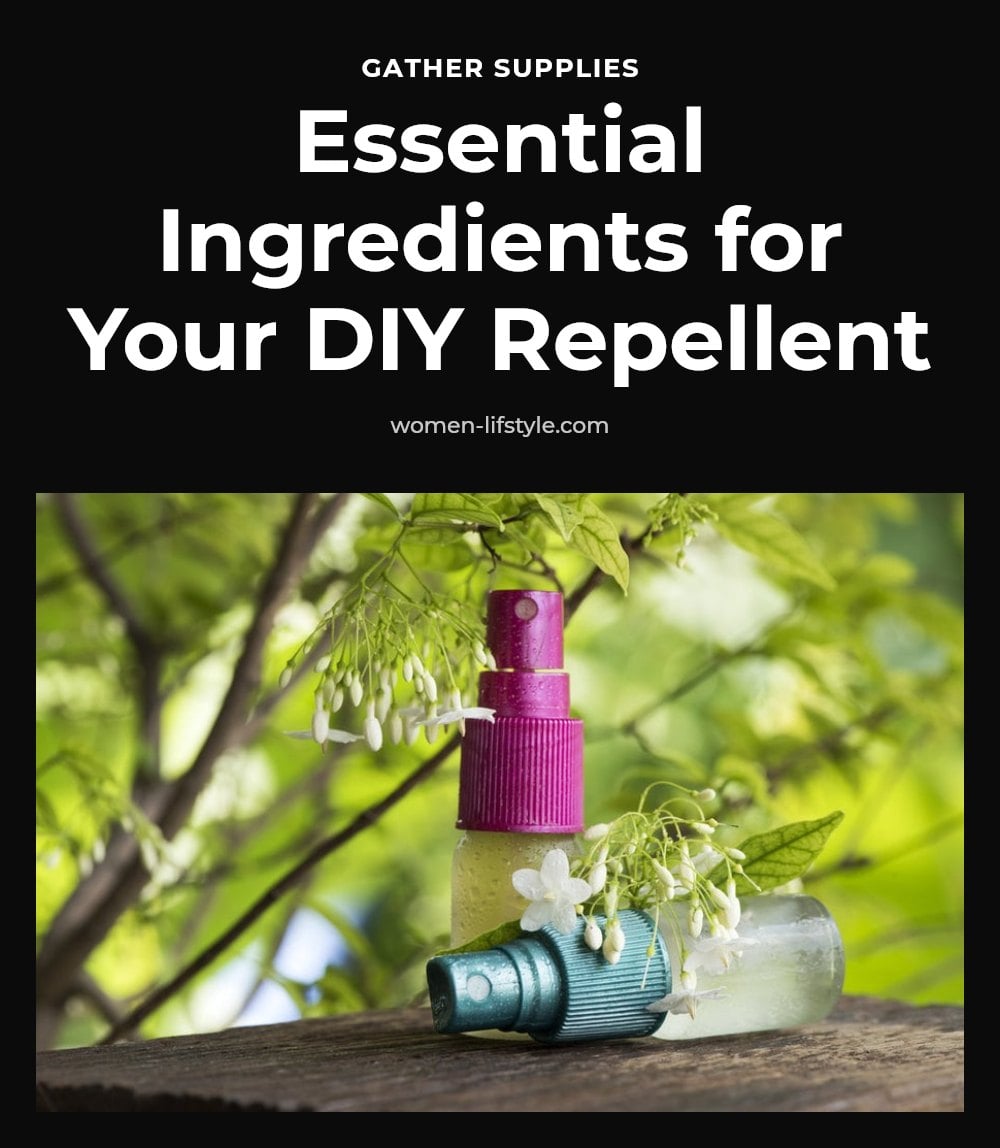
To make a DIY tick repellent, you’ll need a few key ingredients. Essential oils known to deter ticks include geraniol, cedarwood, citronella, eucalyptus, lemongrass, peppermint, and rosemary. These oils must be diluted with a carrier oil, such as jojoba, almond, or fractionated coconut oil, to prevent skin irritation. You’ll also want distilled water and optionally rubbing alcohol to help the mixture blend. Use a glass or PET plastic spray bottle for storage, and keep your oils in dark glass bottles away from sunlight.
- Essential oils: choose 2-3 from the list above
- Carrier oil: jojoba, almond, or coconut
- Distilled water: for dilution
- Rubbing alcohol: optional, helps emulsify
- Spray bottle: glass or PET plastic
Step-by-Step: Crafting Your Essential Oil Tick Repellent Spray
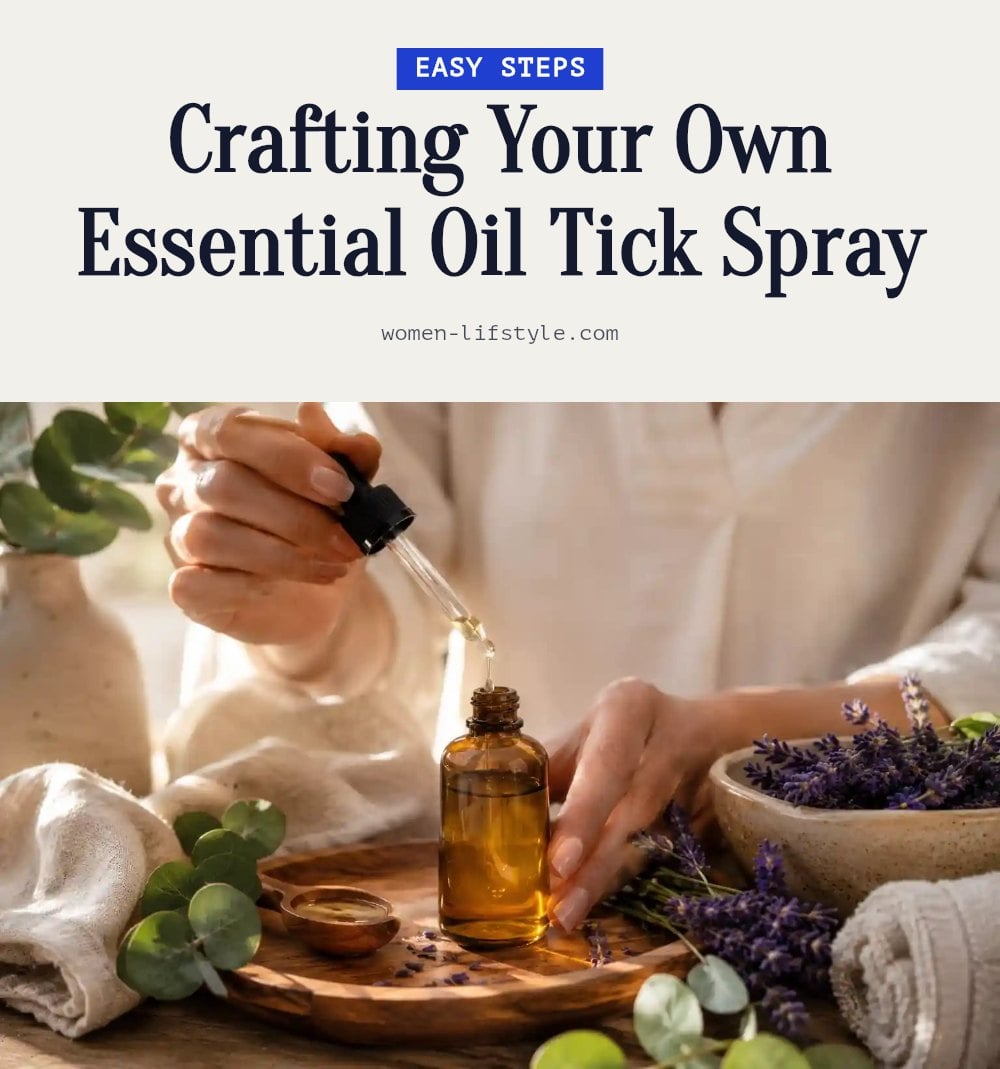
Follow these steps to craft your own tick repellent spray. Always start with a patch test before applying it to larger areas of skin.
- Measure your base: Combine 2 ounces of carrier oil (like jojoba or almond) with 1 ounce of distilled water in a spray bottle. The carrier oil helps dilute the essential oils and moisturizes your skin.
- Add essential oils: For adults, add 5 to 10 drops of your chosen essential oil blend per ounce of total liquid. This equals a 1-2% dilution, which is a common safe ratio for skin application. Stick to this range to avoid irritation.
- Shake well: Secure the lid and shake the bottle vigorously for at least 30 seconds. If you’re using rubbing alcohol, add a teaspoon to help the oils mix with water.
- Patch test: Spray a small amount on the inside of your wrist and wait 24 hours. If you see redness, itching, or swelling, don’t use the repellent.
- Apply: Spray onto exposed skin, avoiding your face, eyes, and any broken skin. Reapply every 1-2 hours, or more often if you sweat or go swimming.
Alternative DIY Repellents: Beyond the Basic Spray
If you want to go beyond a basic spray, you can create an essential oil-infused lotion or balm. Melt 1 part beeswax with 3 parts carrier oil (like coconut or shea butter) in a double boiler. Remove from heat, stir in 5-10 drops of essential oil per ounce of mixture, and pour into a tin to cool. This balm is great for targeted application on ankles and wrists.
Permethrin for Clothing and Gear
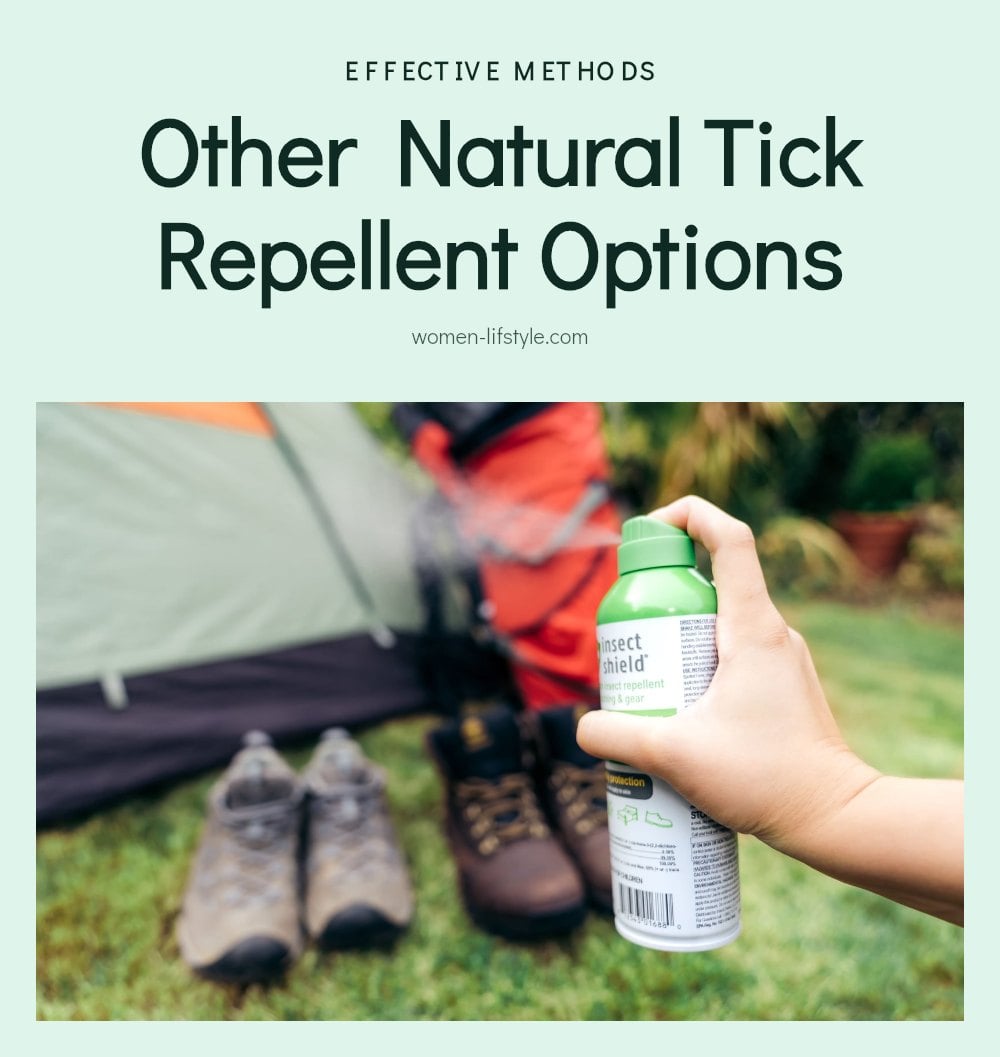
For clothing, tents, and backpacks, permethrin is a highly effective option. It’s an insecticide that binds to fabric and stays effective through several washes. Apply it only to clothing and gear, never directly to your skin. Caution: Keep permethrin away from cats, as it can be toxic to them. Allow treated items to dry completely before wearing or using them.
Other Essential Oil Combinations
Try these blends for variety:
- Citrus boost: lemongrass and eucalyptus
- Woody shield: cedarwood and rosemary
- Fresh guard: peppermint and geraniol
Always dilute these oils properly and patch test before use.
Pro Tips for Maximizing Your DIY Tick Repellent’s Effectiveness
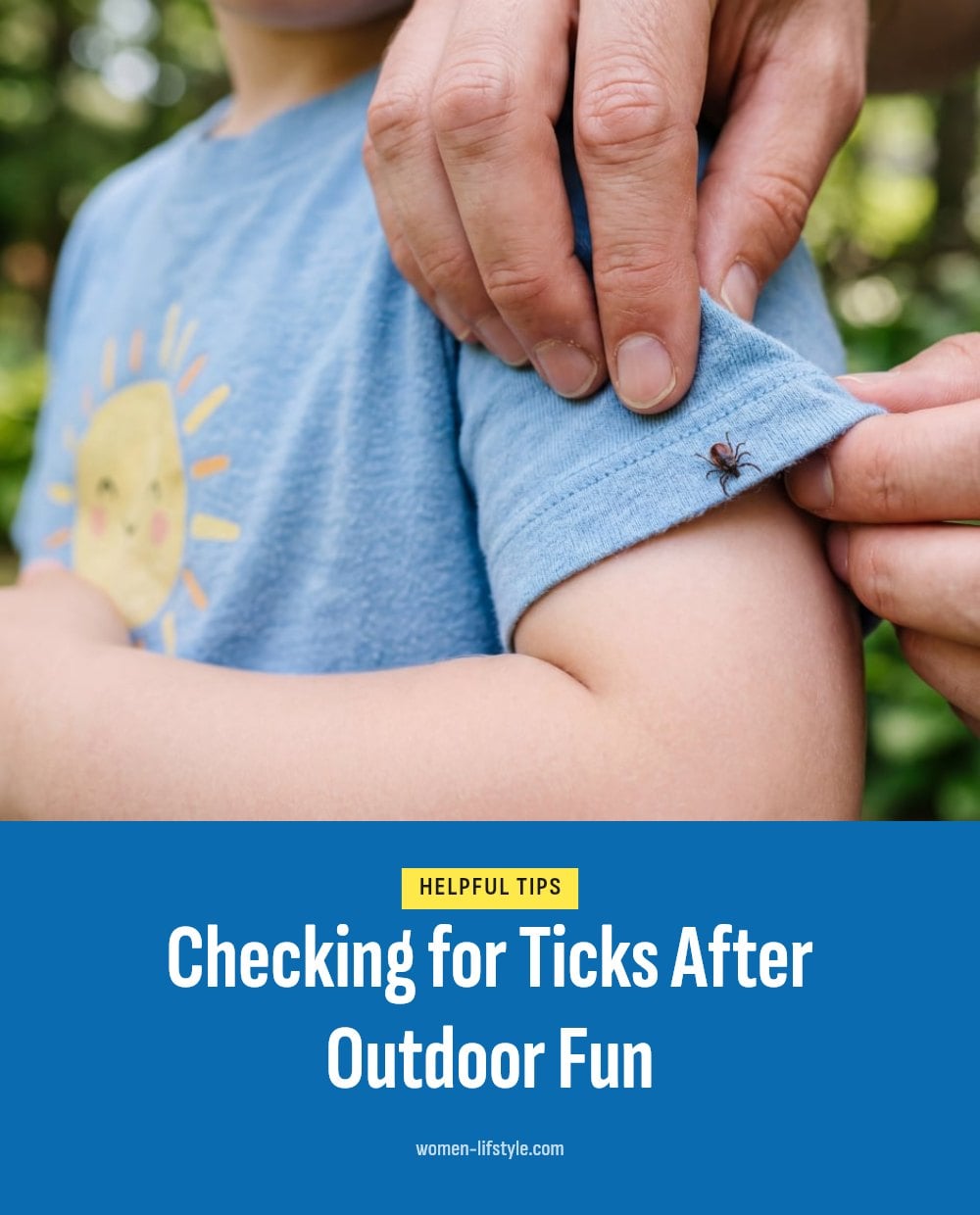
DIY repellents don’t last long, so plan to reapply every 1 to 2 hours, and sooner if you’re sweating or swimming. Carry a small spray bottle with you on hikes so you can refresh without heading back to the car.
Store your essential oils in dark glass bottles away from direct sunlight and heat. Heat and light break down the active compounds, which makes your repellent weaker over time.
Combine your DIY spray with other prevention habits. Wear long sleeves, stick to open paths, and do a full tick check when you get home. Repellent is one layer, not the whole shield.
My tip: talk to your vet before using any essential oil on pets. Cats are especially sensitive, and some oils that are safe for humans can be toxic to them, even in small amounts.
Common DIY Tick Repellent Mistakes to Avoid
The biggest mistake is treating undiluted essential oils like a stronger repellent. They can irritate your skin or cause allergic reactions. Always dilute to a 1 to 2 percent solution, roughly 5 to 10 drops per ounce of carrier oil or water, and patch test first.
Another common error is assuming your DIY spray matches the protection of EPA-registered repellents like DEET or picaridin. It doesn’t. Essential oil blends can deter ticks, but they’re typically shorter-lived and less consistent across tick species.
People also forget to reapply. A single application in the morning won’t cover an afternoon hike. Set a timer or reapply every 1 to 2 hours, more often if you’re active.
Using essential oils on pets without checking with a vet is risky. Some oils are toxic to cats and dogs. And skipping tick checks because you used a spray leaves you exposed. Always pair repellent with clothing checks and a full body scan after being outside.
Beyond Repellent: Comprehensive Tick Prevention Strategies
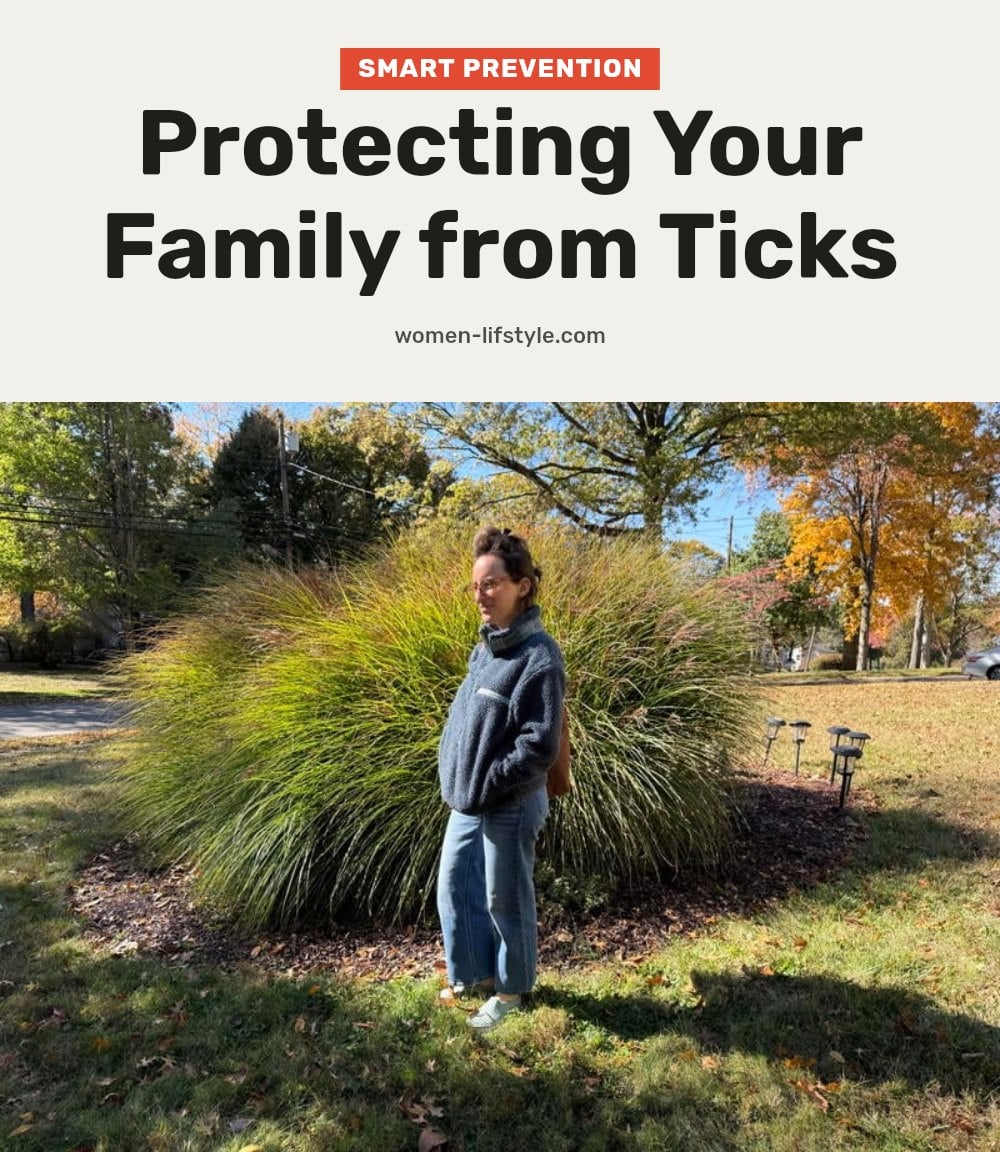
Repellent helps, but your clothing and habits do a lot of the work. Light-colored clothing makes ticks easier to spot before they find skin. Long sleeves and pants add a physical barrier that no spray can match.
- Wear light colors: you’ll see a dark tick crawling before it bites.
- Tuck pants into socks: this blocks ticks from crawling up your legs.
- Do a full tick check: check your scalp, behind ears, under arms, waistline, and behind knees after every outdoor trip.
- Avoid hot zones: ticks are most active in wooded, brushy, and grassy areas, especially from spring through fall. Stay on cleared trails when you can.
If you’ve been in tick habitat, toss your clothes in the dryer on high heat for 10 minutes to kill any hitchhikers before they reach your skin.
When to Seek Professional Medical Advice for Tick Bites
DIY repellents reduce the chance of a tick bite, but they don’t guarantee protection against tick-borne diseases. If you find a tick on you and later develop a rash, fever, or body aches, see a doctor. These can be early signs of Lyme disease or other infections.
Don’t wait for symptoms to worsen. Mention the tick bite when you make the appointment, and ask about testing if you’re unsure. When in doubt, a quick call to your doctor is always the safer move.
How Often to Reapply and What to Expect for Costs
Plan to reapply your DIY spray every 1 to 2 hours, and more often if you’re sweating or swimming. That’s a shorter window than most commercial repellents, which typically last 4 to 8 hours, so set a reminder on your phone during long outings.
The upfront cost of essential oils and carrier oils can feel like a bigger purchase than a single bottle of bug spray. But since you use only drops per batch, those bottles stretch across many applications, making DIY a cost-effective option over a full season.
Frequently Asked Questions
Are DIY tick repellents safe for children?
Some essential oils are not safe for infants or very young children. Always consult a pediatrician before using any DIY repellent on a child. For older children, follow the same dilution guidelines as for adults, but consider starting with a lower concentration and always do a patch test first.
Can I use essential oils directly on my skin?
No, never apply undiluted essential oils directly to your skin. They can cause irritation, allergic reactions, or even chemical burns. Always mix them with a carrier oil or water to a safe dilution of 1 to 2 percent, which is roughly 5 to 10 drops per ounce of carrier.
What if I get a tick bite while using DIY repellent?
DIY repellents reduce the chance of a bite but do not guarantee protection. If you find a tick on you, remove it promptly with fine-tipped tweezers. Monitor the area and your overall health for the next few weeks. If you develop a rash, fever, body aches, or other symptoms, see a doctor as these can be signs of a tick-borne illness.
Are there any essential oils to avoid for tick repellent?
Some essential oils can be toxic to pets, especially cats, so avoid using them on or near animals without veterinary guidance. For people, oils like wintergreen, camphor, and clove can be too strong and may cause skin irritation or other reactions if not properly diluted. Always research an oil’s safety profile before use.
How often should I reapply homemade tick repellent?
DIY repellents typically need to be reapplied every 1 to 2 hours, and more often if you are sweating or swimming. This is much shorter than the 4 to 8 hours provided by most commercial chemical repellents. Set a timer on your phone during long outings so you do not forget to refresh your protection.
Final Thoughts
For most outdoor trips, a well-made DIY tick repellent can be a helpful addition to your routine. But do not rely on it alone in high-risk areas or for long outings. Plan to reapply every hour or two, and make tick checks a non-negotiable habit after every time you come inside. If you do find a tick and later notice a rash or fever, see a doctor promptly. That combination of smart prevention and quick action is your best defense.
This article is for general informational purposes only and does not constitute medical or professional advice. DIY repellents may not provide complete protection against tick-borne diseases. If you have a persistent or serious health concern, or if you suspect a tick-borne illness, please consult a qualified healthcare professional.
