

Worry can feel like a runaway train in your head, replaying the same scenarios over and over. You’re not alone in this, and the good news is that you can learn to quiet that mental loop. This article covers practical, evidence-based strategies to help you manage worry so it doesn’t take over your day, from mindfulness exercises to daily habits that support a calmer mind.

Key Takeaways
- Acknowledge your worries without judgment before trying to manage them.
- Practice deep breathing or mindfulness for a few minutes daily to interrupt future-focused thoughts.
- Set aside a specific ‘worry time’ each day to contain anxious thinking.
- Challenge negative thoughts by asking for evidence or considering alternative perspectives.
- Seek professional help if worry interferes with daily life or causes severe symptoms.
How to Start Letting Go of Worry
Worry is a natural response to uncertainty, but when it becomes chronic, it can take over your days. The goal isn’t to eliminate worry entirely, it’s to manage it so it doesn’t run the show. Start by acknowledging your worries without judgment, then actively apply practical techniques like mindfulness, physical activity, and thought challenging. These methods help shift your focus, calm your nervous system, and build resilience against persistent anxious thoughts. My tip: pick one strategy and practice it daily for two weeks before adding another.
Understanding Why We Worry
The Cognitive Side of Worry
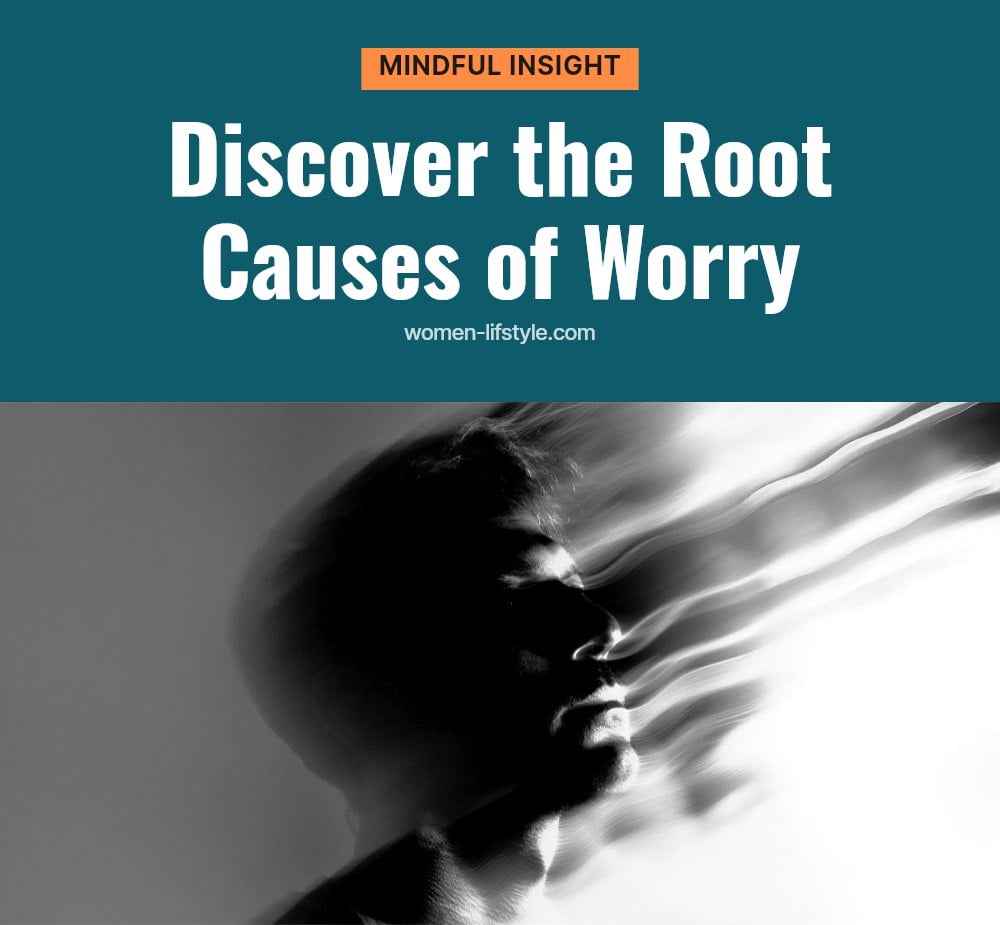
Worry is primarily a cognitive process. It involves repetitive thoughts about potential future threats or negative outcomes. Your mind rehearses scenarios that haven’t happened, often focusing on the worst-case possibilities. This mental loop can feel impossible to break, but understanding it is the first step.
The Physical Response
When you worry, your brain can trigger the ‘fight or flight’ response. This leads to physical symptoms like increased heart rate, muscle tension, and difficulty sleeping. Your body prepares for danger even though there is no immediate threat, which is exhausting over time.
When It Becomes a Disorder
Chronic worry can be a symptom of generalized anxiety disorder (GAD) or other anxiety disorders. If your worry feels constant, uncontrollable, and out of proportion to the situation, it may be worth discussing with a professional. Worry that interferes with daily life deserves attention, not just willpower.
Effective Methods to Manage Worry
Mindfulness and Deep Breathing
Mindfulness brings your attention to the present moment, which directly interrupts the future-focused nature of worry. Try a simple practice: sit quietly, close your eyes, and focus on your breath for 3 to 5 minutes. When your mind wanders, gently bring it back.
Tip: Use a meditation app with guided sessions if you are new to this. Even two minutes a day can make a difference.
Physical Activity
Exercise serves as a distraction from worrying thoughts and releases endorphins, which have mood-boosting effects. You do not need an intense workout. A brisk 15-minute walk can break the cycle of rumination.
Schedule a Worry Time
Set aside a specific ‘worry time’ each day, for example, 4:00 to 4:15 PM. When a worry pops up outside that window, write it down and tell yourself you will address it later. This contains anxious thoughts instead of letting them intrude all day.
Caution: Do not skip your worry time. The point is to give worries a dedicated space, not to suppress them.
Challenge Your Thoughts
When you catch a worrying thought, ask yourself: What is the evidence for this? What is an alternative explanation? Often, the worst-case scenario is unlikely. Practice replacing catastrophic predictions with more balanced ones.
Journaling
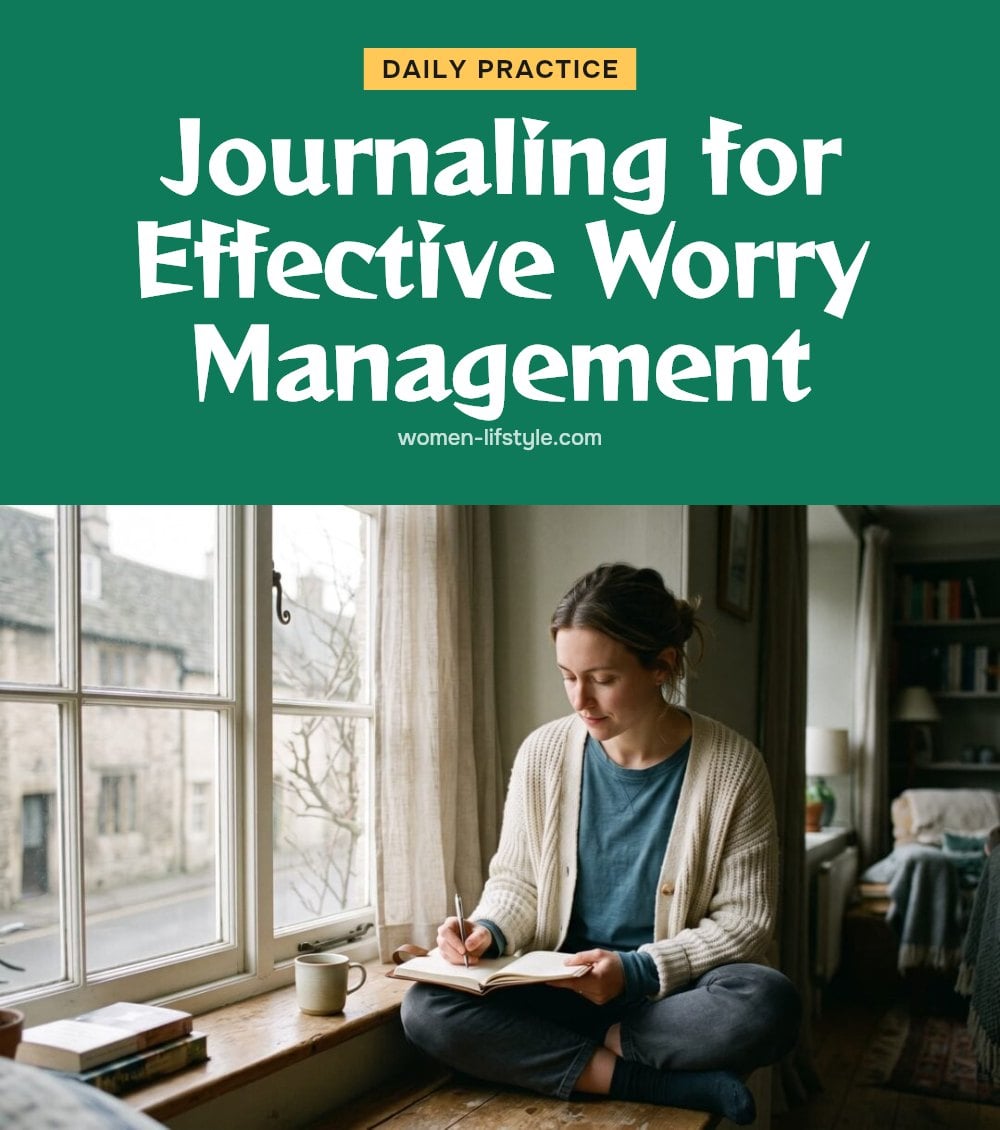
Journaling externalizes worries, helping you process them and spot patterns. Write freely for 10 minutes about what is bothering you. Over time, you may notice recurring themes that you can address directly.
Limit News and Social Media
Constant exposure to anxiety-triggering content fuels worry. Set boundaries: check news once in the morning and once in the evening, and mute accounts that consistently spike your stress. Your mind needs breaks from incoming threats.
Common Worrying Mistakes to Avoid
Many people fall into well-meaning but counterproductive patterns when trying to manage worry. Recognizing these mistakes can save you from spinning your wheels.
- Believing worry prevents bad things: This is a common myth. Worrying does not change outcomes, it only adds anxiety. Remind yourself that your thoughts are not protective.
- Trying to control every outcome: The more you try to control, the more anxious you become. Accept that uncertainty is part of life and focus on what you can influence.
- Mistaking rumination for problem-solving: Replaying the same worry is not productive. Ask yourself: Is this leading to a solution or just circling? If it is circling, redirect your attention.
- Avoiding triggering situations: Avoidance may bring short-term relief, but it reinforces anxiety over time. Gradual exposure, even in small doses, helps you build tolerance.
- Expecting to eliminate worry entirely: Worry is a normal human experience. The goal is to manage it effectively, not to reach zero worry. Aim for a calmer baseline, not perfection.
Daily Habits to Support a Calmer Mind

Small daily habits can build a foundation that makes worry less likely to take hold. Prioritize sleep by aiming for 7-9 hours each night; consistent rest is crucial for emotional regulation.
Balanced Diet: Limit caffeine and alcohol, both of which can amplify anxiety. Focus on regular meals with protein, vegetables, and whole grains to keep blood sugar steady.
Connect with Others: A quick call with a friend or a walk with a family member can reduce feelings of isolation. Social support is one of the most effective buffers against chronic worry.
Practice Self-Compassion: When you catch yourself in negative self-talk, pause and say something kind to yourself, such as “I’m doing my best.” This simple shift can interrupt the worry spiral.
Engage in Joyful Hobbies: Spending 15 minutes on a hobby you love, whether it’s gardening, painting, or playing an instrument, shifts your focus away from anxious thoughts and provides a sense of accomplishment.
When to Seek Professional Help for Worry
Self-help strategies are valuable, but they are not a replacement for professional care when worry becomes severe. If worry is persistent, interferes with daily functioning, or is accompanied by panic attacks, chronic sleep disturbances, or thoughts of self-harm, it is crucial to seek help.
A doctor or mental health professional can provide an accurate assessment and recommend appropriate treatment, such as cognitive behavioral therapy. Consulting a professional is the safest and most effective step for managing serious anxiety or mental health conditions.
Frequently Asked Questions
Can worry ever be a good thing?
Occasional worry can serve a protective function by alerting you to real problems that need attention. The trouble starts when worry becomes repetitive and focuses on things you can’t control. Productive worry leads to action, while chronic worry just loops without resolution.
How long does it take for these strategies to work?
Consistent practice over several weeks to months can lead to a noticeable reduction in the frequency and intensity of worrying thoughts. Everyone is different, so be patient with yourself. Some people feel a difference within a couple of weeks, while others need longer to build the habit.
Is it possible to stop worrying completely?
No, and that’s not the goal. Worry is a normal human response to uncertainty. The aim is to manage it so it doesn’t dominate your life. Learning to acknowledge worry and then redirect your attention is more realistic and sustainable than trying to eliminate it.
What’s the difference between worry and productive problem-solving?
Productive problem-solving focuses on a specific issue you can act on and leads to a plan or decision. Worry, on the other hand, involves repetitive thoughts about hypothetical outcomes you can’t control. If your mind is circling without making progress, it’s likely worry, not problem-solving.
Final Thoughts
The goal isn’t to eliminate worry entirely, it’s to keep it from running the show. Pick one technique like a daily worry time or a short breathing exercise and stick with it for at least a few weeks. You can expect a gradual reduction in how often and how intensely worries pop up, not a complete disappearance overnight. Small consistent steps build a new normal.
This article provides general information for educational purposes and is not a substitute for professional medical or mental health advice. If you are experiencing persistent worry that interferes with your daily life, or if you have symptoms such as panic attacks or thoughts of self-harm, please consult a doctor or mental health professional.
