

Struggling to remember what you just studied? You’re not alone. The secret to better memory isn’t about reading the same page over and over. It’s about how you engage with the material. In this article, I’ll walk you through proven techniques like active recall, interleaving, and spaced repetition that can transform your study sessions and help you retain information for the long haul.

Key Takeaways
- Test yourself with flashcards or quizzes to actively retrieve knowledge and strengthen memories.
- Mix multiple subjects in one study session to force your brain to find connections between topics.
- Space out your study and review sessions over days or weeks for long-term retention.
- Use mnemonic devices like acronyms or the memory palace to make hard-to-remember info stick.
- Get enough sleep after learning to help your brain transfer information into long-term memory.
How to Improve Your Memorization Skills
Effective memorization isn’t about reading the same page over and over. It requires active engagement with the material. The most powerful techniques are active recall, interleaving different subjects, and spaced repetition. These methods work by forcing your brain to retrieve and process information, which transfers it from short-term to long-term memory. This leads to better retention and real understanding, not just surface-level familiarity.
Essential Tools for Effective Memorization

You don’t need expensive gear to memorize effectively. These simple tools support the core techniques.
- Flashcards: Essential for active recall and self-testing. Write a question on one side, the answer on the other.
- Notebooks and pens: Vital for elaborative rehearsal. Writing concepts in your own words builds stronger memory links.
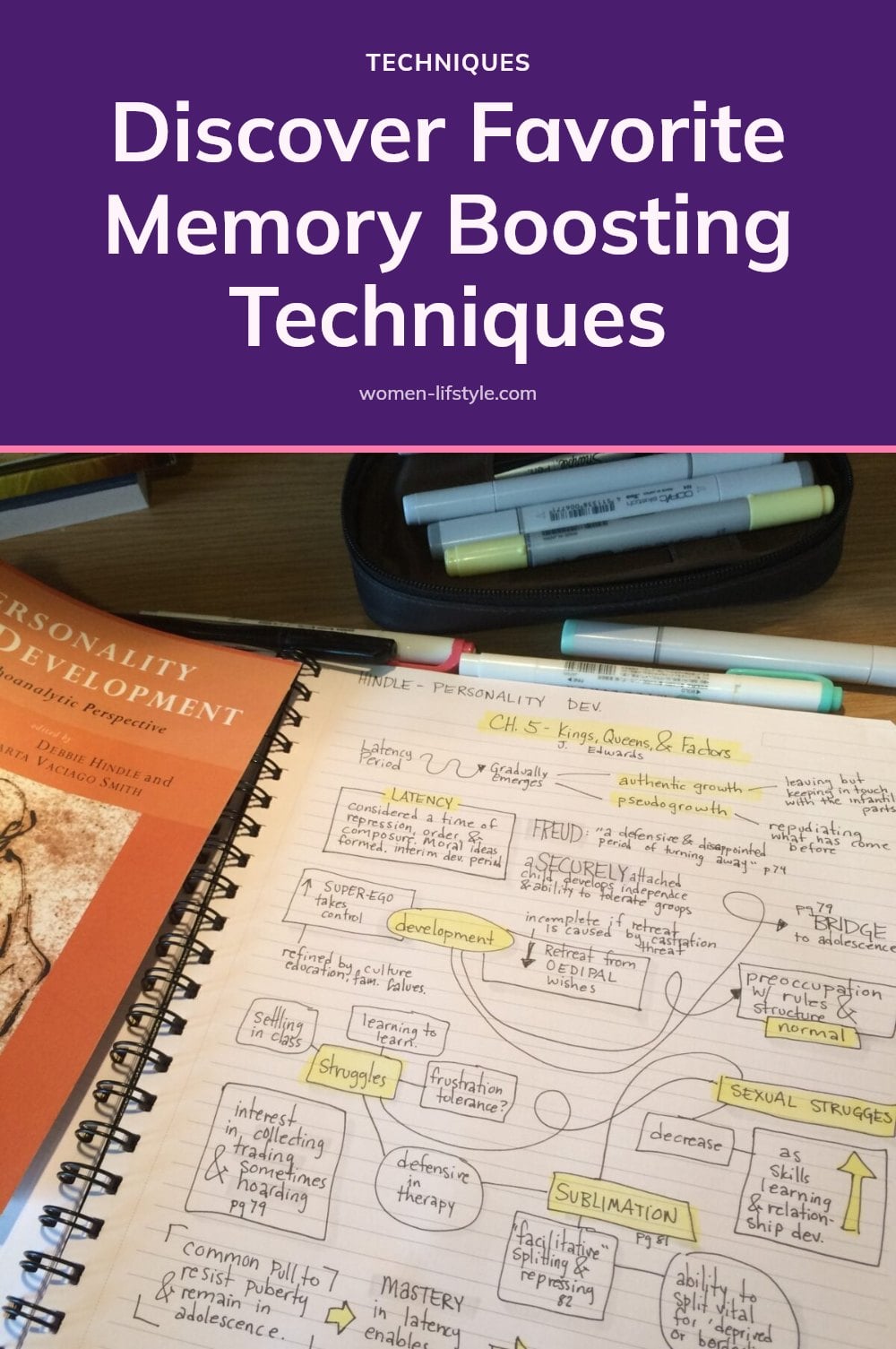
- Mind mapping tools: Great for visualizing connections between ideas. Use a whiteboard or paper to map out relationships.
- Quiet study environment: A distraction-free space is key for focused learning and context-dependent memory.
Go-To Strategies for Stronger Memory

- Actively retrieve knowledge: Test yourself frequently with flashcards or quizzes. Don’t just read the answers. When you struggle to recall something and then see the correct answer, your brain integrates that new information more effectively. This process updates and strengthens your memories.
- Mix subjects in one session: Interleaving forces your brain to retrieve different types of information. For example, study biology for 30 minutes, then switch to history. This strengthens memory and helps you find connections between topics.
- Space out your sessions: Review material over days or weeks, not all at once. For medical residents learning to suture arteries, spreading training over four weeks was far more effective than cramming it into a single day. Spaced repetition allows your brain to process and integrate information into long-term memory, especially during sleep.
Tip: Making mistakes during self-testing improves long-term learning. When you struggle to recall an answer and then learn the correct one, your brain better integrates that new information.
Prefer to watch? TED-Ed walks through the whole method in this 5-minute video. The how-to part starts at 2:18.
Beyond the Basics: Understanding the Science of Memory
The Forgetting Curve and Why You Forget
Memories fade rapidly without review. This is called the forgetting curve. It shows a quick drop in recall soon after learning, which slows over time. Spaced repetition counteracts this curve by prompting review just as you start to forget.
Elaborative Rehearsal
Connecting new information to what you already know creates stronger, more durable memories. For instance, link a historical date to a personal event or a scientific concept to a real-world example. This makes the new material meaningful and easier to retrieve.
Sleep and Chunking
Sleep is crucial for memory consolidation. During deep sleep, your brain transfers information from short-term to long-term storage. Chunking breaks large amounts of information into smaller, manageable units, like grouping a phone number into three parts. This reduces cognitive load and improves recall.
Favorite Memory-Boosting Techniques
Mnemonic Devices
Mnemonic devices turn hard-to-remember information into something your brain can latch onto. Acronyms like ROYGBIV for the colors of the rainbow are a classic example. The method of loci, or memory palace, is another powerful tool: you mentally place items you want to remember along a familiar route, like your living room, and then “walk” through it to retrieve them.
My tip: For lists with more than five items, build a vivid, exaggerated image for each item and place it in a specific spot in your memory palace. The weirder the image, the easier it is to recall.
Visualization
Creating mental images helps, especially for abstract concepts. If you’re studying the water cycle, picture a single drop of water traveling from a cloud to a river and back up again. This turns a vague idea into something concrete your brain can store.
Caution: Visualization works best when you make the image detailed and dynamic. A static, boring picture won’t stick as well as one with motion and color.
Teaching Others
Explaining the material to someone else, or even to yourself out loud, forces you to organize your thoughts and find gaps in your understanding. If you can’t explain it simply, you probably don’t know it well enough yet.
Good to know: You don’t need a real audience. Pretend you’re teaching a friend who knows nothing about the topic. This makes you use plain language and real examples.
Physical Exercise
Regular exercise can improve cognitive function, including memory. Even a brisk 20-minute walk before a study session can increase blood flow to the brain and help you focus.
Pro move: Schedule short movement breaks during long study blocks. Stand up, stretch, or do a few jumping jacks to reset your attention and boost retention.
Common Memorization Mistakes to Avoid
Many study habits feel productive but actually work against long-term memory. Here are the most common ones to avoid.
- Re-reading notes: It creates a false sense of competence because the material is right in front of you. Instead, close your notes and test yourself.
- Cramming: Studying everything in one long session prevents information from reaching long-term memory. Space your review over days or weeks.
- Memorizing without understanding: Rote repetition of facts you don’t grasp leads to superficial learning. Always ask “why” and “how” before memorizing.
- Skipping sleep: Sleep is when your brain consolidates new memories. Pulling an all-nighter after studying can undo much of your effort.
- Not testing yourself: Passive review doesn’t strengthen recall pathways. Active retrieval, like flashcards or quizzes, is essential.
Top Tips for Maximizing Memory Retention

These small adjustments can make a big difference in how much you remember.
- Connect new info to what you know: When you learn something new, ask yourself how it relates to something you already understand. This builds stronger memory links.
- Break down big topics: Split a large subject into smaller chunks, like studying one chapter at a time instead of the whole book. This reduces overwhelm and improves recall.
- Study in a consistent spot: Use the same quiet, focused environment each time. Context-dependent memory means you’ll recall more when the setting matches your study place.
- Manage stress: High stress and anxiety impair memory function. Take a few deep breaths before studying, and if you feel overwhelmed, step away for a short break.
Timeline for Memory Improvement and Study Habits
Improving your memory isn’t a one-time fix. It’s an ongoing process that pays off with consistent effort over days and weeks. Reviewing material at increasing intervals, like after one day, then three days, then a week, is key for long-term retention.
The real cost is your time and attention, not your wallet. A set of flashcards costs next to nothing, and most other tools you need are already at home. Stick with these techniques, and you’ll notice that information stays with you long after the exam or presentation is over.
Frequently Asked Questions
How does sleep impact memory?
Sleep is essential for memory consolidation. During sleep, your brain processes and transfers information from short-term to long-term memory. Without enough quality sleep, the information you study may not stick as well, making it harder to recall later.
Can stress affect my ability to memorize?
Yes, stress and anxiety can impair memory function and recall. High stress levels make it harder for your brain to focus and encode new information. Managing stress through relaxation techniques or exercise can help improve your learning outcomes.
What are mnemonic devices and how do they help?
Mnemonic devices are memory aids that help you associate new information with something familiar. Examples include acronyms (like ROYGBIV for rainbow colors), rhymes, or the method of loci (memory palace). They work by creating strong retrieval cues in your brain.
Is it better to study in the same place every time?
Studying in the same environment can be helpful due to context-dependent memory, where recall is easier when the learning and testing settings match. However, varying your study locations may also strengthen memory by making the information less tied to a single context.
How often should I review material using spaced repetition?
There’s no perfect schedule that works for everyone, but a common approach is to review after one day, then three days, then a week, and gradually increase the intervals. The key is to space out reviews so you’re retrieving the information just before you forget it.
Final Thoughts
If you take one thing away, it’s this: stop just re-reading your notes and start testing yourself. It’s the single most effective change you can make. Expect to see real improvement after a few weeks of consistent practice. Your brain needs time to build those connections. Stick with it, and you’ll be amazed at how much more you remember.
