

If you’re feeling exhausted no matter how much you sleep, noticing stubborn weight around your middle, or snapping at small things that never used to bother you, your cortisol levels might be the culprit. This hormone helps you handle stress, but when it stays high for too long, it can throw your whole system out of balance. In this article, I’ll walk you through the most common signs of high cortisol in women and the lifestyle changes that can help bring things back to normal.

Key Takeaways
- High cortisol often shows up as weight gain around the abdomen and face, even without diet changes.
- Chronically elevated cortisol disrupts sleep by interfering with your natural wake-sleep rhythm.
- Consistent sleep of 7-9 hours per night is one of the most effective ways to reset your cortisol cycle.
- Mindfulness practices like meditation or deep breathing can help lower cortisol by activating your relaxation response.
- If symptoms persist for weeks or appear suddenly, consult a healthcare professional for proper diagnosis.
What Is Cortisol and Why Does It Matter?
Cortisol is a glucocorticoid hormone produced by your adrenal glands, which sit atop your kidneys. It’s often called the ‘stress hormone’ because it’s released during the fight or flight response, but it also regulates metabolism, reduces inflammation, and controls your sleep-wake cycle. That daily rhythm is key: cortisol should be highest in the morning and lowest at night. Chronically high levels, however, can lead to weight gain, fatigue, and mood changes, so balanced management matters for overall well-being.
1. Unexplained Weight Gain, Especially Abdominal
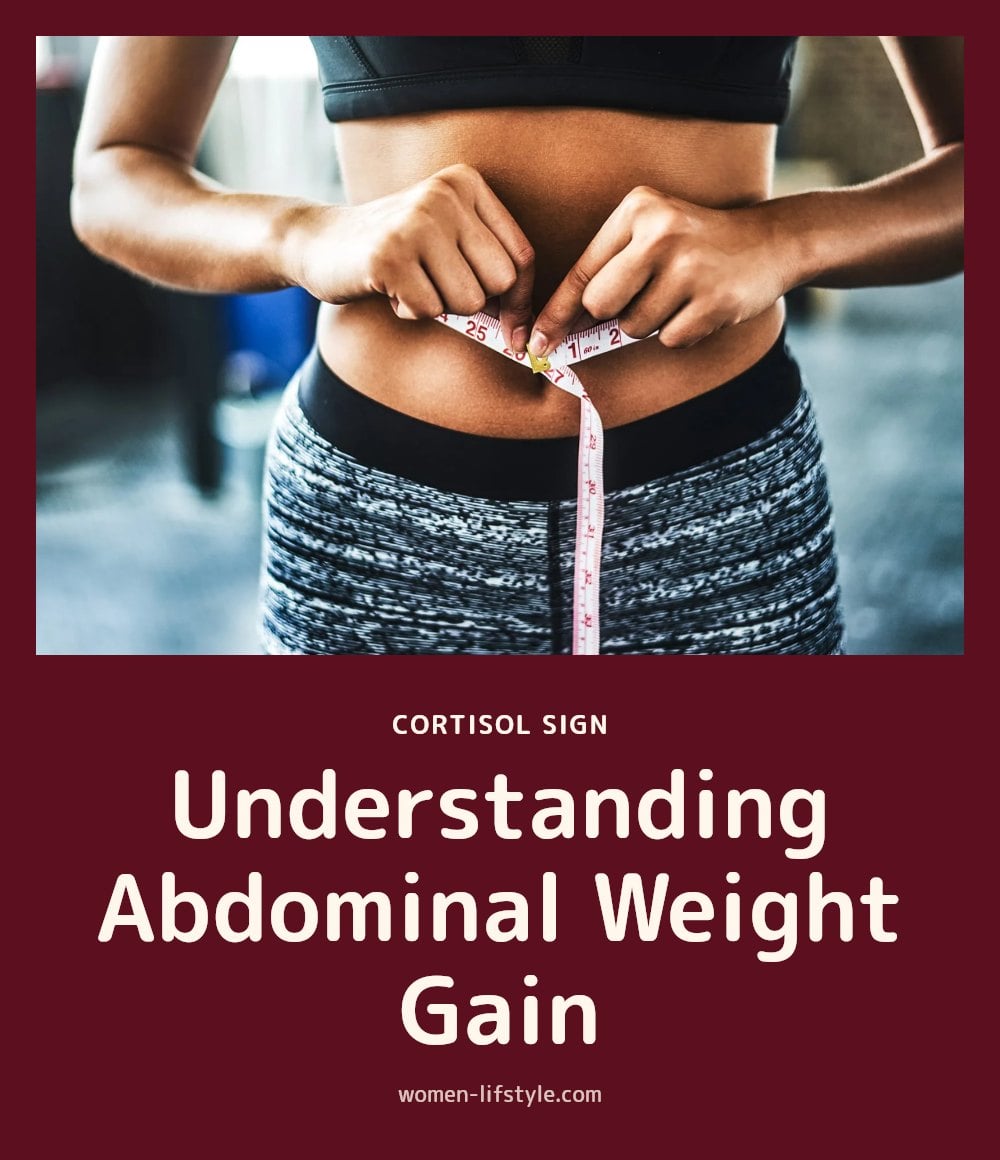
Persistent weight gain around your abdomen and face, sometimes called ‘moon face,’ is one of the most common signs I’ve seen in women. It can happen even when your diet and exercise routine haven’t changed. High cortisol doesn’t just increase appetite; it also tells your body to store fat in these specific areas, creating a stubborn cycle.
- Why it happens: Cortisol affects how your body metabolizes fat, favoring storage in the belly and face.
- What to watch for: If your clothes feel tighter around your waist but your arms and legs stay the same, this could be a clue.
2. Persistent Fatigue Despite Rest

If you’re constantly exhausted even after a full night’s sleep, high cortisol may be draining your system. Cortisol gives you a burst of energy during acute stress, but chronic elevation can exhaust your adrenal response, leaving you with a deep, pervasive fatigue that makes daily tasks feel like a huge effort. This isn’t just being a bit tired; it’s a bone-deep weariness that doesn’t improve with more rest.
- What to notice: You struggle to get through your normal routine without needing to lie down or nap.
- Pro move: Track your energy levels throughout the day to see if they dip at consistent times.
3. Difficulty Sleeping or Insomnia
Cortisol naturally peaks in the morning to help you wake up and drops at night to allow sleep. When levels stay high, this rhythm gets disrupted, making it hard to fall asleep, stay asleep, or get restful sleep. My tip: If your mind races the moment your head hits the pillow, cortisol could be the culprit. That mental alertness is your body thinking it still needs to be on guard.
- What to try: Create a wind-down routine with dim lights and no screens an hour before bed.
- Caution: Avoid caffeine after 2 p.m. and intense exercise close to bedtime, as both can raise cortisol. For the same reason, skip high-intensity workouts within 2-3 hours of sleep.
4. Increased Irritability, Anxiety, or Depression
Cortisol directly influences neurotransmitters like serotonin and dopamine, which regulate your mood. When levels stay elevated for long periods, you may notice more mood swings, heightened anxiety, or a persistent feeling of being on edge. Even small daily stressors can trigger reactions that feel outsized.
This shift is often subtle at first. You might snap at a partner over something trivial or feel overwhelmed by a normal workload. Pay attention to patterns: if your emotional responses feel disproportionate to what’s happening, cortisol may be amplifying your stress response.
- Track your moods: Note when irritability spikes to spot connections with sleep, meals, or stressful events.
- Pause before reacting: A few slow breaths can interrupt the cycle before emotions escalate.
5. High Blood Pressure and Blood Sugar
Cortisol helps regulate both blood pressure and blood sugar as part of its normal job. Chronically high levels can push both into elevated ranges, which increases strain on your heart and blood vessels over time. You likely won’t feel these changes, which is what makes them risky.
Because these signs are silent, regular check-ups matter. Ask your doctor to review your blood pressure and fasting glucose at annual visits, especially if you have other high cortisol symptoms. Early detection gives you more options for managing the underlying causes.
Caution: Don’t assume normal readings at home mean everything is fine. Home monitors can miss subtle elevations that a clinical test catches, so professional lab work remains the gold standard for accurate assessment.
6. Weakened Immune Function
Cortisol initially reduces inflammation, which is helpful in short bursts. But sustained high levels paradoxically suppress your immune system over time. You may find yourself catching every cold that circulates, dealing with frequent infections, or noticing cuts and scrapes heal slower than they used to.
This happens because cortisol dampens the activity of immune cells that fight off pathogens. If you’re constantly sick, it’s worth considering whether chronic stress is wearing down your defenses. Support your immune system with consistent sleep, hydration, and nutrient-dense meals while you investigate the root cause.
- Watch for patterns: Frequent illnesses with no clear cause may signal elevated cortisol.
- Prioritize recovery: Rest days and downtime are not optional when your immune system is strained.
7. Thinning Skin and Muscle Weakness
High cortisol breaks down protein in your body, which can show up as physical changes you might not immediately connect to stress. Your skin may become thinner and bruise more easily, and you might notice muscle mass or strength declining even if your activity level hasn’t changed.
These signs tend to appear later than fatigue or mood changes, so they’re worth taking seriously if you notice them. Pay attention to how easily you bruise after minor bumps or whether everyday tasks feel physically harder. This is a more advanced signal that your body has been under strain for a while.
Good to know: If you notice these changes alongside rapid weight gain or severe fatigue, talk to a doctor promptly, as this combination can point to conditions that need medical evaluation.
8. Prioritize Consistent, Quality Sleep

Aim for 7-9 hours of consistent, quality sleep every night. This resets your body’s natural cortisol rhythm, which should peak in the morning and drop to its lowest point at night. When you shortchange sleep, cortisol can stay elevated, which makes the cycle of fatigue and wakefulness worse.
My tip: build a relaxing bedtime routine that signals your body to wind down. Dim the lights an hour before bed, put away screens, and take a warm bath. These cues help lower cortisol and make it easier to fall asleep and stay asleep.
9. Incorporate Stress-Reduction Techniques
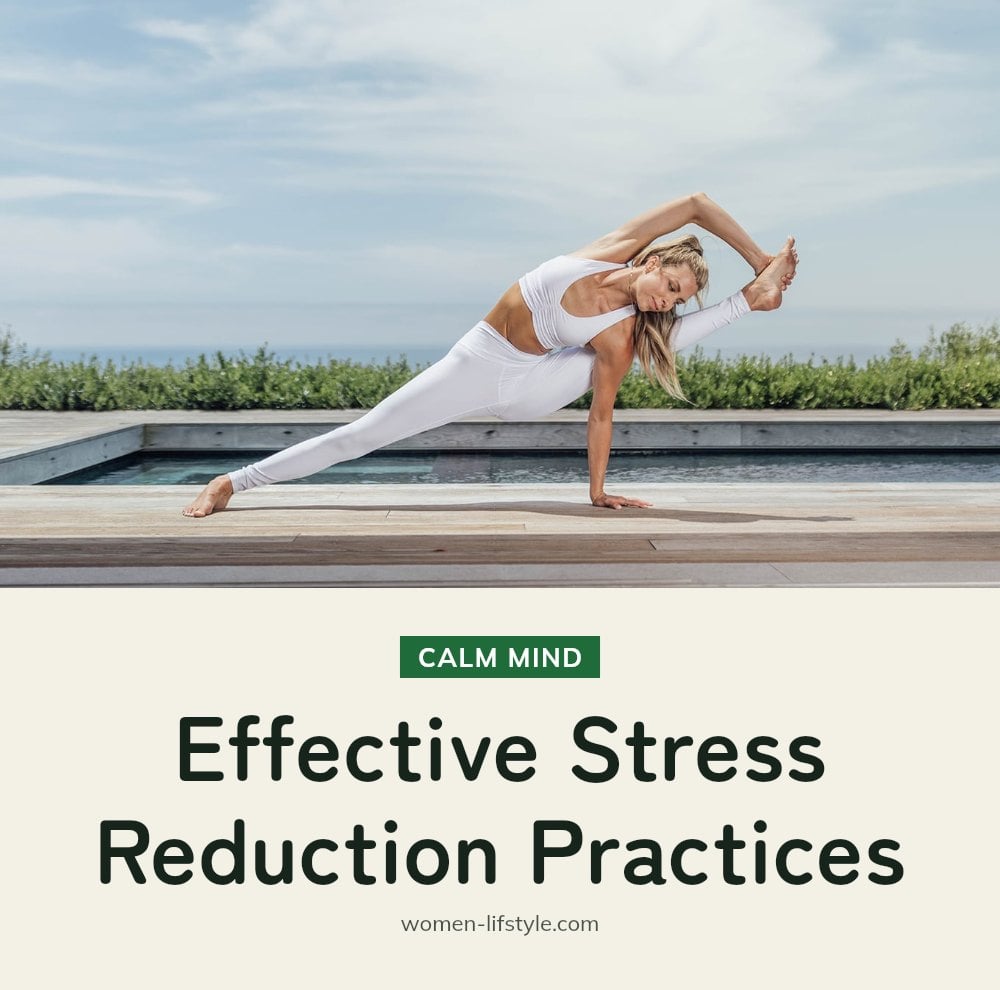
Meditation, deep breathing, and yoga are often recommended to help manage stress and may help lower cortisol levels. These mindfulness practices activate your body’s relaxation response, which can counteract the stress signal that keeps cortisol elevated.
You don’t need an hour a day. Even 10-15 minutes of focused breathing or a short yoga flow can make a difference. My tip: pick one technique and do it at the same time daily, whether that’s right after waking or during your lunch break.
- Deep breathing: Try 4 counts in, 6 counts out for 5 minutes.
- Body scan meditation: Lie down and mentally relax each body part for 10 minutes.
- Restorative yoga: Hold gentle poses like child’s pose for 3-5 minutes each.
Consistency matters more than intensity. A daily 10-minute practice can be more effective than a 45-minute session once a week.
10. Maintain a Balanced, Whole-Food Diet

What you eat directly shapes how your body handles stress and keeps hormones in balance. Build meals around fruits, vegetables, lean proteins, and whole grains, which provide steady energy and the nutrients your adrenal glands need.
Limit processed foods, added sugars, and caffeine, since these can spike cortisol and leave you crashing later. My tip: swap your second afternoon coffee for a glass of water or a piece of fruit, and notice how your energy holds up.
Start with one change at a time, like adding a serving of vegetables to lunch or choosing whole-grain bread. Small shifts add up over weeks and months.
11. Engage in Moderate Physical Activity
Regular, moderate exercise helps burn off nervous energy and triggers mood-boosting endorphins. But intense, prolonged workouts without adequate recovery can actually elevate cortisol, especially if you are already under stress. Find a balance that feels good for your body.
Good to know: Walking, swimming, cycling, or strength training a few times a week are all solid options. If you feel drained after a session, dial back the intensity or add an extra rest day to support healthy cortisol regulation.
When to Talk to a Healthcare Professional
If you’ve been dealing with several of these symptoms for weeks or months, especially if they appeared suddenly or feel severe, it’s time to talk to your doctor. High cortisol shares signs with other medical conditions, including Cushing’s syndrome, so only a professional can confirm what’s actually going on through proper testing.
Don’t try to self-diagnose or treat high cortisol with unproven supplements or remedies you found online. That approach can be risky, may interact with medications you’re already taking, and can delay the care you need. Your doctor can help you figure out the real cause and build a safe plan that fits your situation.
Frequently Asked Questions
Can stress alone cause high cortisol?
Chronic stress is a major trigger for sustained high cortisol levels, but it’s not the only cause. Lifestyle factors like poor sleep, excessive caffeine, and overtraining can also raise cortisol. If you suspect a medical condition like Cushing’s syndrome, see a doctor for testing.
How quickly can lifestyle changes affect cortisol levels?
Lifestyle adjustments like improving sleep and adding stress-reduction techniques typically require consistent effort over several weeks to months to show noticeable effects. There is no quick fix, but many women report feeling calmer and sleeping better within a few weeks of starting a routine.
Are there foods that specifically lower cortisol?
No single food directly lowers cortisol, but a balanced diet rich in fruits, vegetables, lean proteins, and whole grains supports your adrenal glands and helps regulate your stress response. Limiting processed foods, added sugars, and excessive caffeine can also help prevent cortisol spikes.
What is the difference between acute and chronic stress?
Acute stress is a short-term response that gives you a burst of energy and heightened awareness, which is vital for survival. Chronic stress keeps your cortisol levels elevated for long periods, leading to the symptoms discussed in this article, like fatigue, weight gain, and mood changes.
Can cortisol levels be tested at home?
At-home saliva or urine test kits are available, but their accuracy can vary, and interpreting results without a doctor’s guidance is tricky. If you’re concerned about your cortisol levels, it’s safer to have testing done through a healthcare provider who can order the right tests and explain the results.
Final Thoughts
Start with one change that feels manageable, like going to bed 30 minutes earlier or adding a 10-minute meditation to your morning. It usually takes several weeks to a few months of consistent effort before you notice real shifts in your energy, mood, and sleep. Remember, cortisol is not your enemy; it’s about keeping the balance so your body can handle stress without staying on high alert all the time.
The information in this article is for general informational purposes only and does not constitute medical advice. Symptoms of high cortisol can overlap with other conditions, so if you suspect a persistent or serious problem, please consult a healthcare professional for a proper diagnosis and treatment plan.
