

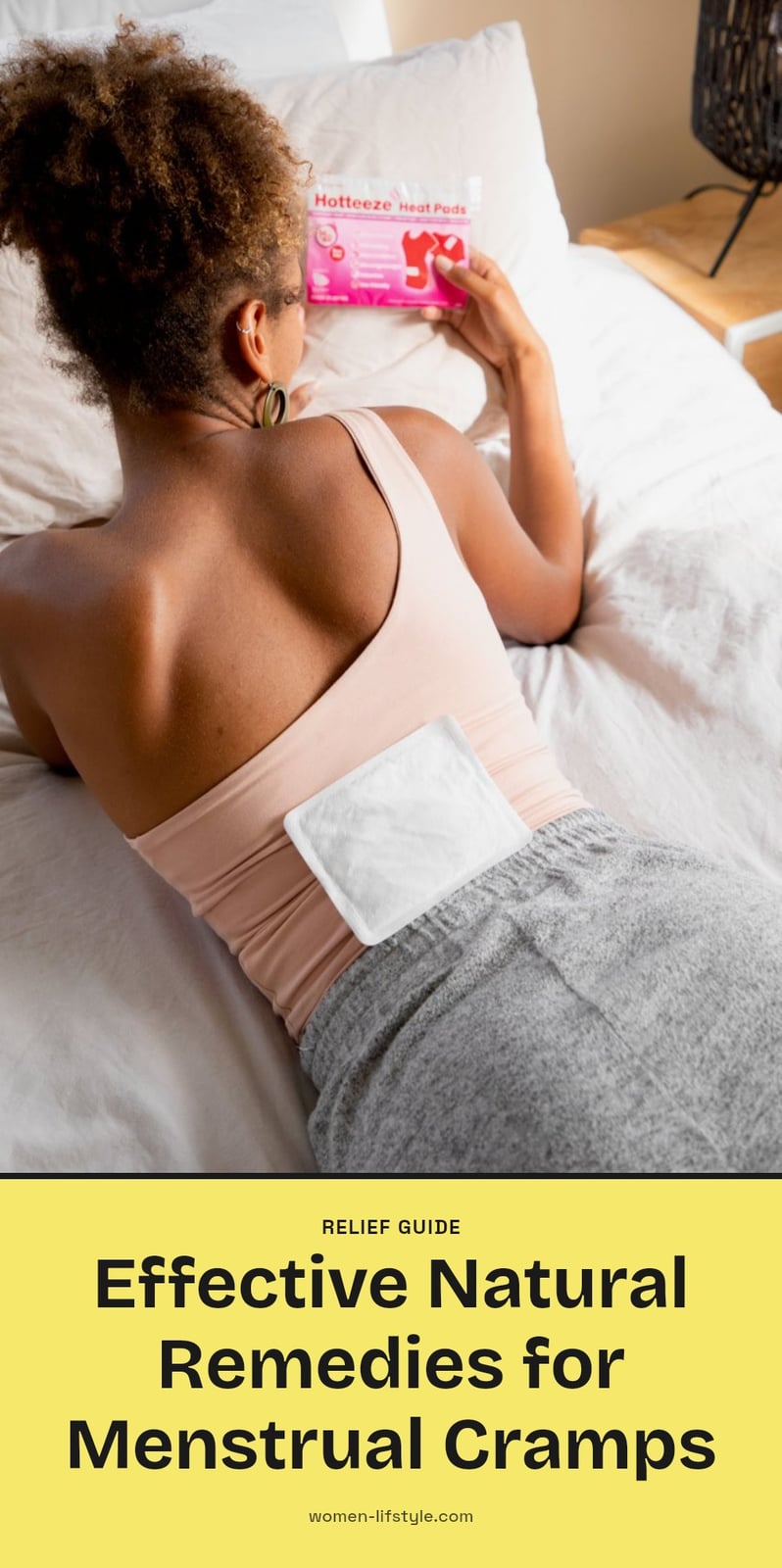
Cramps can strike at the worst moments, whether from a long run, a busy day, or your monthly cycle. The good news is that simple home remedies often bring real relief, and many focus on hydration, warmth, and gentle movement. In this article, I’ll walk you through the most effective natural approaches, what to avoid, and when it’s time to see a doctor.
Key Takeaways
- Drink at least 8 glasses of water daily to prevent dehydration-related cramps.
- Apply a heating pad for 15-20 minutes to relax a cramped muscle.
- Stretch gently, holding for 20-30 seconds, without forcing the muscle.
- Balance electrolytes with potassium, magnesium, and calcium-rich foods.
- Consult a doctor for severe, persistent, or unusual cramps.
Finding Relief from Cramps Naturally
Natural remedies can offer real relief for cramps, whether they come from dehydration, mineral imbalances, or your monthly cycle. Focusing on hydration, applying heat, and moving gently addresses the root causes rather than just masking the pain. But if cramps are severe, persistent, or accompanied by other symptoms, check with a healthcare professional. Your health comes first.
1. Stay Hydrated
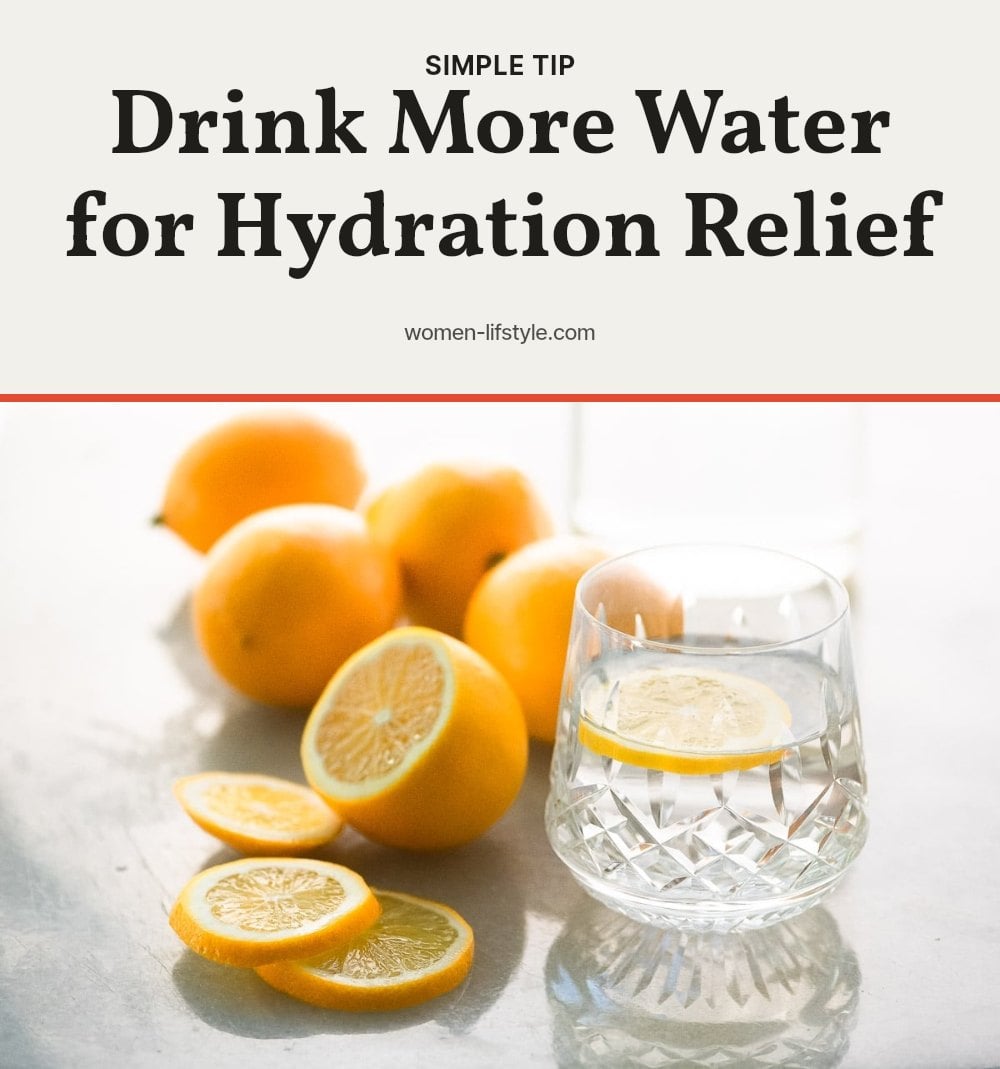
Dehydration is a common trigger for muscle cramps, so drinking enough water is your first line of defense. Aim for at least 8 glasses daily, and more if you’re active or in a warm climate.
- Carry a bottle: Keep a reusable water bottle with you as a constant reminder to sip throughout the day.
- Monitor your intake: If your urine is dark yellow, you likely need more fluids.
- Hydrate before and after exercise: This helps prevent cramps during and after physical activity.
2. Apply Heat Therapy
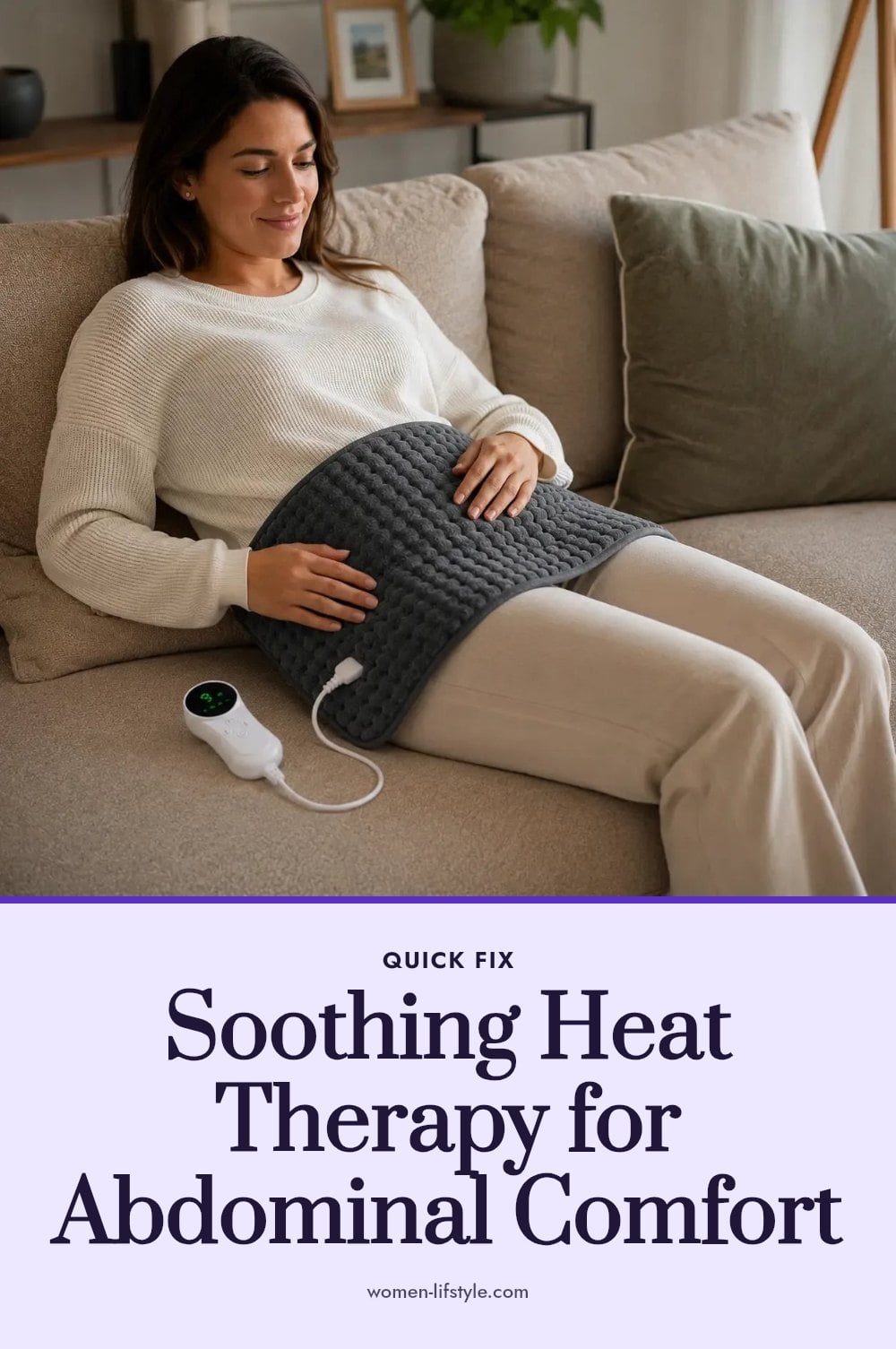
Applying heat to a cramped muscle helps it relax and increases blood flow, which eases pain. Use a heating pad, hot water bottle, or take a warm bath.
- Direct heat: Place a heating pad on the cramping area for 15-20 minutes.
- Warm bath: A soak can relax multiple muscles at once.
- Caution: Always ensure the temperature is comfortable to avoid burns, especially if applying directly to skin. Test the heat on your forearm first.
3. Gentle Stretching
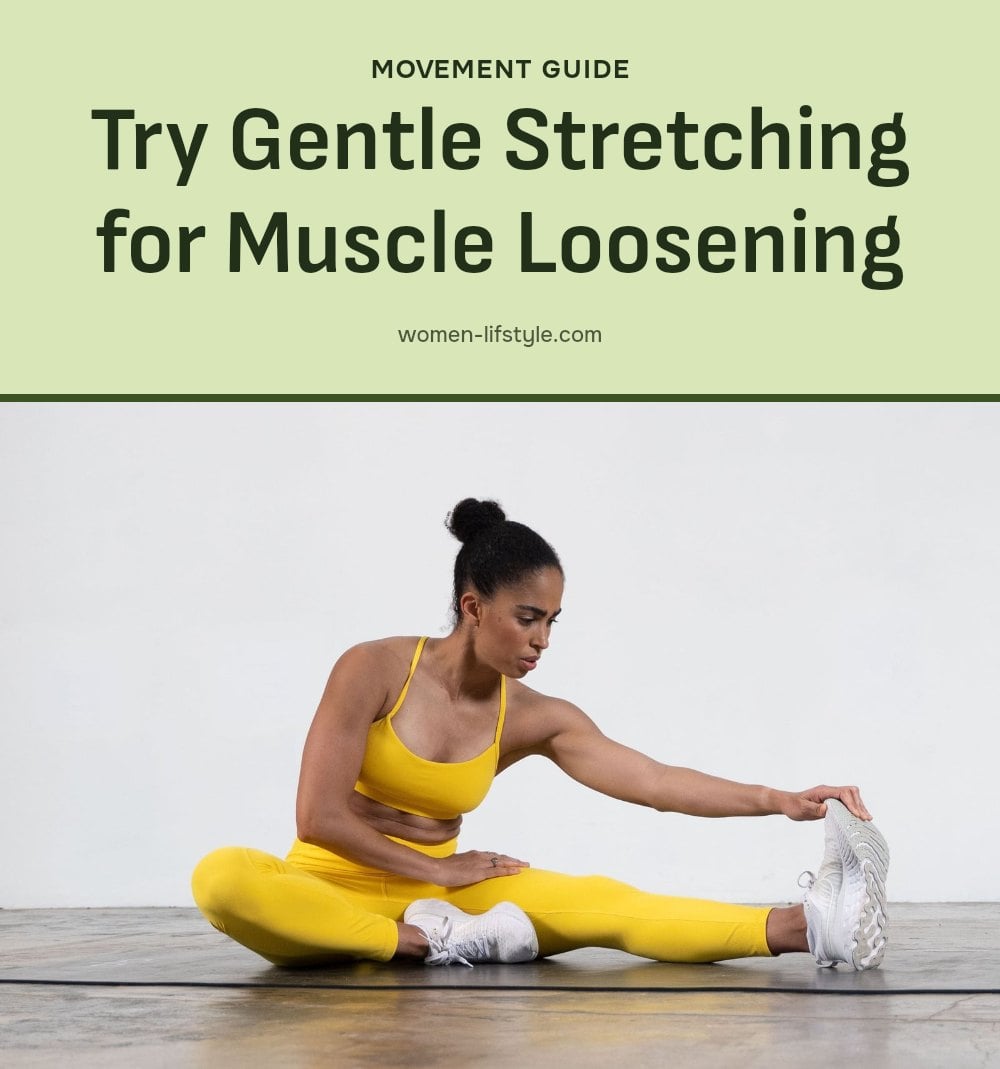
Gentle stretching can release a muscle in spasm and help prevent future cramps. When a cramp hits, slowly stretch the affected muscle and hold for 20-30 seconds, until the tension eases.
- Ease into it: Avoid aggressive stretching when a muscle is actively cramping; start with a light, gentle pull.
- Breathe deeply: This helps your muscles relax more fully.
- Repeat regularly: Daily stretching, especially before bed, can reduce cramp frequency.
4. Massage the Area
Massaging a cramped muscle can improve circulation and encourage relaxation. Use your hands to apply firm, circular pressure to the cramped area for a few minutes. This helps interrupt the spasm and can provide quick relief.
- Use oil or lotion: reduces friction and makes the massage more comfortable.
- Apply firm pressure: not so hard that it hurts, but enough to feel the muscle release.
5. Balance Electrolytes

Electrolyte imbalances, especially low potassium, magnesium, and calcium, are major contributors to cramps. Replenishing these minerals can help prevent and ease muscle spasms.
- Potassium-rich foods: bananas, avocados, sweet potatoes.
- Magnesium-rich foods: leafy greens, nuts, seeds, dark chocolate.
- Calcium sources: dairy, fortified plant milks, leafy greens.
My tip: I’ve found a magnesium supplement helpful, but always check with your doctor before adding any supplement, especially if you have health conditions or are pregnant.
6. Try Ginger
Ginger is known for its anti-inflammatory properties, which may be particularly helpful for menstrual cramps. You can brew fresh ginger tea by steeping sliced ginger in hot water for 5-10 minutes, or add grated ginger to your meals.
My tip: A warm cup of ginger tea can be incredibly soothing during period cramps. Sip it slowly and let the warmth and anti-inflammatory compounds work.
7. Herbal Teas for Relaxation
Certain herbal teas like chamomile and peppermint are traditionally used for their muscle-relaxing effects. Chamomile can help calm the nervous system, while peppermint may soothe digestive issues that sometimes accompany cramps.
Brew a warm cup and sip slowly to allow the relaxing properties to take effect. Choose caffeine-free versions, especially if you’re drinking them in the evening.
8. Regular Light Exercise
Consistent, light exercise can significantly reduce how often cramps strike. Stretching and strengthening improve circulation and muscle flexibility, which helps your muscles handle stress better and recover faster.
My tip: incorporate a gentle yoga routine or a daily walk into your schedule. Start with 10-15 minutes a day and build up gradually. The goal is consistent movement, not intensity, so keep the pace comfortable and listen to your body.
9. Consider Epsom Salt Baths
Consider Epsom Salt Baths: Epsom salts (magnesium sulfate) can be absorbed through the skin, potentially helping to relax cramped muscles. Add 1-2 cups to a warm bath and soak for 15-20 minutes to let the mineral work its way in.
- This soak is best for unwinding after a long day or when cramps feel tight.
- Caution: Always ensure the bath temperature is comfortable and safe. If the water feels too hot, let it cool before getting in.
10. Apply Pressure
Applying firm, sustained pressure to the center of a cramped muscle can bring immediate, temporary relief. Use your thumb or palm to press firmly on the most painful spot and hold until the cramp subsides.
This technique helps interrupt the muscle spasm by sending a strong sensory signal that can override the cramp signal. It works well for calf, foot, or hand cramps and pairs nicely with gentle massage afterward.
11. Review Medications
Some medications, like diuretics, can contribute to electrolyte imbalances and cramps as a side effect. If you notice cramps starting or worsening after beginning a new prescription, it is worth mentioning to your doctor.
Never stop or change your medication without professional medical advice. Your doctor can review your options, adjust the dose, or suggest alternatives that may not trigger cramps. This step matters especially if you take diuretics long-term.
When to Consult a Doctor About Cramps
Most cramps ease with home care, but some situations call for a doctor. Seek medical advice if cramps are severe, persist despite your efforts, or don’t respond to remedies like heat and stretching. Also consult a professional if cramps come with fever, weakness, numbness, or changes in skin color, as these can signal a more serious issue.
Pay attention to timing too. If cramps begin after you start a new medication, talk to your doctor before stopping anything. And if you get cramps frequently or without an obvious cause, a checkup can help identify what’s going on.
Frequently Asked Questions
Can certain foods worsen cramps?
Yes, some foods may aggravate cramps for some people. Dehydrating drinks like caffeinated beverages or alcohol can increase the risk, and highly processed foods may contribute to inflammation. My tip: keep a food diary to see if anything correlates with your cramps, and focus on whole foods rich in minerals.
How long does it take for natural remedies to work?
For an active cramp, heat, massage, or pressure can bring relief within minutes. Preventative measures like hydration, regular stretching, and electrolyte balance usually take days to weeks of consistent practice to reduce cramp frequency. Don’t expect a single food or supplement to work instantly; give your body time to adjust.
Is it safe to exercise with cramps?
Light exercise like walking or gentle yoga is generally safe and can help prevent cramps, but avoid intense workouts during an active cramp. If stretching or moving increases pain, stop and rest. For menstrual cramps, moderate activity may actually ease discomfort by improving circulation, but listen to your body and take it easy.
What’s the difference between muscle cramps and period cramps?
Muscle cramps are involuntary spasms in skeletal muscles, often from dehydration or overuse, and they respond to stretching and heat. Period cramps are uterine muscle contractions caused by hormonal changes, and they may be helped by ginger, heat, and certain herbal teas. Both can be eased with similar home remedies, but period cramps are tied to the menstrual cycle.
Can stress cause cramps?
Stress can contribute to muscle tension and may make cramps more likely, though it’s not a direct cause. High stress levels can lead to poor sleep, dehydration, and muscle tightness, which all increase cramp risk. Managing stress through relaxation techniques, light exercise, and adequate sleep may help reduce cramp frequency.
Final Thoughts
For most everyday cramps, start with the basics: hydrate well, apply heat, and stretch gently. If cramps are frequent, try adding magnesium-rich foods or a daily walk to your routine, and give it a few weeks to see a difference. Remember that natural remedies can ease discomfort, but they aren’t a substitute for professional care. If your cramps are severe, last longer than usual, or come with other symptoms, make an appointment with your doctor.
This article is for general information only and is not a substitute for professional medical advice. If you have severe, persistent, or unusual cramps, or if cramps are accompanied by fever, weakness, or numbness, consult a doctor or other qualified healthcare provider. Always talk to a professional before starting new supplements, especially if you are pregnant or have underlying health conditions.
