

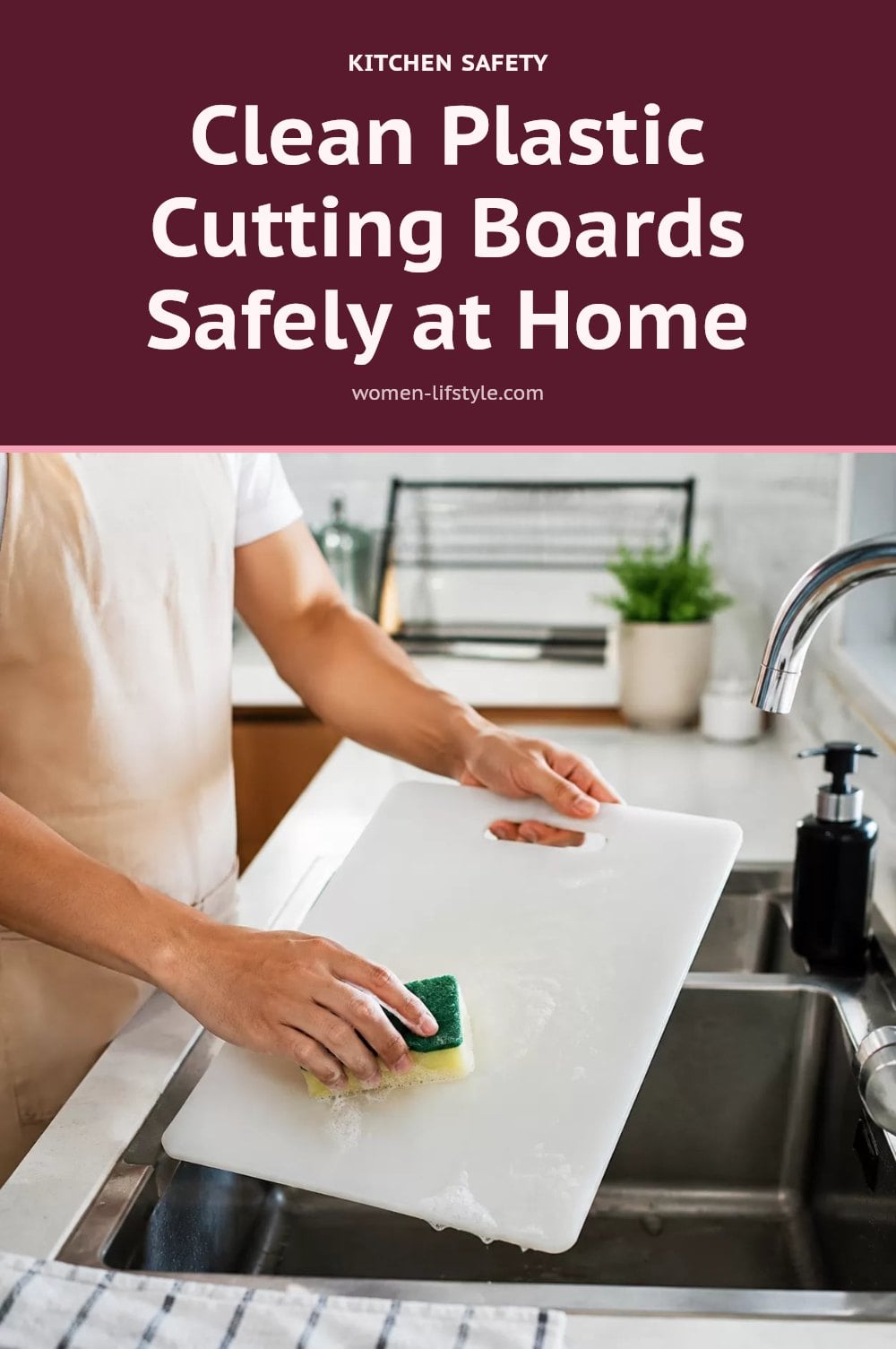
You know that satisfying feeling of a clean cutting board after washing it with soap and water, but is it truly germ-free? Especially after prepping raw chicken or fish, harmful bacteria can linger even on a spotless-looking surface. This article walks you through the proven methods for disinfecting plastic cutting boards, using bleach, hydrogen peroxide, or your dishwasher, so you can feel confident your kitchen tools are safe for your next meal.
Key Takeaways
- Disinfect plastic cutting boards with a bleach solution of 1 tablespoon per gallon of water.
- Always wash with hot, soapy water before applying any disinfectant.
- Replace cutting boards once they develop deep grooves or cuts.
- Use separate boards for raw meats and ready-to-eat foods to prevent cross-contamination.
- Hydrogen peroxide (3%) is a good alternative to bleach for disinfection.
Why Disinfecting Your Cutting Board is Essential
Washing your cutting board with soap and water removes visible food bits, but it doesn’t kill all the harmful bacteria that can linger, especially after you’ve prepped raw meat, poultry, or fish. Disinfecting goes a step further, targeting those invisible germs to prevent cross-contamination and foodborne illness. Plastic boards, while non-porous, can develop grooves over time where bacteria hide, so regular disinfection is key to keeping your kitchen safe.
Gather Your Disinfecting Essentials
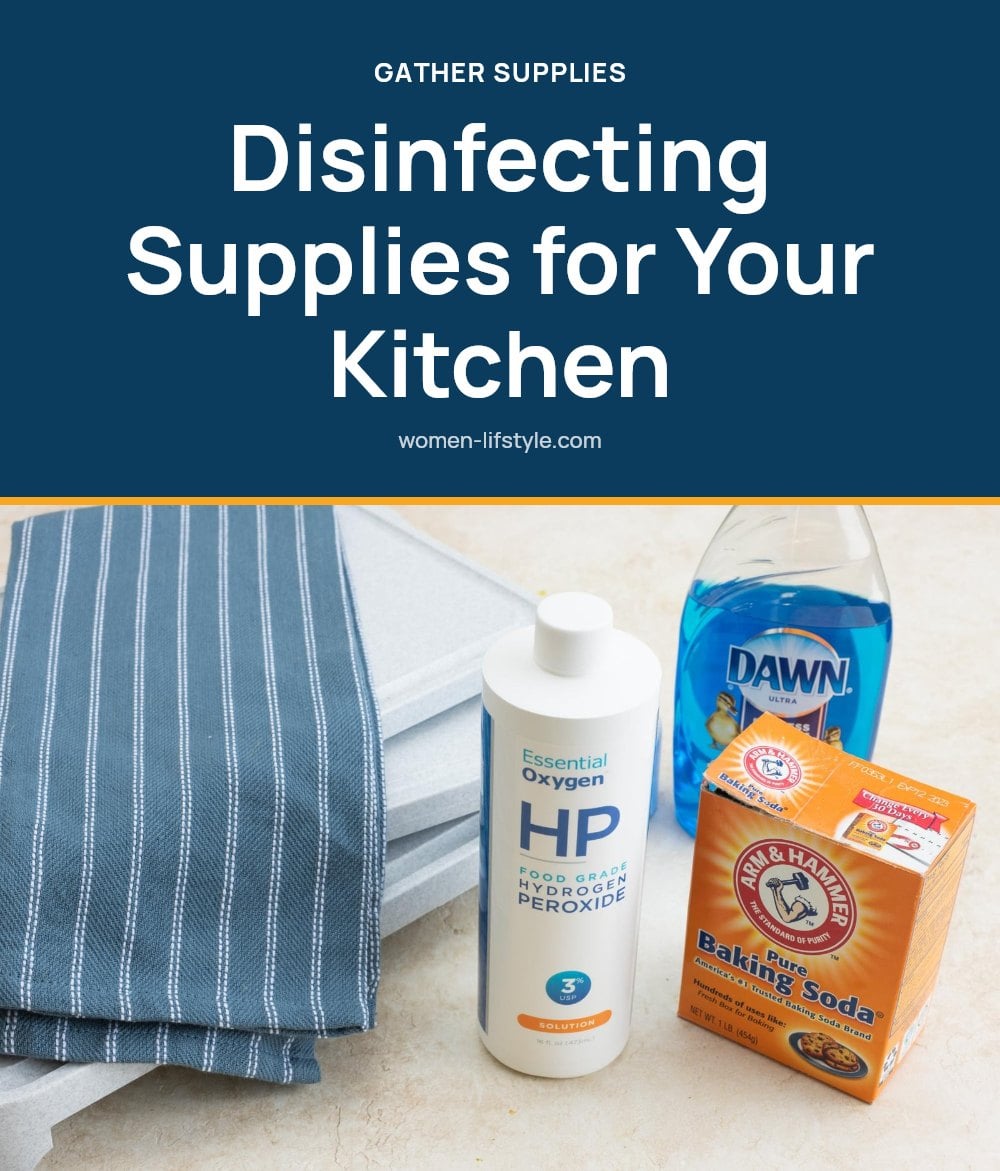
Before you start, gather these items so the process goes smoothly:
- Plastic cutting board: The star of the show, ready for a deep clean.
- Dish soap: For the initial wash to remove grease and food particles.
- Hot water: Essential for effective washing and rinsing.
- Unscented liquid chlorine bleach: Your go-to for a powerful disinfecting solution.
- Hydrogen peroxide (3%): A great alternative if you prefer to skip bleach.
- Dishwasher: A convenient option if your board is dishwasher-safe and has a sanitize cycle.
- Clean sponge or brush: To scrub away stubborn debris.
- Measuring spoons/cups: For accurate disinfectant ratios.
- Paper towels: For drying without reintroducing bacteria.
Choose Your Disinfection Method

You have three solid options for disinfecting your plastic cutting board. Whichever you choose, always start by washing the board with hot, soapy water to remove all food residue, then rinse well.
Bleach Solution
Mix 1 tablespoon of unscented liquid chlorine bleach with 1 gallon of water. Apply it to the clean board and let it sit for 2 to 5 minutes. Rinse thoroughly with clean water to remove any bleach residue. Wear gloves and ensure good ventilation while working with bleach.
Hydrogen Peroxide (3%)
Pour 3% hydrogen peroxide directly onto the clean board and spread it around. You’ll see it bubble, which is normal. Let it sit for 5 to 10 minutes, then rinse thoroughly. This is a good bleach-free alternative, but it still requires a full rinse.
Dishwasher with Sanitize Cycle
If your plastic board is dishwasher-safe, place it on the top rack and run the sanitize cycle. The high water temperatures effectively kill bacteria. Check your board’s care instructions first, as not all plastics can handle the heat.
Caution: Never mix bleach with other cleaners, especially ammonia, as it creates toxic fumes. Keep all disinfectants out of reach of children and pets.
Step-by-Step: Disinfecting with Bleach Solution
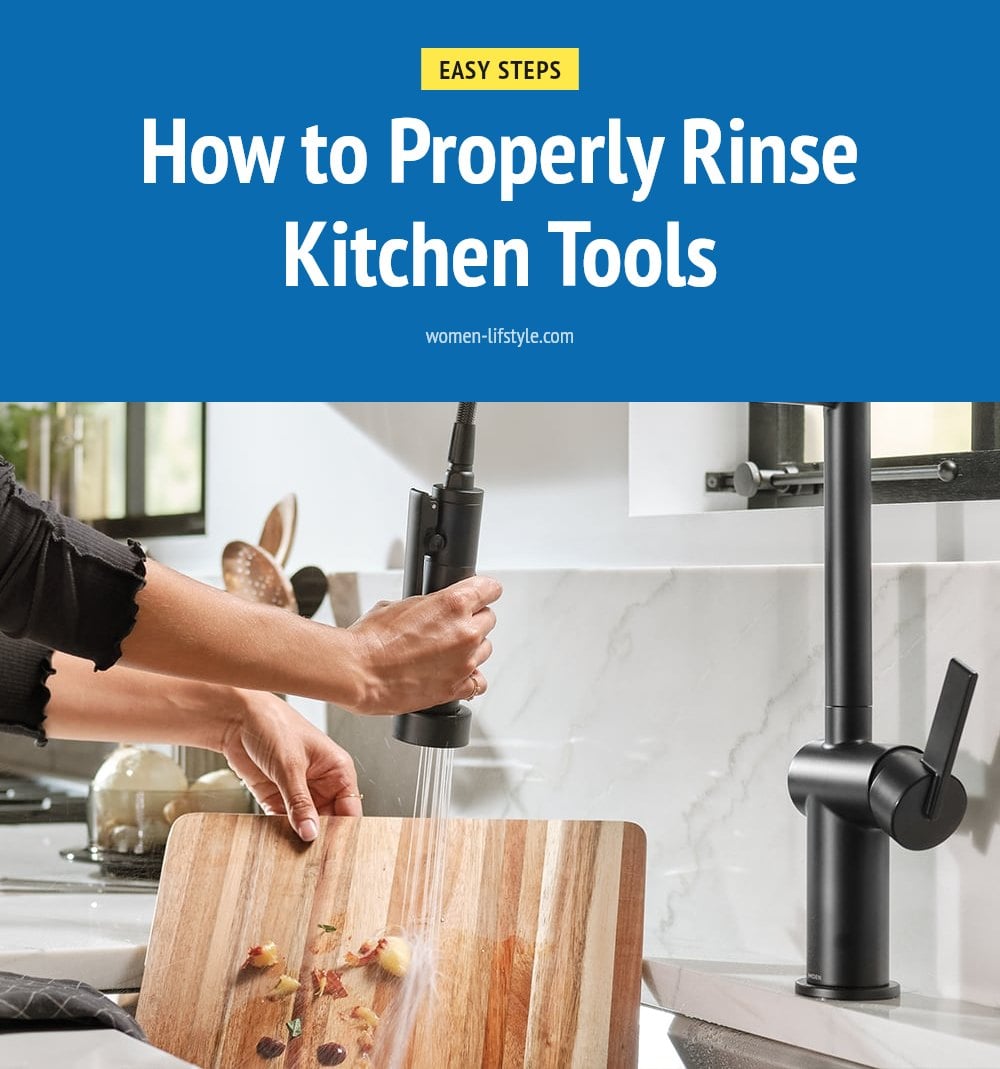
Follow these steps to disinfect your cutting board with bleach safely and effectively.
- Wash the board: Scrub it thoroughly with hot, soapy water to remove all food particles and grease. Pay attention to any grooves.
- Rinse completely: Rinse the board under clean running water to remove all soap residue.
- Prepare the bleach solution: Mix 1 tablespoon of unscented liquid chlorine bleach with 1 gallon of water. Stir well.
- Apply the solution: Cover the entire surface of the clean board with the bleach solution. You can use a sponge or pour it on.
- Let it sit: Allow the solution to remain on the board for 2 to 5 minutes. This gives it time to kill bacteria.
- Rinse thoroughly: Rinse the board again with clean water to remove all bleach residue. Any leftover bleach can be unsafe for food contact.
- Dry completely: Air-dry the board upright or pat it dry with a clean paper towel. Don’t use a dirty cloth, as that can reintroduce bacteria.
Common Disinfecting Mistakes to Avoid
Only washing with soap and water: This removes visible debris but doesn’t kill all harmful bacteria. After cutting raw meat, always follow up with a disinfecting method.
Not rinsing disinfectants thoroughly: Leaving bleach or hydrogen peroxide residue can be unsafe for food contact. Rinse with clean water until no trace of the solution remains.
Using a bleach solution that is too strong or too weak: Too strong leaves unsafe residue, too weak won’t kill bacteria. Stick to 1 tablespoon of unscented liquid chlorine bleach per gallon of water.
Not replacing boards with deep cuts: Grooves harbor bacteria that are impossible to clean. If your board has deep cuts, replace it.
Drying boards with a dirty cloth: This reintroduces bacteria, negating your disinfection efforts. Air-dry or use a clean paper towel.
Using the same board for all food types without proper cleaning: This is a major cause of cross-contamination. Use separate boards for raw meats and ready-to-eat foods.
Preventing Cross-Contamination and Bacteria Buildup

Preventing bacteria buildup starts with how you use and store your boards every day.
- Designate separate cutting boards: Use one for raw meats, poultry, and fish, and another for ready-to-eat foods like vegetables and bread.
- Wash immediately after each use: Don’t let food juices sit on the board. Wash with hot, soapy water right away.
- Replace deeply grooved boards: Once plastic boards develop deep cuts, they become breeding grounds for bacteria that are hard to remove.
- Avoid abrasive scrubbers: These can create more grooves on plastic boards over time. Use a soft sponge or brush instead.
- Store boards properly: Ensure they are completely dry before storing to prevent mold and mildew.
Disinfection Frequency and Time Commitment
Frequency: Disinfect immediately after each use, especially after cutting raw meats, poultry, or fish. For general use with produce, a thorough wash with hot, soapy water is often sufficient, but occasional disinfection is still good practice.
Time: The disinfection process itself, including soaking and rinsing, typically takes 5-10 minutes per board.
Cost: Minimal, using common household items like bleach or hydrogen peroxide, which are inexpensive.
Frequently Asked Questions
Can I use vinegar to disinfect my plastic cutting board?
Vinegar does have some antimicrobial properties, but it is not strong enough to kill all harmful bacteria, especially after raw meat contact. For reliable disinfection, stick with a bleach solution, hydrogen peroxide, or a dishwasher with a sanitize cycle.
How often should I disinfect my plastic cutting boards?
Disinfect immediately after each use, particularly after cutting raw meats, poultry, or fish. For general use with produce, a thorough wash with hot, soapy water is usually enough, but occasional disinfection is still good practice.
What are the signs that I need to replace my cutting board?
Replace your plastic cutting board when it develops deep grooves, cuts, or visible wear that can trap bacteria. These damaged areas are hard to clean thoroughly and can become breeding grounds for germs.
Is it safe to put all plastic cutting boards in the dishwasher?
Most plastic cutting boards are dishwasher safe, but check the manufacturer’s instructions first. High heat from a dishwasher, especially with a sanitize cycle, can effectively disinfect them. However, warping can occur with thin or low-quality boards, so confirm before loading.
Final Thoughts
For everyday safety, make it a habit to disinfect your plastic cutting board right after cutting raw meat, poultry, or fish. The entire process takes just 5 to 10 minutes, and once you get into the routine, it feels effortless. Stick with one reliable method like the bleach solution or dishwasher sanitize cycle, and you’ll keep your kitchen tools in top shape without overthinking it.
This article is for general informational purposes only and does not constitute medical or professional advice. For persistent or serious kitchen hygiene concerns, consult a food safety professional or your local health department.
