

You know that feeling when you walk into a room and just wish you felt a little more sure of yourself? You’re not alone. Confidence isn’t something you’re born with. It’s a skill you can build, one small step at a time. In this article, I’ll share practical, everyday tips to help you recognize your strengths, challenge self-doubt, and feel more secure in your own skin, whether you’re at work, with friends, or just on your own.
Think of confidence as a muscle you can strengthen with practice. It’s not about never feeling nervous; it’s about acting even when you do. Let’s explore what really works.
Key Takeaways
- Confidence is about acting despite fear, not being fearless.
- Set small, achievable goals to build momentum and proof of your abilities.
- Challenge negative self-talk by asking if you’d say it to a friend.
- Practice confident body language like standing tall and making eye contact.
- Surround yourself with supportive people who believe in you.
What Does True Confidence Mean?
Confidence is that inner feeling of self-assurance rooted in your abilities and qualities. It’s not about being fearless; it’s about acting despite fear, trusting that you can handle what comes your way. Building confidence is a journey of recognizing your strengths, challenging negative thoughts, and growing consistently. It’s a skill you can develop over time, not a fixed trait. Each small step you take strengthens your belief in yourself.
1. Identify Your Strengths

Start by listing things you’re good at, even small accomplishments. Acknowledging past successes reinforces your capabilities and builds a strong foundation for self-belief. Keep the list visible and add to it regularly.
- Write down compliments you’ve received.
- Note challenges you’ve overcome.
- Include everyday wins like cooking a new recipe or finishing a book.
2. Set Small, Achievable Goals
Break larger aspirations into tiny, manageable steps. Achieving these small goals provides tangible evidence of your capabilities, boosting your self-efficacy and momentum. For example, if you want to run a 5K, start with a 10-minute walk. Each completed step builds proof that you can succeed.
My tip: Celebrate each small win! It reinforces the positive feeling of accomplishment.
3. Challenge Negative Self-Talk
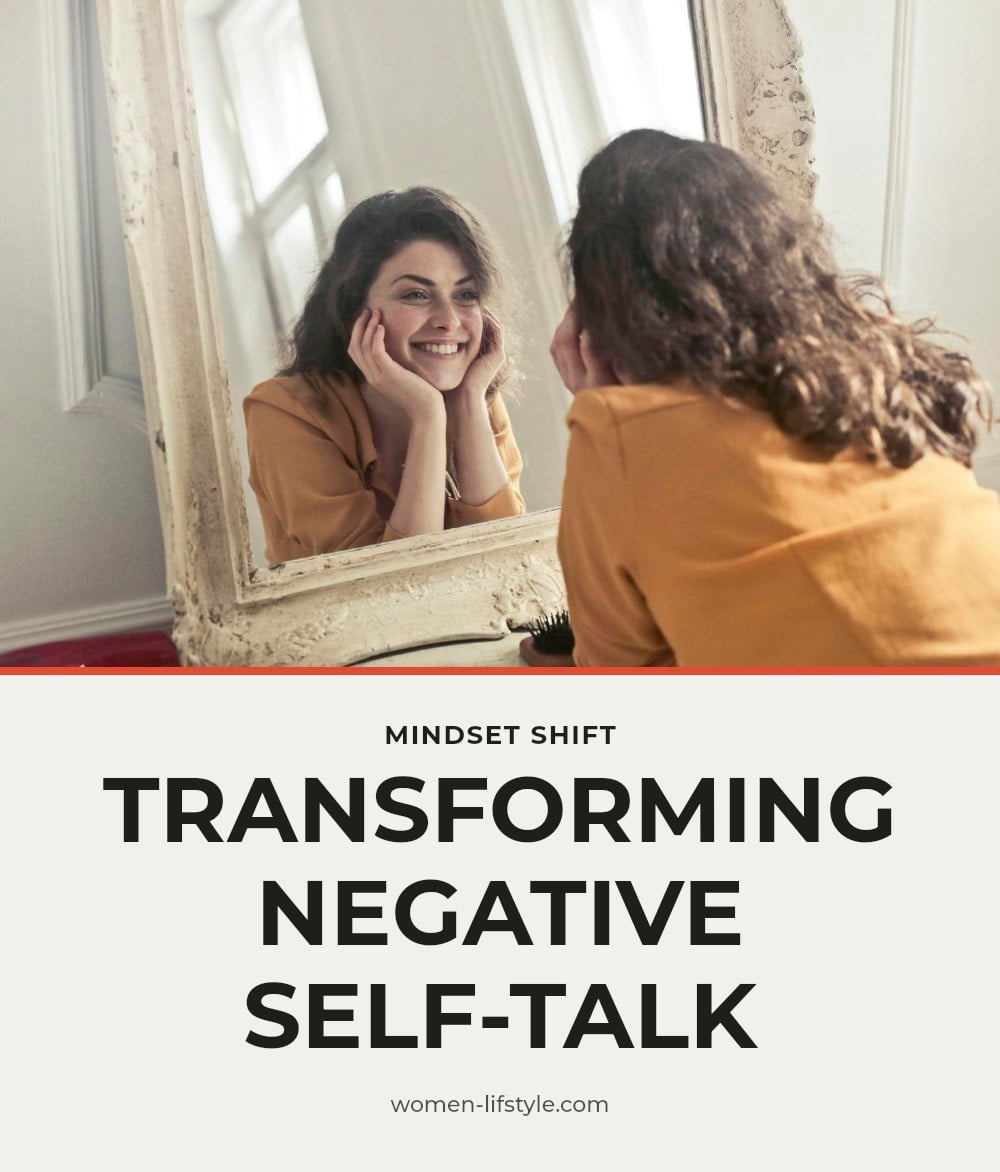
Become aware of critical thoughts and question their validity. Negative self-talk can erode confidence by reinforcing limiting beliefs. Replace those thoughts with kinder, more realistic affirmations to reprogram your subconscious mind. Consistency is key.
My tip: Ask yourself, ‘Would I say this to a friend?’ If not, don’t say it to yourself.
4. Practice Confident Body Language

Stand tall with your shoulders back and maintain steady eye contact during conversations. An open posture, arms uncrossed, chin slightly lifted, signals self-assurance to others and sends the same message to your brain. Research shows these physical cues can actually influence how confident you feel internally.
Tip: Spend a few minutes each morning practicing in front of a mirror. Notice how shifting your stance changes your expression and attitude.
5. Dress to Feel Empowered

Choose outfits that feel comfortable, fit well, and reflect your authentic style. When you feel good in your clothes, it shifts your internal self-perception and radiates outward. The goal is to support your mood and intentions for the day.
Good to know: It is not about trends, it is about what makes you feel great. Keep a few go-to pieces that always give you a boost.
6. Step Outside Your Comfort Zone
Regularly take on small challenges you would usually avoid, like speaking up in a meeting or trying a new route home. Each time you push past discomfort, you prove to yourself that you can handle unfamiliar situations. This builds resilience and slowly expands what you believe you are capable of.
Start with low-stakes risks and build up over time.
7. Learn New Skills

Acquiring a new skill, whether it is a hobby like knitting or a professional skill like public speaking, directly expands your competence and perceived abilities. Each small milestone gives you tangible proof that you can grow and master new things. This creates a concrete foundation for self-belief.
Pro move: Start with something you are genuinely curious about to make the learning process feel like a reward rather than a chore.
8. Cultivate Supportive Relationships
Quick tip: The people you spend time with can either lift you up or drain your confidence. Surround yourself with those who celebrate your wins, offer honest feedback, and believe in you even when you doubt yourself. Supportive relationships give you a safe space to grow and a reality check when your inner critic gets loud.
Pay attention to how you feel after talking to someone. If you feel energized and seen, nurture that connection. If you feel small or judged, consider creating some distance. A strong support system reinforces your self-worth and reminds you that you are capable.
9. Practice Mindfulness
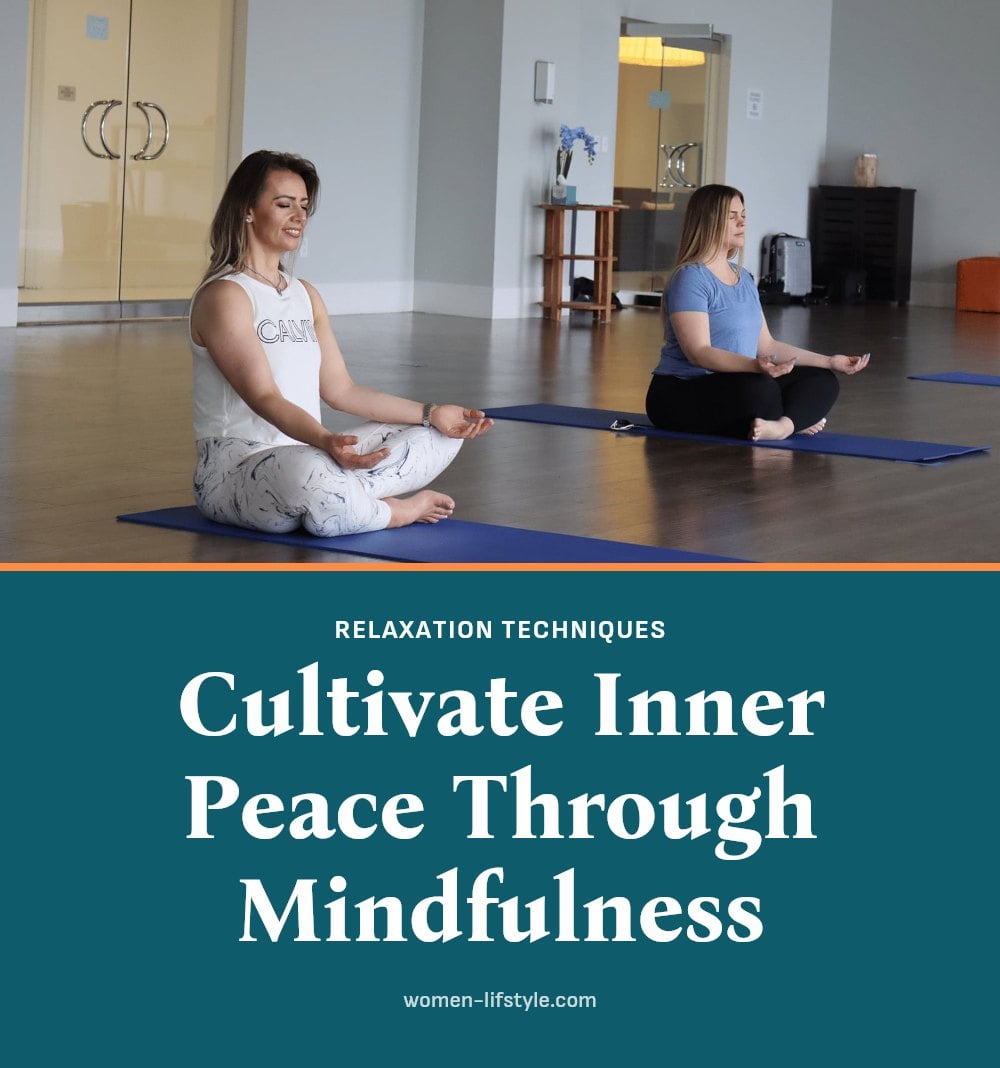
Mindfulness is simply noticing your thoughts and feelings without labeling them as good or bad. When self-doubt creeps in, this awareness lets you catch it early and question whether it’s true. Instead of spiraling into “I can’t do this,” you can observe the thought and let it pass.
Tip: Try a quick 2-minute breathing exercise when you feel doubt rising. Focus on the sensation of air moving in and out. This small pause can stop negative thought loops before they take hold and helps you respond with clarity rather than fear.
10. Prioritize Self-Care
Prioritize Self-Care: When you skimp on sleep, grab processed food on the run, or skip movement for days, your mental clarity and emotional resilience take the first hit. Physical and mental well-being are foundational to confidence because your brain simply cannot generate self-assurance when it is running on empty.
Start with the basics: aim for 7-9 hours of sleep each night, include protein and vegetables at meals, and move your body in a way you enjoy at least three times a week. A 20-minute walk counts. A consistent self-care routine restores the energy you need to tackle challenges, speak up, and trust your abilities. It is not a luxury; it is the battery that powers every other confidence habit.
11. Seek Feedback From Trusted Individuals
Ask a few people you trust, a close friend, a family member, or a mentor, for their honest perspective on what you do well and where you could grow. Their outside view often highlights strengths you overlook and softens the harsh self-criticism you might carry. Keep it simple: say, “I’m working on my confidence, and I’d value your honest take on my strengths.” The goal isn’t to seek praise but to get a balanced reality check that counters your inner critic.
Good to know: Choose people who know you in different contexts. A work colleague and a personal friend, for example. Their combined feedback gives a fuller picture of your capabilities.
Common Confidence Traps to Avoid
Believing confidence means no fear: Many people think confidence equals never feeling nervous. True confidence is acting despite fear, not being fearless. Embrace those nerves as a sign you care about the outcome.
Expecting instant results: Building confidence is a journey, not a destination. Expecting overnight change sets you up for disappointment. Celebrate small progress and be patient with yourself.
Focusing only on external validation: Praise from others feels good, but genuine confidence comes from within. Prioritize your own self-worth over other people’s opinions. External approval is temporary; internal belief lasts.
Comparing yourself to others: Social media feeds show curated highlights, not real life. Comparing your behind-the-scenes to someone else’s highlight reel erodes confidence. Focus on your unique path and progress.
Avoiding new experiences: Fear of failure can keep you stuck in the same routines. Embrace new challenges as opportunities for growth, even if you stumble. Each attempt builds resilience.
Neglecting physical well-being: Poor sleep, skipping meals, or avoiding exercise can affect your mental clarity and confidence. Many people find that caring for their body supports their mindset. Prioritize self-care as a foundation.
Frequently Asked Questions
What is the difference between confidence and self-esteem?
Confidence is about your belief in your ability to perform a specific task or achieve a goal, like giving a presentation or learning a new skill. Self-esteem is a broader feeling of your overall self-worth. You can be confident in one area (like cooking) while still working on your general self-esteem.
How can I stop comparing myself to others?
It takes practice. Start by limiting your time on social media, where people often share only the highlights of their lives. When you catch yourself comparing, gently redirect your focus to your own progress and accomplishments. Remind yourself that everyone’s journey is different, and you’re only seeing a curated version of theirs.
Can body language really make me feel more confident?
Yes, research suggests that adopting confident body language, like standing tall, keeping your shoulders back, and making eye contact, can actually influence how confident you feel. It sends a signal to your brain that you are in control. It’s not a magic fix, but it’s a simple tool that many people find helpful.
Final Thoughts
If you take one thing away from this, let it be this: start small. Pick just one tip from this list, like writing down one strength each morning or practicing a power pose for two minutes. Consistency matters more than perfection. You won’t feel like a different person overnight, but over weeks and months, these small actions add up to real, lasting change in how you see yourself.
Building confidence is a journey, not a destination. Be patient with yourself, celebrate every tiny win, and remember that every step forward counts. You’ve got this.
This article is for general informational purposes only and does not constitute professional advice. If you are experiencing persistent or overwhelming feelings of low confidence, or if these feelings are accompanied by symptoms of depression or anxiety, please consult a mental health professional. The tips here are meant to support your journey, not replace professional guidance.
