Feeling stuck or overwhelmed by the idea of changing your routine? You are not alone. The secret to lasting change is not willpower but building smarter habits. This article walks you through 11 practical daily habits that can transform your life, from starting small to staying consistent, with tips that make the process easier and more sustainable.

Key Takeaways
- Start with one small habit at a time to avoid overwhelm.
- Use habit stacking to attach new habits to existing ones.
- Design your environment with visible cues for desired habits.
- Track consistency, not perfection, to build momentum.
- Expect habit formation to take 18 to 254 days, averaging 66 days.
Ready to Build Habits That Stick?
Building positive habits isn’t about willpower alone; it’s about understanding how they form and setting realistic goals. When you consistently practice a new behavior, it eventually becomes automatic. The key is to start small, be patient, and focus on consistency over perfection. Gradually integrate changes into your daily life, and you’ll see lasting impact. Remember, it’s not about being perfect every day; it’s about showing up for yourself again and again.
1. Start with One Small Habit
Focus on integrating just one new habit at a time. Trying to overhaul your entire routine at once is a common pitfall that leads to overwhelm and giving up.
My tip: Choose something incredibly small, like drinking a glass of water first thing in the morning, rather than aiming for a complete diet change. This makes it easier to achieve consistency, which is crucial for the habit to take root. Once that feels automatic, you can add another.
2. Make It Obvious and Visible

Place cues for your desired habit in visible locations in your environment. You’re more likely to act when the trigger is right in front of you.
For example, if you want to read more, put a book on your pillow. If you want to take vitamins, leave the bottle next to your coffee maker. This leverages the ‘cue’ part of the habit loop, making the behavior almost unavoidable.
3. Attach New Habits to Old Ones
Use habit stacking by adding a new habit immediately before or after an existing, well-established habit. This links the new behavior to an automatic one, providing a natural trigger.
For instance, after I brush my teeth, I immediately take my supplements. The brushing is already automatic, so it serves as a reminder. This makes the new habit easier to remember and perform consistently.
4. Make Your Habit Easy
Reduce the friction and effort needed to perform your new habit. The easier you make it, the more likely you are to do it, especially when motivation is low. If you want to exercise in the morning, lay out your workout clothes the night before. If you want to eat healthier, pre-chop vegetables on Sunday so they are ready to grab.
My tip: Remove any small barriers that slow you down. For a reading habit, keep your book on your nightstand instead of in another room. For a water-drinking habit, fill a pitcher and keep it on your desk.
5. Reward Yourself for Progress
Make your desired habit satisfying by associating it with a positive feeling or reward. This reinforces the habit loop: cue, routine, reward. The reward does not have to be big or expensive. It could be a moment of quiet enjoyment, a cup of tea, or simply checking off a box on your to-do list.
Tip: I track my habits in a journal, and seeing those checkmarks is a reward in itself. The visual progress gives me a small sense of accomplishment that keeps me going. Choose a reward that feels genuine to you.
6. Track Your Consistency, Not Perfection
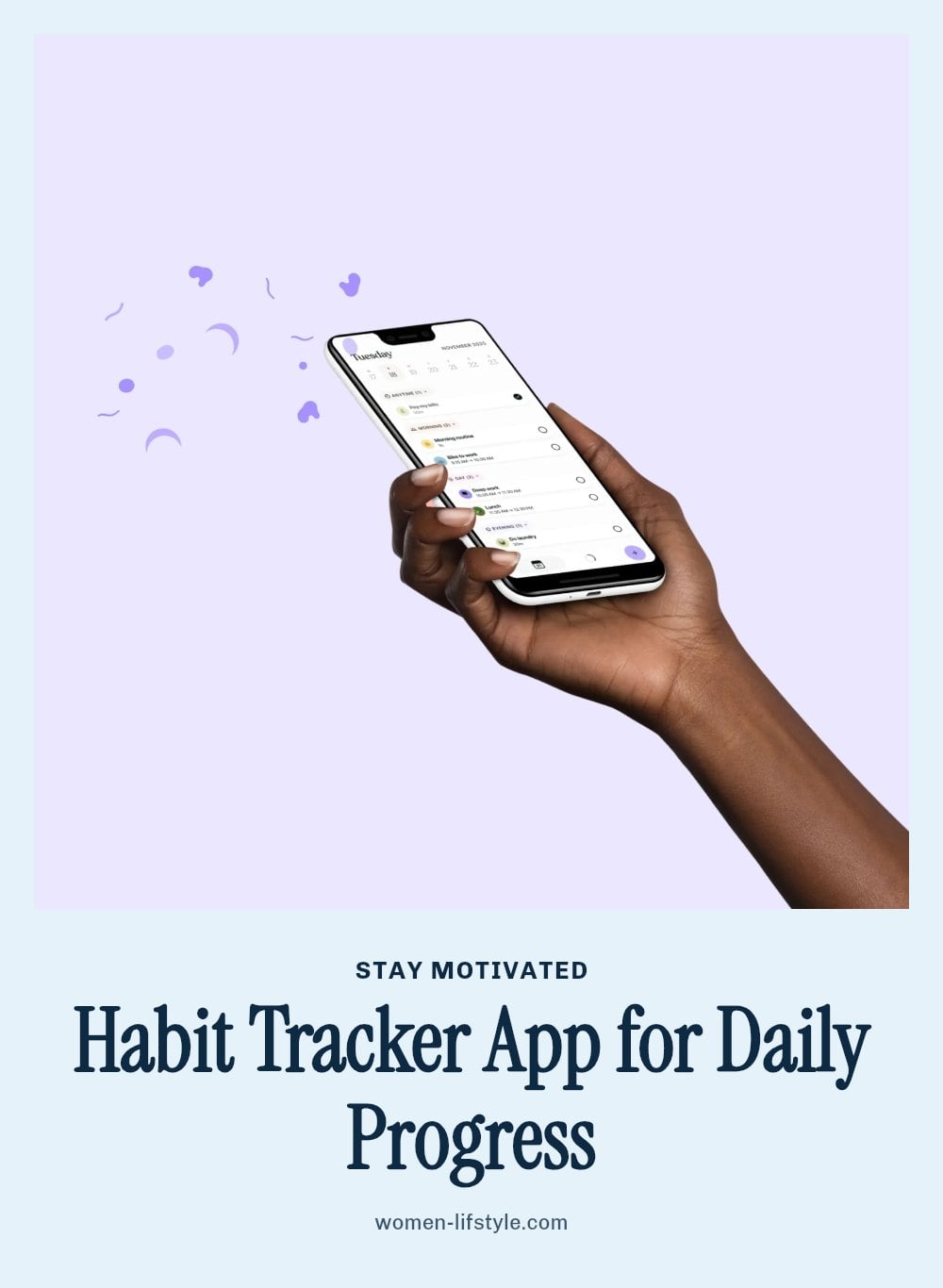
Tracking your progress, even in a simple way, reinforces new habits and provides motivation. Whether you use a habit tracker app, a calendar, or a notebook, seeing your progress builds momentum. Each mark is a small win that encourages you to continue.
Remember, consistency over time is more important than perfection. Missing a day or two does not derail your progress. The goal is to get back on track as soon as you can. A missed day is just a blip, not a failure.
7. Plan for Setbacks and Rebound
It is inevitable that you will miss a day or have a setback. The key is how you respond. Practice self-compassion and get back on track immediately, without judgment. Beating yourself up only makes it harder to restart.
Good to know: I tell myself, ‘One missed day does not define my journey.’ The goal is to not miss twice in a row. A single slip does not erase the progress you have made. Just start again the next day.
8. Identify and Replace Negative Habits

To replace a negative habit, start by identifying its cue and reward. The cue triggers the routine, and the reward is what you get from it, like a feeling of calm or relief. Once you know the cue, you can choose a different routine that delivers a similar reward.
- Identify the cue: Notice what happens right before the habit, such as a time of day, an emotion, or a location.
- Choose a replacement: If stress eating is your routine, try a short walk or meditation instead for the same calming effect.
- Test the swap: Experiment for a few days to see if the new routine satisfies the same need.
9. Cultivate Mindfulness
Mindfulness practices help you recognize the moment a habit cue appears, giving you a split second to choose a different response. By being present, you catch the automatic reaction before it happens and can intentionally select a new behavior.
Pro move: Even a few minutes of mindful breathing can create that space. When you feel the urge to act on an old habit, pause and take three slow breaths. That brief pause is often enough to let you decide what to do next.
10. Find an Accountability Partner
Sharing your habit goal with someone else creates a sense of commitment and external motivation. An accountability partner or group can significantly increase how consistently you stick with the new behavior.
Quick tip: Even a weekly check-in with a friend can make a huge difference in staying on track. You can send a quick text, share a progress screenshot, or have a short call. Knowing someone else is expecting an update often helps you follow through.
11. Be Patient and Persistent
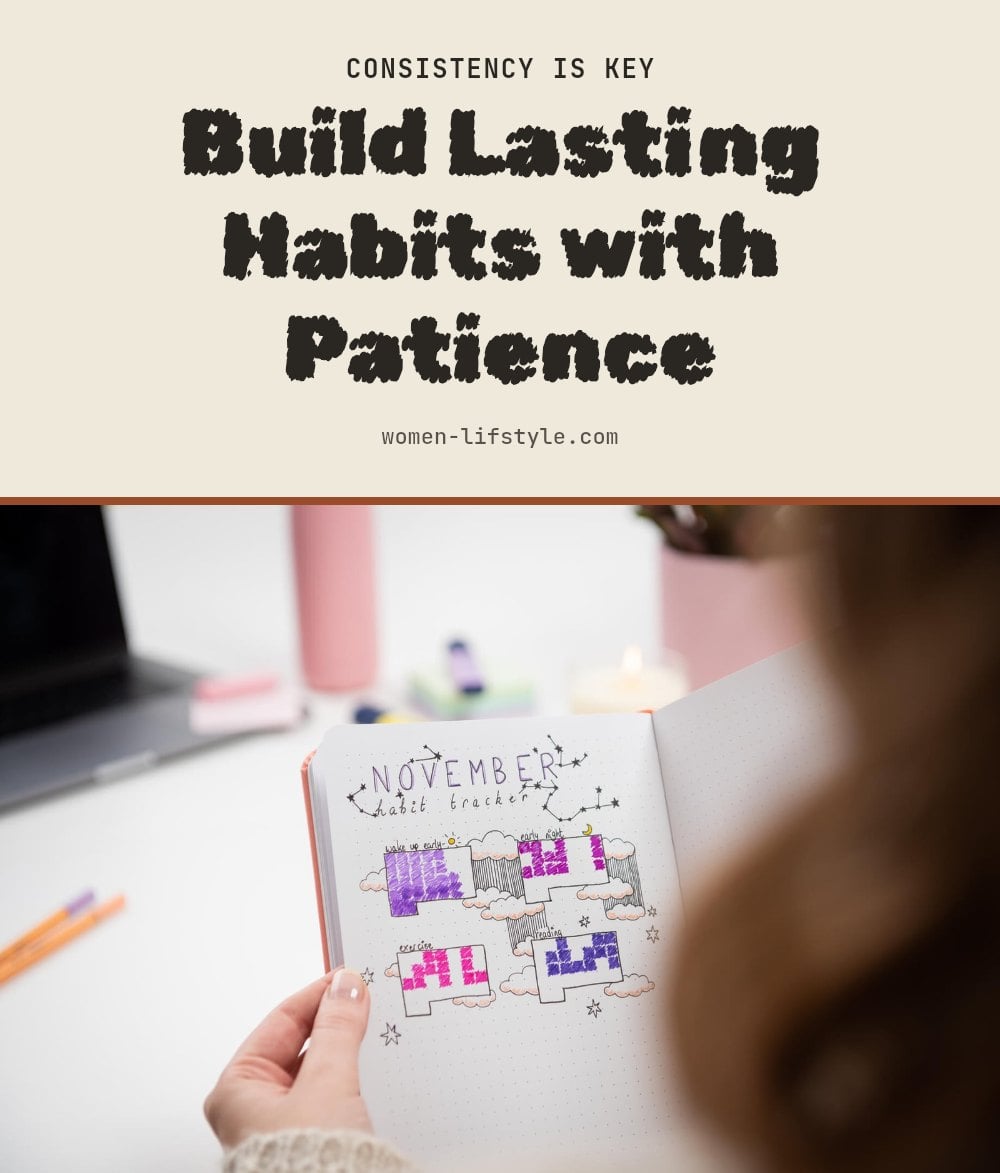
Habit formation takes time, and the timeline varies widely. It can take anywhere from 18 to 254 days for a new behavior to become automatic, with an average of 66 days. Patience and persistence are essential because lasting change does not happen overnight.
Celebrate small wins along the way to maintain motivation. Completing your habit for three days in a row, for example, is a real achievement. Acknowledging those moments helps you keep going, even when progress feels slow.
When to Seek Professional Support
If your new habit involves physical activity or dietary changes, check with a healthcare professional first, especially if you have underlying health conditions. A doctor or registered dietitian can help you set safe, realistic goals that fit your individual needs.
Pay attention to your mental health during the process. If habit formation starts causing excessive stress, anxiety, or negatively impacts your well-being, step back and re-evaluate your approach. Consider speaking with a therapist or counselor for guidance.
Avoid extreme or restrictive habits that could harm your physical or mental health. A professional can help you identify balanced, sustainable choices rather than quick fixes that backfire.
Frequently Asked Questions
How long does it really take to form a new habit?
It can take anywhere from 18 to 254 days, with an average of 66 days, for a new behavior to become automatic. The timeline varies widely depending on the person and the habit. Be patient and focus on consistency over speed.
What if I miss a day or two of my new habit?
Missing a day or two does not derail habit formation. What matters is that you get back on track as soon as possible. Practice self-compassion and avoid letting one slip become a reason to quit. Consistency over time is more important than perfection.
Can I change multiple habits at once?
It is generally best to start with one new habit at a time. Trying to change too many at once can lead to overwhelm and reduce your chances of success. Once a new habit feels automatic, you can add another.
How do I choose which habits to start with?
Choose a habit that is small, specific, and meaningful to you. Consider what will have the most positive impact on your daily life. Starting with something easy, like drinking a glass of water in the morning, builds momentum for bigger changes.
What role does environment play in habit formation?
Your environment has a powerful influence on behavior. Placing cues for desired habits in visible spots, like a book on your pillow, makes it easier to act. Reducing friction, such as laying out workout clothes, also supports habit formation.
Final Thoughts
Choose one small habit that feels almost too easy, and commit to doing it daily, even if it takes just a few minutes. Remember that setbacks are normal; what matters is getting back on track. With patience and consistency, you can build habits that stick. Start today, and let each small win motivate you to keep going.
This article is for general informational purposes only and is not a substitute for professional medical or mental health advice. Before starting any new physical activity or dietary habit, consult with a healthcare professional, especially if you have underlying health conditions. If you experience excessive stress or anxiety, seek support from a qualified professional.