

Feeling sluggish in the middle of the day? You’re not alone. A well-timed nap can be a game-changer for your energy and focus, but only if you do it right. This article walks you through the best nap lengths, timing, and environment to help you wake up feeling refreshed, not groggy.
Key Takeaways
- Keep power naps to 10-20 minutes to avoid sleep inertia.
- Nap between 1 PM and 3 PM to protect nighttime sleep.
- Use a 90-minute nap for a full sleep cycle boost.
- Try a caffeine nap: coffee before a short nap.
- Naps cannot replace consistent, adequate nighttime sleep.
The Secret to Effective Napping
The most effective naps are short, timed right, and done with purpose. Keep a power nap to 10-20 minutes so you wake up before your brain enters deep sleep, which causes that groggy feeling. Early afternoon, between 1 PM and 3 PM, works best because it aligns with your natural energy dip and leaves enough distance from your bedtime to avoid sleep disruption. Done right, a nap can sharpen your focus, lift your mood, and help you think more clearly for the rest of the day.
1. Aim for a Power Nap (10-20 Minutes)
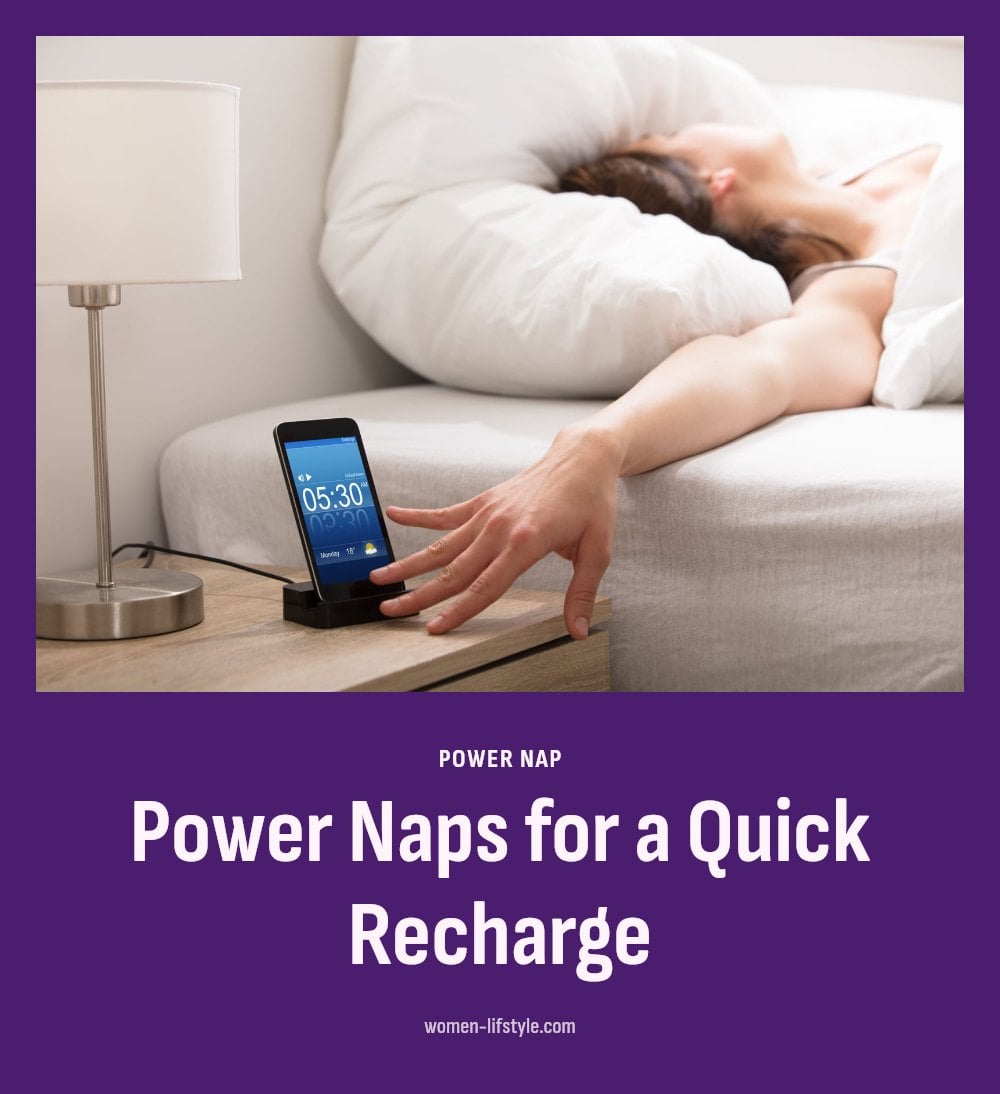
A power nap of 10-20 minutes is your best bet for a quick energy lift without the fog. Staying in light sleep stages means you wake up alert, not groggy.
My tip: Set an alarm and stick to it. It is surprising how much a short nap can do when you commit to the timer.
- Boosts alertness and motor performance almost immediately
- Keeps you in lighter sleep stages, so you avoid sleep inertia
2. Time Your Nap in the Early Afternoon
Aim to nap between 1 PM and 3 PM. This window aligns with your body’s natural post-lunch energy dip, making it easier to fall asleep quickly and wake up refreshed.
Napping too close to bedtime can interfere with your nighttime sleep. If your bedtime is 10 PM, avoid napping after 4 PM to give your body enough time to build sleep pressure.
- Early afternoon naps work with your circadian rhythm
- Keep naps at least 4-6 hours before your usual bedtime
3. Create a Dark, Quiet, and Cool Environment

Your nap environment matters as much as the timing. A dark, quiet, and cool room signals your brain that it is time to rest, helping you fall asleep faster.
Use an eye mask to block light and earplugs to muffle noise. Set the thermostat a degree or two lower than your daytime comfort level; a slightly cooler room speeds up sleep onset.
- Darkness boosts melatonin production
- Cooler temperatures help your body drop into sleep mode
4. Consider a 90-Minute Nap for Full Cycle
When you have the time and want a deeper refresh, aim for a 90-minute nap. This length lets you move through a full sleep cycle, including light, deep, and REM sleep, which supports creativity and memory consolidation.
Unlike a power nap, you are less likely to wake up groggy because you finish at the end of a cycle rather than in the middle of deep sleep. Keep in mind this is a bigger time commitment, so reserve it for weekends or days when your schedule allows.
5. Try a ‘Caffeine Nap’

Try a caffeine nap: drink a cup of coffee right before a 10-20 minute nap. The caffeine takes about 20 minutes to reach full effect, so you wake up just as its alerting boost kicks in.
This combo may leave you more alert and less groggy than a nap alone. My tip: keep the coffee nearby before you lie down, and set your alarm so the caffeine and wake-up time align.
6. Don’t Rely on Naps to Replace Night Sleep
Naps can help you get through a rough night or a tough day, but they are not a substitute for consistent, adequate nighttime sleep. Chronic sleep deprivation carries health risks that short naps cannot fully fix.
Think of napping as a booster, not a replacement. If you regularly rely on naps to function, that is a sign to examine your nighttime sleep habits or talk to a doctor.
7. Listen to Your Body’s Cues
Nap when you genuinely feel tired, not because the clock says it is nap time. Forcing sleep often backfires and leaves you frustrated.
If you are not sleepy, a quiet rest period can still help, though it is not a true nap. Pay attention to your natural energy dips during the day, and schedule rest around those moments.
8. Set a Gentle Alarm
Choose an alarm with a gentle sound or vibration instead of a loud, jarring ring. A sudden noise can disrupt the peaceful state you wake in and leave you feeling groggier than the nap itself.
Set your alarm for the full nap duration you planned, and place it slightly out of reach so you have to sit up to turn it off.
My tip: Test a few different alarm sounds over a few days. You will quickly find which one eases you awake without that jolt.
9. Get Back to Your Day Quickly
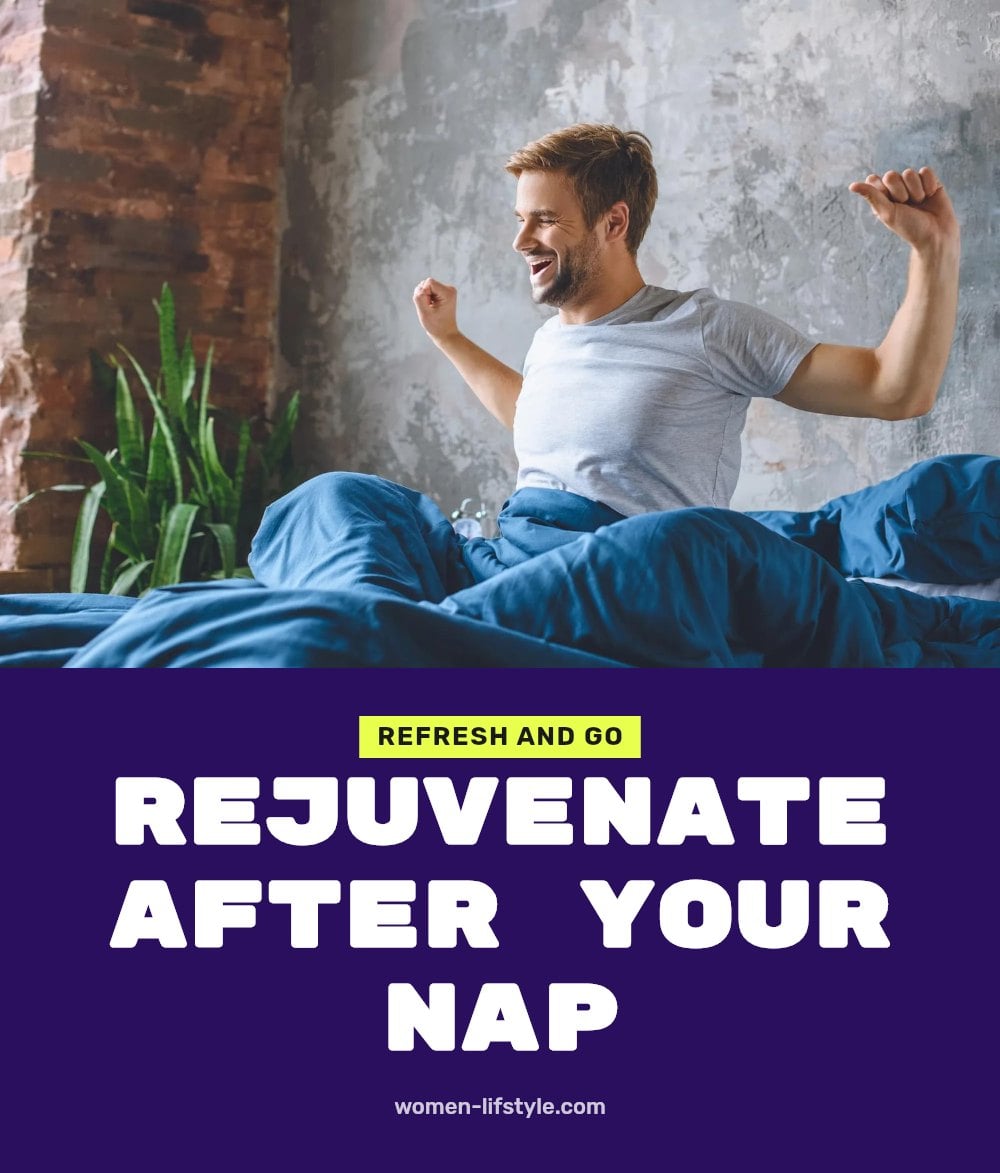
When your alarm goes off, get up and move within a minute or two. Staying in bed after waking makes it harder to shake off residual sleepiness and signals your brain to keep resting.
Stand up, stretch your arms overhead, and take a few slow breaths. A splash of cold water on your face or a short walk around the room can also help your body transition back to full alertness.
Keep the lights on and avoid crawling back under the blanket, even if you still feel tired.
10. Understand the ‘Sleep Inertia’ Effect
Naps longer than 30 minutes can sometimes lead to sleep inertia, that heavy, disoriented feeling right after waking. It happens because your brain moves into deeper sleep stages, and the transition back to full alertness takes time.
If you often wake up groggy from shorter naps, try shortening them to 10-20 minutes or moving them earlier in the afternoon. A 90-minute nap is the exception: it lets you complete a full sleep cycle, so you wake at a lighter stage and are less likely to feel foggy.
Adjust your nap length based on how you feel, and keep a consistent schedule to help your body adapt.
11. Naps Can Boost Mood and Reduce Stress
A short nap can do more than restore physical energy, it can lift your mood and lower stress. Even 10-20 minutes of rest gives your brain a mental reset, helping you feel calmer and more positive afterward.
Many people find that a nap reduces irritability and improves their ability to handle daily challenges. This makes napping a valuable tool for overall well-being, not just for staying alert.
If you feel emotionally drained or overwhelmed, a quick nap may be exactly what you need to reset.
When to Talk to a Professional About Naps
If you consistently need a nap to get through the day, or if napping starts interfering with your nighttime sleep, it is worth talking to a healthcare professional. This pattern can point to an underlying sleep disorder or another medical condition that deserves attention. Occasional naps are fine, but they should support your overall sleep health, not complicate it. My tip: keep a simple sleep diary for a week or two before your appointment, noting when you nap, how long you sleep at night, and how rested you feel. That information helps your doctor give more useful guidance. Always bring up persistent sleep concerns with your doctor rather than trying to manage them on your own.
Frequently Asked Questions
Can naps replace a full night’s sleep?
No, naps cannot fully replace consistent, adequate nighttime sleep. They can help compensate for occasional sleep loss, but chronic sleep deprivation has health risks that short naps won’t fix. Think of napping as a temporary boost, not a substitute for your nightly rest.
How do I stop feeling groggy after a nap?
To avoid grogginess, keep your nap under 30 minutes, ideally 10-20 minutes, so you stay in light sleep. Set a gentle alarm to wake you on time, and get up and move shortly after waking. If you still feel groggy, try shortening your nap or napping earlier in the day.
Is it bad to nap every day?
Regular napping isn’t necessarily bad, but it may not suit everyone. If you have insomnia or another sleep disorder, daily naps can disrupt nighttime sleep. If you find you need a nap every day to function, it’s a good idea to discuss it with a healthcare professional to rule out underlying issues.
What is a caffeine nap?
A caffeine nap involves drinking a cup of coffee right before a short nap of 10-20 minutes. The caffeine takes about 20 minutes to kick in, so you wake up as its alerting effect peaks. This combination may leave you more alert and less groggy than a nap alone.
Final Thoughts
For a quick energy boost, aim for a 10-20 minute power nap in the early afternoon, in a dark, quiet, cool space. If you have more time and want a deeper refresh, a 90-minute nap can support memory and creativity. Remember, naps are a booster, not a replacement for quality nighttime sleep. If you find yourself needing naps daily, or they disrupt your nights, it’s wise to chat with a healthcare professional.
This article is for general information only and is not medical advice. If you have persistent sleep problems, or if napping interferes with your nighttime rest, consult a healthcare professional or sleep specialist. They can help identify any underlying conditions and guide you on healthy sleep habits.
