

If your doctor recently told you your cholesterol numbers need attention, you are not alone. The good news is that what you eat every day can make a real difference. This article covers which foods help lower LDL (bad) cholesterol and which ones to limit or avoid, along with simple lifestyle tweaks that support better numbers.
I will walk you through the key food groups, how to read labels for hidden fats, and the common mistakes that trip people up. By the end, you will have a clear, practical plan you can start using today.
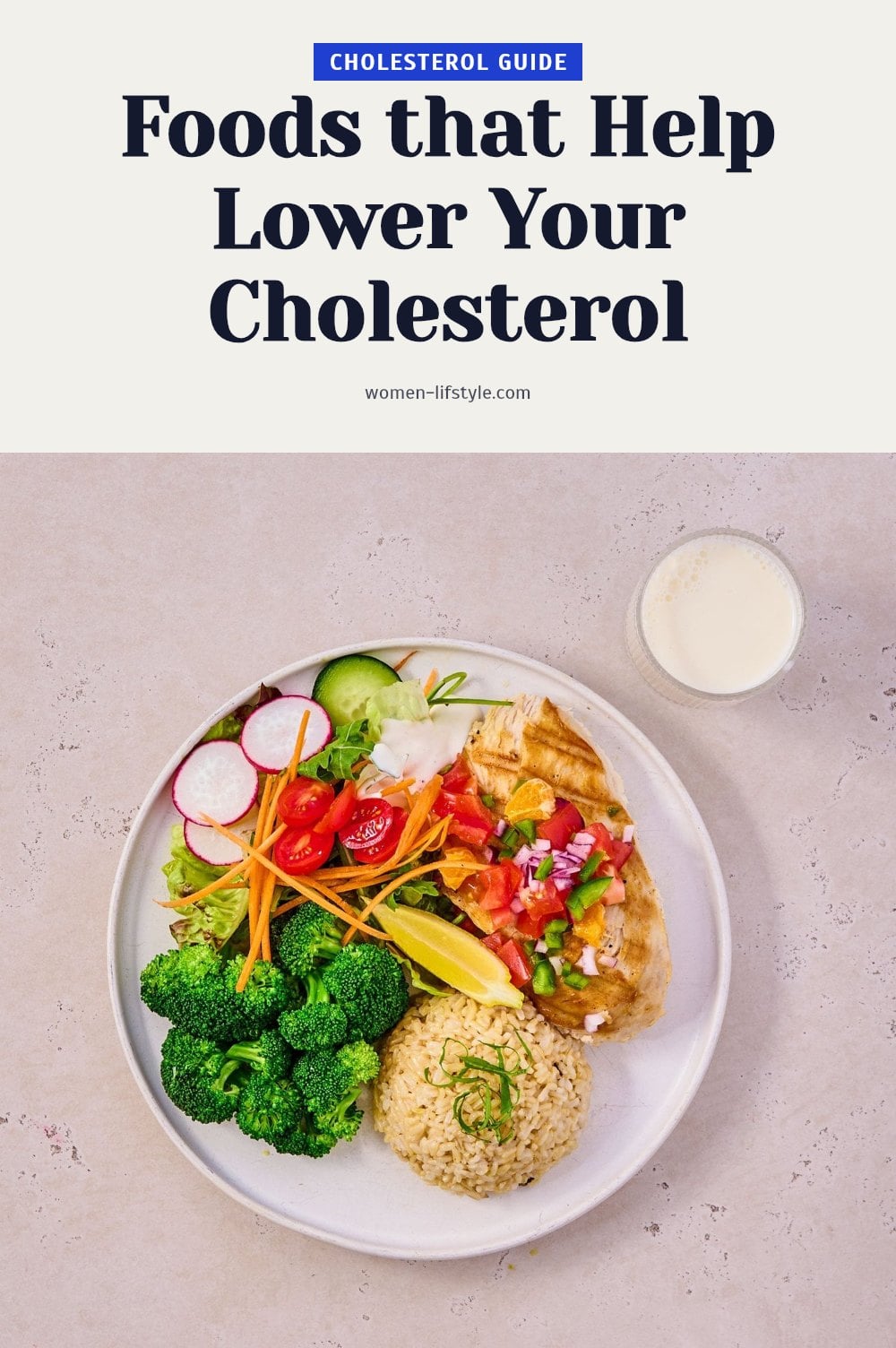
Key Takeaways
- Focus on soluble fiber from oats, barley, apples, beans, and lentils to help remove cholesterol from your body.
- Choose lean proteins like fish, skinless poultry, tofu, and legumes instead of fatty red meat.
- Limit saturated fats from red meat and full-fat dairy; avoid trans fats found in fried and baked goods.
- Aim for at least 150 minutes of moderate exercise per week to raise good HDL cholesterol.
- Check food labels for saturated and trans fats, not just total fat or cholesterol content.
What is Cholesterol and Why Does it Matter?
Cholesterol is a waxy, fat-like substance your body needs to build cells and make hormones, but too much of the ‘bad’ LDL type can cause plaque to build up in your arteries. That buildup raises your risk of heart disease and stroke. The good news: what you eat matters a lot. Cutting back on saturated and trans fats while adding more soluble fiber can make a real difference in your cholesterol levels.
1. Prioritize Soluble Fiber Rich Foods
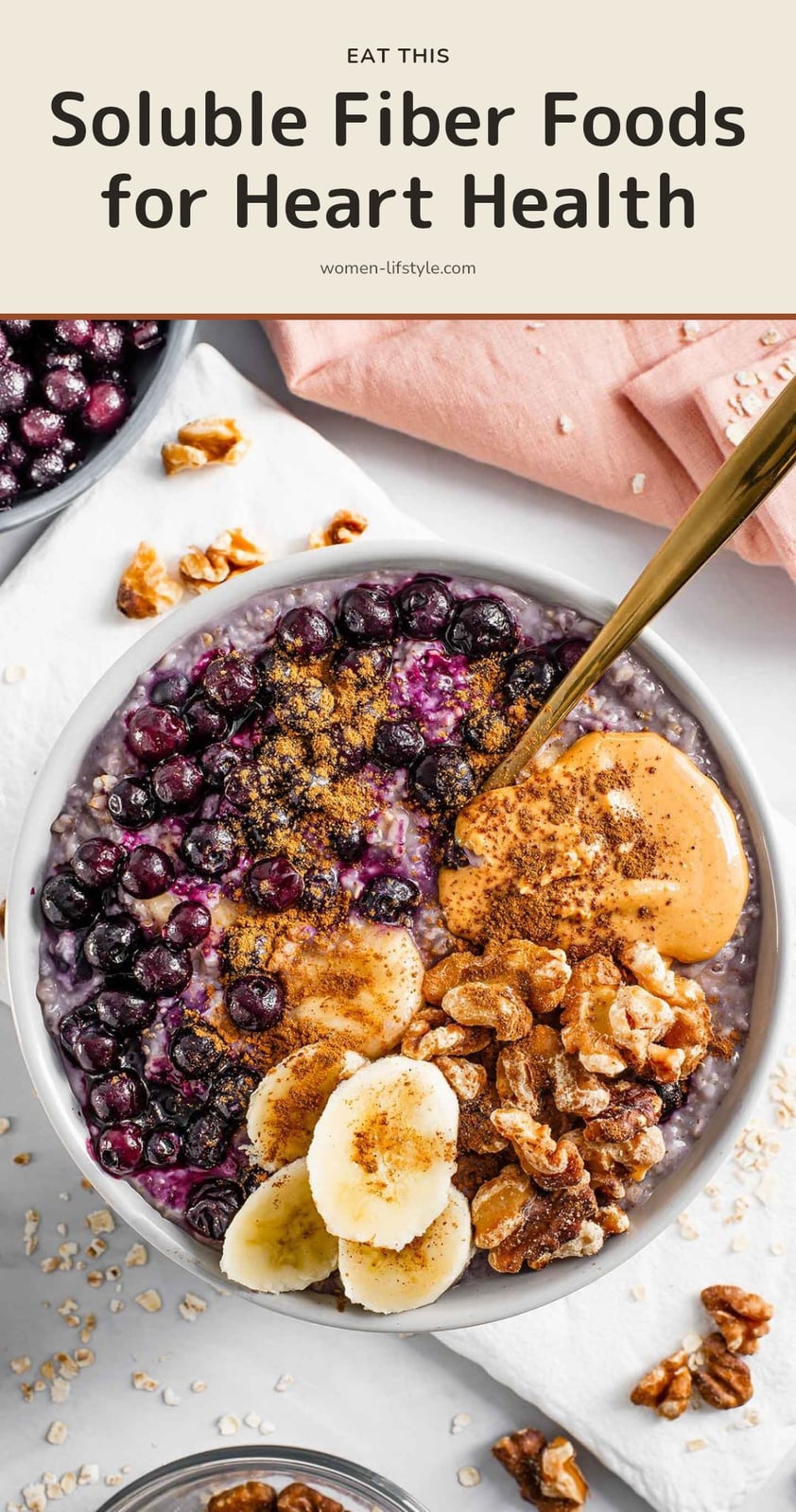
Soluble fiber acts like a sponge in your digestive tract, binding to cholesterol and helping your body excrete it instead of absorbing it into your bloodstream. Great sources include oats, barley, apples, pears, beans, and lentils.
- Start your day with a bowl of oatmeal topped with sliced apple or pear.
- Add beans to soups, salads, or grain bowls for an easy fiber boost.
- Snack on a handful of almonds or a piece of fruit to up your daily intake.
My tip: Keep canned beans and rolled oats on hand so you can add them to meals without extra prep time.
2. Choose Lean Protein Sources
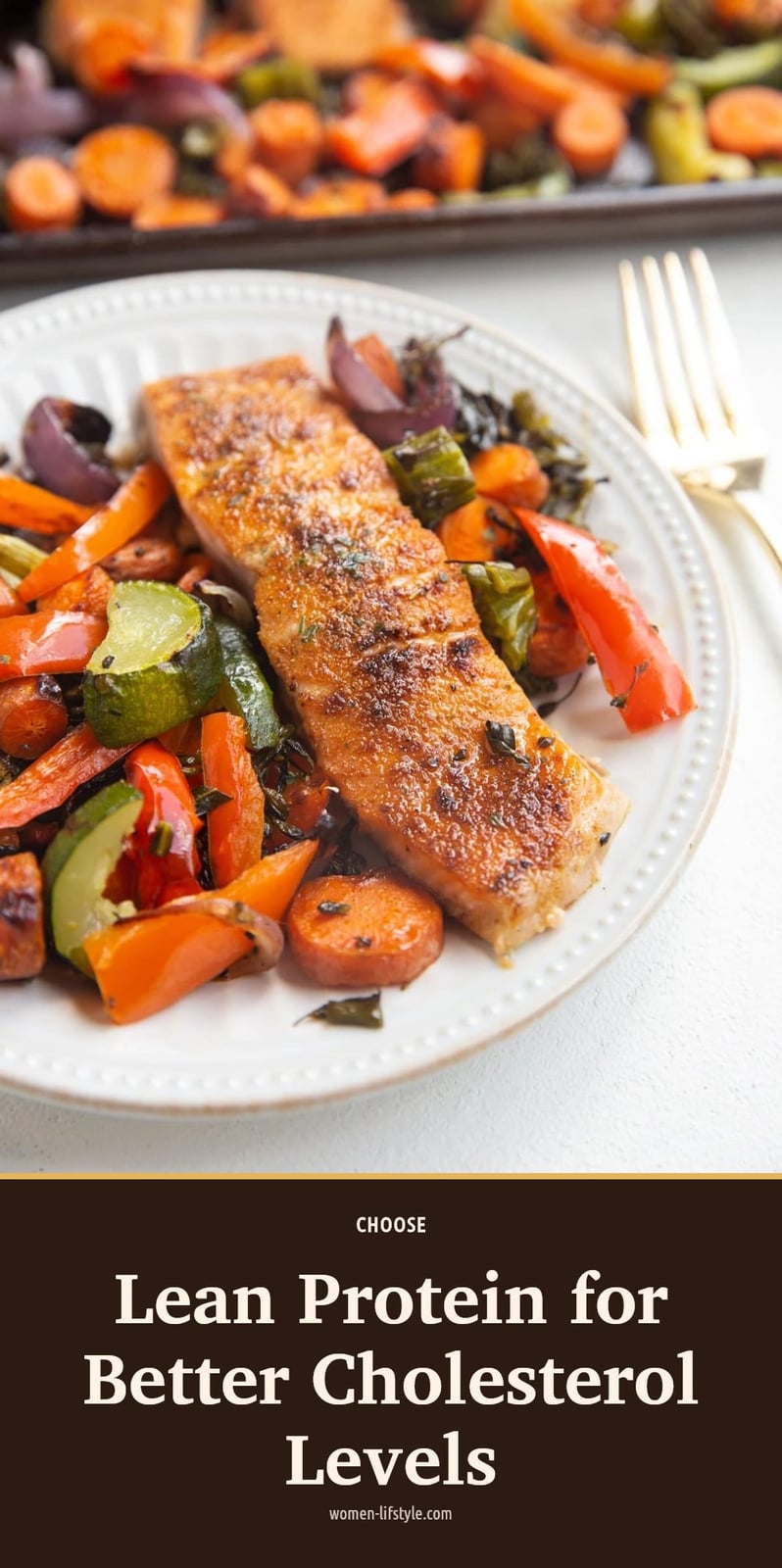
Choosing lean proteins helps you avoid the saturated fats that can raise LDL cholesterol. Fish, skinless poultry, tofu, and legumes are excellent options that keep your heart in mind.
- Go for fatty fish like salmon or mackerel twice a week. Their omega-3 fatty acids may help lower triglycerides and offer a small benefit for HDL, the ‘good’ cholesterol.
- Swap red meat for chicken or turkey breast without the skin.
- Try plant-based proteins like lentils, chickpeas, or tofu in place of meat a few times a week.
3. Incorporate Healthy Fats
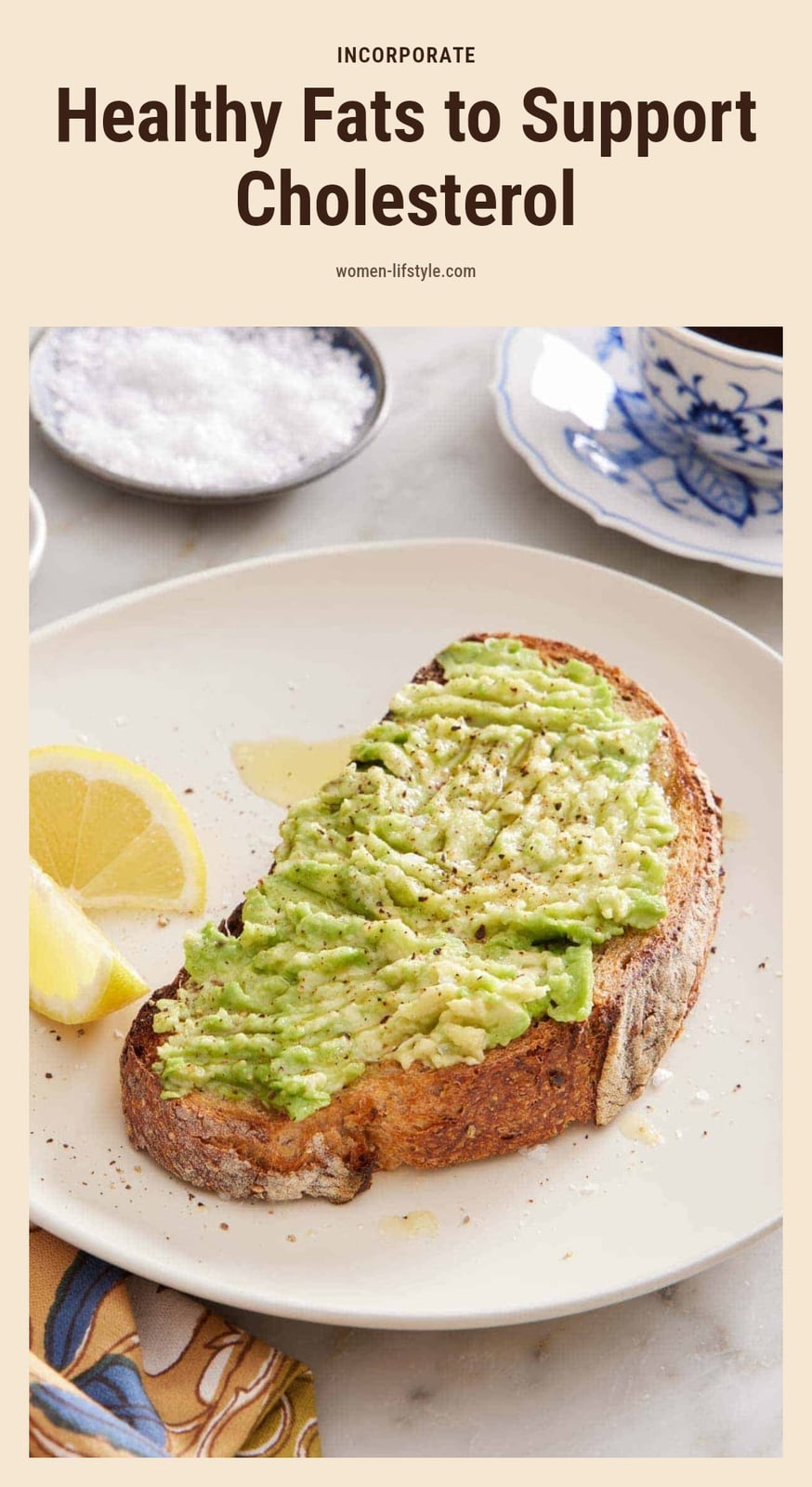
Not all fats are bad. Monounsaturated and polyunsaturated fats from avocados, nuts, seeds, and olive oil can actually help lower your LDL cholesterol and improve your overall cholesterol profile.
- Cook with olive oil instead of butter or lard.
- Snack on a handful of almonds, walnuts, or pumpkin seeds.
- Add avocado to salads, sandwiches, or toast for a creamy, heart-healthy boost.
My tip: Keep a small container of mixed nuts in your bag for a quick, satisfying snack that won’t derail your cholesterol goals.
4. Eat Plenty of Fruits and Vegetables
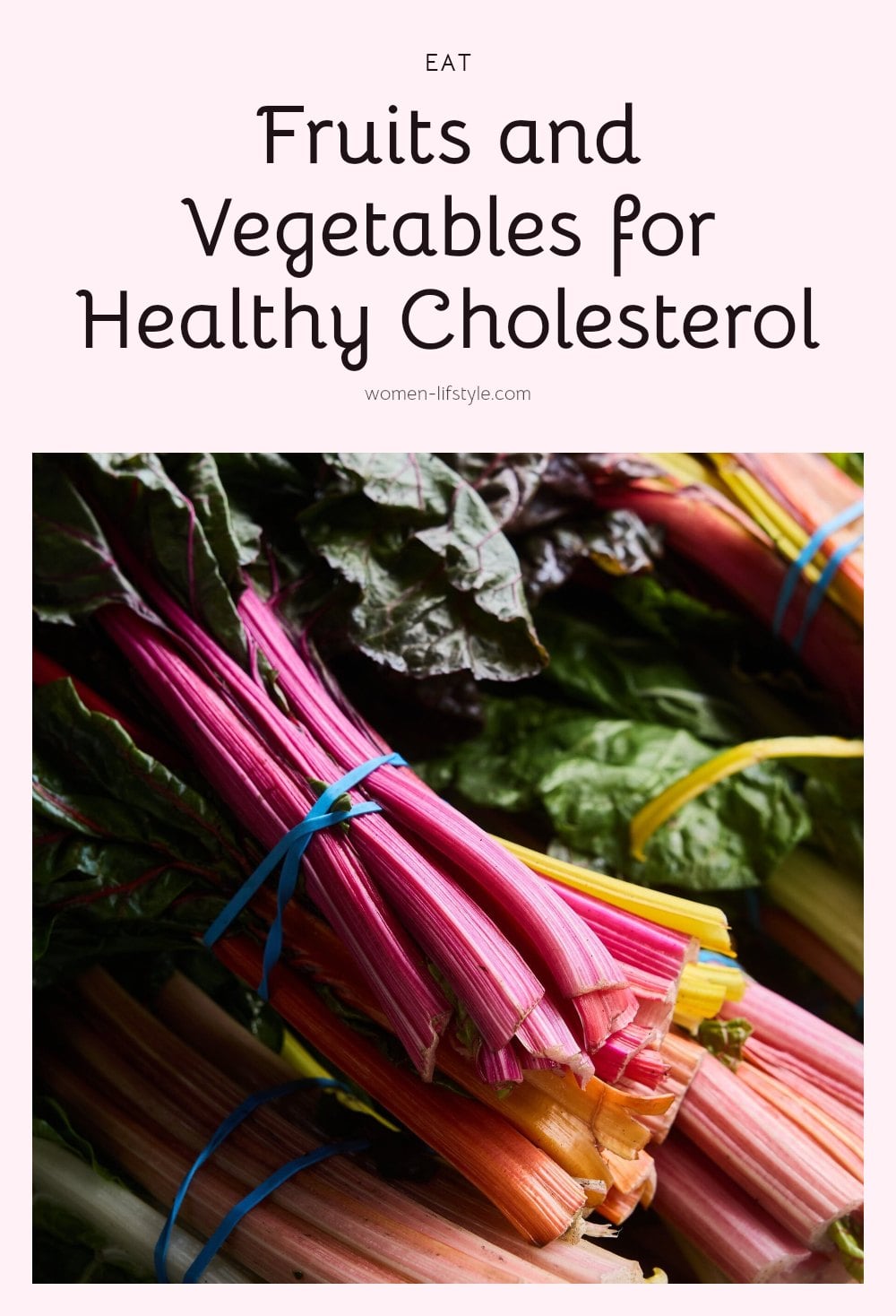
Fruits and vegetables are naturally low in saturated fat and packed with vitamins, minerals, and antioxidants that support overall heart health. Their fiber content, especially soluble fiber found in apples, citrus fruits, and carrots, helps reduce cholesterol absorption. Aim for a colorful variety, berries, leafy greens, bell peppers, and citrus, to get a broad spectrum of nutrients that work together for your cardiovascular system.
5. Choose Whole Grains Over Refined Grains
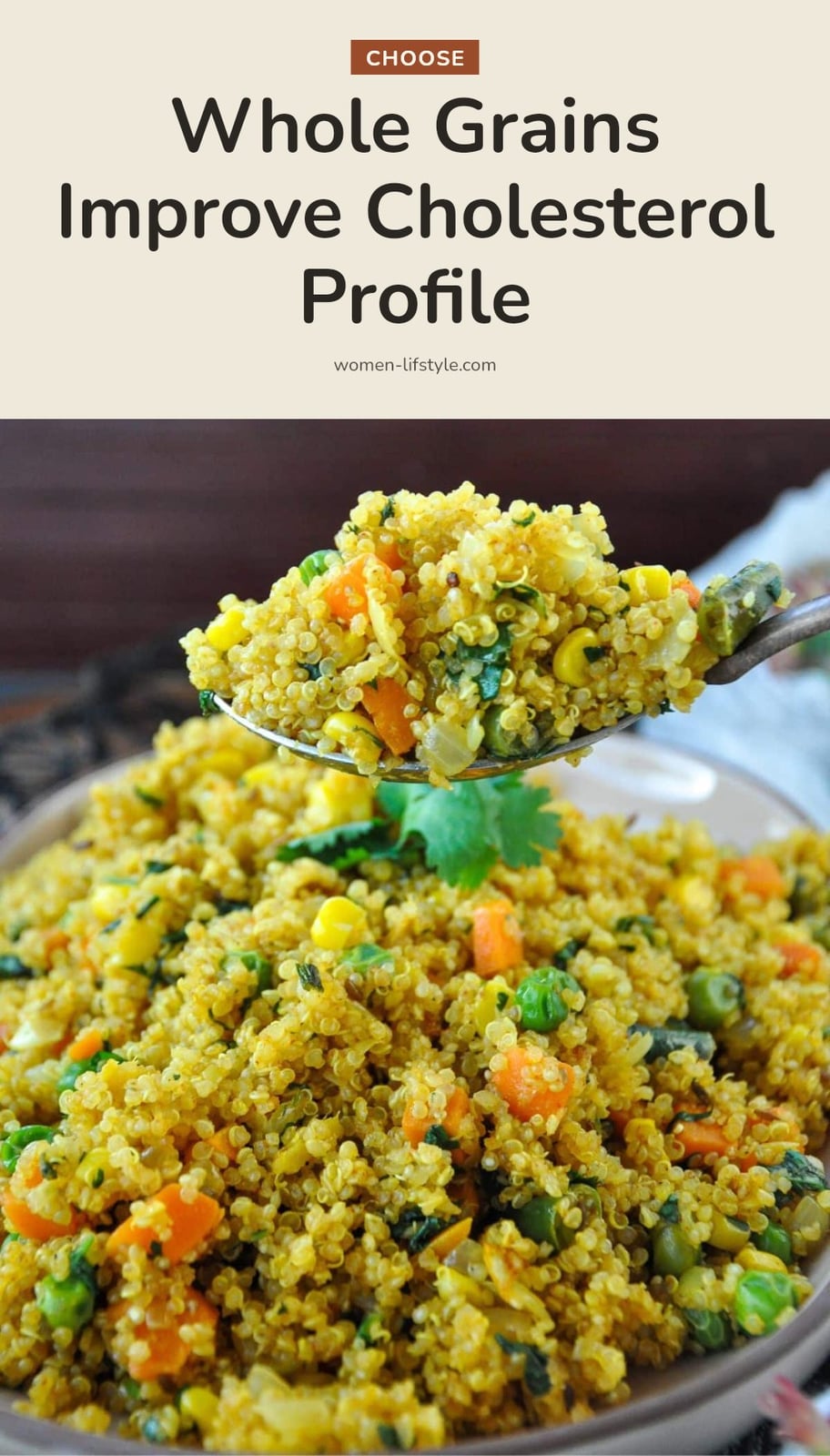
Whole grains like brown rice, quinoa, and whole-wheat bread contain significantly more fiber than refined grains. This fiber helps lower LDL cholesterol by binding to it in your digestive tract and promoting regular elimination. Tip: Swap white bread for whole-wheat, white rice for brown rice or quinoa, and regular pasta for a whole-grain version. Even small swaps add up over time.
6. Limit Saturated Fats
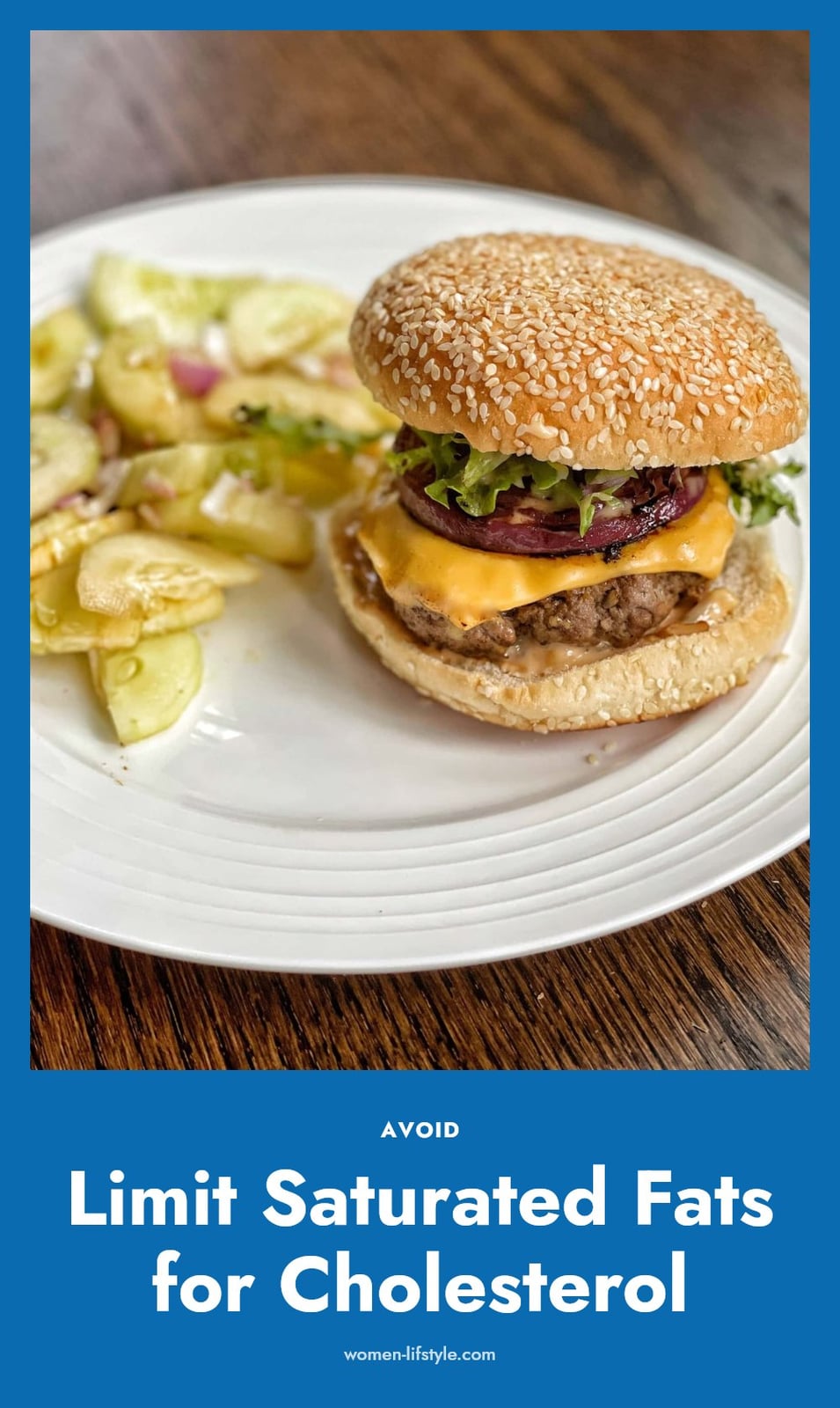
Saturated fats, found in red meat, full-fat dairy, butter, and many processed snacks, can significantly raise your LDL cholesterol. Reducing these fats is one of the most impactful dietary changes you can make for your numbers. Good to know: Choose leaner cuts of meat like sirloin or chicken breast, switch to low-fat or fat-free dairy, and check food labels for saturated fat content, aim for less than 10% of your daily calories from saturated fat.
7. Avoid Trans Fats Entirely
Trans fats are the worst type of fat for your cholesterol because they raise LDL and lower HDL simultaneously. They are often hidden in fried foods, commercially baked goods like cookies and crackers, and some stick margarines. Always read food labels and look for the term ‘partially hydrogenated oil’. That is a red flag for trans fats, even if the label says ‘0 grams’ per serving.
8. Reduce Processed Foods and Sugary Drinks
Highly processed foods and sugary drinks often pack unhealthy fats, added sugars, and refined carbohydrates that can raise triglycerides and lower HDL cholesterol. These ingredients also contribute to weight gain, which further strains your cholesterol management. Focus on whole, unprocessed foods like fresh produce, lean proteins, and whole grains as much as possible.
Pro move: Swap soda and fruit juice for water or unsweetened tea. Even one sugary drink a day adds up quickly, and cutting it out can make a noticeable difference in your overall heart health.
9. Consider Plant Sterols and Stanols
Plant sterols and stanols are natural compounds that block cholesterol absorption in your digestive tract. They work by competing with cholesterol for space in your intestines, so less cholesterol enters your bloodstream. You can find them in fortified foods like certain margarines, yogurts, and orange juices.
Tip: Check the label for added plant sterols or stanols. Aim for about 2 grams per day, spread across meals, but talk to your doctor before adding them if you take cholesterol medication.
10. Stay Active and Maintain a Healthy Weight
Regular physical activity directly improves your cholesterol profile by raising HDL (good) cholesterol and lowering LDL (bad) cholesterol and triglycerides. Exercise also helps you maintain a healthy weight, which further supports healthy cholesterol levels. Aim for at least 150 minutes of moderate-intensity exercise per week, such as brisk walking, cycling, or swimming.
Pro move: Break it into 30-minute sessions, five days a week. Even short bursts of activity, like a 10-minute walk after meals, add up over time.
11. Quit Smoking for Better HDL
Smoking damages your blood vessel walls and significantly lowers your HDL (good) cholesterol, making it harder for your body to remove excess LDL cholesterol. Quitting smoking is one of the most impactful steps you can take for your cardiovascular health. Within weeks of quitting, your HDL levels can start to rise, and your risk of heart disease drops.
Caution: Talk to your doctor about smoking cessation programs or nicotine replacement options. The benefits for your cholesterol and overall health are substantial, but support can make the process easier.
Common Cholesterol Management Mistakes
Believing all dietary cholesterol is bad: For most people, the saturated and trans fats you eat have a much bigger impact on your blood cholesterol than the cholesterol found in food. Eggs and shrimp, for example, are fine for most people when eaten in moderation.
Ignoring lifestyle factors: Diet alone isn’t the whole picture. Regular exercise, maintaining a healthy weight, and not smoking are equally critical for a healthy cholesterol profile. Don’t let a perfect diet make you skip your walk.
Falling for ‘low-fat’ traps: A ‘low-fat’ label doesn’t automatically mean heart-healthy. Many of these products replace fat with added sugar or refined carbohydrates, which can raise triglycerides and lower HDL cholesterol. Always read the full nutrition label.
Relying on quick fixes: Managing cholesterol is a long-term commitment. Be wary of unproven supplements or ‘miracle cures’ and stick to evidence-based strategies like diet, exercise, and any medication your doctor prescribes.
Frequently Asked Questions
What is the difference between LDL and HDL cholesterol?
LDL (low-density lipoprotein) is often called ‘bad’ cholesterol because high levels can lead to plaque buildup in your arteries. HDL (high-density lipoprotein) is ‘good’ cholesterol because it helps remove excess cholesterol from your arteries and carries it back to your liver for disposal.
Can dietary cholesterol raise my blood cholesterol?
For most people, the saturated and trans fats you eat have a much bigger impact on your blood cholesterol than the cholesterol found in food itself. Foods like eggs and shrimp are fine in moderation for most people. Focus on cutting saturated and trans fats rather than worrying about dietary cholesterol alone.
How quickly can diet changes impact cholesterol levels?
With consistent effort, dietary changes can start to show an impact on your cholesterol levels within a few weeks to a few months. The key is sticking with the new habits. Even small improvements can add up over time, but sustained changes are needed to keep numbers in a healthy range.
Are there any supplements that can help lower cholesterol?
Some supplements, like plant sterols and stanols, can help block cholesterol absorption, but they work best as part of an overall healthy diet. Be wary of unproven supplements or ‘miracle cures.’ Always talk to your doctor before starting any supplement, especially if you are on medication for cholesterol.
What is a healthy cholesterol level?
A healthy total cholesterol level is generally considered to be below 200 mg/dL. For LDL (bad) cholesterol, lower is better, with under 100 mg/dL being ideal. HDL (good) cholesterol should be 60 mg/dL or higher for optimal heart protection. Your doctor can give you target numbers based on your personal health profile.
Final Thoughts
Start with one or two changes that feel doable for you. Swap your morning toast for a bowl of oatmeal, or switch from butter to olive oil when cooking. With consistent effort, you may see improvements in your cholesterol numbers within a few weeks to a few months.
Remember that diet works best as part of a bigger picture that includes exercise, weight management, and regular checkups with your doctor. Small, steady steps add up to real progress for your heart health.
This article provides general information about diet and cholesterol and is not a substitute for professional medical advice. If you have a history of heart disease, are on cholesterol medication, or have other health conditions, consult your doctor or a registered dietitian before making significant dietary changes. Dietary adjustments alone may not be enough for everyone.
