

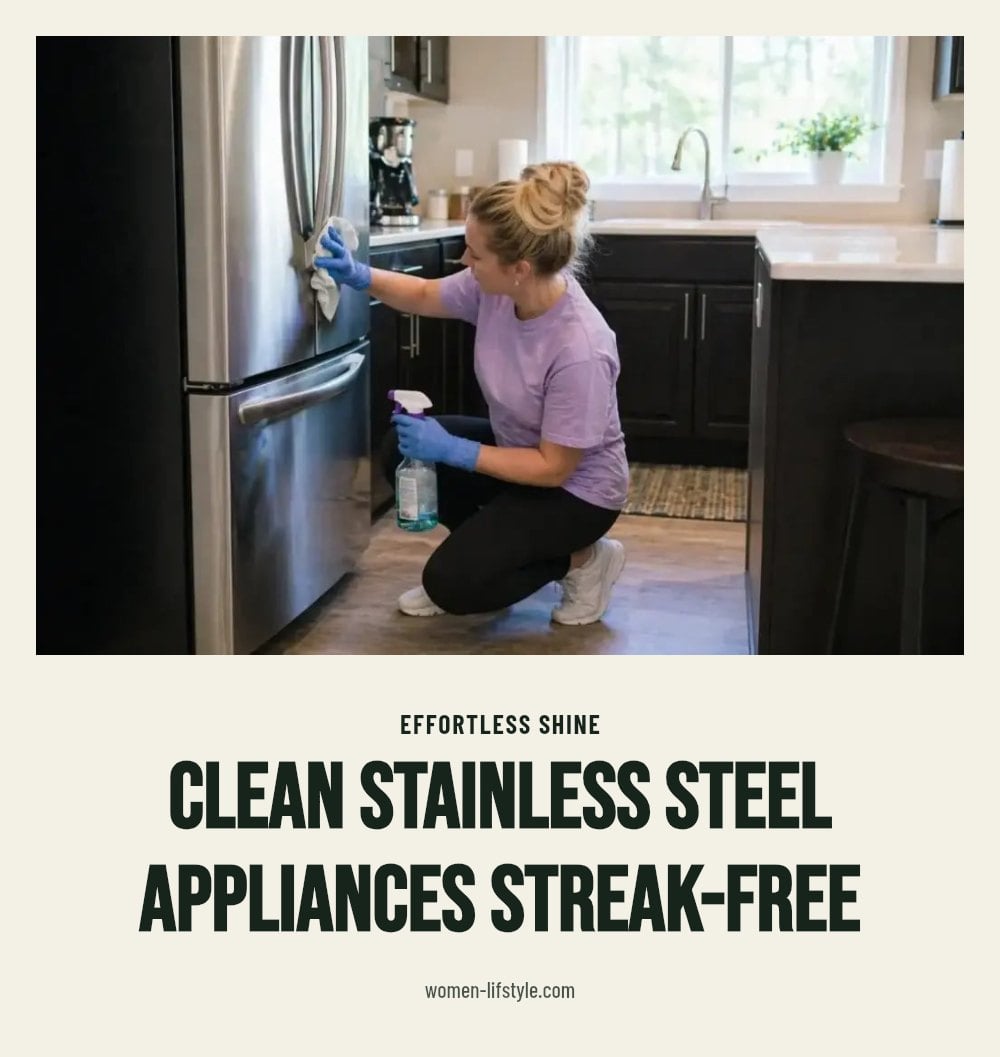
You know the feeling: you just wiped down your stainless steel fridge, and somehow it looks worse than before, covered in streaks and smudges. It’s frustrating, but the fix is simpler than you think. This article covers exactly how to clean stainless steel appliances without streaks, from understanding the grain to using the right cloths and everyday solutions.
With a few small adjustments to your routine, you can keep your kitchen looking polished and fingerprint-free without any harsh chemicals or expensive products.
Key Takeaways
- Always identify and clean in the direction of the grain to avoid streaks and micro-scratches.
- Use a soft microfiber cloth with mild soap and water for daily cleaning.
- Buff the surface completely dry after cleaning to prevent water spots.
- Never use steel wool, abrasive scrubbers, bleach, or ammonia on stainless steel.
- Wipe spills and splatters immediately to prevent permanent marks.
The Secret to Sparkling Stainless Steel
The secret to sparkling stainless steel is understanding its grain and using gentle, non-abrasive methods. Always clean in the direction of the grain with a soft microfiber cloth and mild solutions like dish soap or vinegar. A final buff with a tiny bit of oil helps repel fingerprints and keeps the shine lasting longer.
1. Identify the Grain Direction

Before you start cleaning, take a close look at your stainless steel surface. You’ll notice faint, microscopic lines. That’s the grain. Cleaning with the grain, not against it, is crucial to prevent streaking and tiny scratches.
- Why it matters: Going against the grain creates micro-scratches that dull the finish over time.
- How to spot it: Run your finger across the surface; the smoother direction is with the grain.
- Pro move: Once you identify the grain, stick to that direction for every wipe and buff.
2. Mild Soap and Warm Water for Daily Clean
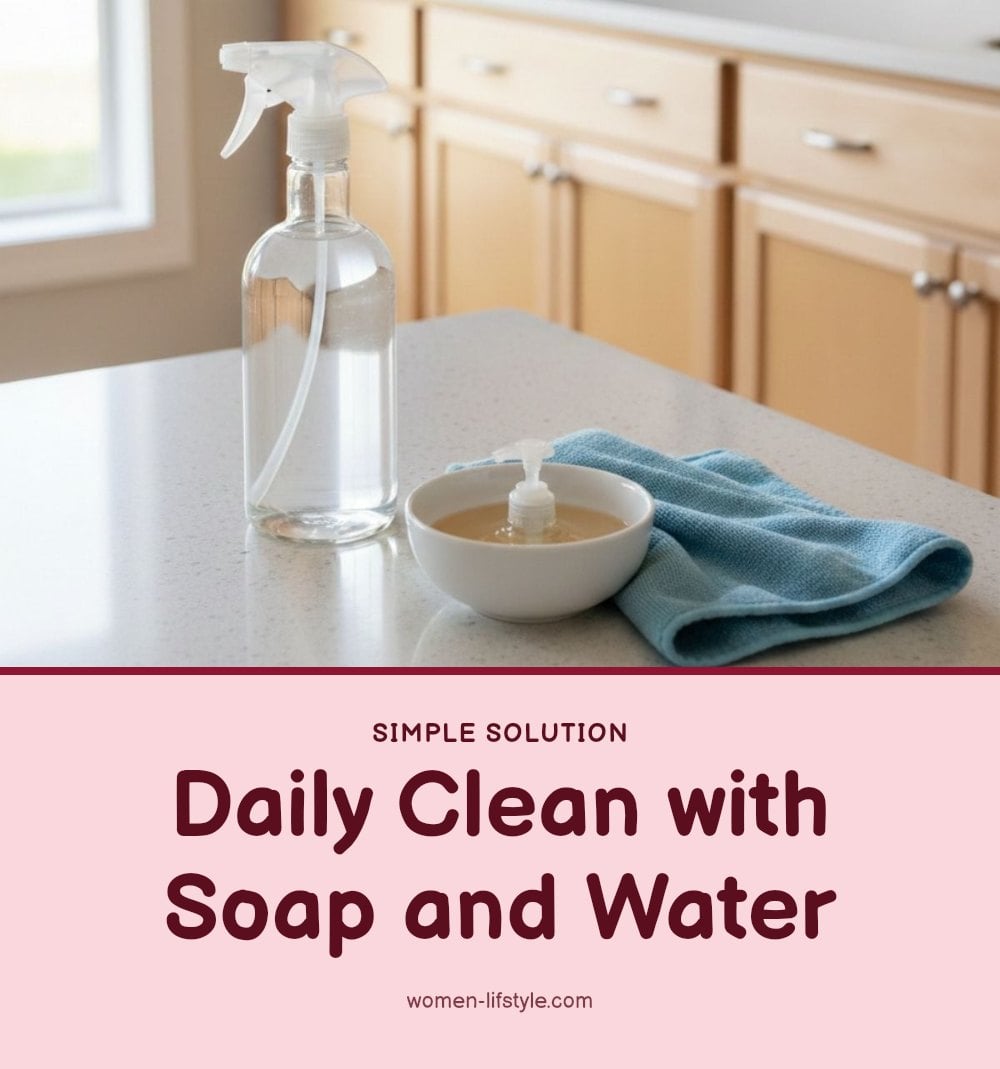
For everyday grime and light smudges, a simple solution of mild dish soap and warm water is your best friend. This gentle mixture is effective without being harsh, so it’s safe for regular use on all your stainless steel appliances.
- My tip: Use just a few drops of dish soap in a bowl of warm water.
- How to apply: Dip a microfiber cloth, wring it well, and wipe with the grain.
- Rinse and dry: Follow with a damp cloth to remove soap residue, then buff dry.
3. Microfiber Cloths are Essential
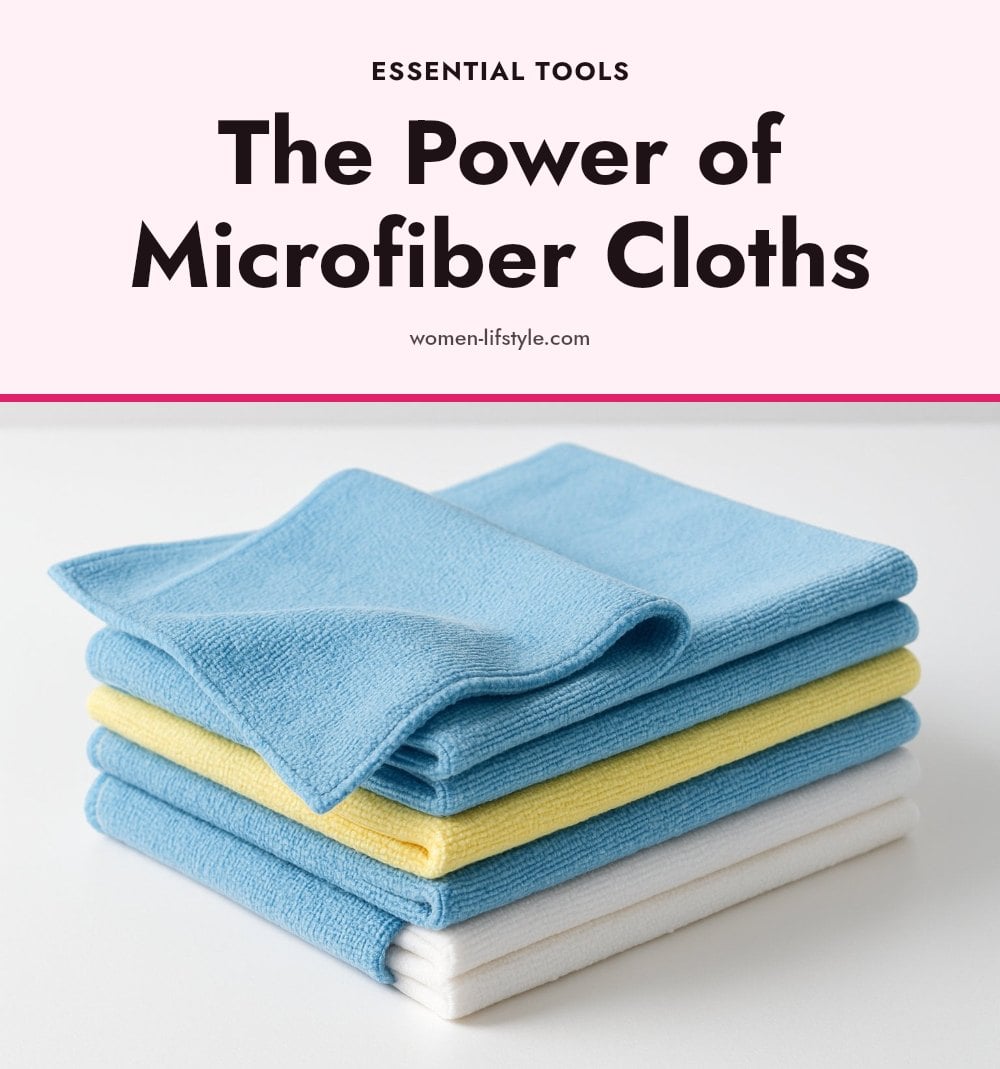
Forget paper towels or abrasive sponges; a soft microfiber cloth is non-negotiable for stainless steel. These cloths are highly absorbent and won’t scratch the delicate surface, ensuring a streak-free shine every time.
- Why microfiber: It traps dust and oils instead of pushing them around.
- Keep extras: Always have a few clean microfiber cloths on hand for different tasks, one for cleaning, one for buffing.
- Good to know: Wash them separately without fabric softener to keep them effective.
4. Tackle Streaks with Vinegar
White vinegar cuts through stubborn streaks and hard water spots without harsh chemicals. Mix equal parts white vinegar and water in a spray bottle. Spray the solution lightly onto the surface, then wipe immediately with the grain using a clean microfiber cloth. Follow with a dry buff using another microfiber cloth to prevent new spots from forming.
5. Baking Soda for Tough Stains
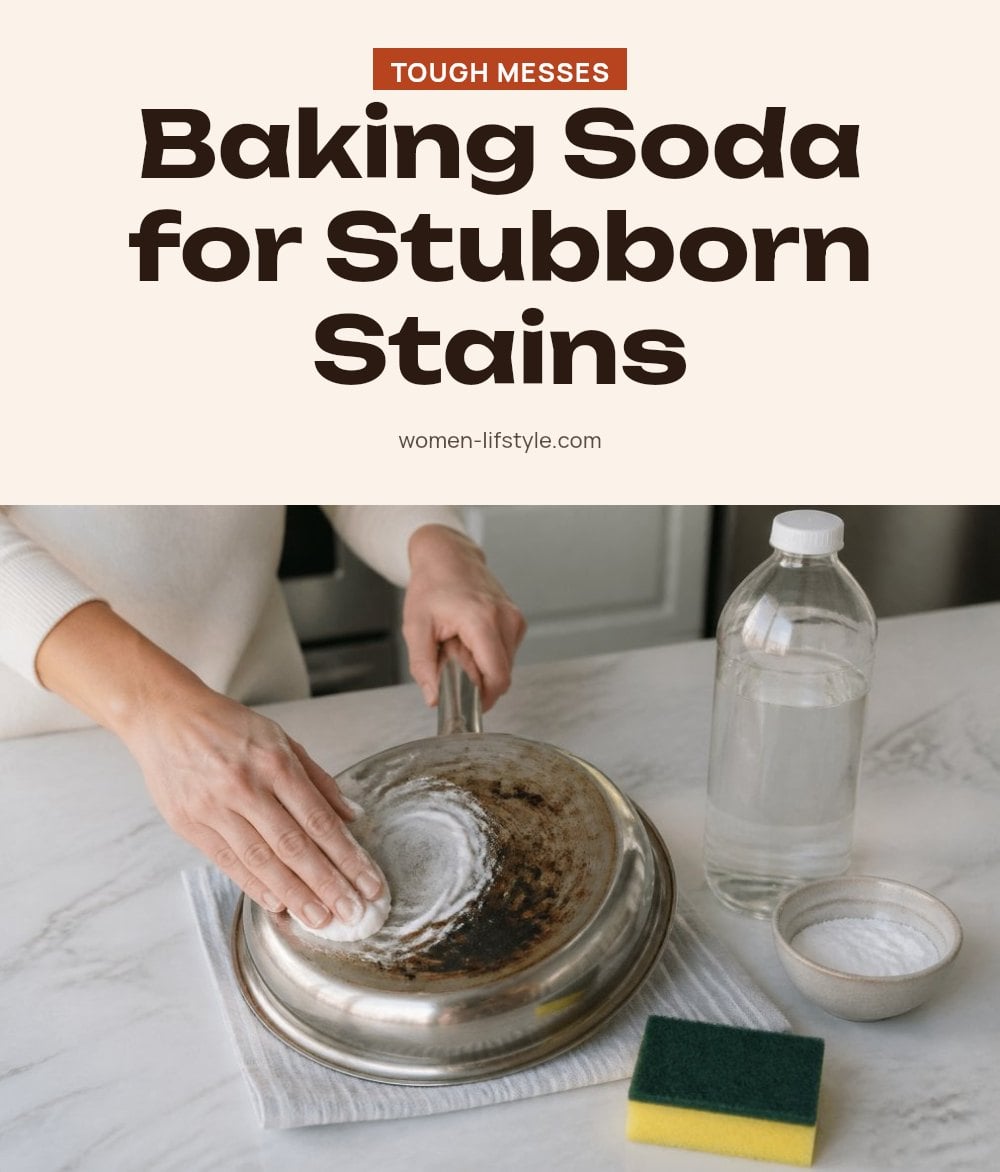
For stuck-on food, grease residue, or light scratches, a baking soda paste is your go-to. Mix baking soda with just enough water to form a thick paste. Apply it to the affected area and rub very gently with the grain using a soft cloth. Rinse thoroughly with water and buff dry.
Caution: Use baking soda sparingly and gently. Too much pressure can scratch the surface.
6. Polish with Olive Oil or Mineral Oil
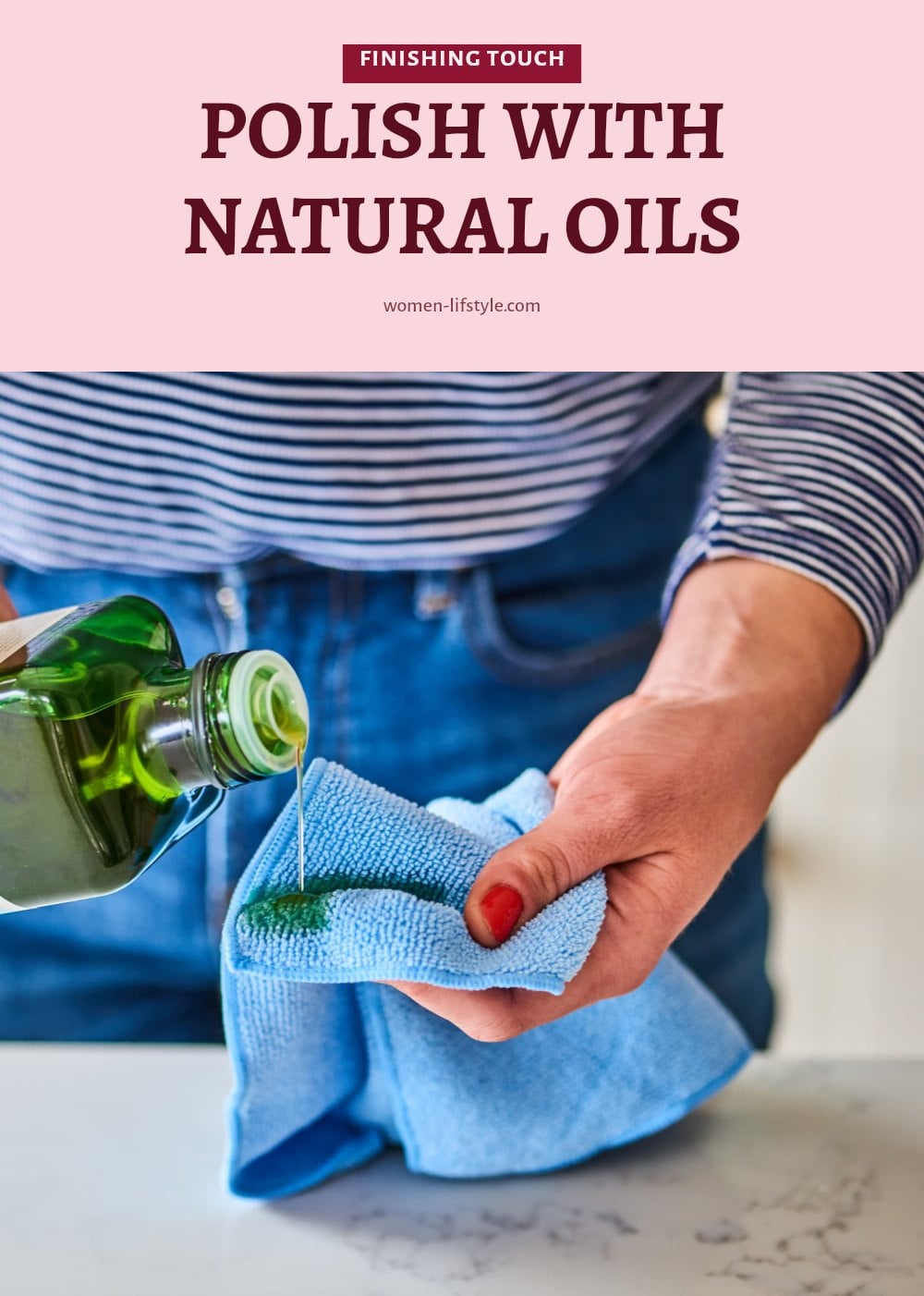
A tiny amount of olive oil or mineral oil gives stainless steel a deep shine and helps repel fingerprints. Apply a few drops to a clean, dry microfiber cloth and buff it into the surface, always moving with the grain.
My tip: A little goes a long way. Too much oil will attract dust and leave a greasy film.
7. Buff Dry to Prevent Water Spots
Buffing your stainless steel completely dry after cleaning is a step you don’t want to skip. Any moisture left on the surface can create water spots, especially if you have hard water. Use a separate, clean, dry microfiber cloth for this final buff to get a streak-free, spotless finish.
8. Wipe Spills Immediately
Wipe spills immediately: The easiest way to keep your stainless steel looking good is to address spills and splatters as soon as they happen. Dried-on food or liquids are much harder to remove and can leave permanent marks if left too long. A quick wipe with a damp microfiber cloth can save you a lot of effort later and prevent buildup from setting in.
9. Never Use Abrasive Cleaners
Never use abrasive cleaners: Steel wool, scouring pads, and harsh scrubbing pads can permanently scratch and damage your stainless steel surface. Once scratched, the protective chromium layer can be compromised, making the steel more susceptible to corrosion. Stick to soft microfiber cloths and gentle solutions like mild dish soap to preserve its sleek look.
10. Avoid Bleach and Ammonia
Avoid bleach and ammonia: Chlorine bleach and ammonia-based cleaners are a definite don’t for stainless steel. These harsh chemicals can cause permanent discoloration, pitting, or even corrosion, ruining the finish of your appliances. Always check product labels and opt for stainless steel-specific cleaners if you’re not using homemade solutions like vinegar or baking soda.
11. Test in an Inconspicuous Area
Test in an inconspicuous area: Whenever you’re trying a new cleaning product or method, test it first on a small, hidden spot. This could be the back of an appliance door or an area that’s not usually visible. It’s a simple step that can prevent accidental damage to your entire appliance.
Common Stainless Steel Cleaning Mistakes
Cleaning Against the Grain: This is a top offender. Moving your cloth against the grain causes streaks and micro-scratches. Always wipe in the direction of those faint lines.
Using Abrasive Materials: Steel wool, scouring pads, and harsh brushes will scratch your stainless steel. Stick to soft microfiber cloths for every step.
Not Buffing Dry: Leaving water to air-dry almost guarantees water spots and a dull finish. Always buff completely dry with a clean cloth.
Applying Too Much Oil: While oil can polish, an excess amount will attract dust and fingerprints, making your appliance look greasy. A few drops are plenty.
Ignoring Spills: Dried-on spills are much harder to remove and can leave permanent marks. Wipe them up immediately with a damp cloth.
Frequently Asked Questions
Why does stainless steel get so many fingerprints?
Stainless steel’s smooth, non-porous surface easily picks up the natural oils and moisture from your skin. When you touch the surface, those oils leave a visible smudge because the metal doesn’t absorb them. This is especially noticeable on brushed finishes, where the grain can trap the oils.
What if my stainless steel has deep scratches?
Deep scratches that go through the protective chromium layer are difficult to fix at home. A light baking soda paste can sometimes minimize the appearance of very shallow scratches, but for deeper ones, you may need to consult a professional or consider refinishing the surface. Prevention is key: always use soft cloths and avoid abrasive materials.
How often should I clean my stainless steel appliances?
For best results, wipe down surfaces daily or after each use to remove fingerprints and spills. A deeper clean with soap and water, followed by buffing dry, works well once a week. If you live in an area with hard water, you might need to use vinegar more frequently to prevent mineral buildup.
Can I use glass cleaner on my stainless steel appliances?
No, glass cleaner is not recommended for stainless steel. It often contains ammonia or other chemicals that can cause streaking and dull the finish over time. Stick to mild dish soap and water, diluted vinegar, or a dedicated stainless steel cleaner for the best results.
Final Thoughts
My recommendation is to keep it simple: a microfiber cloth and mild soap water for daily touch-ups, then a quick vinegar spray when streaks appear. A tiny dab of olive oil once a week will give you that showroom shine and help repel fingerprints. Expect to spend just a couple of minutes per day and about ten minutes for a deeper weekly clean. Stick with these gentle, grain-aware methods, and your appliances will stay streak-free for years.
