

If you’ve ever stood in front of the mirror with tweezers in hand, unsure where to start, you’re not alone. The perfect brow shape isn’t about copying a trend; it’s about working with your natural bone structure to create balance and enhance your eyes. This guide walks you through mapping your ideal brow points, choosing a shape that flatters your face, and avoiding common mistakes, so you can shape with confidence at home.
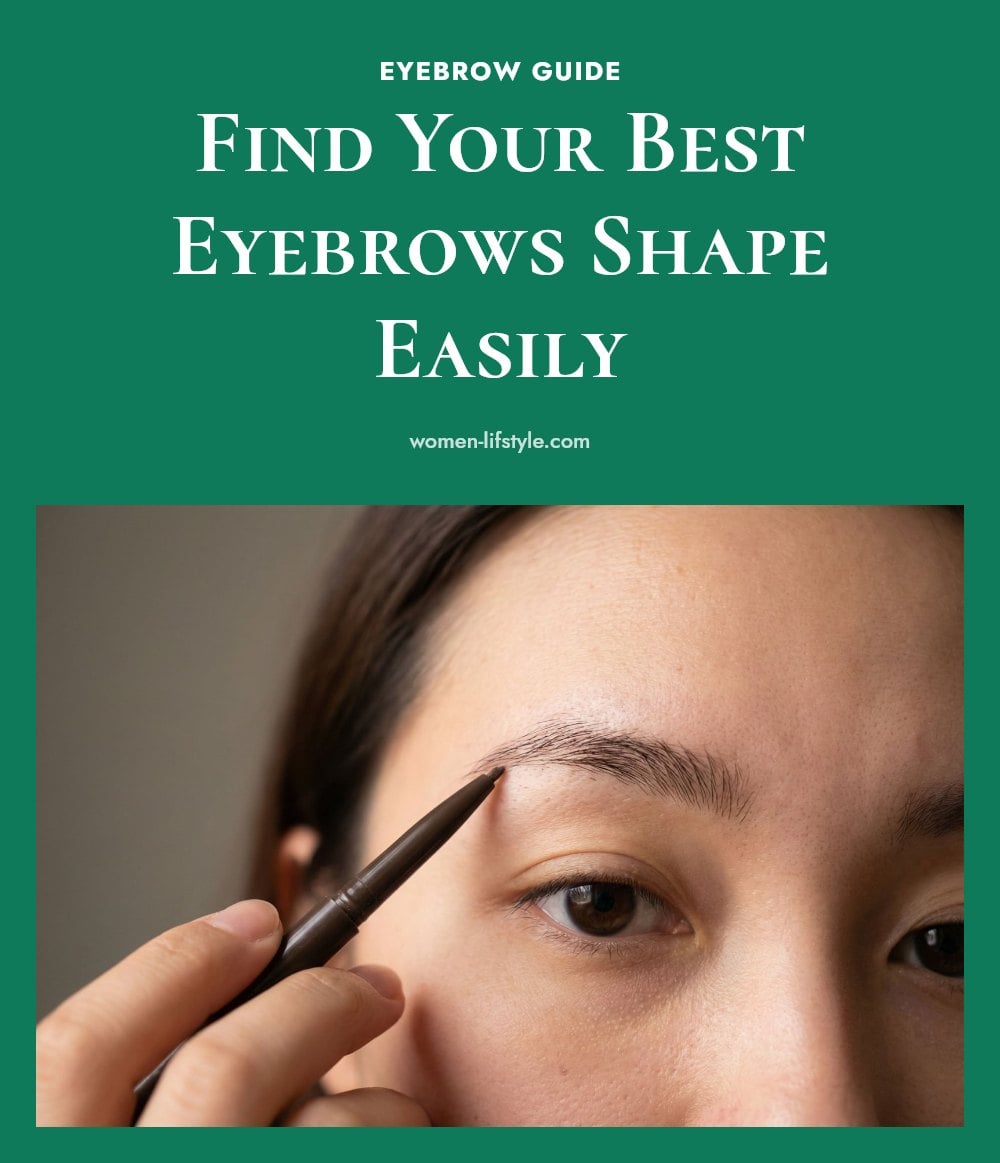
Key Takeaways
- Map your brow’s head, arch, and tail before plucking to avoid mistakes.
- Match your brow shape to your face: higher arch for round, flatter for long.
- Aim for balanced sisters, not identical twins, since asymmetry is normal.
- Over-plucking can cause permanent hair loss, so err on the side of less.
- Touch up every 2 to 4 weeks to maintain your shape.
How to Find Your Best Eyebrow Shape
The best eyebrow shape isn’t about copying a trend. It works with your natural bone structure and facial features to create balance. The goal is subtle enhancement, not a drastic change. You start by mapping three key points, the head, arch, and tail, and then consider your face shape to make small adjustments for a polished, natural look.
Essential Tools for Eyebrow Shaping at Home
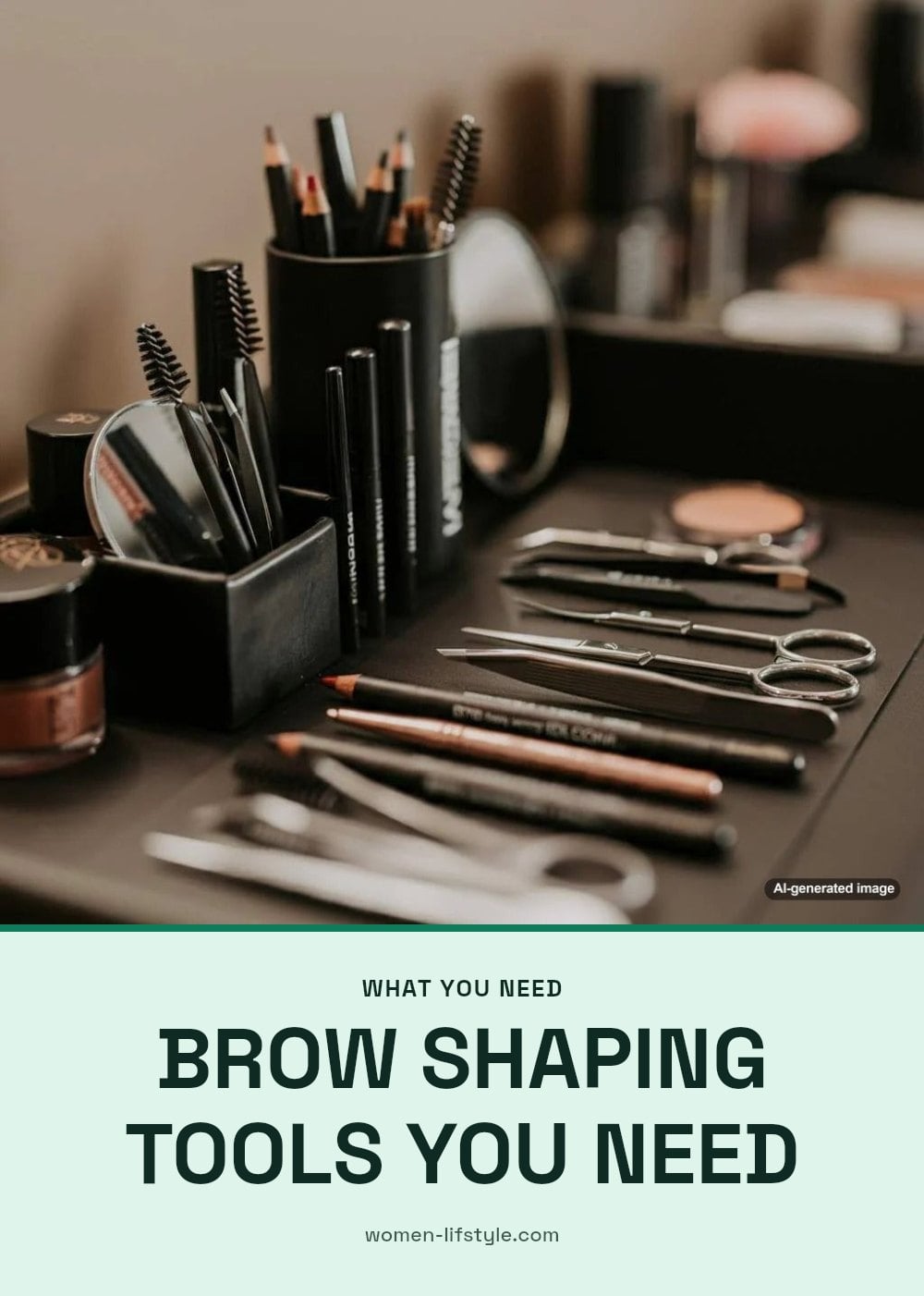
Having the right tools makes shaping at home much easier and more precise. Here is what you need:
- Tweezers: For precise, individual hair removal. Slanted tips give you the most control.
- Spoolie brush: To comb hairs into place before trimming or filling.
- Small brow scissors: For trimming hairs that extend beyond your natural brow line.
- Brow pencil or powder: For mapping your ideal shape and filling in sparse areas.
- Brow gel: To set hairs in place and keep your shape all day.
- Magnifying mirror: Good for detailed work, but use it sparingly. It can lead to over-plucking.
- String: For accurate mapping of your brow points if you don’t have a pencil handy.
Step-by-Step: Mapping Your Ideal Eyebrow Shape
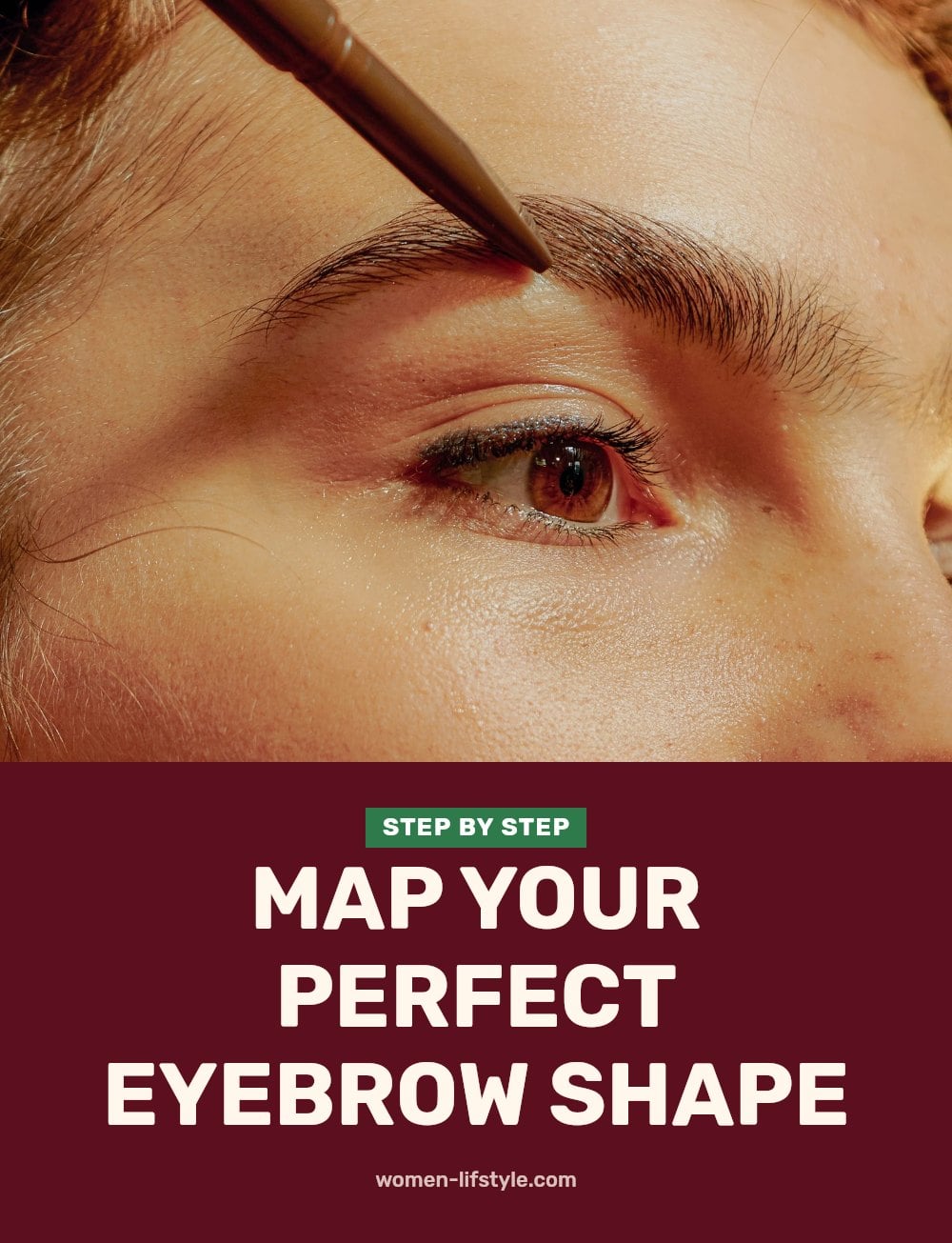
Mapping your brows before you pluck prevents mistakes and gives you a clear guide to follow.
- Cleanse and brush brows: Start with clean, dry brows. Brush all hairs upward with a spoolie so you can see their natural growth pattern.
- Map the head: Hold a brow pencil vertically from the bridge of your nose to the inner corner of your eye. That point is where your brow should begin.
- Define the arch: Angle the pencil from the corner of your nose past the outer edge of your iris. Where the pencil crosses your brow is the highest point of your arch.
- Determine the tail: Position the pencil from the corner of your nose past the outer corner of your eye. The tail should end where the pencil meets your brow.
- Outline the shape: Lightly connect these three points with your brow pencil to create your desired outline. Keep it soft and natural.
- Remove stray hairs: Pluck only the hairs outside your mapped outline. Pluck in the direction of hair growth to minimize pain. My tip: step back from the mirror every few seconds to check symmetry and avoid over-plucking.
Choosing the Best Eyebrow Shape for Your Face
Your face shape gives strong clues about which brow shape will look most balanced. Here is a guide for the most common face shapes:
Face shapes and their best brow shapes
- Round face: A higher arch can elongate the face and add definition.
- Long face: A flatter or straighter brow can visually shorten the face.
- Square face: A softer, more rounded arch can soften angular features.
- Oval face: A soft, balanced arch complements natural proportions.
- Heart-shaped face: A soft, rounded arch balances a wider forehead and narrower chin.
- Diamond-shaped face: A curved brow with a soft arch softens the widest part of the face.
These are guidelines, not rules. Your natural brow growth and hair pattern should always be your starting point. Small adjustments make the biggest difference.
Common Eyebrow Shaping Mistakes to Avoid
Over-plucking: This is the most common mistake. It can leave you with sparse brows that are slow to grow back, and some follicles may stop producing hair entirely. My tip: always err on the side of less. You can always pluck more, but you can’t put hair back.
Wrong arch placement: An arch that sits too far inward or outward can change your facial expression. Keep the highest point aligned with the outer edge of your iris when looking straight ahead.
Making brows too short: A tail that ends too soon can make your eyes look smaller. Follow the mapping guide: the tail should land on an imaginary line from your nose past the outer corner of your eye.
Ignoring natural growth: Forcing a shape that fights your hair growth pattern rarely looks good. Work with your natural direction and density instead.
Plucking from the top: Removing hairs along the top edge disrupts the natural brow line and can make brows look sparse. Focus on the underside and any obvious stray hairs above.
Using a magnifying mirror too much: A magnifying mirror makes every tiny hair look huge, leading to over-plucking. Use it only for detail work and step back frequently for an overall assessment in a regular mirror.
Top Tips for Flawless Eyebrow Shaping
Pluck after a warm shower: The steam opens your pores, making hair removal easier and less painful. Your skin is also slightly softened, which helps the hair slide out cleanly.
Use good lighting: Natural daylight is best. It reveals every stray hair and helps you check symmetry. Avoid a single overhead light that casts harsh shadows.
Fill in before plucking: Lightly fill your brows with a pencil or powder to define your desired shape. Then only remove hairs that fall outside that pencilled line.
Trim long hairs: Brush all hairs upward with a spoolie. Snip only the very tips that extend past your natural top line. This keeps the brow dense while removing unruliness.
Don’t aim for identical: Brows are sisters, not twins. Focus on making them balanced and complementary rather than perfectly symmetrical.
Consider professional help: If you’re unsure about your shape or want a significant change, a brow artist can map and shape your brows. You can then maintain the shape at home.
Maintaining Your Beautifully Shaped Eyebrows

Soothe the skin: After shaping, apply aloe vera gel or a gentle, non-comedogenic moisturizer to calm redness and irritation. Avoid anything with alcohol or fragrance.
Avoid makeup immediately: Give your skin a few hours to recover before applying brow makeup or foundation around the area. This reduces the risk of clogged pores or infection.
Regular touch-ups: Depending on your hair growth, plan a minor touch-up every 2 to 4 weeks. Pluck only the obvious regrowth outside your shape.
Gentle exfoliation: To prevent ingrown hairs, exfoliate the brow area a few times a week with a soft brush or a mild scrub. Avoid harsh scrubs that can irritate the skin.
Brow growth serums: If you have sparse areas you’d like to fill in, a reputable brow serum can help encourage growth. Apply it nightly along your natural brow line.
Frequently Asked Questions
How do I know if my eyebrows are too thin?
If your brows look sparse, have large gaps, or you can see skin clearly between hairs, they may be too thin. Another sign is if the arch is barely visible or the tail disappears. My tip: compare your brow thickness to your natural hairline and eye size. If you’re unsure, let them grow for a few weeks before reshaping.
Can I regrow over-plucked eyebrows?
In many cases, yes, but it takes time and patience. Hair growth cycles vary, so you might see improvement in a few weeks to a few months. However, some follicles may have permanent damage from over-plucking, so regrowth isn’t guaranteed. To encourage growth, stop plucking in the sparse areas and consider a brow serum or castor oil, though results vary.
Should eyebrows be symmetrical?
Perfect symmetry is rare and not the goal. Most faces have natural asymmetry, and your brows should aim to be balanced, not identical. Focus on making them look harmonious with your features rather than mirror images. My tip: use a spoolie to brush them into place and step back to check overall balance, not perfection.
How often should I shape my eyebrows?
Most people need touch-ups every 2 to 4 weeks, depending on how fast your hair grows. If you have coarse or fast-growing hair, you might need weekly maintenance, while finer hair can go longer. The key is to avoid over-plucking, so only remove stray hairs outside your mapped shape. If you’re unsure, wait a few extra days.
What if my natural brows are sparse?
Sparse brows can still look great with the right approach. Focus on shaping what you have, using a brow pencil or powder to fill in gaps with light, feathery strokes. Avoid over-plucking the remaining hairs, and consider a brow gel to hold them in place. For a more dramatic change, a professional brow artist can help with tinting or microblading.
Final Thoughts
Your best brow shape starts with mapping and ends with restraint. Use the three-point method to guide your plucking, and let your natural growth pattern lead the way. Expect the first shaping to take 15 to 30 minutes, with quick touch-ups every few weeks to keep things tidy. Remember, the goal is balance, not perfection, so step back often and trust the process.
