

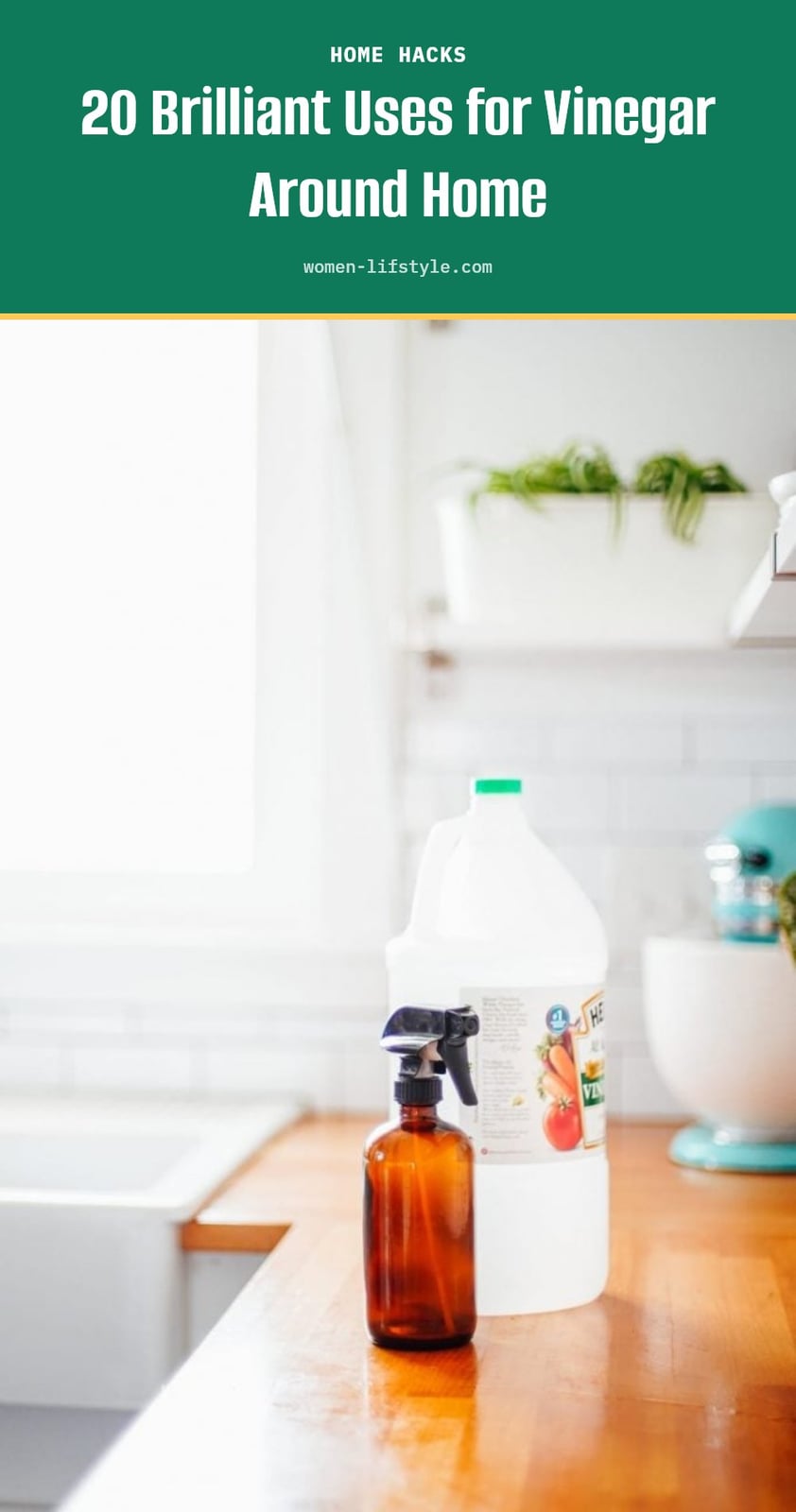
You probably already have a bottle of white distilled vinegar in your pantry, but did you know it can do way more than dress your salad? That same 5% acetic acid that gives it that tangy kick also makes it one of the most effective natural cleaners in your home. In this article, I’ll show you 20 genius ways to use vinegar for cleaning, deodorizing, and descaling almost every room in your house.
Key Takeaways
- Use a 1:1 ratio of white vinegar and water for a safe all-purpose cleaner.
- Never use vinegar on natural stone surfaces like marble or granite.
- Descale coffee makers and kettles every 1 to 3 months with a vinegar cycle.
- Always dilute vinegar for general cleaning to protect surfaces and avoid residue.
- Test vinegar on an inconspicuous area first before using it on delicate surfaces.
Why Vinegar is Your Secret Weapon for a Clean Home
White distilled vinegar is one of the most versatile items in my cleaning cabinet. Its 5% acetic acid makes it a natural cleaner, disinfectant, deodorizer, and descaler all in one bottle. It cuts through hard water stains, dissolves soap scum, and neutralizes odors without harsh chemicals. From refreshing laundry to polishing windows and tackling everyday grime, vinegar offers an eco-friendly and budget-friendly alternative to commercial products.
Essential Tools for Vinegar Cleaning
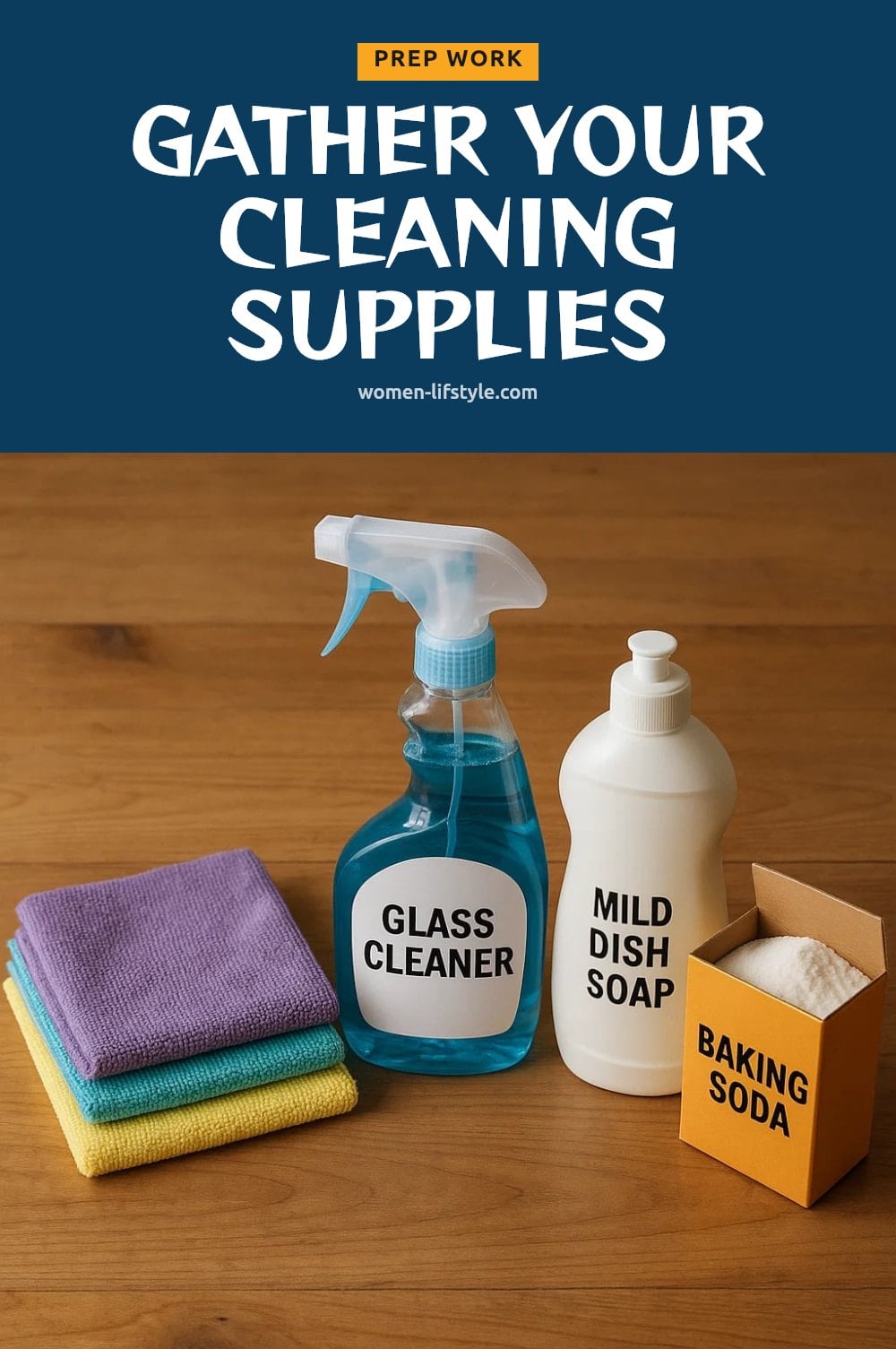
Before you start cleaning with vinegar, gather these basic supplies. Most are probably already in your kitchen or laundry room.
- White distilled vinegar: Your main cleaning agent. It won’t stain and has consistent strength.
- Water: Needed to dilute vinegar for most cleaning tasks.
- Spray bottle: Makes applying diluted vinegar solutions quick and even.
- Microfiber cloths: Perfect for streak-free cleaning and polishing.
- Baking soda: Boosts scrubbing power and creates fizzing action for drain clogs.
- Bucket: Handy for larger cleaning jobs or soaking items.
- Scrub brush: Helps agitate stubborn grime and stains.
Versatile Ways to Clean with Vinegar

All-Purpose Cleaner
Mix equal parts white vinegar and water in a spray bottle. This solution works on countertops, sinks, and most non-porous surfaces. My tip: Label the bottle clearly so you know what is inside.
Windows and Mirrors
Spray the diluted vinegar solution onto glass and wipe with a microfiber cloth for a streak-free shine. Work in one direction to avoid smears.
Laundry Softener and Deodorizer
Add half a cup of vinegar to the rinse cycle. It softens fabrics and removes mildew smells from towels and workout clothes.
Minor Drain Unclogger
Pour half a cup of baking soda down the drain, then follow with half a cup of vinegar. Let it fizz for 15 minutes, then flush with hot water.
Dishwasher and Washing Machine Cleaner
Run an empty cycle with a 1:1 vinegar and water solution in the detergent dispenser. This removes grime and odors from the interior.
Cutting Board Sanitizer
Wipe cutting boards with diluted vinegar, let sit for a few minutes, then rinse with water. Caution: Do not use on unsealed wood boards.
Sticky Residue Remover
Soak a cloth in vinegar and press it against labels or sticker residue. Let it sit for a few minutes, then wipe away.
Coffee Maker and Kettle Descaler
Fill the reservoir with undiluted vinegar. Run a full cycle, then run two cycles with plain water to rinse.
Here is the method in action: Brittany Vasseur demonstrates it in about 10 minutes. The how-to part starts at 1:12.
Best Tips for Cleaning with Vinegar
Over the years I have picked up a few tricks that make vinegar cleaning safer and more effective.
- Always dilute: For general cleaning, I always dilute white vinegar with water to a 1:1 ratio. This protects surfaces and still gets the job done.
- White vinegar is key: Stick to white distilled vinegar for cleaning. Other vinegars, like apple cider, can leave sticky residues or have a stronger, less pleasant odor.
- Test first: Before using vinegar on any new or delicate surface, I always test it on an inconspicuous area. Better safe than sorry.
- Ventilate well: When I am cleaning with vinegar, especially in enclosed spaces like bathrooms, I make sure to open windows or turn on a fan to keep the air fresh.
- Combine with baking soda: For extra scrubbing power or to tackle minor drain clogs, I love combining vinegar with baking soda for that satisfying fizz.
Common Vinegar Cleaning Mistakes to Avoid
Using vinegar on natural stone: My biggest caution: never use vinegar on marble, granite, or travertine. Its acidity will etch and damage these surfaces permanently.
Mixing with bleach: This is a huge no-no. Combining vinegar with bleach creates toxic chlorine gas. Always use them separately.
Undiluted on delicate surfaces: While some tasks call for undiluted vinegar, always dilute it for general cleaning to prevent damage or residue.
Expecting heavy-duty disinfection: While vinegar has antimicrobial properties, it’s not a broad-spectrum disinfectant like bleach. Don’t rely on it for sanitizing after raw meat, for example.
Not rinsing: After cleaning, especially on surfaces where food is prepared, I always give it a quick rinse with water to avoid any faint vinegar smell or residue.
Using on waxed furniture or cast iron: Vinegar can strip wax from furniture and damage the seasoning on cast iron cookware. Keep it away from these.
How Often to Clean with Vinegar and What to Expect
Cleaning Frequency: General surface cleaning can be done as needed, often weekly or bi-weekly for frequently used areas.
Appliance Descaling: For appliances like coffee makers and kettles, I aim to descale them with vinegar every 1-3 months, depending on your water hardness.
Laundry Refresh: Add vinegar to laundry cycles as needed for softening or odor removal, especially for musty towels or workout clothes.
Cost-Effectiveness: Vinegar is incredibly inexpensive, typically costing just a few dollars for a large bottle, making it one of the most budget-friendly cleaning solutions you can find.
Time Commitment: Most vinegar cleaning tasks take a short amount of time, with daily upkeep being quick and deeper appliance cleaning taking a bit longer.
Frequently Asked Questions
Can I use apple cider vinegar for cleaning?
You can, but I do not recommend it. Apple cider vinegar can leave a sticky residue on surfaces and has a stronger, less pleasant odor than white distilled vinegar. White distilled vinegar is the best choice because it has a consistent 5% acetic acid level and won’t stain or leave behind sticky film.
What is the best ratio of vinegar to water for cleaning?
For most general cleaning tasks, a 1:1 ratio of white vinegar to water works well. This dilution is strong enough to cut through grime and disinfect lightly without damaging most surfaces. For tougher jobs like descaling appliances, you can use undiluted vinegar, but always rinse thoroughly afterward.
Can vinegar really disinfect surfaces?
Vinegar has some antimicrobial properties and can reduce certain bacteria and viruses, but it is not a broad-spectrum disinfectant like bleach or commercial disinfectants. For routine cleaning and deodorizing, it works well. For serious germ killing, especially after raw meat or illness, use a disinfectant that is registered with the EPA.
How often should I descale appliances with vinegar?
I recommend descaling appliances like coffee makers and kettles every 1 to 3 months. If you have hard water, you may need to do it more often, closer to every month. You will know it is time when you see white mineral buildup or notice your appliance taking longer to heat water.
Final Thoughts
My tip: keep a labeled spray bottle of diluted white vinegar under the sink for quick daily cleanups on counters, sinks, and windows. You can expect vinegar to handle most grime and odors without the harsh chemicals found in commercial cleaners, but it won’t replace a heavy-duty disinfectant for serious germ killing. Stick with white distilled vinegar and always test first on new surfaces, and you will save money while keeping your home fresh.
