

If you’re feeling stressed or overwhelmed, meditation might be the simple tool you need to find a little more calm in your day. It’s a practice of training your attention and awareness to help you feel more focused and emotionally balanced. In this article, I’ll share easy, practical tips to get started, from finding your quiet space to embracing a wandering mind, so you can build a meditation habit that actually sticks.
Key Takeaways
- Start with just 5 to 10 minutes daily; consistency matters more than session length.
- Use your breath as an anchor to gently bring your attention back when the mind wanders.
- Experiment with different techniques like body scan or loving-kindness to find what works for you.
- Meditation can be practiced sitting, walking, or lying down, not just on a cushion.
- Be patient: benefits often unfold gradually over weeks or months of regular practice.
What is Meditation and How Can It Help You?
Meditation is the practice of training your attention and awareness to reach a mentally clear and emotionally calm state. It’s not about emptying your mind; it’s about learning to focus and observe without judgment. As a practical tool for daily well-being, regular meditation can help reduce stress, improve focus, and support emotional regulation. Modern techniques are often secular, so you don’t need any spiritual belief to benefit. They typically center on mindfulness, concentration, and compassion, making meditation accessible to anyone looking for a calmer, more centered life.
1. Start Small, Stay Consistent
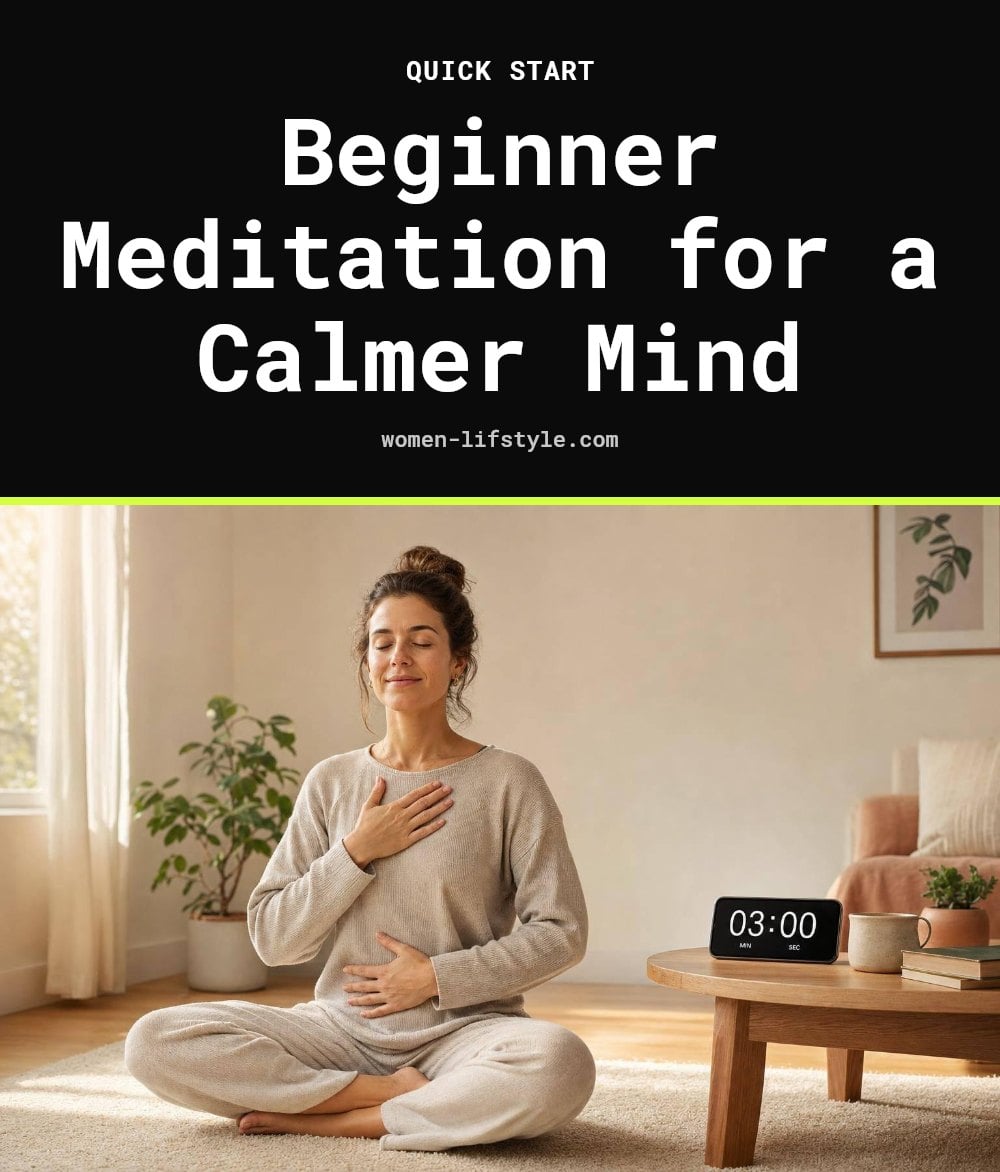
Begin with short sessions, even just 5 to 10 minutes a day, to build a sustainable habit. Consistency matters more than duration: a brief daily practice often beats a long session you only do occasionally. My tip: think of it like exercise for your mind, a little bit every day makes a big difference over time.
- Set a timer so you don’t watch the clock.
- Pick a regular time, like right after waking up or before bed.
- Use a habit tracker to keep yourself accountable.
2. Find Your Quiet Space
Choose a comfortable and quiet place with minimal distractions to enhance your meditation experience. This doesn’t have to be a dedicated room; a quiet corner in your home can work perfectly. My tip: let family members know you’re taking a few minutes for yourself to minimize interruptions.
- Turn off phone notifications or put your phone in another room.
- Use earplugs or soft music if outside noise is an issue.
- Keep the space tidy and add a cushion or chair that supports good posture.
3. Focus on Your Breath
Use your breath as an anchor for your attention. Notice the sensation of each inhale and exhale, the cool air entering your nostrils, the rise and fall of your chest. This is a core technique in many meditation styles because the breath is always with you, grounding you in the present moment. My tip: don’t try to control your breath, just observe it as it naturally flows.
- If your mind wanders, gently return your focus to the next breath.
- Count each exhale from 1 to 10, then start over, to keep your attention steady.
- Try placing one hand on your belly to feel the movement.
4. Embrace a Wandering Mind
When your mind wanders, and it will, don’t judge yourself. That’s the whole point of practice. The goal isn’t to clear your mind; it’s to notice when you’ve drifted and gently guide your attention back to your breath or chosen anchor.
Think of it like a bicep curl for your brain. Each time you catch a stray thought and return to focus, you strengthen your attention muscle.
My tip: Treat each ‘wandering and return’ as a successful rep, not a failure. The more reps you do, the easier focus becomes.
5. Try Guided Meditations
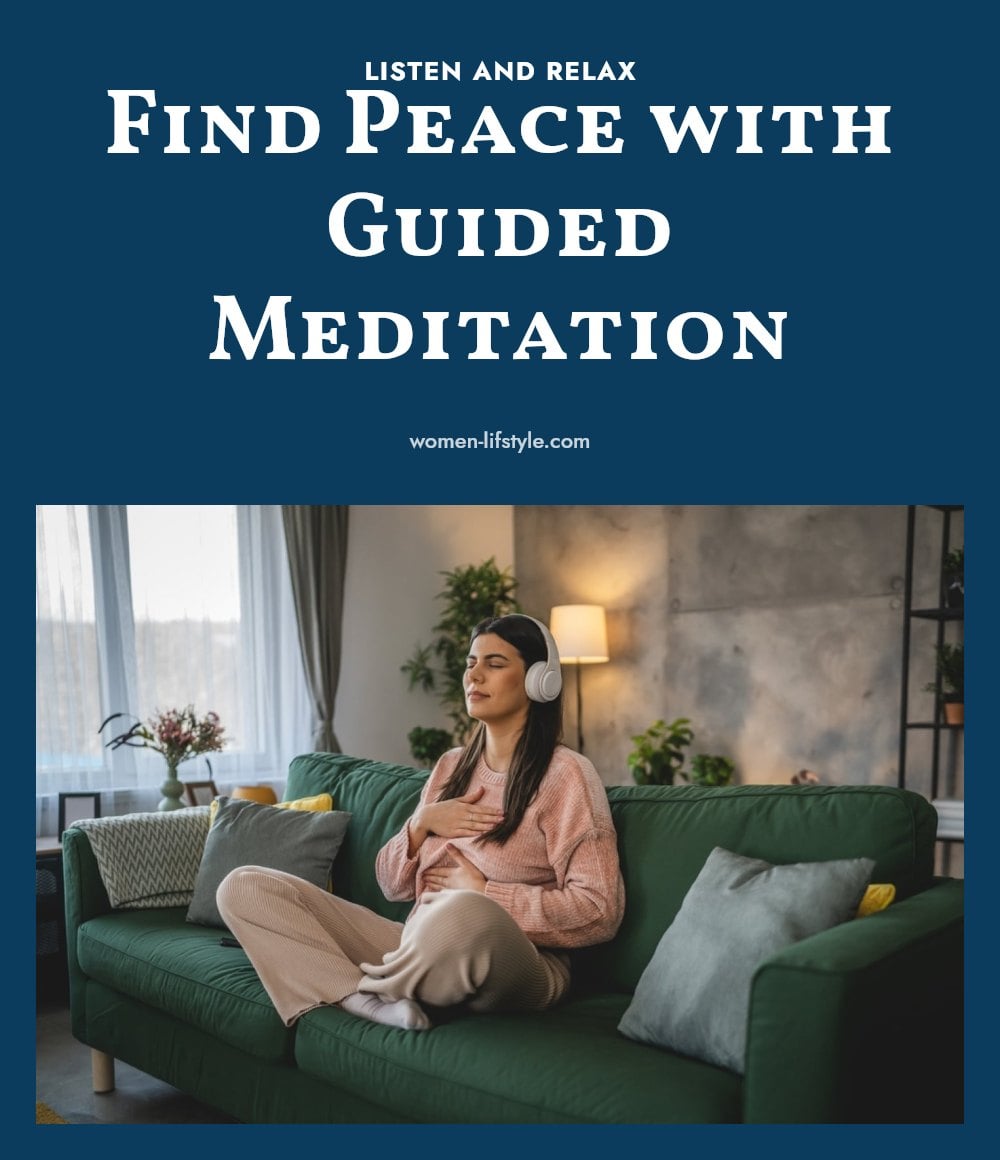
Guided meditations are a fantastic entry point. A teacher’s voice leads you through the process, so you don’t have to figure it out alone. This structure removes the guesswork and helps you stay on track.
You’ll find guided sessions on meditation apps, YouTube, and many wellness websites. Most range from 5 to 30 minutes.
Tip: Look for a voice and style that feels calming to you. Free options on YouTube are abundant, while subscription apps often offer structured programs for beginners. Test a few before committing to one.
6. Experiment with Techniques
There’s no single ‘right’ way to meditate. Different techniques work for different people, so treat the first few weeks as an exploration. Trying several styles helps you discover what feels natural and effective for you.
Mindfulness meditation means paying attention to the present moment, including thoughts, feelings, and physical sensations, without judgment. Concentration meditation narrows your focus to a single point, like your breath, a mantra, or a candle flame. Loving-kindness meditation (Metta) involves silently repeating phrases of goodwill toward yourself and others.
My tip: Mindfulness focuses on present moment awareness, while concentration meditation might use a mantra or object. Spend a week with each style to see which resonates.
7. Practice Body Scan Meditation
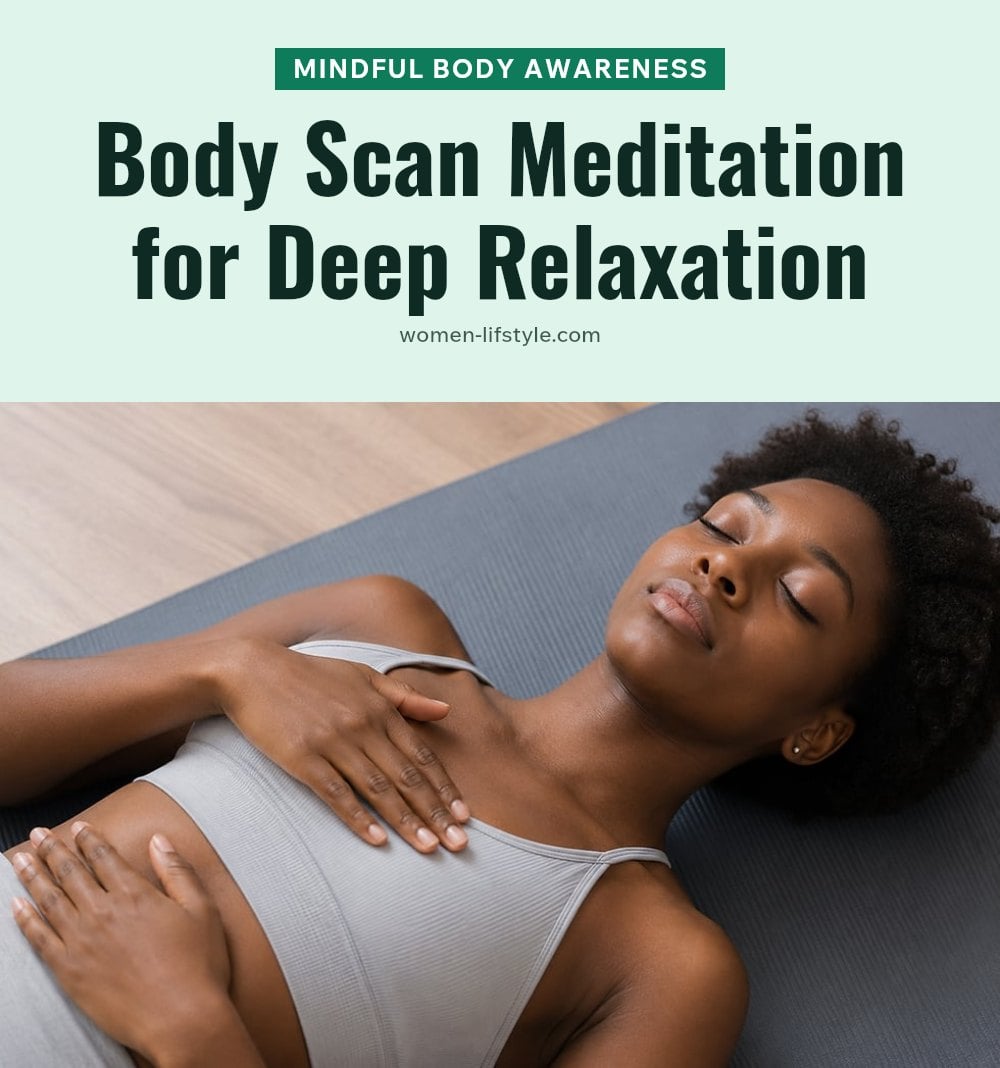
Body scan meditation involves systematically moving your attention through your body, from your toes to the top of your head. You simply notice whatever sensations arise, warmth, tingling, pressure, or nothing at all, without trying to change them.
This technique helps you become more aware of physical tension you might normally ignore. Many people find it deeply relaxing, as the focused attention can help release held stress in muscles.
Tip: Start from your toes and slowly move up to your head, just observing what you feel. Spend about 10 to 20 seconds on each area before moving to the next.
8. Incorporate Loving-Kindness
Loving-kindness meditation (Metta) focuses on developing feelings of warmth and compassion. You start by directing these feelings toward yourself, then gradually extend them to loved ones, neutral people, and even those you find challenging. Good to know: Silently repeat phrases like “May I be happy, may I be healthy, may I be free from suffering.” This practice can shift your emotional baseline over time, making it easier to respond with kindness instead of reactivity. It’s a structured way to actively cultivate compassion rather than waiting for it to happen naturally.
9. Meditate Beyond Sitting
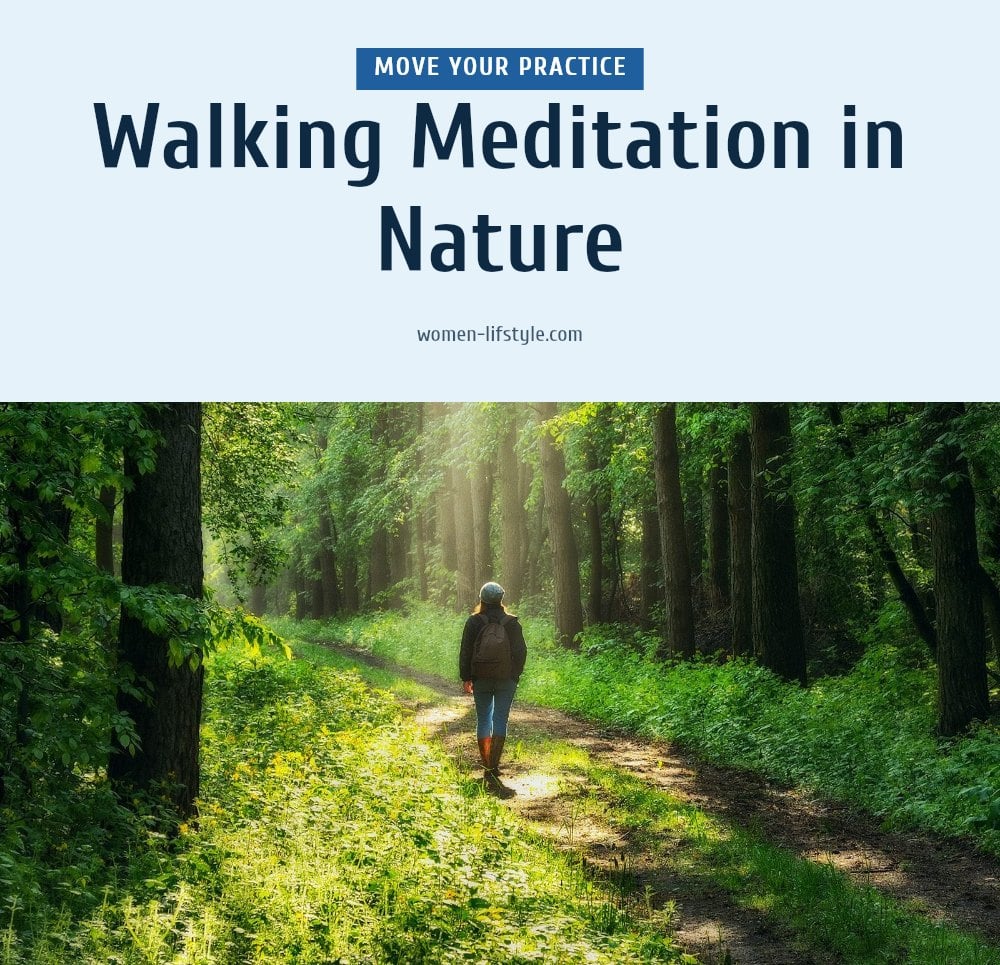
Meditation doesn’t have to happen on a cushion. You can practice while walking, lying down, or during everyday activities. Mindful walking, for instance, means paying attention to the sensation of your feet hitting the ground, the rhythm of your steps, and the air moving past your skin. Pro move: Try bringing mindful awareness to simple tasks like washing dishes or drinking tea. The warmth of the water, the feel of the mug in your hands, the smell of the tea, each sensation becomes an anchor. This broadens your practice beyond formal sessions, weaving it naturally into your day.
10. Be Patient and Kind
Don’t expect immediate profound results. Benefits from meditation often unfold gradually with consistent practice. Be patient and kind to yourself, recognizing that every session is a learning experience, not a test. Quick tip: Avoid comparing your meditation experience to others; your journey is unique. Some days you’ll feel focused, other days scattered. Both are valuable. The real progress is in showing up regularly, not in achieving a particular state of mind. Over weeks and months, the small shifts add up.
11. Consider a Cushion or Mat
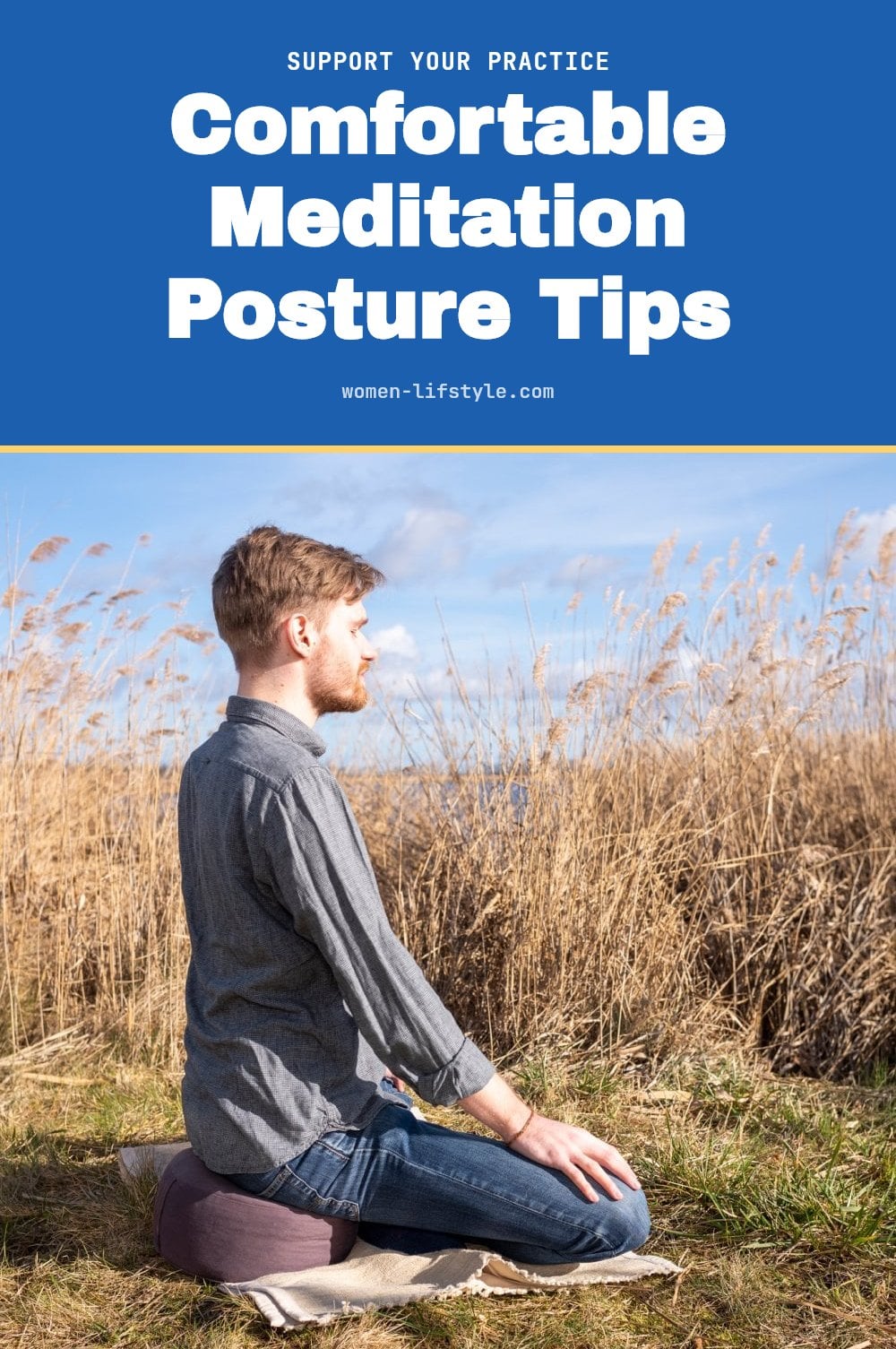
A cushion or mat isn’t required, but it can make longer sessions much more comfortable. Comfort reduces physical distractions, allowing you to focus on your practice instead of your aching back or hips. Tip: Any comfortable pillow can work as a meditation cushion when you’re starting out. Experiment with height. A firmer, slightly elevated support often works better than a flat one. The goal is a stable, relaxed posture where you don’t have to adjust constantly. A small investment in comfort pays off quickly.
When to Seek Professional Guidance
If you have a mental health condition, speak with a healthcare professional before starting a meditation practice, especially one that involves intense emotional processing. Meditation is a complementary tool, not a replacement for professional medical or psychological treatment.
Caution: If you experience significant distress or discomfort during meditation, stop immediately. Consider seeking guidance from a qualified instructor or therapist who can help you navigate those reactions safely.
Frequently Asked Questions
How long should a beginner meditate?
Start with short sessions of 5 to 10 minutes a day. This is long enough to build a habit without feeling overwhelming. As you get more comfortable, you can gradually extend the time. Consistency is more important than duration, so a brief daily practice is better than a long session you only do occasionally.
Can meditation be harmful?
For most people, meditation is safe and beneficial. However, if you have a mental health condition, consult a healthcare professional before starting, especially with techniques that involve intense emotional processing. If you experience significant distress during practice, stop and consider seeking guidance from a qualified instructor or therapist.
What if I can’t stop my mind from wandering?
That’s completely normal and actually part of the practice. The goal isn’t to clear your mind of all thoughts, but to notice when you’ve drifted and gently guide your attention back to your anchor, like your breath. Each time you do this, you’re strengthening your focus. Be patient and kind to yourself.
Is it better to meditate in the morning or at night?
The best time is whenever you can consistently fit it into your routine. Many people find morning meditation helps set a calm tone for the day, while others prefer evening sessions to unwind. Experiment with different times and see what feels most natural for you. The key is making it a regular habit.
Can I meditate without sitting down?
Absolutely. Meditation can be practiced while walking, lying down, or even during everyday activities like washing dishes. Mindful walking, for example, involves paying attention to the sensation of your feet hitting the ground. The technique adapts to your lifestyle, so you don’t need a cushion to get started.
Final Thoughts
My top recommendation is to start small and stay consistent, even if it’s just five minutes of focusing on your breath each day. Realistic expectations matter here; you might not feel a huge shift after a single session, but many people notice subtle benefits within a few weeks of daily practice. Remember, meditation is a personal journey, so be kind to yourself and keep exploring what feels right for you.
This article provides general information about meditation for wellness purposes and is not a substitute for professional medical or psychological advice. If you have a mental health condition or experience significant distress during practice, consult a healthcare professional or qualified instructor for personalized guidance.
