

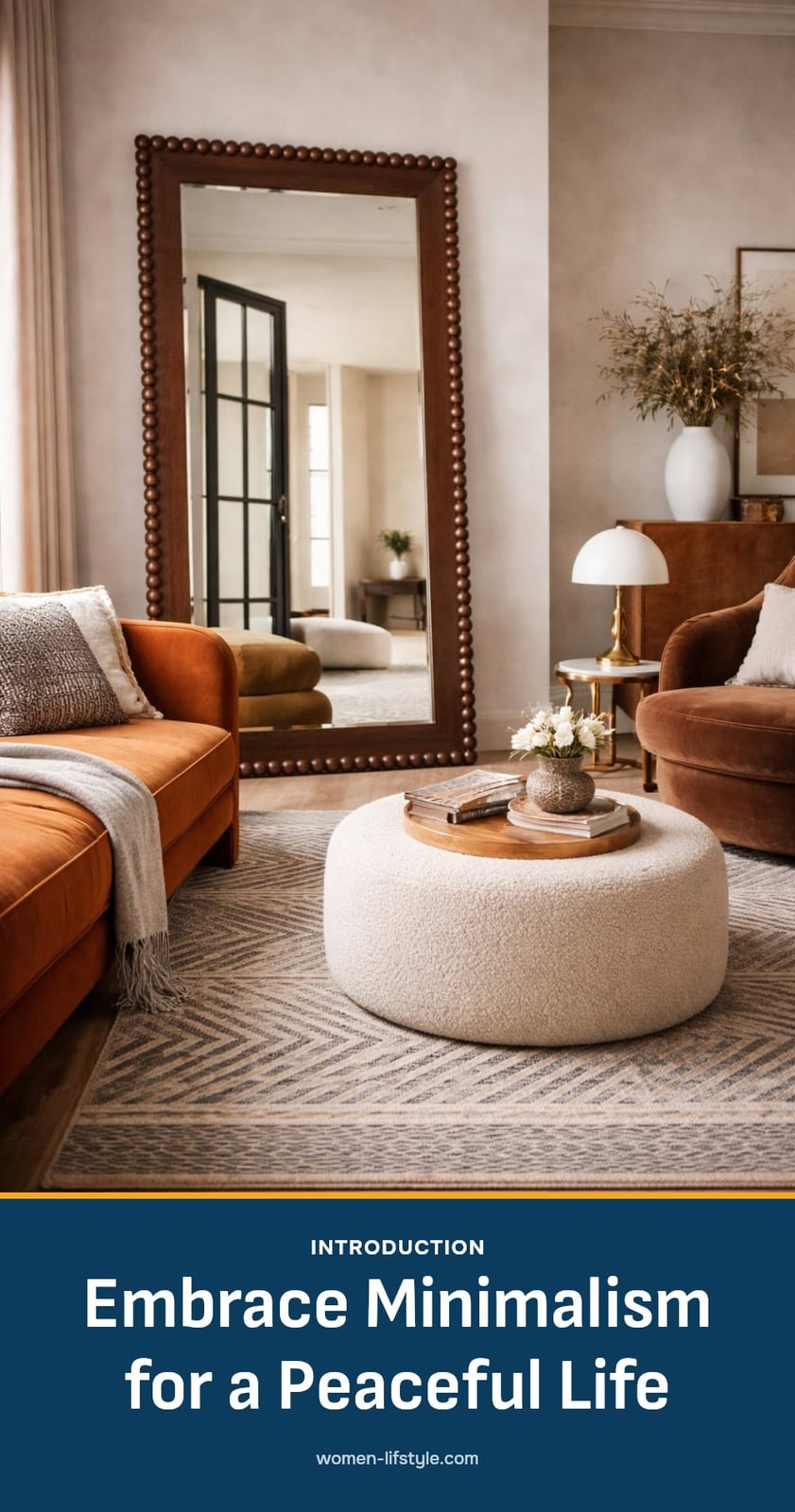
If you’re feeling weighed down by clutter, constant busyness, or the pressure to keep up with consumer culture, minimalism might be the shift you need. It’s not about living with nothing, but about intentionally making space for what truly matters, experiences, relationships, and peace of mind. This article walks you through practical steps to simplify your home, schedule, and digital life without the overwhelm.
Key Takeaways
- Start with one small area, like a drawer or shelf, to build momentum.
- Ask yourself if each item serves a purpose or brings joy before keeping it.
- Follow the ‘one in, one out’ rule to prevent clutter from returning.
- A capsule wardrobe typically includes 30 to 40 interchangeable pieces.
- Minimalism is an ongoing journey, not a one-time event.
What Is Minimalism, Really?
Minimalism is a lifestyle philosophy centered on intentionally living with less to free up space for what truly matters. It goes beyond physical clutter to include digital files, time commitments, and mental load. The goal isn’t deprivation but prioritization: experiences, relationships, and personal growth over material accumulation. In practice, this means questioning every possession, habit, and commitment, then keeping only what adds real value. The result is greater freedom, purpose, and peace, not a bare home, but a deliberate one.
1. Start Small, One Area at a Time
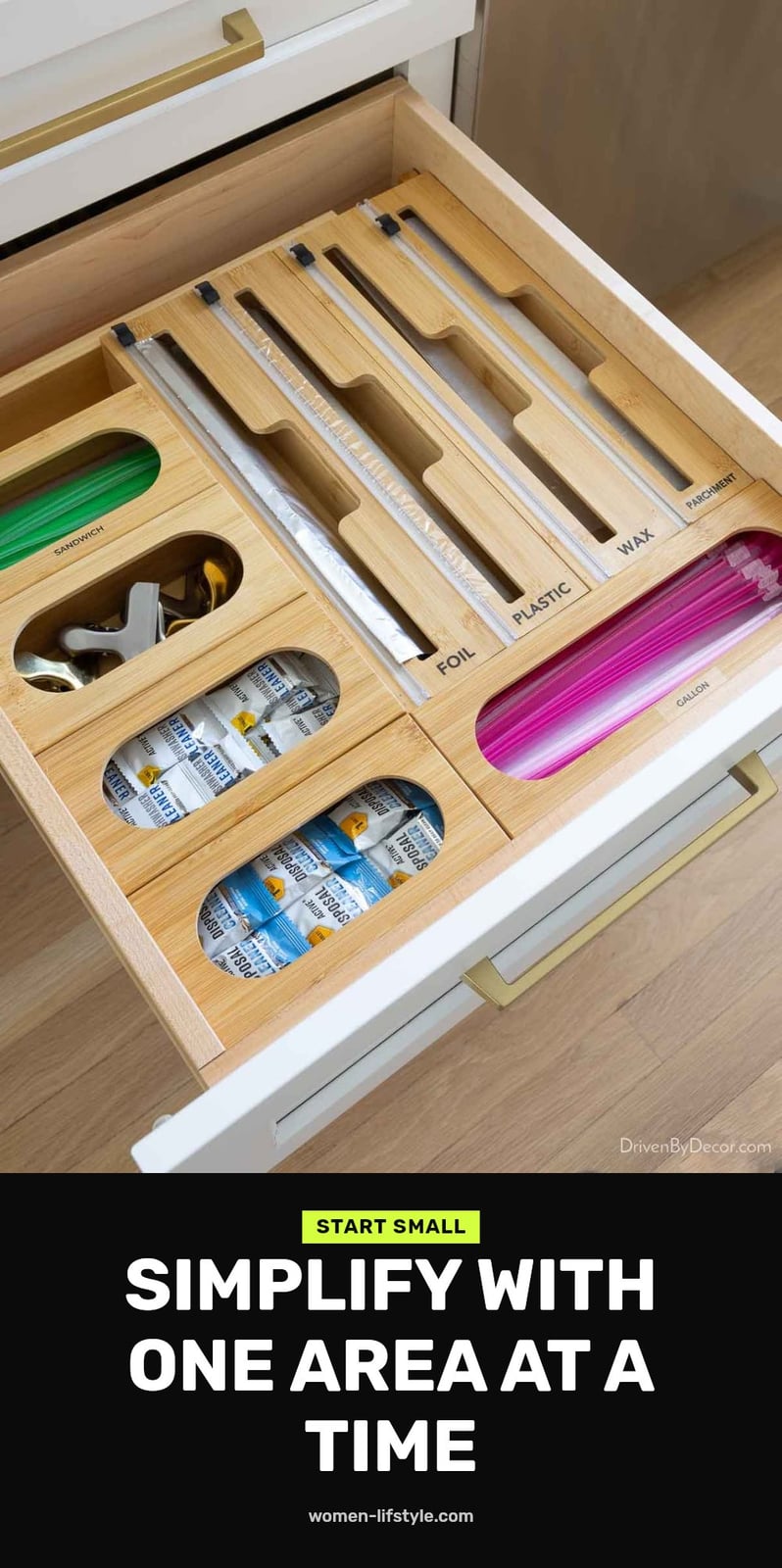
The fastest way to burn out is trying to declutter your whole house in one weekend. Instead, pick a single small area: a junk drawer, one shelf, or your nightstand. That’s it.
Why it works: A small win builds momentum. You see immediate progress, feel a sense of control, and learn to make decisions about what stays. Once that drawer feels right, you’ll naturally want to move to the next spot. Start with a 15-minute session on one surface, then stop.
2. Question Every Possession’s Value
Hold each item in your hands and ask: does this serve a purpose, bring me joy, or add real value to my life? This is the core question behind the KonMari method, and it works because it shifts the focus from “should I keep this?” to “does this earn a place here?”
My tip: If you hesitate longer than three seconds, it’s probably not earning its spot. Group similar items together first, all your mugs, all your scarves, so you can compare and keep only the ones that truly spark a positive feeling.
3. Embrace the ‘One In, One Out’ Rule
Once you’ve decluttered, keep the space from refilling with a simple habit: every time you bring a new item home, remove one existing item. That’s the “one in, one out” rule.
How to apply it: If you buy a new pair of jeans, donate an old pair. If a friend gives you a candle, let go of another candle you rarely use. This forces you to think before buying: “What will I remove to make room for this?” Over time, it trains you to bring home only what you truly love and need.
4. Curate a Capsule Wardrobe

A capsule wardrobe is a small collection of interchangeable pieces you can mix and match to create multiple outfits. Aim for 30 to 40 items total, including shoes and outerwear, but no set number is required.
Choose a neutral color palette: Stick with 2-3 base colors like black, white, and denim, plus one accent color. This ensures every top works with every bottom.
Focus on fit and fabric: Each piece should fit well and feel good against your skin. If a shirt pills after two washes or a pair of pants needs constant tugging, it does not belong in your capsule.
Rotate by season: Pack away off-season items so your daily wardrobe stays small and functional. Pull them out when the weather changes.
5. Declutter Your Digital Life
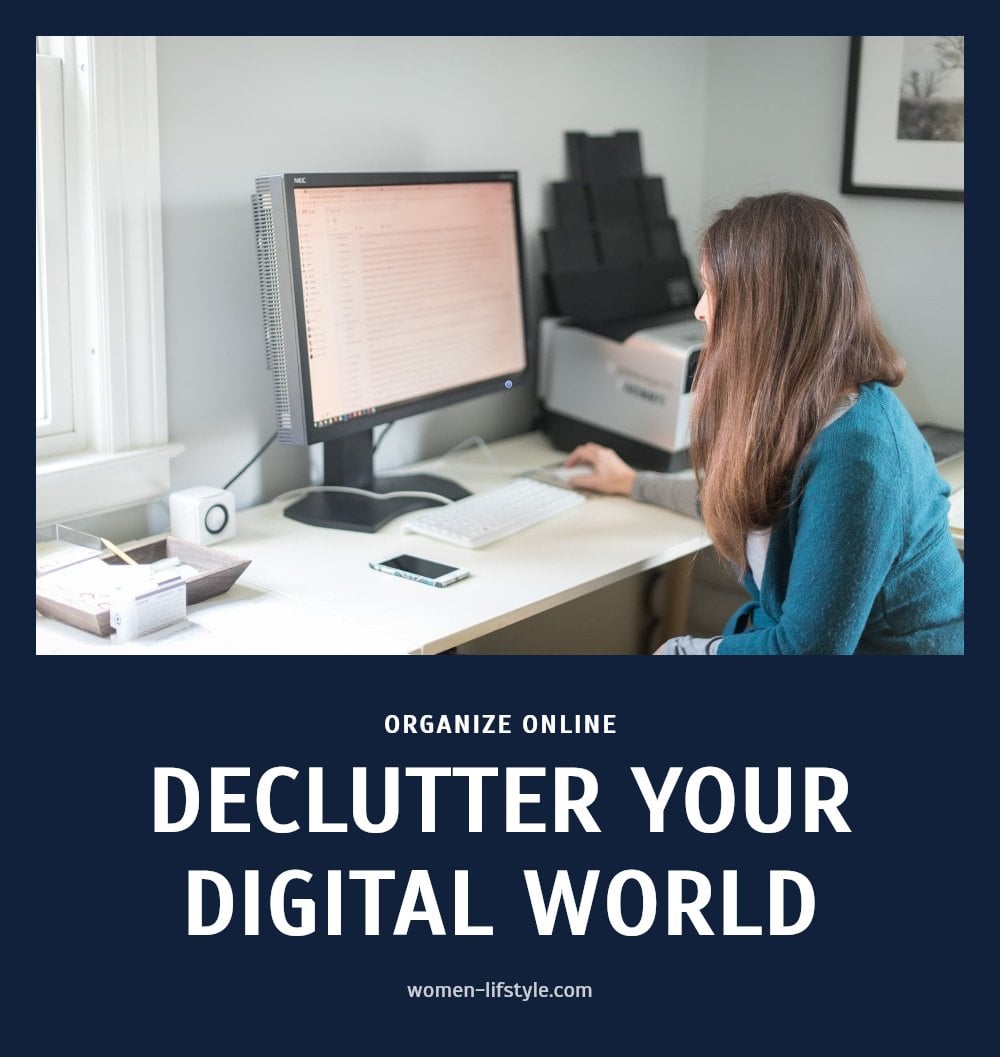
Digital clutter takes up mental space just like physical stuff does. Start by unsubscribing from every email list that does not bring you value. Use a tool like Unroll. Me or do it manually over a few days.
Clean your files and photos: Delete duplicates, blurry shots, and screenshots you no longer need. Create a simple folder system with broad categories like “Receipts” and “Family Photos” so you can find what you need.
Set screen time limits: Use your phone’s built-in app timers to cap social media and news apps at 30 minutes per day. This frees up hours for real-world connections and hobbies.
6. Prioritize Experiences Over Things

Research consistently shows that spending money on experiences like travel, concerts, or cooking classes leads to longer-lasting happiness than buying material goods. Memories grow richer over time, while objects often lose their appeal.
Redirect your spending: Before you click “buy” on a new item, pause and ask whether that money could fund an experience instead. A $50 sweater might feel good for a week, but a $50 pottery workshop can create a skill and a story.
Gift experiences, not things: For birthdays and holidays, offer a homemade dinner, a hiking date, or tickets to a local event. This strengthens relationships without adding clutter to anyone’s home.
7. Consider a ‘Packing Party’
A packing party is a direct way to see what you actually use. Pack every single belonging into boxes and bins as if you were moving. Then live normally for two to four weeks, unpacking only items you genuinely need.
Label boxes by room: Write a general category on each box, like “kitchen tools” or “bathroom extras,” so you can find things without unpacking everything.
After the trial period: Donate or sell anything still sitting in boxes. Most people discover they need only 30-40% of what they originally owned. This method removes the guesswork from decluttering.
8. Create a ‘Maybe’ Box
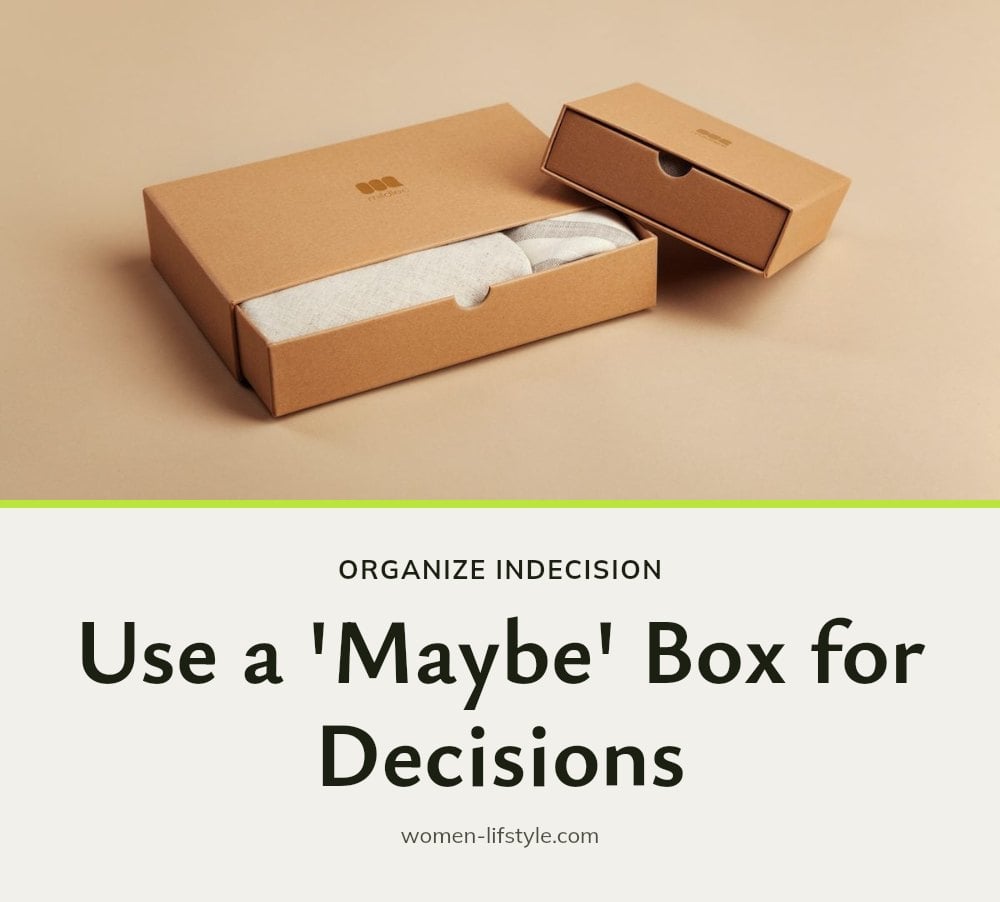
If you’re on the fence about an item, put it in a maybe box. Seal it and write today’s date on the side. Store it out of sight for three to six months.
After that time, open the box. If you haven’t needed or even thought about those items, it’s safe to donate or toss them. This method removes the pressure of making an instant decision. You give yourself space to realize what you truly miss.
9. Donate or Sell Unused Items
Donate usable items to local charities or shelters. For pieces with resale value, try consignment shops or online marketplaces. This keeps items out of landfills and gives them a second life.
Tip: Research donation guidelines first. Some organizations don’t accept certain electronics or furniture. Selling also puts cash back in your pocket, which you can redirect toward experiences or savings. Either way, you reduce waste and help others.
10. Practice Gratitude for What You Have
Start a daily gratitude practice. Each morning, name one possession you’re thankful for, like your coffee maker or a warm coat. This shifts your focus from what you lack to what you already have.
When you feel the urge to buy something new, pause and mentally list three things you own that serve you well. That simple act often kills the impulse. Gratitude makes you realize you already have enough, which is the heart of minimalism.
11. Understand It’s an Ongoing Journey
Minimalism isn’t a finish line you cross. It’s a continuous process of evaluating what stays and what goes. Your needs change, and your space will reflect that.
Some seasons you’ll have more, others less. That’s normal. The goal isn’t perfection but intentionality. Check in with yourself every few months. Adjust your approach as your life evolves. The practice itself is what matters, not getting it right once.
Common Minimalism Mistakes to Avoid
Mistake: Thinking minimalism means living with absolutely nothing. It doesn’t. Minimalism is about intentionality, not deprivation. Keep what serves you. A bare room with no furniture isn’t the goal; a home filled only with items you use and value is.
Mistake: Getting rid of everything all at once and regretting it later. Decluttering is not a race. Take your time. Use strategies like the ‘maybe’ box for items you are unsure about. You can always donate something later, but you cannot easily get back a sentimental item you tossed in a frenzy.
Mistake: Buying new ‘minimalist’ items just to replace old ones. The goal is to reduce consumption, not just swap items. A new set of matching storage bins does not make you a minimalist if your closet is still overstuffed. Focus on owning less, not buying different versions of what you already have.
Mistake: Focusing only on physical items and ignoring digital or time clutter. Minimalism extends to all areas of life. A tidy home can still leave you overwhelmed if your inbox is full and your calendar is packed. Declutter your digital files, unsubscribe from unnecessary emails, and say no to commitments that drain your energy.
Mistake: Comparing your minimalist journey to others. Your path is personal. There is no single ‘right’ number of possessions, no official checklist. What works for a single person in a small apartment may not work for a family of four. Focus on your own priorities and progress.
Frequently Asked Questions
What is the difference between minimalism and decluttering?
Decluttering is the act of removing excess items from a space, while minimalism is a broader lifestyle philosophy that guides how you live with less. Decluttering is a tool you use in minimalism, but minimalism also involves evaluating your time commitments, digital habits, and mental load.
Can I be a minimalist if I have a family?
Yes, minimalism is personal and adaptable. You don’t need to force family members to adopt your practices. Focus on your own belongings and habits, and involve others only if they’re interested. A shared space can still reflect minimalist values through intentional choices that benefit everyone.
How do I deal with sentimental items in minimalism?
Don’t feel guilty about letting go of sentimental items if they no longer serve you. Consider keeping a small, curated collection of the most meaningful pieces, or take photos of items before donating them. The memories remain even when the object is gone.
Is there a specific number of items a minimalist should own?
No, there is no single ‘right’ number. Minimalism is about individual intentionality, not a target count. What works for one person may be too much or too little for another. Focus on keeping only what you use, value, or truly love.
How long does it take to become minimalist?
Minimalism is an ongoing journey, not a one-time event. Initial decluttering can take weeks or months, depending on the size of your home and how much you own. After that, continuous maintenance and periodic reviews keep your space aligned with your priorities.
What are the financial benefits of minimalism?
By reducing unnecessary spending and focusing on what you truly need, minimalism can lead to significant savings. You spend less on impulse purchases and storage solutions, and you may earn money by selling unused items. The financial freedom can then be redirected toward experiences or goals that matter more.
Final Thoughts
My tip: begin with a single drawer or your email inbox, and let the sense of relief guide you forward. Expect the initial decluttering to take weeks or months, and plan to revisit your space regularly as your needs change. The goal is not perfection, but a life that feels lighter and more aligned with what you value most.
