

You pull a favorite sweater out of the wash and there they are: tiny fuzzy balls along the sleeves and sides. Pilling happens when short fibers tangle together, and friction from wearing, washing, or rubbing against other surfaces is what sets it off. Some fabrics pill more than others, but the fix is usually simple.
This article covers why pilling happens, how to remove pills that are already there, and the laundry habits that keep your clothes looking smoother for longer.
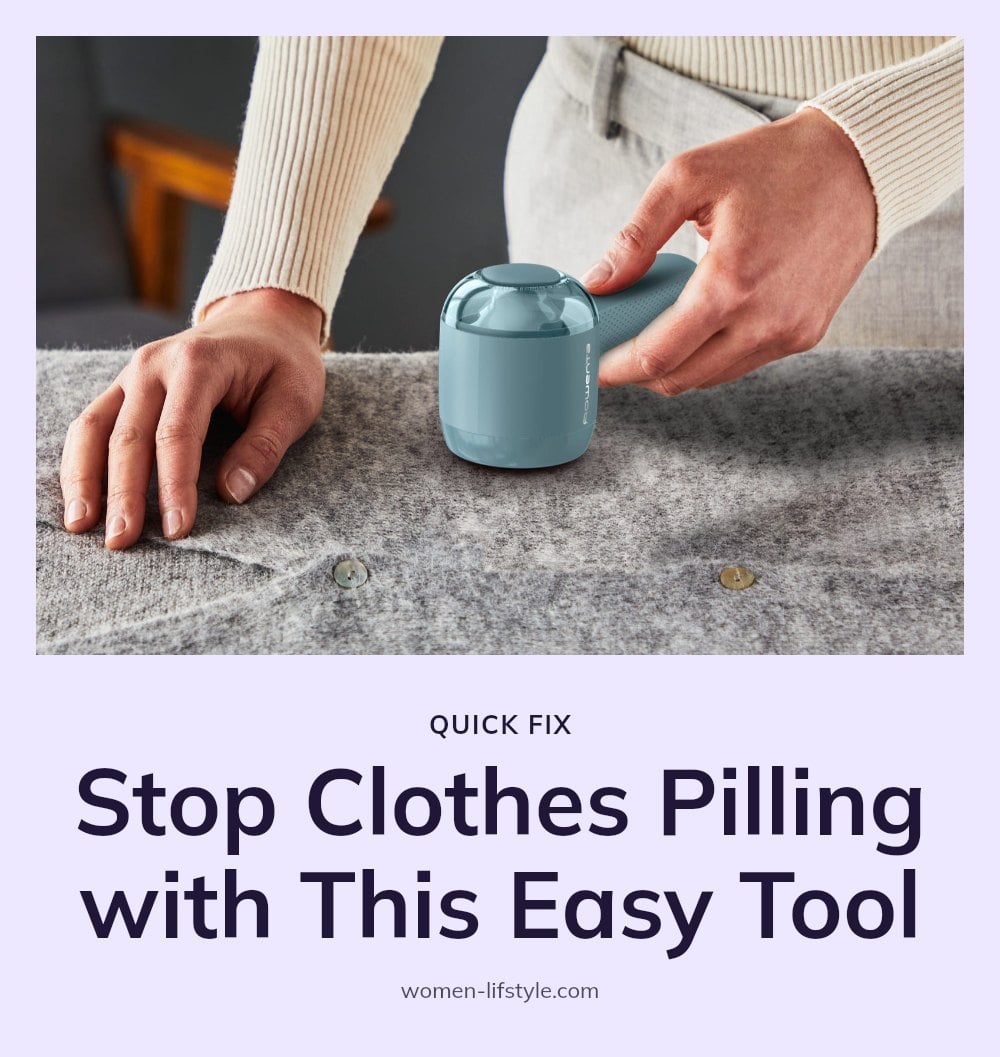
Key Takeaways
- Wash pill-prone items inside out on a gentle cycle with cold water.
- Skip the dryer heat for these fabrics and air dry or use low heat.
- De-pill as soon as you notice fuzz, using a fabric shaver or pumice stone.
- Choose tightly woven or knitted fabrics when you shop for new clothes.
- Never use adhesive tape on pills, since it can pull and damage fibers.
What is Pilling and Why Does It Happen?
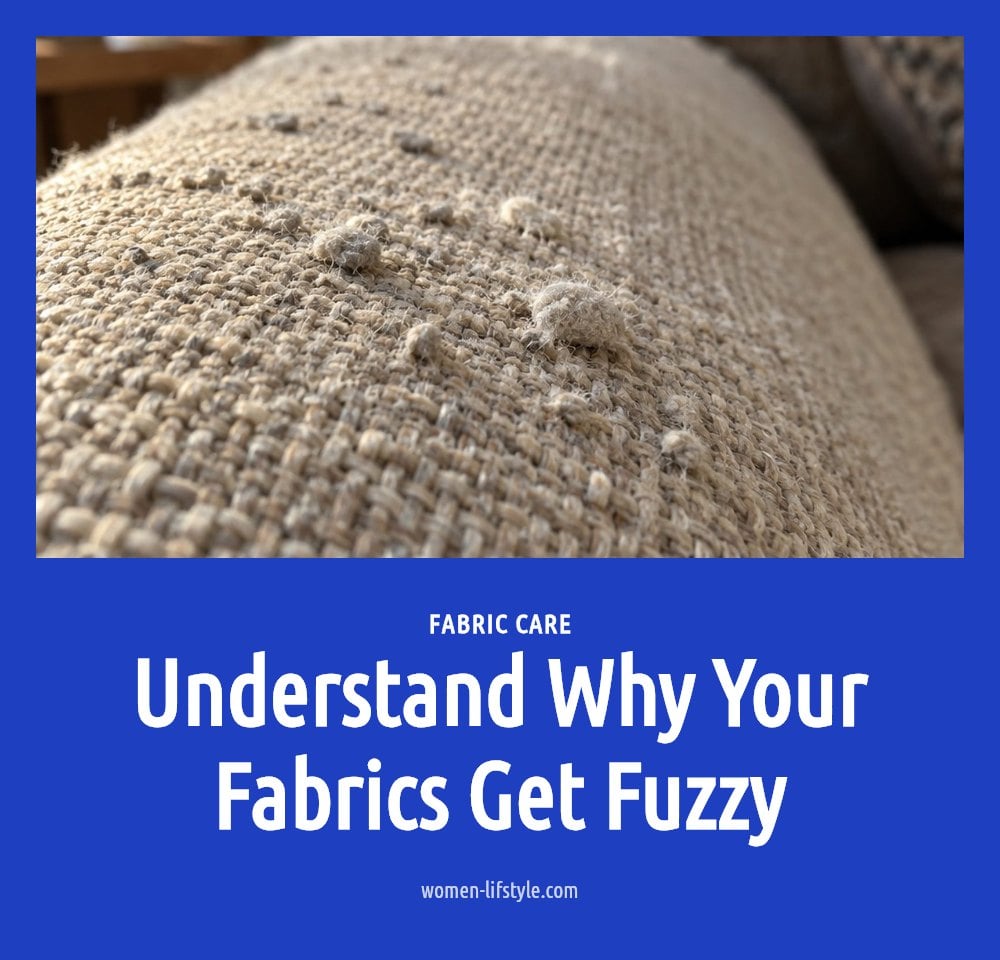
Pilling is those small, fuzzy balls of tangled fibers that show up on your clothes, usually in spots that rub a lot like under the arms or along the seams. Friction from wearing and washing is the main cause: it pulls short fibers to the surface, where they knot together. Synthetic and blended fabrics are the worst offenders because their strong fibers hold onto the pills instead of breaking off and falling away.
The Real Reasons Your Clothes Are Pilling
The Real Reasons Your Clothes Are Pilling
Pilling starts when short or broken fibers on the fabric surface tangle into tiny balls. Friction is the trigger, whether from wearing, washing, or rubbing against a bag or seat. But why some fabrics pill more than others comes down to fiber type and weave.
Synthetic fibers like polyester and acrylic: These are strong and don’t break off easily, so pills stay stuck to the fabric instead of shedding. That’s why your acrylic sweater looks fuzzy after a few wears.
Blended fabrics: A cotton-polyester blend pills more than pure cotton because the strong synthetic fibers trap the weaker natural ones, preventing them from falling off.
Loosely woven or knitted fabrics: When fibers aren’t tightly secured, they move around more and tangle faster. A chunky knit sweater is more prone to pilling than a tightly woven denim jacket.
Go-To Methods for Removing Existing Pills
Go-To Methods for Removing Existing Pills
You have several tools to choose from, and each works best on certain fabrics. Always test on an inconspicuous area first, especially with delicate materials.
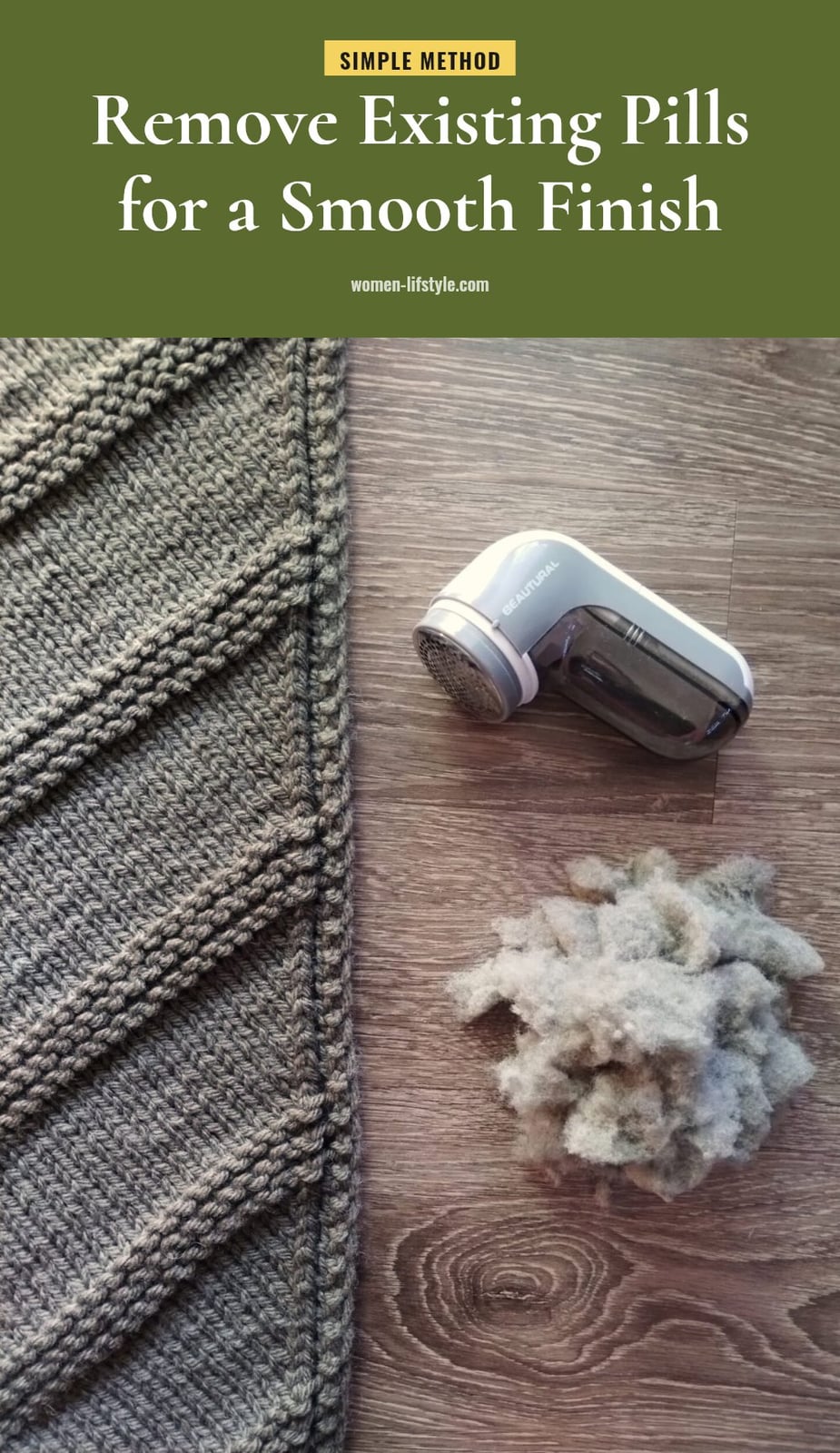
Electric fabric shaver: This is the fastest option for most fabrics. Glide it gently over the surface in one direction, and empty the collection chamber often. Caution: Don’t press down hard or linger in one spot, or it can cut the fabric.
Pumice stone or fabric comb: Great for knits and sweaters. Rub the stone lightly in one direction, or use the comb to lift pills without damaging the weave. Tip: Work on a flat surface and brush off the lint as you go.
Disposable razor: For stubborn pills on sturdy fabrics like wool coats or thick sweaters. Hold the fabric taut with one hand and shave with short, light strokes. Caution: Use a new, sharp razor and move slowly to avoid cutting the fabric or yourself.
How to Prevent Pilling Before It Starts
How to Prevent Pilling Before It Starts
Small changes in your laundry routine and shopping choices make a big difference. Here’s what works:
- Turn garments inside out: This protects the outer surface from friction during washing.
- Use a gentle cycle with cold water: Reduces fiber damage and tangling.
- Avoid overloading the machine: Too many clothes increase rubbing between items.
- Sort laundry by fabric type: Keep delicates away from rough items like jeans and towels.
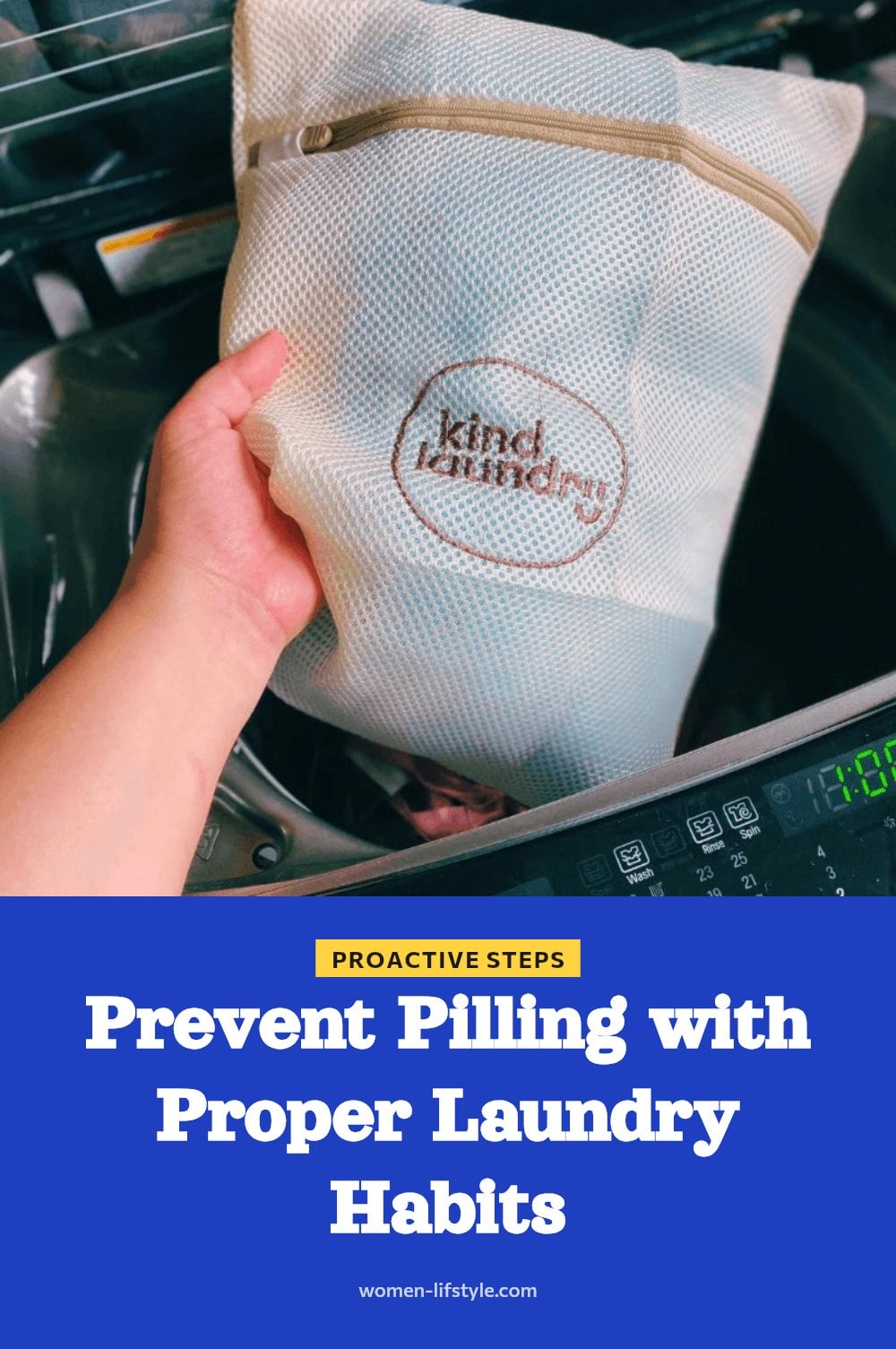
- Use mesh laundry bags: Put pill-prone items like sweaters or fleece in a bag before washing.
- Air dry or tumble dry on low heat: High heat weakens fibers and makes them more likely to pill.
- Choose tightly woven fabrics: When shopping, look for smooth, dense weaves and high-twist yarns. They pill far less.
Common Pilling Mistakes to Avoid
Ignoring the care label is a fast track to pilling. Those symbols and instructions exist for a reason, and skipping them often means using the wrong water temperature or cycle, which stresses fibers. Overloading the washing machine is another common mistake: too many items crammed together rub against each other more, increasing friction and pilling. Washing delicates with heavy items like jeans or towels is equally damaging, as the rough fabric abrades softer fibers.
Mistake: Using adhesive tape to remove pills. It may pick up a few loose balls, but the sticky residue and pulling action can distort and weaken the fabric surface. Over-drying clothes in the dryer is another error: high heat makes fibers brittle and more prone to breaking and tangling into pills. Stick to low heat or air drying.
Top Tips for Keeping Your Clothes Pill-Free

When you buy a new garment, wash it separately or with similar fabrics for the first few cycles. This prevents loose fibers from other clothes from embedding and forming pills. Tip: Remove pills as soon as you spot them. Letting them sit gives them time to tangle further and become harder to remove without damaging the fabric.
Pay attention to fabric quality when shopping. Tightly twisted yarns hold fibers together better than loosely spun ones, so they pill less. During wear, be mindful of friction from bags, seat belts, or rough surfaces that rub against pill-prone areas like sleeves and sides. A little awareness goes a long way.
Frequently Asked Questions
Why do some fabrics pill more than others?
Synthetics like polyester, acrylic, and nylon pill more because their strong fibers hold onto tangles instead of breaking off. Blends often pill worst since synthetic fibers trap weaker natural fibers. Loosely woven or knitted fabrics also pill more because fibers sit less securely.
Can fabric softener help prevent pilling?
It is not a reliable fix. Some sources suggest softeners reduce friction, but others say they coat fibers and make tangling more likely. If you want to try it, test on one garment first. A gentler wash routine is a safer bet for prevention.
Is it normal for new clothes to pill?
Yes, it can happen after just a few wears or washes, especially with synthetic or blended fabrics. New garments may also pick up loose fibers from older clothes in the wash. Washing new items separately or with similar fabrics for the first few cycles helps.
How often should I de-pill my clothes?
There is no set schedule. Check garments after each wash and remove pills as soon as you notice them. Letting pills sit gives them time to tangle more fibers. A quick pass with a fabric shaver takes only a few minutes per item.
Does air drying prevent pilling?
Air drying is gentler than high heat, which can make fibers brittle. Tumble drying on low heat is also an option. Neither method stops pilling completely, but avoiding high heat reduces the friction and damage that lead to pills.
Final Thoughts
If pilling is a recurring problem in your closet, start by changing how you wash the items that bother you most. Turn them inside out, use a gentle cycle with cold water, and keep them out of a crowded load. Then de-pill as soon as you spot fuzz instead of waiting for it to build up.
Expect a few minutes of upkeep per garment, not a permanent fix. Fabric will always shed some fibers with wear, but consistent care keeps pills from taking over. A little attention now means your clothes look newer for longer.
