

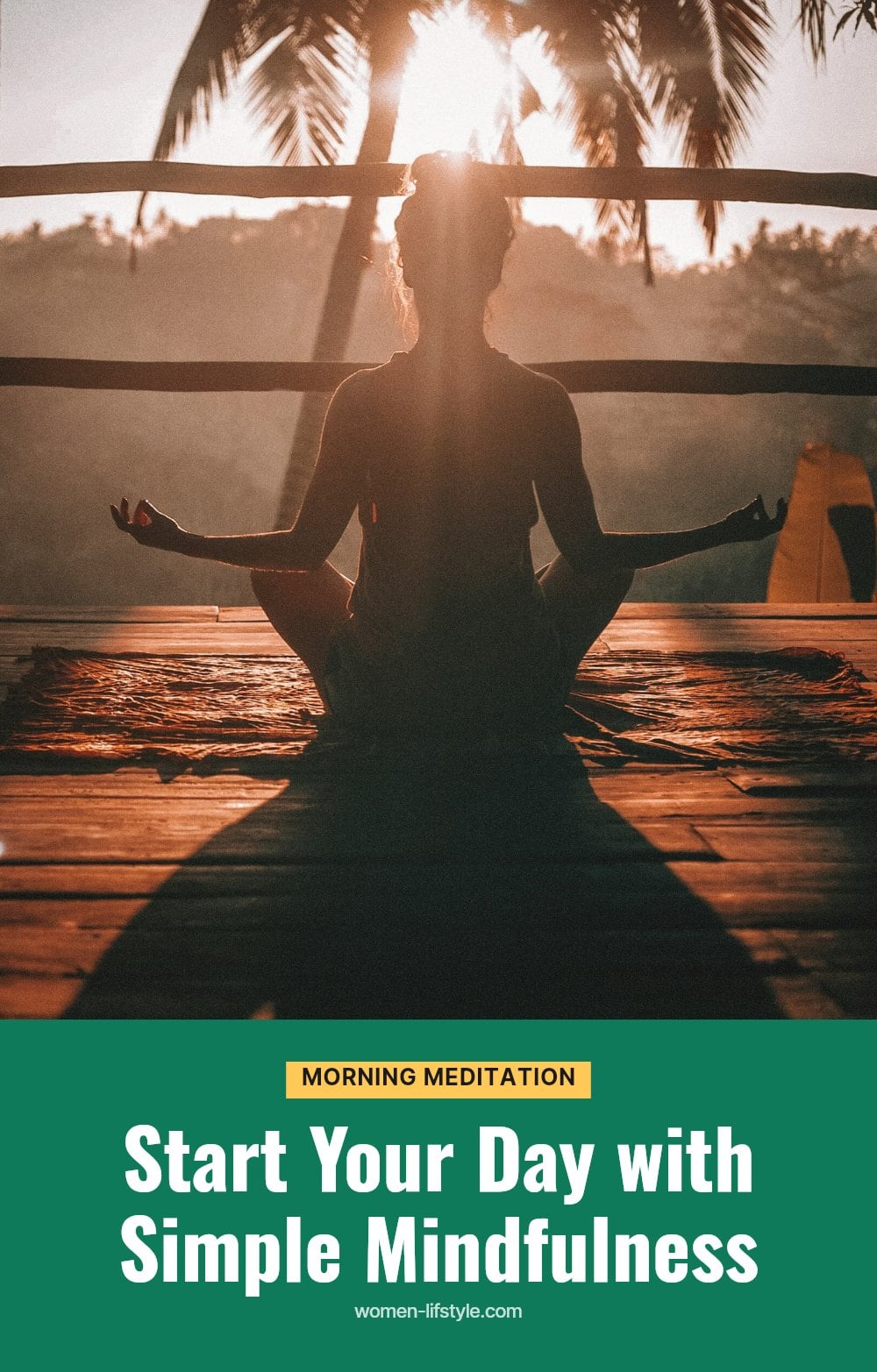
Feeling stressed, overwhelmed, or just a bit disconnected? You’re not alone. Mindfulness is a simple, practical way to bring your attention back to the present moment, and you can start right now, no special equipment needed. In this article, I’ll walk you through easy mindfulness exercises you can try today, from quick formal meditations to simple ways to weave awareness into your daily routine.
Key Takeaways
- Start with 5 to 10 minutes daily, then gradually increase.
- Use your breath as an anchor whenever your mind wanders.
- Practice informal mindfulness during eating, walking, or dishwashing.
- Don’t force your mind to be empty; observe thoughts without judgment.
- Consistent short sessions beat infrequent long ones.
What is Mindfulness and Why Should You Practice It?
Mindfulness means intentionally paying attention to the present moment without judgment. It’s not about clearing your mind of thoughts but observing them as they come and go. Regular practice can help reduce stress, improve emotional regulation, and enhance overall well-being. While rooted in ancient traditions, particularly Buddhism, it has been adapted for secular use and is accessible to anyone.
What You Need to Start Your Mindfulness Journey
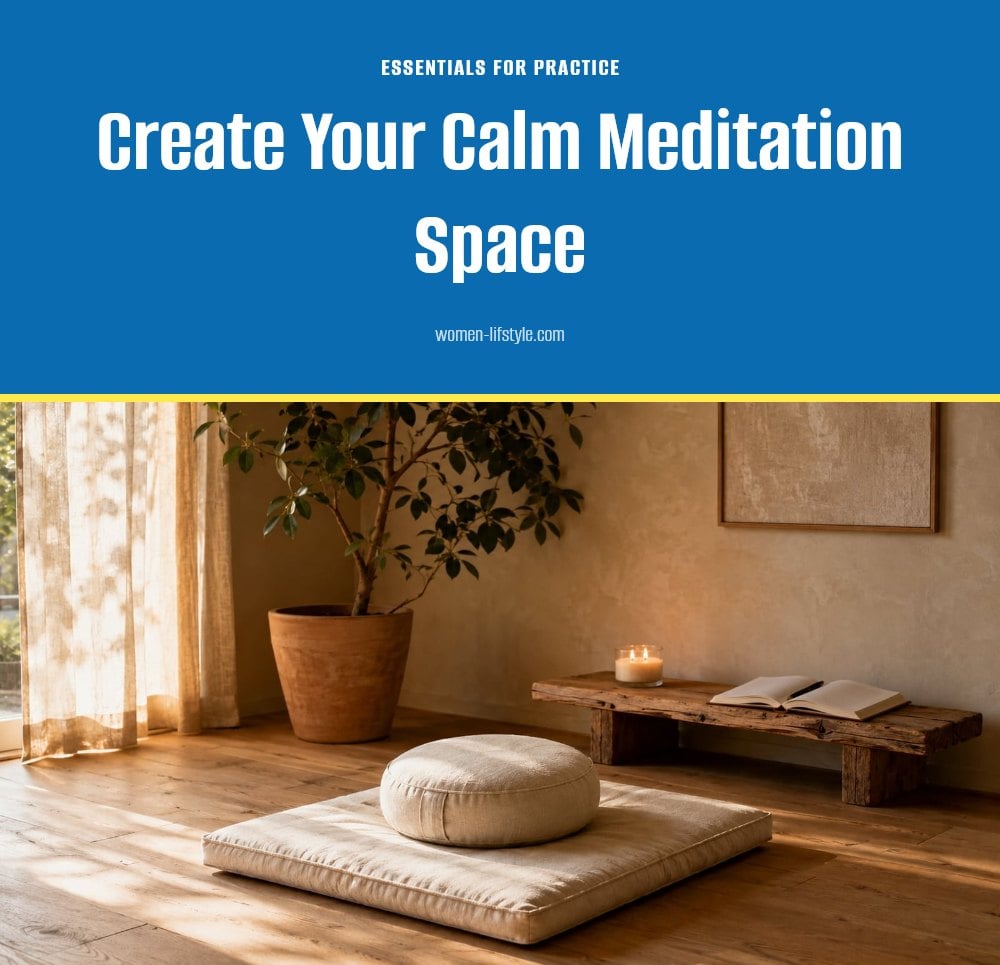
You don’t need much to start. A comfortable seat, like a cushion or chair, helps you stay still without discomfort. A quiet space minimizes distractions, though any spot where you won’t be interrupted works. Optional tools like a timer or guided meditation app can help, but they aren’t essential. Mindfulness is free and requires no special equipment.
Step-by-Step: How to Practice Formal Mindfulness Meditation
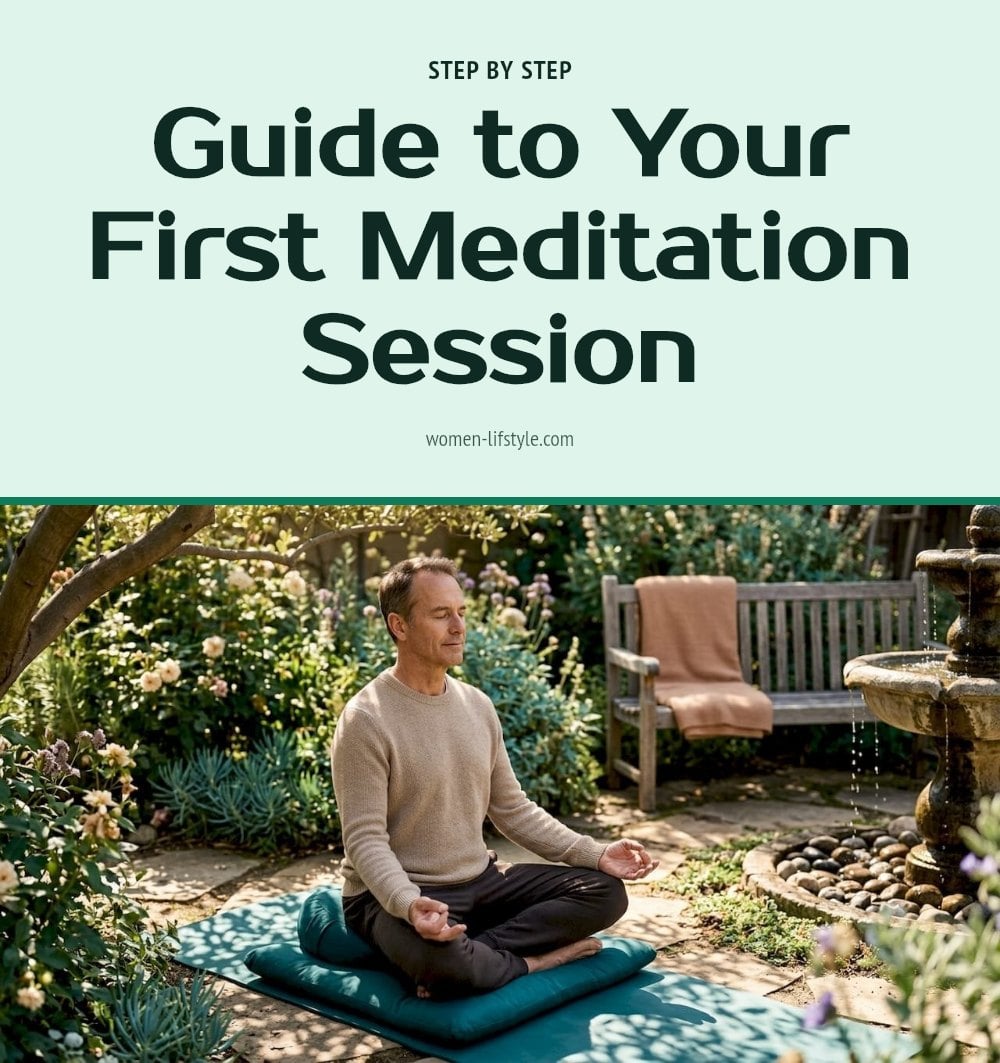
Start by finding a quiet, comfortable space where you can sit without being disturbed for a few minutes. Choose an anchor for your attention. Your breath works well because it’s always with you. Notice the sensation of air moving in and out of your nostrils or the rise and fall of your chest.
- Settle into your seat: Sit upright but relaxed, with your hands resting on your thighs or in your lap. Close your eyes or soften your gaze.
- Focus on your anchor: Bring your full attention to your breath. When thoughts arise, simply observe them without judgment.
- Redirect gently: The moment you realize your mind has wandered, acknowledge it and guide your focus back to your breath. No scolding needed.
- Start short and build: Begin with 5-10 minute sessions daily. Increase by a minute or two each week as it feels natural.
My tip: Use a timer with a gentle alarm so you don’t keep checking the clock. The goal is not to stop thinking but to notice when you’ve drifted and return kindly.
Easy Ways to Bring Informal Mindfulness Into Your Day
You don’t have to sit still to practice mindfulness. Informal mindfulness weaves awareness into everyday activities, making it easy to fit into a busy day.
Mindful Eating
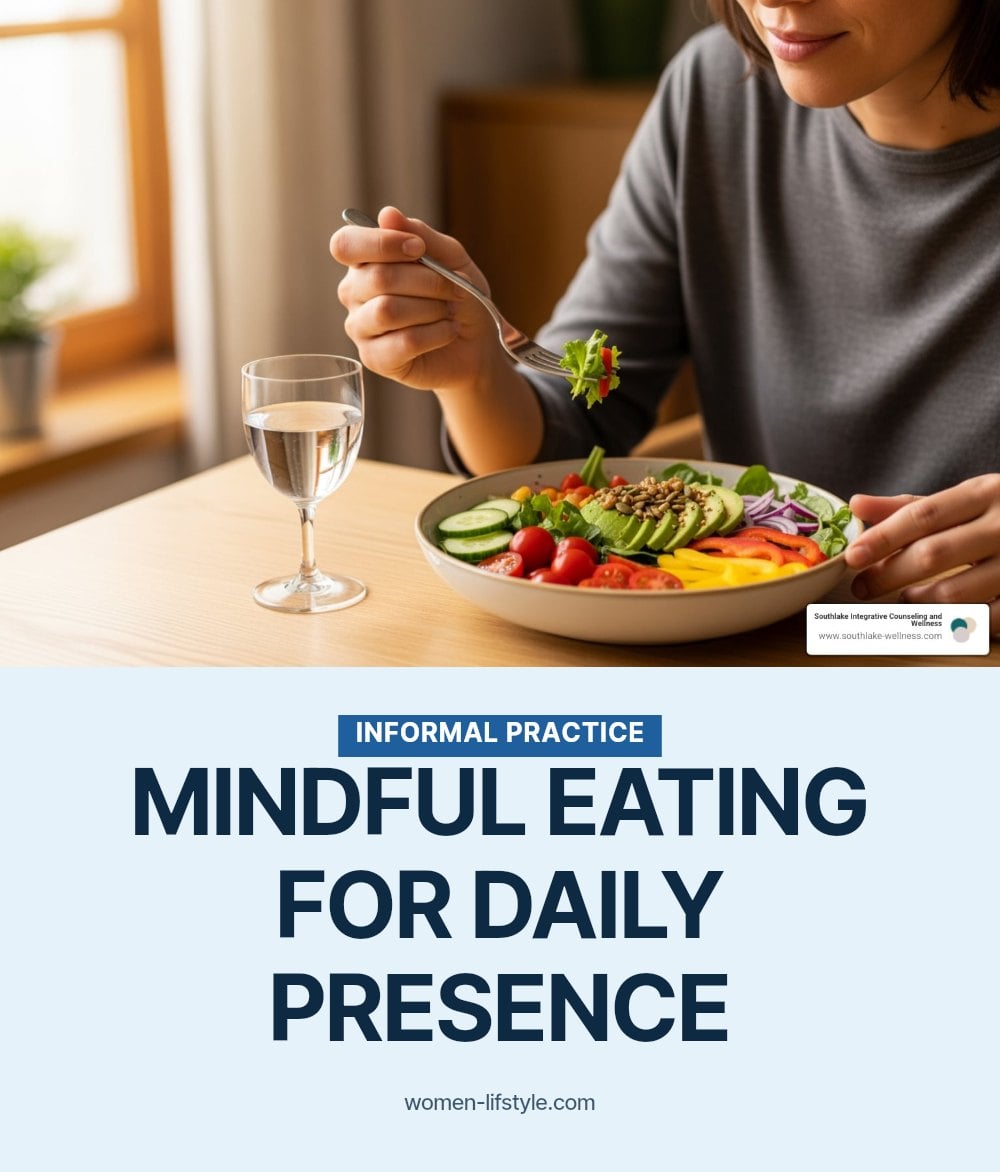
Pick one meal or snack and eat it without distractions. Notice the colors, smells, and textures before you take a bite. Chew slowly and pay attention to the flavors as they change. Tip: Put your fork down between bites to slow the pace and really taste your food.
Mindful Walking
During a short walk, focus on the sensation of your feet hitting the ground. Notice the rhythm of your steps and the air on your skin. Observe your surroundings, the colors, sounds, and smells, without labeling them as good or bad. Caution: Stay aware of traffic and obstacles; mindfulness is about presence, not zoning out.
Mindful Listening
When someone speaks, give them your full attention. Notice the tone of their voice, the pauses, and the emotions behind the words. Resist the urge to plan your response while they’re still talking. Tip: Try this for just one conversation a day to see how it changes your connection.
Mindful Dishwashing
Instead of rushing through the chore, focus on the sensations: the warmth of the water, the texture of the sponge, the sound of dishes clinking. Breathe steadily and stay with the task. It turns a mundane moment into a calming practice.
Common Mindfulness Mistakes and How to Avoid Them
Mistake: Trying to clear your mind. Mindfulness is about observing thoughts, not erasing them. Watch them like clouds passing by.
Mistake: Getting frustrated when your mind wanders. That’s normal and part of the practice. Each time you notice and return, you strengthen your focus.
Mistake: Expecting immediate bliss. Benefits build gradually over weeks of consistent practice. Patience matters more than perfection.
Mistake: Comparing your practice to others. Everyone’s experience is unique. Stay curious about your own.
Mistake: Using mindfulness to suppress emotions. Acknowledge difficult feelings without judgment instead of pushing them away.
How Long Until You Feel the Benefits of Mindfulness?
Start with 5 to 10 minutes daily. Many people notice benefits like reduced stress or better focus within a few weeks of consistent practice. A short session every day beats a long session once a week. Mindfulness costs nothing to practice, though optional apps can provide structure if you prefer guidance.
When to Consider Professional Support for Your Mental Well-being
Mindfulness is not a substitute for professional medical or psychological treatment. If you experience significant distress, discomfort, or have a history of trauma, consult a mental health professional first. For some, mindfulness can intensify difficult emotions, so professional support may be needed to navigate that safely.
Frequently Asked Questions
How long should a beginner practice mindfulness?
Start with 5 to 10 minutes a day. That’s enough to build the habit without feeling overwhelming. As you get more comfortable, you can gradually extend your sessions. The key is consistency: a short daily practice is more beneficial than a long one you only do occasionally.
Can mindfulness help with anxiety?
Many people find that mindfulness helps them manage anxious feelings by bringing attention to the present moment, which can reduce worry about the future. However, it’s not a replacement for professional treatment. If anxiety is persistent or severe, consider talking to a mental health professional.
Is mindfulness a religious practice?
Mindfulness has roots in ancient contemplative traditions, particularly Buddhism, but it has been adapted for secular use. You can practice mindfulness purely as a mental exercise without any religious context. It’s about training your attention, not about belief.
What if I can’t stop my thoughts during mindfulness?
That’s completely normal. Mindfulness isn’t about clearing your mind; it’s about noticing thoughts without getting swept away. When you realize your mind has wandered, gently bring your attention back to your anchor, like your breath. Each return strengthens your focus, so don’t judge yourself.
Can I practice mindfulness anywhere?
Yes, you can practice mindfulness anywhere and at any time, without special equipment. While a quiet space helps for formal meditation, you can also practice informally during daily activities like walking, eating, or even commuting. The goal is to bring awareness to whatever you’re doing.
Final Thoughts
My tip: pick one formal exercise and one informal habit to start with this week. For example, try a 5-minute breath awareness sit each morning and mindful dishwashing after dinner. You might notice small shifts in your focus or calm within a few weeks, but give yourself time. Mindfulness is a practice, not a quick fix. Be kind to yourself, and remember that every moment of awareness counts.
This article is for general information only and is not a substitute for professional medical or psychological advice. If you experience significant distress or have a mental health condition, consult a qualified professional before starting a mindfulness practice.
