

If you’ve noticed your part widening or more hair in the shower drain, you’re not alone. Thinning hair can be unsettling, but understanding what’s behind it is the first step to finding real solutions. This article covers the most effective remedies, from gentle care routines and topical treatments to diet and stress management, so you can take action with confidence.
Key Takeaways
- Consult a dermatologist to identify the cause of thinning hair before starting treatments.
- Use sulfate-free shampoos and conditioners formulated for thinning hair to reduce breakage.
- Apply minoxidil as directed; noticeable results typically take 3 to 6 months.
- Eat a balanced diet rich in protein, iron, zinc, and vitamin D to support hair health.
- Manage stress through exercise or relaxation to help prevent stress-related hair loss.
Understanding and Addressing Thinning Hair
Thinning hair can stem from genetics, hormonal shifts, stress, or nutrient shortfalls, and often more than one factor is at play. Because the causes vary so widely, the most effective approach usually combines gentler hair care, targeted topical treatments, and lifestyle tweaks. The tricky part is knowing which remedy fits your situation, and that’s where a doctor or dermatologist comes in. A proper diagnosis helps you avoid guessing and focus on what may actually work for you.
1. Consult a Professional First
Before you stock up on products, book an appointment with a doctor or dermatologist. I’ve learned that this step saves time, money, and frustration. They can run blood tests to check for thyroid issues, iron levels, or vitamin D, and they’ll look at your scalp to spot patterns like a widening part.
Why it matters: guessing at the cause can lead you to the wrong treatment. A clear diagnosis points you to the remedy most likely to help, whether that’s a topical treatment, a supplement, or a change in hair care.
2. Use Gentle Hair Care Products
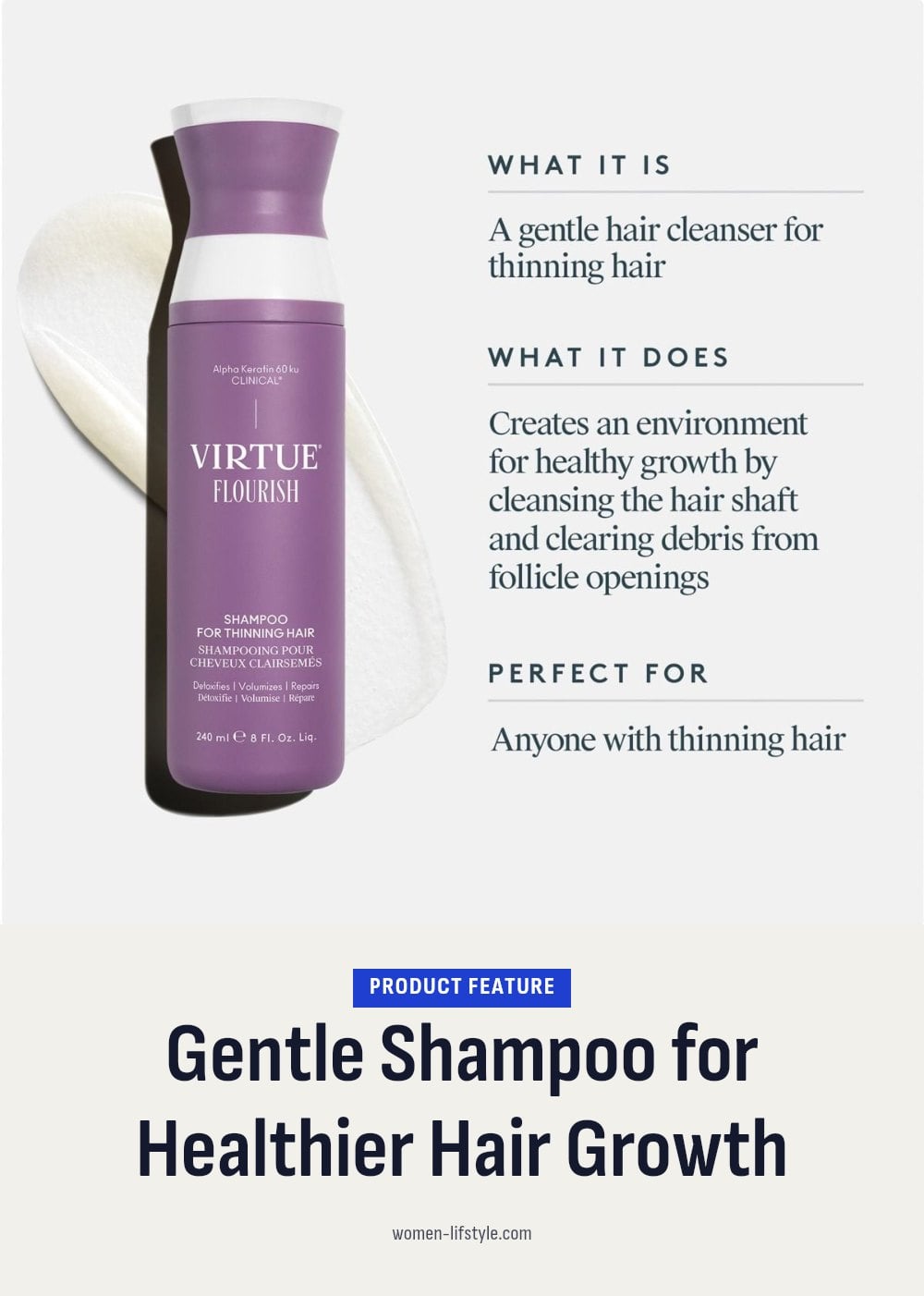
My tip: swap your regular shampoo and conditioner for sulfate-free versions made for thinning hair. Sulfates can strip natural oils and irritate a sensitive scalp, which may worsen breakage. Look for formulas with ingredients like biotin, keratin, or caffeine that support scalp health without weighing hair down.
Be gentle when you wash: massage the scalp with your fingertips, not nails, and rinse with cool water. Skip vigorous towel drying and use a wide-tooth comb on wet hair to reduce breakage.
3. Incorporate Minoxidil Topical Treatment
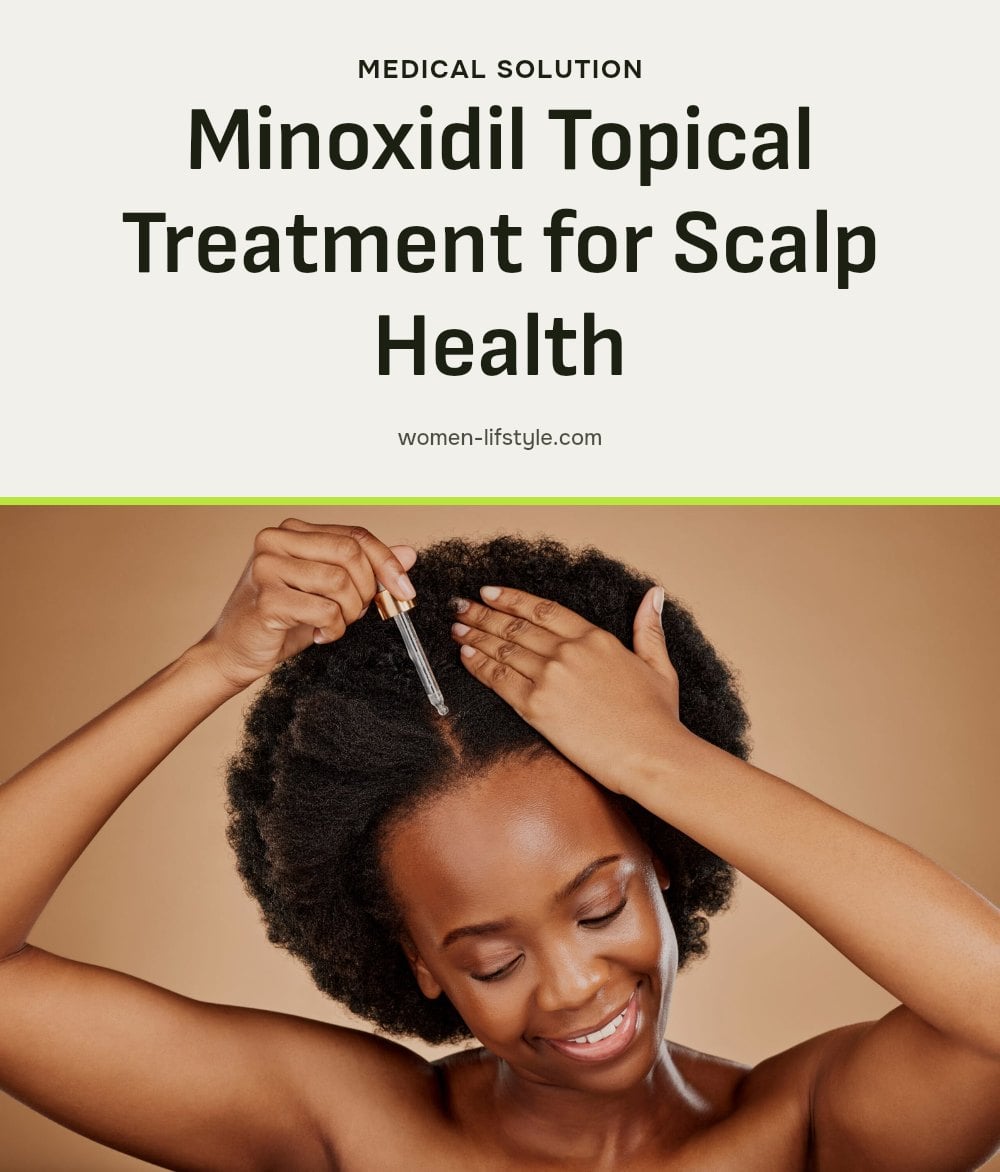
Minoxidil is an FDA-approved topical treatment for female pattern hair loss, and it’s available over the counter. It can help stimulate hair growth and slow further thinning, but it’s not a quick fix. You apply it to the scalp once or twice daily, and you need to stick with it for at least 3 to 6 months before you notice a difference.
Caution: some people experience scalp irritation or unwanted facial hair. If that happens, stop using it and talk to your doctor. Consistency is key, so pick a time of day that’s easy to remember.
4. Boost Your Diet with Nutrients

I’ve found that what you eat truly impacts your hair. A balanced diet rich in protein, iron, zinc, and vitamin D is vital for healthy hair follicle function and growth. Protein builds the hair shaft, while iron helps red blood cells carry oxygen to your scalp. Zinc supports tissue repair, and vitamin D may help create new follicles. If you suspect a deficiency, your doctor can confirm it with blood tests and recommend appropriate supplements, like iron if you are deficient. Focus on whole foods first: lean meats, eggs, leafy greens, nuts, and fatty fish.
5. Practice Regular Scalp Massage
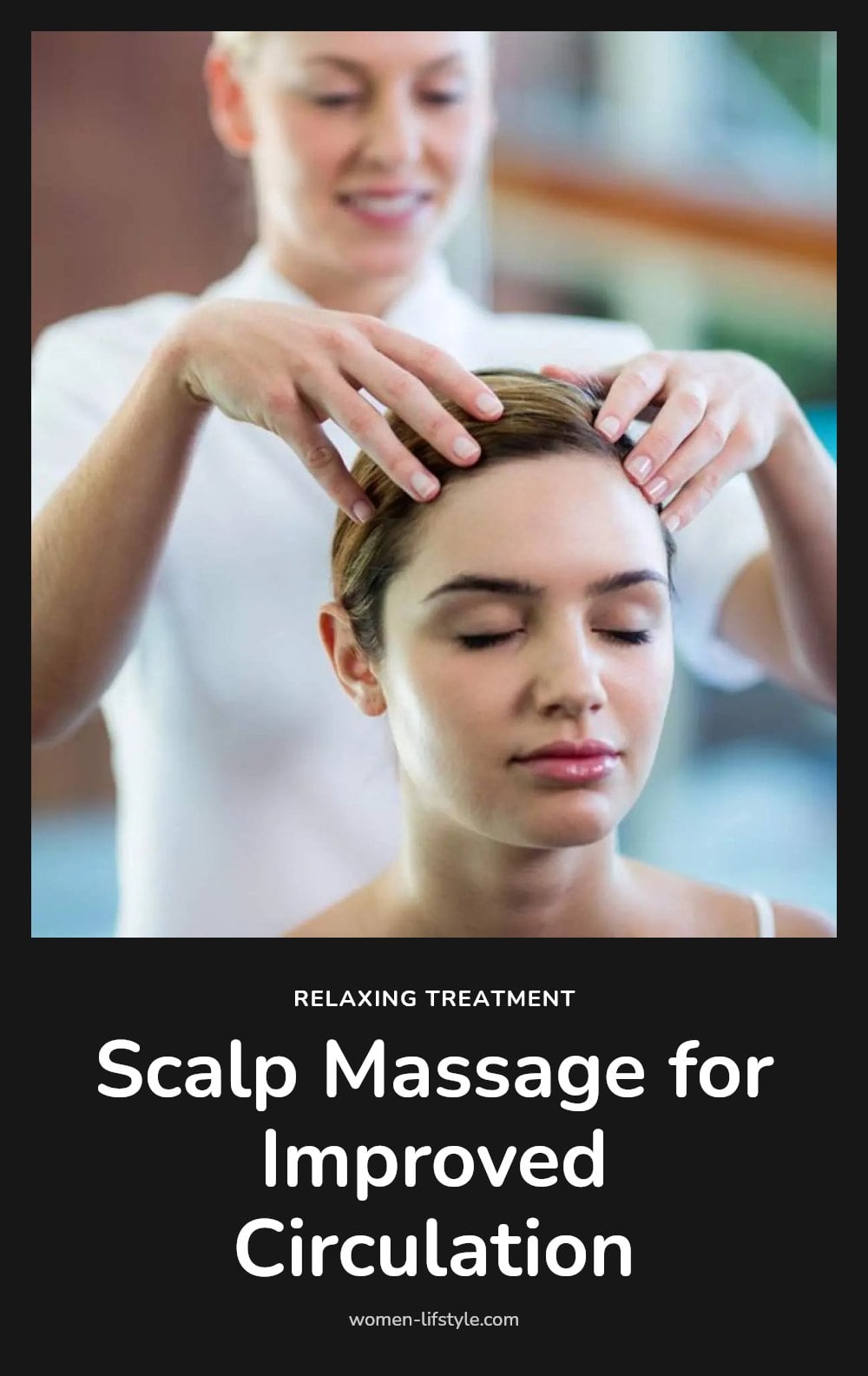
My tip: regular scalp massages can make a real difference. They feel great and may also improve blood circulation to your hair follicles. Better blood flow means more nutrients and oxygen reach your hair roots, potentially supporting healthier growth. Use your fingertips in circular motions for 2 to 3 minutes daily, or try a specialized scalp massage brush. You can do it while shampooing or when relaxing in the evening. Consistency matters more than pressure, so keep it gentle and steady.
6. Manage Stress Effectively

Stress is a huge factor in hair thinning, especially for temporary conditions like telogen effluvium. I’ve seen it firsthand. When your body experiences a major stressor, it can push hair follicles into a resting phase, leading to noticeable shedding a few months later. Finding ways to manage stress can significantly help. Try exercise, meditation, journaling, or simply taking time for yourself each day. Reducing your stress load can reduce hair shedding and allow your hair to return to its normal growth cycle.
7. Consider Low-Level Laser Therapy (LLLT)

Low-level laser therapy (LLLT) devices are FDA-cleared for promoting hair growth in some cases of androgenetic alopecia. These devices use light energy to stimulate hair follicles, potentially increasing cellular activity and blood flow. They are non-invasive and can be used at home as a cap or handheld comb. While LLLT can be a good addition to your regimen, discuss it with your doctor first to see if it is right for your specific type of thinning. Consistency is key, as treatments typically require several sessions per week.
8. Protect Hair from Damage
To preserve the hair you have, I always recommend protecting it from excessive heat styling and tight hairstyles. High heat can damage hair shafts, leading to breakage, and tight styles pull on follicles, which can cause traction alopecia. Always use a heat protectant spray when styling and opt for looser hairstyles whenever possible.
9. Explore Essential Oils (With Caution)
Some essential oils, like rosemary and peppermint, are anecdotally used for hair growth, and I’ve heard good things. Preliminary studies suggest potential benefits, but always dilute them with a carrier oil (like jojoba or coconut oil) before applying to your scalp. My tip: always do a patch test first to check for any allergic reactions, as some people can be sensitive.
10. Understand Biotin’s Role
Biotin supplements are often marketed for hair growth, but their effectiveness is primarily seen in individuals who actually have a biotin deficiency. If your thinning hair isn’t linked to a deficiency, taking extra biotin likely won’t make a significant difference. My tip: Check with your doctor before starting any supplement to confirm whether a deficiency is present.
11. Be Patient and Consistent
This is a big one: hair growth is a slow process. You won’t see results overnight, and that’s okay. Noticeable improvements from most treatments typically take 3-6 months because of the natural hair growth cycle. Tip: stick with your chosen regimen consistently, and don’t get discouraged if you don’t see immediate changes.
When to See a Doctor for Thinning Hair
If your hair loss is sudden, severe, or accompanied by pain, redness, or scaling on your scalp, it’s time to see a doctor promptly. These symptoms could indicate an underlying medical condition that requires professional diagnosis and treatment. Also, if home remedies aren’t yielding any results after several months, a medical professional can explore other options.
Frequently Asked Questions
How long does it take to see results from thinning hair treatments?
Most treatments, including minoxidil and dietary changes, require three to six months of consistent use to show noticeable results. This timeline aligns with the natural hair growth cycle, so patience is key. If you don’t see improvement after six months, check in with your dermatologist.
Can stress cause thinning hair?
Yes, significant stress can trigger telogen effluvium, a temporary form of hair loss where follicles enter a resting phase. Shedding typically occurs a few months after the stressful event. Managing stress through exercise, meditation, or other relaxation techniques can help reduce this type of hair loss.
Is it normal to lose a lot of hair in the shower?
It’s normal to shed 50 to 100 hairs daily, and many of those come out during washing. If you notice a sudden increase or clumps of hair, it may be a sign of telogen effluvium or another underlying issue. A dermatologist can help determine if your shower shedding is within a healthy range.
Are natural remedies like essential oils effective for hair thinning?
Some essential oils, such as rosemary and peppermint, have anecdotal support and preliminary studies suggesting potential benefits for hair growth. However, they are not a substitute for proven treatments like minoxidil. Always dilute essential oils with a carrier oil and do a patch test before use.
What is the best shampoo for thinning hair?
Look for a gentle, sulfate-free shampoo formulated for thinning hair. Ingredients like biotin, keratin, or caffeine can support scalp health without stripping natural oils. Avoid shampoos with harsh sulfates or heavy silicones that may weigh hair down or irritate the scalp.
Can diet impact hair thinning?
Yes, a diet lacking in protein, iron, zinc, or vitamin D can contribute to hair thinning. These nutrients are essential for hair follicle function and growth. Incorporating foods like lean meats, leafy greens, nuts, and fortified cereals can help, but consult a doctor before taking supplements.
Final Thoughts
Start with a visit to a professional to pinpoint the cause, then choose one or two targeted approaches like a gentle hair care routine and minoxidil. Be patient: hair growth is slow, and most treatments take at least three months to show visible change. Stick with your plan, and remember that small, consistent steps can make a meaningful difference over time.
This article provides general information for educational purposes and is not a substitute for professional medical advice. Thinning hair can have many causes, and a doctor or dermatologist should be consulted for a proper diagnosis and treatment plan tailored to your needs.
