

You dust on Saturday, and by Tuesday the coffee table has a fresh gray coat. That is not a sign that you are failing at housekeeping. Dust is a mix of dead skin cells, fabric fibers, pet dander, pollen, and outdoor soil, and it keeps arriving no matter how often you wipe. You cannot get rid of it entirely, but you can cut down how much settles and how fast it comes back.
This article walks through where household dust actually comes from, the tools worth keeping on hand, the cleaning habits that make a real difference, and a simple schedule so you are not dusting everything all the time.
Key Takeaways
- Dust at least once a week, and more often in high-traffic rooms.
- Use a damp microfiber cloth or electrostatic duster, never a dry feather duster.
- Vacuum carpets and rugs at least twice a week with a HEPA filter vacuum.
- Change HVAC filters every one to three months so dust stops recirculating.
- Wash bedding weekly in hot water of at least 130°F to kill dust mites.
The Real Reason Your Home Is So Dusty
Dust isn’t just dirt. It’s a mix of dead skin cells, fabric fibers, pet dander, pollen, and outdoor soil that floats in and settles on everything. You can’t get rid of it entirely, but you can slash the amount. The trick is knowing where it comes from and cleaning consistently.
Understanding the Sources of Household Dust
What Dust Is Made Of
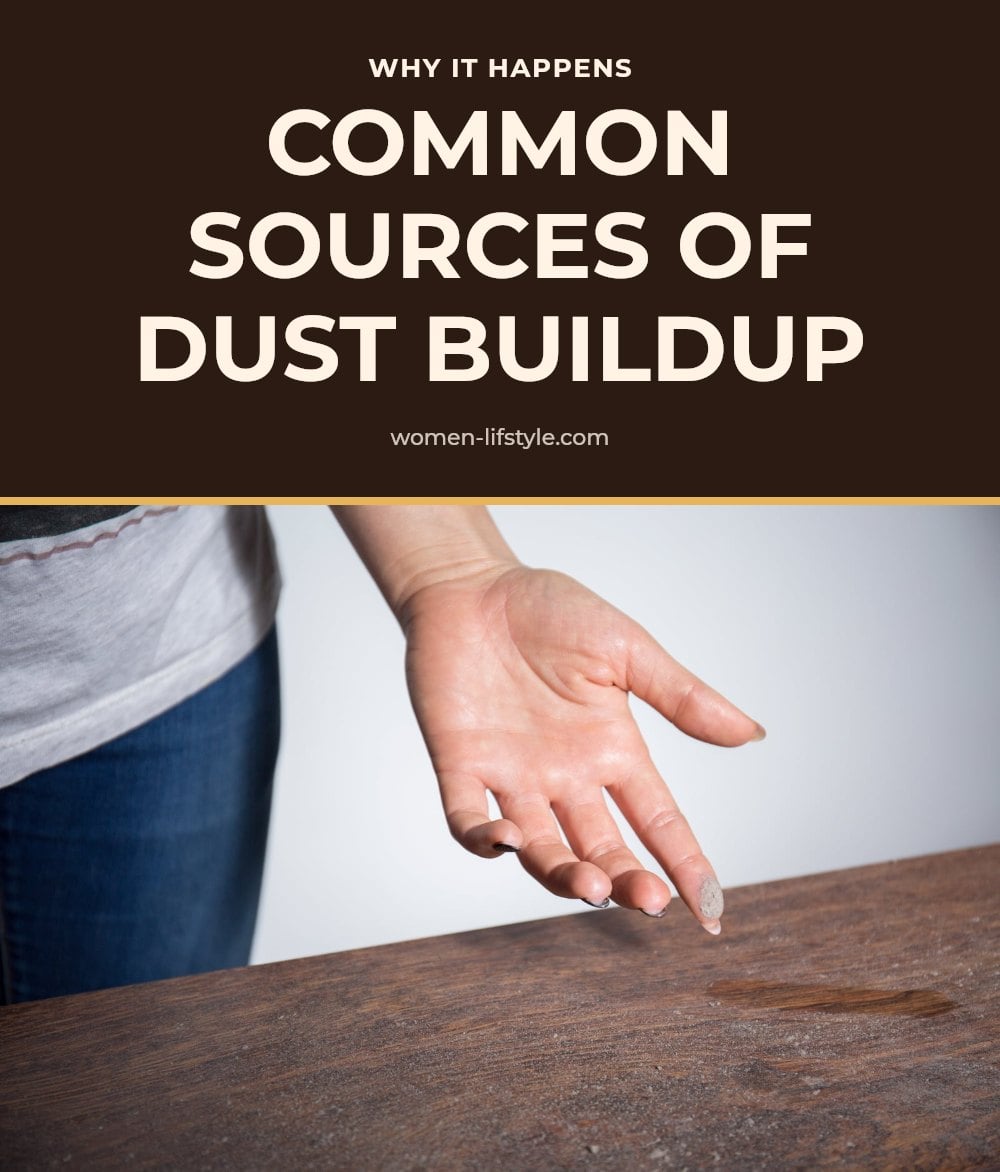
Household dust is a complex blend: dead human skin cells, textile fibers, pet dander, pollen, mold spores, and tiny outdoor soil particles. Dust mites feed on the organic parts, especially skin cells, and they thrive in warm, humid conditions.
Where It Comes From
- Textiles: Carpets, upholstery, curtains, and bedding shed fibers and trap dust.
- Outdoor air: Pollen, soil, and pollutants enter through windows, doors, and vents.
- HVAC systems: Dirty filters circulate dust throughout your home.
- Static electricity: It attracts and holds dust on surfaces, making removal harder.
Your Essential Dust-Busting Toolkit
Stock your cleaning closet with these essentials:
- Microfiber cloths: Trap dust instead of pushing it around.
- Electrostatic dusters: Attract and hold dust on contact.
- HEPA filter vacuum: Captures tiny particles from carpets and hard floors.
- HEPA air purifier: Removes airborne dust in main rooms.
- Damp cloths and mop: For hard surfaces like shelves and floors.
- HVAC filters: Change regularly to keep air clean.
- Allergen-proof covers: On mattresses and pillows to block dust mites.
Proven Strategies for Reducing Dust in Your Home
Dust from Top to Bottom
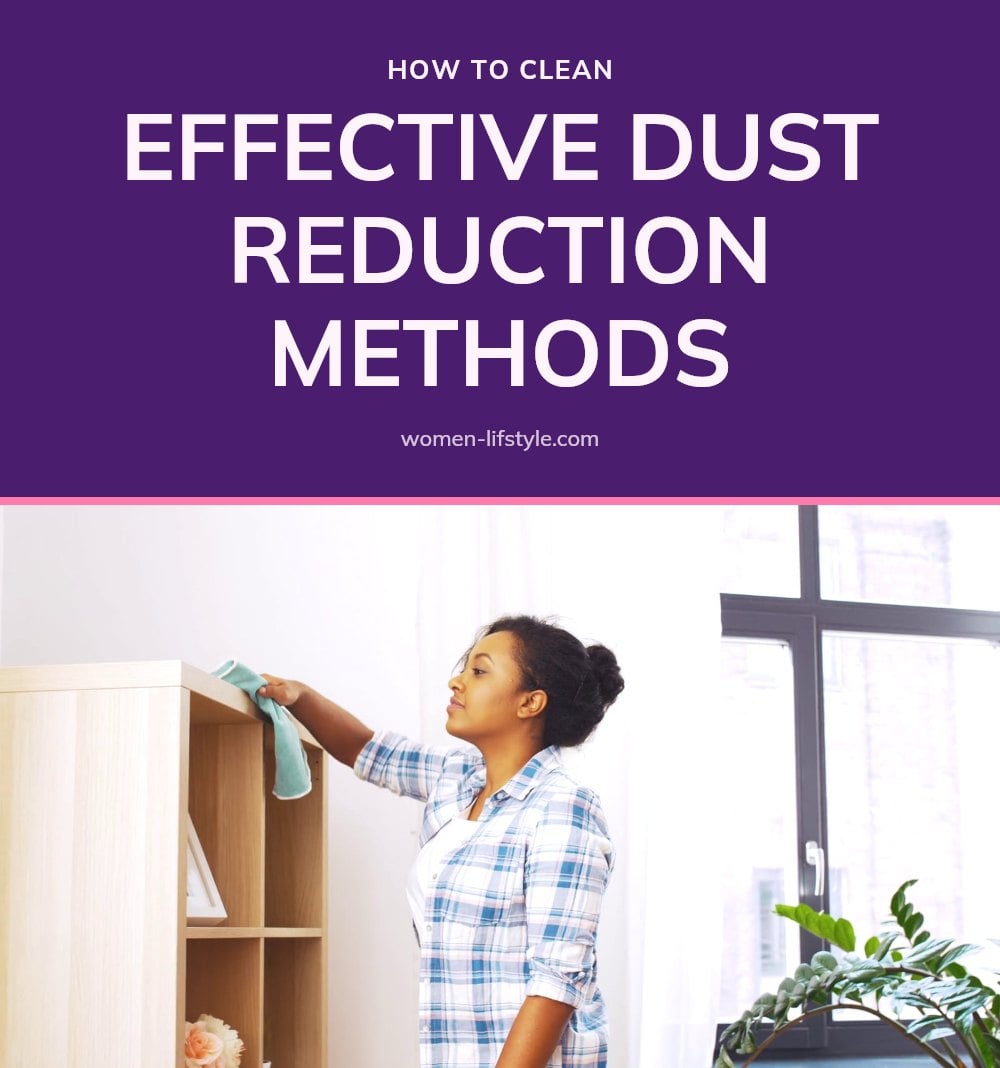
Start at ceiling fans and shelves, then work down to floors. Use a damp microfiber cloth so dust sticks, not flies. Dry cloths just redistribute it.
Vacuum Twice a Week
Hit carpets and rugs at least twice weekly with a HEPA filter vacuum. Hard floors too, using the right attachment to avoid scratching.
Wash Bedding in Hot Water
Strip sheets weekly and wash in water at least 130°F (54°C). That kills dust mites and removes their food source.
Change HVAC Filters
Swap filters every 1 to 3 months. Dirty filters blow dust right back into your rooms.
Run an Air Purifier
Place a HEPA air purifier in your bedroom or living area. It captures airborne dust particles you can’t see.
Close Windows During Pollen Season
On high-pollen or windy days, keep windows and doors shut. That blocks outdoor dust from entering.
Groom Pets Outdoors
Brush dogs and cats outside to reduce dander and loose fur inside. It makes a noticeable difference.
My tip: Vacuum under furniture and in corners where dust piles up. Those spots are easy to overlook but collect the most.
Common Dusting Mistakes to Avoid
Mistake 1: Dusting with a dry cloth or feather duster. These tools just flick dust into the air, where it settles back down minutes later. Use a damp microfiber cloth or electrostatic duster instead.
Mistake 2: Not changing HVAC filters often enough. A dirty filter circulates dust through every room. Swap it every 1 to 3 months.
Mistake 3: Cleaning in the wrong order. Vacuuming before dusting shelves means dust falls onto a clean floor. Always dust top surfaces first, then vacuum.
Mistake 4: Underestimating textiles. Carpets, upholstery, and curtains trap and shed dust fibers. Wash curtains and vacuum upholstery regularly.
Mistake 5: Ignoring humidity. High humidity makes dust heavy and sticky; low humidity keeps it airborne. Aim for 40-50% humidity to reduce dust mite activity.
Long-Term Solutions to Keep Dust from Returning
Declutter regularly. Fewer surfaces mean fewer places for dust to land. Clear off countertops, shelves, and tables.
Seal leaky windows and doors. Weatherstripping or caulk blocks outdoor dust from drifting in.
Consider hard flooring. Hardwood, tile, or laminate collect less dust than carpets and are easier to clean. This is especially helpful for allergy sufferers.
Clean window treatments. Wash curtains every month and wipe blinds with a damp cloth to remove trapped dust.
Maintain proper humidity. Keep indoor humidity between 40% and 50%. Use a dehumidifier in damp rooms and a humidifier in dry ones to discourage dust mites.
Your Dust Control Schedule and Investment
Weekly: Dust all surfaces and vacuum carpets and rugs with a HEPA filter vacuum.
Monthly: Wash curtains, throw blankets, and any decorative pillows.
Every 1-3 months: Replace HVAC filters to keep dust from recirculating.
Annually: Deep clean carpets and upholstery to remove embedded dust.
Cost tiers: Basic tools (microfiber cloths, vacuum) are minimal. Air purifiers and HEPA vacuums are moderate. Professional cleaning or home upgrades are higher investments.
Frequently Asked Questions
How often should I dust my home?
Once a week is a solid baseline for most rooms, and high-traffic areas may need it more often. If you have pets, carpets, or windows you open regularly, expect to dust those spots more frequently. Weekly dusting paired with twice-weekly vacuuming keeps buildup from getting ahead of you.
Can air purifiers really help with dust?
Yes, a HEPA air purifier can remove airborne dust in the room where it runs, which means less of it settling on your surfaces. It works best as a supplement to regular dusting and vacuuming, not a replacement. Put one in a main living area or bedroom for the most noticeable effect.
What is the best type of duster to use?
A damp microfiber cloth or an electrostatic duster is your best bet because both trap dust instead of flinging it into the air. Dry feather dusters and dry cloths mostly move particles around, and they settle back within minutes. For high shelves and ceiling fans, an electrostatic duster with a long handle helps.
Does humidity affect dust in my home?
It can. High humidity tends to make dust heavier so it settles faster, while very low humidity can keep more of it airborne. Humidity also affects dust mites, which thrive in warm, damp conditions, so keeping indoor air in a moderate range supports your cleaning routine.
How can I reduce dust from pets?
Groom your pets regularly, ideally outdoors, to cut down on dander inside. Wash throw blankets and bedding they use often, and vacuum carpets and upholstery at least twice a week with a HEPA filter vacuum. An air purifier in the room where your pet spends the most time also helps.
Final Thoughts
If you only change one habit, make it this: swap the dry cloth for a damp microfiber one and dust from the top of the room down. That single switch stops you from pushing dust back into the air, and it makes every other step in your routine work harder. Expect a few weeks before the difference feels obvious. Dust builds up daily, so consistency matters more than any one deep clean.
My tip: put HVAC filter changes on a recurring reminder in your phone, because that is the step most of us forget until the dust is already back. Keep the routine small and repeatable, and your surfaces will stay clearer for longer.
This article is general information about household dust and cleaning, not medical advice. If you have persistent allergy or asthma symptoms, or a skin or respiratory problem that does not improve, talk to a doctor or dermatologist for guidance specific to your situation.
