

Struggling to fall asleep or wake up feeling groggy? You’re not alone, and small changes to your daily habits can make a big difference. Sleep hygiene is all about building routines and setting up your environment to support deep, restful sleep. In this article, I’ll walk you through practical, science-backed tips you can start using tonight to improve how you sleep and how you feel during the day.

Key Takeaways
- Stick to a consistent sleep schedule every day, including weekends, to regulate your body’s clock.
- Keep your bedroom dark, quiet, and cool between 60 and 67 degrees Fahrenheit.
- Avoid caffeine at least 6 to 8 hours before bed and limit alcohol close to bedtime.
- Put away screens at least an hour before sleep to prevent melatonin suppression.
- If you can’t fall asleep after 20 minutes, get up and do something relaxing until you feel sleepy.
What is Sleep Hygiene and Why Does it Matter?
Sleep hygiene is the set of daily habits that support good nighttime sleep and full daytime alertness. It covers your routines, your bedroom setup, and the lifestyle choices that either help or hurt your rest. When you get these pieces right, you fall asleep faster, stay asleep longer, and wake up feeling genuinely refreshed.
1. Maintain a Consistent Sleep Schedule
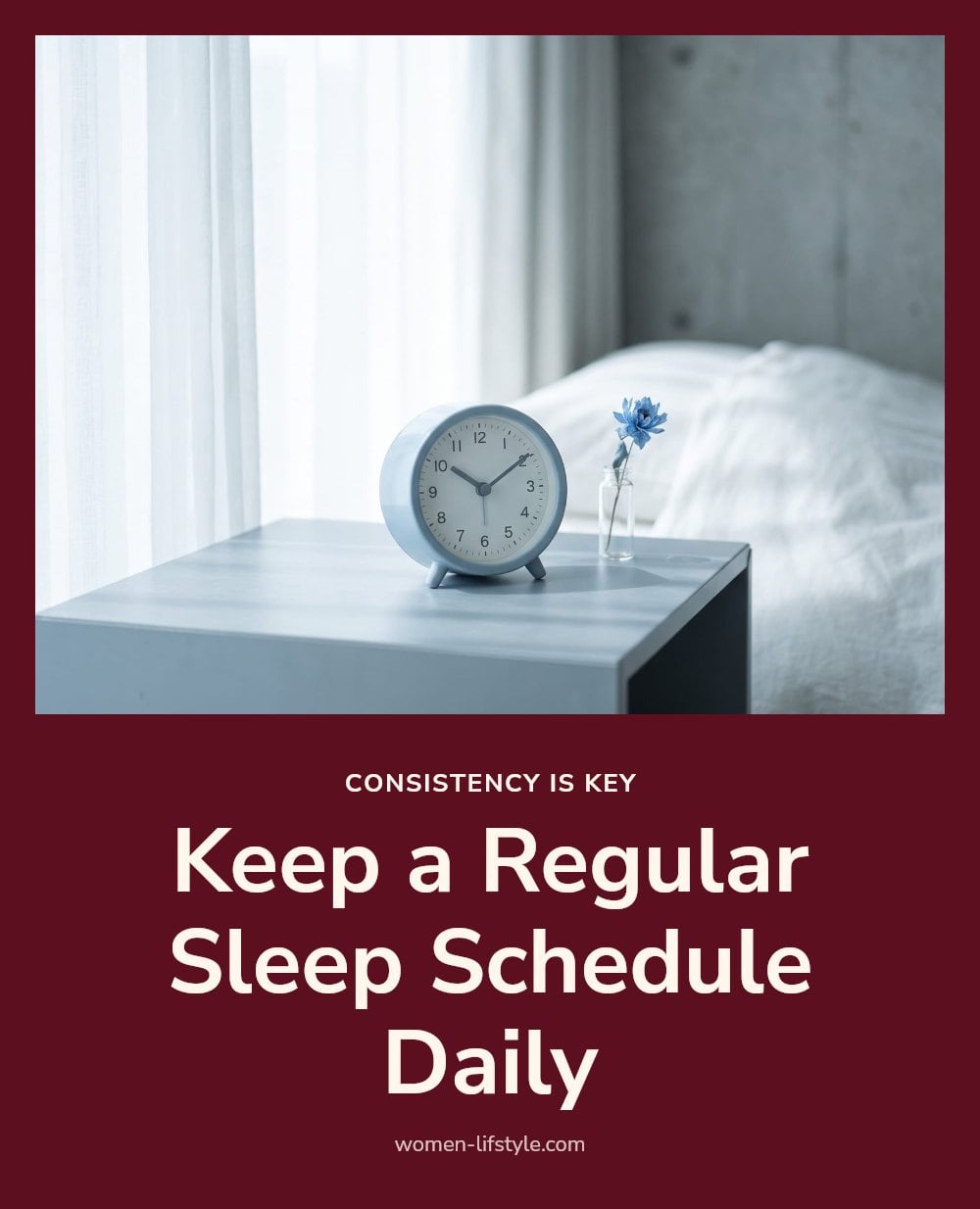
Go to bed and wake up at the same time every day, including weekends. This consistency trains your body’s circadian rhythm, the internal clock that controls when you feel sleepy and when you feel alert. Your brain learns to release sleep hormones at the right hours, so drowsiness arrives naturally at bedtime.
Even a couple of hours of deviation on Saturday night can throw off that rhythm. You might feel fine the next morning, but come Sunday evening your body won’t know when to wind down, making it harder to fall asleep before the workweek.
2. Optimize Your Sleep Environment
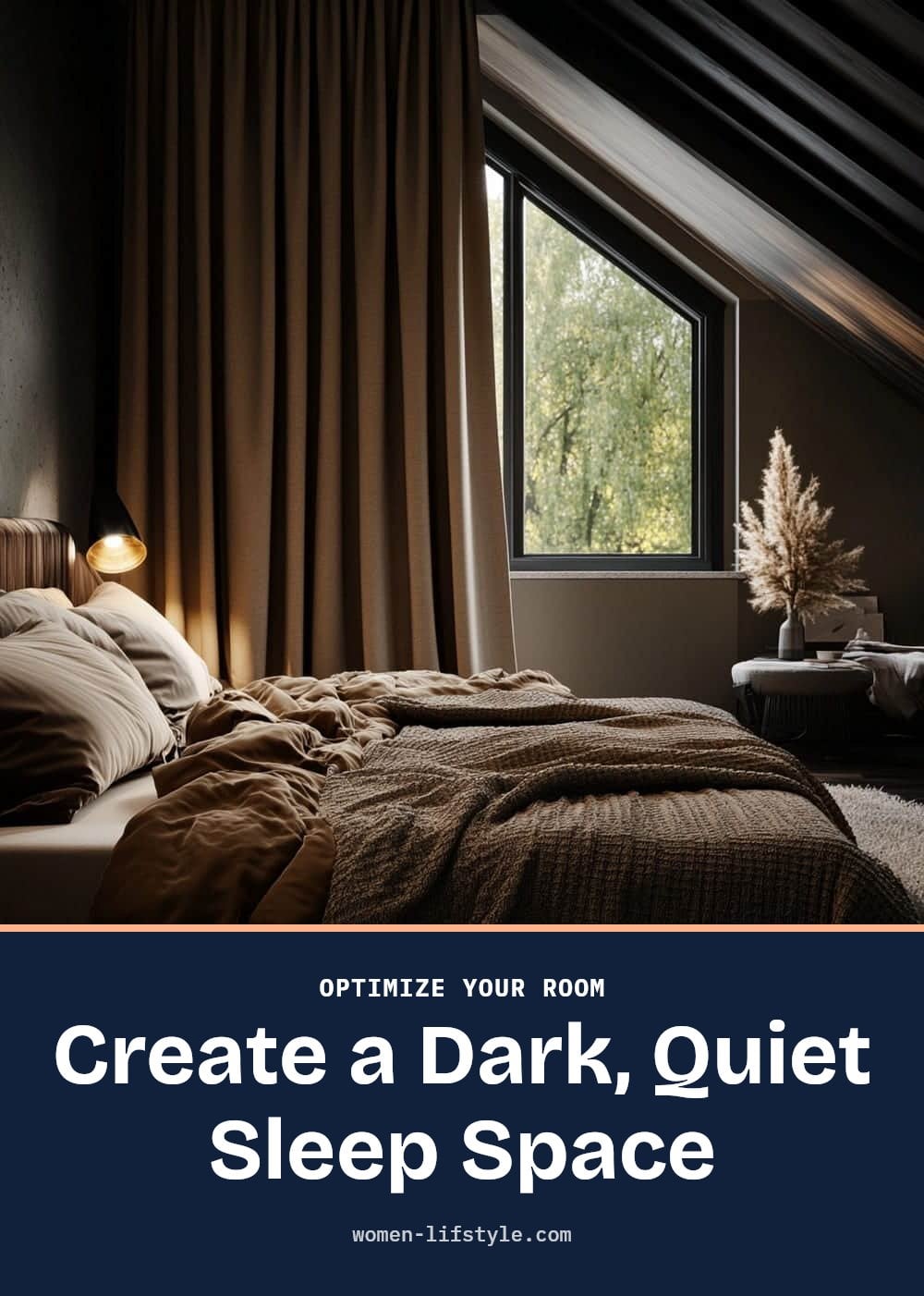
Make your bedroom dark, quiet, and cool. Darkness tells your brain to produce melatonin, the hormone that regulates your sleep-wake cycle, while a noisy or bright room keeps that production suppressed. The ideal temperature for sleep is typically between 60 and 67 degrees Fahrenheit (15.6 to 19.4 degrees Celsius), so set your thermostat accordingly.
If you can’t control outside noise or light, use blackout curtains, an eye mask, earplugs, or a white noise machine. These tools block the distractions that can pull you out of deep sleep, helping you stay asleep through the night.
3. Establish a Relaxing Bedtime Routine
Start a consistent wind-down routine about 30 to 60 minutes before you plan to sleep. A warm bath, reading a physical book, or gentle stretching can all signal to your body that the day is over and rest is coming. Keep the activities calm and predictable so your brain starts associating this time with sleep.
My tip: Skip anything too stimulating during this window, like intense discussions or exciting TV shows. They can spike your alertness and undo the relaxation you just built up.
4. Limit Caffeine and Alcohol Intake
Caffeine has a half-life of about 5 hours, so that afternoon coffee can still be interfering with your sleep at midnight. I’ve found it best to avoid caffeine at least 6 to 8 hours before bed.
Alcohol is tricky. It may make you feel drowsy at first, but it often disrupts sleep later in the night, leading to fragmented and less restorative rest. Try to limit alcohol, especially in the evening, or skip it entirely on nights when you want a solid sleep.
5. Avoid Screens Before Bed

Bright light, especially blue light from phones, tablets, and computers, suppresses melatonin production. Melatonin is the hormone that tells your body it’s time to sleep.
My tip: Put away all electronic devices at least an hour before you want to fall asleep. Read a physical book or listen to a podcast instead.
6. Get Regular Physical Activity

Regular physical activity can significantly improve sleep quality. Aim for at least 30 minutes of moderate exercise most days of the week.
However, intense workouts too close to bedtime can keep you wired. Try to finish vigorous exercise at least a few hours before you plan to sleep so your body has time to wind down.
7. Watch Your Diet
Avoid heavy or rich meals close to bedtime. Your body will be busy digesting instead of preparing for sleep.
On the other hand, going to bed overly hungry can also keep you awake. If you’re truly hungry, a light snack like a banana or a small bowl of oatmeal is fine.
8. Use Your Bed for Sleep Only
Train your brain to see your bed as a place for sleep and intimacy only. That means no watching TV, scrolling on your phone, working, or eating in bed. When you do other activities there, your brain gets mixed signals and stops associating the bed with rest.
If you lie down and can’t fall asleep after about 20 minutes, get out of bed. Go to another room and do something quiet and relaxing, like reading or listening to soft music, until you feel sleepy. Then return to bed. This keeps your brain from linking your bed with frustration or wakefulness.
9. Manage Napping Wisely
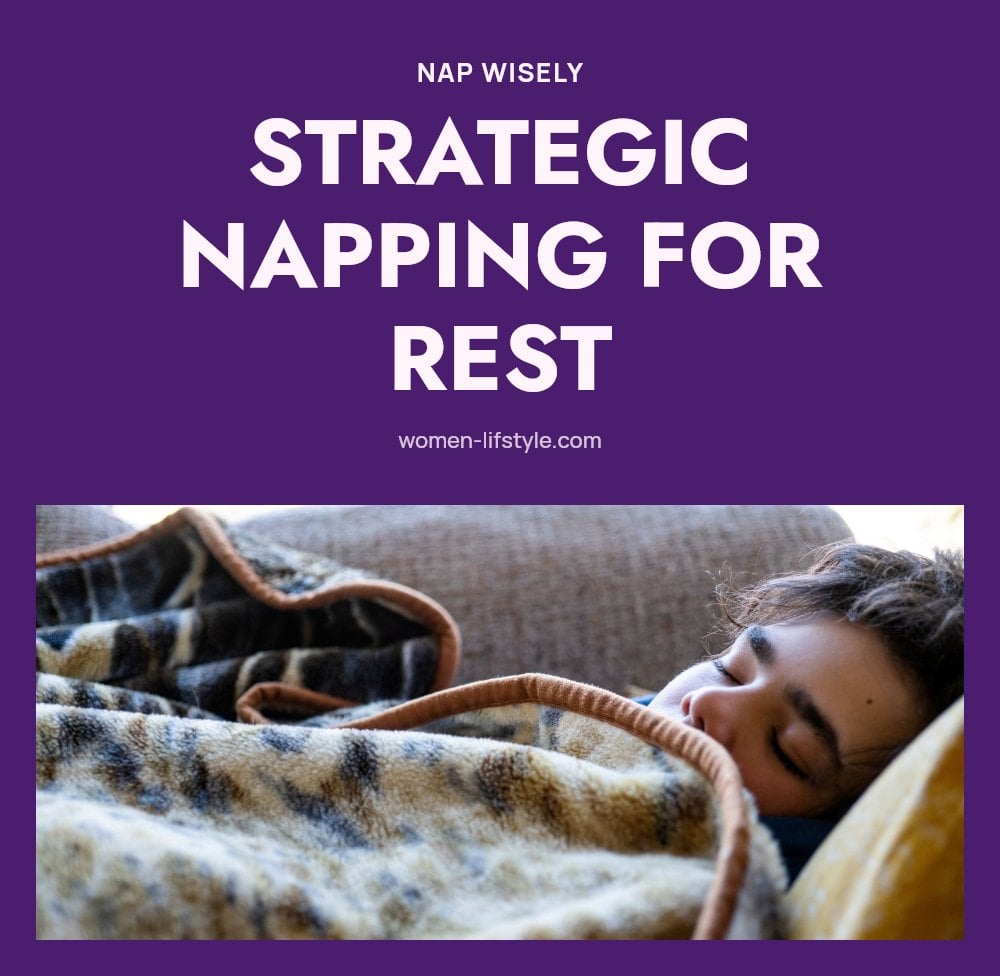
A short nap can give you a boost, but timing and length matter. If you nap too late or for too long, it can make falling asleep later harder.
Tip: Keep naps to 20-30 minutes and schedule them earlier in the afternoon. A late afternoon nap can push your body’s natural bedtime later, so try to finish by 3 p.m.
10. Get Morning Light Exposure
Get morning light exposure: Natural light early in the day resets your circadian rhythm and tells your body that the day has started. This makes it easier to fall asleep later that night. Try to get outside or sit by a bright window within an hour of waking up.
Even 10 to 15 minutes of morning light can help. Cloudy days still count, so don’t skip it. I usually open my curtains wide as soon as I get up.
11. Address Stress and Worry
Going to bed with a racing mind makes it hard to fall asleep, no matter how dark or cool your room is. Incorporate stress-reducing activities into your day and evening so you don’t carry tension to the pillow. Journaling before bed is a simple way to offload worries onto paper and clear your head.
Mindfulness or light meditation can also help quiet anxious thoughts. My tip: Don’t bring your worries into bed with you. If you find yourself lying there stressing, get up, do a calming activity in another room, and return only when you feel drowsy.
When to Seek Professional Help for Sleep
If you consistently struggle to fall asleep, stay asleep, or wake up feeling unrested even after sticking with good sleep hygiene for several weeks, it is time to talk to a healthcare professional. Persistent sleep difficulties may point to an underlying sleep disorder like insomnia, sleep apnea, or restless leg syndrome, or another medical condition that needs proper diagnosis.
Caution: Never self-treat with over-the-counter sleep aids or herbal supplements without a doctor’s guidance. These products can have side effects, interact with other medications you take, and may not be safe or appropriate for your specific situation. A doctor can help you identify the real cause and recommend a treatment plan that is right for you.
Frequently Asked Questions
How long does it take for sleep hygiene to work?
Many people notice improvements within a few weeks of consistently following good sleep hygiene practices. However, individual results vary depending on your habits, stress levels, and underlying health. Stick with the routine for at least three to four weeks before evaluating. If problems persist, consider talking to a healthcare professional.
Can poor sleep hygiene cause insomnia?
Yes, poor sleep hygiene can contribute to insomnia, especially when combined with stress or irregular schedules. Habits like inconsistent bedtimes, screen use at night, and caffeine late in the day can disrupt your sleep-wake cycle. Improving these habits may help reduce insomnia symptoms, but if difficulties continue, it’s important to seek medical advice.
What is the best way to wind down before bed?
The best wind-down routine is one that helps you relax and signals your body it’s time to sleep. Try a warm bath, reading a physical book, gentle stretching, or journaling about worries. Keep activities calm and avoid screens. Start your routine 30 to 60 minutes before your target bedtime, and do the same steps each night to build a strong cue.
Is it okay to nap if I have trouble sleeping at night?
Napping can interfere with nighttime sleep, especially if you take long naps or nap late in the day. If you’re struggling with nighttime sleep, it’s usually best to avoid naps altogether. If you must nap, keep it short, around 20 to 30 minutes, and schedule it earlier in the afternoon to minimize disruption to your bedtime.
Final Thoughts
Start by picking one or two changes from this list, like setting a fixed wake-up time or banning screens from your bedroom. Consistency is key, so give yourself a few weeks of following the same routine before expecting noticeable improvements. Remember, better sleep is a process, not an overnight fix. Be patient with yourself, and soon you’ll likely find it easier to drift off and wake up feeling more refreshed.
This article is for general informational purposes only and is not a substitute for professional medical advice. Sleep problems can have many causes, and what works for one person may not work for another. If you have persistent sleep difficulties, consult a doctor or sleep specialist to rule out underlying conditions. Never start taking sleep aids or supplements without discussing them with a healthcare provider first.
