

Skunk spray is one of those smells that seems to sink into everything and come back every time it gets wet. The good news is that the most effective fix is probably already in your kitchen: a fresh mix of hydrogen peroxide, baking soda, and dish soap. This article walks you through that method for pets and people, plus what to do for clothing, hard surfaces, and indoor air. My tip: mix the solution right before you need it and never store it in a closed container.
Key Takeaways
- Mix 1 quart 3% hydrogen peroxide, 1/4 cup baking soda, and 1-2 teaspoons liquid dish soap fresh for pets and people.
- Never store the homemade solution in a closed container because it can build pressure and explode.
- For clothing, add a cup of baking soda or white vinegar to the wash and expect two or three cycles.
- Skip tomato juice as a primary fix because it only masks the smell temporarily.
- Ventilate indoor spaces with fans and open windows to help clear residual odor.
The Most Effective Way to Remove Skunk Smell
The fastest way to kill skunk smell is to neutralize the thiols, the sulfur compounds causing the odor, rather than covering them up. For pets and people, mix fresh hydrogen peroxide, baking soda, and dish soap. That combination breaks down the thiols chemically. Act immediately, because the fresher the spray, the easier it is to remove completely.
Why Skunk Spray is So Hard to Get Rid Of
Why Skunk Spray is So Hard to Get Rid Of
Skunk spray is mostly made of thiols, sulfur-based organic compounds that are exceptionally persistent. These molecules are oily, so plain water and regular soap just slide right over them, leaving the smell behind.
The real challenge is reactivation. Even after you clean, getting the area wet again can cause leftover thiols to release their odor once more. That is why a single rinse rarely finishes the job, and why you might catch whiffs for days after the initial cleanup.
Gather Your Skunk Smell Removal Arsenal
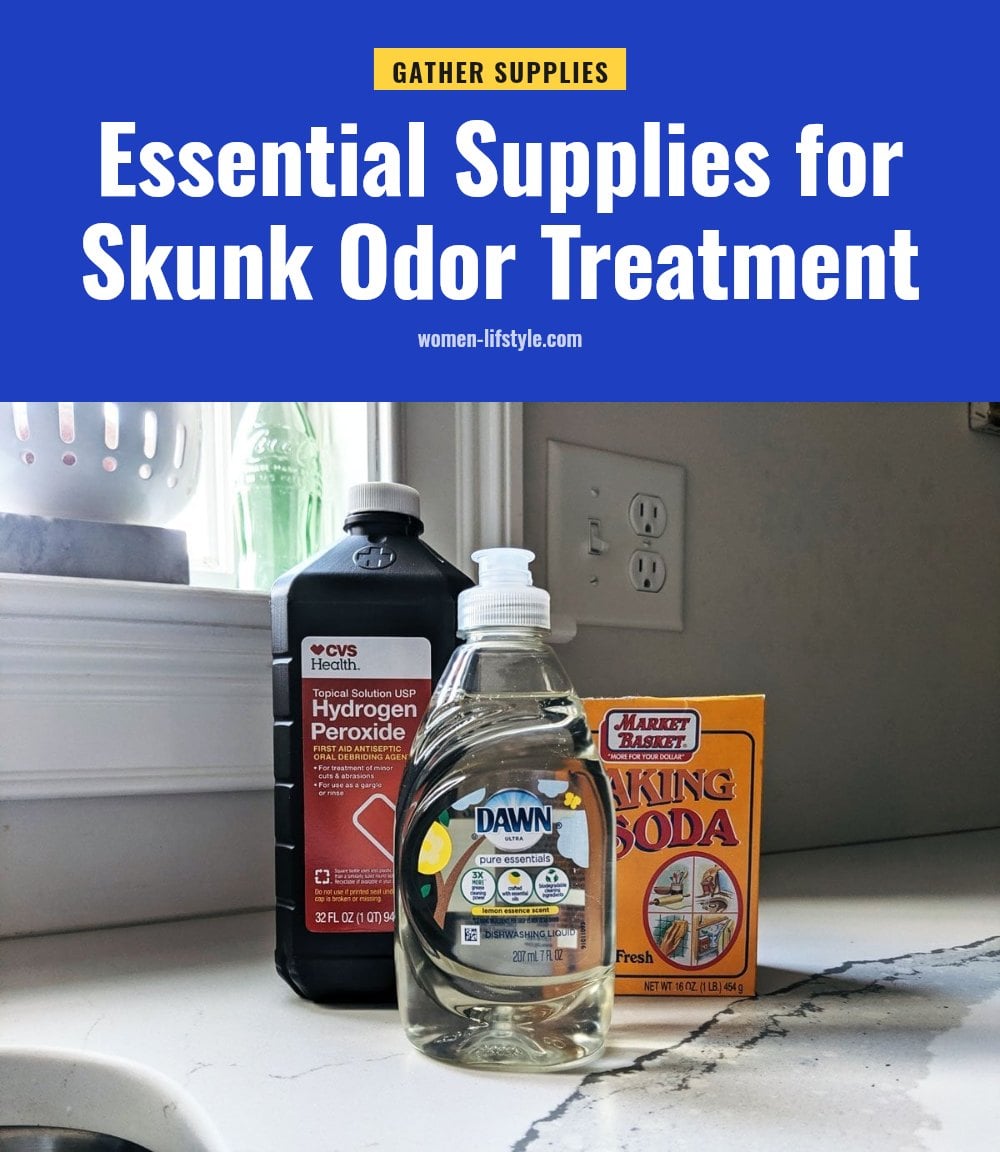
Before you start, gather everything in one place. You will not want to hunt for supplies mid-cleanup.
- 3% hydrogen peroxide: The oxidizing agent that breaks down thiols.
- Baking soda: Absorbs odors and acts as a mild abrasive.
- Liquid dish soap: Cuts through the oily spray.
- Large bowl and old face cloths: For mixing and applying; they will get smelly.
- Rubber gloves: Protect your hands from odor transfer.
- Old towels: Dry your pet without spreading the smell.
Step-by-Step: How to Remove Skunk Smell From Your Dog
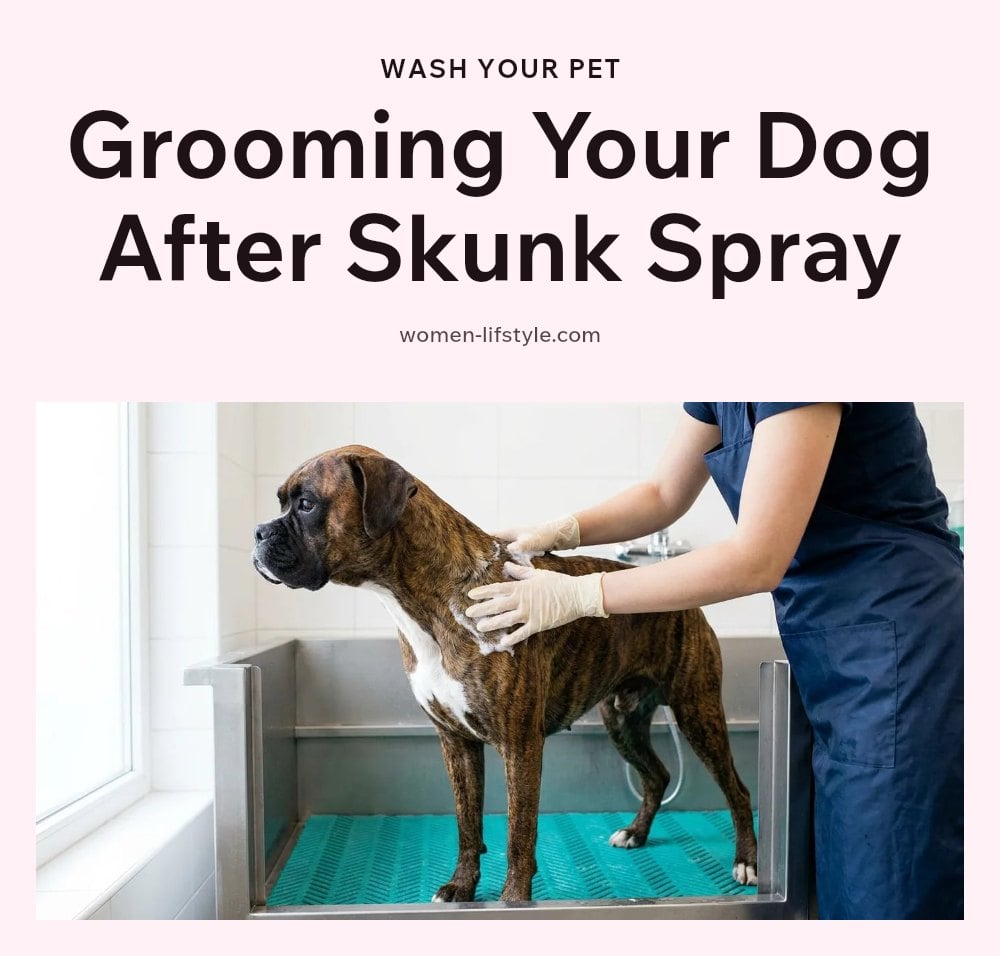
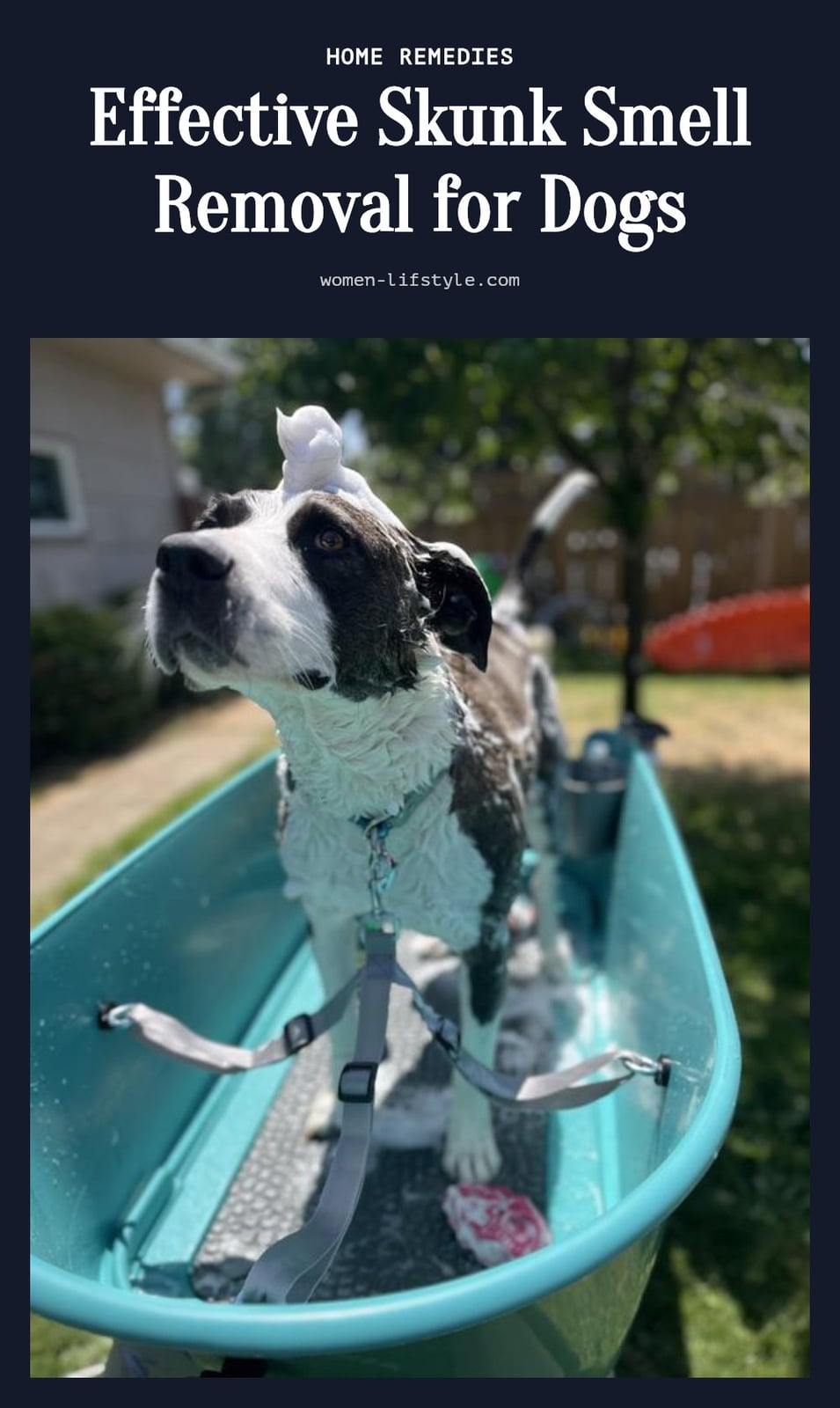
Do not hose your dog down with water right after a spray. Water can reactivate the thiols and make the smell worse. Instead, mix your solution fresh and get to work.
- Mix the solution: Combine 1 quart of 3% hydrogen peroxide, 1/4 cup of baking soda, and 1-2 teaspoons of dish soap in a large bowl. Stir into a slurry. Use it immediately and never store it, as it can build pressure and explode.
- Apply to fur: Using old face cloths, thoroughly saturate all affected areas. Avoid the eyes and mouth completely.
- Let it soak: Leave the mixture on for about 5 minutes. This gives the peroxide time to oxygenate and neutralize the thiols.
- Rinse completely: Use a hose to rinse your dog thoroughly, making sure no solution or thiols remain.
- Repeat the process: Apply the mixture again, soak for about 5 minutes, and rinse. A second round tackles stubborn odors that the first pass missed.
- Shampoo for freshness: After the second rinse, wash your dog with a gentle pet shampoo, like baby shampoo, for a final clean and fresh scent.
Even after treatment, a faint smell may reappear if your dog gets wet in the following weeks, but it will fade over time.
Prefer to watch? McCann Dog Training walks through the whole method in this 5-minute video. The how-to part starts at 2:17.
Other Methods for Skunk Odor Removal on Surfaces and Clothing
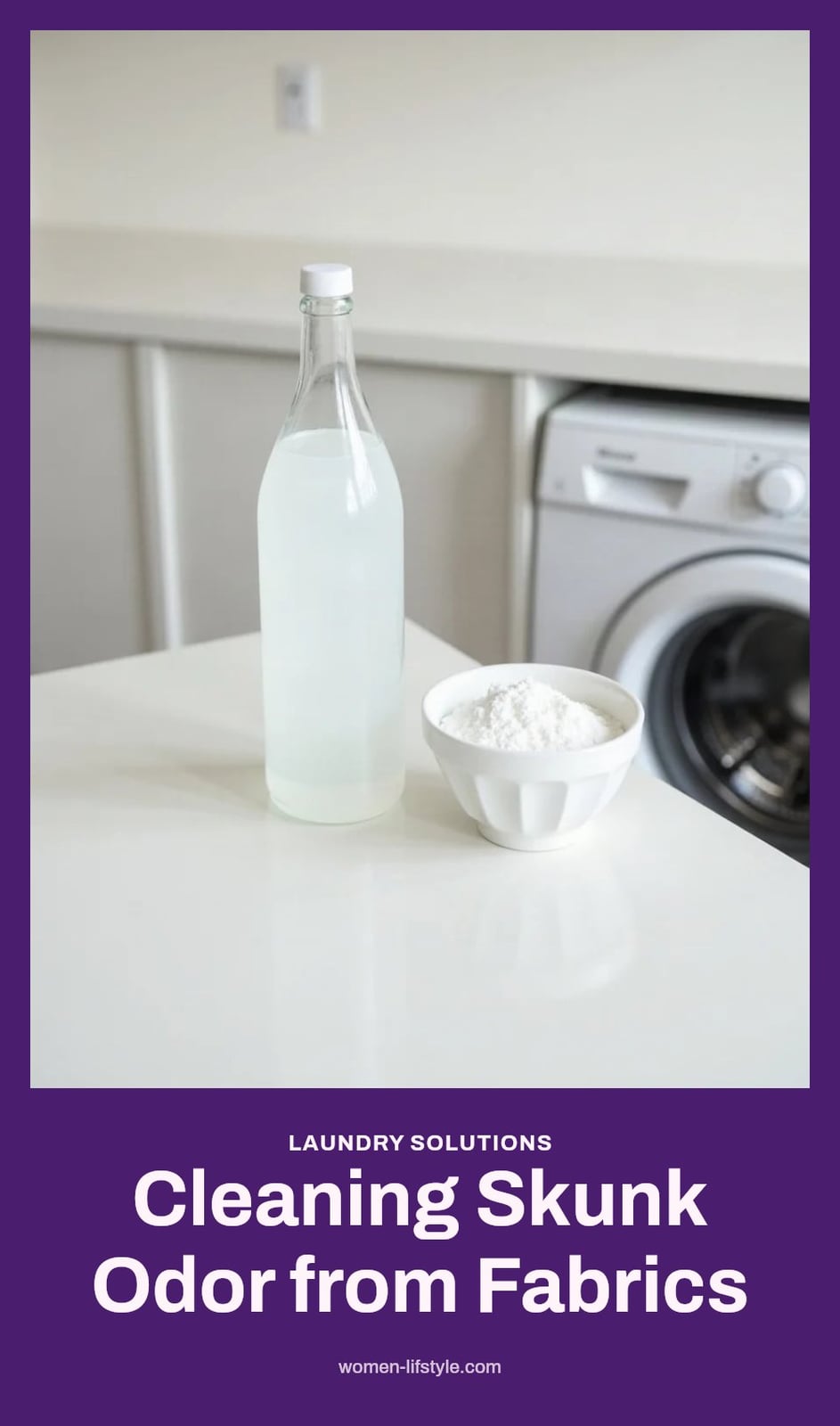
For clothing and fabrics, add a cup of baking soda or white vinegar to the wash cycle. Both help break down the thiols, but you may need two or three washes for complete removal. Wash affected items separately from other laundry.
Hard surfaces like concrete or sealed floors can be cleaned with a diluted bleach solution: one part bleach to nine parts water. Test it on an inconspicuous area first to avoid damage, and wear gloves and eye protection during application. Rinse the surface well afterward.
Commercial skunk odor removers are another option. They typically contain oxidizing agents or enzymes designed to break down thiols and can be used on targeted spots like a dog bed or car upholstery. Follow the product instructions closely.
Indoor spaces need ventilation above all else. Open windows, run fans, and set out bowls of white vinegar or activated charcoal to absorb lingering odors. Replace or refresh the absorbers every few days until the smell fades.
Common Mistakes When Dealing With Skunk Spray
Believing Tomato Juice Works: Tomato juice only masks the smell temporarily. It does not neutralize the thiols, so the odor returns once the juice dries or gets wet again.
Waiting Too Long: The longer the spray sits, the deeper it bonds with fur, fabric, or skin. Act within the first hour for the best results.
Using Only Water or Regular Soap: Water and plain soap can spread the oily thiols around, making the smell worse and harder to contain.
Not Rinsing Thoroughly: Leftover solution or thiols on the skin or fur can reactivate the odor when wet again. Rinse completely after each application.
Forgetting All Affected Items: Collars, leashes, shoes, and even the towel you used can carry the smell. Wash or discard everything that came into contact with the spray.
Storing the Homemade Peroxide Solution: The mixture of hydrogen peroxide, baking soda, and dish soap builds pressure in a sealed container and can explode. Always mix it fresh and use it immediately.
How to Prevent Future Skunk Encounters
Before letting your dog out at night, scan the yard with a flashlight. Skunks are most active after dark, and a quick check can prevent a surprise encounter.
- Secure trash cans: Use tight-fitting lids and remove fallen fruit or pet food that might attract skunks.
- Seal potential dens: Block access under decks, sheds, and porches with hardware cloth or lattice.
- Install deterrents: Motion-activated lights or sprinklers startle nocturnal visitors and keep them away.
- Train a recall command: A strong “come” cue lets you call your dog away from a skunk before it sprays.
Frequently Asked Questions
Why does skunk smell come back when wet?
The thiols in skunk spray can reactivate with water, so the odor may return even after cleaning. This is why thorough rinsing and repeated treatments matter, and why a faint smell can reappear if your pet gets wet in the weeks after spraying.
Can I use regular pet shampoo to remove skunk odor?
Regular pet shampoo alone is not very effective because it does not neutralize the thiols. It can help with the final freshening step after the hydrogen peroxide mixture, but use a gentle shampoo such as baby shampoo for that final wash.
How long does skunk smell typically last?
With prompt treatment, the worst of the smell usually improves within a few days, but a faint odor can linger for weeks and may reappear when the area gets wet. Multiple applications or washes may be needed for complete removal.
Is it safe to use commercial skunk odor removers?
Commercial products often contain oxidizing agents or enzymes that break down thiols, and they can be effective. Always follow the label directions and test on a small area first, especially on fabrics or surfaces that could be damaged.
What if my pet was sprayed directly in the eyes?
If your pet is sprayed in the eyes, consult a veterinarian promptly. Skunk spray can cause irritation or temporary blindness, and a vet can advise on safe flushing and treatment. Do not get any cleaning solutions into the eyes.
Final Thoughts
If your pet or a person gets sprayed, reach for the hydrogen peroxide, baking soda, and dish soap mixture first, and apply it right away. Expect the smell to fade over several days, and don’t be surprised if a faint odor returns when your pet gets wet in the following weeks. For clothing and surfaces, plan on multiple washes or treatments. My tip: keep the ingredients on hand so you’re not scrambling at midnight. A little patience and the right approach make a big difference.
This information is for general educational purposes only and is not a substitute for professional advice. If a pet or person has a persistent or serious reaction, consult a veterinarian or doctor. Always test cleaning solutions on a small area first.
