

You already know air drying is a great way to cut your energy bill and save your clothes from the wear and tear of a tumble dryer. But if you’ve ever ended up with stiff, wrinkled laundry or that telltale musty smell, you might be wondering if you’re doing something wrong. In this article, I’ll walk you through the simple steps and smart tricks that make air drying a breeze, giving you soft, fresh-smelling clothes every time.
Key Takeaways
- Run your washer’s highest spin cycle to remove excess water before air drying.
- Shake out each garment before hanging to reduce wrinkles and speed drying.
- Space clothes at least a finger’s width apart on the rack or line for airflow.
- Lay wool and knit items flat to dry, never hang them.
- Bring outdoor laundry in before nightfall to avoid dew and pollen.
Why Air Drying is a Game Changer for Your Laundry
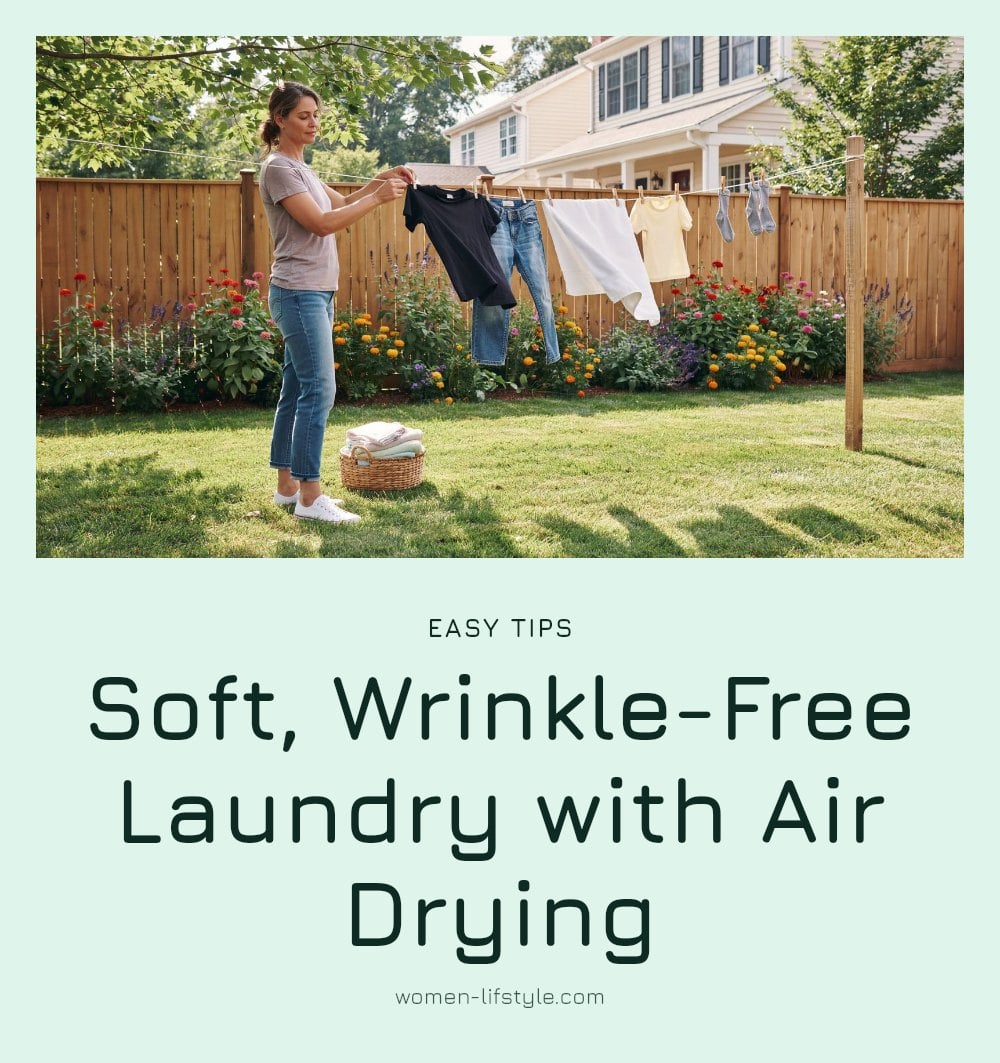
Air drying clothes is one of the most effective ways to extend your garments’ life and keep them looking good. It uses natural airflow and, when you choose outdoor drying, sunlight to evaporate moisture. This process preserves elastic fibers and prevents the shrinkage that tumble dryers can cause over time. You also avoid static cling and, with the right technique, end up with soft, fresh-smelling, and wrinkle-free laundry. Plus, you save energy since you’re not running a heated dryer.
1. Master Your Washing Machine’s Spin Cycle
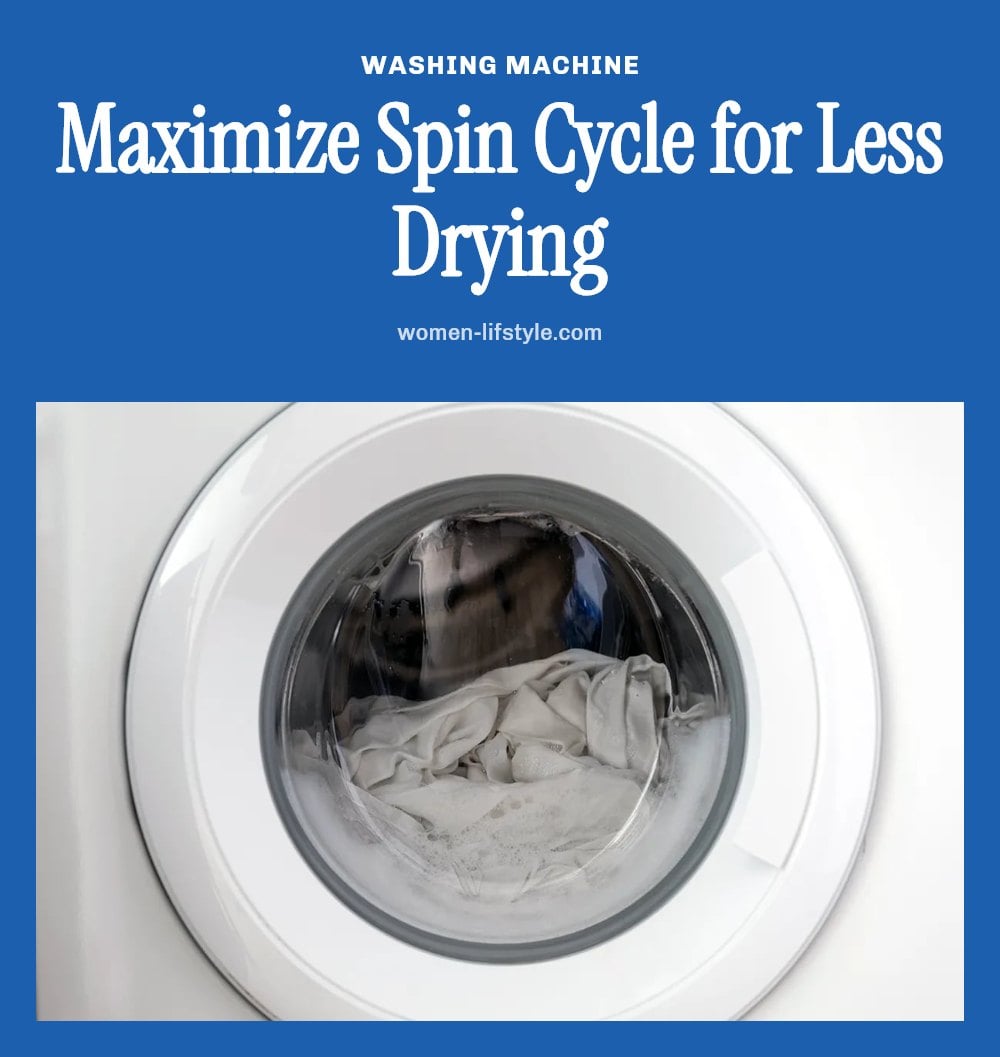
Before you hang anything, run your washing machine’s highest spin cycle setting. This pulls out as much water as possible from the fabric. My tip: The drier your clothes come out of the machine, the faster they’ll air dry, and they’re far less likely to feel stiff once they’re dry. It’s a simple step that cuts drying time significantly.
2. Shake Out Each Garment Thoroughly
After the wash cycle finishes, grab each item and give it a good, firm shake before you hang it. This unfurls twisted fabric and releases wrinkles that formed during the spin. The quick snap makes a noticeable difference in how smooth your clothes look once they’re fully dry.
My tip: shake each piece twice, once at the collar or waistband and once at the hem, to target the creases that set in during the spin cycle.
3. Choose the Right Drying Spot
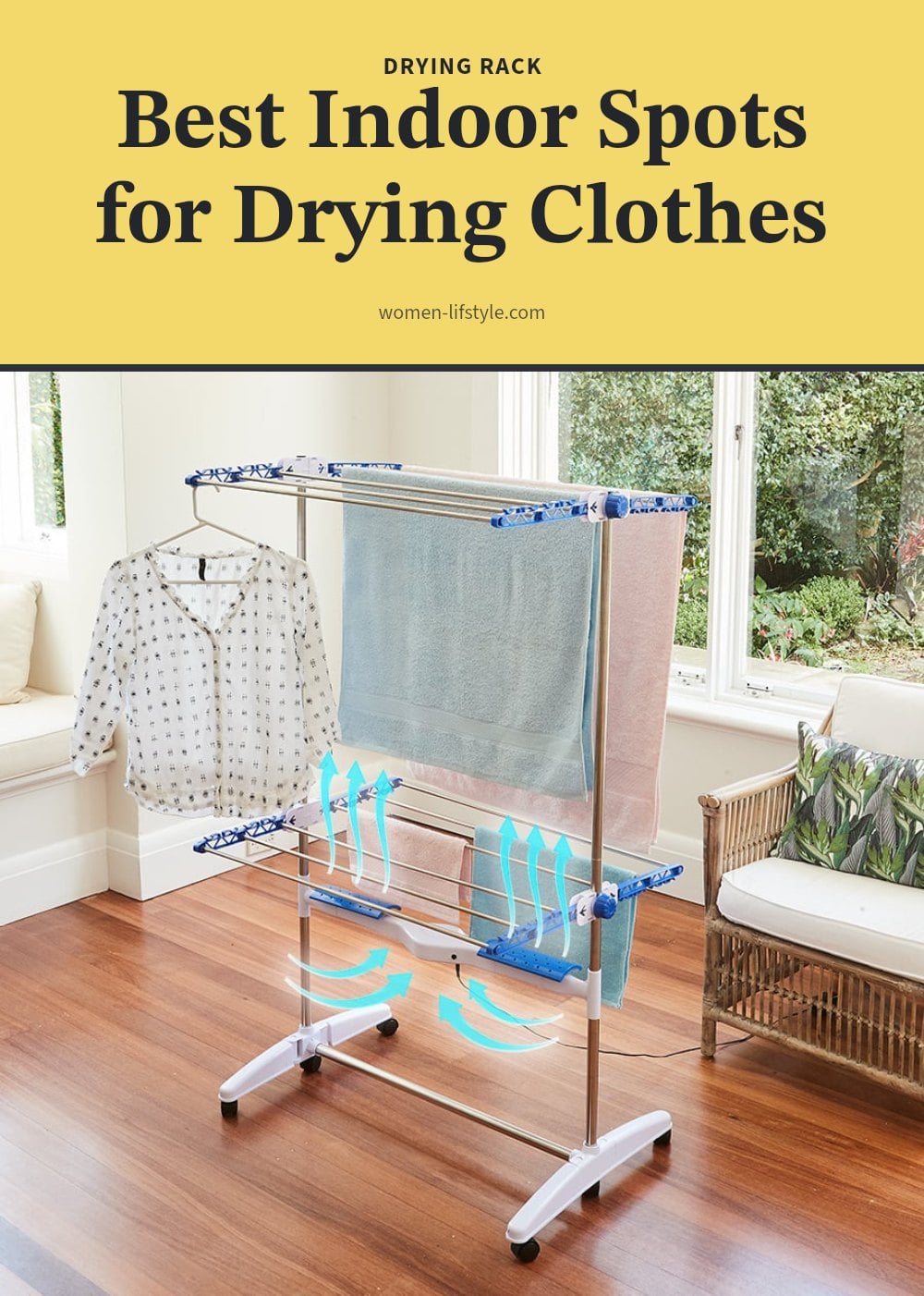
For outdoor drying, choose a spot with good airflow. Direct sunlight works well for whites because it acts as a natural bleach and has some sanitizing properties. If you’re drying indoors, pick a well-ventilated area. My tip: A fan or dehumidifier speeds up the process and prevents that musty smell that can develop when clothes dry slowly in a damp room.
4. Space Your Clothes for Airflow
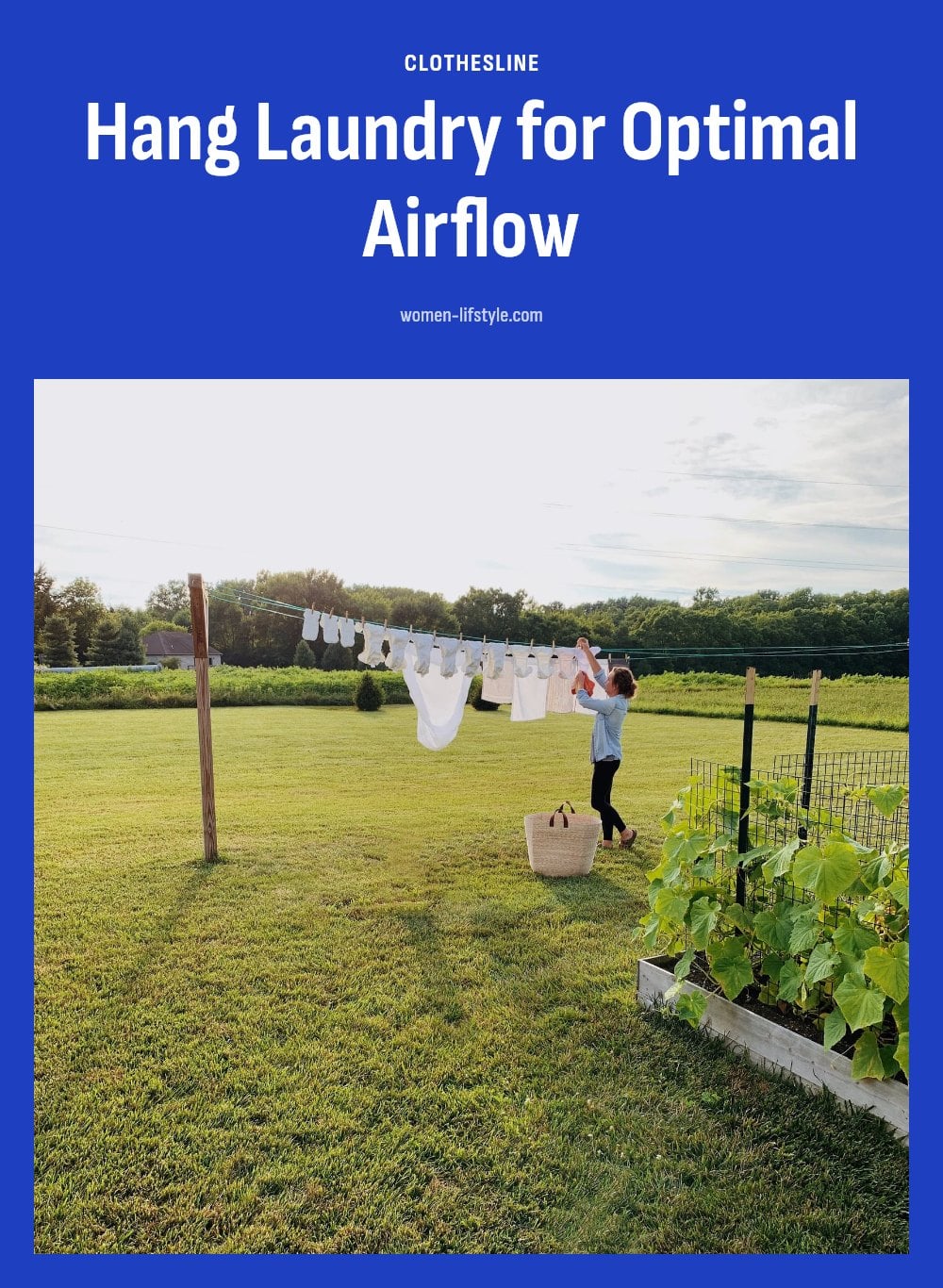
Don’t overcrowd your drying rack or clothesline. Space each garment so air can circulate freely around it, which speeds up drying and prevents the musty smell that comes from clothes drying too slowly.
As a rule, leave at least a finger’s width between items. For larger pieces like sheets, give them more room so they don’t trap moisture between layers.
5. Use Appropriate Hangers
For shirts, dresses, and blouses, use plastic or wooden hangers to maintain their shape and avoid shoulder bumps. My tip: avoid metal hangers for wet clothes, as they can rust and leave stains on your fabric.
Padded hangers are great for delicates like silk or lace tops, since they cushion the fabric and prevent creases at the shoulders.
6. Hang Heavy Items Strategically
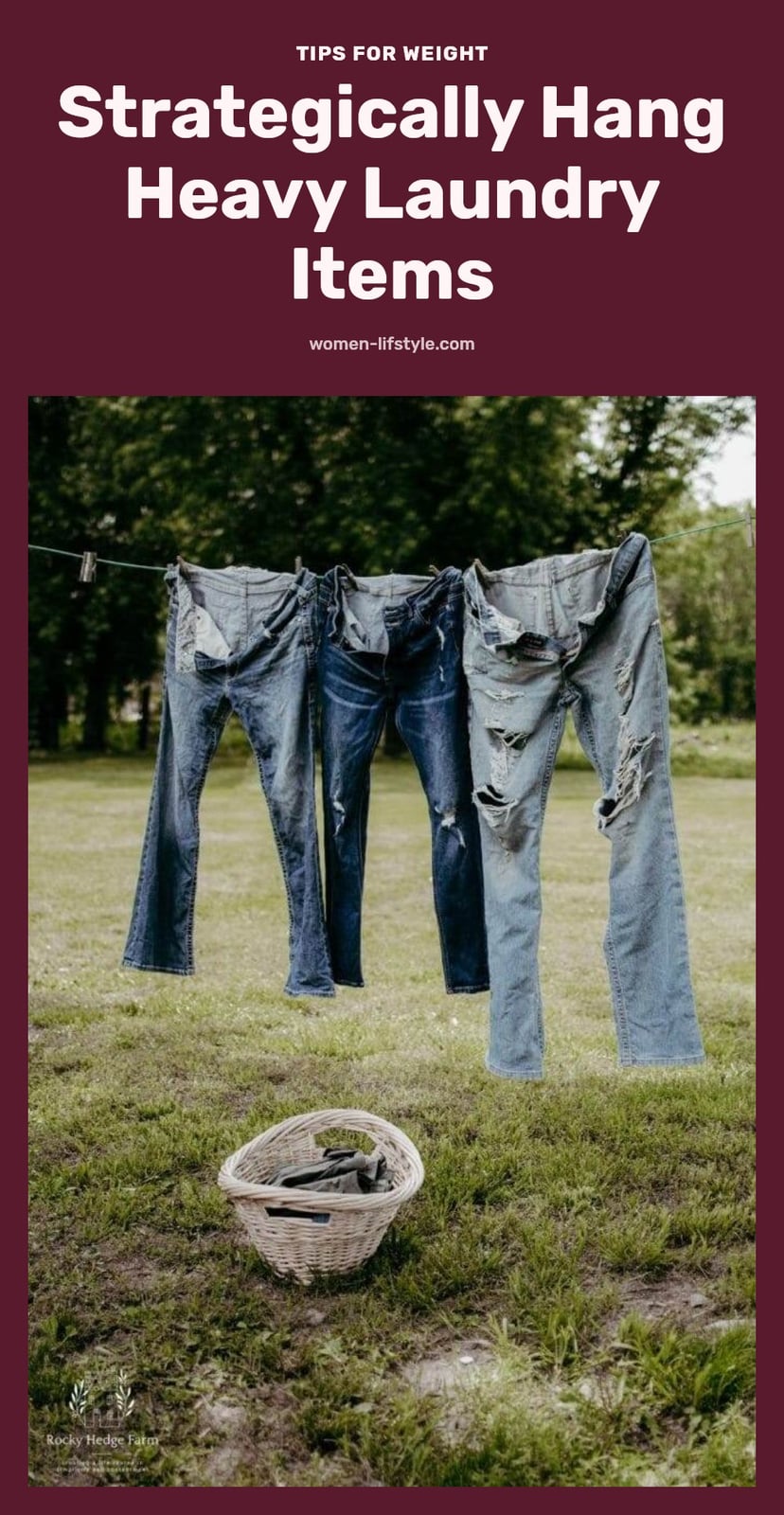
Heavy items like jeans, towels, or sweaters take longer to dry, so hang them on sturdy lines or racks and distribute their weight evenly. This prevents sagging and helps them dry at a consistent rate.
My tip: for jeans, hang them by the waistband so air can flow into the pockets and leg openings, which speeds up the process noticeably.
7. Protect Dark Colors from Fading
If you’re drying dark-colored clothes in direct sunlight, turn them inside out. This simple step protects the outer fabric from fading caused by UV exposure.
I’ve learned this the hard way: direct sun acts as a natural bleach, which is great for whites but not so much for your favorite black jeans. Inside-out drying also keeps the color rich for longer.
8. Lay Delicates Flat to Dry

Wool, knitwear, and other delicate items should never be hung to dry, as the weight of water can stretch them out of shape. Instead, lay them flat on a clean towel or a mesh drying rack.
This supports their structure and helps them retain their original form. Reshape the garment gently with your hands before leaving it to dry, and flip it over halfway through so both sides dry evenly.
9. Consider a Dehumidifier for Indoor Drying
When you dry clothes indoors, especially in humid climates or during winter, a dehumidifier is your best friend. It pulls moisture out of the air, which significantly speeds up drying time and prevents the musty smell that develops when clothes dry slowly in a damp environment.
Run the dehumidifier in the same room as your drying rack, and keep the door closed to maximize its effect. You will notice the difference within a few hours, and your laundry will come out fresher than if it sat in stagnant air.
10. Don’t Leave Clothes Out Overnight
Leaving clothes out overnight is tempting, especially when the day gets away from you, but it can backfire. Outdoor laundry can absorb dew and pollen as the temperature drops, and the cooler night air can leave fabrics feeling stiff.
My tip: bring everything in before sunset. This keeps your clothes fresh, soft, and free of overnight moisture that can lead to re-wetting or a musty odor.
11. Check for Dryness Before Storing
Before you fold and put anything away, make sure it’s completely dry. Storing damp clothes invites mildew and musty odors that are hard to remove once they set in.
Run a quick touch test on thicker seams, waistbands, and collars, where moisture hides longest. If any spot feels cool or damp, give it more time on the rack.
Common Air Drying Mistakes to Avoid
Even with the best intentions, a few common mistakes can turn fresh laundry into a wrinkled, musty mess. Here’s what to watch for and how to fix it.
- Overloading your drying rack: This prevents proper airflow, leading to slow drying and musty smells. Always give each item room to breathe.
- Not shaking out clothes: Skipping this step means more wrinkles. A quick snap before hanging makes a big difference.
- Hanging delicate knits: Wool and other stretchy fabrics will lose their shape if hung. Always lay them flat.
- Drying dark clothes in direct sun: This can cause significant fading. Turn them inside out or dry them in the shade.
- Using metal hangers for wet items: Metal can rust and stain your clothes. Stick to plastic or wood for wet garments.
Frequently Asked Questions
How long does it take to air dry clothes?
Drying time varies widely based on fabric type, humidity, temperature, and airflow. Lightweight items like T-shirts might dry in a couple of hours, while heavier items like jeans or towels can take a full day or more. Using a fan or dehumidifier indoors can speed things up significantly.
Can air drying clothes indoors cause mold?
Yes, indoor air drying increases humidity, which can encourage mold growth in poorly ventilated homes. To reduce the risk, dry clothes in a well-ventilated area, open a window, or use a dehumidifier. Avoid drying in small, closed-off rooms like a closet or bathroom without ventilation.
Does air drying make clothes stiff?
It can, but you can prevent it. Over-drying in a tumble dryer is a bigger cause of stiffness. For air drying, shake out clothes well before hanging, use a high spin cycle to remove excess water, and bring them in as soon as they’re dry. Adding a splash of white vinegar to the rinse cycle can also help soften fabrics naturally.
Can I air dry all types of fabric?
Most fabrics air dry well, but some need special care. Wool and knit items should be laid flat to dry, not hung, to prevent stretching. Delicates like silk or lace do best on padded hangers or a mesh rack. Heavy fabrics like denim and towels take longer, so give them extra space and time.
Final Thoughts
My tip: keep a simple routine. Use the highest spin cycle, shake out each piece, and space items properly on your rack or line. If you’re drying indoors, a fan or dehumidifier makes a real difference in speed and freshness. Expect most loads to dry in a few hours to a full day, depending on fabric and conditions. With these habits, air drying becomes an easy, reliable part of your laundry day.
