

You already know you should be eating more fiber and omega-3s, but maybe you aren’t sure how to fit them into your day without overhauling your whole kitchen. Chia seeds are the answer: they’re tiny, mild-tasting, and incredibly easy to add to foods you already eat. This article covers the simple ways to use them, common pitfalls to avoid, and how to get the most out of every spoonful.
Key Takeaways
- Start with 1 tablespoon of chia seeds per day and increase gradually.
- Always soak chia seeds before eating to prevent choking and aid digestion.
- Use a 1:3 ratio of chia seeds to liquid when making pudding or gel.
- Store chia seeds in an airtight container in a cool, dry place for up to 2 years.
- Stay hydrated throughout the day when adding chia seeds to your diet.
Why You Should Add Chia Seeds to Your Diet
Chia seeds pack a serious nutritional punch in a tiny package. Each 2-tablespoon serving delivers about 10 grams of fiber, along with plant-based omega-3 fatty acids (ALA), protein, calcium, phosphorus, and magnesium. Their mild, neutral flavor means they blend into almost anything without changing the taste. When you soak them in liquid, they absorb up to 10-12 times their weight and form a gel, which makes them a natural thickener for puddings, smoothies, and sauces. Adding them to your meals regularly can help support a balanced diet and overall wellness.
Essential Ingredients for Chia Seed Recipes
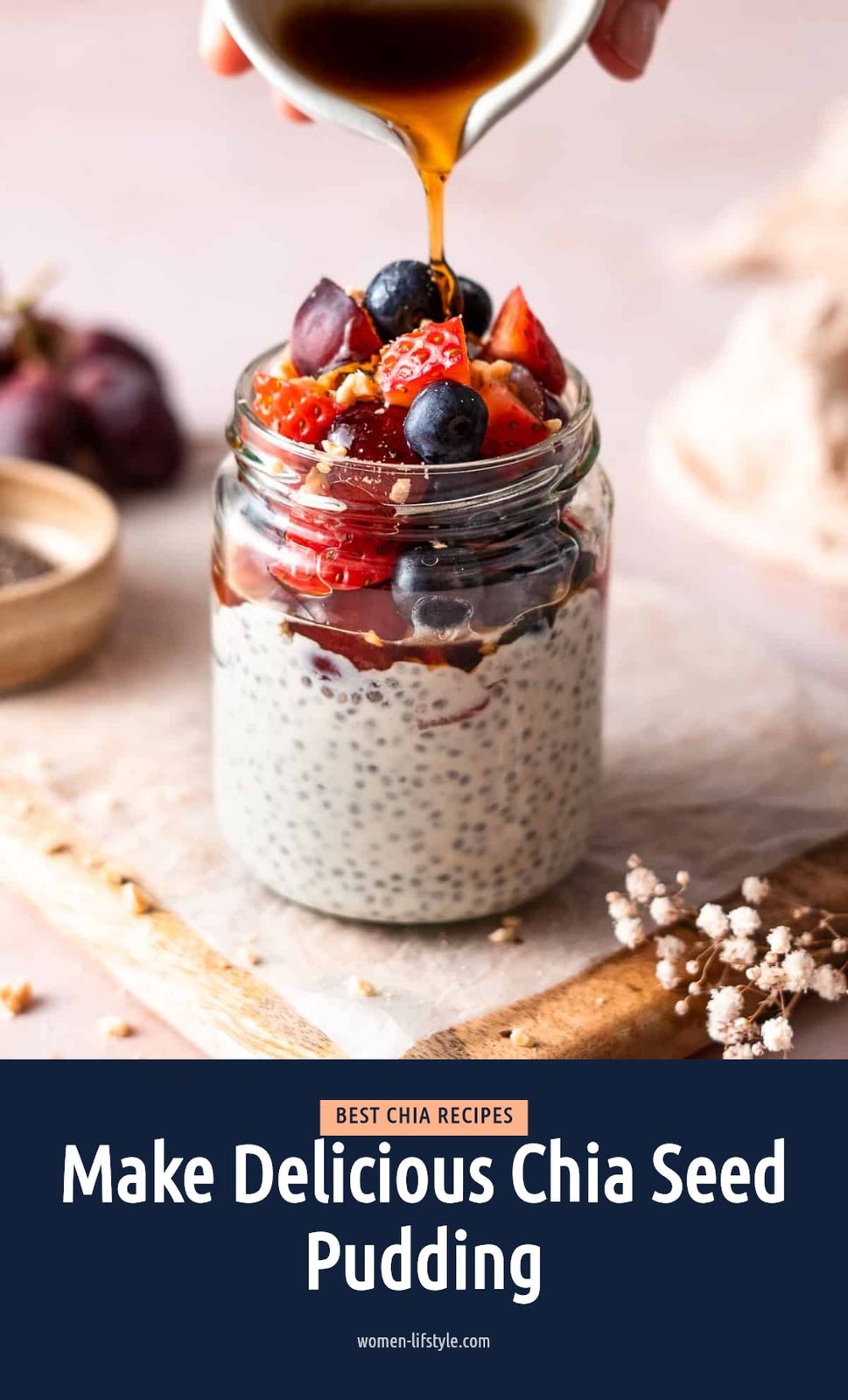
You only need a few basics to start using chia seeds in your kitchen.
- Chia seeds: The star ingredient. Check that they are fresh and store them in an airtight container in a cool, dry place.
- Liquid base: Water, dairy or non-dairy milk, or juice for soaking. This triggers the gel formation.
- Common meal ingredients: Yogurt, oatmeal, smoothie ingredients, or baking supplies, depending on your recipe.
- Airtight container: Keeps chia seeds fresh for up to two years when stored properly.
Step-by-Step: Incorporating Chia Seeds Into Your Meals
Follow these steps to add chia seeds to your meals safely and effectively.
- Start small: Begin with 1 tablespoon per day. Gradually increase the amount as your digestive system adjusts to the extra fiber.
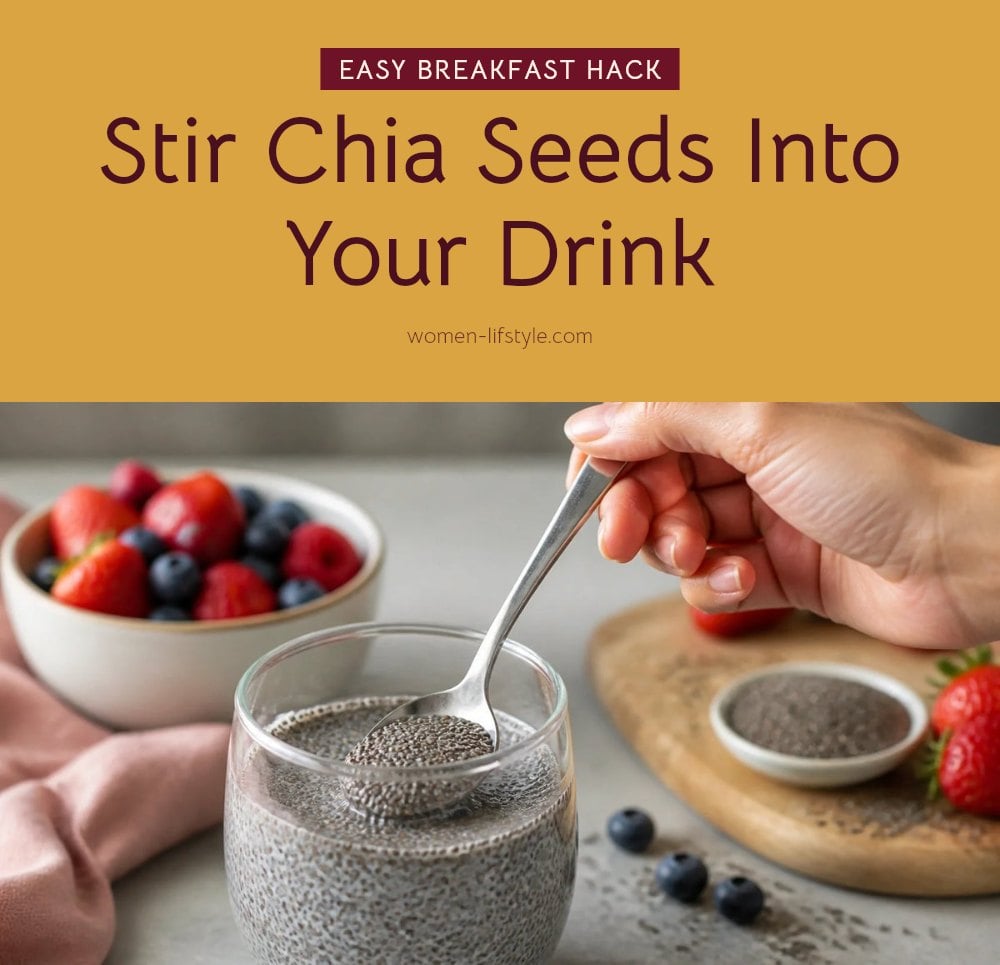
- Soak before eating: Always soak chia seeds in liquid before consuming them, especially if you have any difficulty swallowing. A 1:3 ratio of seeds to liquid works well. Let them sit for 5-10 minutes to form a gel.
- Boost your breakfast: Stir the soaked chia gel into smoothies, yogurt, or oatmeal for an extra dose of fiber and omega-3s.
- Thicken soups and jams: Add pre-soaked chia gel to warm soups, stews, or simmering fruit for homemade jam. The gel will thicken the mixture without the risk of dry seeds expanding in your throat.
- Bake with them: Replace eggs in baked goods with a chia egg (1 tablespoon seeds plus 3 tablespoons water, let sit 5-10 minutes). Add dry seeds to muffin or energy bar batter for extra texture.
- Store properly: Keep chia seeds in a cool, dry place in an airtight container to maintain freshness and prevent rancidity.
Delicious Ways to Enjoy Chia Seeds Daily
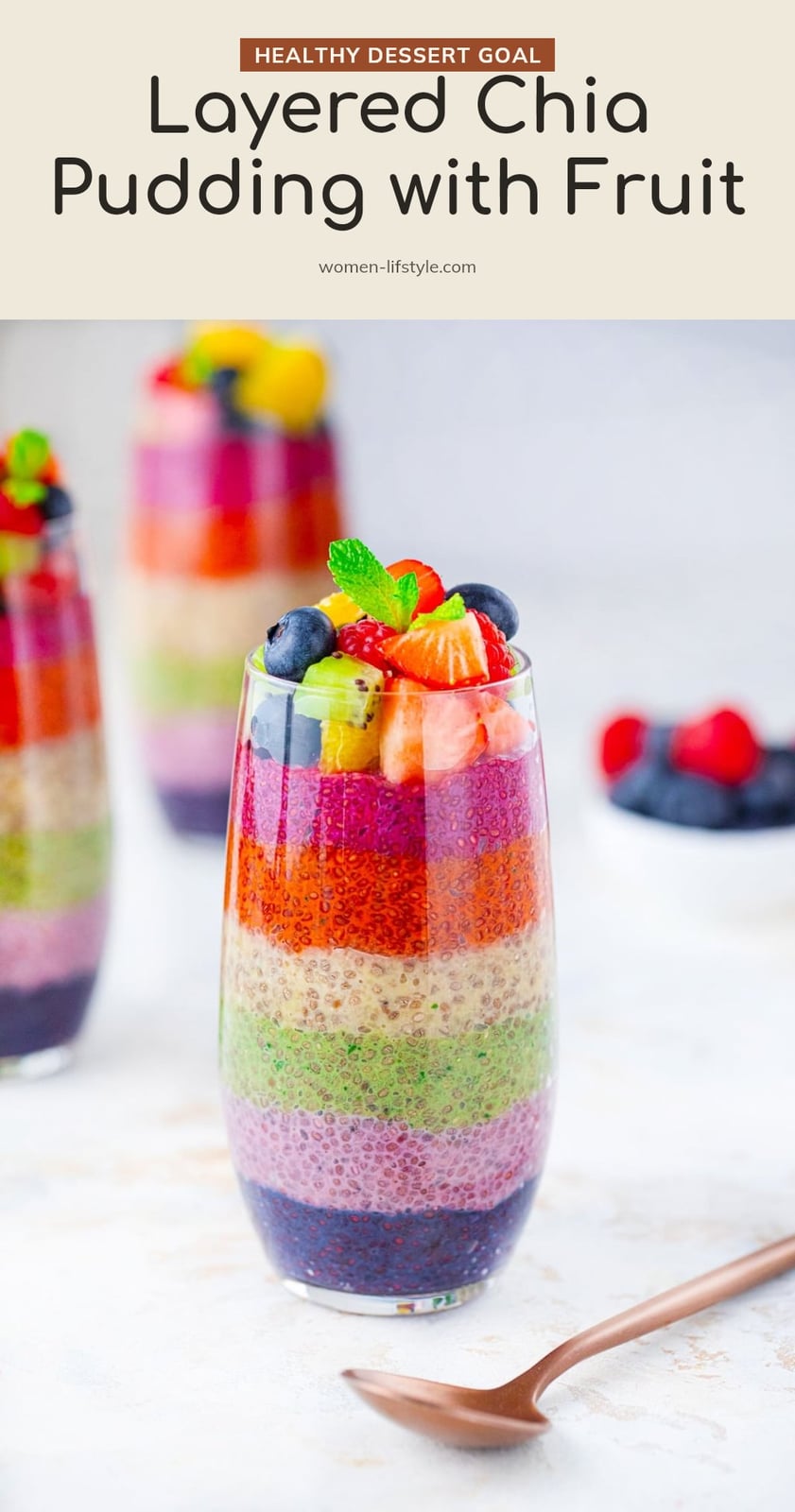
Here are simple ways to enjoy chia seeds every day.
Chia Pudding
Mix 3 tablespoons of chia seeds with 1 cup of milk or juice. Stir well, let it sit for 5 minutes, then stir again to prevent clumps. Refrigerate overnight for a thick, creamy pudding. My tip: Add a pinch of cinnamon or vanilla extract before chilling for extra flavor.
Smoothie Booster
Blend 1 tablespoon of chia seeds directly into your favorite smoothie recipe. The seeds will thicken the drink slightly and add fiber without altering the taste.
Yogurt or Oatmeal Topping
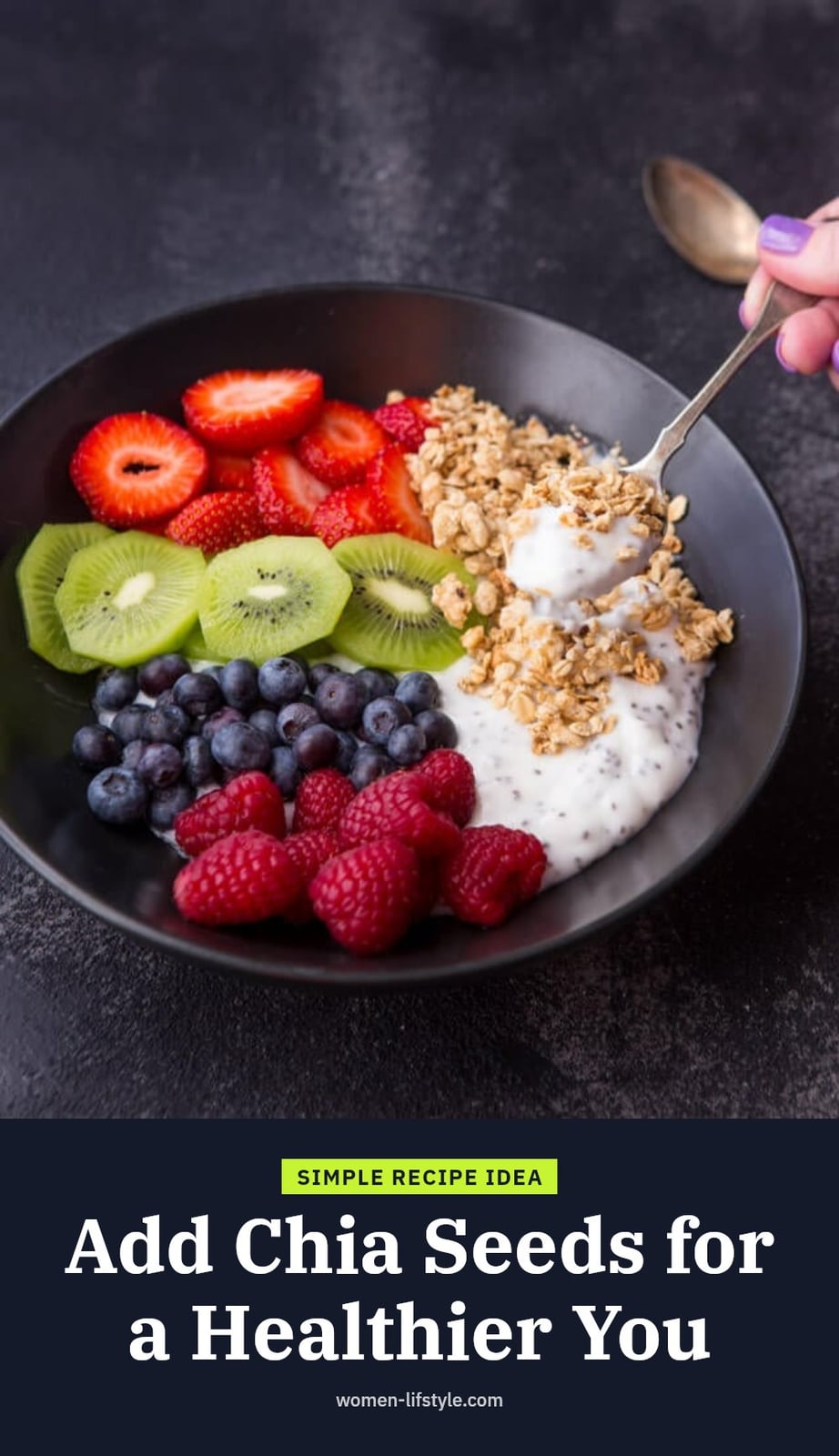
Stir a spoonful of pre-soaked chia gel into your morning yogurt or oatmeal. The gel blends in smoothly and adds a creamy texture without any crunch. Tip: Make a batch of chia gel by mixing 1 part seeds with 3 parts water and refrigerating it for later use throughout the week.
Vegan Egg Substitute
For baking, mix 1 tablespoon of chia seeds with 3 tablespoons of water. Let it sit for 5-10 minutes until it forms a gel. Use this to replace one egg in muffins, pancakes, or cookies.
Thickener for Sauces and Jams
Add 1 to 2 teaspoons of chia seeds to warm sauces, gravies, or simmering fruit. Stir and let them sit for a few minutes until the mixture thickens to your liking. Caution: Start with a small amount; you can always add more, but you cannot remove it.
Common Mistakes When Eating Chia Seeds and How to Avoid Them
Eating dry chia seeds is a common mistake. They expand rapidly in your throat and can cause choking or digestive upset. My tip: Always soak them first, aiming for a 1:3 ratio of chia seeds to liquid.
Introducing too much too fast often leads to bloating or gas. Start with 1 tablespoon per day and increase gradually so your digestive system can adjust.
Don’t expect chia seeds to cause magic weight loss on their own. They are a healthy addition, not a standalone solution. Combine them with a balanced diet and regular exercise.
Ignore the calorie content at your own risk. Chia seeds are calorie-dense, so be mindful of portion sizes if you’re tracking intake.
Improper storage can cause them to go rancid over time. Keep them in an airtight container in a cool, dry place.
Expert Tips for Maximizing Chia Seed Benefits
Stay hydrated when you eat chia seeds. They absorb a lot of liquid, so drink plenty of water throughout the day to support digestion.
Grinding chia seeds is not necessary, but it can sometimes aid nutrient absorption if you are sensitive to their texture. Use a coffee grinder or blender for a quick pulse.
Get creative with flavors. Chia seeds have a mild taste, so they pair well with almost anything. Try different fruits, spices, and extracts in your recipes.
Batch prep to save time. Make a larger batch of chia pudding or chia eggs at the start of the week so you have them ready for quick meals and recipes.
When to Consult a Professional About Chia Seed Consumption
If you experience severe digestive discomfort like persistent bloating, gas, or stomach pain after eating chia seeds, consult a healthcare provider.
Individuals with dysphagia (difficulty swallowing) should speak with a doctor before adding chia seeds to their diet, even when thoroughly soaked.
If you are on blood-thinning medication, discuss chia seed intake with your doctor due to their omega-3 fatty acid content.
In rare cases of allergic reactions such as hives or difficulty breathing, seek immediate medical attention.
Frequently Asked Questions
How much chia seeds should I eat daily?
Most people do well starting with 1 tablespoon per day and can gradually work up to 2 tablespoons. Your digestive system needs time to adjust to the extra fiber, so it’s best to increase slowly over a week or two.
Can chia seeds help with weight loss?
Chia seeds may support weight management by promoting a feeling of fullness due to their high fiber content. However, they are not a standalone weight-loss solution. Consistent use as part of a balanced diet and active lifestyle can help, but don’t expect dramatic changes overnight.
Are chia seeds good for constipation?
Yes, the soluble fiber in chia seeds can help relieve constipation for many people when consumed with enough liquid. The fiber absorbs water and adds bulk to stool, making it easier to pass. If you have persistent or severe constipation, talk to your doctor.
What is the best way to store chia seeds?
Keep chia seeds in an airtight container in a cool, dry place away from direct sunlight. Stored this way, they can last up to 2 years. Avoid storing them in a warm or humid spot, as that can cause them to go rancid over time.
What are the benefits of eating chia seeds?
Chia seeds are packed with fiber (about 10 grams per 2-tablespoon serving), plant-based omega-3 fatty acids, protein, calcium, phosphorus, and magnesium. They support digestion, help you feel full, and are naturally gluten-free. Their mild flavor makes them easy to add to almost any dish.
Final Thoughts
My tip: start your day with a simple chia pudding or stir a tablespoon into your morning yogurt. You’ll likely notice increased satiety and smoother digestion within a week or two of consistent use. Remember, chia seeds are a helpful addition, not a magic fix, so keep eating a balanced diet and drinking plenty of water.
This article is for general informational purposes only and does not constitute medical advice. If you have a medical condition, are on blood-thinning medication, or have difficulty swallowing, consult a healthcare professional before adding chia seeds to your diet.
