

You want spiders out without harsh chemicals, but most natural repellents don’t work alone. The trick is combining physical barriers, consistent cleaning, and scents like peppermint or citrus that spiders are believed to avoid. This article covers the methods that actually help, from DIY sprays to long-term prevention, so you can pick a strategy that fits your home.
Key Takeaways
- Combine sealing cracks, regular vacuuming, and scent-based repellents for the best results.
- Peppermint oil spray needs reapplication every few days to weekly as the scent fades.
- Diatomaceous earth works as a physical barrier but must be food-grade and applied without inhaling dust.
- Address food sources like insects and clutter to remove spider attractions.
- Call a professional for suspected venomous spiders or if natural methods fail after several weeks.
The Most Effective Natural Ways to Deter Spiders
If you want spiders out for good, stop looking for a single magic fix. The most effective natural approach combines three things: physical exclusion, regular cleaning, and strategic scents like peppermint and citrus. Seal every crack and gap around windows, doors, and your foundation so spiders can’t get in. Vacuum and dust corners, under furniture, and behind appliances to remove their food sources (other insects) and hiding spots. No one remedy will do it all, but this multi-pronged attack actually works.
Your Arsenal for a Spider-Free Home

Here is what you need to build a spider-deterring toolkit. Most items are already in your pantry or cleaning cabinet.
- Peppermint, lemon, or cedarwood essential oils these scents are believed to repel spiders when used in sprays or on cotton balls.
- White vinegar a natural cleaner that may also discourage spiders when sprayed along baseboards and window sills.
- Food-grade diatomaceous earth a fine powder that dehydrates spiders on contact. Apply it in a thin layer along cracks and crevices.
- Caulk or sealant for closing gaps in foundations, window frames, and door edges.
- Vacuum cleaner to remove webs, egg sacs, and the insects spiders eat.
Natural Repellent Methods to Keep Spiders Away

Peppermint Oil
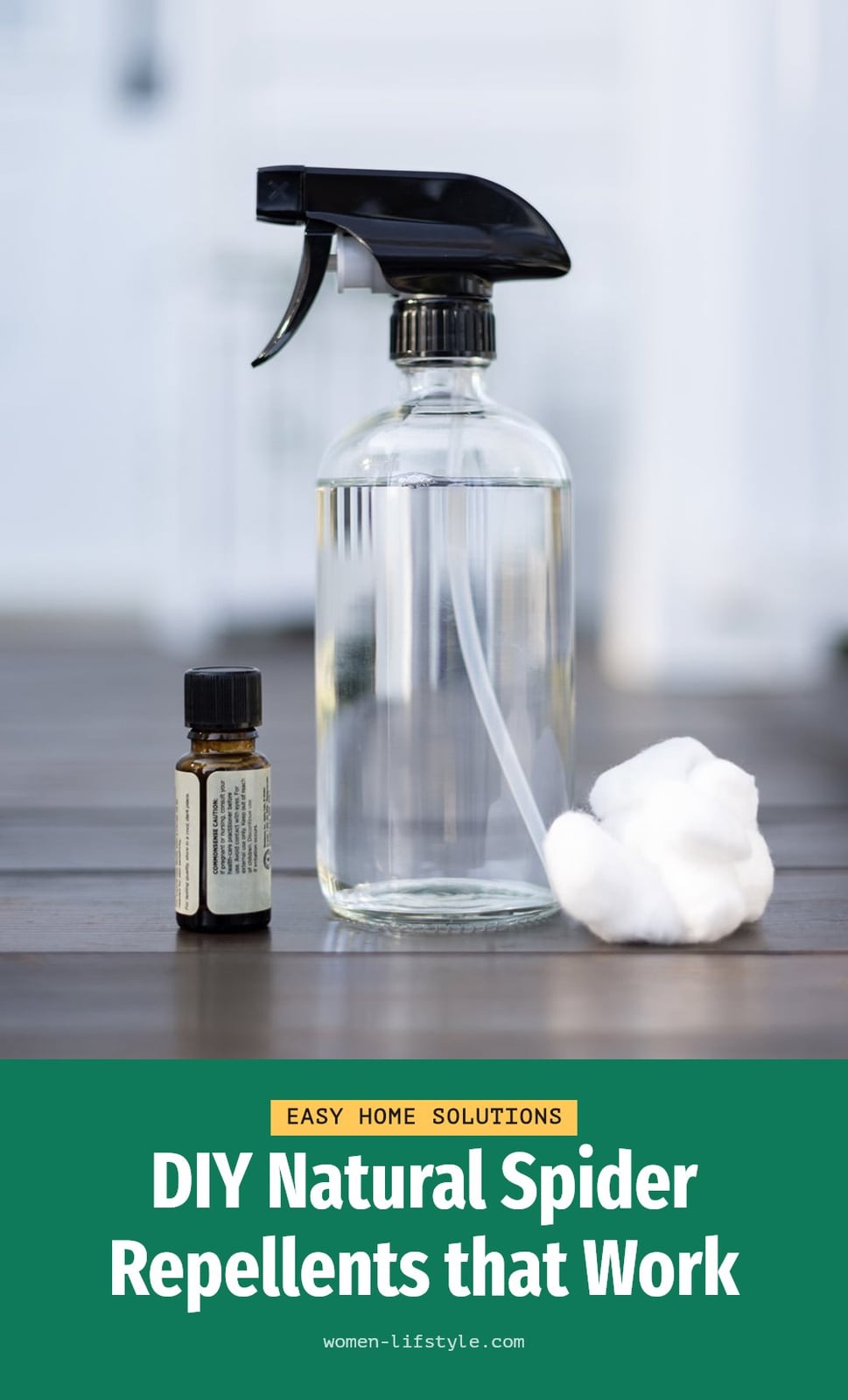
Peppermint oil is the most widely cited natural spider deterrent. Spiders are believed to dislike its strong menthol scent. Mix 10-15 drops of peppermint oil with 1 cup of water and a tiny squirt of dish soap in a spray bottle. Shake well, then spray along baseboards, window sills, door frames, and corners. You can also place a few drops of oil on cotton balls and tuck them into closets, under sinks, or behind furniture. Reapply every few days or whenever the scent fades.
Citrus Scents
Lemon, orange, and grapefruit oils work similarly to peppermint. Spiders are thought to avoid citrus because of its strong, acidic smell. Use the same dilution ratio as peppermint: 10-15 drops per cup of water with a bit of dish soap. Spray around entry points and hiding spots. Tip: Rub citrus peels along window sills and baseboards for a quick, scent-based barrier that lasts a day or two.
White Vinegar
White vinegar is a natural cleaner that some people use as a spider repellent. Its effectiveness is mostly anecdotal, but it is worth trying because it is cheap and non-toxic. Mix equal parts white vinegar and water in a spray bottle and apply to areas where you see spiders. The strong smell may deter them, though it fades quickly. Caution: Vinegar can damage some surfaces like natural stone or wood finishes, so test in an inconspicuous spot first.
Diatomaceous Earth
Diatomaceous earth works differently. It creates a physical barrier. The sharp microscopic particles cut into a spider’s exoskeleton and absorb its protective oils, causing dehydration. Sprinkle a thin, barely visible layer of food-grade diatomaceous earth along baseboards, behind appliances, and in cracks. Wear a mask to avoid inhaling the dust, and keep it away from areas where pets or children might disturb it. Reapply after cleaning or if the powder gets wet.
Step-by-Step: Creating Your Own Spider-Repellent Spray
Making your own spider-repellent spray takes less than five minutes and costs pennies per batch.
- Fill a spray bottle: Add 1 cup of water to a clean 8-ounce spray bottle. Leave a little room at the top for the other ingredients.
- Add essential oils and soap: Drop in 10-15 drops of peppermint, lemon, or cedarwood oil. Then add a small squirt of dish soap (about 1/4 teaspoon). The soap helps the oil mix with the water.
- Shake well before each use: Essential oils separate quickly from water, so shake the bottle vigorously every time you spray.
- Apply to entry points: Mist the mixture along baseboards, window sills, door frames, corners, and behind furniture. Focus on spots where you have seen webs or spiders.
- Repeat regularly: The scent fades in a few days, so reapply every 3-5 days for consistent results. Mark your calendar if needed.
Long-Term Strategies to Prevent Spiders from Entering Your Home
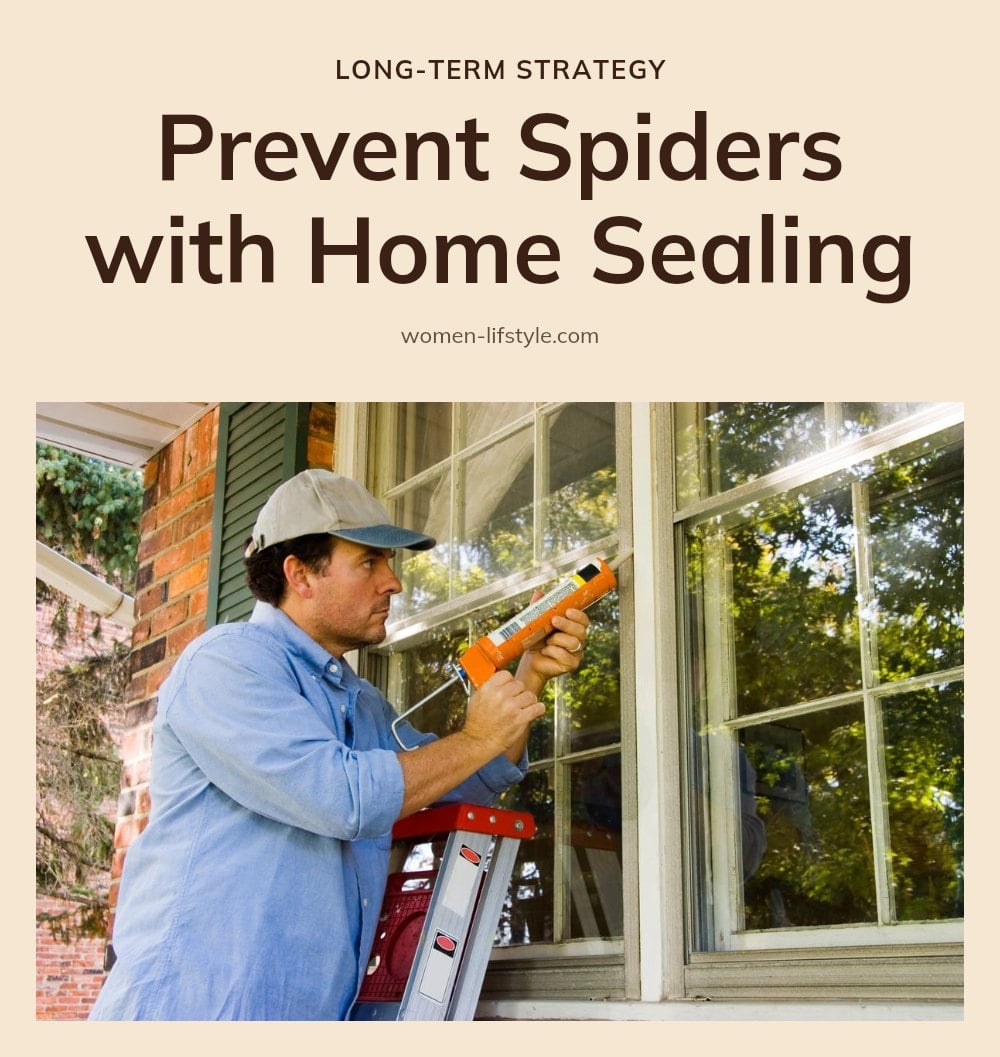
Start by walking around your home’s exterior. Seal every crack, gap, and hole in the foundation, around windows, and along door frames with caulk or sealant. Tip: Pay extra attention where utility pipes enter the house. Check that all windows and doors have intact screens and repair any tears immediately.
Outdoor maintenance makes a real difference. Keep the perimeter tidy by removing leaf litter, woodpiles, and dense vegetation. Store firewood away from the house. Indoors, vacuum and dust regularly, especially in corners, under furniture, and behind appliances. A clutter-free home means fewer hiding spots and fewer insects for spiders to eat.
Common Mistakes When Using Natural Spider Repellents
The biggest mistake is relying on one repellent while ignoring why spiders are coming inside. If you spray peppermint oil but leave gaps in the foundation and a steady supply of insects, spiders will keep finding their way in. Natural remedies work best as part of a broader strategy, not as a standalone fix.
Caution: Applying essential oils undiluted can irritate skin or harm pets. Always dilute them with water or a carrier oil. Also remember that spiders are beneficial predators. They eat flies, mosquitoes, and other pests. A few spiders might be doing you a favor. The goal is control, not total elimination.
How Often to Apply and Expected Costs
Essential oil sprays and cotton ball placements need refreshing every few days to weekly. The scent fades, and so does the deterrent effect. Sealing entry points is a one-time task that pays off for years.
Costs stay low. A bottle of peppermint oil and a spray bottle cost under $10 combined. Caulk and screening materials add a bit more but are still budget-friendly. The most effective approach pairs that initial setup with consistent reapplication of scents.
When to Call a Professional for Spider Control
Call a professional if you suspect an infestation of venomous spiders like black widows or brown recluse. These require expert identification and careful removal. Also seek help if natural methods fail to control a large, persistent problem after several weeks.
If spider bites are a concern or you need species identification for your safety, a pest control expert can provide that knowledge. For issues that affect your peace of mind or safety, professional treatment is worth the investment.
Frequently Asked Questions
Are essential oils harmful to pets?
Some essential oils, including peppermint and citrus, can be toxic to pets if ingested or applied undiluted. Always dilute oils heavily, keep them out of reach, and consult a veterinarian before using them around animals. Avoid placing cotton balls with oils where pets can access them.
Do spider repellent devices really work?
Ultrasonic devices that claim to repel spiders have little scientific evidence to support their effectiveness. Most experts recommend focusing on physical exclusion and cleaning instead, as these methods directly address how spiders enter and find food in your home.
What attracts spiders to my house in the first place?
Spiders are drawn to homes that offer food sources (like insects) and undisturbed shelter. Crumbs, spills, clutter, and gaps in walls or windows all create an inviting environment. Reducing insects and sealing entry points are the most effective ways to make your home less attractive.
Does peppermint oil really repel spiders?
Peppermint oil is widely cited as a natural spider deterrent, but scientific proof is limited. Anecdotal evidence suggests its strong menthol scent may discourage spiders from lingering. For best results, use it as part of a broader strategy that includes sealing cracks and regular cleaning.
Final Thoughts
Start by sealing entry points and vacuuming regularly, then add a peppermint or citrus spray as a scent deterrent. Expect to refresh the spray every few days for it to stay effective. With consistent effort, you can reduce spiders without relying on a single magic solution.
This article is for informational purposes only and does not replace professional medical or pest control advice. If you suspect a bite from a venomous spider or have a persistent infestation, consult a doctor or licensed exterminator. Always test natural products on a small area first and keep them away from children and pets.
