

You know that feeling when your skin suddenly goes from normal to tight, red, or breakout-prone for no obvious reason? Chances are, your skin barrier is sending out an SOS. This protective outer layer is what keeps moisture in and irritants out, and when it gets damaged, everything goes sideways. In this article, I’ll walk you through the most common skincare mistakes that wreck your barrier, how to tell if yours is compromised, and what to do to get it back on track.

Key Takeaways
- Over-exfoliating (more than 1-3 times per week) strips the lipid matrix that holds your barrier together.
- Harsh cleansers with a high pH disrupt your skin’s acidic mantle; choose a gentle, pH-balanced formula instead.
- Layering too many active ingredients like retinoids, AHAs, and Vitamin C at once can overwhelm and irritate the skin.
- Daily broad-spectrum sunscreen with SPF 30 or higher is non-negotiable for protecting the barrier from UV damage.
- Repairing a damaged barrier takes several weeks to a few months with a consistent, gentle routine.
What is Your Skin Barrier and Why is it Important?
The skin barrier, or stratum corneum, is the outermost layer of your epidermis. Think of it as a brick wall: the skin cells are the bricks, and a lipid matrix made of ceramides, cholesterol, and fatty acids is the mortar. This structure keeps moisture in by preventing transepidermal water loss and blocks irritants, pathogens, and environmental damage. When that barrier is compromised, you see dryness, sensitivity, breakouts, and even premature aging.
How Everyday Habits Can Damage Your Skin Barrier

Over-Exfoliation
Exfoliating too often, whether with a scrub or a chemical exfoliant, strips away the essential lipids in that mortar. Without them, the barrier leaks moisture and lets irritants in.
Harsh Cleansers
Cleansers with a high pH (above 5.5) disrupt your skin’s natural acidic mantle. This impairs the barrier’s ability to defend itself and regulate hydration.
Hot Water and High-Alcohol Products
Hot water dissolves the natural oils that keep the barrier flexible. Products with high alcohol content do the same, leaving skin dry and vulnerable.
UV Radiation
Daily UV exposure degrades collagen and elastin in the deeper layers, weakening the barrier’s structural support over time. Sunscreen isn’t optional.
Common Skincare Mistakes to Avoid for a Healthy Barrier
Over-exfoliating: Stick to 1-3 times per week depending on your skin type and product strength. More than that strips the barrier.
Using harsh cleansers: Choose a gentle, pH-balanced formula. Your skin shouldn’t feel ‘squeaky clean’ after washing.
Layering too many active ingredients: Introduce new actives like retinoids or AHAs one at a time and slowly. This doesn’t mean you should avoid them entirely, when used appropriately and spaced out, these ingredients can actually support barrier health by promoting cell turnover and strengthening the skin’s defenses. Overloading at once causes irritation that damages the barrier.
Washing with hot water: Use lukewarm water instead. Hot water strips natural oils.
Skipping moisturizer: Apply a moisturizer immediately after cleansing on damp skin to lock in hydration.
Not wearing sunscreen: Wear broad-spectrum SPF 30+ every day, even when it’s cloudy or you’re indoors near windows.
Essential Products for Barrier Repair and Maintenance
Gentle, pH-balanced cleanser: Cleans without stripping your skin’s natural oils.
Moisturizer with ceramides, hyaluronic acid, cholesterol, and fatty acids: These ingredients reinforce the lipid matrix and hold water in the skin.
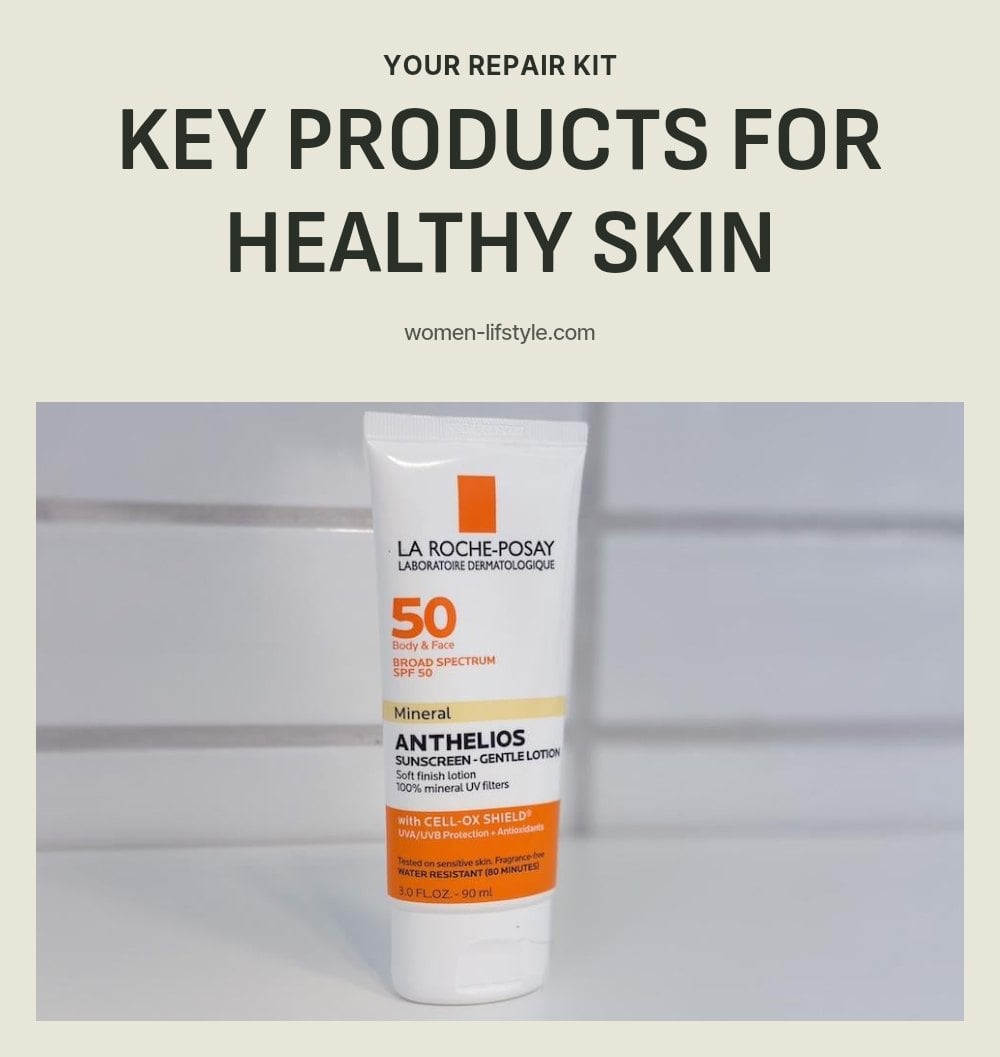
Broad-spectrum sunscreen (SPF 30+): Shields the barrier from UV damage daily.
Chemical exfoliants (AHAs, BHAs) at appropriate concentrations: Use for gentle cell turnover, but only as your skin tolerates.
Retinoids (retinol, retinaldehyde): Support overall skin health, but introduce them slowly to avoid irritation.
How to Repair Your Damaged Skin Barrier

- Simplify your routine: Temporarily stop all active ingredients including retinoids, AHAs, BHAs, and Vitamin C during the acute repair phase. Your skin needs a break from anything that could cause further irritation.
- Cleanse gently: Use a mild, pH-balanced cleanser with lukewarm water. Pat your skin dry with a soft towel instead of rubbing.
- Moisturize diligently: Apply a barrier-repairing moisturizer containing ceramides, fatty acids, or hyaluronic acid to damp skin immediately after cleansing. This locks in hydration while your skin is most receptive.
- Protect from the sun: Wear broad-spectrum SPF 30 or higher every single day, even indoors. UV exposure slows healing and worsens barrier damage.
- Listen to your skin: Once your skin feels calm and resilient, reintroduce active ingredients slowly, one at a time. Wait a few weeks between each new product to monitor how your barrier responds.
Consistency is everything during repair. A stripped-down routine followed daily gives your barrier the best chance to rebuild itself, and the temporary pause on actives is what allows it to stabilize before you bring them back.
When to Consult a Dermatologist for Skin Barrier Issues
- Excessive redness, itching, or pain: If your skin develops a persistent rash or feels painful beyond mild sensitivity, stop all active products and see a dermatologist.
- Suspected infection: Signs like pus, increased pain, or fever mean you need medical attention promptly. A compromised barrier is more vulnerable to infections.
- No improvement after weeks: If self-care measures don’t improve your skin’s condition within a few weeks, a professional can identify underlying causes.
- Chronic skin conditions: For ongoing issues like eczema, rosacea, or severe dryness, a dermatologist can provide personalized management advice.
Timeline for Skin Barrier Repair and Maintenance
Repairing a damaged skin barrier typically takes several weeks to a few months, depending on how severe the damage is. Daily adherence to a gentle, supportive routine is crucial during this period. Once your barrier feels healthy, maintain it with ongoing gentle care and consistent sun protection to prevent future damage.
Frequently Asked Questions
How long does it take to repair a damaged skin barrier?
Repairing a damaged skin barrier typically takes several weeks to a few months. The exact time depends on how severe the damage is and how consistently you follow a gentle, supportive routine. Daily adherence is crucial during this period.
Can a damaged skin barrier cause acne?
Yes, a compromised barrier can contribute to acne. When the barrier is weak, it loses moisture and lets in bacteria and irritants more easily, which can trigger breakouts. Additionally, many people respond to dryness by over-producing oil, which can clog pores.
What ingredients are best for barrier repair?
Ingredients like ceramides, hyaluronic acid, cholesterol, and fatty acids are excellent for reinforcing the lipid matrix and holding moisture in the skin. Look for moisturizers that contain these ingredients to help restore your barrier.
Is my skin barrier damaged if my skin feels tight?
Feeling tight after cleansing is a common sign that your barrier may be compromised. It often indicates that your cleanser is too stripping or that you’re not moisturizing soon enough after washing. If the tightness is persistent, consider switching to a gentler routine.
Should I stop all active ingredients if my barrier is compromised?
Yes, if your barrier is damaged, it’s best to stop using all active ingredients like retinoids, AHAs, BHAs, and Vitamin C. Give your skin a break from anything that could cause further irritation until it feels calm again. Then reintroduce actives one at a time slowly.
Final Thoughts
If you want one simple rule to protect your barrier, it’s this: treat your skin like delicate fabric, not a floor you need to scrub clean. Use a gentle cleanser, moisturize on damp skin, and never skip sunscreen. Realistically, repairing a compromised barrier can take weeks to months, so patience is key. Stick to a simple, supportive routine and your skin will thank you with a calmer, healthier glow.
This article provides general information for educational purposes and is not a substitute for professional medical advice. If you have persistent skin concerns, severe redness, pain, or signs of infection, please consult a dermatologist or healthcare professional.
