

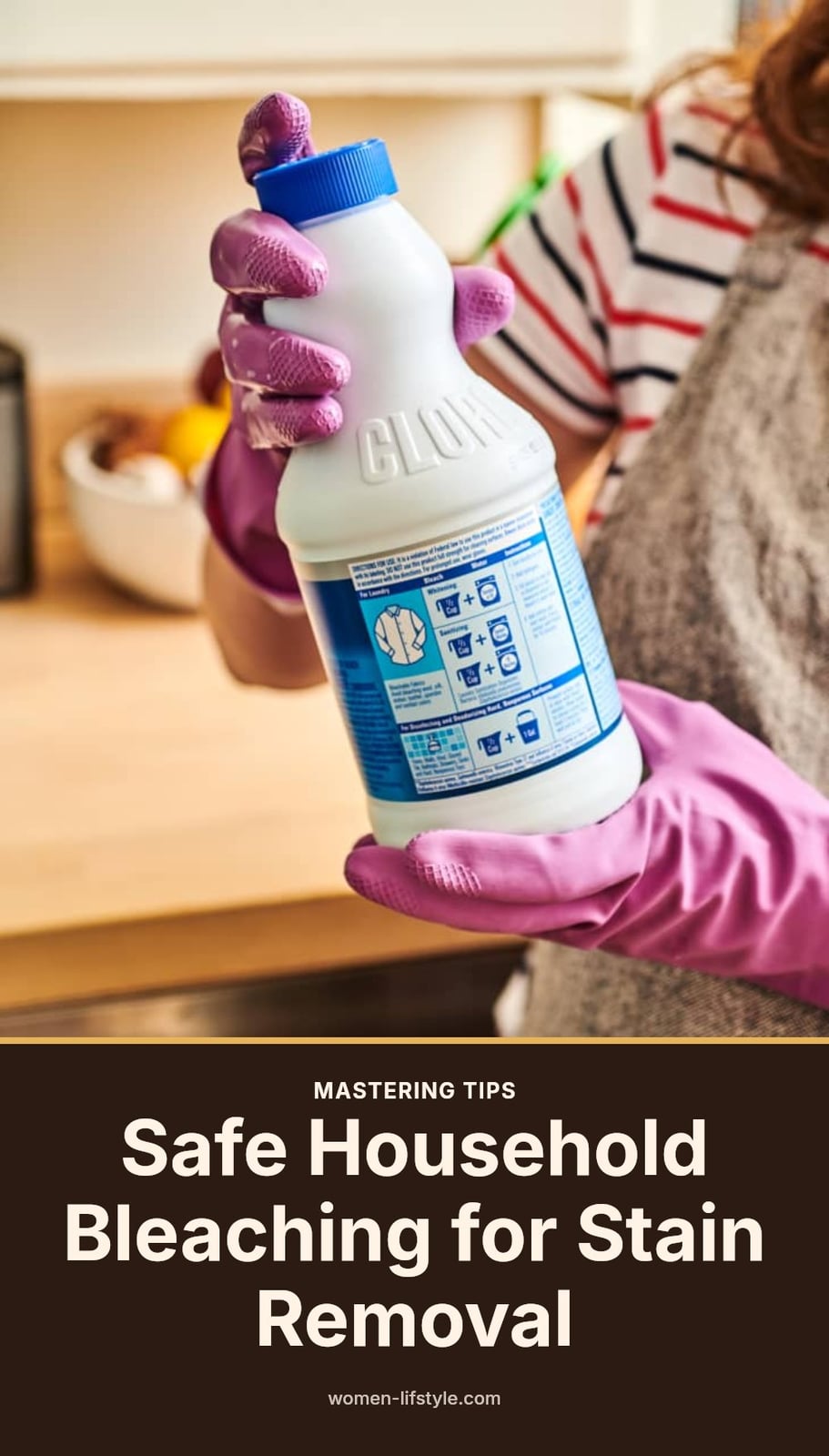
You probably have a bottle of bleach under your sink right now, and for good reason. It’s one of the most powerful disinfectants and stain fighters you can use. But getting it wrong can ruin your clothes or even create dangerous fumes. This article covers how to use bleach safely for cleaning and sanitizing, plus what to do if you accidentally cause a bleach stain on fabric.
Key Takeaways
- Always dilute household bleach for cleaning; never use it straight from the bottle.
- Never mix bleach with ammonia, vinegar, or any other household cleaner to avoid toxic gas.
- Test bleach on an inconspicuous area first, especially on fabrics and delicate surfaces.
- For a bleach stain on fabric, re-color the area with a fabric marker or dye.
- Store bleach in its original container in a cool, dark place to maintain effectiveness.
Your Go-To Guide for Bleach Cleaning and Stain Fixes
Bleach is one of the most effective disinfectants and stain removers you can keep under your sink, but it demands respect. When used correctly, it kills bacteria, viruses, and fungi while tackling tough stains like mildew. Always dilute household bleach and open a window before you start. That simple step prevents surface damage and keeps fumes under control. One thing to remember: if bleach accidentally hits a colored fabric, that color is gone for good. The pigment is destroyed, so your fix is re-dyeing or camouflaging, not removing the stain.
1. Dilute Bleach Properly for Cleaning
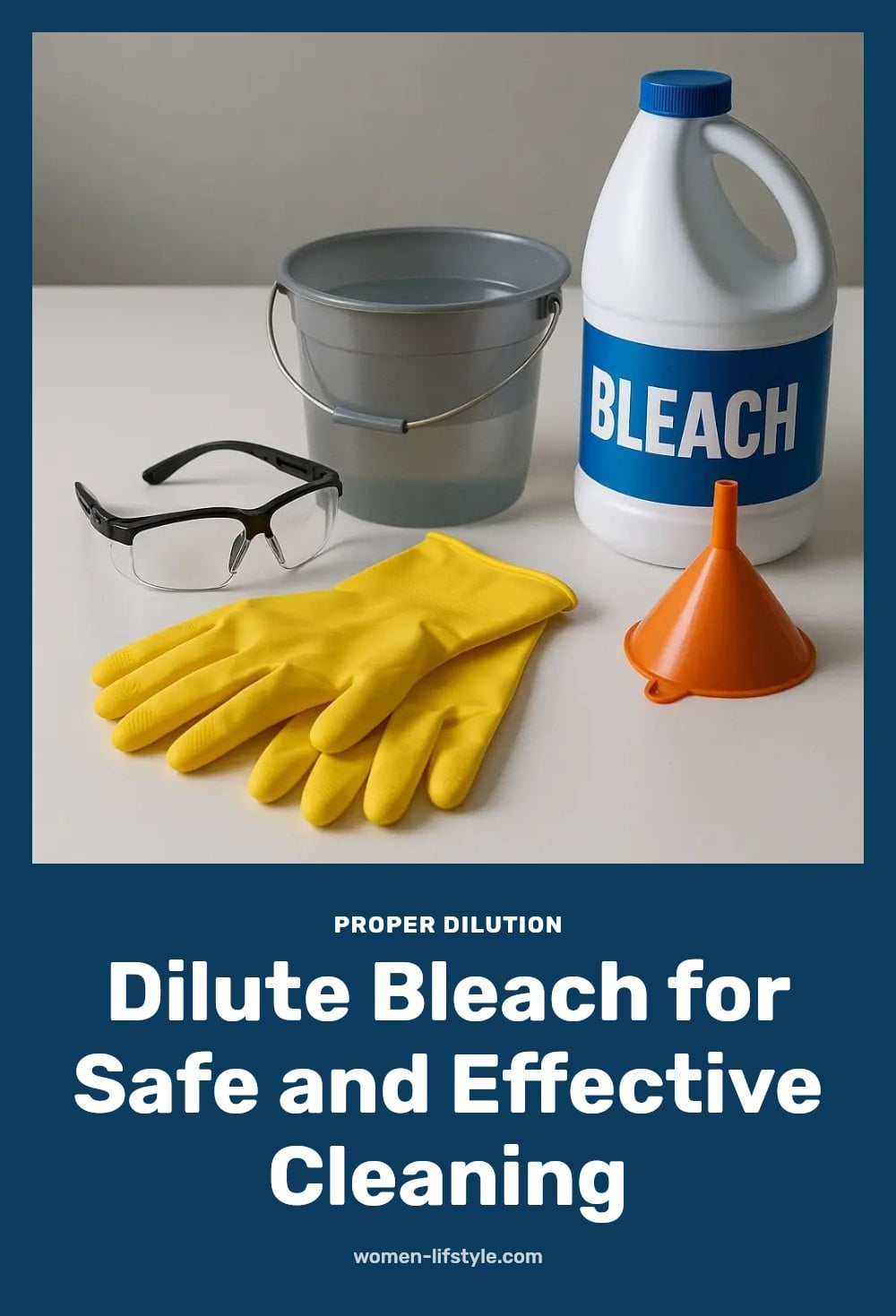
Never pour bleach straight from the bottle onto a surface. Household bleach (sodium hypochlorite) is a strong oxidizing agent that can damage countertops, fabrics, and your lungs if used undiluted. For general sanitizing, mix 1/2 cup of bleach per gallon of water. Always check the instructions on your specific bottle, because concentrations vary.
- My tip: Using more bleach doesn’t make it work better. It just increases the risk of damage and stronger fumes. Stick to the ratio.
2. Ensure Good Ventilation
Bleach fumes can irritate your respiratory system, especially in small or enclosed spaces. Open windows and doors before you start cleaning, and place a fan in the doorway to push fresh air through the room.
- My tip: If you start to feel any irritation in your throat or eyes, stop and step outside for fresh air immediately. Don’t try to push through it.
3. Wear Protective Gear
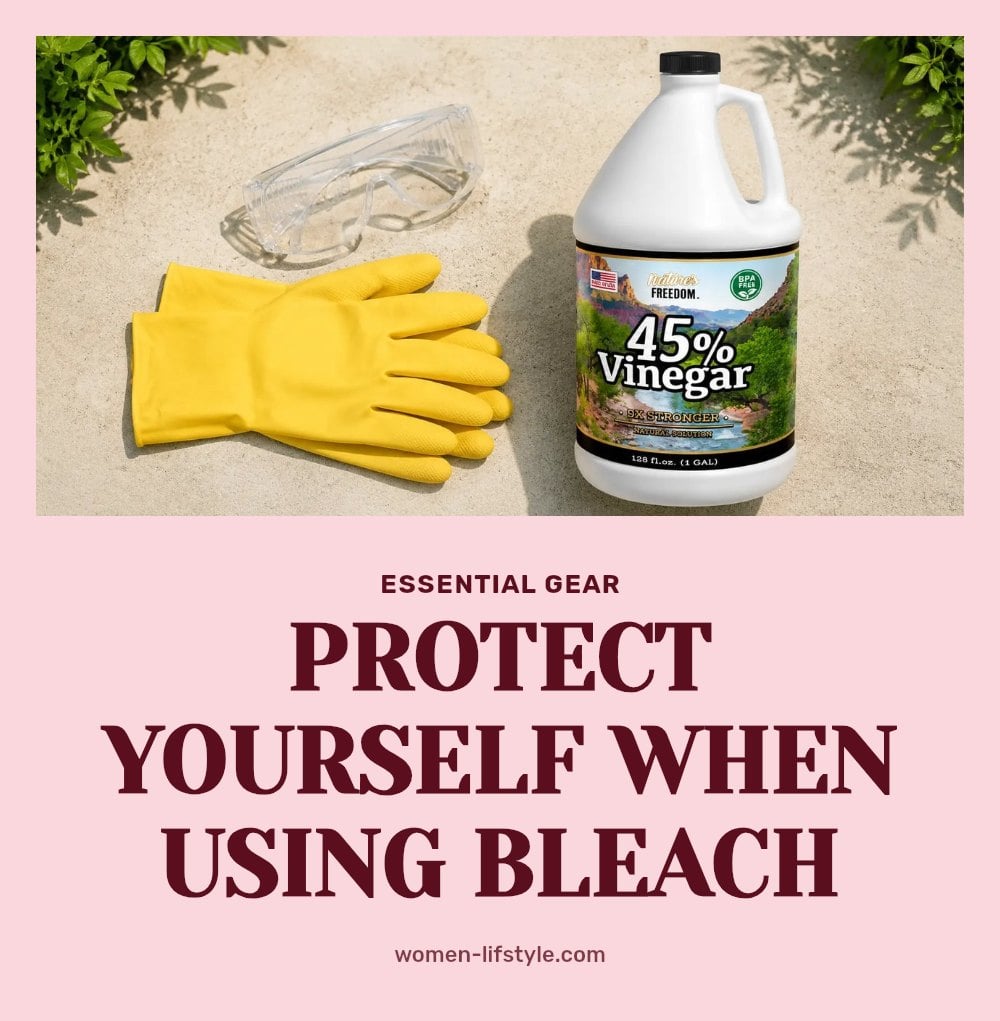
Direct contact with bleach can cause chemical burns on your skin and serious eye damage. Always wear rubber gloves that cover your wrists and safety glasses or goggles when handling any bleach solution.
- Tip: If you wear contact lenses, remove them before you start, bleach fumes can get trapped under the lens and irritate your eyes. Better to be safe than sorry.
4. Never Mix Bleach with Other Cleaners
Never mix bleach with ammonia, acids (like vinegar or toilet bowl cleaner), or any other household cleaner. Mixing these can produce toxic gases such as chlorine or chloramine, which are extremely dangerous and can be fatal even in small amounts. Tip: If you are unsure about a surface, use bleach alone, diluted with water, and rinse thoroughly before applying another product.
5. Test on Inconspicuous Areas
Before using bleach on any new surface or fabric, test a small, hidden area first. This checks for colorfastness or potential damage before you commit to a larger area. It is especially important for fabrics and delicate surfaces where discoloration or corrosion could occur.
6. Bleach for Sanitizing and Stains
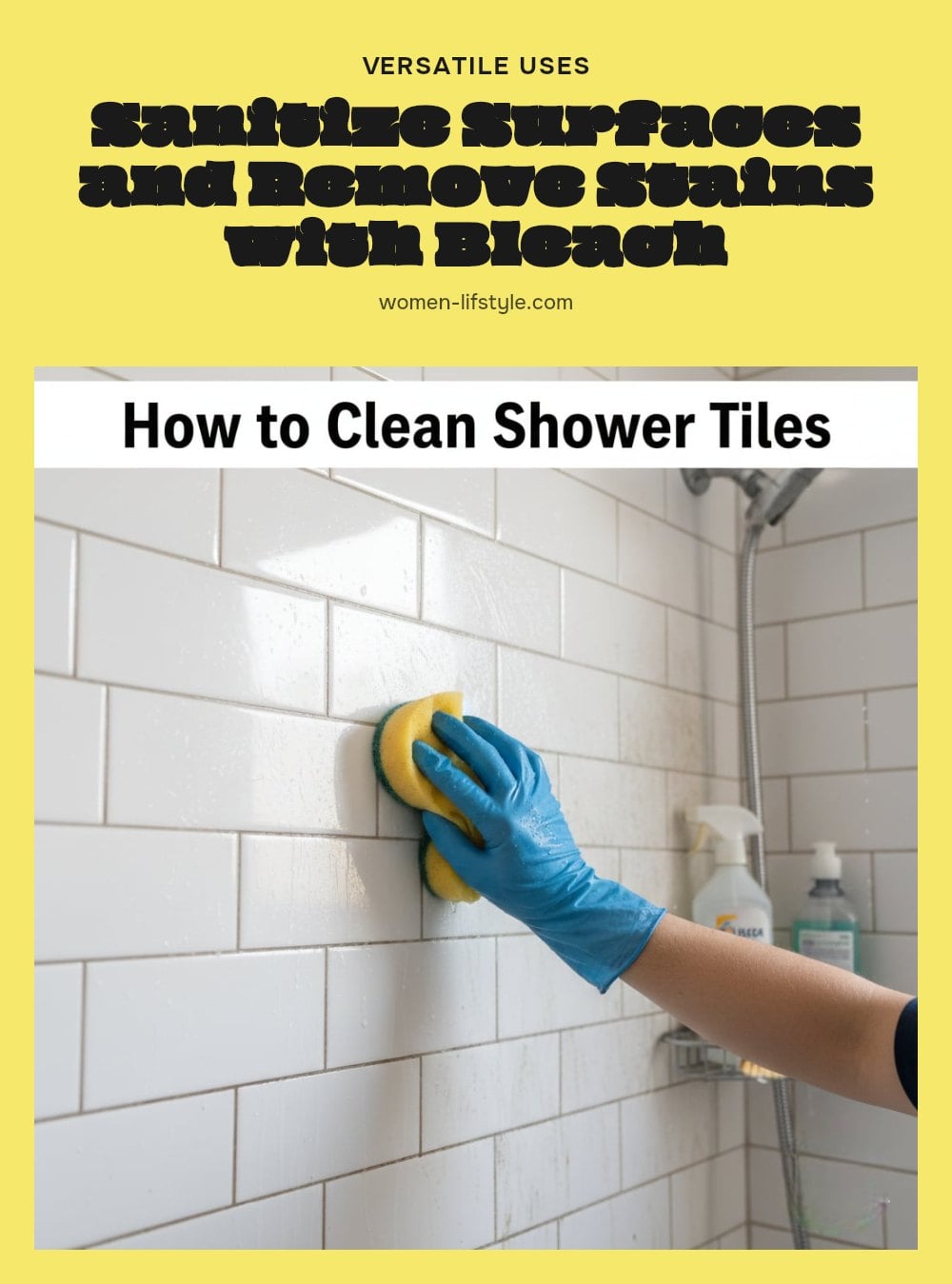
Bleach is highly effective at killing bacteria, viruses, and fungi, making it ideal for sanitizing bathrooms and kitchens. It also tackles tough stains like mildew, mold, and some food stains on white or colorfast surfaces. Good to know: For mildew in the shower, a diluted bleach solution works well, but always rinse thoroughly after cleaning.
7. Know Where Not to Use Bleach
Bleach can corrode certain metals and damage natural stone like granite or marble, wood, and some plastics or laminates. Never use it on colored fabrics unless the product is specifically labeled ‘color-safe bleach,’ because it will permanently remove color. Pro move: When in doubt, skip the bleach and use a different cleaner for those surfaces.
8. Rinse Thoroughly After Cleaning
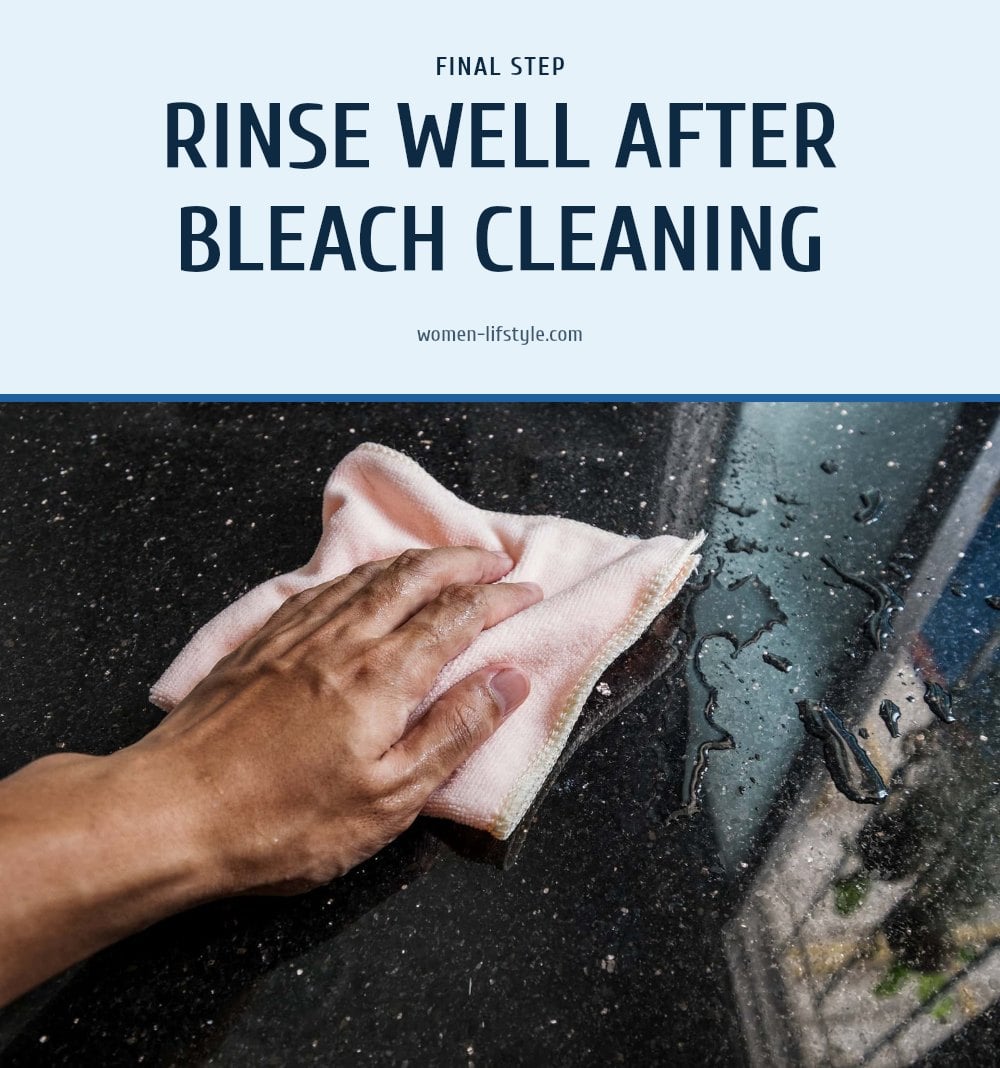
Rinse with plain water: After cleaning with a bleach solution, rinse the surface thoroughly with plain water. This removes any bleach residue that can cause discoloration, irritation, or a sticky film over time. Use a clean cloth or sponge with fresh water and wipe until no bleach smell remains.
9. Store Bleach Safely
Store in original container: Keep bleach in its original bottle, in a cool, dark place away from sunlight and heat. Sunlight and warmth break down sodium hypochlorite, making it less effective. Always close the cap tightly and store out of reach of children and pets, ideally in a locked cabinet. Check the expiration date and replace bottles older than one year.
10. Fixing Accidental Bleach Stains on Fabric
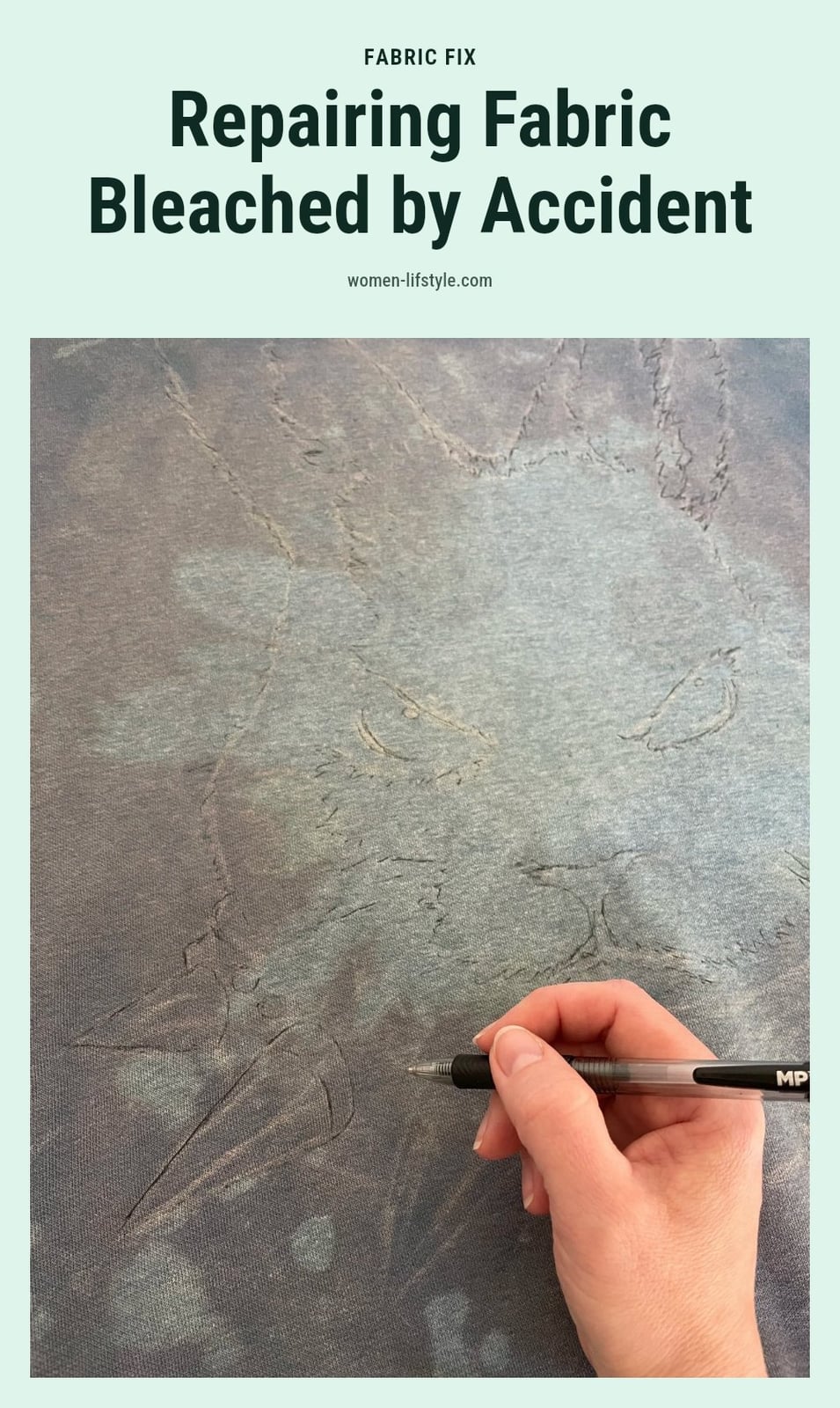
A bleach stain isn’t a stain at all. It’s permanent color loss because the bleach destroyed the pigment. To fix it, you re-color the damaged area. Quick tip: For small spots, use a fabric marker that matches the original color. For larger areas, apply fabric dye to the entire item or just the affected spot. Follow the dye package instructions for best results.
11. Neutralizing Fresh Bleach Spills on Fabric
If you catch a bleach spill on fabric immediately, you can limit the damage. Apply rubbing alcohol or a hydrogen peroxide solution directly to the fresh spill to neutralize the bleach and stop further color removal. Caution: This won’t restore lost color, but it prevents the spot from growing. Rinse the fabric thoroughly with water afterward.
Common Bleach Mistakes to Avoid
Mixing Bleach with Other Cleaners: Never combine bleach with ammonia, vinegar, or any other household cleaner. This creates toxic chlorine or chloramine gases that can be fatal.
Using Undiluted Bleach: Always dilute bleach as directed on the label. Higher concentrations don’t clean better and increase the risk of surface damage and harmful fumes.
Ignoring Ventilation: Always open windows or use fans when cleaning with bleach. Inhaling the fumes can irritate your respiratory system and cause coughing or dizziness.
Applying Bleach to Unsuitable Surfaces: Avoid bleach on natural stone, wood, stainless steel, or colored fabrics unless the product is specifically labeled as color-safe. It can cause permanent discoloration or corrosion.
Believing Bleach Stains Can Be Removed: Understand that bleach destroys color permanently. Focus on re-dyeing the area or using a fabric marker to camouflage the spot instead of trying to remove it.
Frequently Asked Questions
Is bleach safe to use on colored clothes?
Only if the bottle says ‘color-safe bleach’ on the label. Regular household bleach will permanently remove the color from any fabric that isn’t white or colorfast. Always check the care label first, and test a hidden area if you are unsure.
Can I use bleach to clean my wooden floors?
No. Bleach can damage wood surfaces, especially unfinished or sealed wood. It can strip the finish and discolor the wood itself. Stick to a cleaner made specifically for wood floors, or use a mild soap and water solution.
How long does bleach stay effective?
Bleach loses its strength over time, especially if exposed to light or heat. Stored in its original bottle in a cool, dark place, it stays effective for about six months to a year. After that, it may still work but not as powerfully, so check the expiration date on the bottle.
What should I do if I accidentally inhale bleach fumes?
Get to fresh air immediately. Open windows and doors, and leave the area for a few minutes. If you feel dizzy, have trouble breathing, or have a sore throat, call poison control or seek medical help right away. Fumes can irritate your lungs and make it hard to breathe.
Does bleach kill all types of mold?
Bleach is effective against many common household molds, especially on non-porous surfaces like tile or glass. But on porous surfaces like drywall or wood, bleach may not reach the roots of the mold. For serious mold problems, a professional cleaner or mold remediation specialist might be needed.
Final Thoughts
Bleach is a fantastic tool when you treat it with respect. Stick to the right dilution, keep it away from other cleaners, and always ventilate the room. If you do get a bleach spot on a colored shirt, act fast to neutralize the spill, but know that the color is gone for good. A fabric marker or dye is your best fix. With these habits, you can get the cleaning power without the regret.
This article is for general informational purposes only and is not a substitute for professional advice. Always follow the safety instructions on your bleach product label. If you experience a serious reaction to bleach fumes or skin contact, or if you have a persistent cleaning or health issue, consult a doctor or a professional cleaner.
