

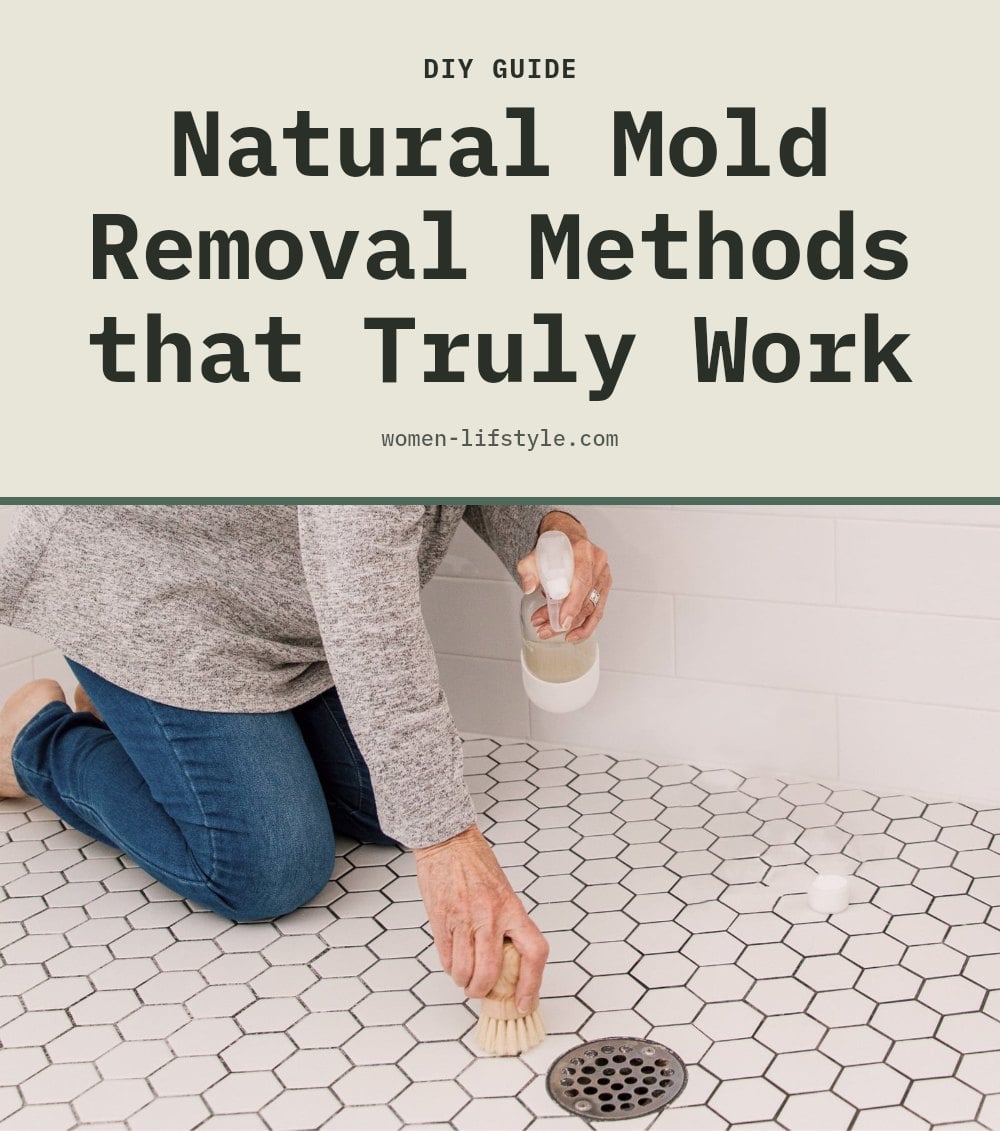
You walk into your bathroom or basement and catch that musty smell, or spot a dark patch in the corner. Mold is a common issue in damp spaces, and while it can be alarming, small areas are often manageable with natural ingredients you probably already have at home. This article covers the most effective natural solutions for removing mold on non-porous surfaces, step-by-step methods, and how to keep it from coming back.
Key Takeaways
- White distilled vinegar kills about 82% of mold species when used undiluted.
- Always wear an N95 mask, gloves, and eye protection during cleaning.
- Fix the moisture source first or mold will return after cleaning.
- Call a professional if the mold covers more than 10 square feet.
- Keep indoor humidity below 60% (ideally 30-50%) to prevent growth.
The Best Natural Solutions for Mold Removal
White distilled vinegar, hydrogen peroxide, baking soda, tea tree oil, and grapefruit seed extract are effective natural solutions for small to moderate mold issues on non-porous surfaces. Each works by killing mold spores or inhibiting their growth without harsh chemicals. My tip: always test any solution on an inconspicuous area first. And never skip the basics, address the moisture source and wear an N95 mask, gloves, and eye protection for safe removal.
Why Mold Appears in Your Home

What Mold Needs to Grow
Mold is a type of fungus that reproduces via tiny spores floating through the air. It only needs three things to thrive: moisture (from leaks, humidity, or flooding), a food source (like wood, drywall, or fabric), and a temperature between 60°F and 80°F. That’s why bathrooms, basements, and kitchens are common hotspots.
Common Household Molds
- Cladosporium: Often found on fabrics and wood surfaces, can grow in cooler areas.
- Penicillium: Blue or green, common on water-damaged materials like carpets and wallpaper.
- Alternaria: Dark, velvety spots often in showers or under sinks.
- Aspergillus: Powdery texture, can grow on dust and damp walls.
Knowing the type isn’t as important as knowing it’s there, and acting quickly.
Your Essential Toolkit for Natural Mold Cleaning
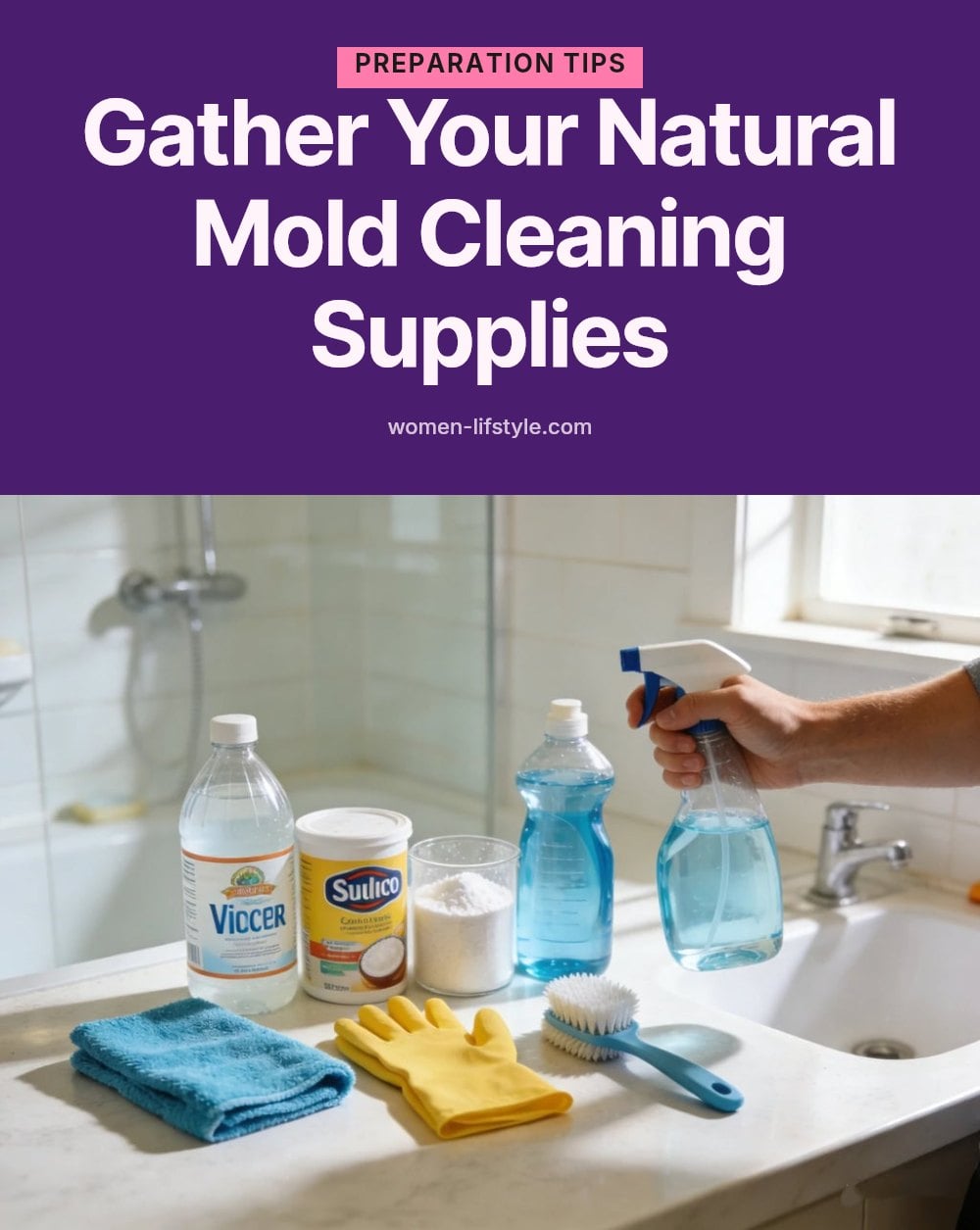
Before you start, gather everything you need. This saves time and keeps you safe.
- Protective gear: N95 respirator mask, rubber gloves, safety goggles
- Cleaning agents: White distilled vinegar, 3% hydrogen peroxide, baking soda, tea tree oil, grapefruit seed extract
- Tools: Spray bottles (separate for each solution), scrub brushes or sponges, microfiber cloths, bucket
Tip: keep a fan running to ventilate the area while you work. Open windows if possible.
Step-by-Step Natural Mold Removal Methods
White Distilled Vinegar
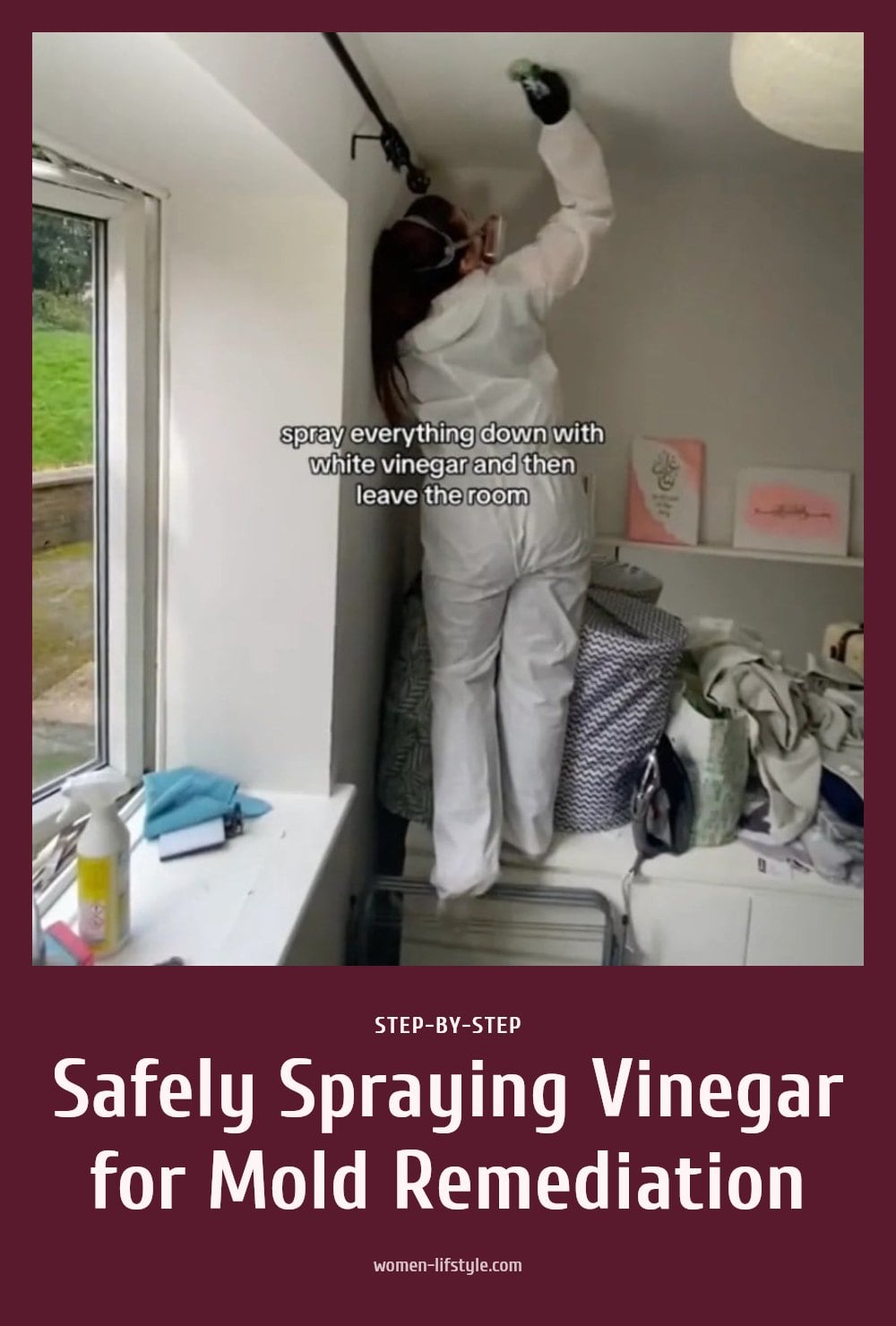
Spray undiluted white vinegar directly onto the moldy surface. Let it sit for at least one hour. Scrub with a brush, then wipe clean with a damp cloth. The vinegar smell fades as it dries. Caution: do not mix vinegar with bleach. It creates toxic chlorine gas.
Hydrogen Peroxide (3%)
Pour 3% hydrogen peroxide into a spray bottle and apply to the mold. Leave it for 10 minutes so the bubbles loosen the mold. Scrub and wipe away. Tip: hydrogen peroxide can lighten some fabrics and surfaces, so test first.
Baking Soda
Mix 1/4 tablespoon of baking soda with 1 cup of water in a spray bottle. Shake well (it may not fully dissolve) and spray onto the mold. Scrub with a brush, then rinse. For stubborn spots, mix baking soda with a little water to form a thick paste, apply directly, scrub, and rinse. Baking soda also absorbs moisture, helping prevent regrowth.
Tea Tree Oil
Combine 1 teaspoon of tea tree oil with 1 cup of water in a spray bottle. Shake well and spray onto the mold. Do not rinse, let it dry. The strong smell dissipates after a few hours. Caution: tea tree oil is toxic to pets if ingested. Keep animals away from treated areas until the surface is completely dry and the smell has faded. Wiping the surface with a damp cloth after 30 minutes can reduce residue.
Grapefruit Seed Extract
Mix 10 drops of grapefruit seed extract with 1 cup of water in a spray bottle. Shake and spray onto the mold. Let it sit for 10-15 minutes, then wipe clean. It has a pleasant citrus scent and is a natural fungicide. Tip: this solution works well on surfaces where you don’t want a strong vinegar or oil smell.
For all methods, ensure the area dries completely after cleaning, moisture left behind invites mold back.
Common Mold Cleaning Mistakes to Avoid
Wiping away visible mold feels satisfying, but it won’t solve the problem if moisture is still feeding the colony. Always find and fix the leak, humidity source, or condensation issue first.
Bleach is a common go-to, but it does not kill mold roots on porous surfaces like drywall or wood. The mold will grow back, often darker. Stick to vinegar or hydrogen peroxide for those materials.
Skipping protective gear is a risk you don’t need to take. An N95 mask, gloves, and goggles prevent inhaling spores and irritating your skin or eyes. Also, don’t assume every dark patch is toxic black mold, focus on safe removal rather than panic.
Tip: After cleaning, dry the area completely with a fan or open window. Mold needs moisture to return, so a dry surface stops it. On porous surfaces, scrub gently to avoid releasing more spores into the air.
When to Call a Professional for Mold
DIY natural methods work well for small spots, but some situations call for a professional. If the mold covers more than 10 square feet (roughly a 3-foot by 3-foot area) or is inside your HVAC system, hire a certified remediator. They have the equipment to contain spores and treat hidden growth.
If you have a compromised immune system, severe allergies, or asthma, do not clean mold yourself. Even minor exposure can trigger serious reactions. Also, call a professional if you or your family develop persistent headaches, coughing, or skin irritation after discovering mold.
Preventing Mold from Returning
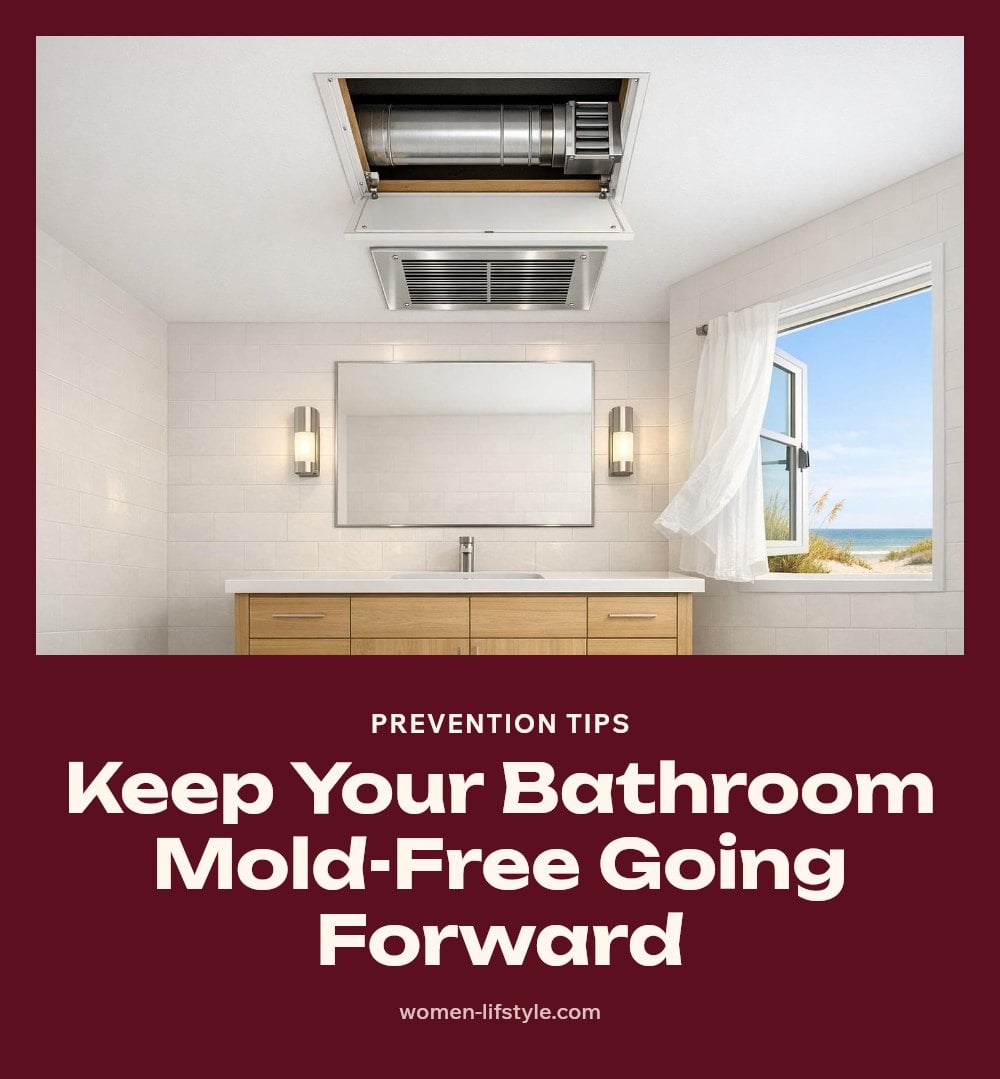
Keeping mold away means controlling moisture. Use a dehumidifier in damp basements or during humid months to keep indoor humidity below 60 percent, ideally between 30 and 50 percent. Open windows or run exhaust fans after showers, cooking, and laundry.
Fix leaks in pipes, roofs, or windows as soon as you spot them. Water damage that stays wet for more than 24 hours invites mold. Wipe down shower walls and sinks after use, and dry any damp towels or rugs quickly.
For new builds or renovations, choose mold-resistant drywall and paint in bathrooms and basements. These products add a layer of protection. Regularly check hidden areas like under sinks and behind appliances for early signs of moisture.
Frequently Asked Questions
Is black mold more dangerous than other types?
Not necessarily. While some molds, including certain dark-colored species, can produce toxins, there is no evidence that all black mold is more dangerous than other common household molds. Any mold can cause allergic reactions or respiratory issues in sensitive people. Focus on removing all mold regardless of color, and see a doctor if you have symptoms.
Can mold grow on painted walls?
Yes, mold can grow on painted walls if there is moisture behind or on the surface. Paint itself is not a food source, but dust, dirt, or the underlying drywall can provide nutrients. Clean painted walls with vinegar or hydrogen peroxide, but if the mold returns after drying, there may be moisture inside the wall that needs professional attention.
How long does it take for mold to grow after a leak?
Mold can begin to grow within 24 to 48 hours after moisture is introduced, provided the temperature and food source are suitable. That is why it is important to dry out wet areas thoroughly within that window. If you cannot dry the area completely in two days, consider using a dehumidifier or fan, and inspect for growth regularly.
Do air purifiers help with mold spores?
Air purifiers with HEPA filters can capture airborne mold spores, which may reduce the number of spores circulating in your home. However, they do not remove mold that is already growing on surfaces or address the moisture problem. Use an air purifier as a supplement to cleaning and moisture control, not as a standalone solution.
What smell indicates mold is present?
A musty, earthy, or damp odor is the most common smell associated with mold. It is often described as similar to wet socks, rotting wood, or a basement after rain. If you notice that smell in a room, especially near walls, carpets, or under sinks, it likely means mold is growing somewhere, even if you cannot see it yet.
Final Thoughts
For small mold spots on tile, glass, or other non-porous surfaces, white vinegar or hydrogen peroxide are my go-to choices. Just remember that cleaning the visible mold is only half the battle; controlling moisture is what stops it from coming back. Expect to reapply treatment occasionally and monitor humidity levels. With the right approach, you can keep your home mold-free safely.
This article is for general informational purposes only and does not constitute medical or professional advice. Mold can pose health risks, especially for individuals with allergies, asthma, or weakened immune systems. If you have persistent health symptoms or a large infestation, consult a doctor or a certified mold remediation professional.
