

You hear that relentless chirping at night and wonder how crickets keep getting inside. I usually tackle this by making my home less inviting to them from the ground up. This article covers the most effective natural methods to deter crickets, from sealing entry points to using scent-based repellents, so you can enjoy a quiet, pest-free space without harsh chemicals.
Key Takeaways
- Seal all cracks and gaps in your foundation, windows, and doors to block entry.
- Reduce indoor humidity with a dehumidifier, especially in basements and crawl spaces.
- Keep your yard tidy by removing leaf piles, woodpiles, and tall grass near the house.
- Use food-grade diatomaceous earth in dry areas where crickets travel.
- Apply essential oil sprays like peppermint or cedarwood in cricket-prone spots.
How to Naturally Deter Crickets From Your Home
To naturally deter crickets, you need a multi-pronged approach that makes your home less appealing to them. Start by sealing entry points, then eliminate moisture and food sources. Use natural deterrents like essential oils or diatomaceous earth as barriers. The goal is to manage cricket populations without harsh chemicals, creating an unwelcoming environment both indoors and outdoors.
Why Crickets Are Attracted to Your Home
What draws crickets inside
Crickets are attracted to homes for a few specific reasons. Understanding these helps you target your efforts.
- Light: Outdoor lights act as a beacon at night, drawing crickets toward your home.
- Dark, damp spaces: Basements, crawl spaces, and cluttered areas provide the cool, moist hiding spots crickets love.
- Food sources: They eat decaying plants, fungi, fabric, and even other insects, so organic matter indoors is a draw.
- Moisture: Leaky pipes or high humidity are major attractants, so fixing moisture issues is critical.
Effective Natural Cricket Deterrent Methods
Natural cricket deterrent methods that work
Here are the most effective ways to keep crickets out without chemicals. Use several together for the best results.
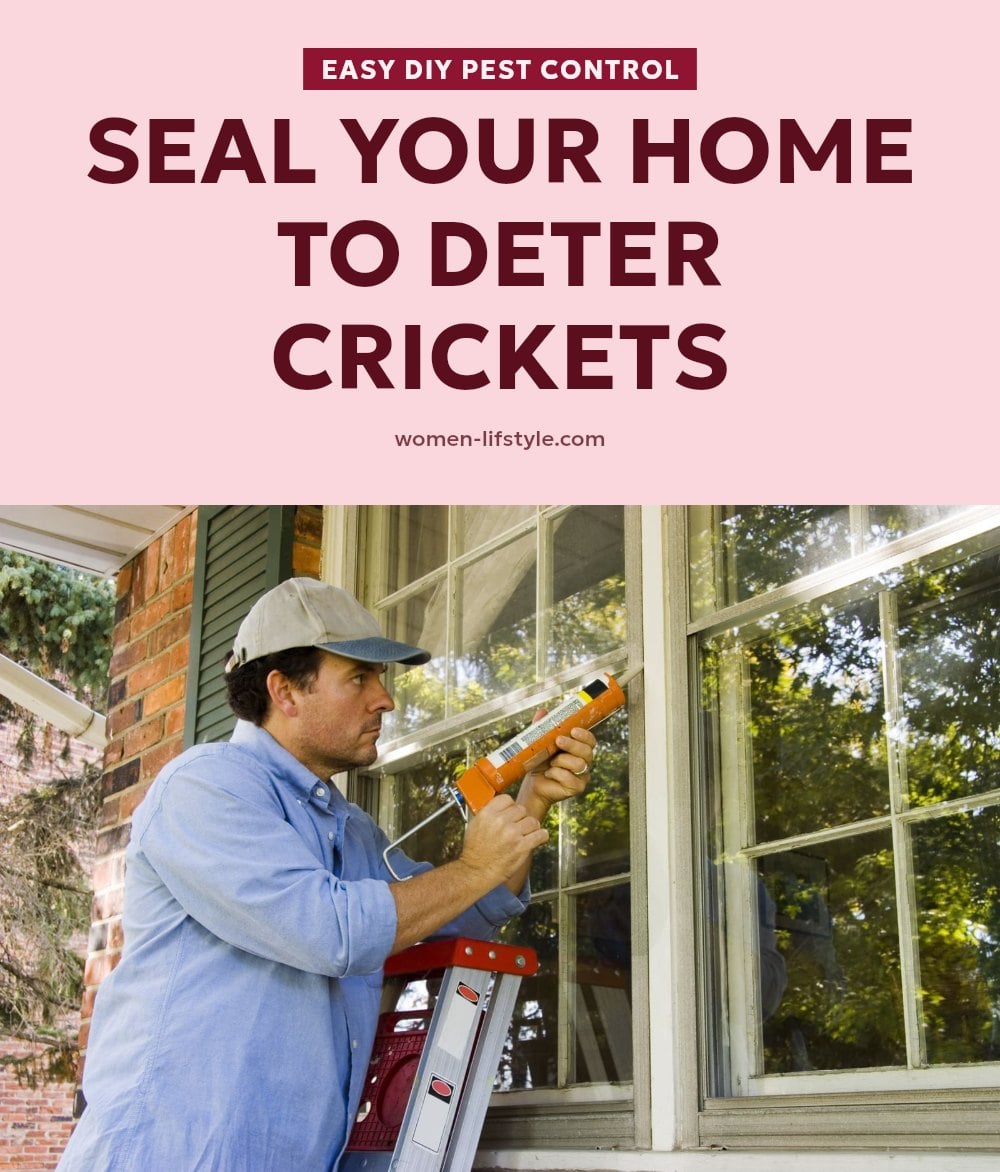
- Seal entry points: Use caulk or sealant to close cracks in your foundation, around windows, and under doors. This is your first line of defense.
- Reduce humidity: Run a dehumidifier in basements and crawl spaces. Crickets need moisture to survive, so dry air makes your home less inviting.
- Apply essential oil sprays: Mix 10-15 drops of peppermint, cedarwood, or citrus oil with water in a spray bottle. Mist along baseboards, window sills, and other cricket-prone areas. Caution: Always test on an inconspicuous spot first, and keep oils away from children and pets.
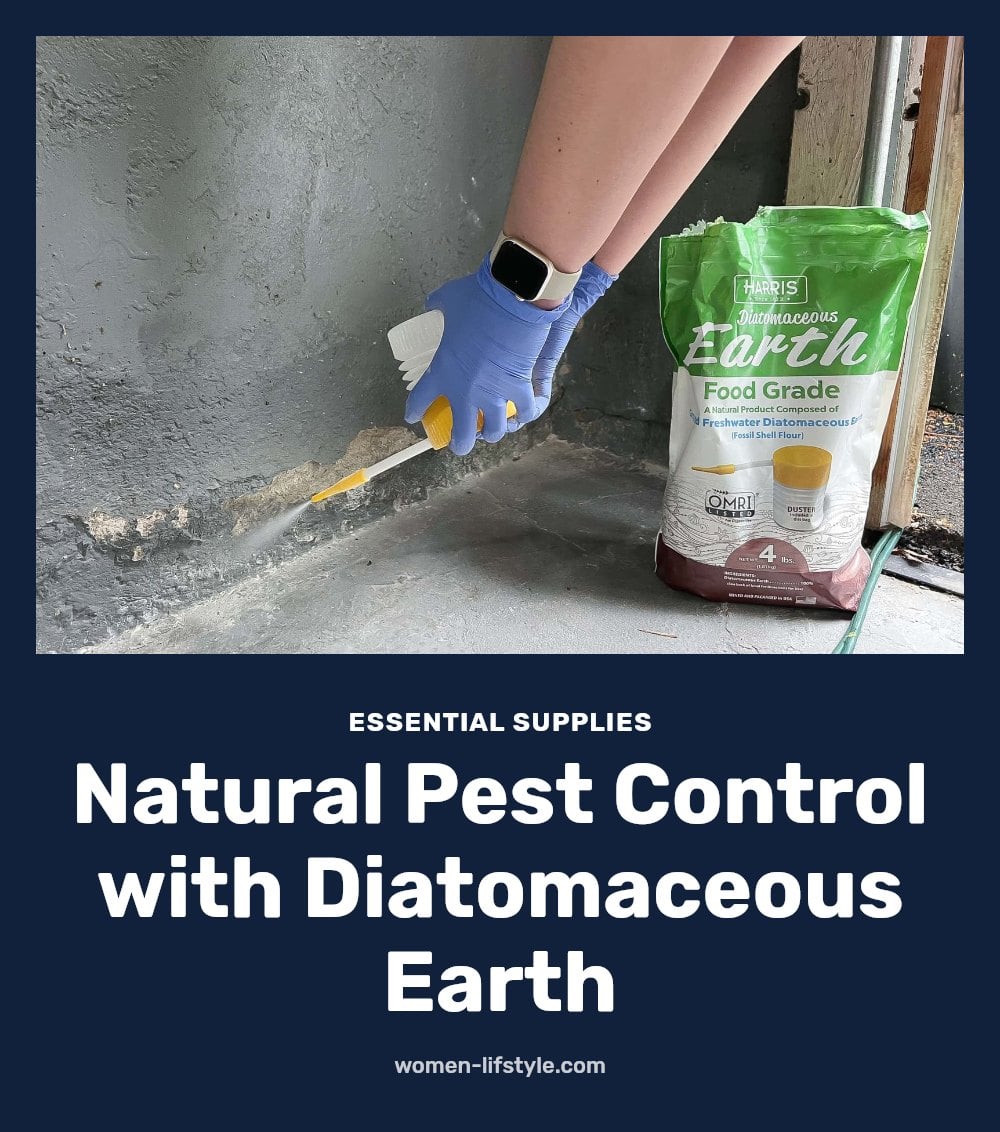
- Use diatomaceous earth: Sprinkle food-grade diatomaceous earth in dry areas like cracks and corners. It dehydrates crickets on contact. Tip: It only works when dry, so skip this method in damp spots.
- Clean up outdoors: Remove leaf piles, woodpiles, and tall weeds near your foundation. These are prime hiding spots that bring crickets close to your doors.
- Switch outdoor lighting: Replace standard bulbs with yellow bug lights, or keep lights off at night. This reduces the beacon effect that draws crickets in.
Materials and Tools for Cricket Control
Here is what you need to get started with natural cricket control. Most items are affordable and easy to find.
- Caulk or sealant: For sealing cracks and gaps in your home’s exterior.
- Weatherstripping: To seal gaps under doors and around windows.
- Dehumidifier: Essential for reducing indoor humidity, especially in damp areas.
- Food-grade diatomaceous earth: A natural, non-toxic powder that dehydrates crickets.
- Essential oils (peppermint, cedarwood, citrus): For creating repellent sprays.
- Spray bottle: To apply essential oil mixtures.
- Yellow bug lights: To replace standard outdoor bulbs and reduce cricket attraction.
- Screen repair kits: For fixing any holes in window or door screens.
Common Mistakes When Dealing With Crickets
Only addressing indoor crickets: If you only deal with the crickets you see inside, more will keep coming. The outdoor population near your foundation is the source, so treat your yard and exterior too.
Not maintaining a dry, clean environment: Crickets return quickly if moisture or clutter persists. Vacuum regularly, fix leaks, and keep basements dry.
Using diatomaceous earth in wet conditions: Diatomaceous earth works only when dry. If it gets damp from humidity or spills, it becomes useless. Apply it in dry, sheltered spots and check it after rain.
Ignoring potential damage: Crickets chew through fabrics, paper, and stored items when food is scarce. Don’t assume they are harmless.
Relying on a single natural method: One tactic alone rarely works. Combine sealing, moisture control, lighting changes, and repellents for the best results.
Long-Term Cricket Prevention Strategies
Regularly inspect and seal: Check your home’s foundation, windows, and doors for new cracks or gaps every season. Seal them promptly with caulk or weatherstripping.
Maintain a dry home: Keep dehumidifiers running in damp areas like basements and crawl spaces. Fix any leaks as soon as you notice them.
Keep your yard tidy: Remove leaf litter, woodpiles, and tall weeds from around your foundation. This eliminates hiding spots and breeding areas.
Manage outdoor lighting: Switch to yellow bug lights or turn off outdoor lights when not needed. This reduces cricket attraction at night.
Declutter indoors: Regular vacuuming and clearing out clutter remove food sources and hiding spots, making your home less inviting.
Timeline for Cricket Control and Cost Considerations
Timeline: You will likely see a noticeable drop in cricket activity after several weeks of consistent effort. This is not a quick fix, ongoing maintenance keeps them from returning.
Cost: Most natural methods are budget-friendly. Caulk, weatherstripping, and essential oils often cost under $50 for the initial setup. A dehumidifier is the biggest expense, usually between $100 and $300, but it helps control moisture long term.
Frequently Asked Questions
Are crickets harmful to my home?
Crickets are generally harmless, but they can chew through fabrics, paper, and other household items if food sources are scarce. Their chirping is often the biggest nuisance. Ignoring them may lead to minor damage over time, so it’s worth taking preventive steps.
How long does it take for natural cricket repellents to work?
You will likely see a noticeable drop in cricket activity after several weeks of consistent effort. This is not a quick fix, ongoing maintenance keeps them from returning. Stick with a multi-pronged approach for the best timeline.
Is diatomaceous earth safe to use around pets?
Food-grade diatomaceous earth is generally safe for pets, but avoid inhaling the dust, as it can be an irritant. Keep it dry to remain effective, and apply it in areas where pets don’t frequently walk or lie down. If you have concerns, consult your veterinarian.
What smells do crickets hate?
Crickets are believed to dislike strong scents like peppermint, cedarwood, and citrus. You can dilute a few drops of these essential oils with water in a spray bottle and apply them in cricket-prone areas. Reapply regularly, as the scent fades over time.
Final Thoughts
My tip: combine sealing, moisture control, and natural repellents for the best results. Expect to see a noticeable drop in cricket activity after several weeks of consistent effort, with ongoing maintenance to keep them from returning. Stick with these methods, and you’ll reclaim your quiet home naturally.
This information is for general informational purposes only and is not a substitute for professional pest control advice. If you have a severe or persistent cricket infestation, or if you have health concerns related to pest treatments, consult a qualified pest control professional or your healthcare provider.
