
I spent December watching braids take over my feed. Not the kind you wrestle with for an hour, the kind that actually survive a school day. Dutch braids, box braids, bubble ponytails, half-ups with woven crowns. They all share one thing: structure. A silhouette that holds from first bell to last.
This roundup has 14 Winter Hairstyles for School. Some take ten minutes, some take a weekend install. They work on fine hair, thick hair, straight and curly. I have fine hair that goes flat by 4 pm, so I tested which ones hold and which ones collapse. Every idea here passed that test.
Thick Black Box Braids Side View
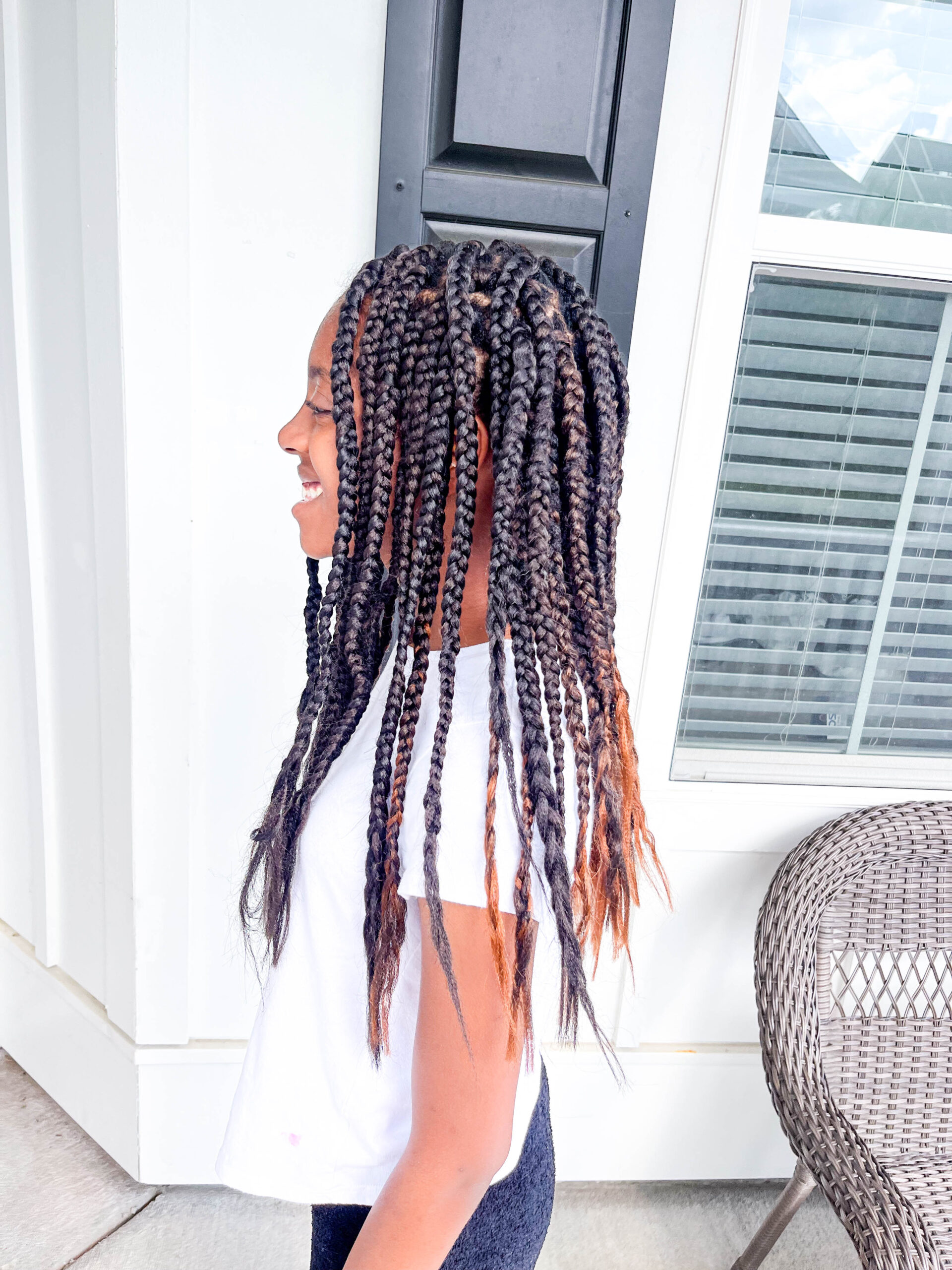
Thick box braids change the visual weight of your face. The middle part and long length elongate a round face, while the volume at the sides can widen a narrow face. For oval faces, it’s a balanced look. The coily, black texture with subtle brown ends adds depth without being distracting.
In a school setting, these braids are practical: they stay neat all day and don’t require midday touch-ups. But if your hair is fine or your scalp is sensitive, the weight of thick braids can cause tension headaches. The side view shows how the braids fall cleanly, which helps if you sit in the front row and want a tidy silhouette.
Dutch Braided Ponytail
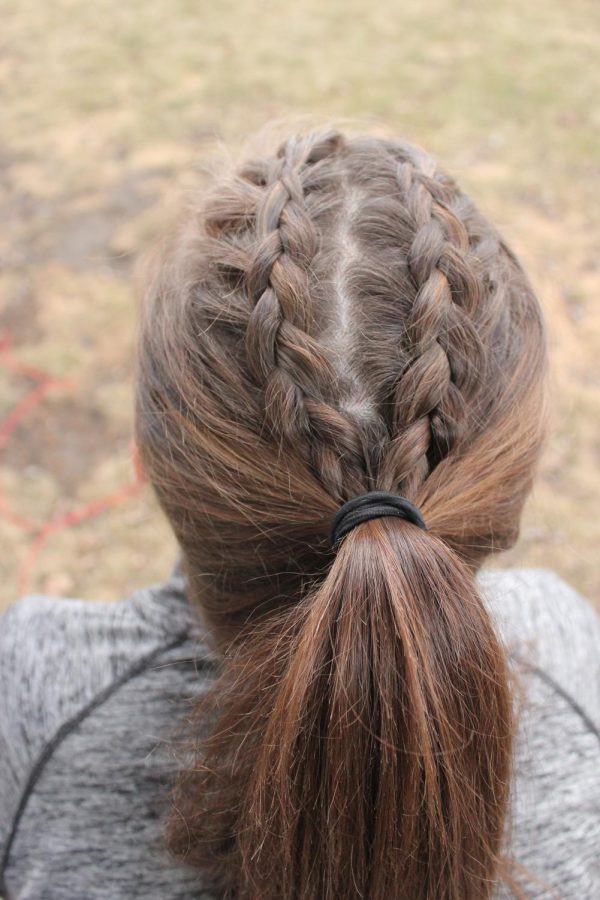
Have you ever had a hairstyle that looked perfect at 7 AM and like a lost cause by noon? The Dutch braided ponytail is the exception. Two neat Dutch braids run from the hairline to a low ponytail at the nape, and the whole thing stays put. The braids anchor the hair close to the scalp, so even thick, straight strands don’t budge. By mid-afternoon, the ponytail might soften, but the braids hold their shape.
Flyaways happen, especially if your hair is fine or layered. A quick pass with a boar bristle brush or a spritz of hairspray keeps them in check. The real win? You can sleep on it. The braids stay tight enough that morning touch-ups take two minutes, not twenty. No redoing the base, just smoothing the tail.
Ash Blonde Double Low Buns
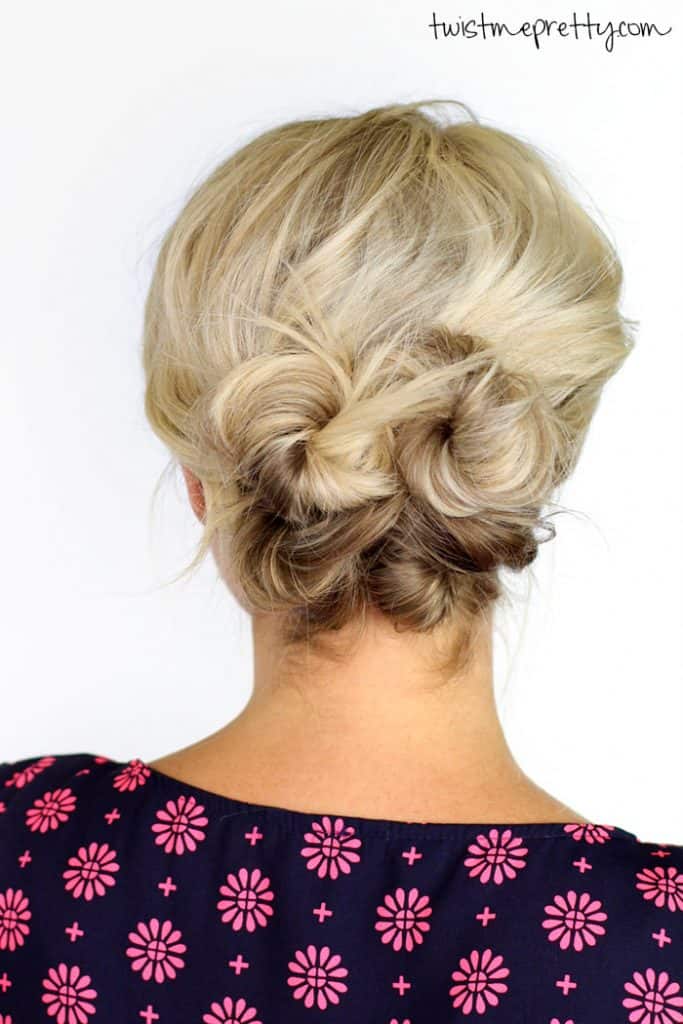
That ash blonde shade is exactly what winter needs, cool and muted, no brass. The double low buns sit at the nape, clean and symmetrical, side-parted. The wavy, fine strands add softness, but the layers give the buns texture, not bulk. No bangs to freeze or frizz. It reads polished for a school concert or a winter dance, yet it took ten minutes. The color and the structure together make it feel intentional, not thrown together.
Geometric Braided Half-Up
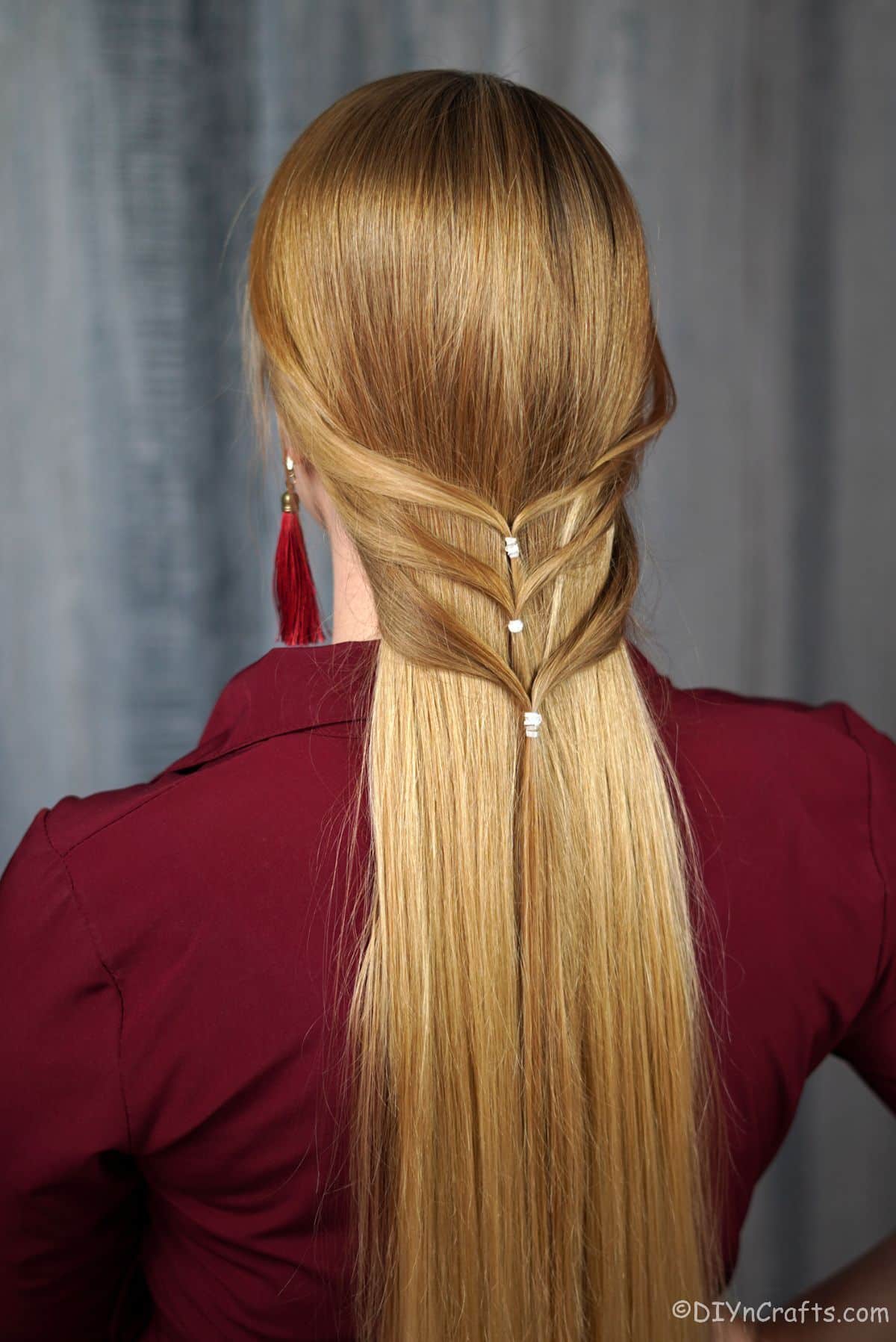
This geometric braid is the most precise I’ve seen outside a salon. Fine, straight, golden blonde hair is sectioned into a diamond pattern near the crown, braided tight, and secured with small white elastics into a half-up. The rest hangs straight to mid-back. The technique works because each section is pulled taut, so the pattern stays crisp all day. For fine hair, this is brilliance, the tight braid creates the illusion of density and the geometric lines draw the eye upward. No bangs needed when the braid itself is the focal point.
Bubble Braided Ponytail
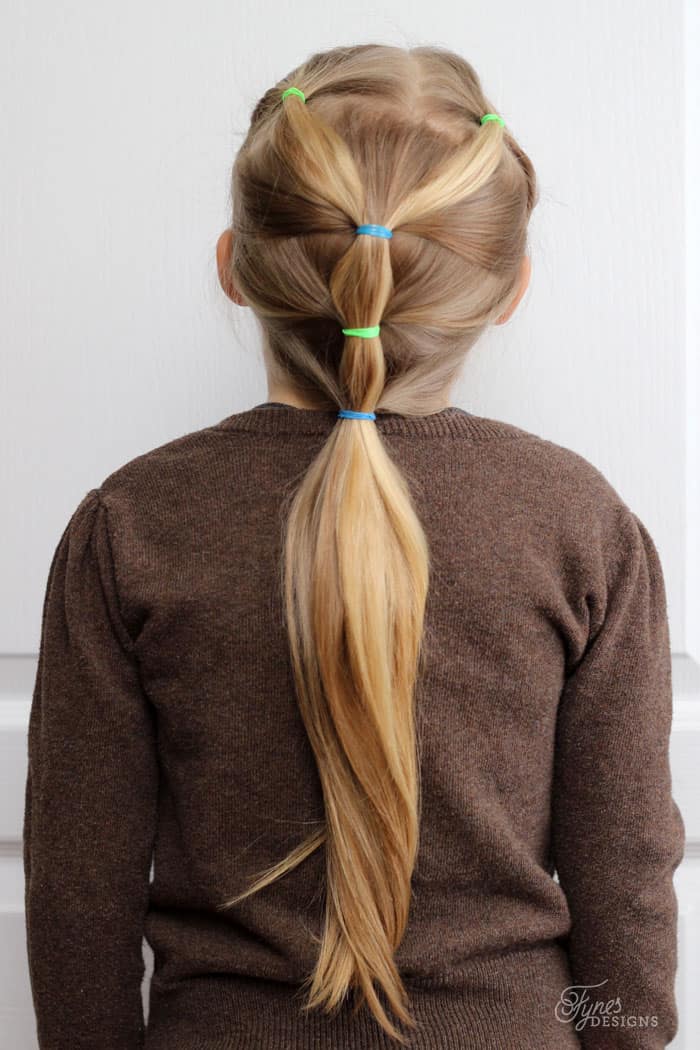
My first bubble braid looked great for about an hour. Then the sections loosened, and by third period it was a sad, saggy tail. The mistake is thinking bubble sections are quick — they’re not. This one has a long, one-length cut (no layers), straight medium-density hair, and no bangs, with blonde and light brown highlights that make the bubbles pop. But each bubble requires careful pulling to create volume without breaking the elastic. And on fine hair, the bubbles can collapse by lunch.
The honest downside: it takes twenty minutes to build and maybe ten to fall apart. If you have thick hair, the bubbles hold better because there’s more mass to puff. For school, I’d reserve this for a short day or a day with no PE. The bubble sections are fun, but they’re not durable.
Pull-Through Fishtail Braid
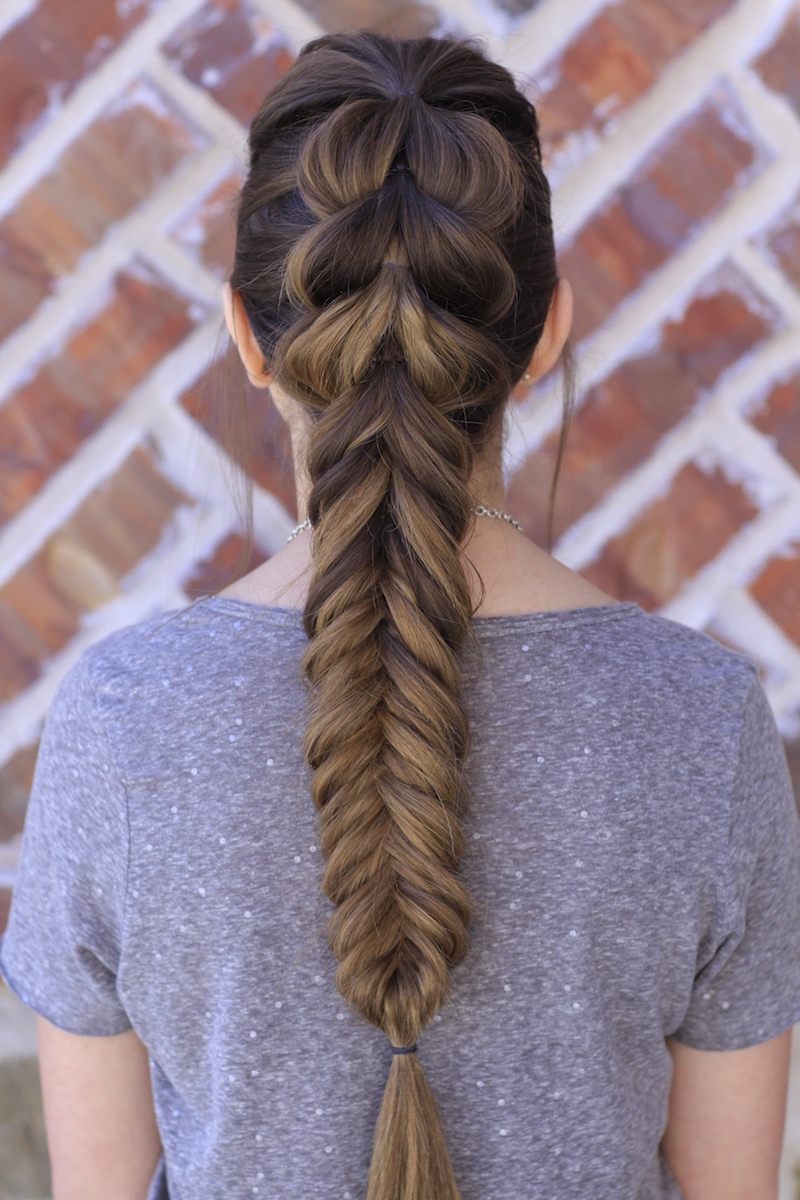
A pull-through fishtail braid needs density to look like anything. This one has thick, wavy hair at mid-back, dark brown with caramel highlights, no bangs, and a long cut with no layers — the lack of layers actually helps because the sections stay uniform. For wavy, thick hair, the texture grips the pull-through loops so they don’t slide out. Fine or straight hair? Skip it. The loops will look sparse, and you’ll spend the day tucking in escape strands. It’s a salon-complexity braid, but if your hair has natural wave and heft, it’s worth the thirty minutes.
Ash Blonde Half-Up With Intricate Braids
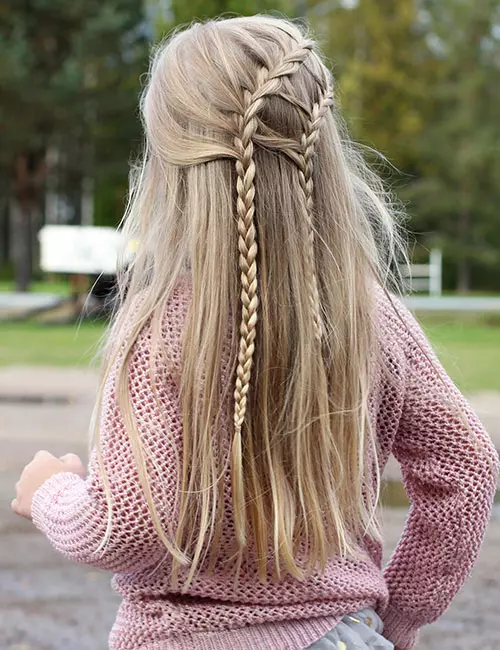
How much of your morning are you willing to trade for intricate braids? For these half up intricate braids on long, ash-blonde hair, 20 minutes is the baseline if you’ve practiced. Book a salon if you want the braids symmetrical and the ash tone even. Fine, wavy texture needs a texturizing spray for grip—otherwise the braids slip by second period.
No bangs here; the middle part and braids frame the face instead. The cut should have long, subtle layers so the braids don’t get bulky at the ends. Upkeep is minimal: a careful sleep (pineapple or silk scarf) lets you wear it a second day. By afternoon, the face-framing strands may loosen, but the crown holds. That’s the trade-off for 20 minutes of detail.
Blonde Double High Dutch Braids
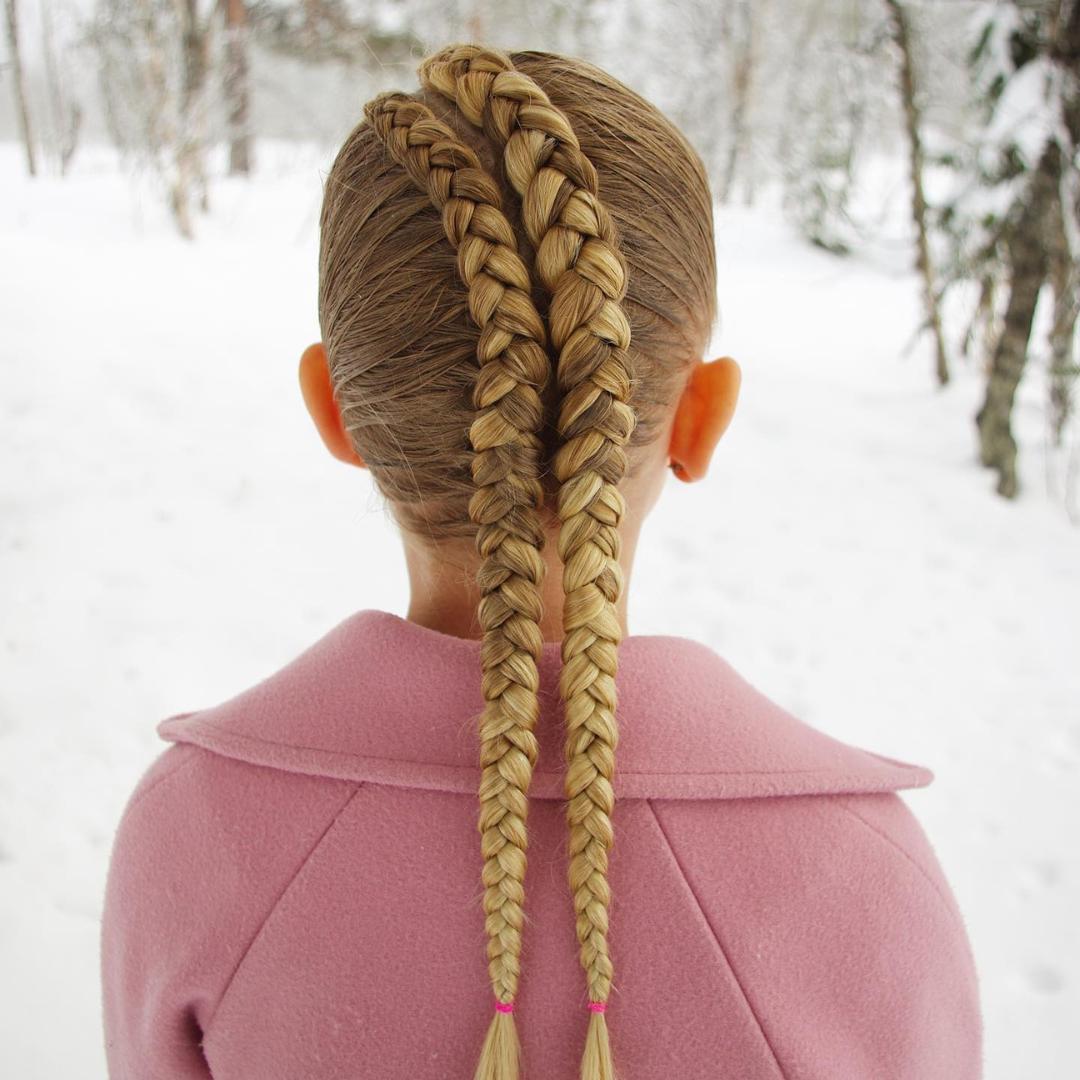
I’ll admit, I tried these once and gave up after ten minutes. The blonde double high dutch braids look clean and defined from the back, but getting that precision on your own head is a different story. Long hair with no bangs and minimal layers works best; any face-framing pieces will slip out. The straight, thick texture holds the braid tight, but fine hair might not grip as well. The honest downside: this is not a five-minute school morning style. It takes time to part evenly and braid tightly at the scalp. Book a salon appointment if you want the polished version, or set aside a full twenty minutes at home. The result is striking, but the effort is real.
Braided Pigtails With Bows
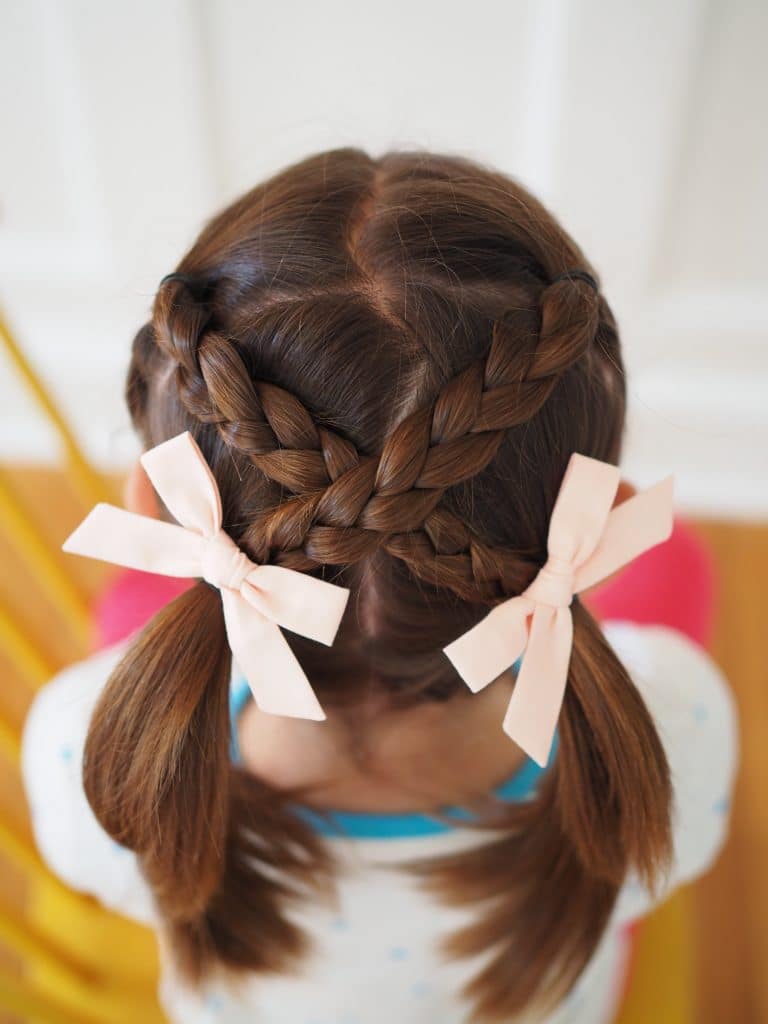
I wanted to love these, then I saw the intricate braided pattern and realized this is not a five-minute job. The cut is long, mid-back length, straight and thick with no layers and no bangs. The pattern involves scalp braiding that splits into pigtails, secured with bows.
Braided pigtails with bows require precision sectioning and tight elastics to keep the pattern visible. This is a salon-leaning style; the scalp work alone takes twenty-five minutes even with practice. A DIY attempt without a second mirror will likely result in uneven tension and flyaways by lunch.
Waterfall Braid Ponytail
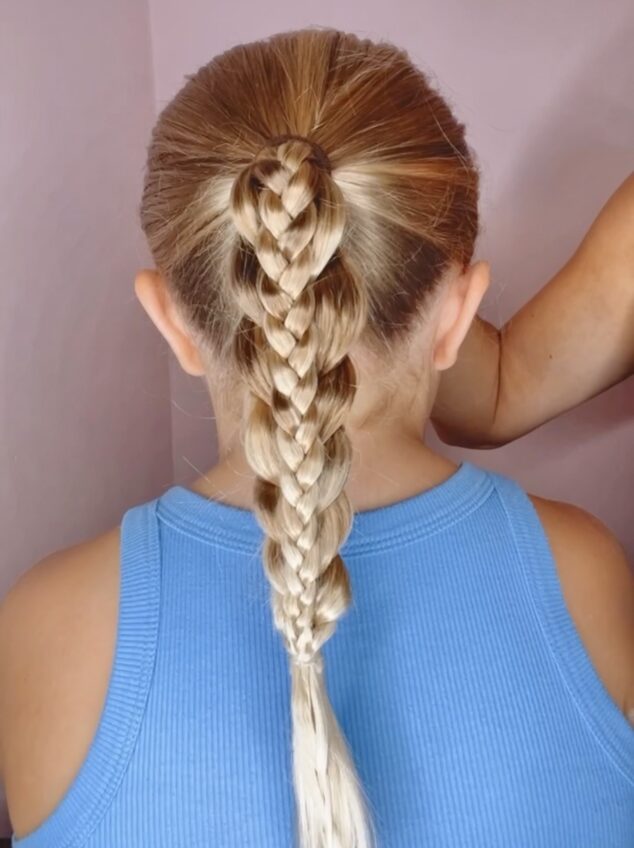
This is the kind of braid that looks harder than it is, once you know the rhythm. The underlying cut is long, mid-back, with long layers that give the cascading strands room to fall. No bangs; the texture is wavy and thick, which helps the dropped pieces grip. A waterfall braid ponytail uses a three-strand technique where the bottom strand is released each time, then gathered into a sleek ponytail at the nape. The ash blonde highlights add depth, making the cascade read as intentional movement.
Multi-Section Braided Ponytail
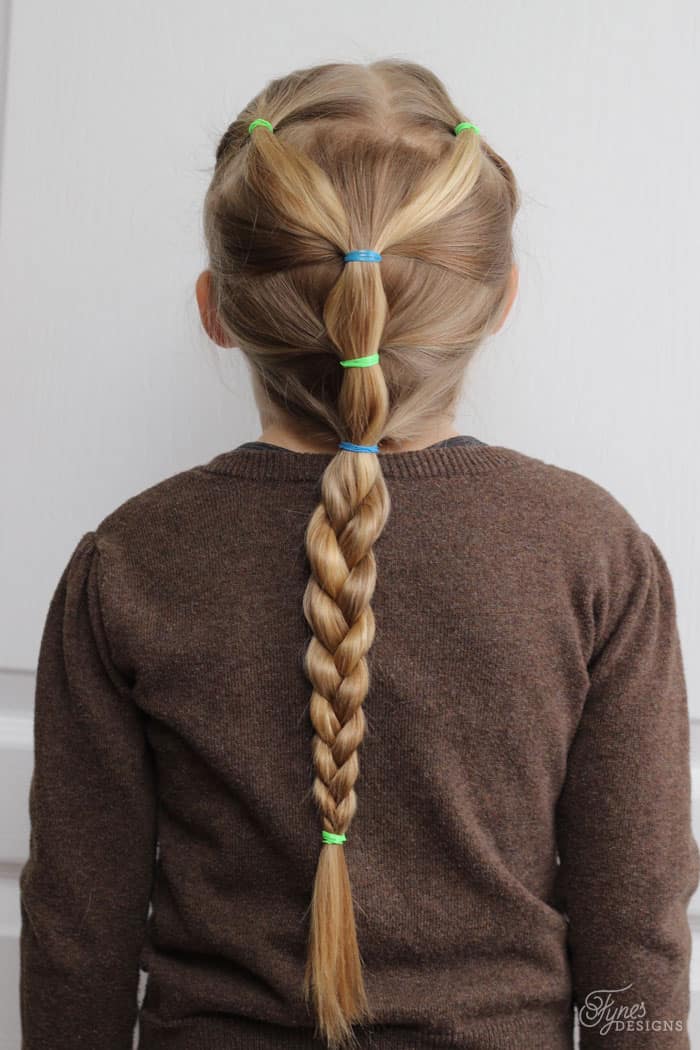
I saw this and thought, how many elastics does it take to make a complex braided ponytail look this structured? The cut is long, mid-back length with straight, medium-density hair, no layers, no bangs. The style divides the ponytail into multiple sections, each braided separately and then reassembled into one unit.
The honest downside is time. This takes at least twenty-five minutes on a good hair day, and if one section unravels during third period, the whole balance shifts. It looks incredible in the morning mirror, but the commitment makes it a weekend or special-occasion choice, not a daily December routine.
Braided Collarbone Bob With Waves
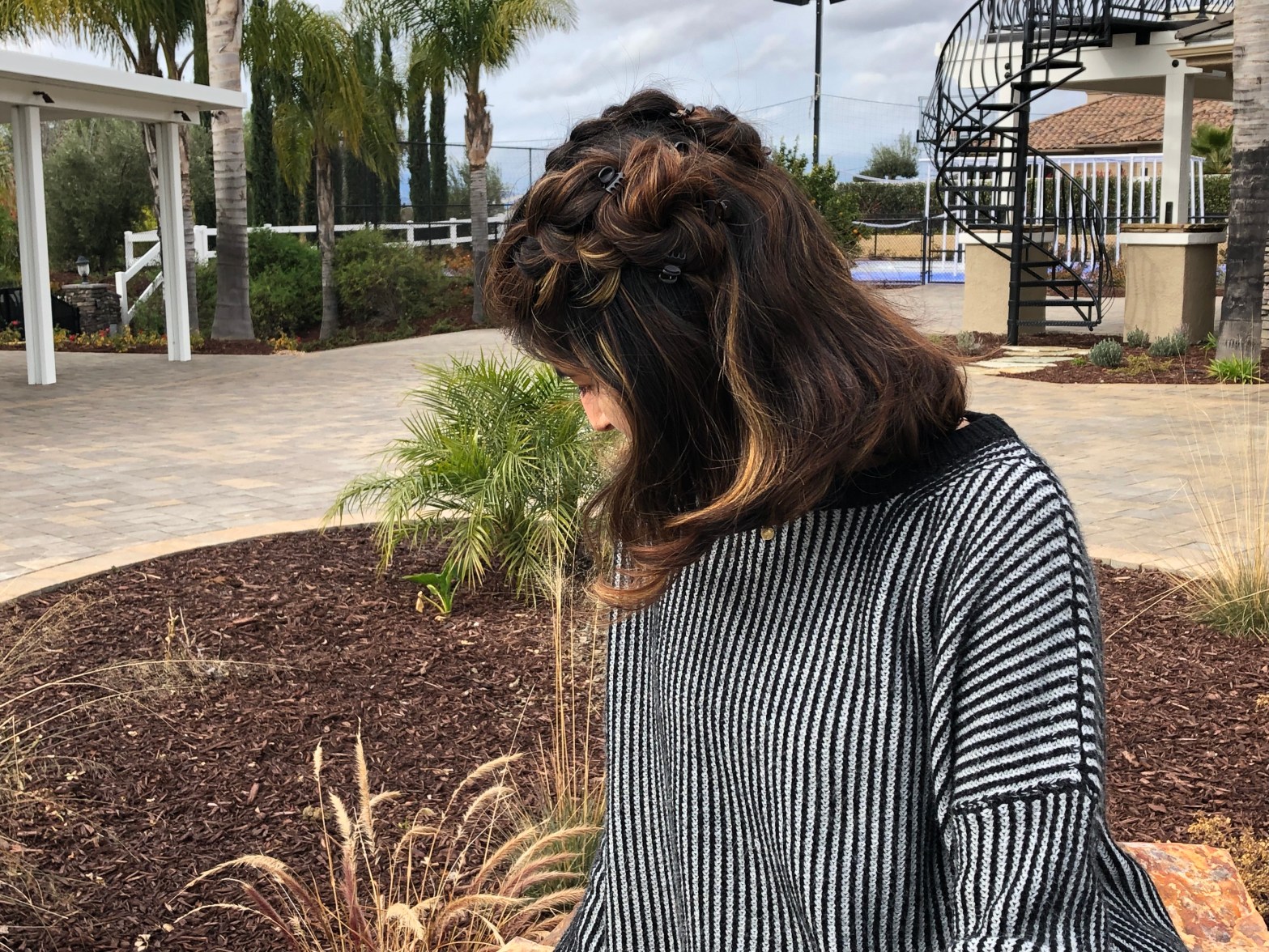
A collarbone bob is short enough for braids to feel intentional but long enough to wrap into two Dutch braids. The cut has subtle layers through the ends and no bangs, which lets the woven pattern lie flat against a wavy, thick texture. This braided bob with waves flatters heart and oval face shapes best because the braids sit at the ear line and the loose waves soften the jaw. Medium to high density hair is required; fine hair will struggle to keep the braids visible.
Blonde Double Braided Buns
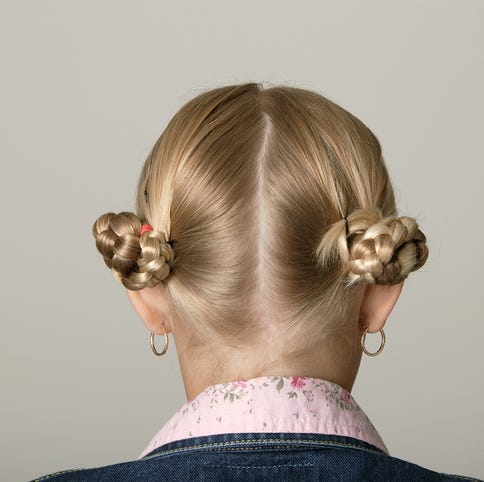
How long do double braided buns actually hold up through a school day? For straight, medium-density hair like mine, they stay put from first bell to last if you braid tight enough. The cut is long, mid-back, with no bangs to get in the way. I wrap each braid into a firm bun and pin it like I mean it. Upkeep is minimal: a few bobby pins and a light hold spray keep flyaways down. By afternoon, the texture still looks neat, not fuzzy. That is the whole point of this winter hairstyle for school.
The key is the braiding. Loose braids unravel by lunch. Tight ones, especially on straight hair, hold the shape all day. I check the pins after gym class, but they usually stay. No touch-ups needed.
Low Ponytail With Accent Braid
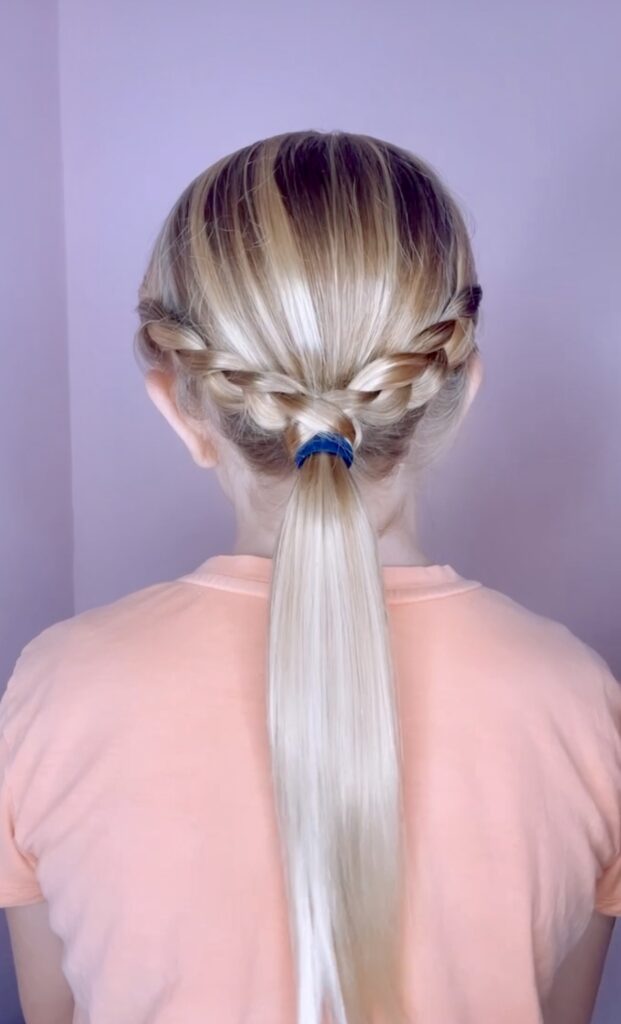
I will confess: I assumed this ponytail with accent braid required a salon visit. It does not. The cut is long, mid-back, straight and fine, with no bangs. The delicate braided detail looks complicated, but it is a simple three-strand braid taken from a small section at the nape and woven into the ponytail. To get it right at home, ask your stylist to keep the hair one length with minimal layers so the braid stays smooth. Then practice the braid twice. Ten minutes, a clear elastic, and you are out the door. This is a winter hairstyle for school that looks polished without the chair time.
Final Thoughts
After writing all of these, I noticed something. The braids I kept coming back to were the ones with a clear starting point and a clean finish. No loose ends, no half-hearted twists. That is what winter hair needs: a shape that does not argue with a hat or a hood.
I am booking the pull-through fishtail next. It looks complicated. It is not.