

Every second chair this month has been a dad or a teenager asking for the same thing: short sides, longer top, some kind of fringe. It’s not a revolution, it’s a good haircut that survives a beanie.
I rounded up 25 Winter Haircuts for Boys that actually work, from the five-minute taper to the mullet that needs a stylist and a prayer. I tested the ones my fine hair could handle, watched the rest on heads with more texture than mine, and skipped anything that asks for a flat iron at 7 am. Whether you have dense coily hair or strands that go flat by 4 pm, there’s a version that fits your face shape and your patience.
Defined Curls With Middle Part Fade
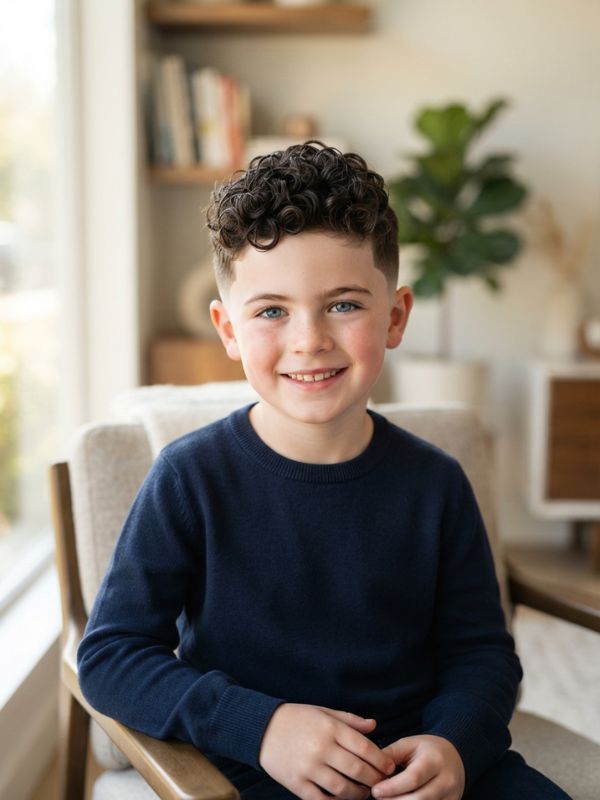
Do you have the patience for a middle part that actually frames your face, or do you let curls do whatever they want by Tuesday? This curly fade with middle part is the rare cut that looks styled without looking like you tried. The defined natural curls on top are thick, so they hold shape for days, while the faded sides keep it from turning into a mushroom by week two.
The wash-and-go promise is real if you accept one caveat: the fade needs a touch-up every three to four weeks, or the sharp contrast blurs and the whole thing goes fuzzy. A curl cream helps define, but the cut itself does the heavy lifting. Curly texture is doing the work here, not your mirror.
Undercut With Long Side-Swept Fringe
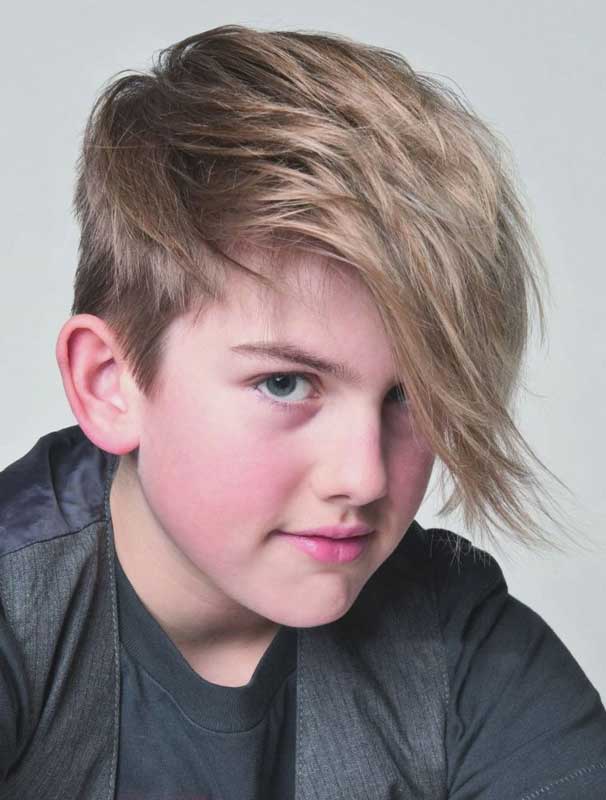
A verdict: this is the most wearable version of an edgy winter cut. The undercut with long fringe works because the sides are shaved close but the sweeping fringe carries enough length to soften the whole effect. Ash blonde on wavy medium density means it catches light without going brassy, which matters more in January when indoor lighting is all you get. The fringe is cut longer on one side, so it sweeps naturally and can go sleek with a bit of paste or messy if you skip it. It is a salon cut, not a bathroom mirror job, but the result is a contrast that actually moves.
Modern Mullet With Textured Top
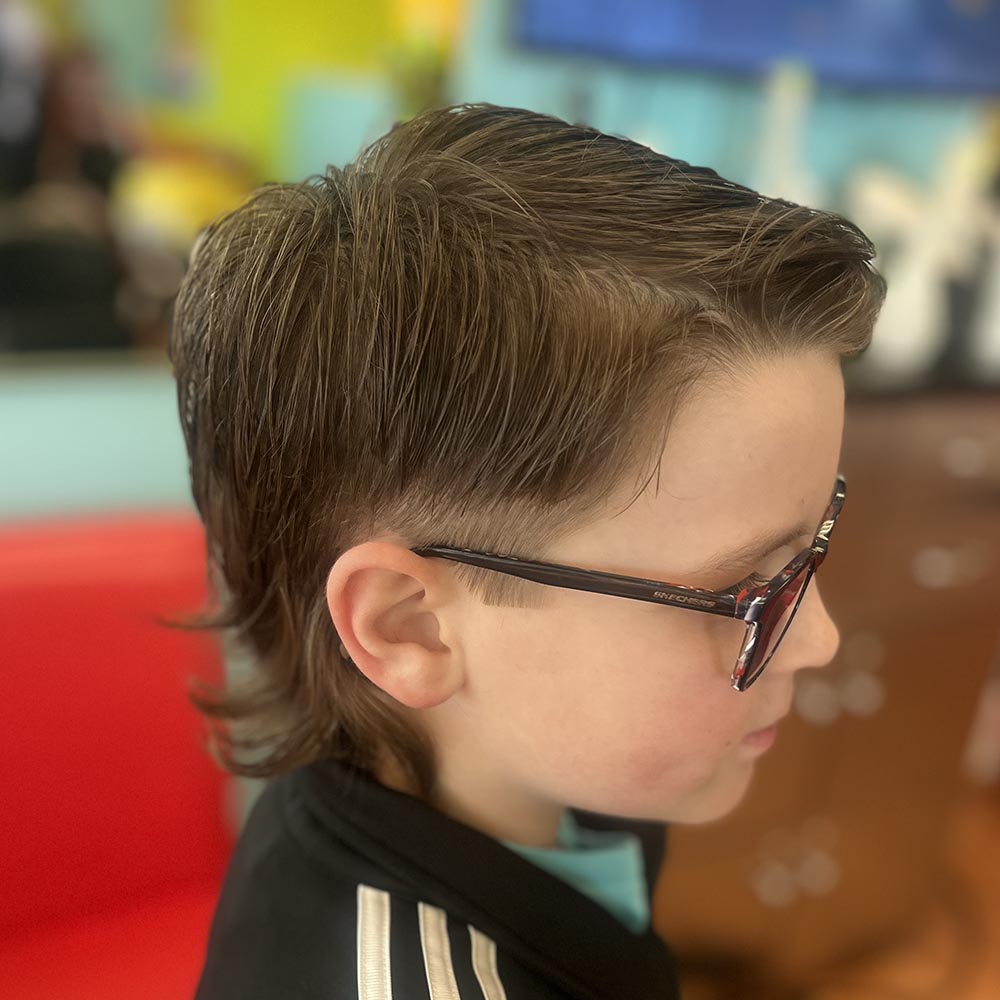
Compare this to the retro mullet your uncle wore, and the difference is everything. The modern mullet with textured top is shorter on top and sides, longer in back, but the textured top is where it breaks from the eighties. Straight medium density gives it a clean line rather than that feathered chaos, and the side part keeps it intentional.
Wear and upkeep are the real story here. The back grows past the shoulders if you ignore it, but the sides need a trim every six weeks to keep the taper honest. A texturizing spray helps the top hold its shape, though the back can stay natural. This has a longer grow-out phase than any other cut in this roundup, so you are committing to a shape that will evolve.
Short Curly Fade With Fringe
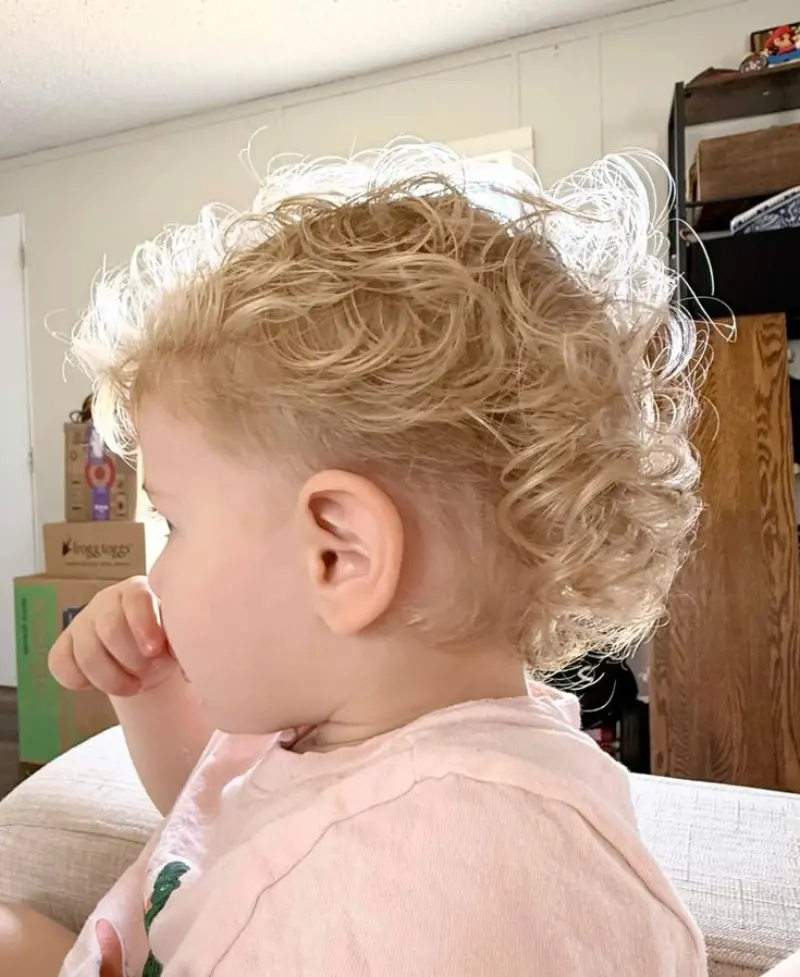
Confession: fine curly hair is the reason I hesitated for two years before trying anything similar. The short curly fade with fringe works because the curly fringe stays short enough to avoid drooping, while the fade cleans up the sides so the curls on top get all the attention. Blonde on fine texture means it needs a salon touch to layer the curls properly, not a home clipper set, and even then you want a stylist who knows curls. A tiny bit of curl cream is enough, and the top is genuinely wash-and-go. The fade is the part that needs regular trims, but the payoff is natural texture that does not fight you.
Classic Side Part With Fade
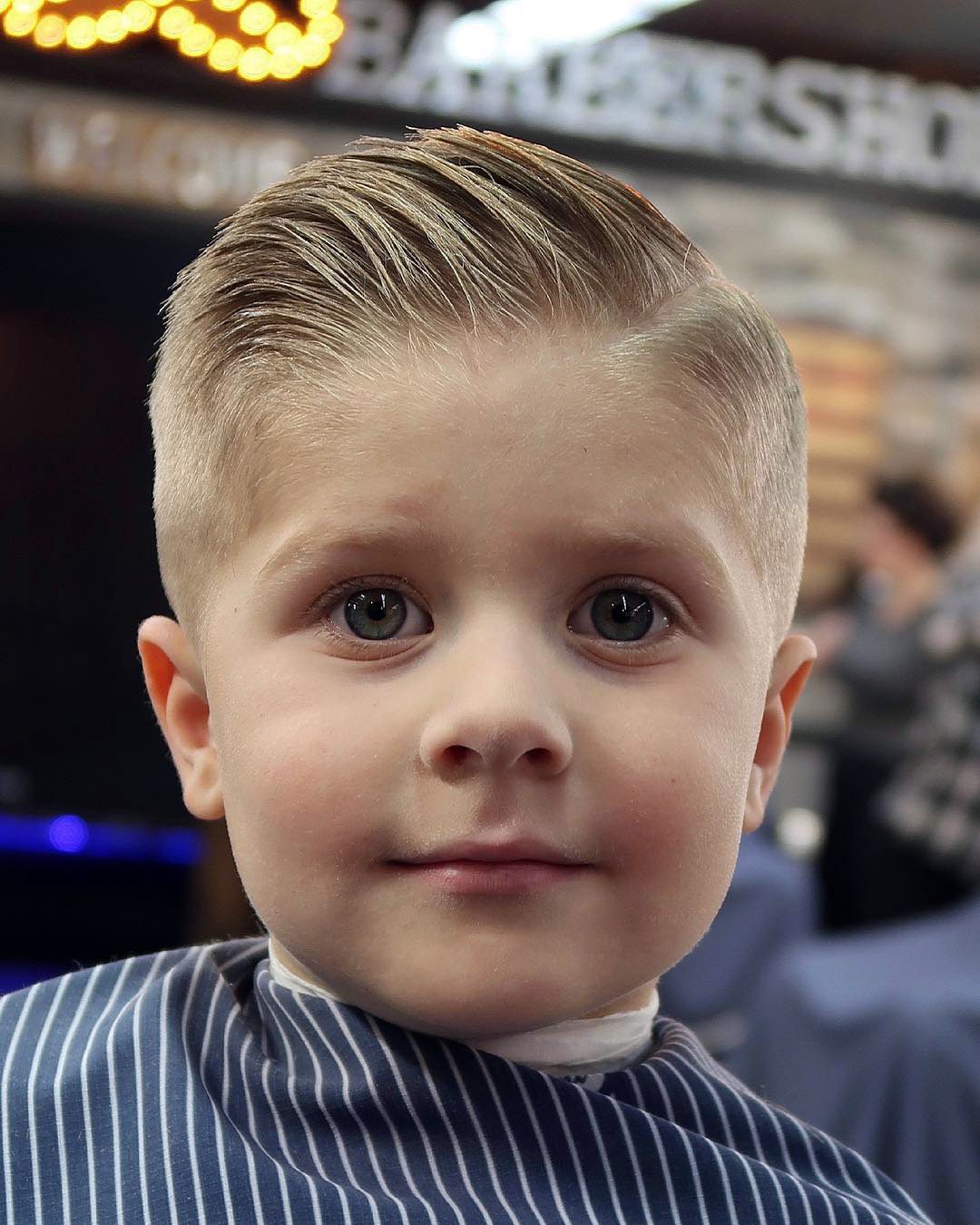
A side part on fine, straight hair starts losing its definition by the afternoon. The classic side part with fade relies on a slicked back finish that needs a comb and a strong hold product to reset after lunch. The fade itself requires a trim every three weeks to keep the sharp line visible. Without that upkeep, the part blurs and the sides grow out unevenly, turning a neat look into a shaggy one.
Light Brown Textured Crop With Fringe
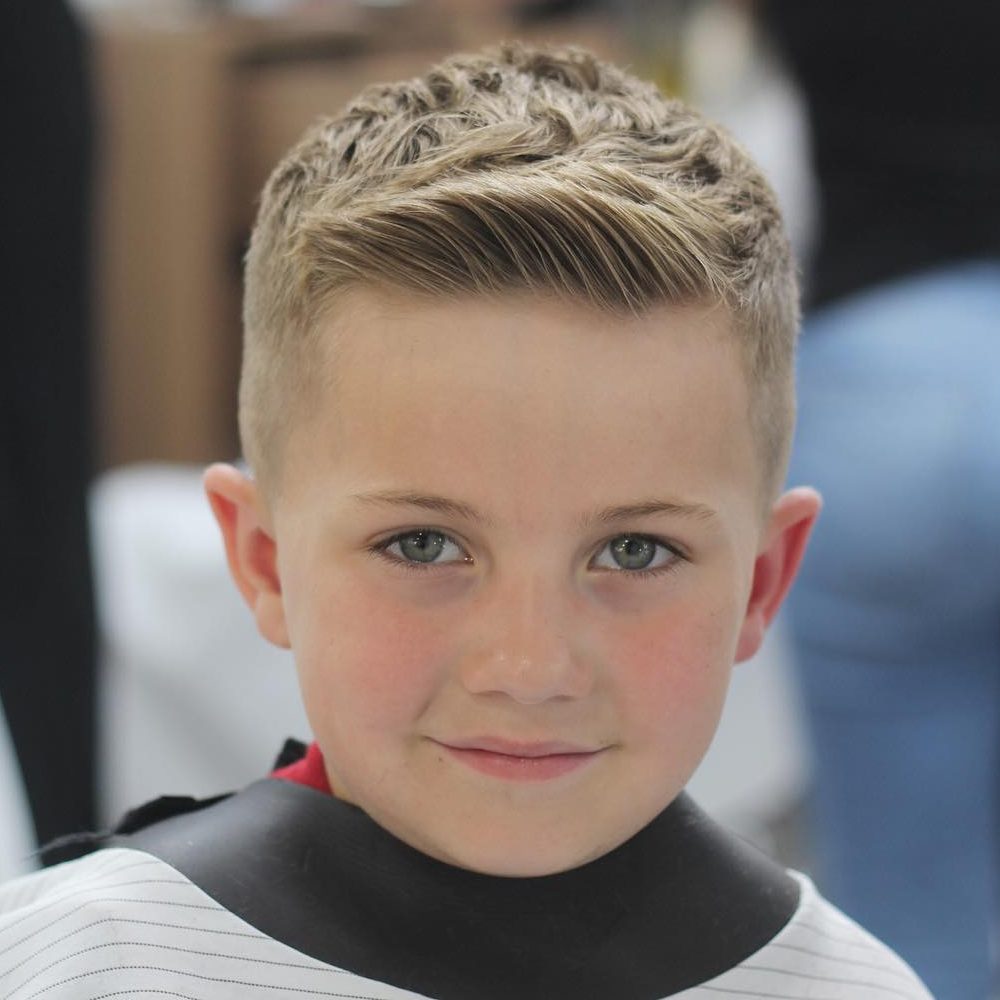
Can fine, wavy hair pull off a textured crop with messy fringe without looking like you just rolled out of bed? The cut relies on choppy layers and a light hand with product to create a deliberately undone finish. On fine, wavy hair, the waves can either add volume or turn into a tangled mess.
The honest downside is that the line between intentional messy and actual mess is thin. If your waves are uneven or you skip a textured finish, this crop can look more “I gave up” than “I styled this.” It works best if you are willing to finger-tousle and accept some unpredictability.
Slicked-Back Undercut With Volume
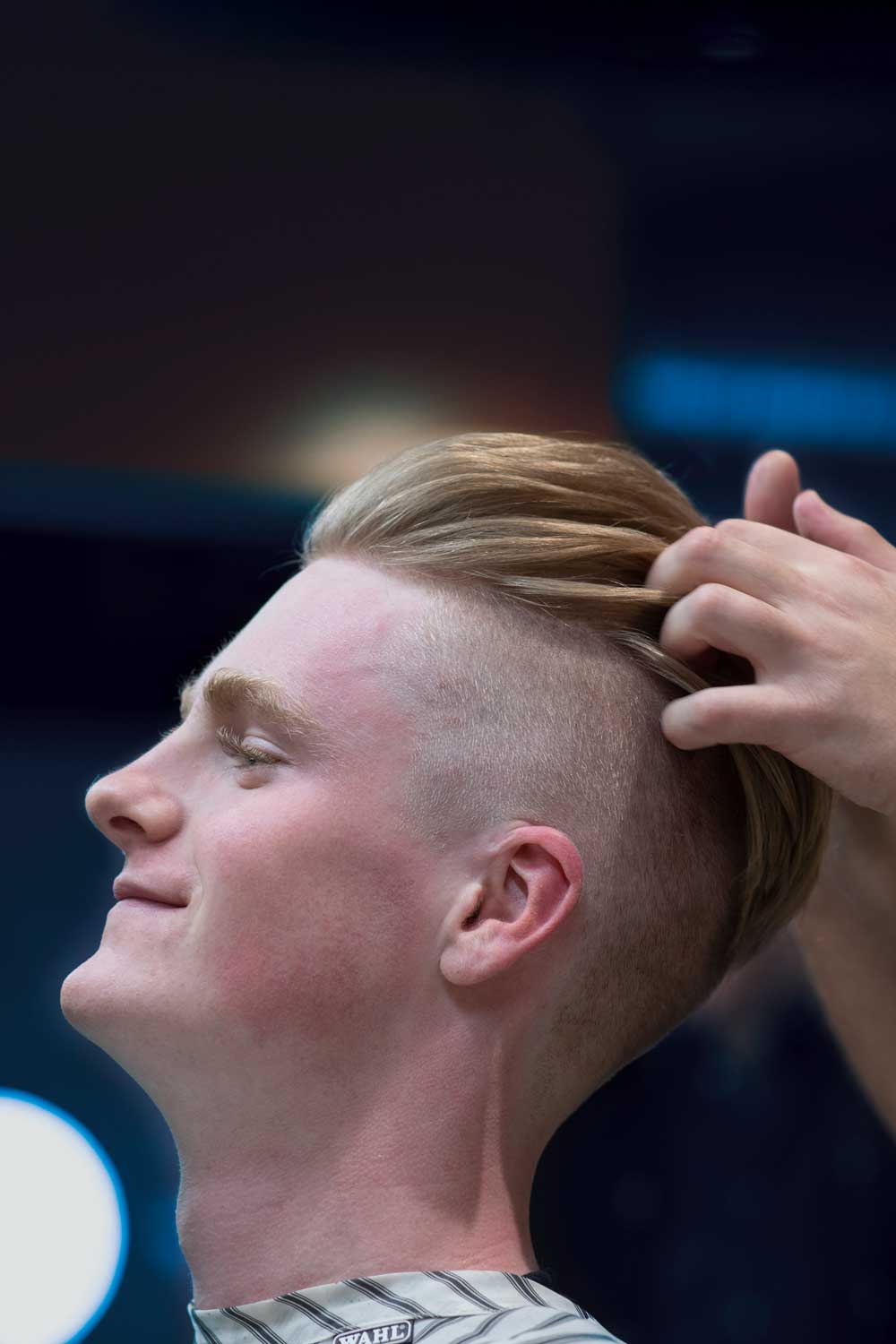
The slicked back undercut with volume is the most dependable lift I have seen for fine, straight hair. The undercut clears the sides, the top holds medium length with subtle layers, and there are no bangs to disrupt the sweep. The straight texture, kept clean, reads polished.
Start with damp hair. Work in a volumizing product at the roots, then blow-dry back and up with a round brush. Finish with a pomade or wax, combing the voluminous top into a smooth, raised shape. The technique stacks product and heat, building hold that lasts past lunch without collapse.
Fade With Carved Design
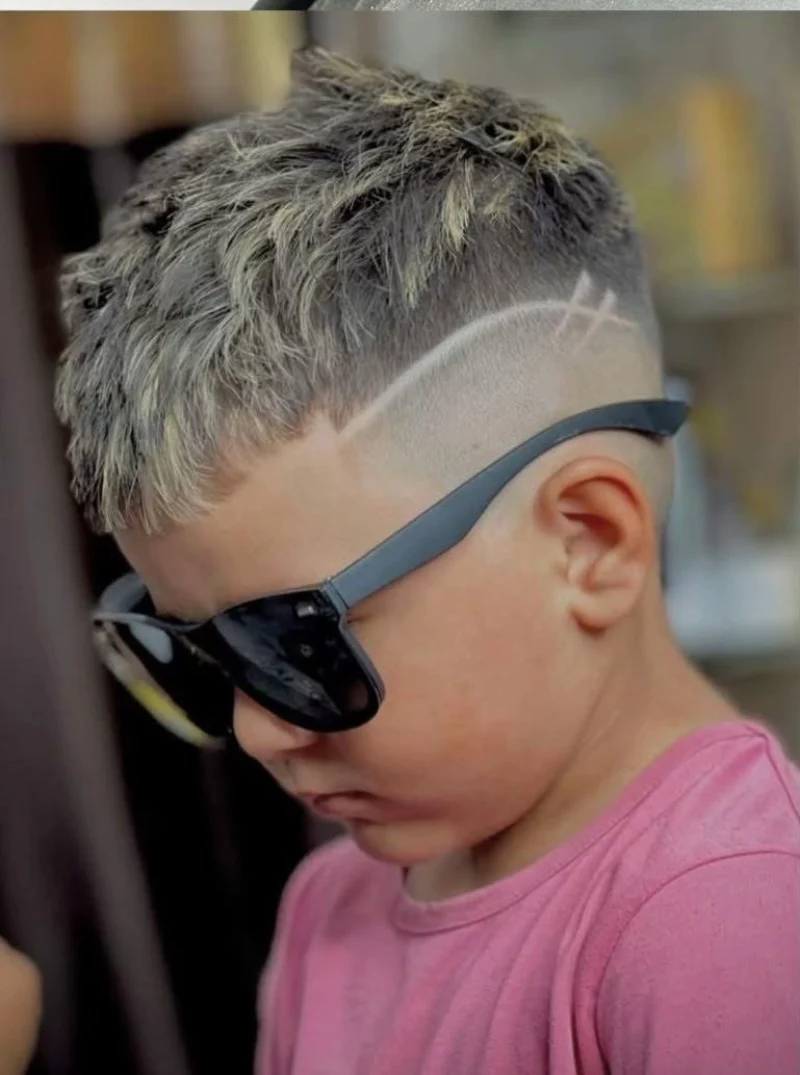
I will admit, I was not sure a carved design would read as anything but a college mistake. The fade haircut with carved design surprised me: dark brown base, blonde tips at the textured top, and a clean pattern shaved into the fade. The short fringe and wavy medium density soften the geometry. That carved design needs a touch-up every two weeks. I made it to three before the lines blurred.
Collarbone Length Wavy Mullet
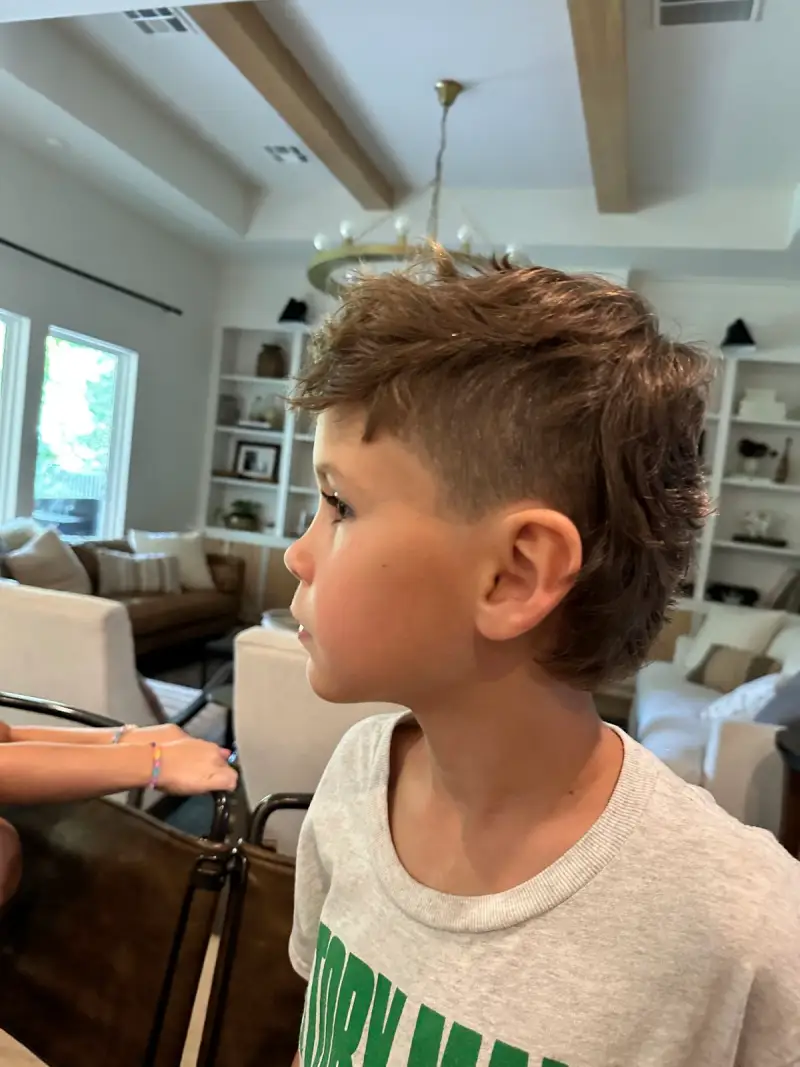
The collarbone length mullet keeps the shape but trades the punk attitude for something closer to undone. This is a wavy mullet with no bangs and a middle part, the waves falling forward rather than spiking up, which makes it less dramatic than the cropped, sharp alternatives. The texture is medium density and wavy, so air-drying with a bit of movement looks intentional. Layers stack at the back while the front stays long enough to tuck behind ears, giving the mullet its weight without the shock value.
Upkeep means trims every six weeks to stop the back from turning into curtain hair. The shape grows out gracefully for about three weeks past that, which is more than I can say for the shorter versions that look like a mistake once the fade blurs. This one works for fall and winter because you can pull a beanie over it without ruining the line, and it survives a scarf without turning into a nest. The short mullet is a party; this one is a Thursday dinner.
Undercut With Side-Swept Top
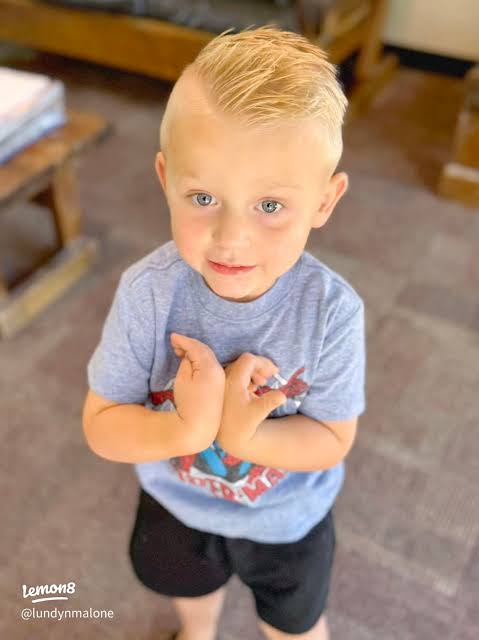
Does the undercut with side swept top actually work for fine hair? The sharp undercut contrast creates the illusion of density by removing bulk from the sides, but the top is cut with layers to add movement. The length is short, with side-swept bangs that sweep across the forehead, and the texture is straight and fine. The honest downside: fine hair can look stringy by midday, even with those layers, because the undercut leaves less weight to hold the top in place. This cut genuinely flatters those with medium to thick hair or natural wave. For the rest of us, the daily styling commitment is real.
Textured Crop With Messy Bangs
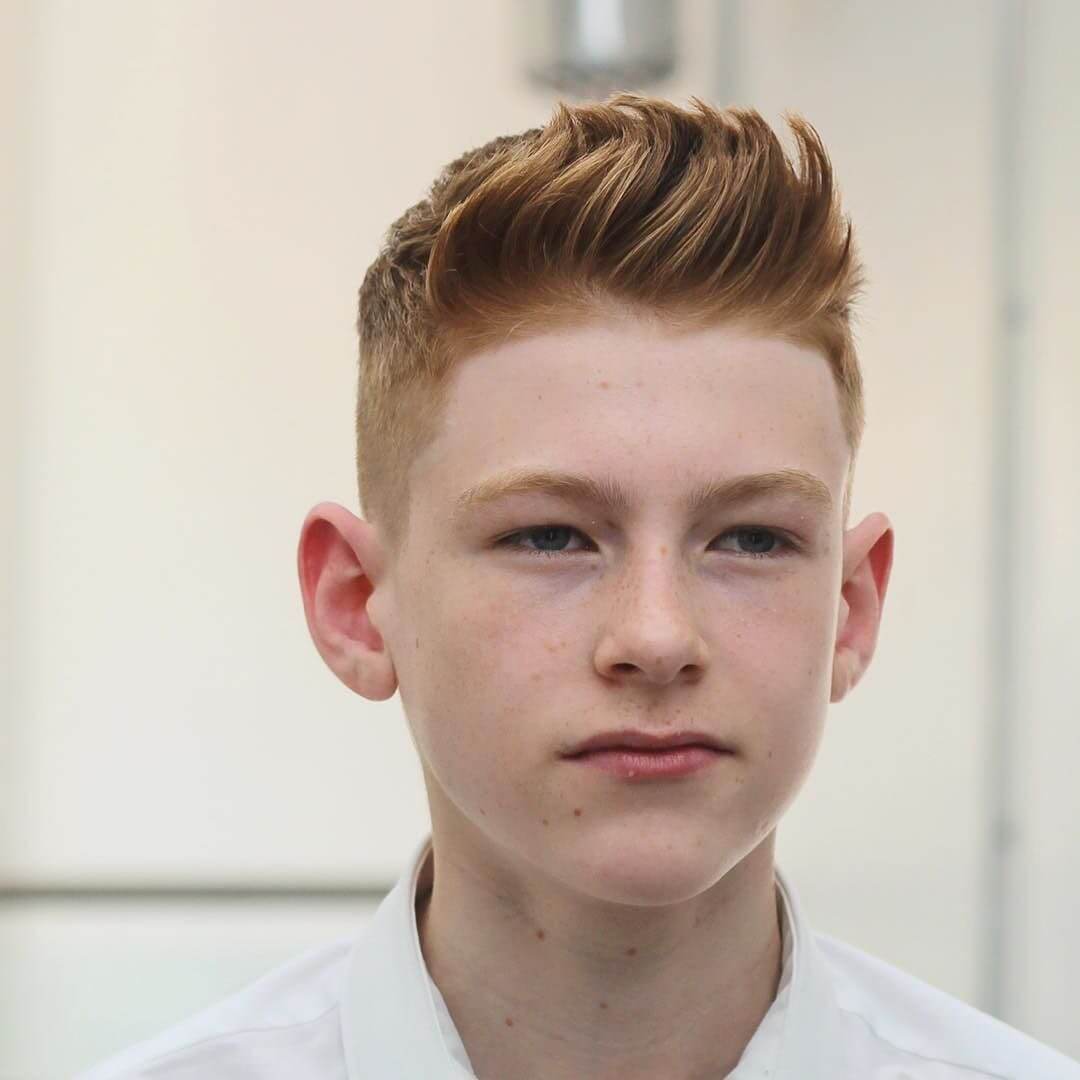
The verdict: this textured crop with messy bangs actually looks better on day three than day one. With wavy, thick texture, the short bangs naturally separate and the layers keep the top from lying flat. The fade on the sides means the messy part stays on top where it belongs, and the crop length means no bedhead that actually looks bad. It holds its shape through a full week without a reset wash, which is rare for any cut with bangs.
Spiky Mohawk With Fade
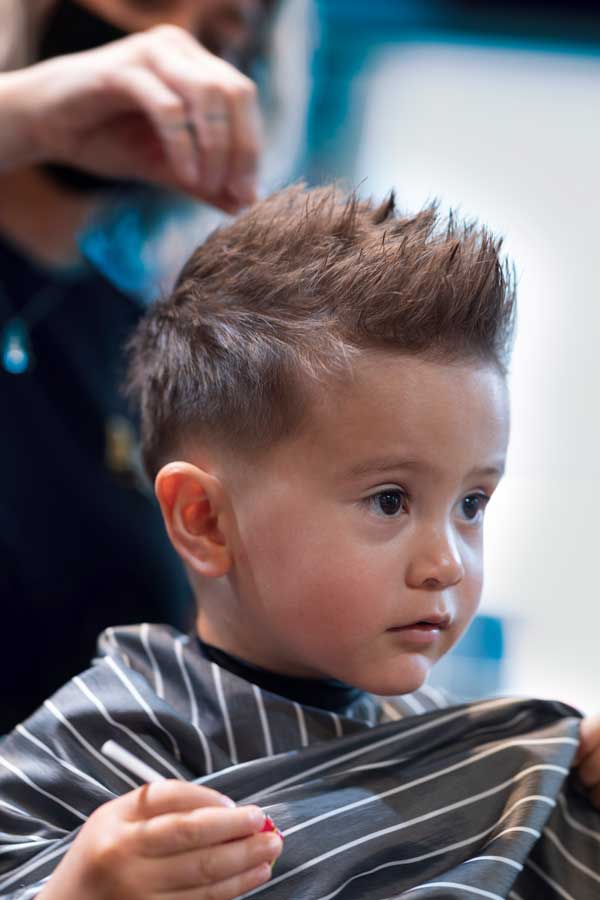
The barber starts with a clipper and ends with a comb and wax. The spiky mohawk with fade is built by keeping a strip of length from forehead to crown while the sides fade to skin. The cut uses internal layers to give the top piece movement, and the spiky mohawk shape comes from styling: product works each section into a point. There are no bangs, just forward spikes. The texture is straight and thick, which helps the spikes stand without collapsing.
This is a salon job, not DIY, because the fade and proportions need precision. Season-wise, it works year-round but really stands out in winter when hats come off and the shape catches the light. It is pure commitment.
Taper Fade With Textured Top
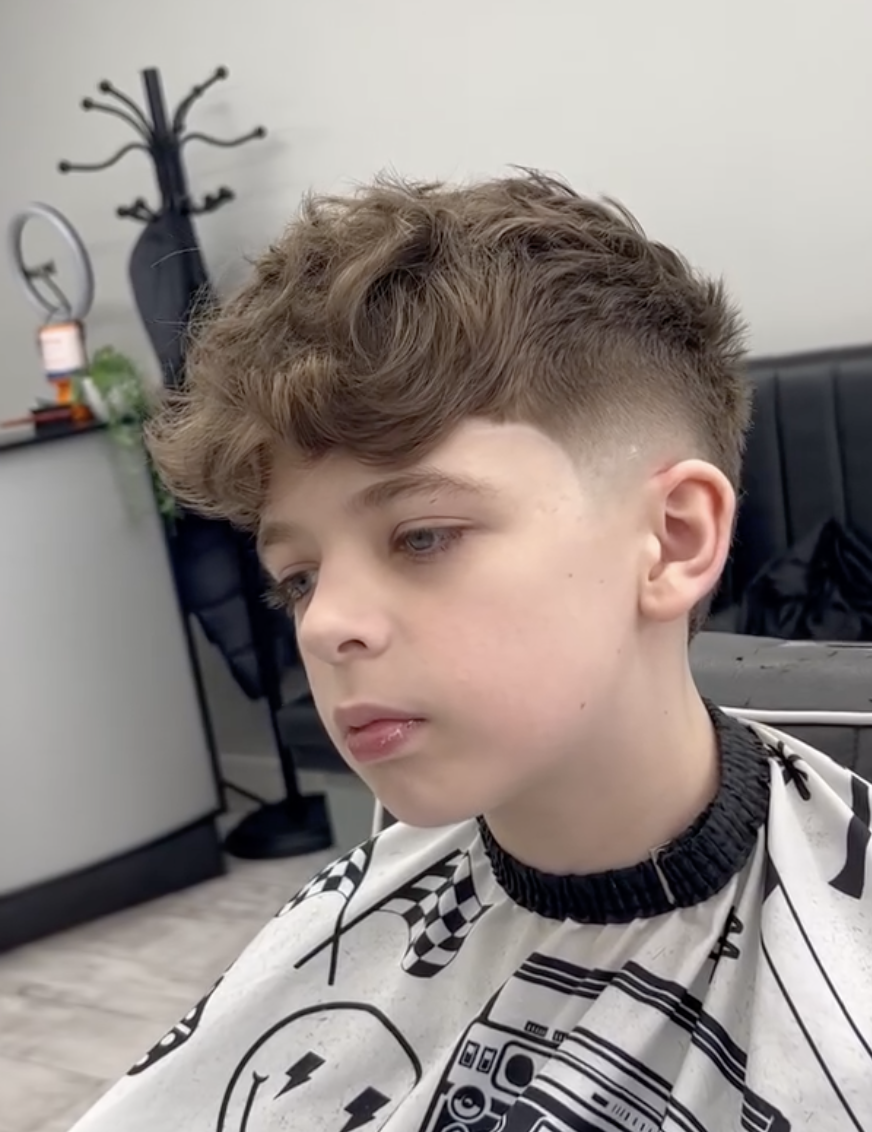
I will admit: I wanted the taper fade with textured top to be a wash-and-go situation for my wavy, thick hair. It is not. The textured wavy top looks amazing when I take the time to apply a texture product and scrunch, but if I skip it, the waves just sit there, flat on the sides where the fade reveals every lump. The short fringe helps, but the layers need coaxing. The sharp fade demands precision, and my bathroom mirror is not that kind of partner.
High Fade With Hard Part
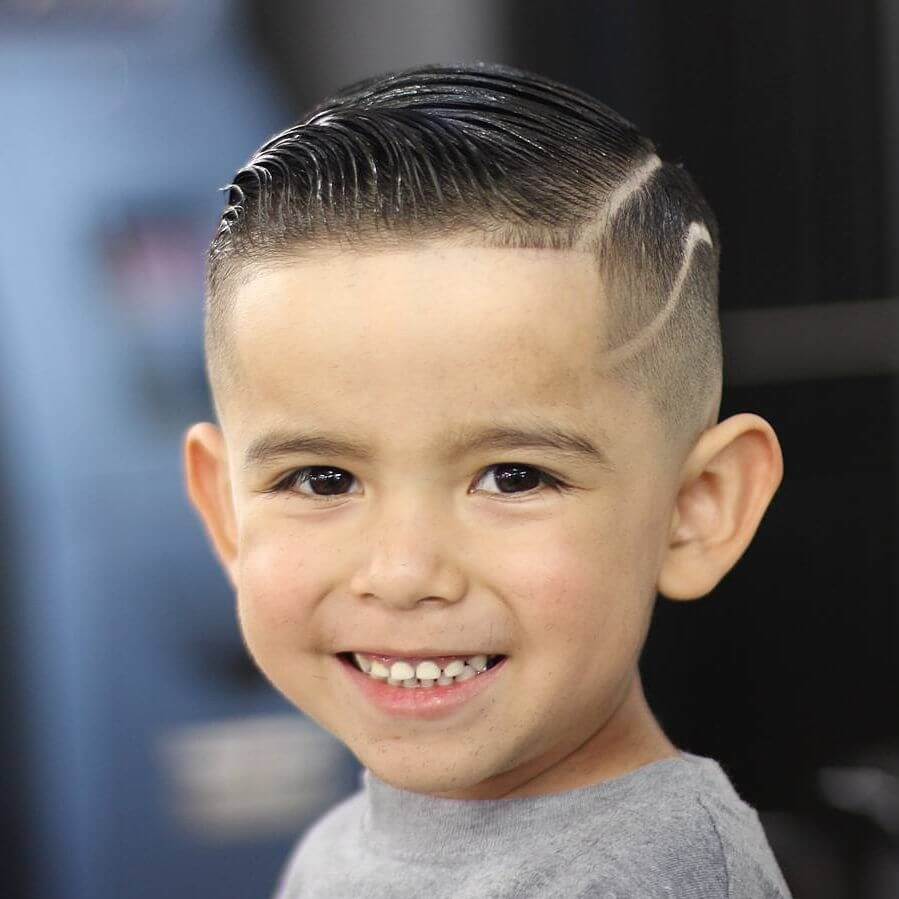
Can a high fade with hard part survive a casual Tuesday? The cut gives you short sides that climb high, a textured top with enough length to sweep, and a hard part detail that requires a mirror and a comb every morning. The bangs are short and swept to the side, leaving the forehead exposed. On straight, fine hair, that part line has a habit of widening into a scalp show by noon, which is the honest downside. It looks sharp in the chair and less sharp by dinner unless you carry product and a plan.
Undercut With Hard Line Part
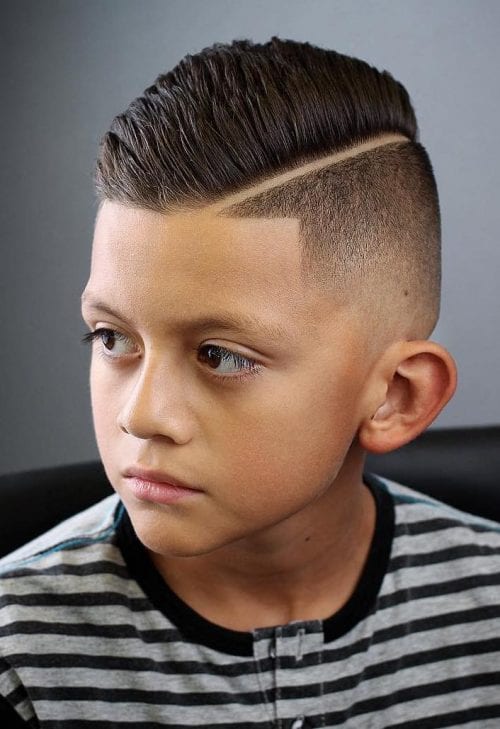
The sharp hard part line is what separates this undercut with hard part from a standard side part that blurs after an hour. The cut drops the undercut short on the sides, keeps the top long enough to slick back, and carves a razor-straight line into the scalp. There are no bangs to hide behind, so the precision is the whole point. The texture is straight and thick, which holds the line and the sweep without fighting gravity.
The upkeep has three demands. The undercut needs a trim every three weeks or the sharpness goes soft. The hard part line must be touched up at the barber because it fades faster than the fade. And styling takes about ten minutes: a comb, product, and the discipline not to mess it up halfway through the day. It is not a set-it-and-forget-it cut, but if you like your lines defined, this one wins over the traditional side part for sheer visibility.
Short Sides Textured Top Textured Crop With Choppy Bangs
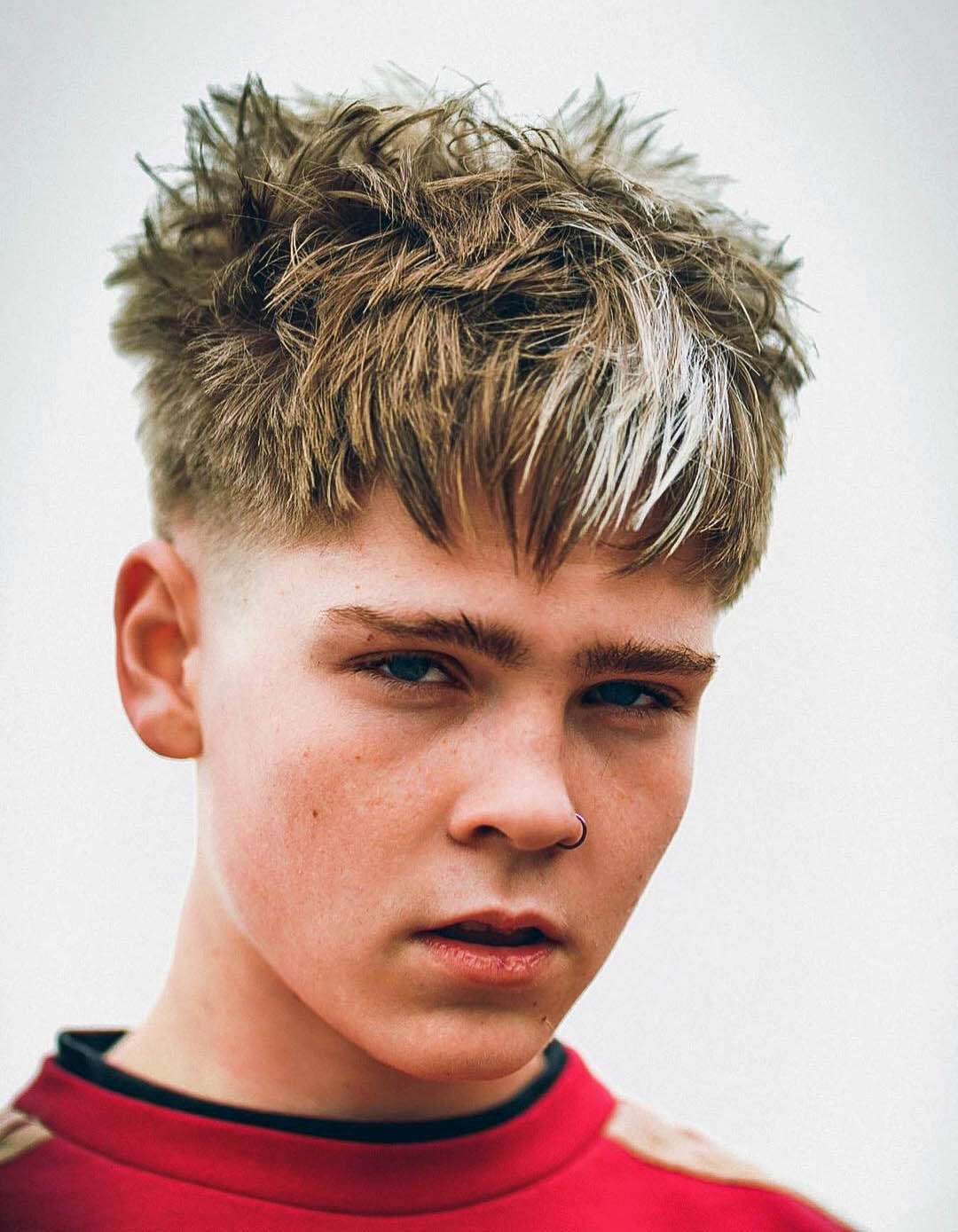
Is the textured crop with choppy bangs right for you? This cut works a fade into the short sides, leaves the top textured and full, and finishes with short choppy bangs that land right above the eyebrows. The layers are scattered rather than even, which gives the crop its messy edge. It suits wavy, medium-density hair best because the texture does the work. Oval and heart-shaped faces get the most out of those bangs. Straight, fine hair will struggle to hold the choppy ends without help.
Short Spiky Crop With Fade
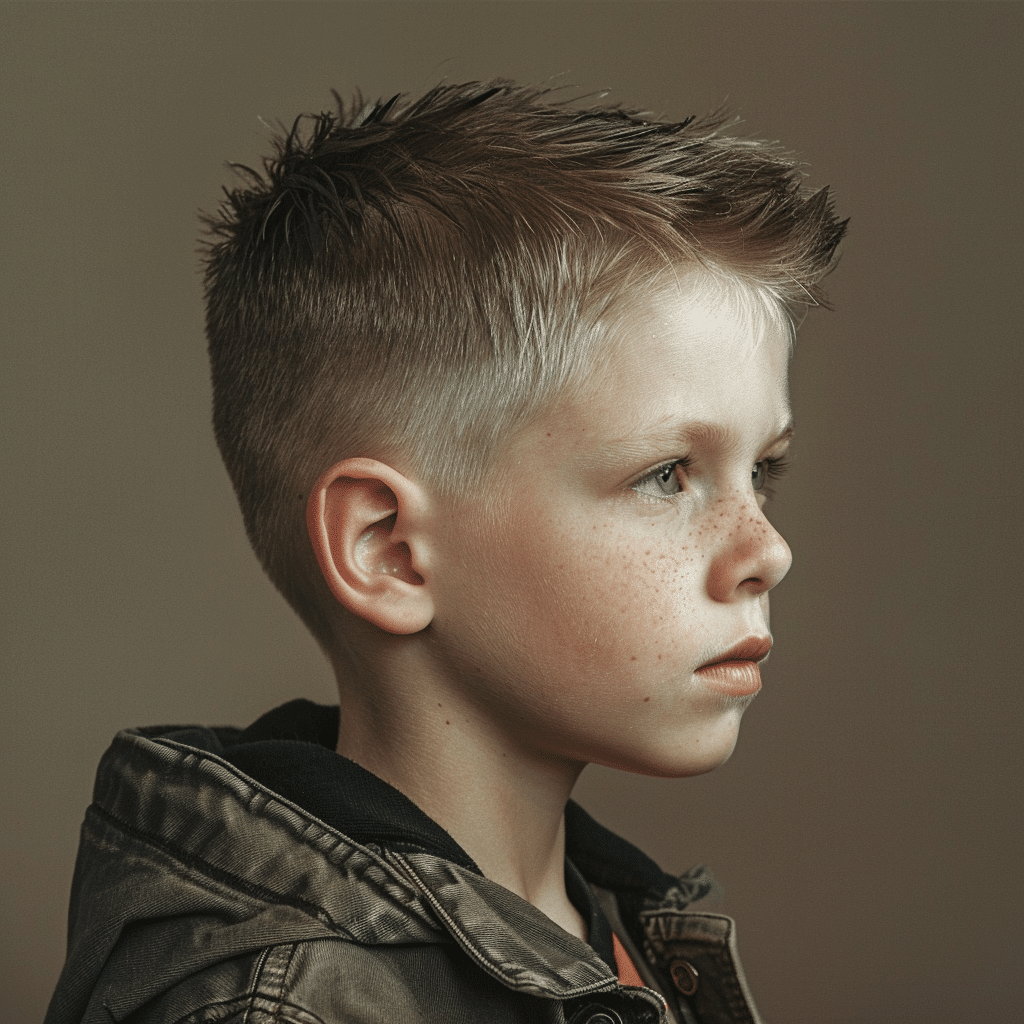
The short spiky crop with fade works best on hair that cooperates. The cut keeps the sides short with a fade, leaves more length on top, and uses layers to build that spiky texture. The bangs are a short spiky fringe that stands up or angles forward. On straight, fine hair, the spikes stay visible for about four hours before they start leaning. You can style the spikes yourself with a strong hold product, but the fade is not a bathroom-mirror job: a barber needs to touch it up every three weeks. If your hair is thick or coarse, the spiky texture holds all day without a fight.
Layered Mullet With Textured Back
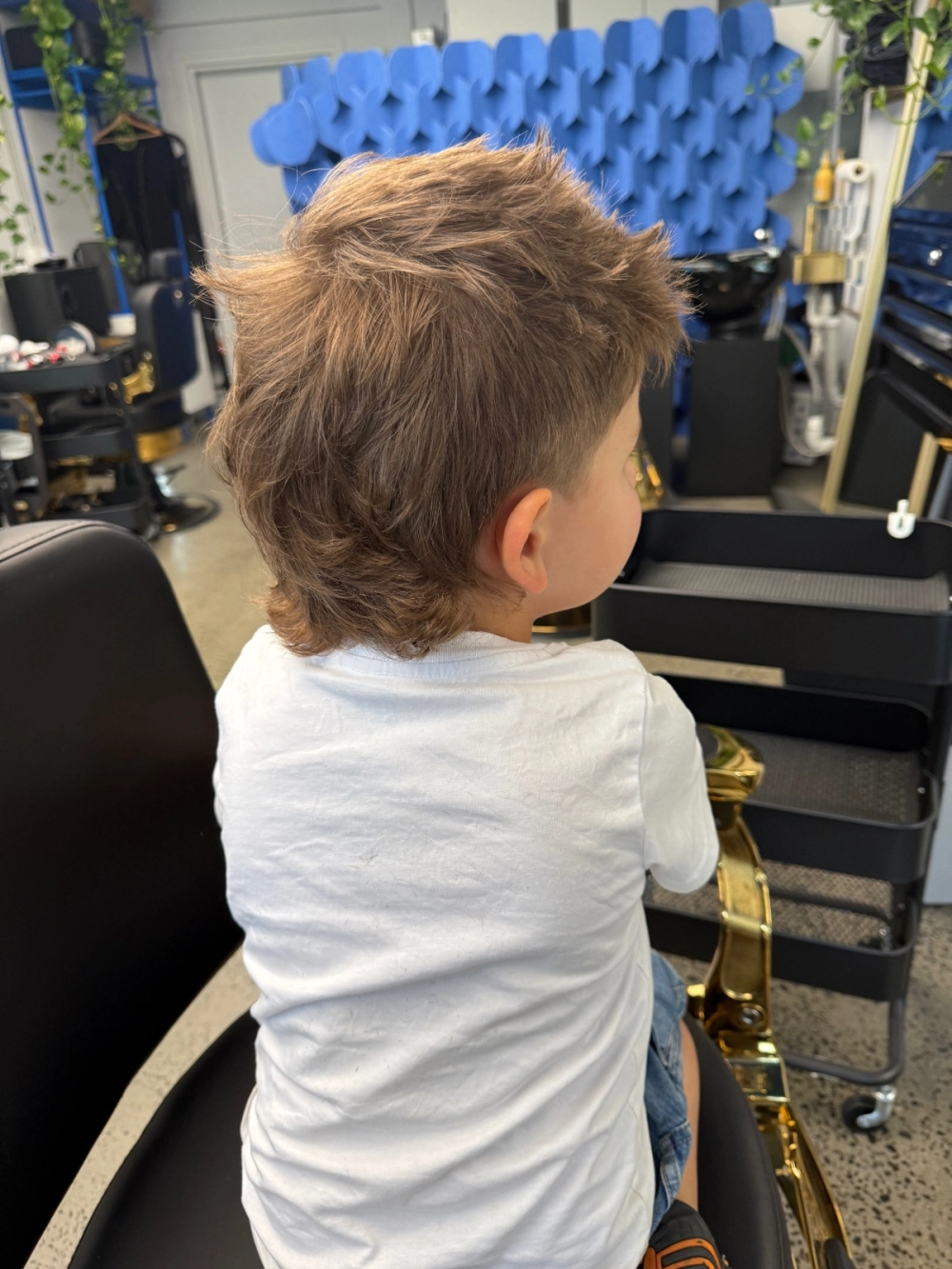
A layered mullet with wavy back starts with the right cut. The back is kept short at the nape, then the layers graduate longer through the crown, creating that signature mullet shape without the 80s excess. The top and sides stay shorter and textured, while the bangs are absent, letting the middle part pull the eye down the layers. The texture is wavy and medium-density, which gives the back movement without turning into a puff.
For winter, the longer layers work under a hat and come out with a shake. Upkeep is forgiving: the sides need a trim every four weeks, but the back can go six or seven before the shape wanders. The grow-out is manageable because the layering hides the awkward stage longer than a uniform length would. A bit of texturizing spray after washing is enough to reset the waves, no round brush required.
Short High Fade With Textured Top
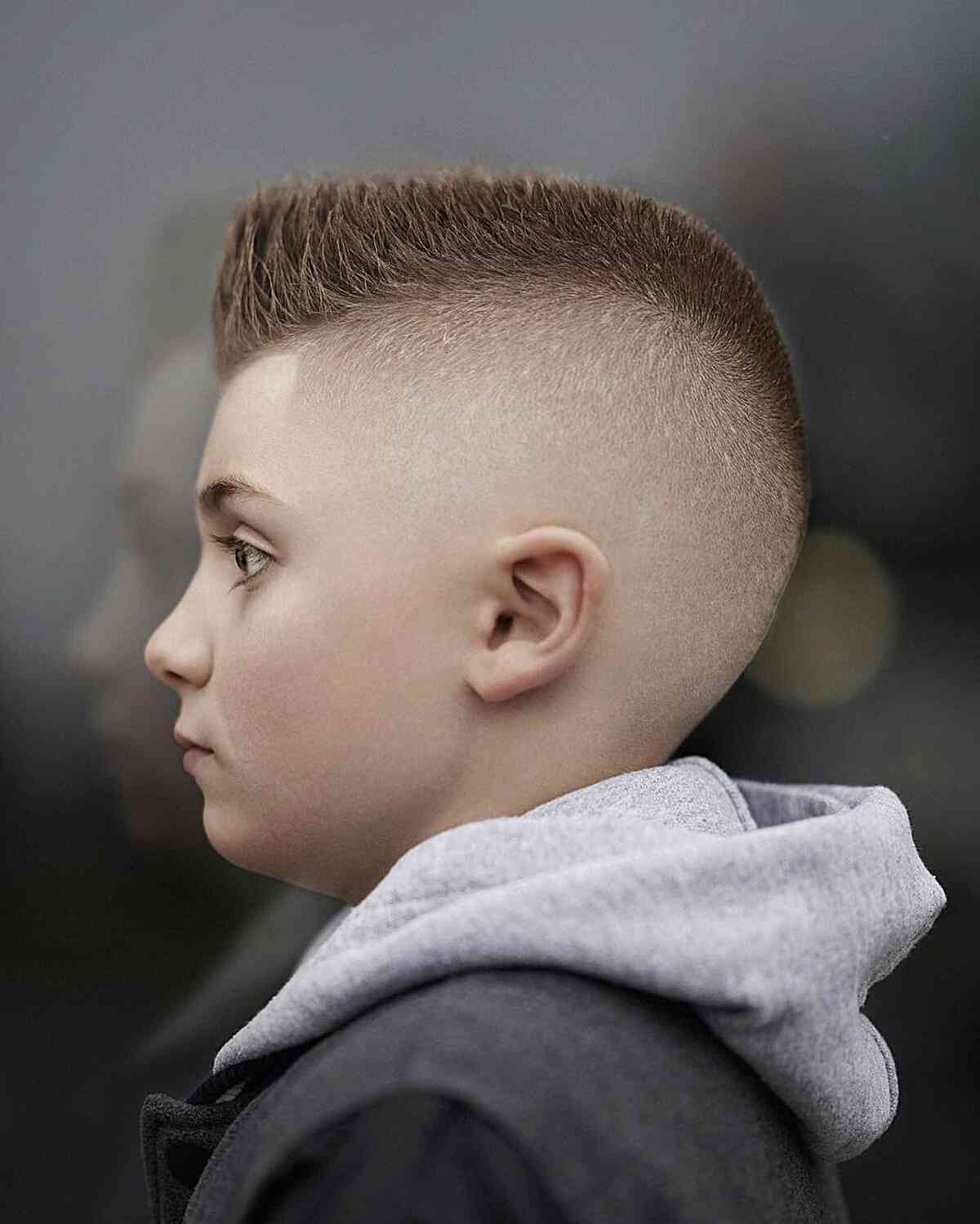
The difference between a standard fade and a high contrast fade is the difference between a suggestion and a statement. The high fade with textured top keeps the sides nearly bare while the layered top stands up straight and thick. No bangs here, just a slicked back crown. It’s bolder than a taper fade, and it demands a salon visit — this is not a bathroom mirror job. The high contrast fade needs a barber who understands sharp lines.
Short On Sides Medium On Top Taper Fade With Textured Fringe
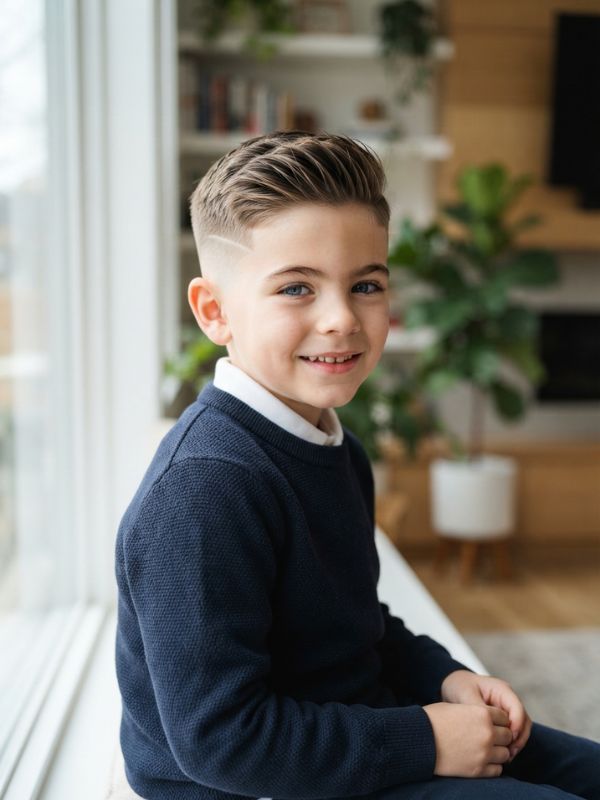
Is this taper fade with textured fringe for everyone? No. The short sides and medium layered top create width, so it flatters oval and square face shapes best. The textured fringe, swept to a side part, softens a strong jaw without hiding it. If your face is round or long, the volume on top can exaggerate the shape rather than balance it. The wavy, thick texture is ideal — fine hair might not hold the fringe forward or the layers might fall flat. The sharp fade line adds structure, but only if your barber knows how to blend it. It’s a specific match, but when it works, it works.
Taper Fade With Styled Up
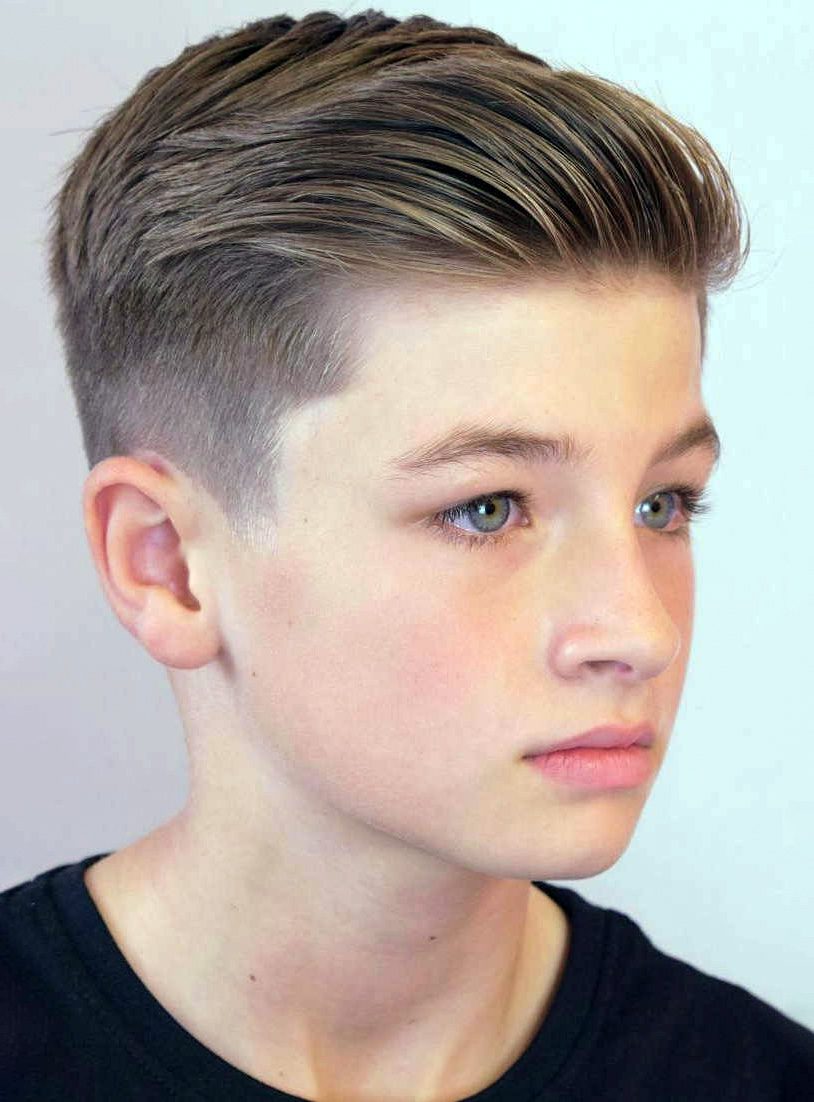
I once tried to style my thick, straight hair up and back with nothing but water. It did not go well. The taper fade styled up look needs a salon cut for the fade precision and enough top length. For the styled up top, a medium-hold product on damp hair, blow-dried back, does the job. Straight, thick texture holds the shape once cooled. No bangs. The fade needs a trim every three weeks. This is not a DIY cut, but daily styling is quick.
Classic Side Part With Smooth Finish
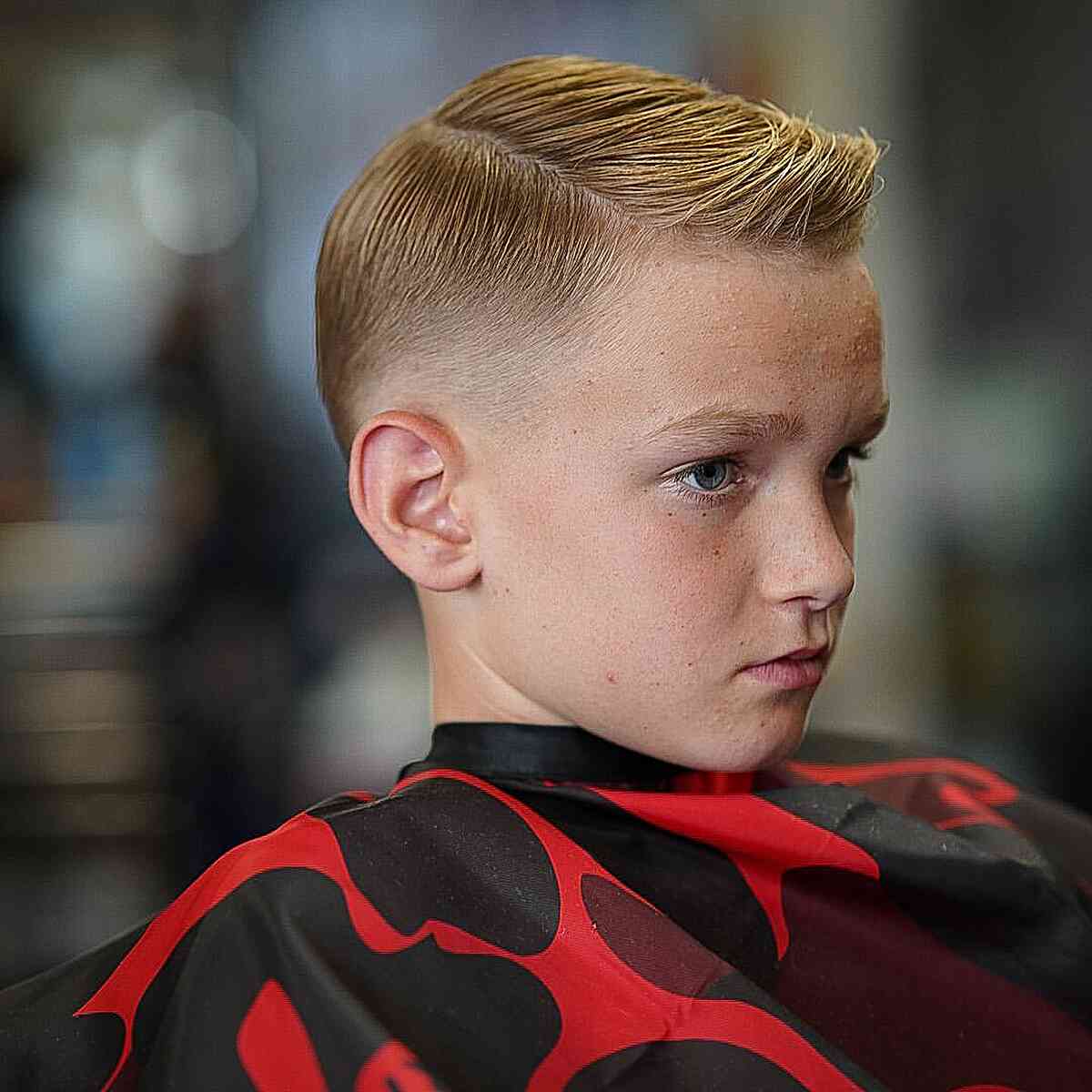
The difference between a classic side part haircut and a textured side sweep is all in the finish. The classic version uses a clean, sharp part and a smooth, slicked side — no piecey ends, no visible layers. For straight, fine hair, this cut reads as polished and intentional. The fade underneath keeps the sides tight, and the longer top is combed over with a pomade for that wet-look shine. No bangs, just a clean forehead.
But here is the wear and upkeep reality. That smooth finish does not survive humidity or a hat. By midday, the part softens and the top starts to separate. The fade needs a trim every three weeks to keep the line crisp. Compared to a textured approach, which hides imperfections, the classic side part demands precision. I pick the classic for occasions, not for daily wear. It is a commitment.
Light Brown Fade With Textured Top
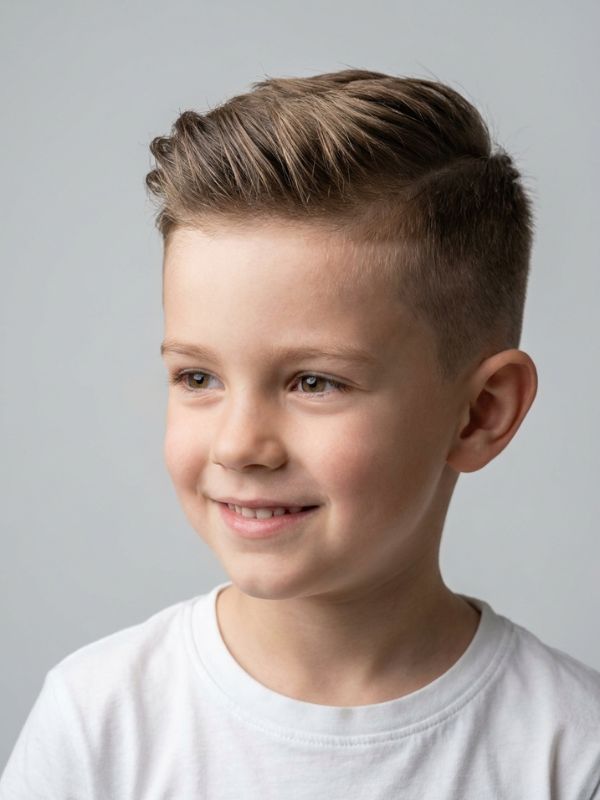
The fade with swept over top promises effortless texture, but on fine, straight hair, the layers struggle to hold. The light brown fade with textured top cuts the sides close, leaves no bangs, and sweeps the top across. The layers are subtle, which is the honest downside: by noon the texture flattens into a plain side-swept shape. A matte paste revives the lift, but a true wash-and-wear textured cut this is not. It requires daily attention to earn its name.
Fade With Geometric Lines
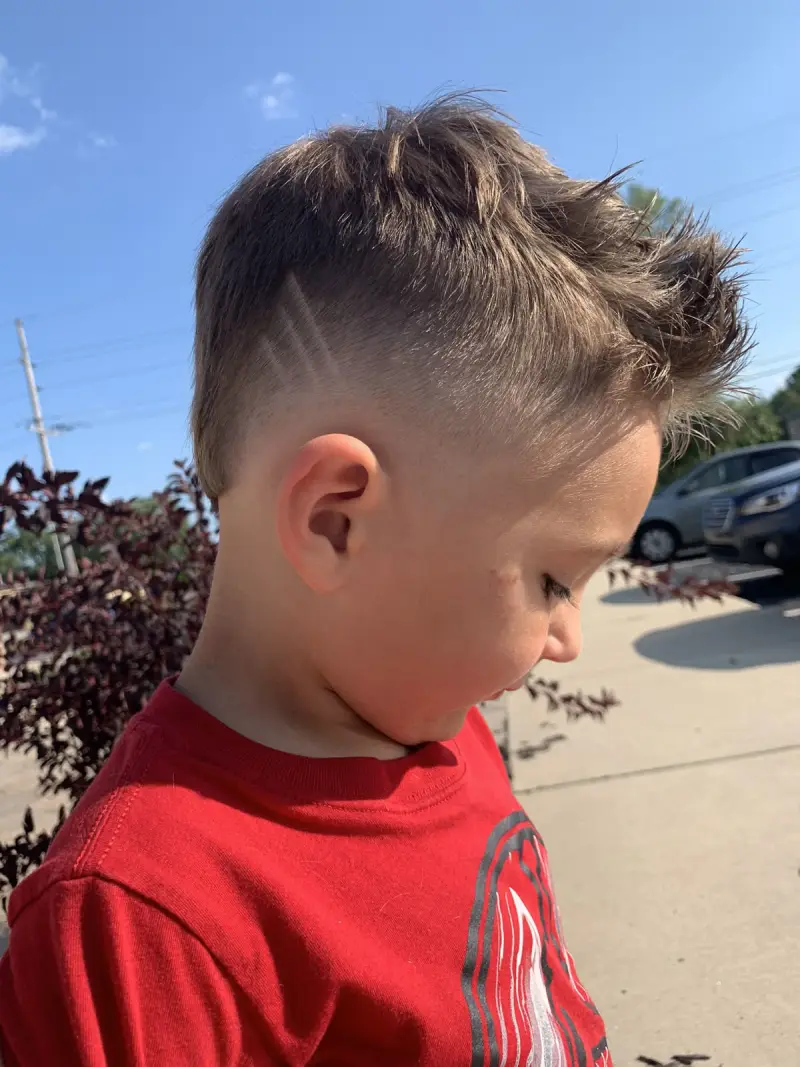
The clipper follows a straight edge along the temple, pauses, then traces back exactly parallel. This is not a haircut for a rushed morning. A fade haircut with geometric lines demands a steady hand and a clean blade, which is why you book a barber who treats clipper work like drafting. The textured top stays long enough to spike with a light product, while the sides fade from skin to a shadow. The geometric lines themselves are shaved into the fade, sharp and precise, no softening allowed. The occasion is a Friday night out or a Saturday that shows intention. This is not a DIY project; the angle of the lines and the transition of the fade require a second set of eyes and a mirror you cannot hold yourself.
- Short fade, skin to mid, with carved geometric lines
- Textured top, two to three inches, spiked forward
- No bangs, fringe is part of the top texture
- Straight, thick hair takes the spike best
- Ask your barber for a fade that starts above the ear and a line that follows the bone
When the geometry is right, the whole cut reads as intentional. When it is off by a millimeter, it reads as a mistake. That is the risk, and the reward.
Undercut With Swept Back Quiff
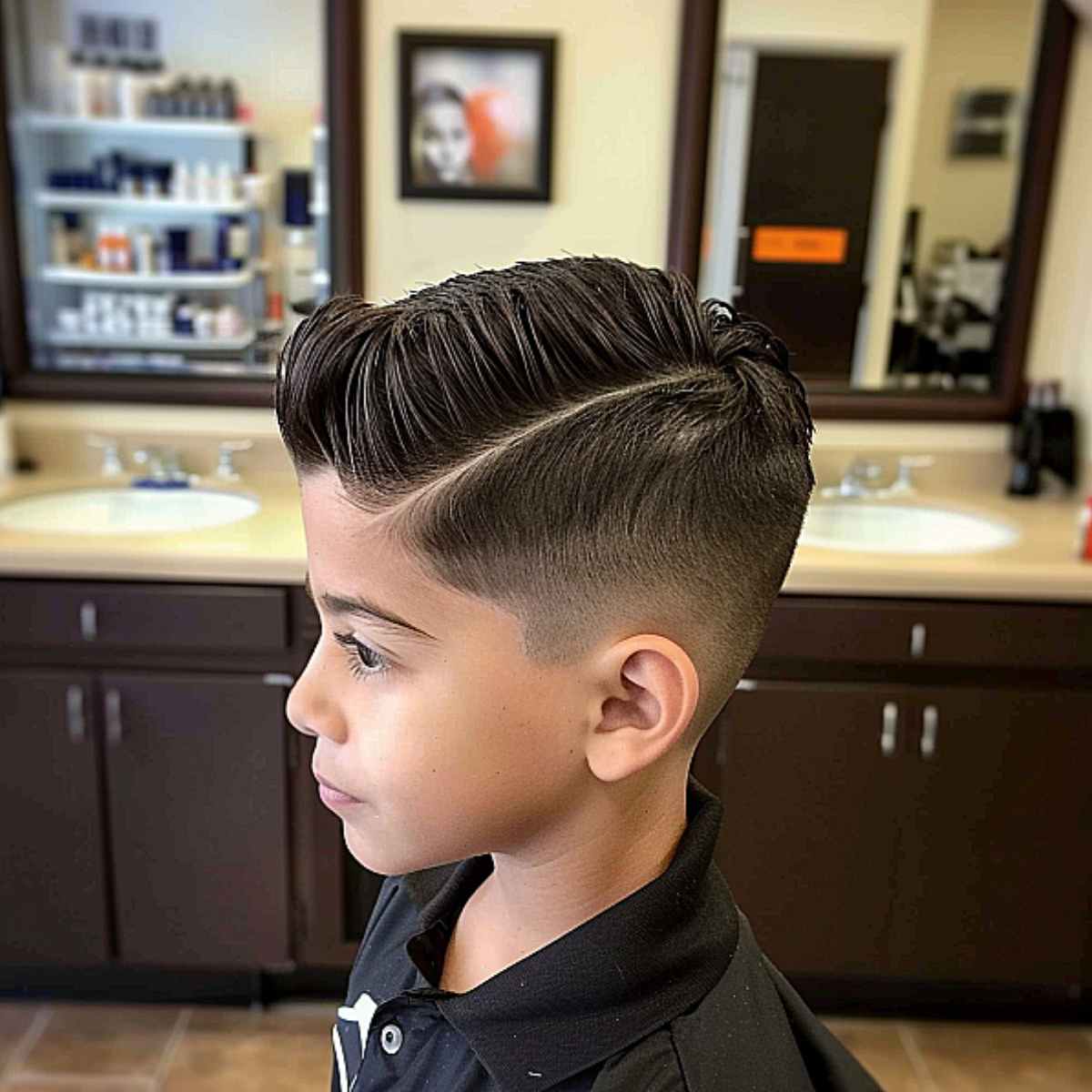
I will admit it: I spent ten minutes in front of a bathroom mirror trying to make a quiff sit without collapsing. The undercut with quiff is straightforward in concept — short sides, longer top, sweep it back and up — but my straight, thick hair wanted to part down the middle instead of holding the arc. No bangs, just the full length of the top pushed back. The swept back quiff works when the top has enough weight to stay put, and the undercut keeps the sides clean. I finally got it with a blast of cool air and a comb, but I still check it every half hour.
Final Thoughts
After 25 winter cuts, I came back to the guy in the chair next to me. He asked for nothing fancy. That’s the point. The best boy cuts are unremarkable until they move, and then they look deliberate without trying. I’m booking a textured crop with a blunt fringe next, mostly because my fine hair drops by 4 pm and a little weight at the ends buys me until dinner.