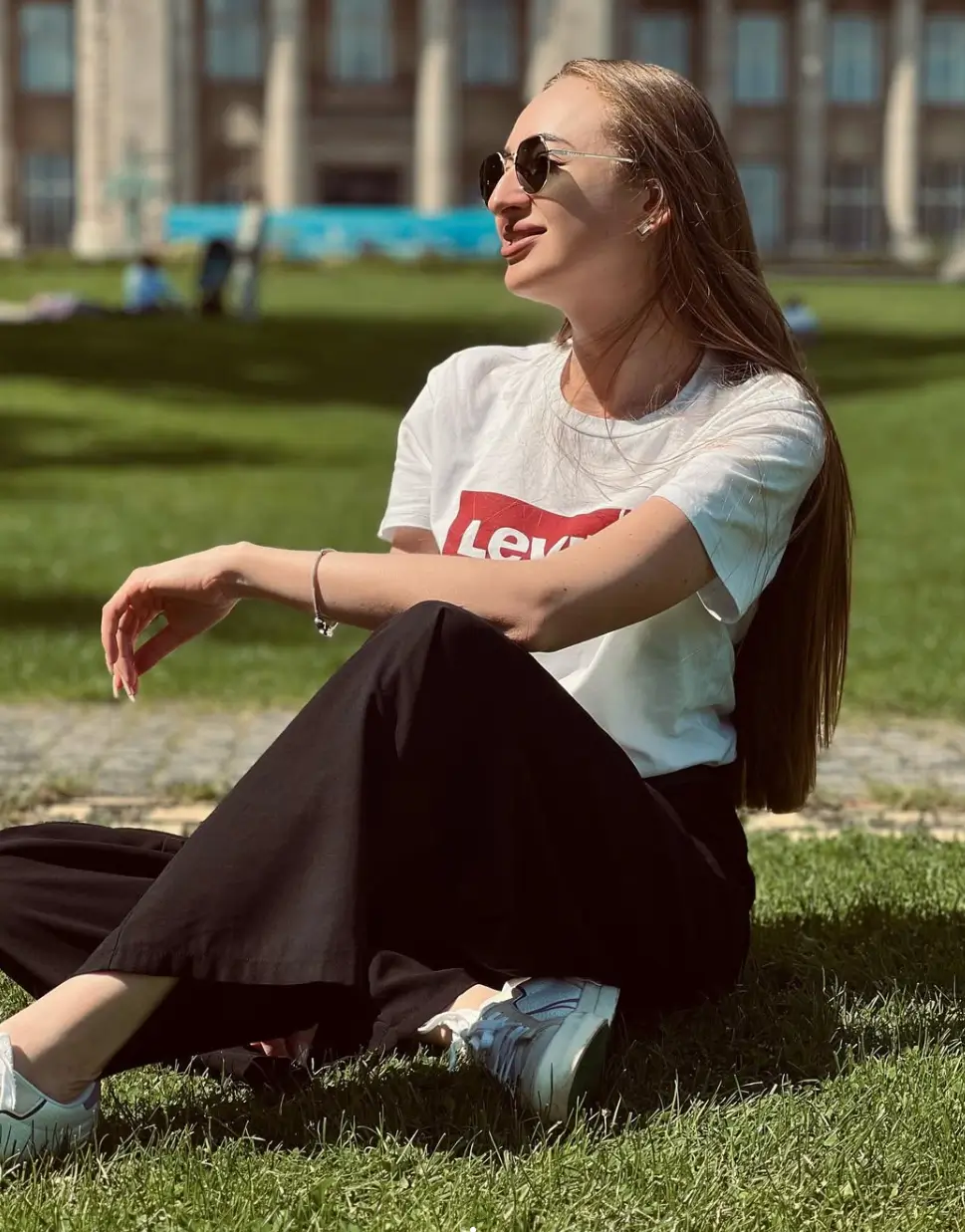

The woman next to me is getting her roots pulled darker, not lighter. That’s the shift I keep seeing: the old light-from-roots look is out, dark-on-top is in. I stopped calling it just grow-out once I saw how deliberate it looks. The darker root is the point, not an accident.
Here are 30 reverse balayage ideas, from a five-minute root shadow to a three-hour colour melt. I grew out a bleach job myself, roots showing by week five, and the fix was always more depth, not more blonde. Ash or warm, bangs or none, collarbone or mid-back. Fine hair holds if the tone stays cool.
Chin Length Bob With Ash Blonde Balayage
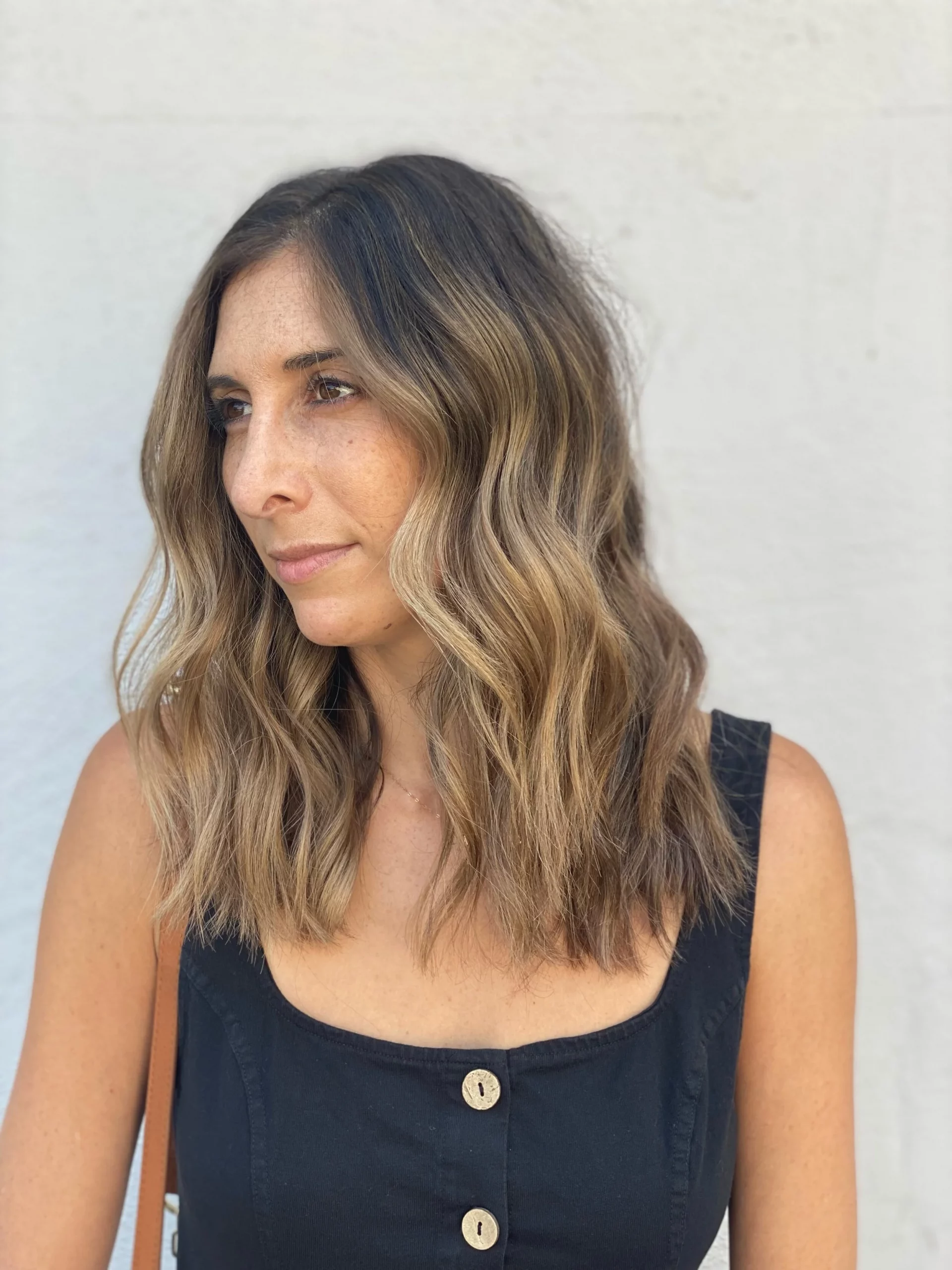
I am picking the bob over the lob for this colour. A chin length bob balayage makes the ash blonde balayage hit right at the jawline, where the contrast is sharpest. The straight, fine texture here holds the crisp line; a longer style would soften it into something less memorable. Side part, no bangs, clean finish. Short, yes. Severe, absolutely not.
Ash Blonde Base With Bright Blonde Balayage
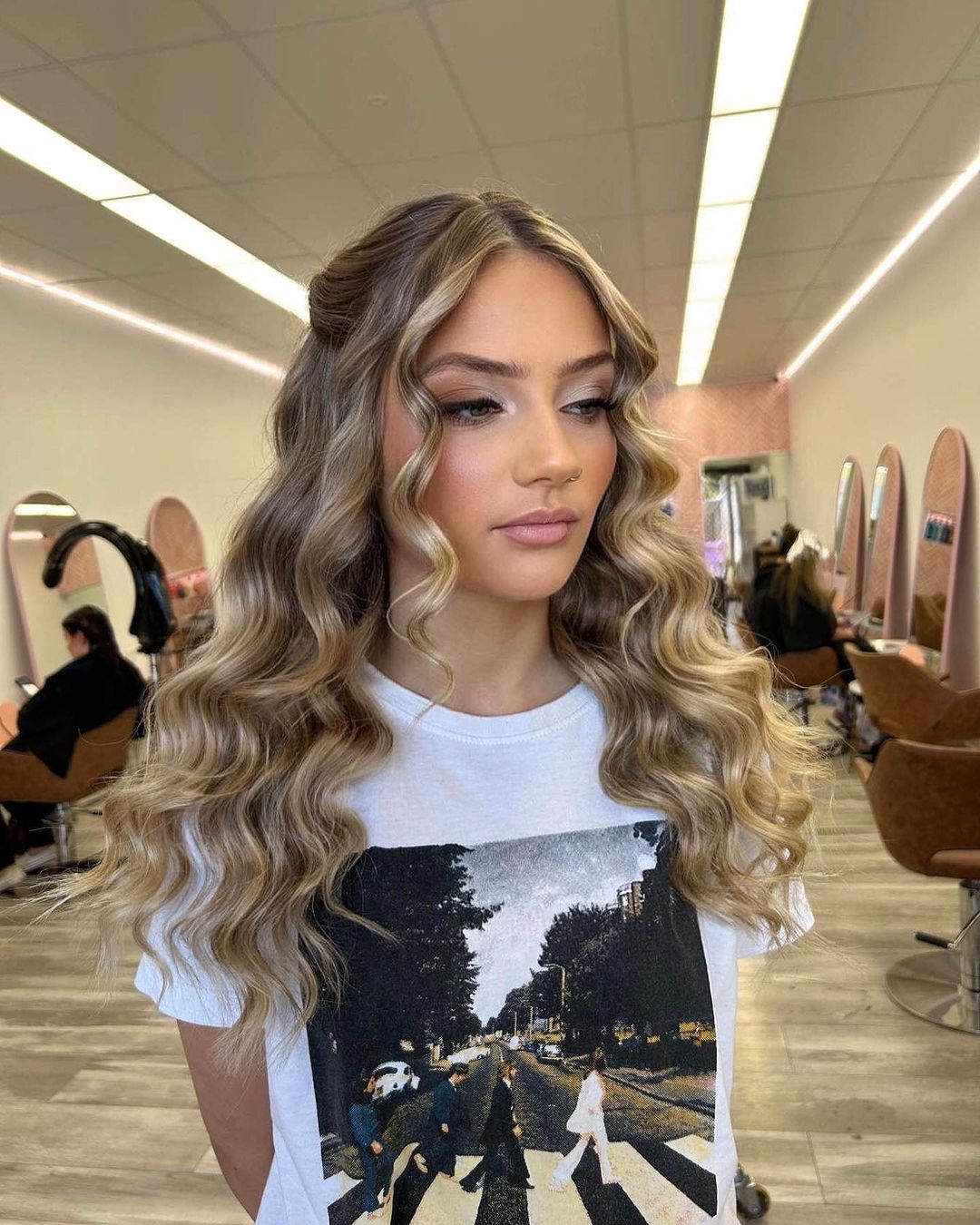
What happens when you put lighter pieces on an already light base? The reverse balayage technique answers: keep the ash blonde base at the roots and paint bright blonde from mid-lengths to ends. The tone shifts cool to warmer at the tips, which gives mid-back wavy layers a graduated depth. Curtain bangs catch some of that brightness around the face.
- Ask your stylist for a reverse balayage: dark roots, light ends, no hard line.
- Upkeep means a toner or purple shampoo every 6-8 weeks, longer if you let the warm tone settle.
- Styling with a half-up twist takes the flatness out of thick wavy hair.
The list is short because the maintenance is honest: the lighter pieces need attention to stay bright. The bangs need a daily hot tool. Worth it for the dimensional finish.
Dark Blonde Reverse Balayage
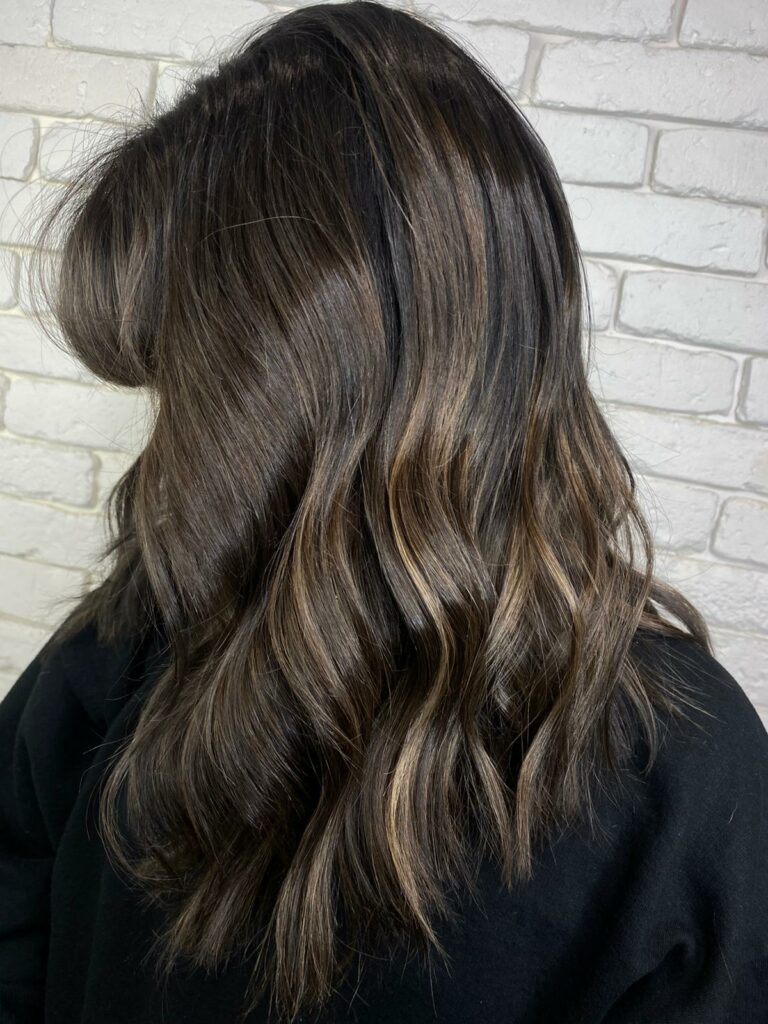
I will confess I assumed dark roots on dark blonde would look accidental. They do not. The dark blonde reverse balayage here uses a middle part and shoulder-length layers, wavy and thick, so the reverse balayage blends the darker roots into lighter ends without a visible line. The grow-out is the point; you can push a touch-up to ten weeks. Honest downside: the lighter ends might catch brassiness around week eight. Tone it or lean into the warmth. The texture hides any unevenness.
Angled Bob Ash Brown Base With Soft Blonde Balayage
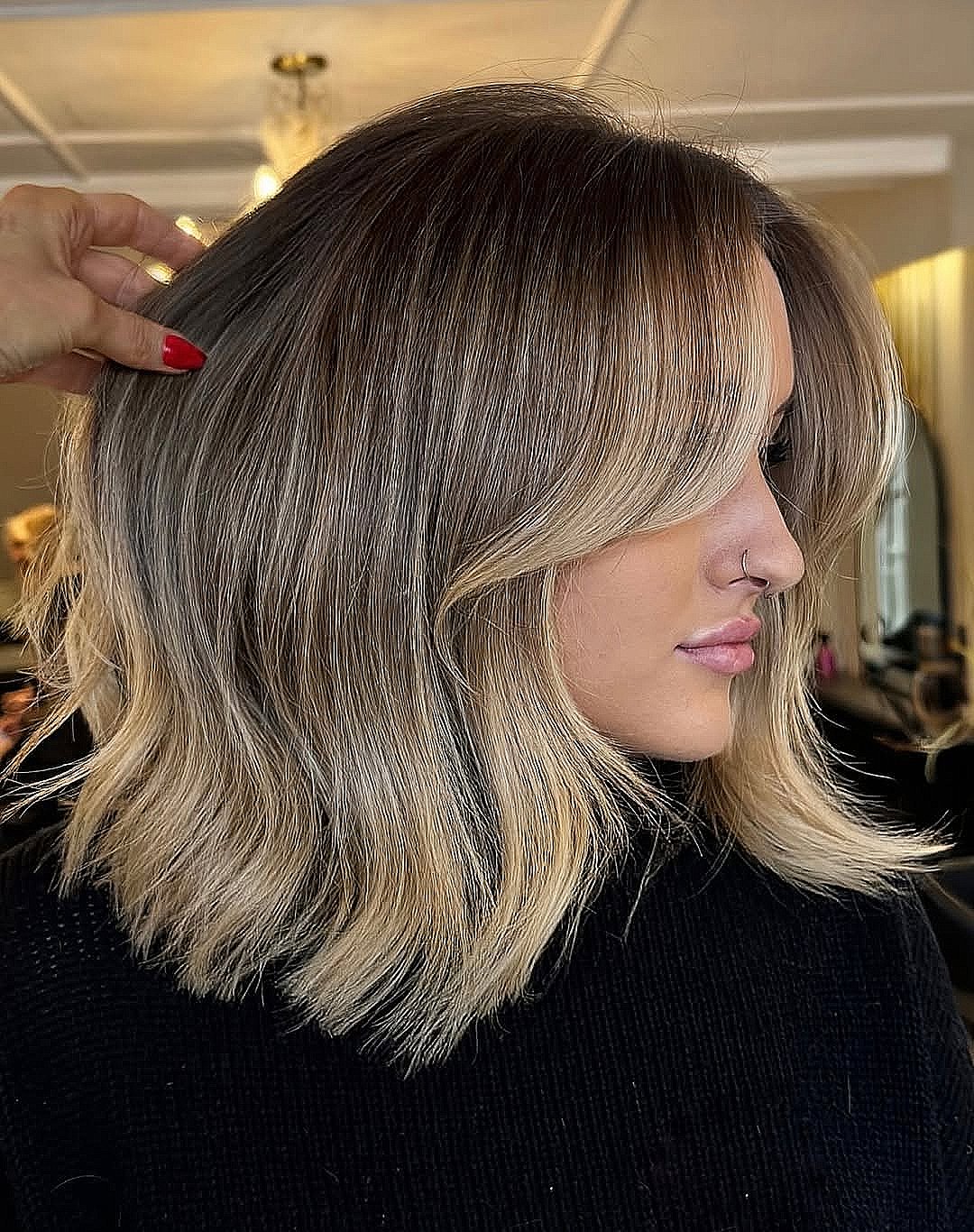
That angled bob does two things: it frames the jaw and lets the ash brown blonde balayage land right at the cheek. Straight, fine hair benefits from the angle creating volume at the ends. Side-swept bangs pull the look forward. The soft blonde balayage on an ash brown base reads neutral, not warm. Who should pass? Anyone who wants a longer length or does not want to style bangs daily.
Side Bangs Dark Brown With Subtle Ash Blonde Balayage
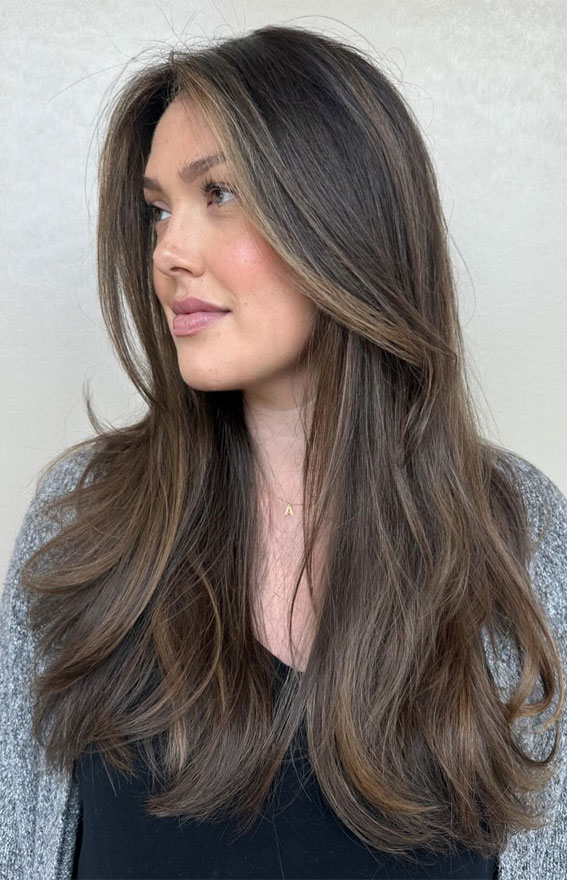
I will admit it: I have sat in the chair and asked for subtle, then watched the stylist reach for the lightest bleach on the rack. So when I say the dark brown subtle ash blonde here is actually subtle, I mean it. The base stays dark, and the subtle ash blonde balayage is painted in thin, spaced-out sections, so the blend is a whisper, not a shout. On shoulder-length layers with thick, straight texture, the side bangs catch just enough of the cool tone to soften the face without turning it silver. It is the colour equivalent of turning the volume down, and my roots showed at week five without looking like an accident.
Ash Blonde With Darker Roots
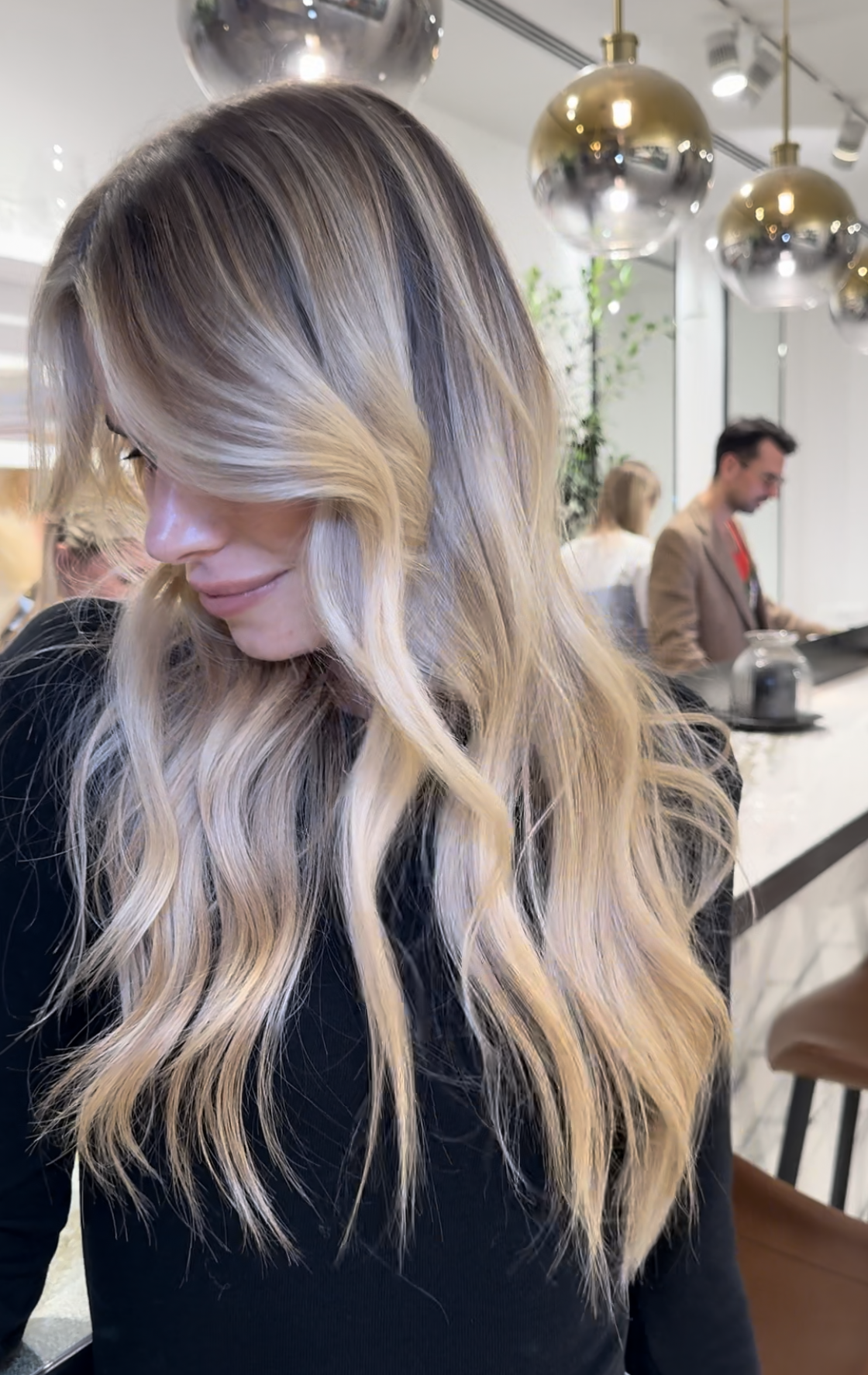
The gut reaction to ash blonde darker roots is usually relief, because finally, a blonde that does not need a root touch-up every three weeks. But here is the mistake: people try to get there by over-processing the ends, and the roots turn brassy while the lengths snap. The fix is a root shadow, painted on at the bowl, not a full bleach from scalp to tip. On a chin-length bob with fine, wavy texture, the curtain bangs frame the face while the darker roots blur the line between regrowth and colour. This is a salon job, not a bathroom-mirror project, and the payoff is a lived-in blonde that fades gracefully.
Ash Blonde With Platinum and Beige
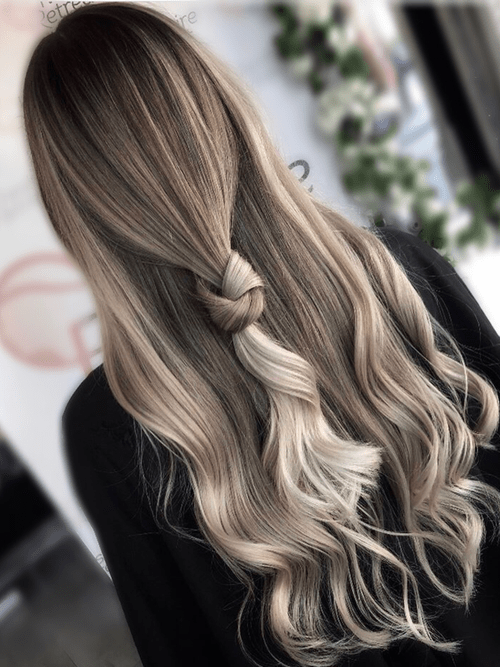
Starting with an ash blonde base and layering in platinum and beige tones is a balancing act. The contrast has to be precise: too much platinum and it reads silver, too much beige and it warms the whole thing into honey territory. This version hits the middle note.
- Mid-back length with long layers.
- Reverse balayage: platinum and beige painted over ash base.
- Fine to medium density straight and wavy texture.
- Braided knot detail that takes about thirty minutes.
- Ask for a soft fade between tones, no visible line.
Upkeep means a salon visit every six to eight weeks for toning and a trim at ten. The cool tones fight yellow, but only if you stay on schedule. The braided knot hides the length, but the color does the work.
Ash Blonde With Lighter Highlights
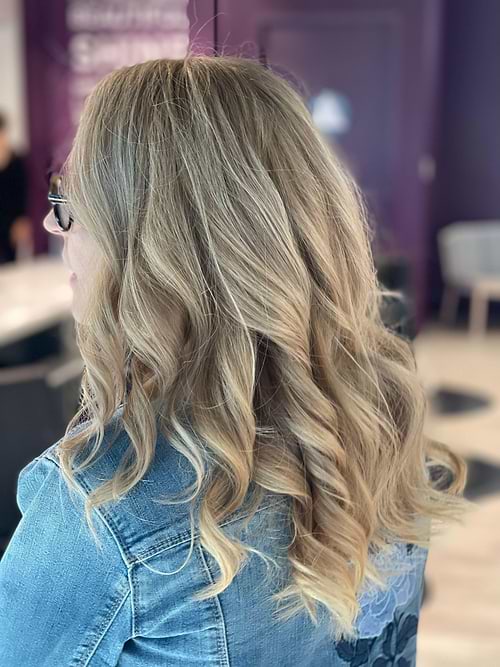
Who can actually wear ash blonde and not look washed out? More people than you think. This version uses an ash blonde base with lighter blonde highlights woven through the midshaft and ends. The layers hit mid-back, the wave is loose, the contrast is soft. The lighter blonde highlights stay subtle enough to avoid the stripe effect.
It flatters anyone with fair to medium warm or neutral skin because the ash base cancels brass while the lighter pieces add dimension. The tone reads cool but not sterile. If your natural base is anywhere from dark blonde to medium brown, this fades gracefully. No harsh grow-out line, just a softer blonde every week.
Dark Brown With Vibrant Highlights
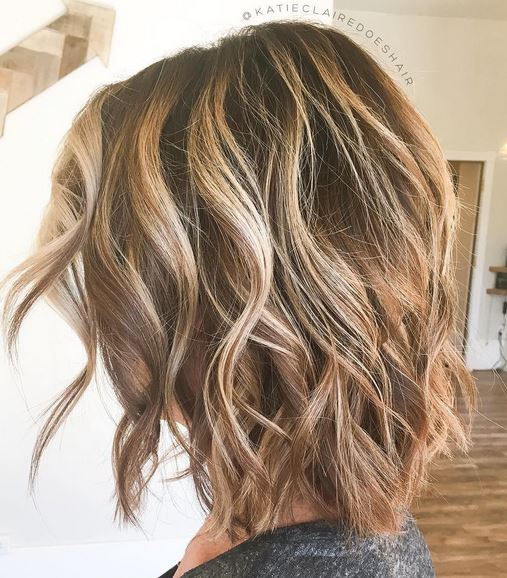
This is the one if you want people to notice your hair. The dark brown blonde caramel base with blonde and caramel highlights is a vibrant contrast that reads bold, not subtle. Classic balayage blends everything together. Reverse balayage keeps the root dark and the ends light, so the contrast stays sharp. On a chin-length angled bob with side-swept bangs and wavy texture, the colour lands like a statement. The technique is all salon, no bathroom mirror.
Collarbone Dark Blonde With Subtle Balayage
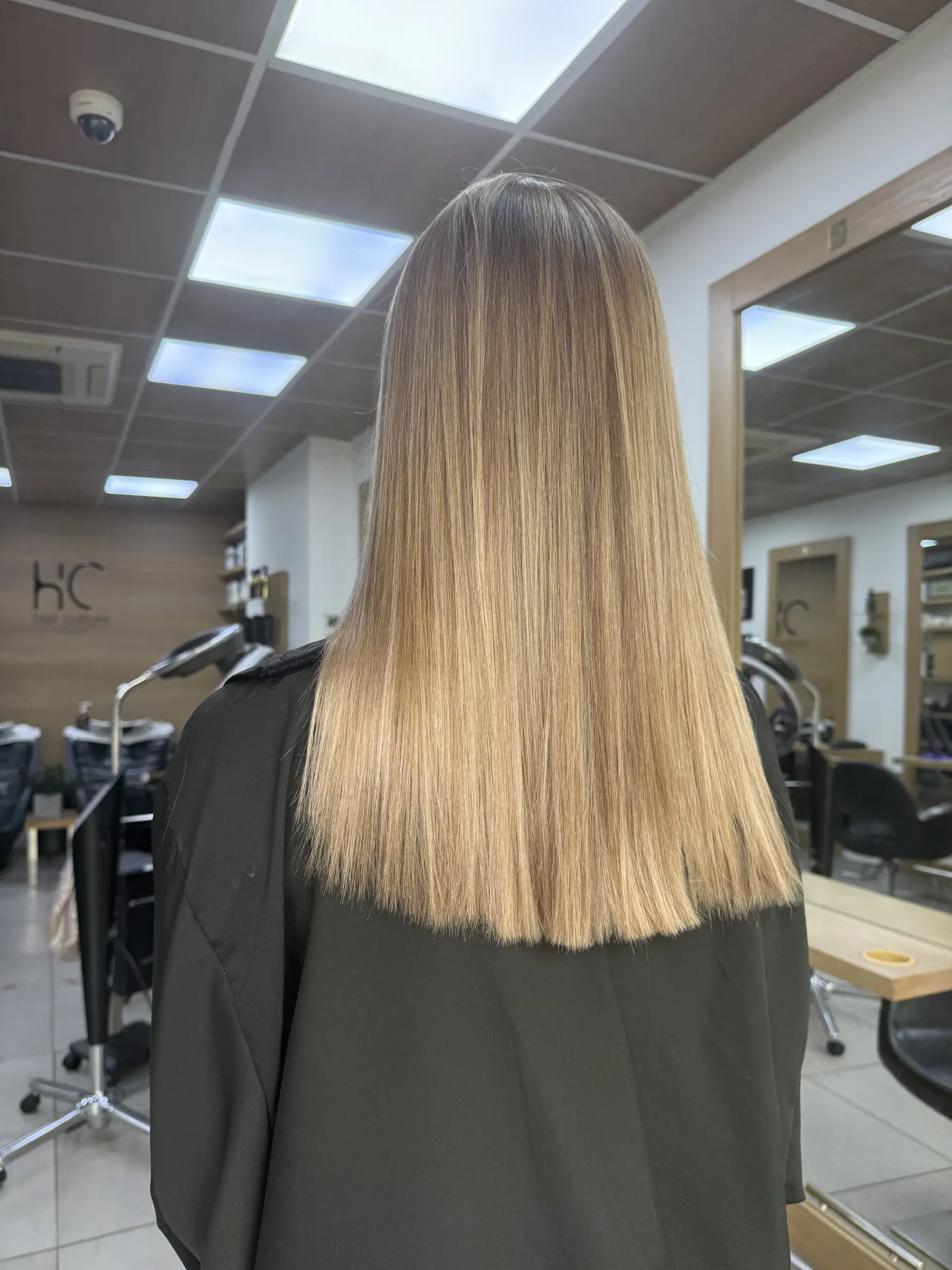
It air-dried on Monday and still looked intentional by Thursday. That’s the wear reality of a dark blonde subtle balayage on a collarbone straight cut. The lighter blonde balayage is so subtle that grow-out is barely a thing. You can push touch-ups to ten weeks. The honest downside: fine, straight texture can go flat by afternoon. A dry shampoo at the roots fixes it. No bangs, middle part, air-dried finish. The technique is reverse balayage painted low on the lengths, so the root stays dark and the ends catch the light.
Ash Blonde With Blonde and Brown Balayage
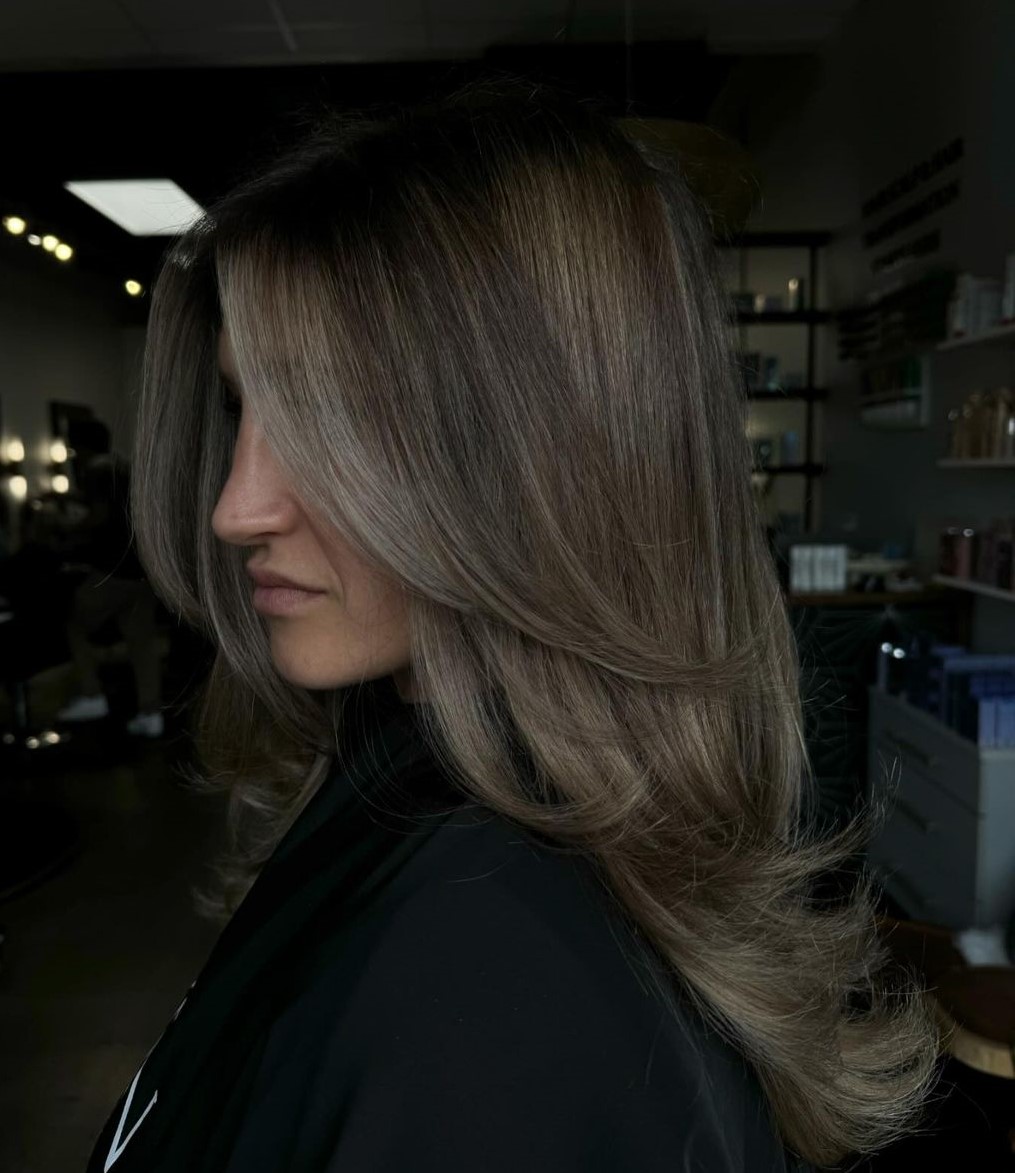
I once asked for an ash blonde and ended up with a flat, one-note mess. This is the opposite. The ash blonde blonde brown base with darker blonde and light brown balayage creates a rich blend that moves. On long layers and thick, wavy texture, the loose curls catch every tone.
The technique is reverse balayage applied in sections: darker tones near the root, lighter at the ends. The ash base keeps it cool, the brown adds depth. It’s a salon-only job because the multi-tonal blend needs a skilled hand. Three hours in the chair, but worth it for hair that doesn’t look painted.
Root Shadow Ash Blonde Balayage
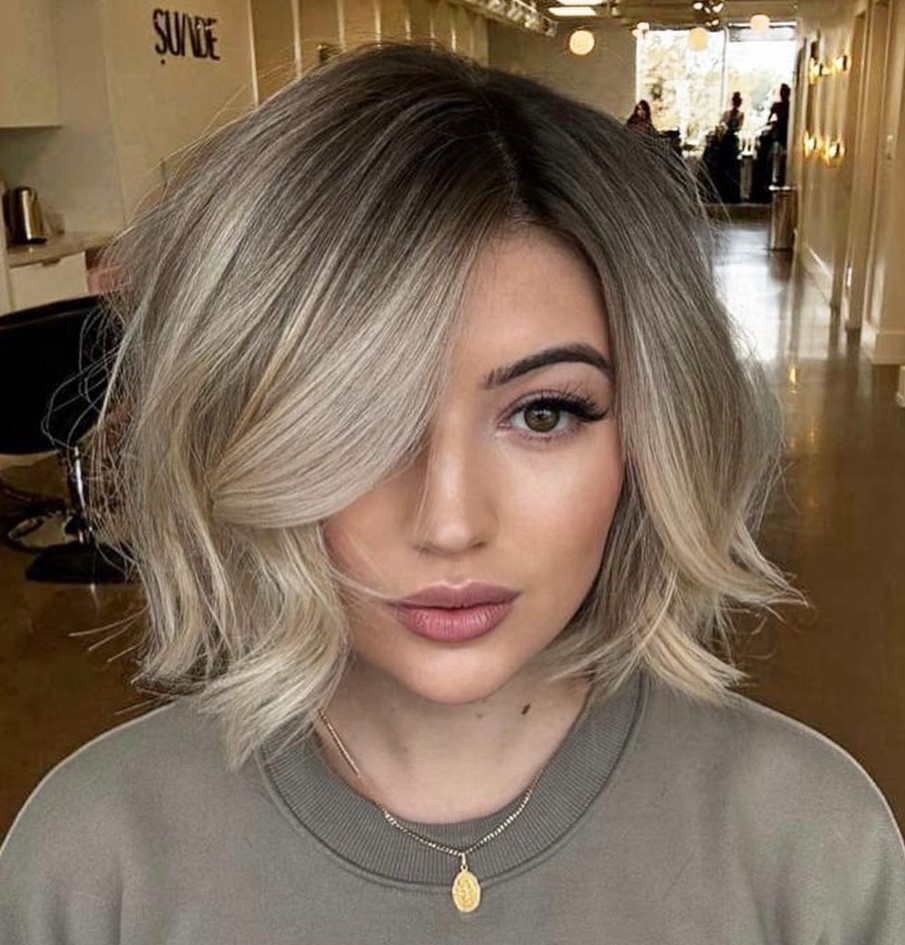
Ever wonder how some people go eight weeks between colour appointments? The root shadow ash blonde balayage is the answer. A dark root shadow is painted at the base, then ash blonde balayage is swept through the mid-lengths and ends. The technique blurs the grow-out line so you never get that harsh stripe. On a chin-length bob with side-swept bangs and wavy blowout, the transition looks intentional. The tone is cool, the texture medium. No harsh line, just soft depth.
Mid-Back Ash Blonde With Lighter Highlights
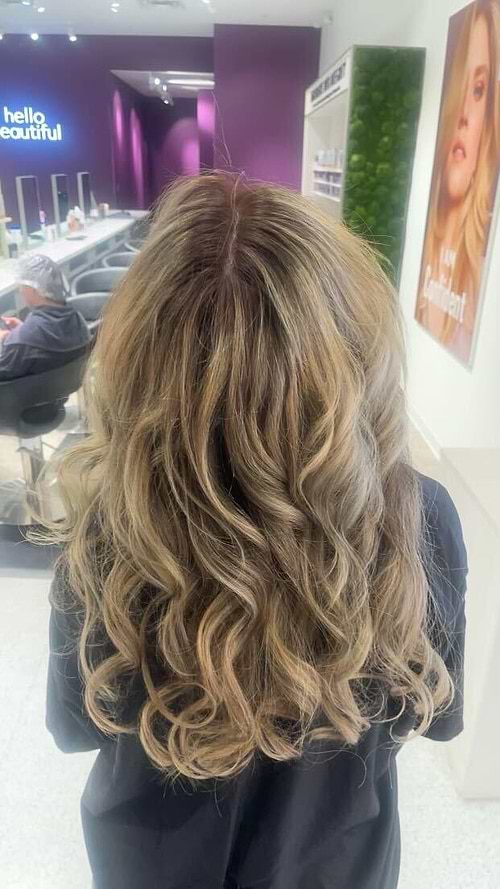
Those delicate lighter blonde highlights are practically whispering against the ash base. The reverse balayage technique places the lightest pieces mid-length and beyond, so the roots stay darker and the grow-out just melts away. It is subtle in a way that a stripe of foiled highlights never is, and that quiet contrast is what makes it last through a real week without looking brassy or faded.
The loose curls hold shape for about two days before they soften into a lived-in wave. My own set of ash blonde lighter highlights needed a toner refresh every eight weeks, not the usual six. A trim every ten weeks keeps the mid-back length from splitting. The texture is medium density and wavy, so the lighter strands catch light without needing product. If you want drama, look elsewhere. This is the colour that lets you forget about it until the next appointment.
Dark Brown With Caramel and Ash Blonde
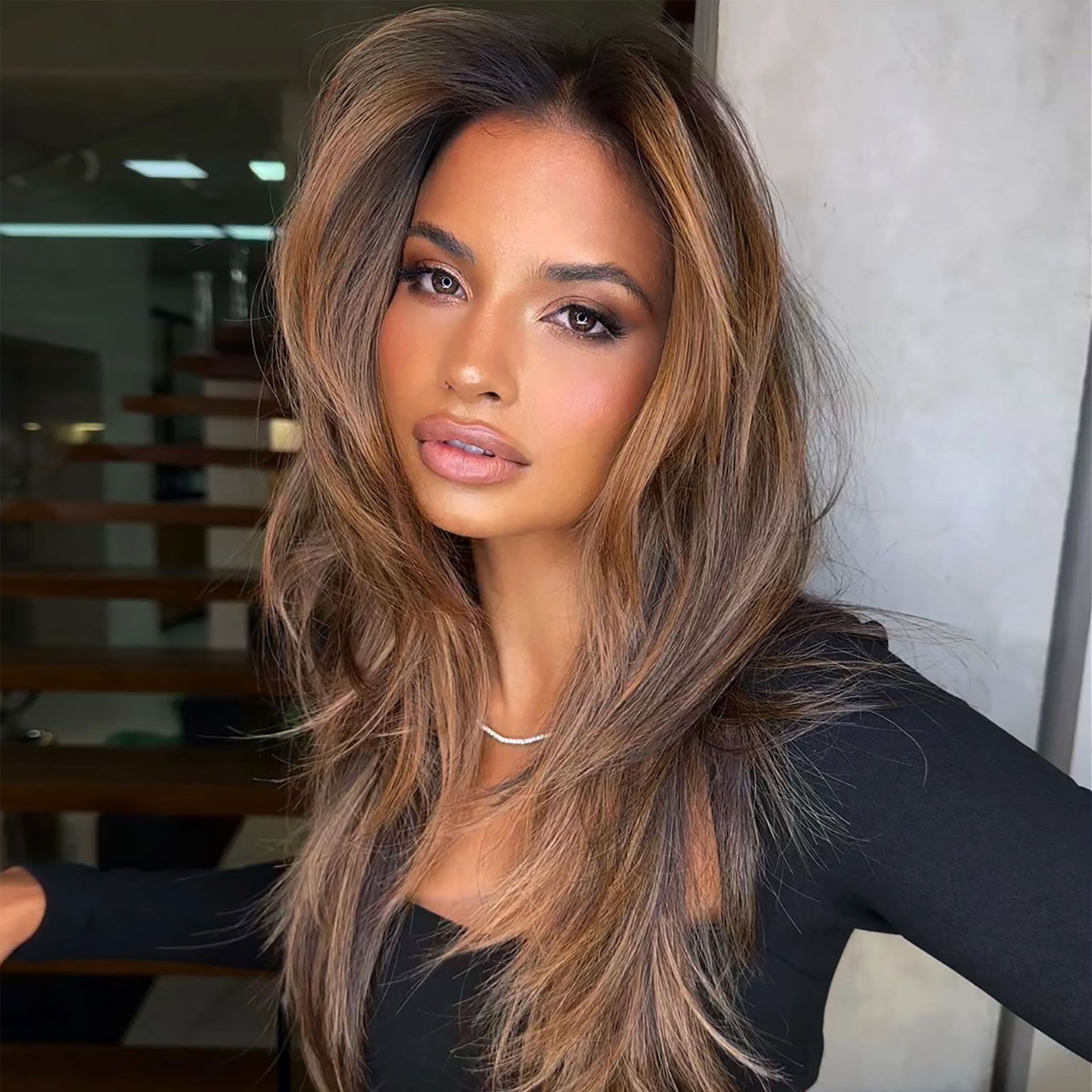
A dark brown base with caramel and ash blonde highlights is a tricky balancing act, but when it lands right, it flattens most warm and cool skin tones simultaneously. The reverse balayage technique lets the caramel melt into the dark base while the ash pieces stay separate, giving dimension without muddying. It is a salon-only job, and you need a stylist who understands how warm and cool interact.
- Length: mid-back with layers
- Technique: reverse balayage on thick, wavy texture
- Tone: warm caramel and cool ash, multi-tonal
- Styling: a blowout with loose waves, about 25 minutes
- Ask your stylist: keep the face-framing layers light with caramel
The curtain bangs need a quick blow-dry every morning, but the multi-tonal effect softens a square or angular jawline. If your hair is fine or straight, the contrast can look flat instead of dimensional, so thick or wavy hair gets the best version.
Ash Blonde With Platinum Face-Framing
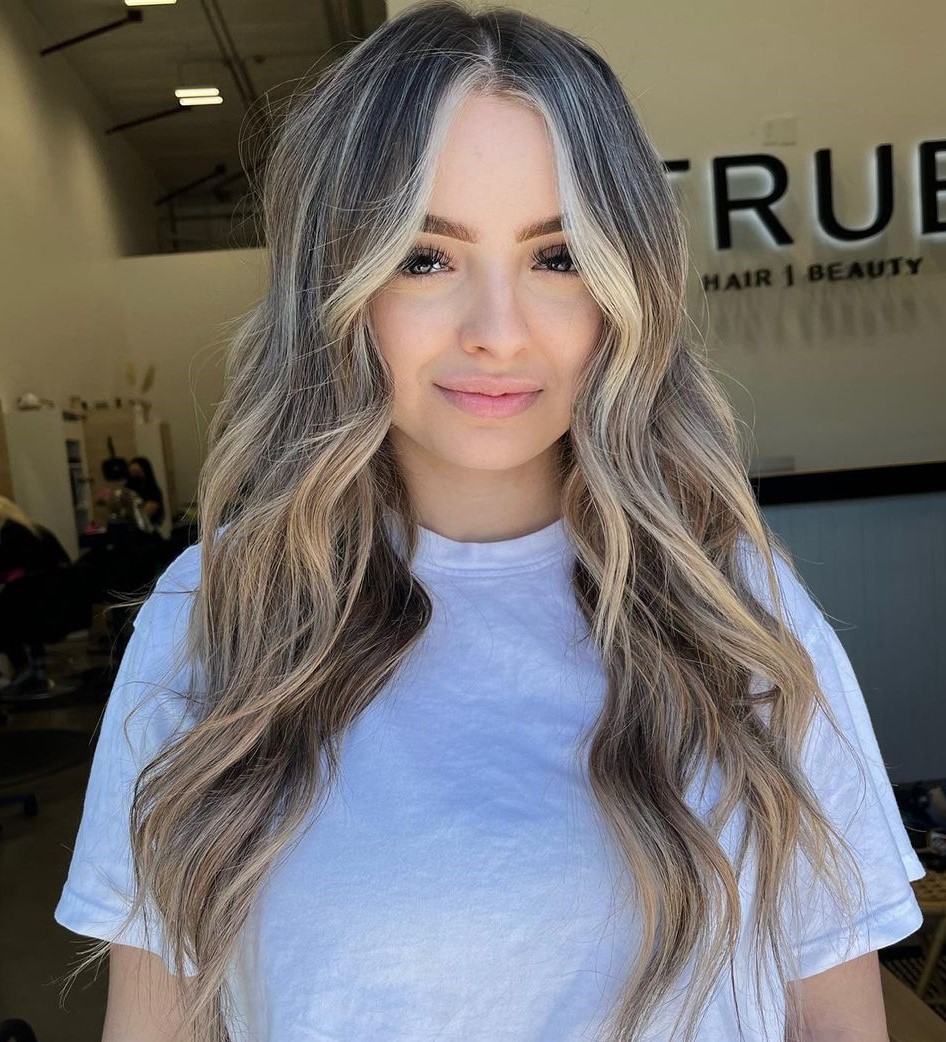
I confess I underestimated how much daily effort those platinum blonde face-framing pieces demand. The ash blonde base is low-maintenance, but the bright strands around your face show every bit of toner fade within four weeks. The reverse balayage places the platinum mids to ends, so the roots stay soft, but the face-framing sections still need a toner every six weeks.
- Length: shoulder length with long layers
- Technique: reverse balayage on wavy, medium density hair
- Tone: ash blonde base with platinum and beige highlights
- Styling: loose waves for face-framing pieces, 20 minutes
- Ask your stylist: keep the platinum pieces fine and blended
The honest downside is that these pieces catch product buildup quickly and need a clarifying shampoo weekly. If you cannot commit to that, skip the platinum and stick to the ash base alone.
Mid-Back Dark Blonde Reverse Balayage
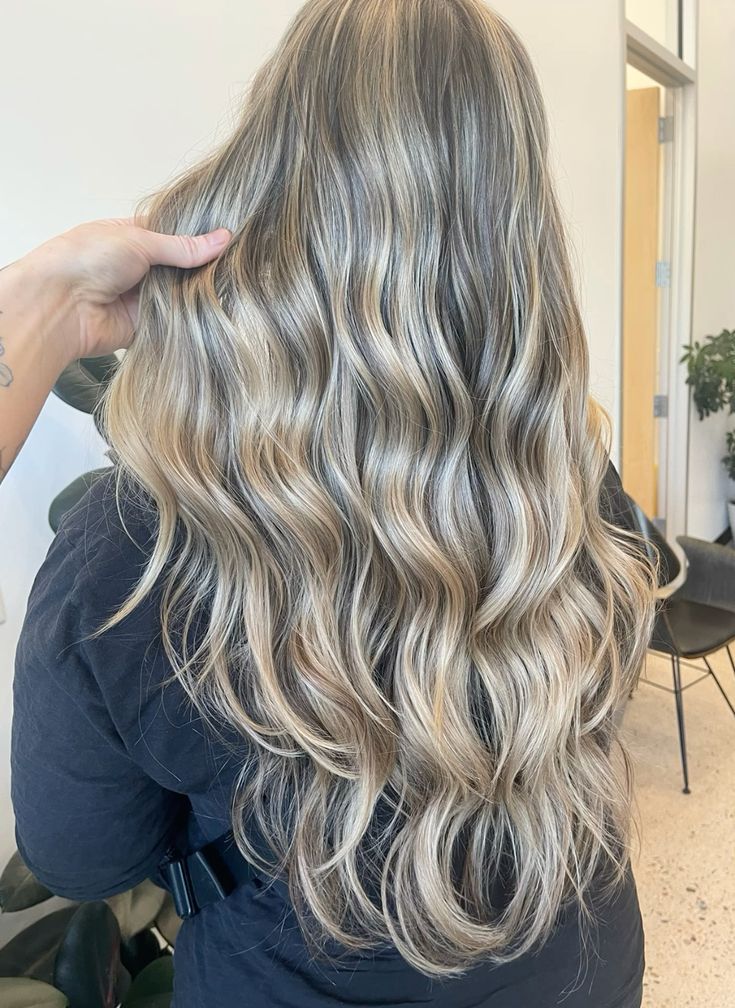
What makes a reverse balayage different from the classic version? The technique starts with a darker base and paints lighter pieces only on the mid-lengths and ends, skipping the roots entirely. Traditional balayage often lightens the mids and tips, but reverse balayage keeps the top darker, so the grow-out is a soft blend rather than a harsh line. The dark blonde base here is a warm neutral, with lighter blonde pieces that feather outward from about ear level.
For styling, I start with a heat protectant and a medium round brush, blow-drying the sections away from my face to show the lighter strands. Then I wrap a one-inch curling iron around random sections for about ten seconds each. The final wave is loose and uneven, exactly right for thick, wavy textures. The reverse placement means I do not need to touch up the roots for twelve weeks, but a gloss at eight weeks keeps the mid-lengths from going brassy.
Medium Brown With Warm Blonde Balayage
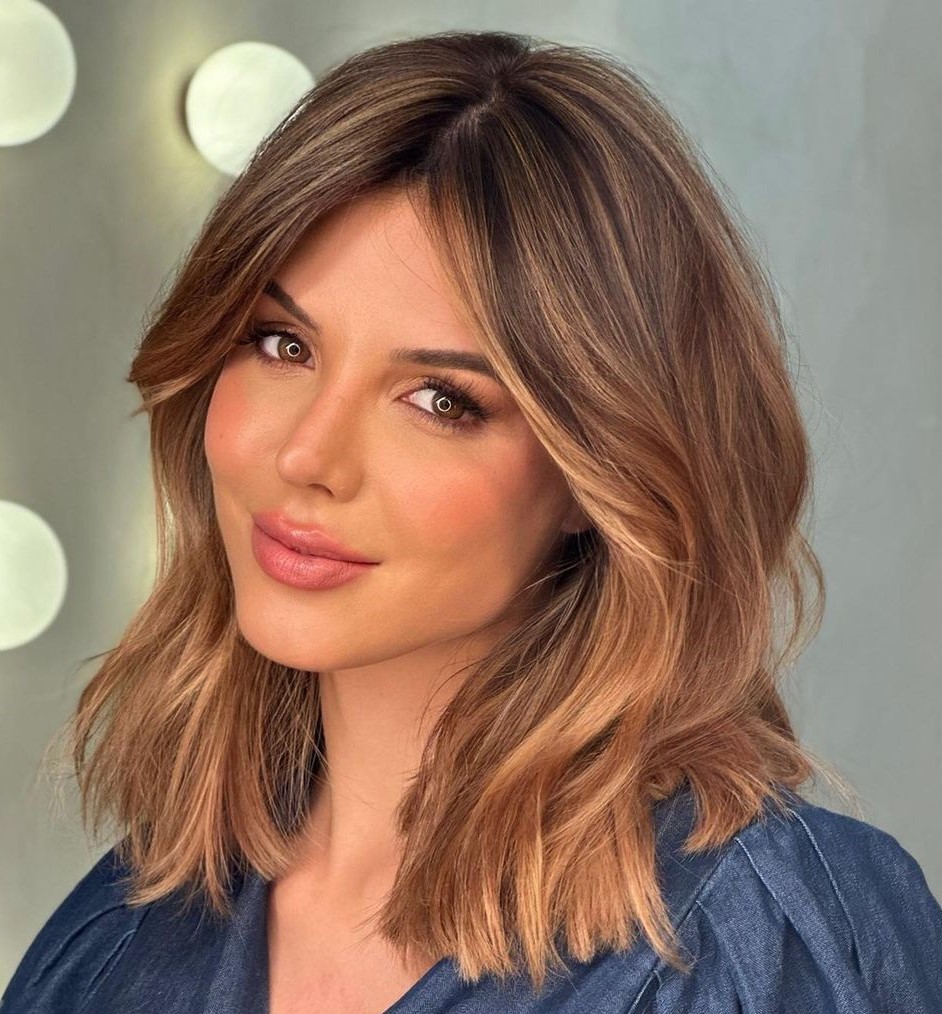
A medium brown base with warm blonde balayage is the colour that starts glowing in late July and eases right into October without looking dated. The reverse balayage keeps the top darker, so the warmth concentrates around the collarbone curtain bangs and the ends, catching the late summer sun. It is a seamless blend that does not scream “highlight” because the warm blonde sits just a shade or two above the brown.
- Length: collarbone with layers and curtain bangs
- Technique: reverse balayage on thick, wavy hair
- Tone: warm blonde against medium brown, no cool tones
- Styling: a wavy blowout, about 20 minutes
- Ask your stylist: keep the warm blonde out of the root zone
The curtain bangs will need a quick round brush pass each morning, but the colour itself does not fight you. It transitions naturally into autumn because the warm tone reads as bronzy against the brown, not brassy.
Ash Blonde With Darker Roots Fine Hair
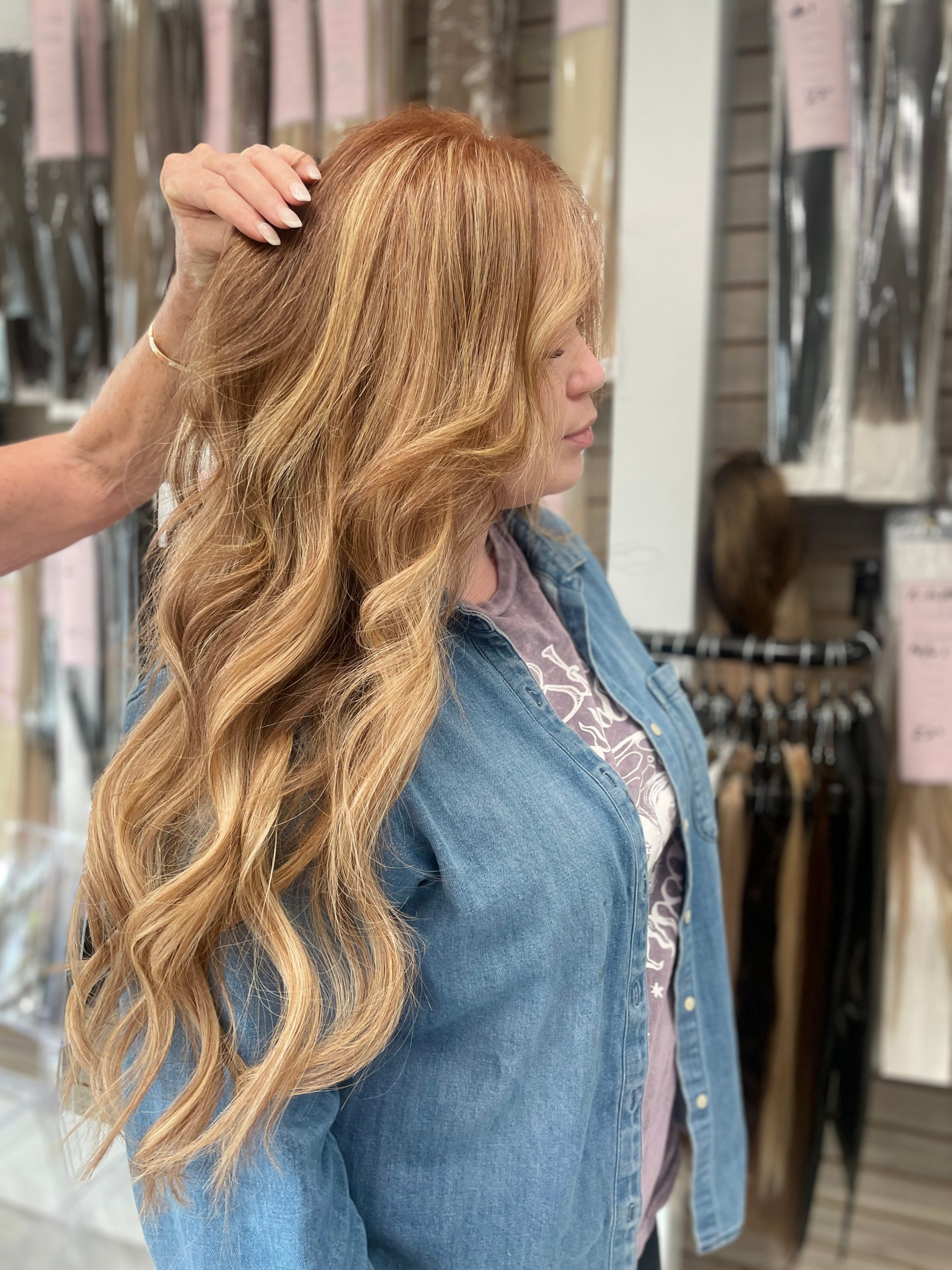
This is the rare colour that actually makes fine hair look thicker. The ash blonde darker roots fine formula keeps a cool, airy blonde on the ends while saturating the top half with a deeper, mushroom-toned brown. Long layers and a middle part let the subtle highlights sit high enough to catch light without revealing scalp. Blowout waves add volume that holds past noon, which never happens with my hair.
The trick is the root shadow. It gives the illusion of density at the crown, so fine textures don’t look stringy by hour three. Side parts flatten the root, but a middle part with soft waves keeps lift. Ask your stylist for a reverse balayage that darkens the base gradually, no hard line. That way the grow-out stays soft for weeks.
Layers Dark Brown With Ash Blonde Highlights
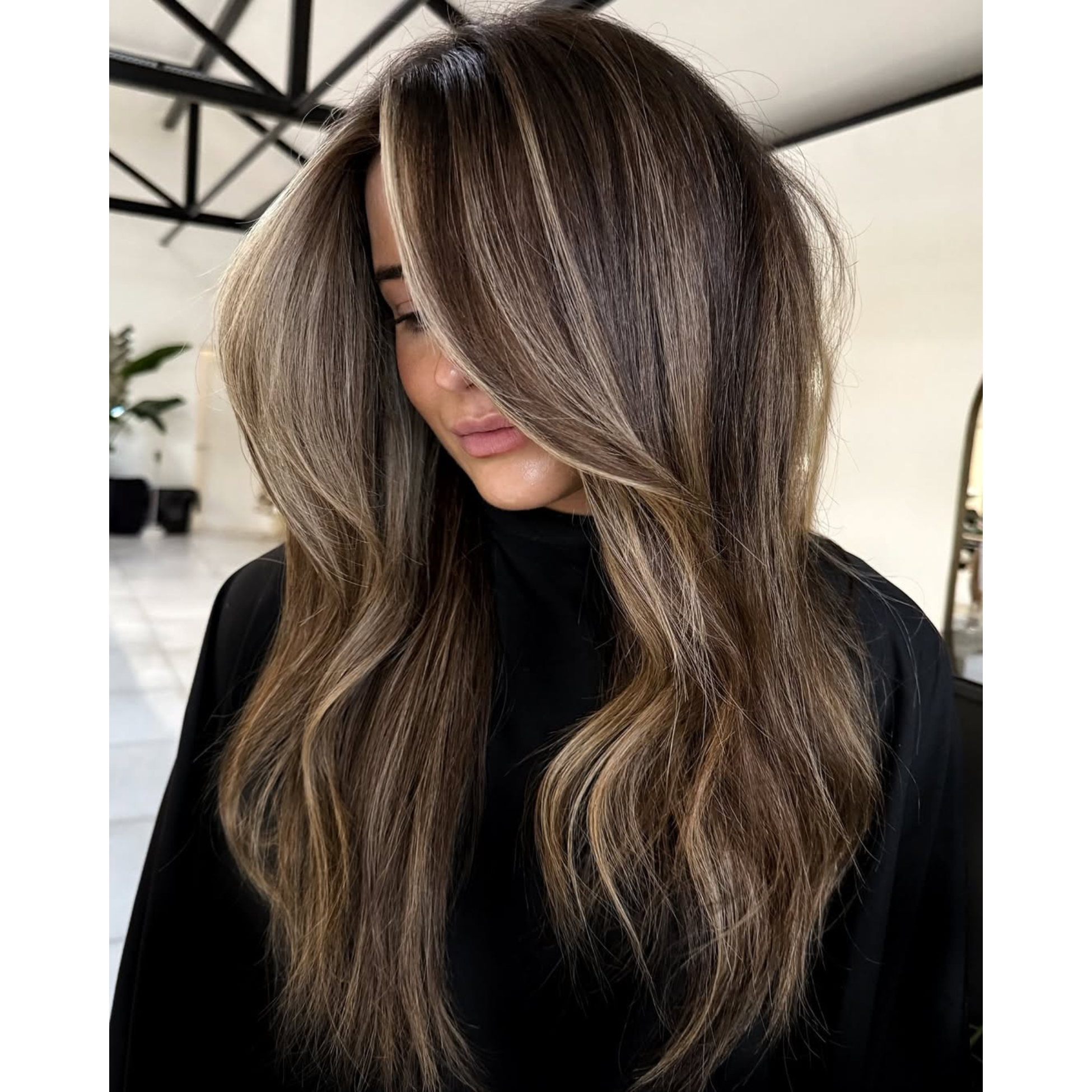
How do you add depth without going dark all over? This technique layers cool tones onto a dark brunette canvas. The dark brown ash blonde highlights are painted in fine, ribbon-like strokes that start below the crown and hit the mid-shaft. No solid line at the root. The ash tone cancels any warmth, leaving a silvery finish that reads expensive in office light.
The process matters: the stylist sections the hair and applies bleach to thin strands, then tones them into an ashy beige. It takes about two hours because the base is dark enough that lifting needs patience. The result is a cool, multi-tonal blonde that moves with the layers.
- Mid-back length with layered movement
- Dark brown base, ash blonde highlights
- Thick, wavy texture, blowout loose waves
- Styled with a blowout, 20 minutes with a round brush
- Ask your stylist for a foilayage to keep the root soft
Dark Brown With Rose Gold Balayage
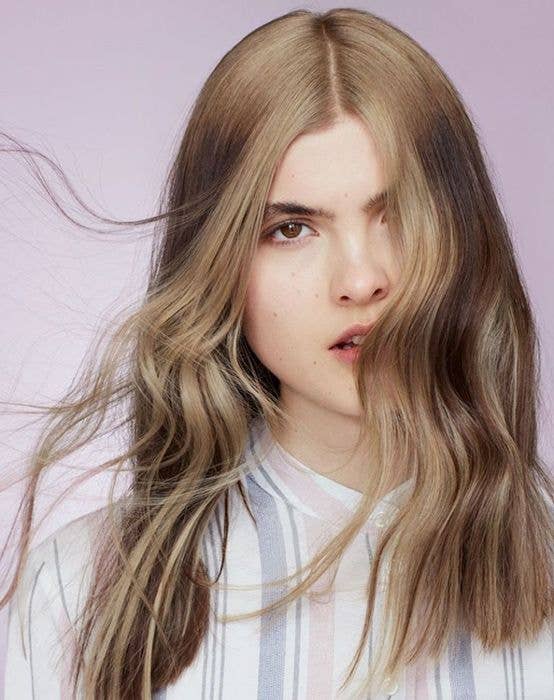
Rose gold balayage is a gamble, but it pays off. The dark brown base anchors the colour, while the rose gold balayage adds a warm, pinkish tone that catches light. This collarbone-length lob with side-swept bangs works best on wavy, medium-density hair. The technique keeps the root dark, so grow-out is forgiving. The honest downside: rose gold fades fast. You will need a gloss every four to six weeks to keep it from turning brassy.
- Dark brown base keeps roots low-maintenance
- Rose gold tones require a gloss every 4-6 weeks
- Side-swept bangs soften the face
- Collarbone length works for medium density
- Wavy texture shows the colour shift
If you are ready for the upkeep, the payoff is a unique warm tone that stands out without screaming for attention.
No Bangs Dark Blonde With Lighter Balayage
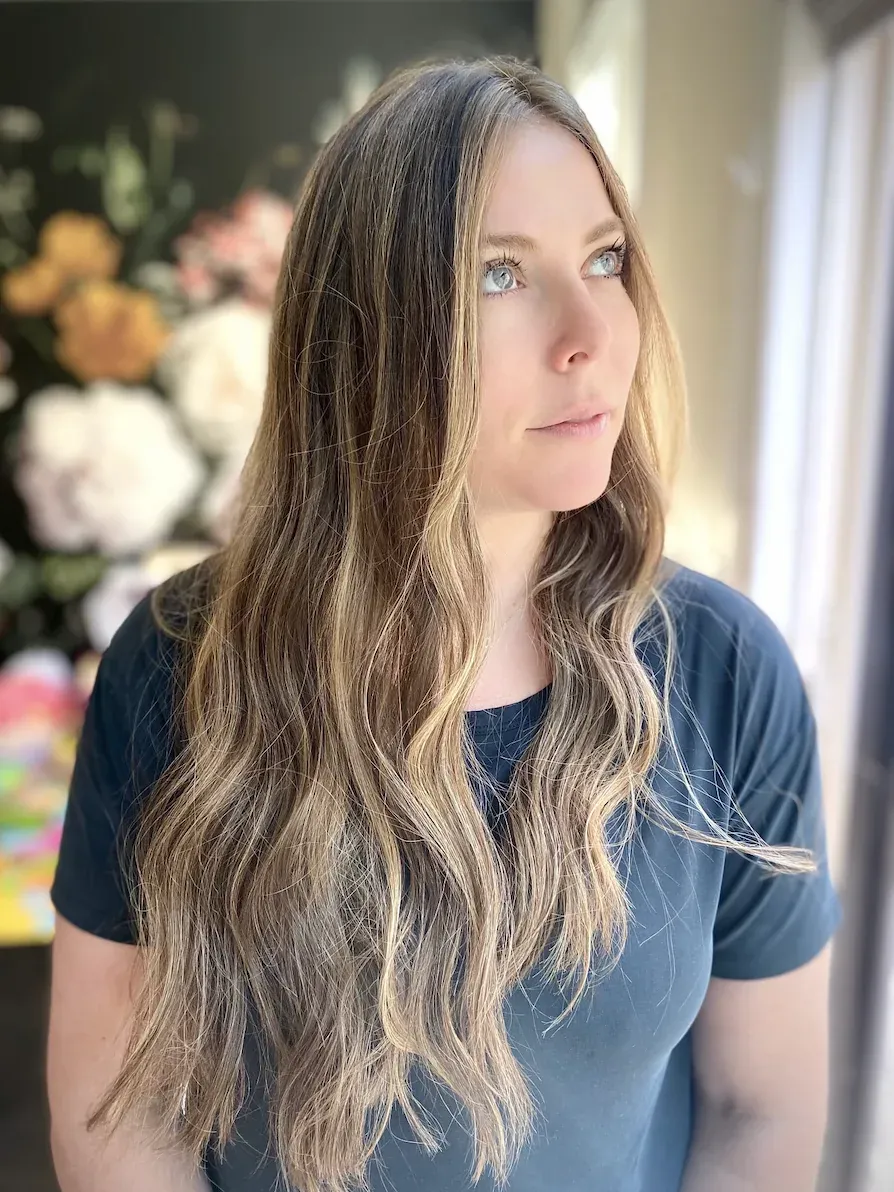
If you have thick hair and want to go lighter without a full bleach, this dark blonde lighter balayage is the answer. The dark blonde base gives depth, while the lighter blonde balayage adds dimension without the damage of a full lift. The mid-back length, layered cut, and middle part let the colour move. The texture is thick and wavy, styled in loose waves. This is for anyone who wants a natural, sun-kissed look that grows out gracefully.
- Dark blonde base avoids harsh root lines
- Lighter blonde shade creates subtle contrast
- Mid-back length works for thick hair
- Layers add movement without losing weight
- No bangs keeps the focus on the colour
It is a smart step for those who are nervous about going fully blonde. The balayage technique means the lighter pieces are painted freehand, so the transition is soft.
Dark Brown With Ash Blonde Balayage — It Is Styled In Loose
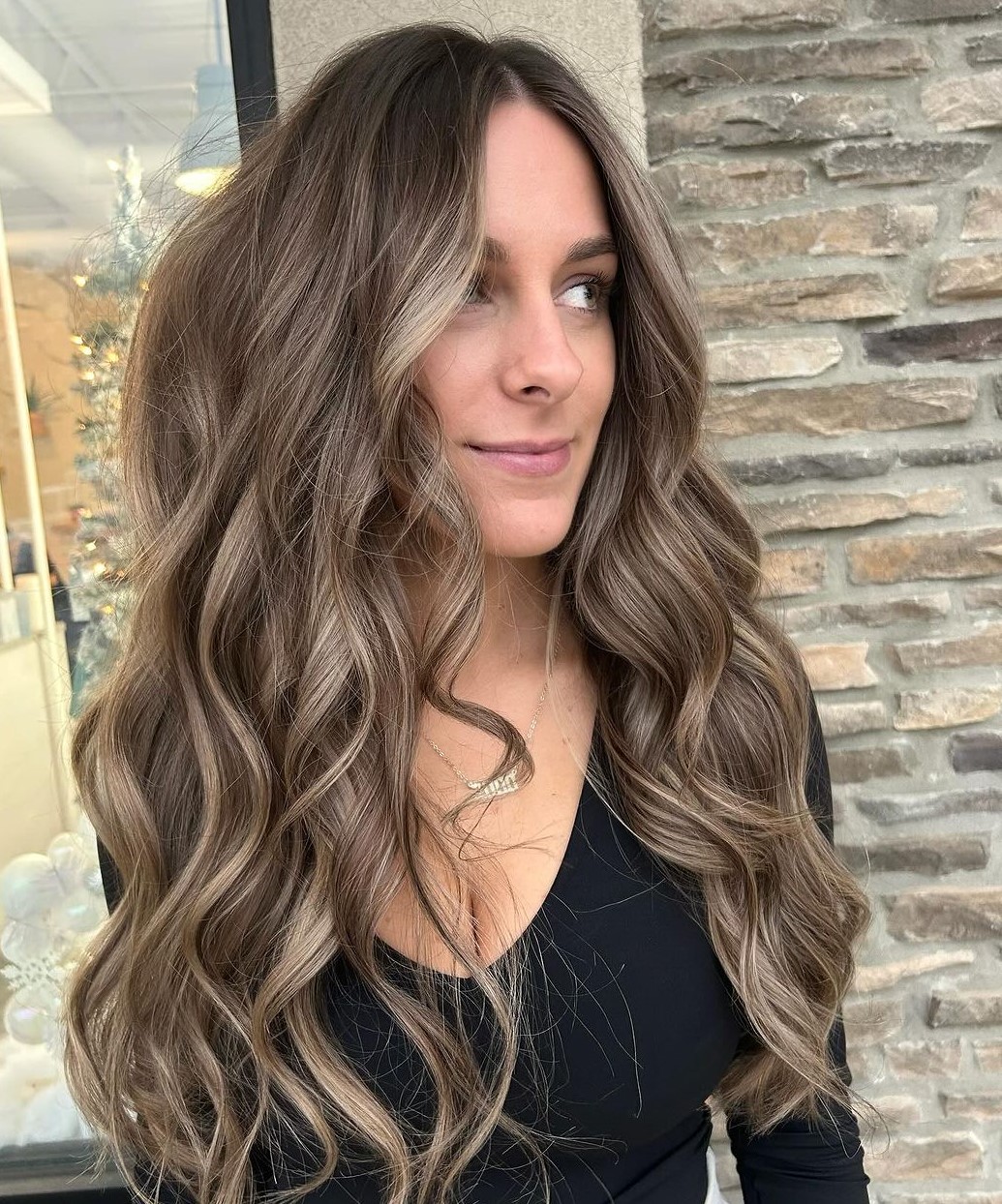
Monday morning, you have 20 minutes to recreate that wavy blowout. This dark brown ash blonde balayage looks polished when styled, but the reality is it needs daily effort. The dark brown base is forgiving, but the ash blonde balayage requires toning every four to six weeks to stay cool. The mid-back length, layers, and middle part mean the waves drop by afternoon if you skip product. The texture is thick and wavy, which helps hold some shape.
- Dark brown base hides grow-out well
- Ash blonde balayage needs regular toning
- Wavy blowout takes 20 minutes to style
- Layers help the waves fall naturally
- Thick texture holds curl longer than fine hair
The honest downside: if you hate heat styling, this look will frustrate you. The colour is beautiful, but it demands maintenance.
Mid-Back Dark Brown With Copper and Caramel Balayage
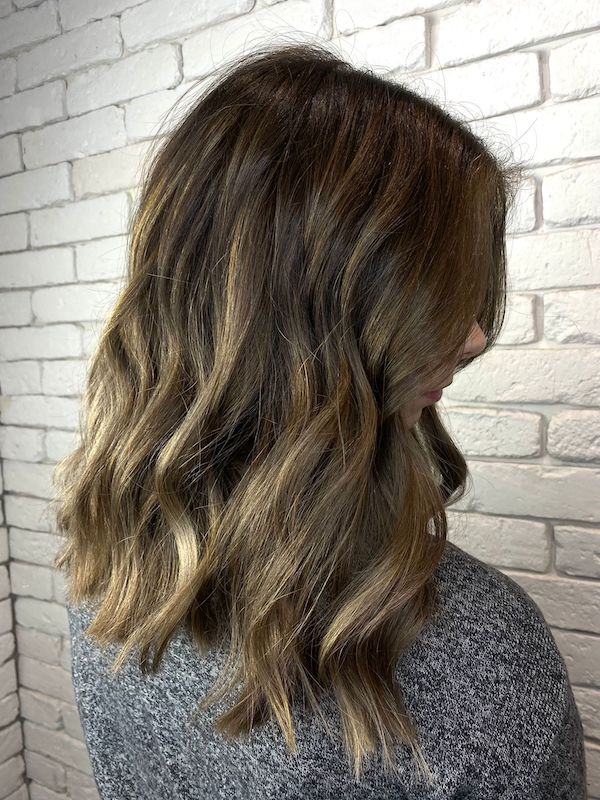
This is the colour of fall leaves and I mean that as a compliment. The dark brown base grounds the look, while the warm copper and caramel balayage highlights add richness. The mid-back length, long layers, and middle part let the colour travel. The texture is thick and wavy, styled in loose waves that catch the light. This is a seasonal colour that works best in autumn, when warm tones feel natural.
- Dark brown base provides depth
- Copper and caramel highlights add warmth
- Mid-back length shows the colour gradient
- Long layers keep the hair from feeling heavy
- Thick wavy texture holds the wave pattern
It is a rich, cosy colour that pairs well with sweaters and scarves.
Back View Dark Brown With Blonde Balayage
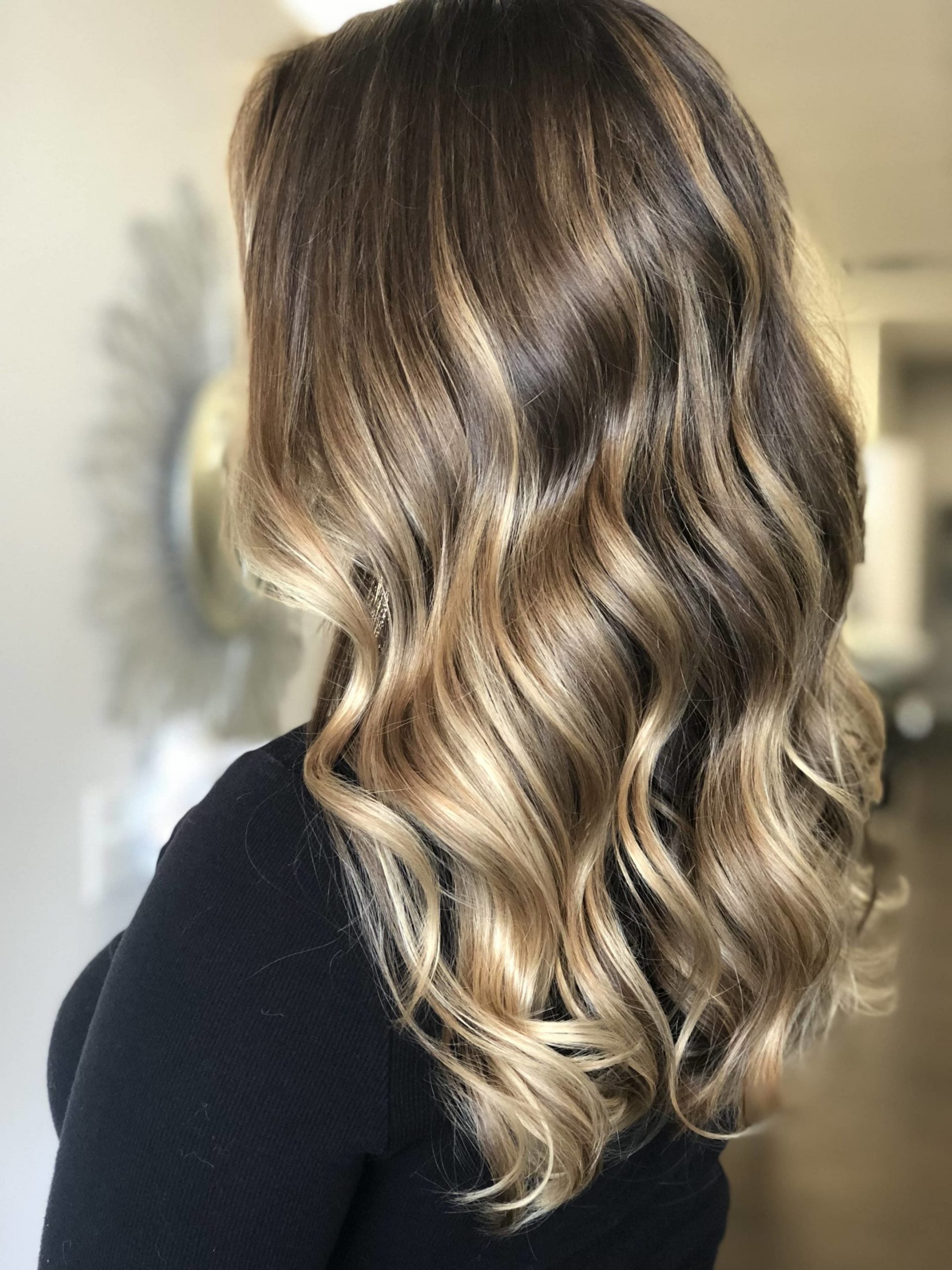
That contrast stops me every time. This is dark brown blonde balayage at its boldest, where the bright blonde balayage highlights sit against a deep base and refuse to blend quietly. The back view shows the full drama: thick, wavy hair falling to mid-back, the blonde catching light in wide sweeps rather than thin streaks. It is not a subtle colour melt, and that is the point. The technique keeps the root area dark so the grow-out stays soft, but the payoff is a two-tone effect that reads loud from across the room. If you want dimension that whispers, pick something gentler. If you want your hair to make the first move, this is it.
Collarbone Dark Brown With Warm Caramel and Blonde
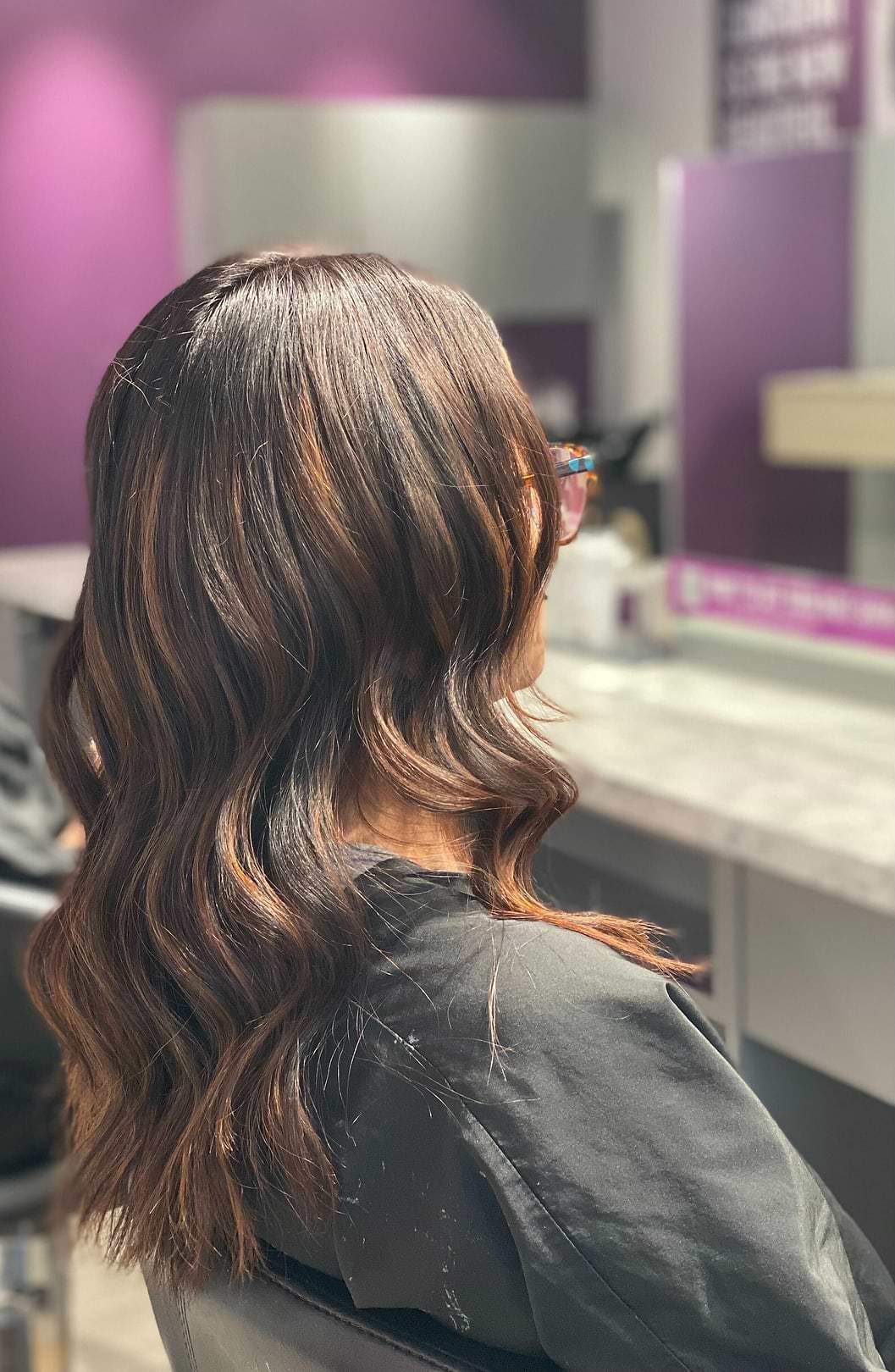
I will admit it: I underestimated how much upkeep warm highlights demand. This collarbone cut pairs a dark brown base with warm caramel and blonde pieces that wrap around the face, and the first week it looks incredible, all glossy and blended. Then the caramel starts to fade, and by week four it leans more brassy than golden unless you book a toning visit. The layers keep the medium-density waves from falling flat, which helps, but the colour is the real commitment here. Plan for a salon gloss every six to eight weeks and a trim at eight, and accept that this is not a set-it-and-forget-it shade. It is worth it, but it is work.
Dark Brown With Warm Blonde and Copper
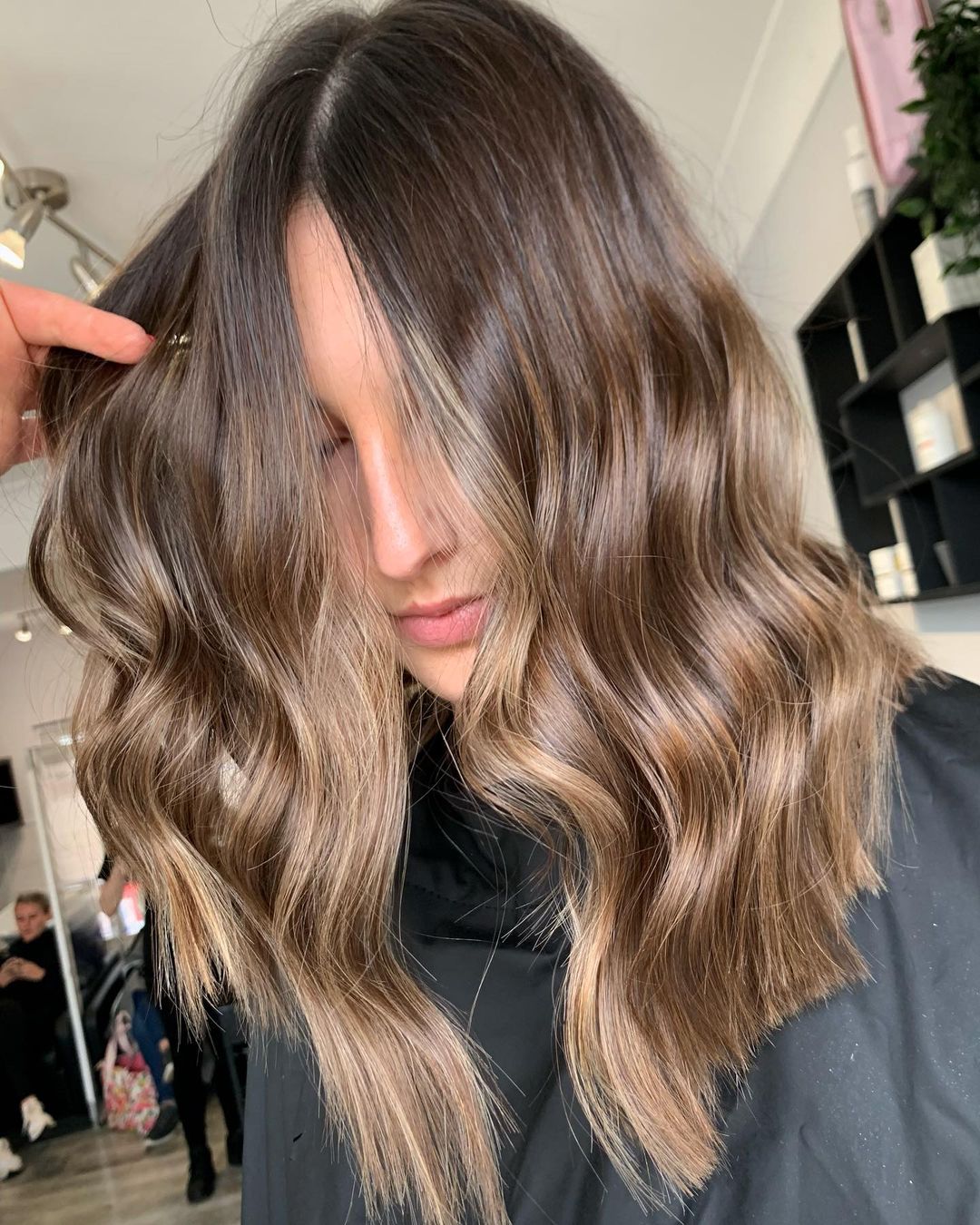
I sat in the chair and told my stylist I wanted warmth, but not orange, and she laughed. That is the challenge with dark brown warm blonde copper: blending two warm tones so they look natural instead of striped. This mid-back length carries long layers and thick, wavy texture, and the balayage sweeps warm blonde through the mid-lengths while copper flickers near the ends. The trick is keeping the root dark so the warmth has somewhere to grow from. My stylist worked in small sections, painting each one separately, and the result was a gradient that shifted tone every few inches. It took three hours, and I regretted nothing.
Dark Brown With Ash and Beige Highlights
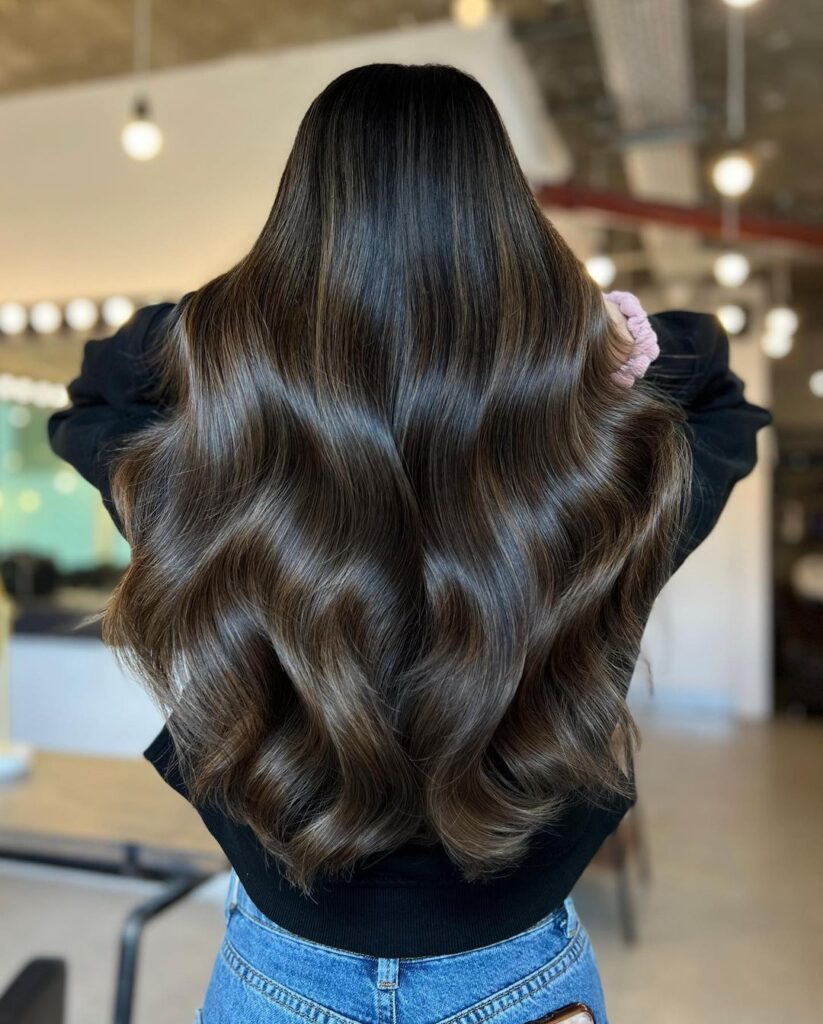
Ever wonder how ash and beige live on the same head without fighting? The trick is placement. On this dark brown ash beige base, the ash blonde and beige blonde highlights alternate in fine, face-framing ribbons rather than thick chunks. Ash pulls cool, beige adds a soft neutrality, and together they read as expensive, not icy. The mid-back length and thick, wavy texture give the colour room to move, and the loose waves catch both tones at different angles. The technique matters more than the shade: each highlight is painted separately, so the transition from dark root to light end stays blurred. Ask for a root shadow first, then the two-tone placement.
Mid-Back Medium Brown With Blonde Balayage
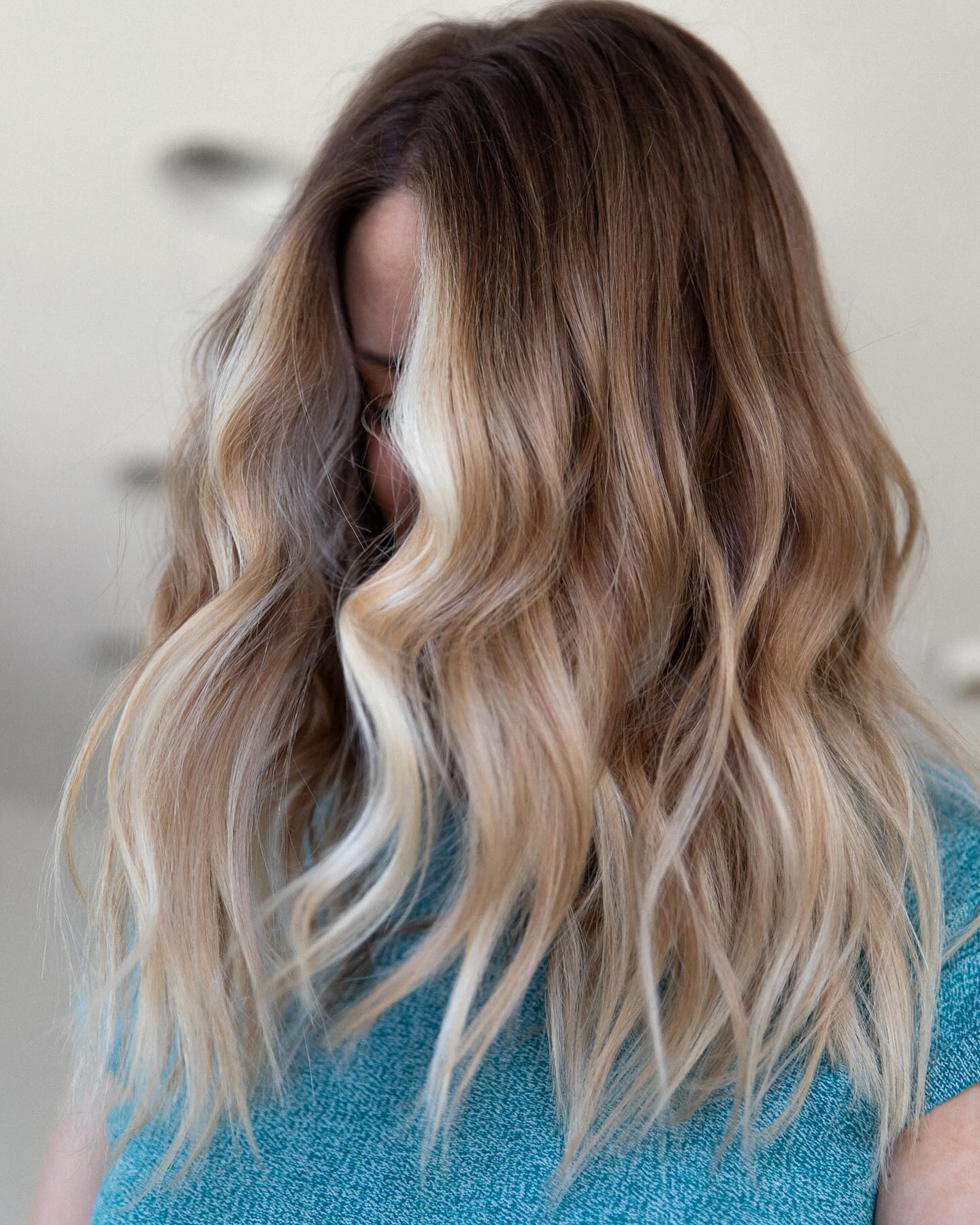
Medium brown is the quiet workhorse nobody talks about. On this mid-back length, a medium brown base with blonde balayage looks like the hair equivalent of a good pair of jeans: familiar, flattering, and easy to live in. The blonde sweeps from the mid-lengths down, leaving the roots dark, so the grow-out line never screams. Thick, wavy texture is the secret here; the waves catch the light and make the blonde look dimensional instead of flat. If your hair is fine or thin, skip this, the contrast will read as sparse rather than rich. But for medium density and up, it is the most forgiving balayage I have tried.
Layers Visual Idea
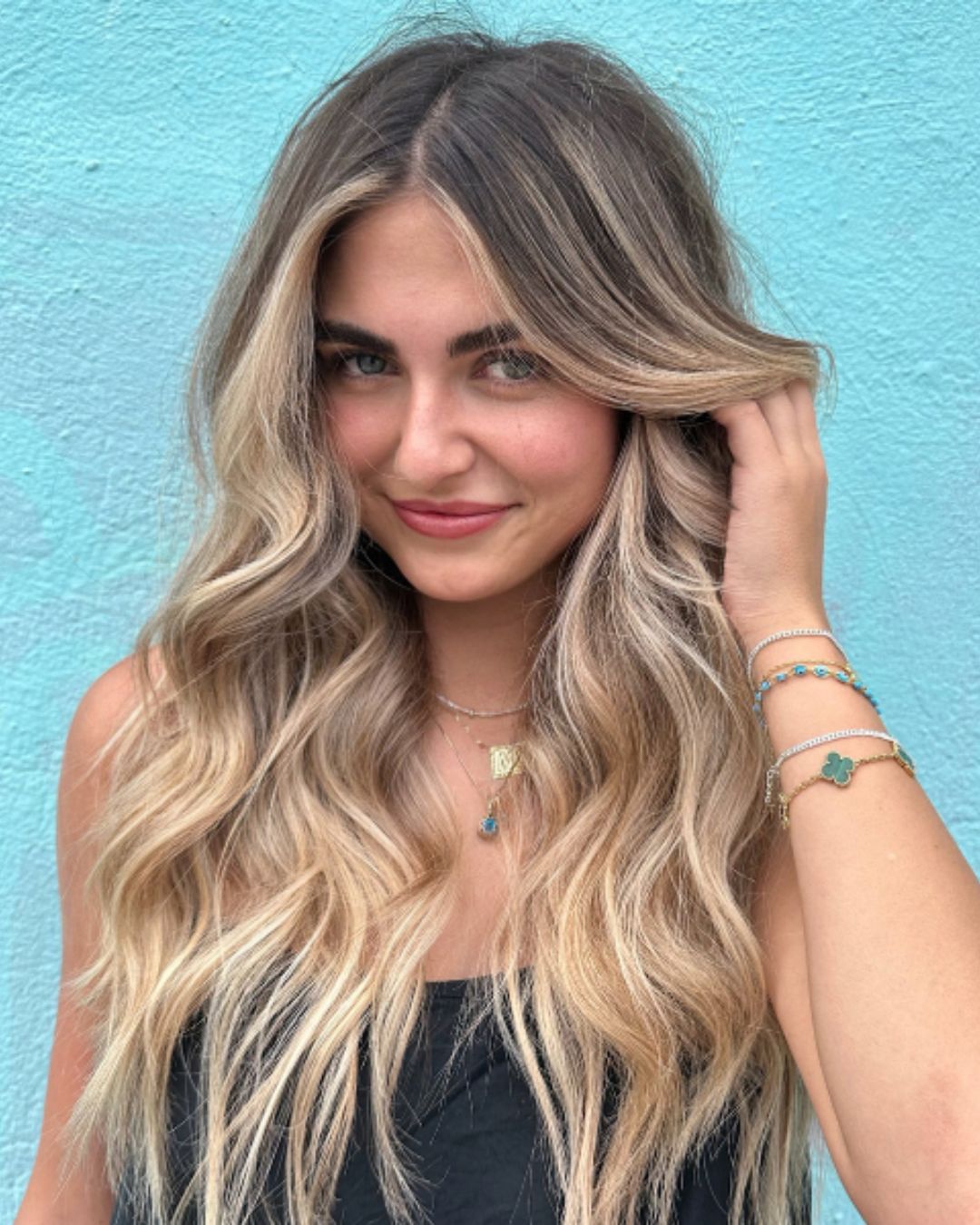
I’ll take subtle highlights over a full transformation every time, especially with a dark blonde base. The reverse balayage technique keeps the base deeper at the roots and applies lighter blonde highlights through the collarbone-length, wavy layers (middle part, medium density) so the contrast is visible but not shouty. The tone stays cool, almost beige, which reads more intentional than a high-contrast bleach job. For anyone with fine to medium texture, this approach preserves the illusion of fullness where the darker base sits, while the lighter pieces add dimension without committing to a single block of colour.
No Bangs Visual Idea
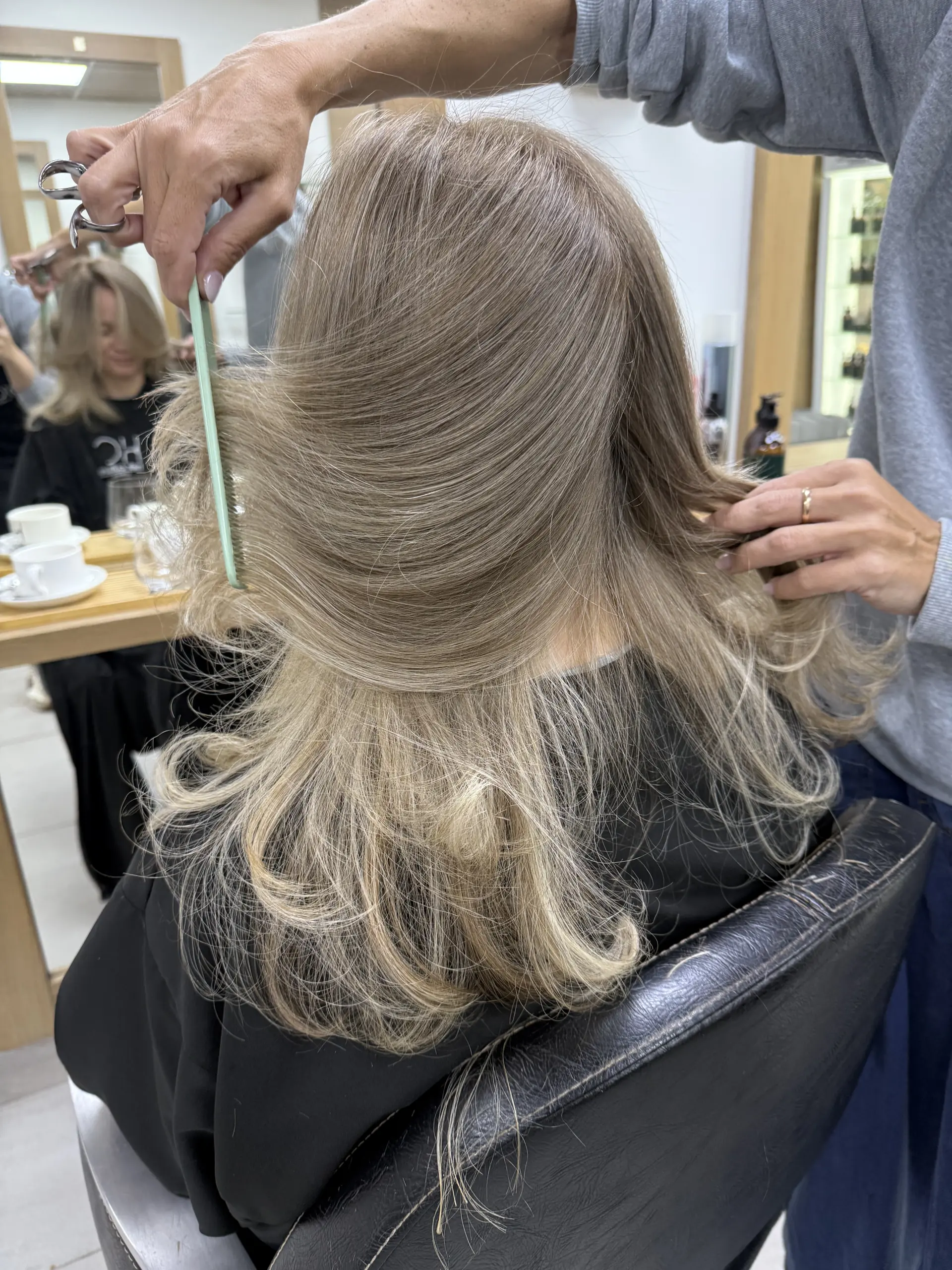
How do you blend ash and beige tones on a dark blonde base without the hair looking muddy? The reverse balayage technique answers that by hand-painting the lighter pieces sparingly, starting below the root line and concentrating on the mid-lengths to ends. The collarbone-length, layered cut (middle part, no bangs) lets those loose waves show off the two tones separately: ash near the crown, beige near the tips. The texture is wavy, medium density, which helps the colour sit evenly without pooling. This is a two-step colour process, so expect three hours in the chair and a toner appointment at week six to keep the beige from pulling yellow.
Final Thoughts
After writing all 30 versions, I keep coming back to the woman in the chair. Reverse balayage isn’t one look, it’s a family of them, and the common thread is depth. I’m booking dark brown with caramel, done with the week-five root fight.