
Every other chair in my salon has someone asking for a toner that cancels warmth. Winter does that to us. I used to chase the sun-kissed thing, now I sit in the chair and ask for ash, for plum, for something that reads cold.
Here are 23 Cool Winter Hair Colors, from a root shadow that buys you six calm weeks to a platinum that needs a toner at week six. Some are salon-only, some you can do at home. I wrote this for anyone whose fine hair goes flat by 4 pm, whose grow-out line shows at week five, and who wants a color that doesn’t fight the season.
Icy Platinum Blonde With Ash Base
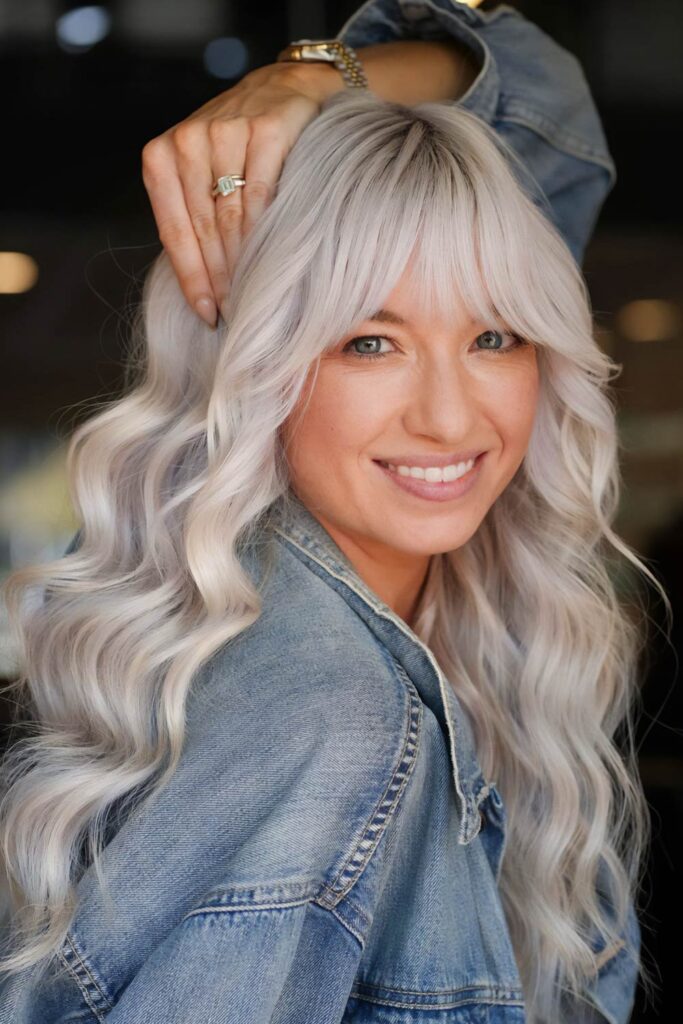
Icy ash blonde hair with platinum highlights is the kind of color that makes you look twice because the base and the bright pieces are playing a very deliberate game of contrast. The ash base sits cool and flat, the platinum jumps forward. This is collarbone length with curtain bangs and a wavy texture that softens the whole thing. If your own base is naturally pale and your skin runs cool, this will read as intentional. If you have warmth in your skin or your starting point is dark, the grow-out will announce itself fast.
Deep Plum Angled Bob With Blunt Bangs
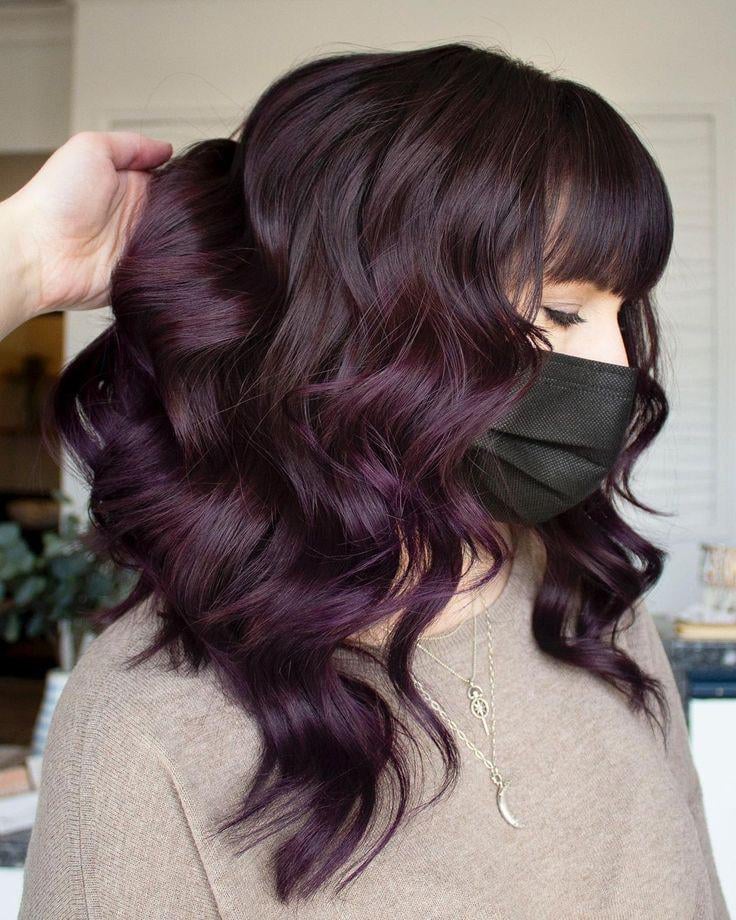
I will take a deep plum hair color with cool undertones over a warm berry any day. The difference is in the tone: this one leans into purple, not red, so it reads dark and dramatic rather than bright. The angled bob hits at collarbone with blunt bangs and soft waves, and the side part keeps the shape from feeling too severe. The cut works because the angled front adds movement while the cool undertones stop the whole thing from tipping into magenta. If you want a winter color that actually looks cold, this is the one to book.
Rose Gold With Pink and Blonde Highlights
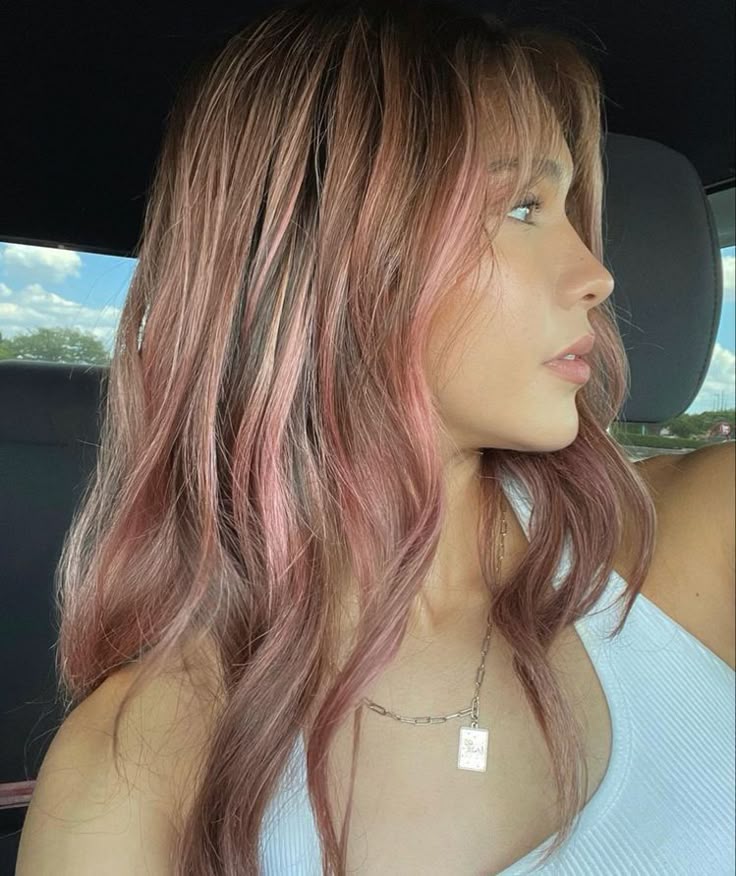
Rose gold hair with pink and blonde highlights is a layering trick: the rose gold base is the canvas, the pink is woven in for depth, and the blonde pieces sit on top to catch light. The result is a collarbone-length cut with curtain bangs and a wavy blowout that looks multidimensional without being stripey. The technique matters because the pink needs to be placed where it will peek through the movement, and the blonde needs to stay fine enough not to overwhelm the rose gold. When it works, the hair reads as one piece that shifts in different light.
Visual Idea
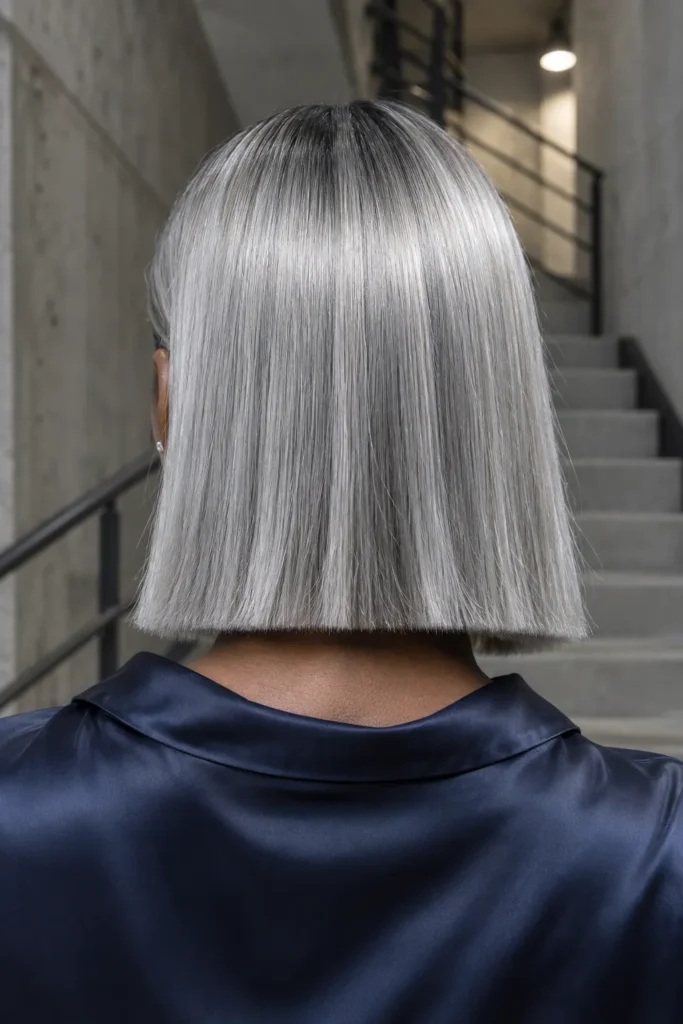
I did not expect to recommend an ear-length bob for winter, but here we are. This cool platinum blonde is straight and fine, cut blunt at the jaw with a middle part. The color is stark — no warm undertones, no shadow root. That means it only works if your scalp can handle the lift and your skin reads cool. On fine hair, the blunt line actually makes the ends look denser. On thick hair, it can look too heavy. The grow-out is the catch: dark roots will show by week three.
Shoulder-Length Visual Idea
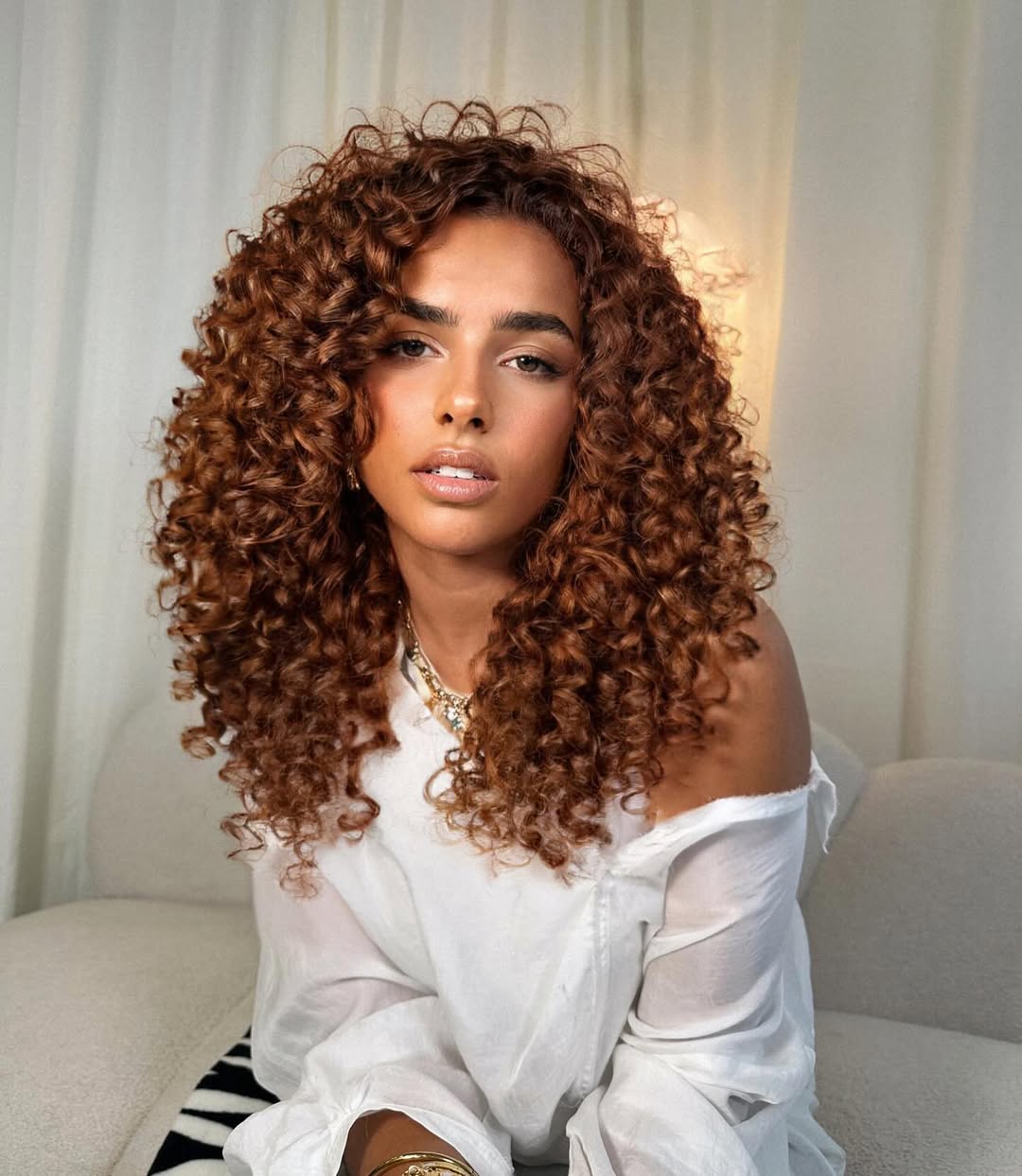
Why does copper feel like September in a bottle? This shoulder-length cut uses warm copper as a base with golden highlights woven through, a foil technique that adds dimension without a harsh line. The tone is fiery but not orange, and on thick, curly hair, it catches the light like falling leaves. The technique of foil highlights keeps the golden tones from overwhelming the copper base. It’s the kind of Cool Winter Hair Color that belongs in autumn, when you want to match the season without going burgundy.
Cool Medium Brown Visual Idea
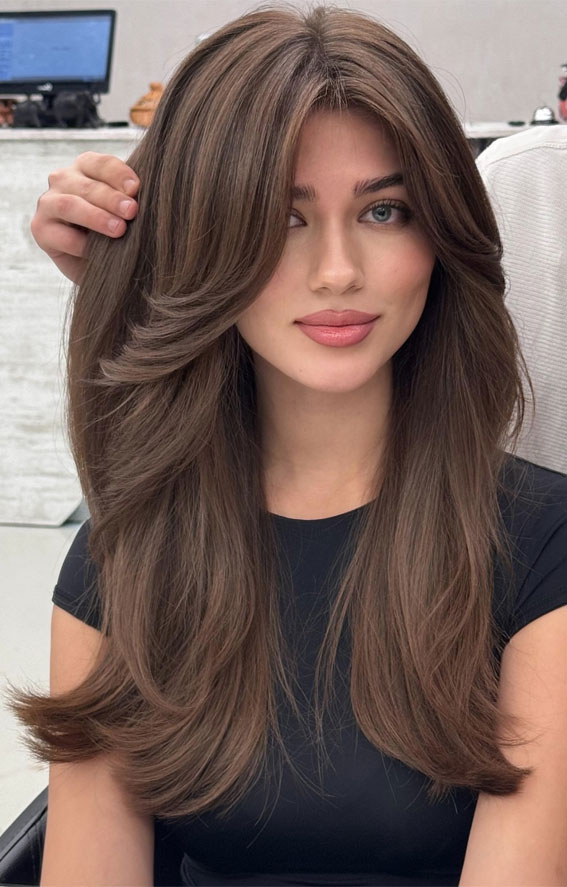
I spent years avoiding brown. Then I booked a cut with curtain bangs, and the stylist talked me into cool medium brown. I almost said no. The color is a single-process cool medium brown, a quiet Cool Winter Hair Color, no highlights, just a solid tone that reads almost espresso in low light. On long, straight, thick hair, the long layers and curtain bangs give it movement.
The upkeep surprised me. Cool brown fades to a warm, brassy brown by week five unless I use a blue-toned shampoo. The curtain bangs need a blow-dry every morning to sit right, which I did not expect from a ‘low-maintenance’ brown. But the grow-out is forgiving — roots blend better than with blonde. I won’t say I’m converted, but I might do it again.
Layers Visual Idea
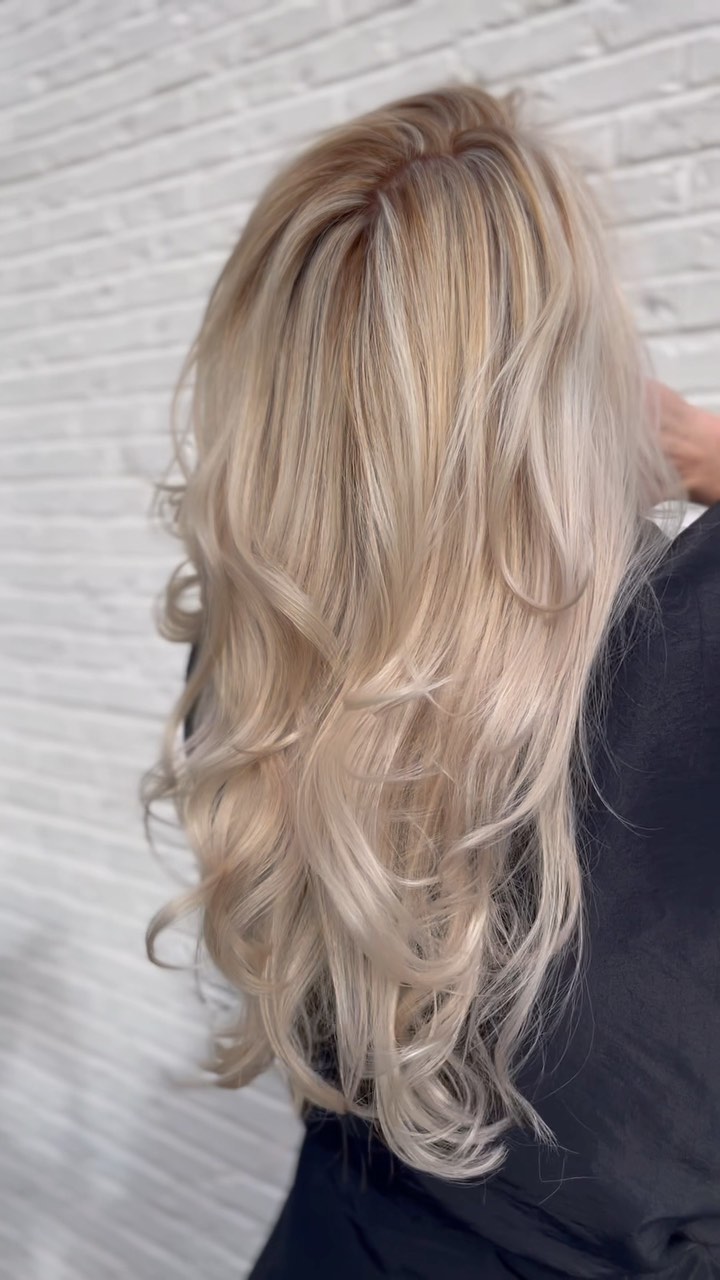
Getting to platinum blonde with ash undertones is a process, not a single appointment. The stylist lifts your natural pigment in stages — two rounds, maybe three if your base is dark — then tones it with a violet or blue-based toner to cancel yellow. That ash tone is what makes it read cool winter, not beach blonde.
On mid-back length with thick, wavy texture, the toner grabs more evenly through porous sections, but the challenge is the underside: it stays warmer longer because it’s less exposed. That’s why the back view shows no copper — the stylist likely used a lower-volume developer on the nape to slow the lift. The layers are cut before coloring so the bleach lands where it needs to — shorter top layers lift faster, allowing the ash tone to read uniform from crown to ends.
Collarbone Visual Idea
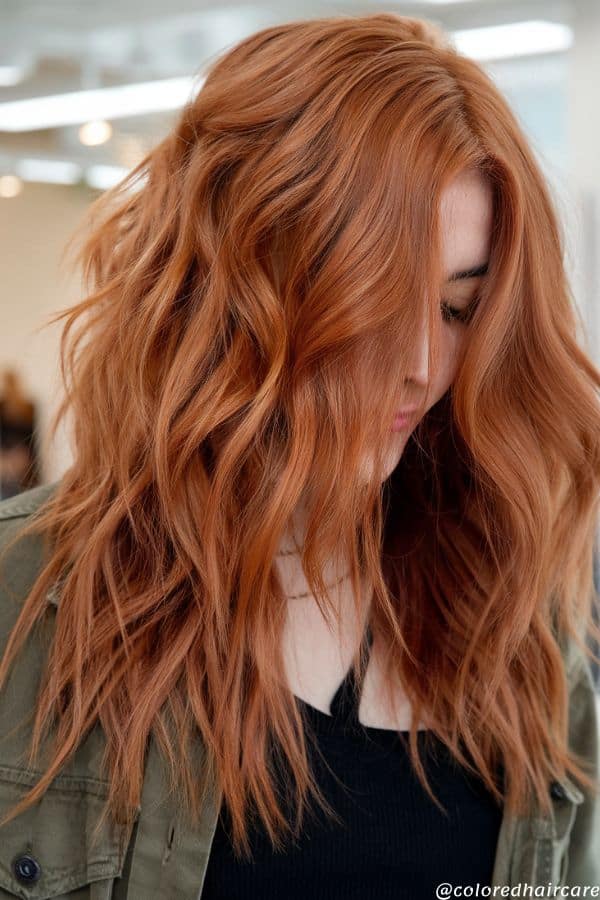
Does your skin have a golden undertone and your eyes lean green or hazel? This copper red base with subtle blonde highlights will catch the light exactly where you want. The warm tone plays up any warmth in your complexion — if you’re cool-leaning or very fair with blue veins, it might pull orange instead of rich. Collarbone length with curtain bangs and a wavy blowout, it’s a high-impact color that shows every shift in the light.
Long Layers Visual Idea
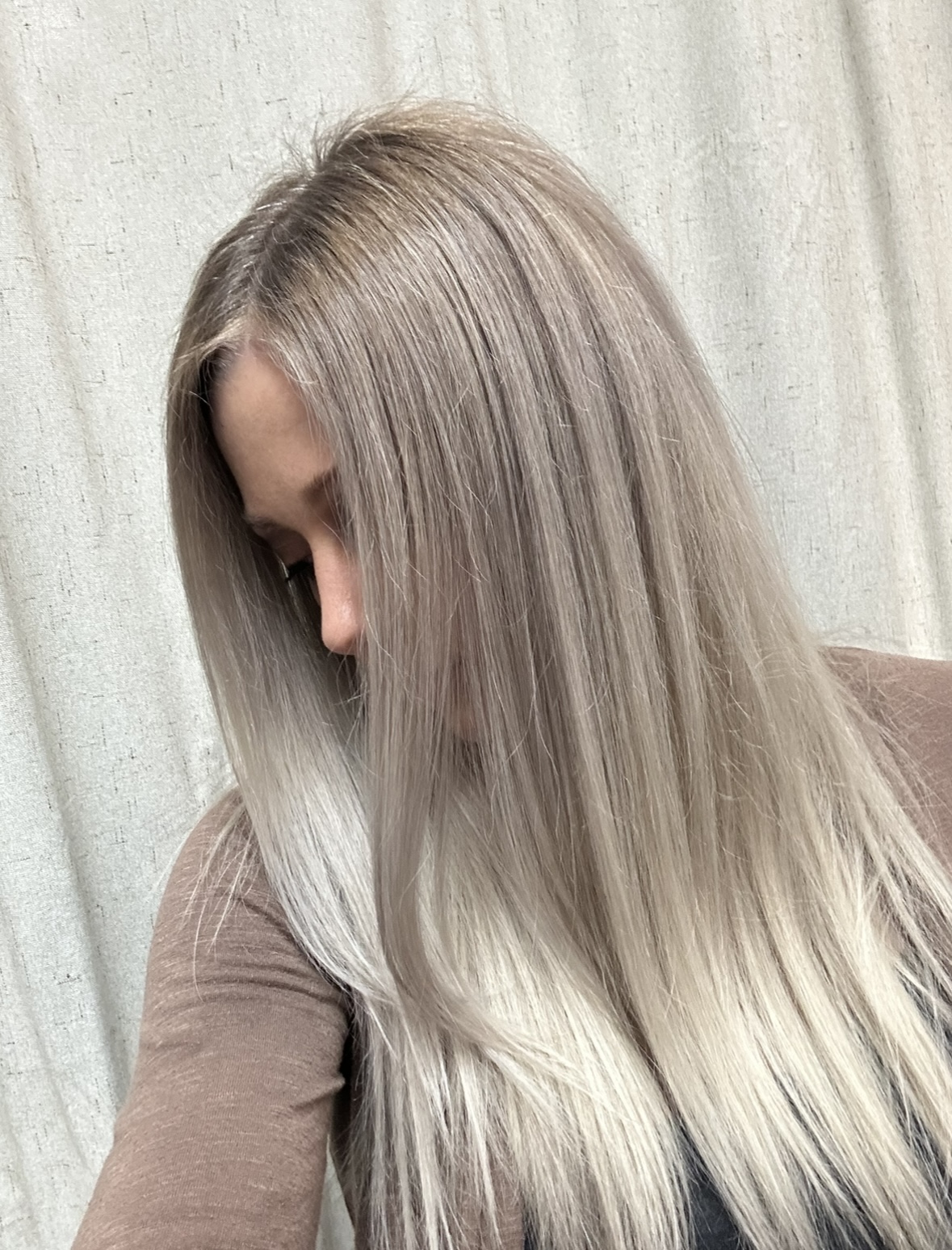
I looked at this and thought: why would anyone fully bleach their roots anymore? This ash blonde with platinum highlights uses a root shadow — a softened, darker tone at the crown that blends into the lighter lengths — instead of a stark bleach line. The result is lower maintenance by a lot. Full bleach requires touch-ups every four weeks; this root shadow buys you ten, maybe twelve. On mid-back length with straight, fine texture, the shadow adds weight at the top so the fine hair doesn’t look sparse. The platinum highlights are placed through the mids and ends, catching light while the root stays grounded. It’s the smarter choice for anyone who doesn’t want to live at the salon.
Front View Slight Side Profile Visual Idea
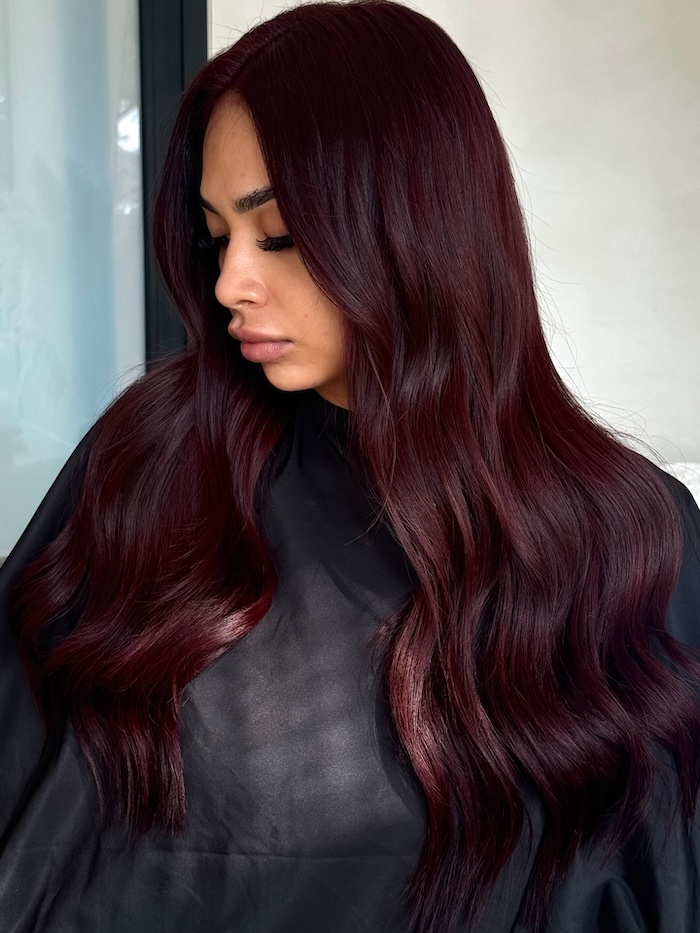
This colour catches the winter light differently than a warm brown. The deep merlot brunette has subtle red undertones that read nearly black indoors and glow burgundy when the sun hits. It’s a natural fit for fall and winter — the depth echoes the season’s palette without screaming holiday. On thick, wavy hair at mid-back length, the colour holds its richness and the loose waves catch the red at different angles. A middle part and slight side profile show the dimension. This is a salon colour that feels understated but deliberate.
Dark Brown Base With Caramel Highlights Visual Idea
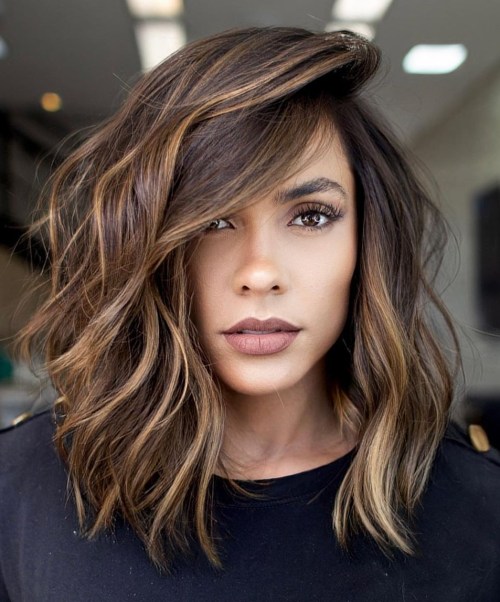
The biggest mistake with caramel highlights is letting them go warm. On a dark brown base, cool-toned caramel — beige, not golden — keeps the look sophisticated. Side-swept bangs and a wavy blowout at collarbone length show off the highlights, but they turn brassy fast without the right toner. A purple shampoo is your friend here. The grow-out is softer than platinum, but the tone needs refreshing every six weeks.
Back View Visual Idea
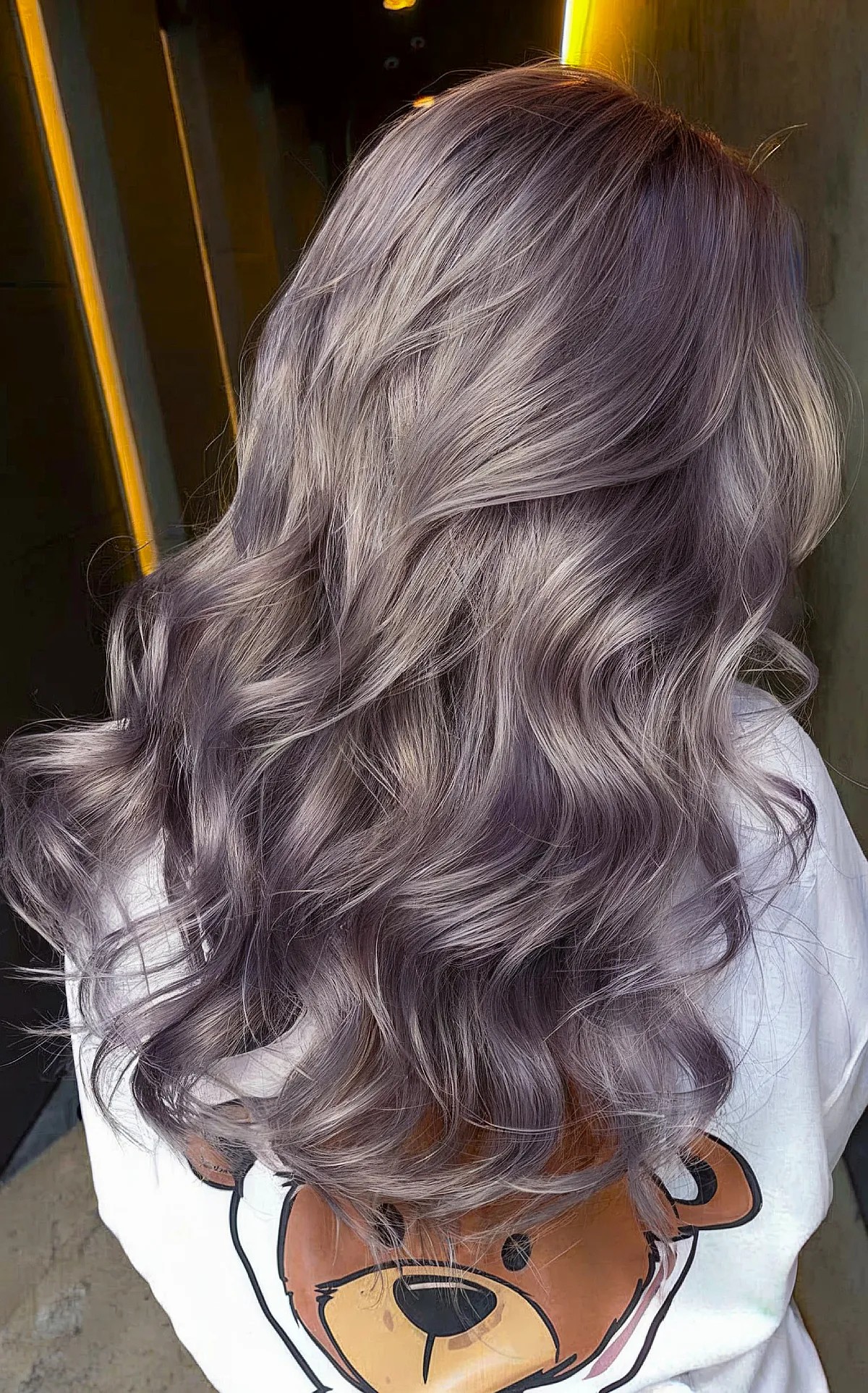
How do you get smoky lavender to sit on top of ash blonde without turning muddy? The trick is starting with a light ash blonde base, then painting the lavender in as a toner or a highlight, never an all-over dye. The technique layers the cool purple over the ash so the undertones stay separate. The result is a tone that shifts between gray and violet depending on the light. The mid-back length gives enough canvas for the colour to breathe, and the wavy thick texture catches the lavender in the wave troughs. Styling is simple: loose waves with a large barrel, no heat protectant needed if you air-dry with a texture spray. The layers help the colour fall in ribbons, not blocks.
Dark Brown With Cool Ash Highlights Visual Idea
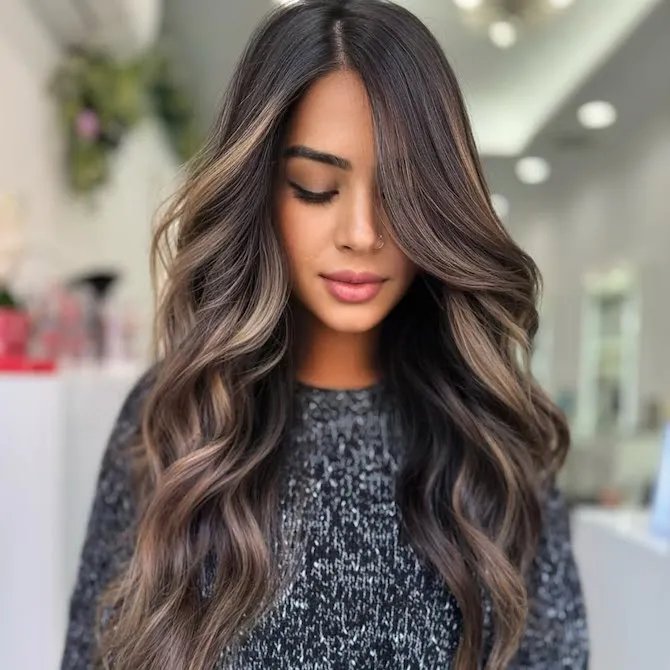
Cool ash highlights on dark brown hair fade differently than warm ones. The first week they look almost silver against the brown. By week three they start to pull a little green if your water has minerals, but a purple shampoo fixes that. The technique is fine highlights woven through the top and mid-lengths, not the ends, so the grow-out looks intentional. The tone is a true cool ash, no gold or red. The mid-back length with layers keeps the highlights from sitting in one solid stripe, and the wavy thick texture breaks them up naturally.
The upkeep is manageable. A toning session every six weeks keeps the ash from turning brassy, and a trim every eight weeks keeps the ends healthy. The dark brown base means your roots show slower than on a blonde, about four weeks before you notice. This is a good entry point for someone who wants cool tones without the full bleach commitment.
Deep Cool Berry Red Visual Idea
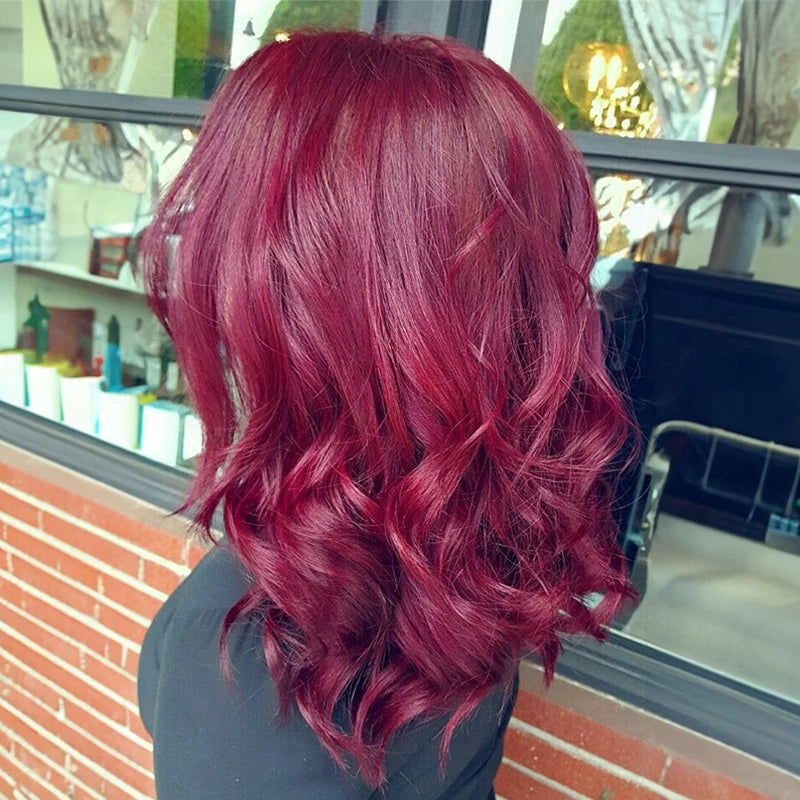
Have you ever looked at a color and thought, that’s the shade I want my winter coat to be, not my hair? This deep cool berry red is exactly that: a rich, almost wine-stained hue that sits at collarbone length in loose waves. The tone reads cool, not warm, which is what separates it from a standard burgundy. Medium-density wavy texture carries the pigment well, catching light without looking brassy. This one flatters skin with pink or blue undertones, the kind that turns sallow next to a copper red. If your veins read green, skip this and look at the warmer berries instead.
Back View Close Crop Visual Idea
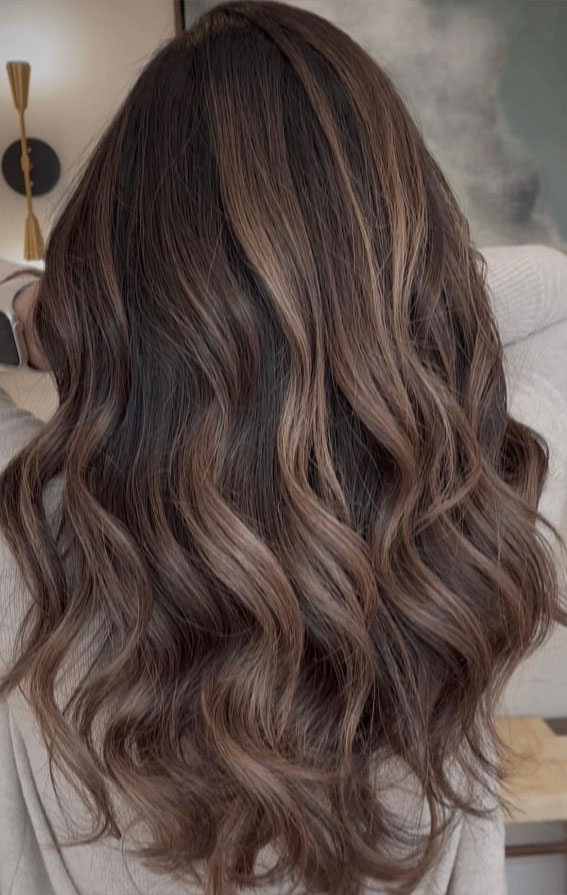
Here is the honest truth about cool-toned highlights on thick, wavy hair: they look incredible for about four days, then the roots start their slow creep. The dark brown base with cool-toned ash brown highlights at mid-back length is a solid choice, but the drawback is chunkiness. On thick texture, highlights that are placed too wide apart read as stripes. The stylist needs to weave fine sections, keeping the highlight width under a quarter inch, so the color blends rather than announces itself. The wavy texture helps diffuse the line, but only if the waves are natural, not forced. If your hair is thick and you want this, ask for babylights, not standard highlights.
Layered Visual Idea
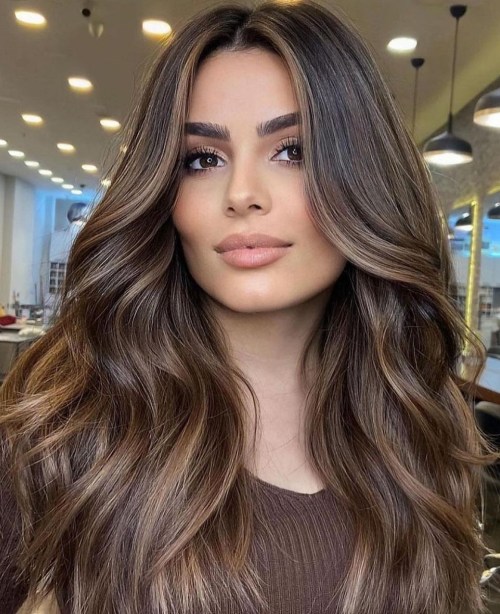
Ash blonde highlights on a dark brown base are a commitment, and I mean that in the way a gym membership is a commitment. The contrast is striking at collarbone length with layers, the ash tone reads silver against the dark base, but the upkeep is real. The ash blonde will start to warm up around week four, pulling toward beige or gold depending on your water and products. A purple shampoo extends the cool tone by about two weeks, but it is a band-aid, not a fix. The layers help because the highlights sit at different depths, so the grow-out is less obvious than it would be on a single-length cut. Book a toning appointment every six to eight weeks if you want the ash to stay ash.
Loose Waves Visual Idea
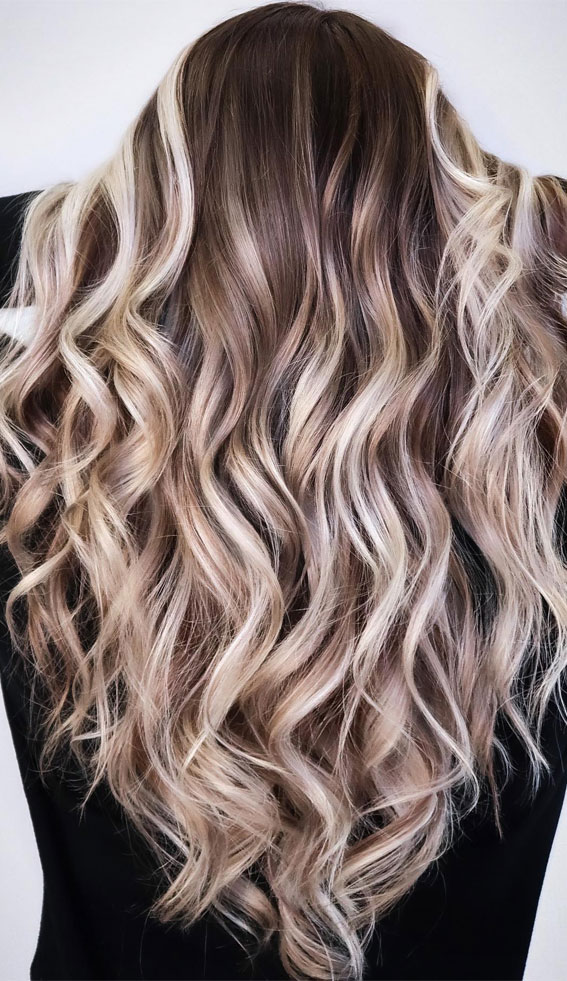
This is what happens when you stop picking sides. Caramel highlights alone would read warm and a little predictable. Ash blonde highlights alone would read cool and a little flat. Together they create a dimension that neither tone can manage on its own. On a dark brown base at mid-back length with loose waves, the caramel catches the light while the ash recedes into shadow. The result is a colour that moves. It is not a single note. It is a conversation between two temperatures, and the hair looks thicker because of it.
Wispy Bangs Visual Idea
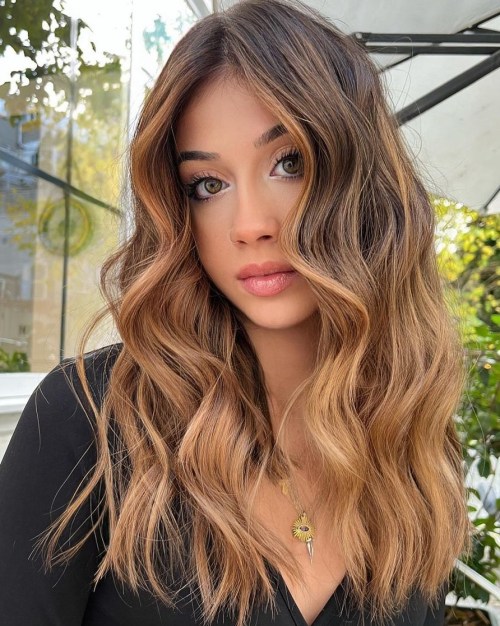
The placement is the whole trick. Honey blonde highlights on a dark blonde base look natural only when they land where the sun would hit first. That means the crown, the mid-lengths, the ends of the wispy bangs. Not the root line. Not a solid stripe near the ear.
The technique uses fine sections and a hand-painted application so the honey blends into the dark blonde without a visible start line. The bangs catch the light first, which draws attention upward and softens the forehead. Mid-back length with long layers underneath keeps the weight low while the bangs do the work. Wavy texture helps the honey read as a highlight, not a stripe.
Wavy And Thick Visual Idea
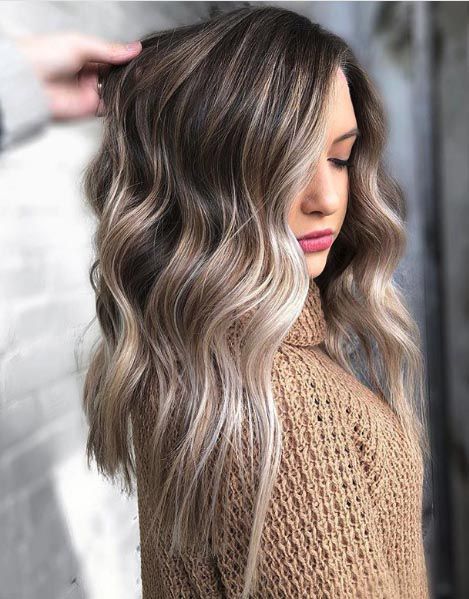
I will admit it: I was skeptical about the root shadow with platinum highlights. It sounded like a compromise, a way to delay the inevitable regrowth. But on thick, wavy hair at mid-back length, the root shadow does something smarter. It creates a gradient from dark ash blonde at the crown to bright platinum at the ends, which means the grow-out is gradual instead of abrupt. The platinum stays fresh for about eight weeks before the toning starts to fade. The root shadow buys another four beyond that. For anyone who does not live in the salon chair, that is a practical timeline.
Ash Blonde With Subtle Highlights Visual Idea
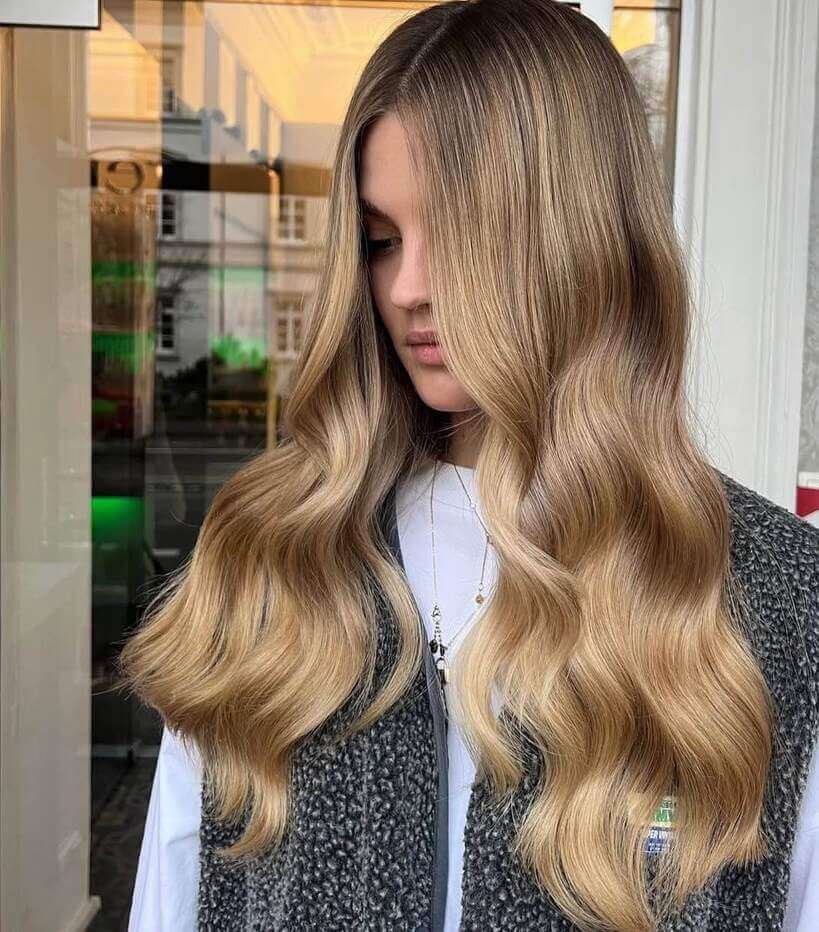
What does your natural base look like when you hold it up next to a piece of printer paper? If the answer is cool, this colour is your shortcut. Ash blonde with subtle highlights works best when the base is already a level seven or eight with no red undertones. The highlights add a whisper of dimension without announcing themselves. On collarbone-length hair with a wavy blowout and no bangs, the effect is clean. It is not a statement. It is a colour that lets the cut and the texture do the talking.
Curtain Bangs Visual Idea
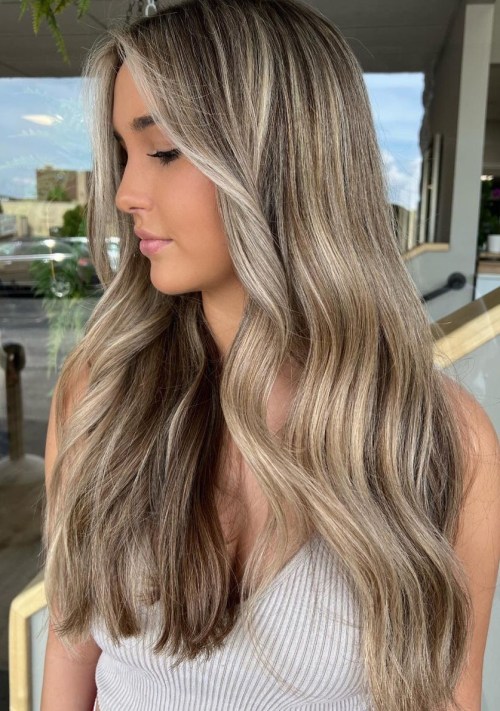
The mistake is making the money piece too thick. A face-framing section that is wider than two fingers reads as a stripe, not a highlight. It looks harsh against a dark blonde base with ash blonde highlights, especially on mid-back length hair with curtain bangs.
The fix is a graduated application: the money piece starts fine at the root and widens only at the ends. The ash blonde highlights stay subtle through the rest of the length, so the money piece reads as an accent, not a separate colour. Curtain bangs soften the transition because they break the line between the lightest piece and the darker base. Wavy texture helps too. The goal is a face frame that looks like it happened naturally, not like someone painted a stripe and called it a day.
Ash Blonde With Cool Toned Highlights Visual Idea
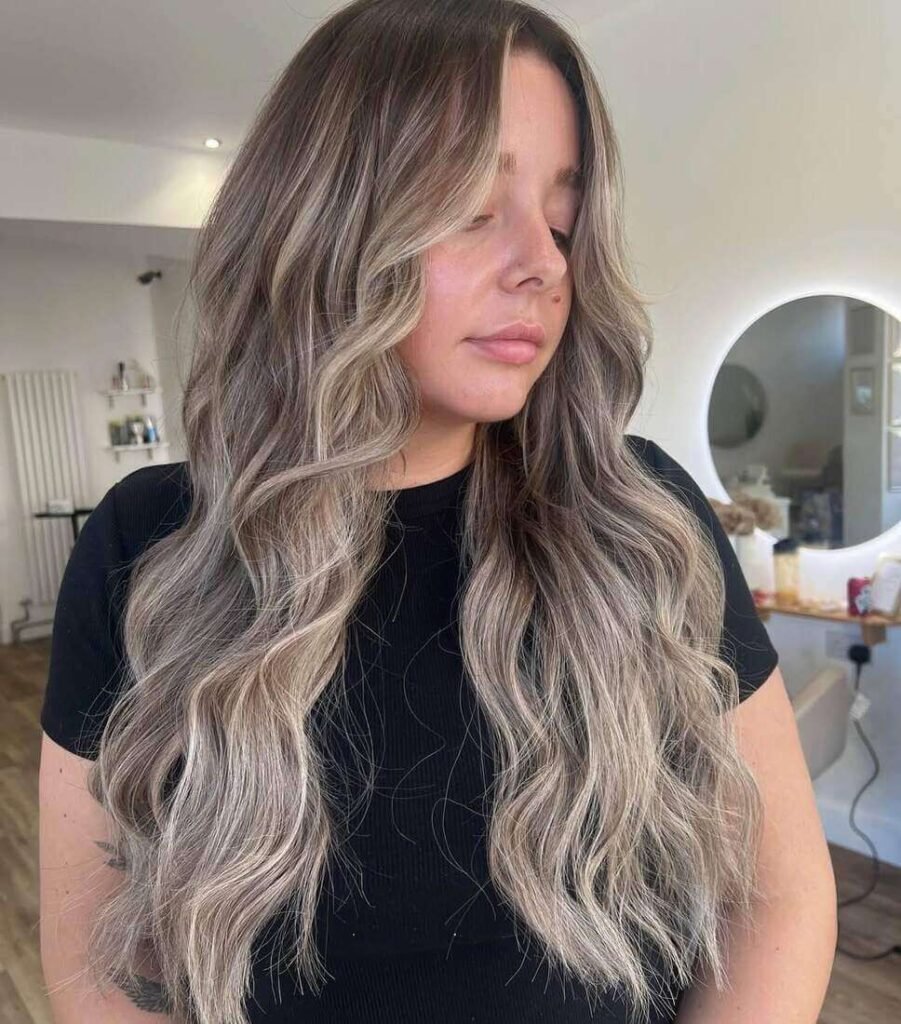
Have you ever watched cool-toned highlights turn yellow by week four and wondered where you went wrong? You didn’t. Ash blonde with cool toned highlights lives on a timer. The toner that keeps those strands icy is the first thing to wash out, and hard water speeds up the fade. I use a purple shampoo twice a week and it buys me maybe two extra weeks of silver instead of straw. The long layers and mid-back length make the upkeep feel bigger than it is, because brassiness reads loudest at the ends. A toner refresh every four to six weeks is the real rhythm. My motto: don’t chase the brass, book the gloss.
Ash Blonde Base With Silver Highlights Visual Idea
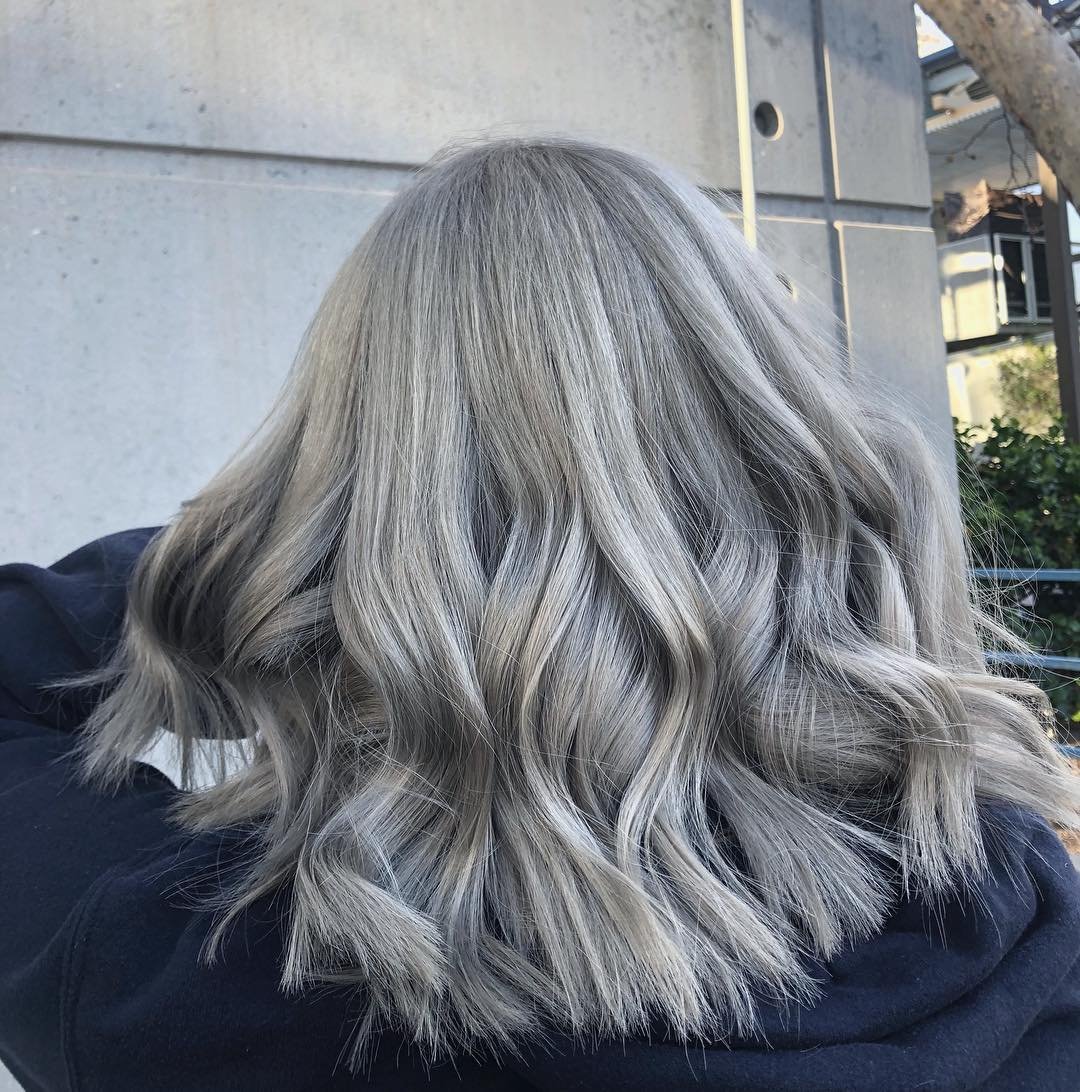
Confession: I’ve tried to achieve ash blonde base with silver highlights at home, and I have the uneven stripe photos to prove it. The base lifts to brass between the roots and the ends, and silver highlights placed without foils end up looking like grey streaks. If your hair is naturally dark, skip the home kit entirely. The collarbone length and wavy texture hide mistakes better than a blunt bob would, but that’s a kindness, not a cure. The safest middle ground is a salon gloss in between full appointments.
Final Thoughts
After writing all of these, I noticed the ones I actually want are the ones with a root shadow. I booked a deep plum with a soft root blend for next week. It’s not the loudest option, but it’s the one I’ll still like in March.
- Trim the baseline every eight weeks.
- Tone at week six, not week ten.
- Use a purple shampoo once a week.
- Book a gloss at week four.
Cold colors ask for upkeep, but they don’t ask for much else.