
I keep seeing women in the chair next to me asking for something cooler, something that doesn’t go brassy by week three. Winter color seasons get overlooked in summer, but that’s when the ashy tones and deep reds actually look the most deliberate.
These 26 True Winter Hair Color ideas cover the range: low-upkeep browns, high-commitment platinums, and everything between. They work for fine hair that goes flat by 4 pm, thick hair that needs dimension, and anyone tired of their grow-out line showing at week five. No salon marketing, just what holds and what doesn’t.
Cool Ash Blue Mid-Back Waves
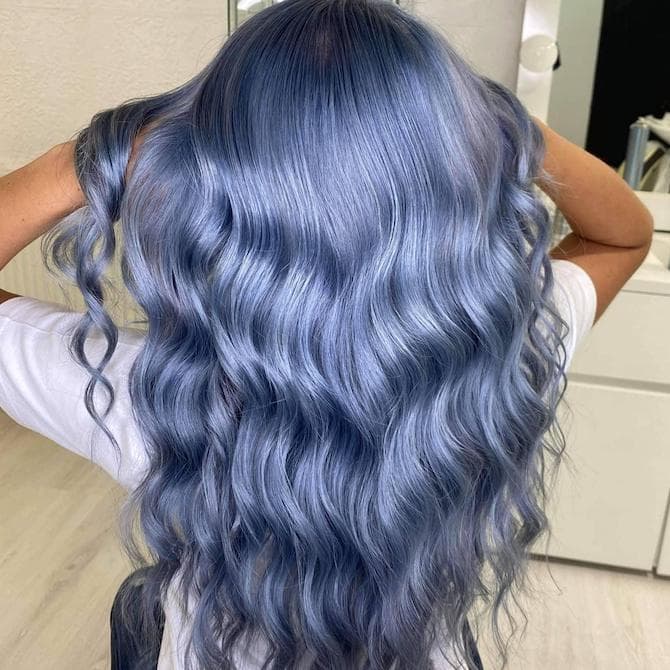
There’s a reason ash blue hair color gets called icy, and it’s not just the shade. On fair skin with blue or grey eyes, this cool ash blue reads like a natural extension of your coloring, not a costume. The technique matters more than the tube: it’s a two-step process, pre-lighten then tone, and the toner is what gives it that frosted, almost silvered quality. I’m a fan of the middle part here, because it lets the thick, wavy texture show off the dimension in the layers. You want mid-back length to carry the color, any shorter and the effect gets costume-y.
Deep Red-Brown Collarbone Layers

This is the color that looks expensive in low light and still holds its own in direct sun. Deep red brown hair at collarbone length, the saturation is the whole point: the red undertone is baked in, not painted on top. The technique is a single-process gloss over your natural base, and it’s the depth that keeps it from going cherry or rust. The layers matter because thick, wavy hair at this length needs movement, otherwise the weight kills the wave. A side part softens the strong color. Upkeep is honest: a red deposit conditioner every other week keeps it from pulling orange, and you’ll be back in the chair in six to eight weeks.
Ashy Blonde With Platinum and Ash Brown Highlights
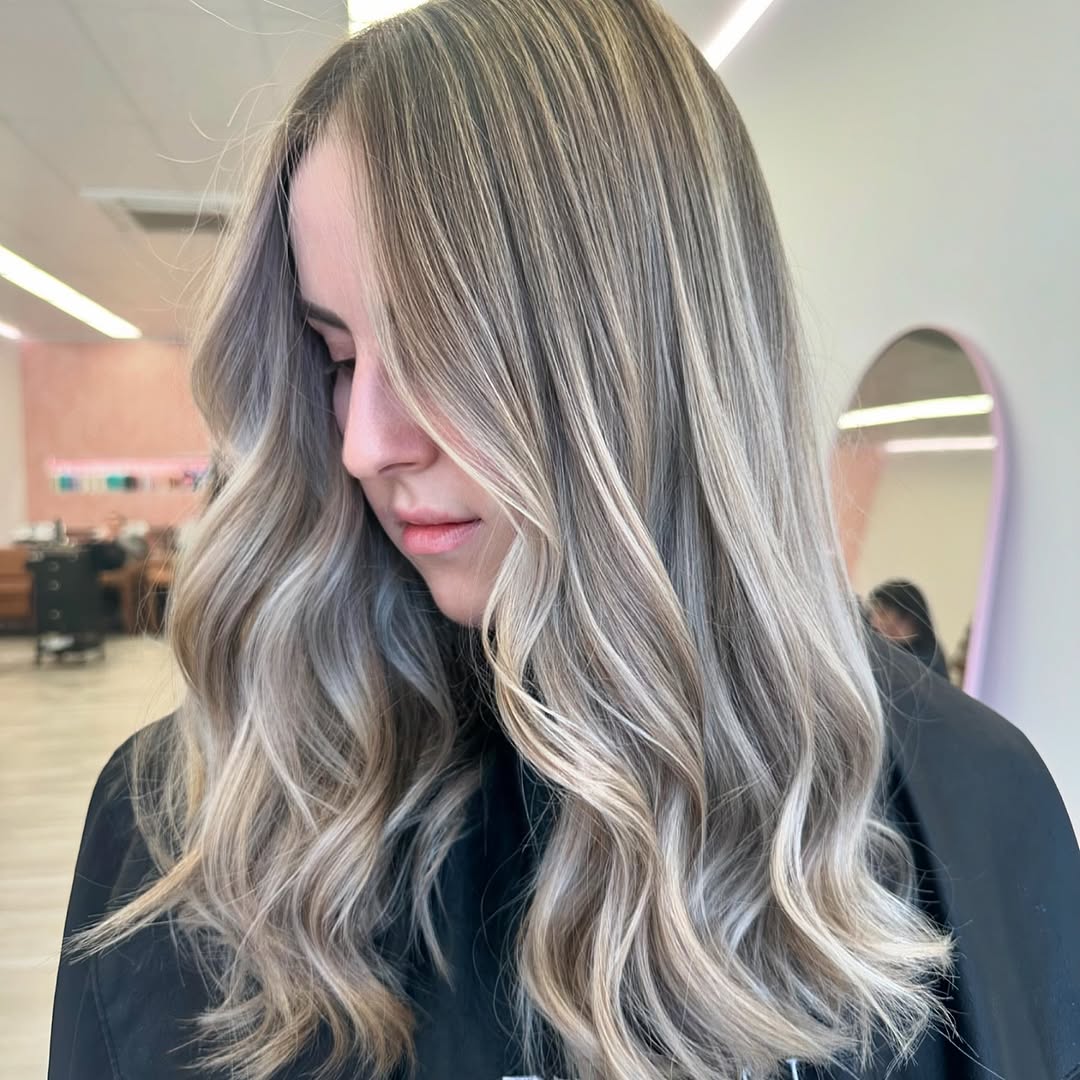
Do you want the blonde that photographs like a filter, or the one that looks like your hair just happens to be doing something interesting? Because those are two different appointments. This one is the latter: an ashy blonde base with platinum highlights threaded through for light and ash brown pieces dropped in for depth. The contrast is the trick, and it’s all in the placement. The platinum catches light at the crown and around the face, while the ash brown keeps the whole thing from going pale and washed out. Medium density, wavy texture, middle part, it carries the multi-tonal effect without heavy contrast. The downside is the schedule: every eight to ten weeks, no negotiation, or the bright pieces start to brass.
Dark Brown With Cool Caramel Highlights
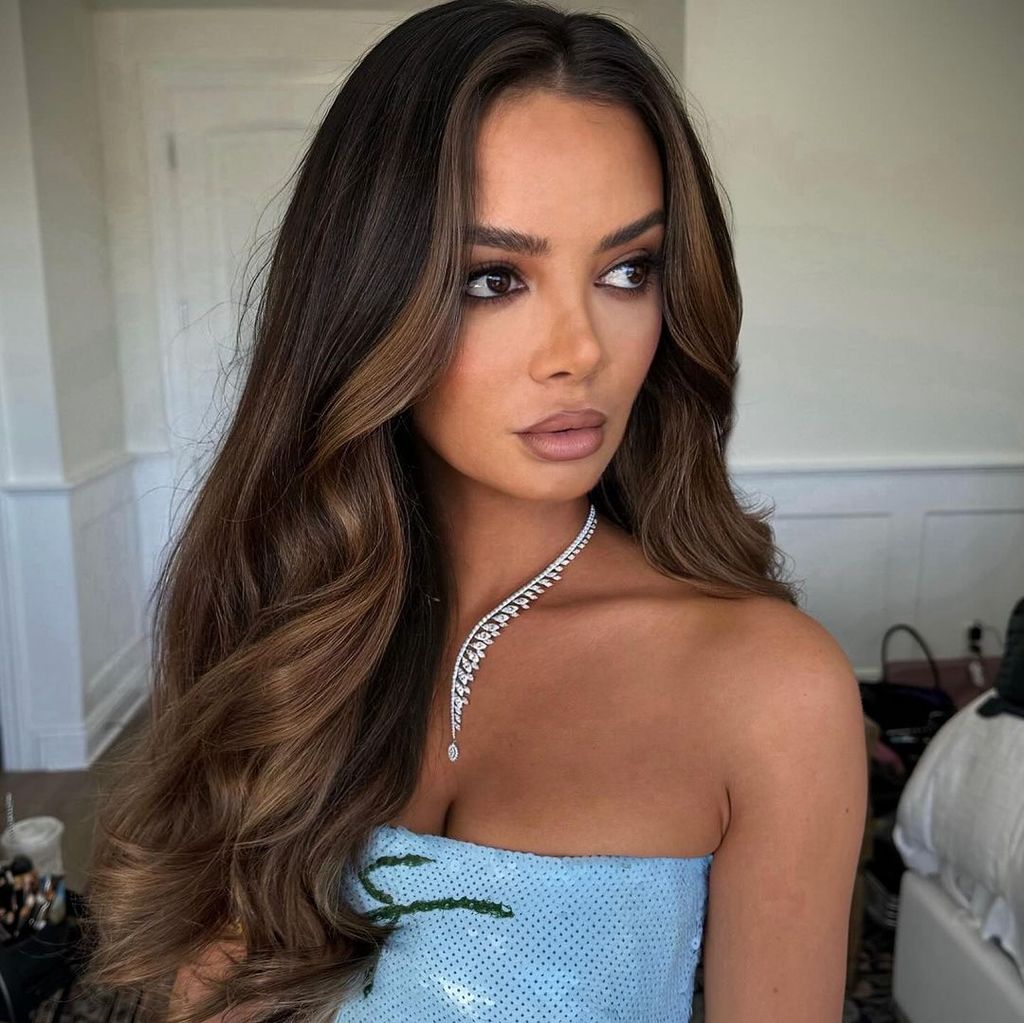
I’ll admit it: I was skeptical a caramel highlight could read cool. Then I saw this done right, and the trick is the tone, not the name. The dark brown base stays flat and rich, and the cool caramel highlights are the ones that lean beige and smoky rather than golden and honeyed. That is what keeps it from going brassy on a True Winter. The highlights are thin and spaced, so the dimension reads subtle from across the room, and close up it’s what makes the blowout look expensive. Mid-back length, wavy, thick, it suits the texture. The salon talk is simple: ask for babylights, fine weaves, and a cool-toned caramel that stops a shade before the brass.
Vibrant Copper Collarbone Cut
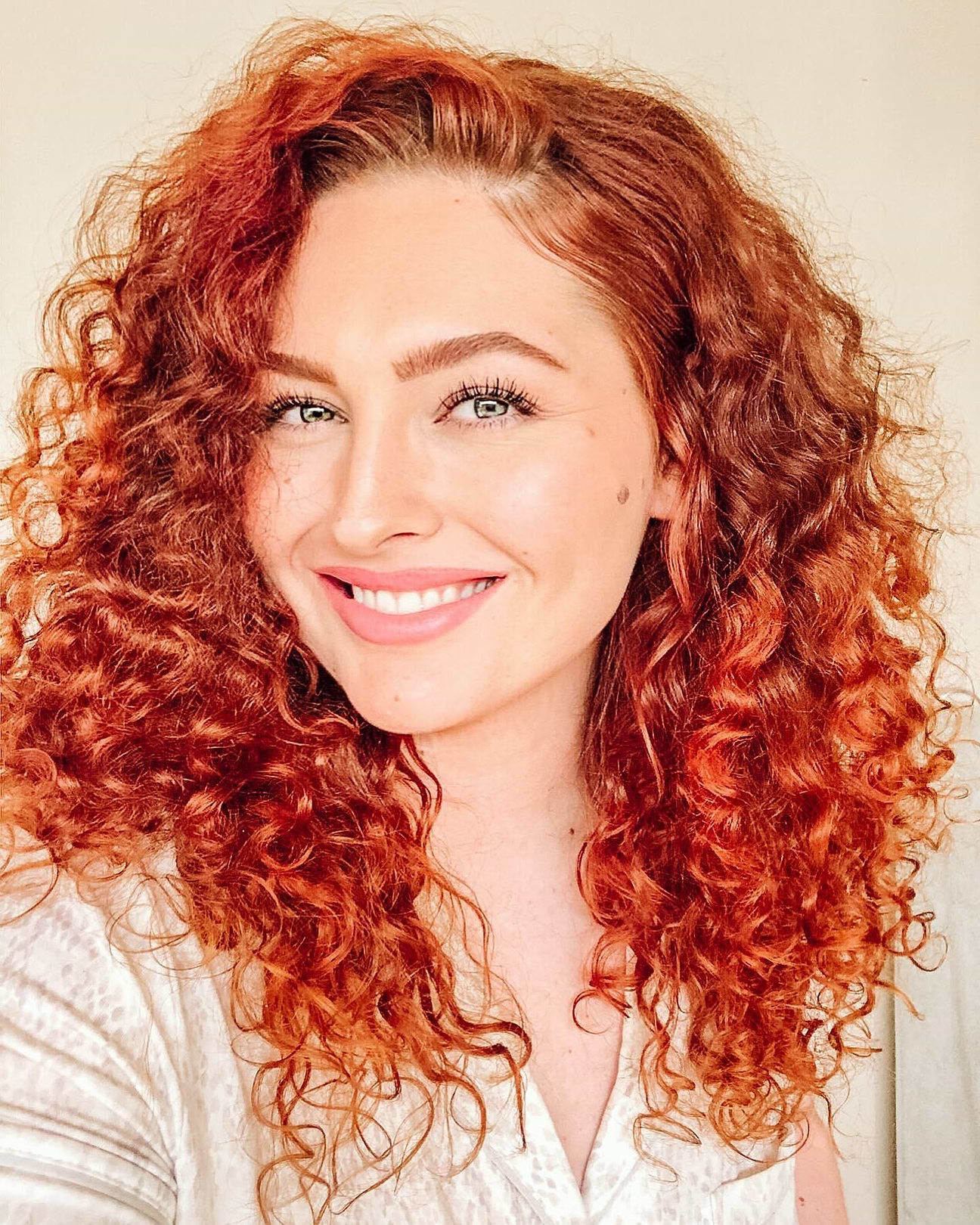
Fiery is the only word for it, and it’s not for the shy. Vibrant copper hair at collarbone length, with subtle darker undertones at the root so it doesn’t look flat. On warm skin tones this shade is almost luminous, it brings out the glow in a way that cool browns just can’t. The curly texture is the gift here, air-dried it holds shape and the copper catches the light at every bend. Save it for the season you want to be noticed: a summer wedding, the start of a new job, the week you feel like burning the place down. It is not quiet, pick it only if you mean it.
Chin Bob With Cool Dark Brown Highlights
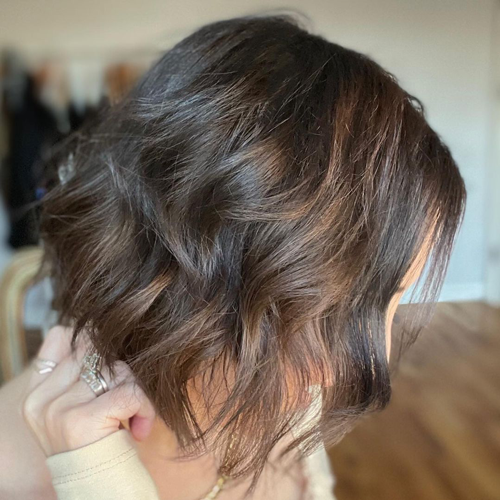
The mistake people make is thinking any cool-toned highlight will work on a dark brown base. It won’t. If the highlight is too ashy or too pale, it reads as a muddy stripe instead of dimension. The trick is a cool dark brown hair base with a highlight that is only one or two shades lighter, still in the cool family. On a chin bob with wavy texture, those subtle ribbons catch light without fighting the base. The side part helps. Expect to refresh the toning every eight to ten weeks or the coolness drifts warm.
Long Ash Blonde With Platinum Highlights
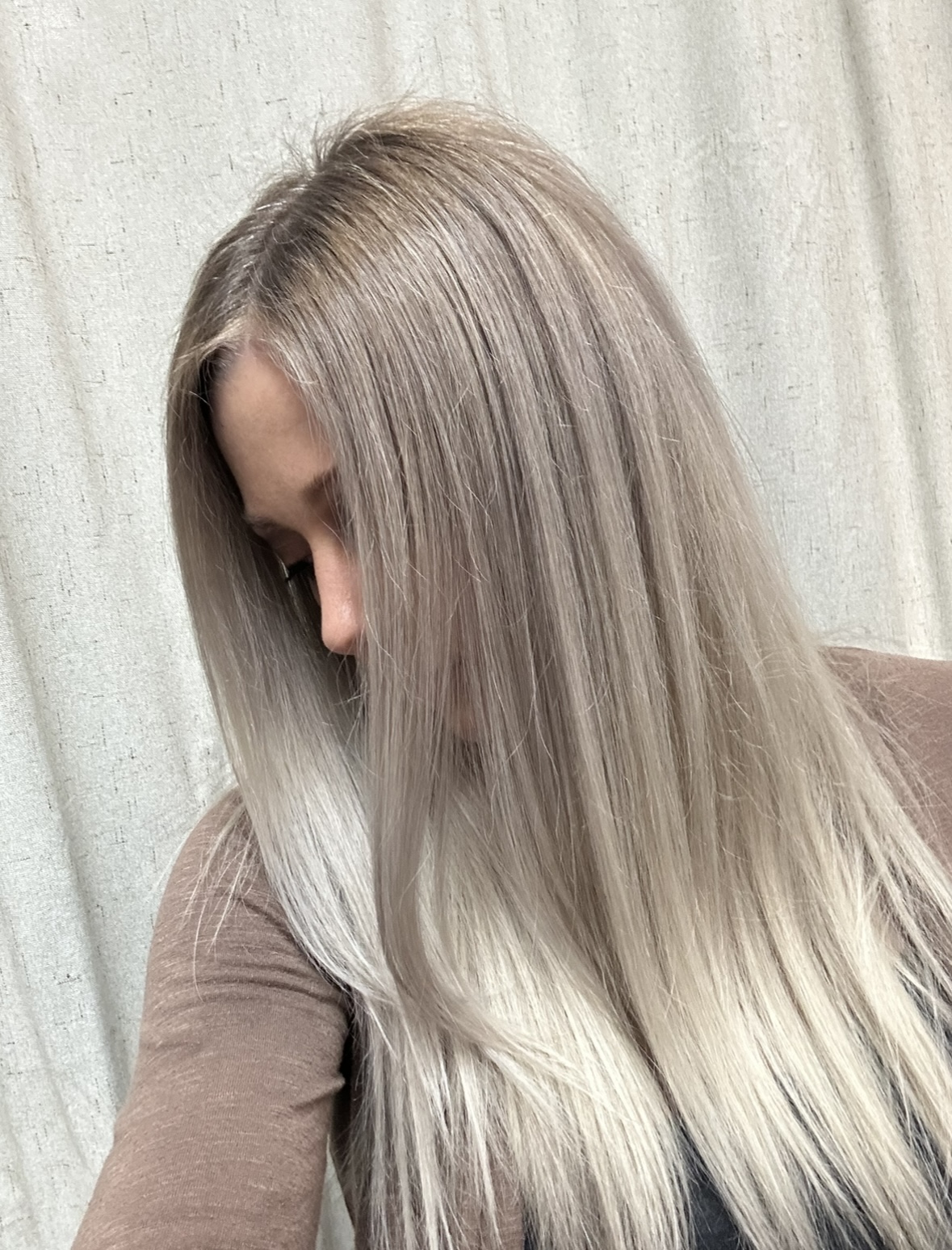
I walked into the salon with a photo of ash blonde platinum highlights and said, I want this, exactly this. The stylist looked at my natural level six and said, that is a two-session conversation. She was right. The base is a cool ash blonde, not yellow, not beige, and the platinum blonde highlights are woven through the mid-lengths and ends, leaving the root area darker for a softer grow-out. On long, wavy, thick hair, the contrast reads as icy dimension rather than stripes. This is not a DIY project. The lift alone takes hours, and the toner needs a professional hand or you get greenish ash. I sat for six hours across two appointments.
Collarbone Platinum Blonde
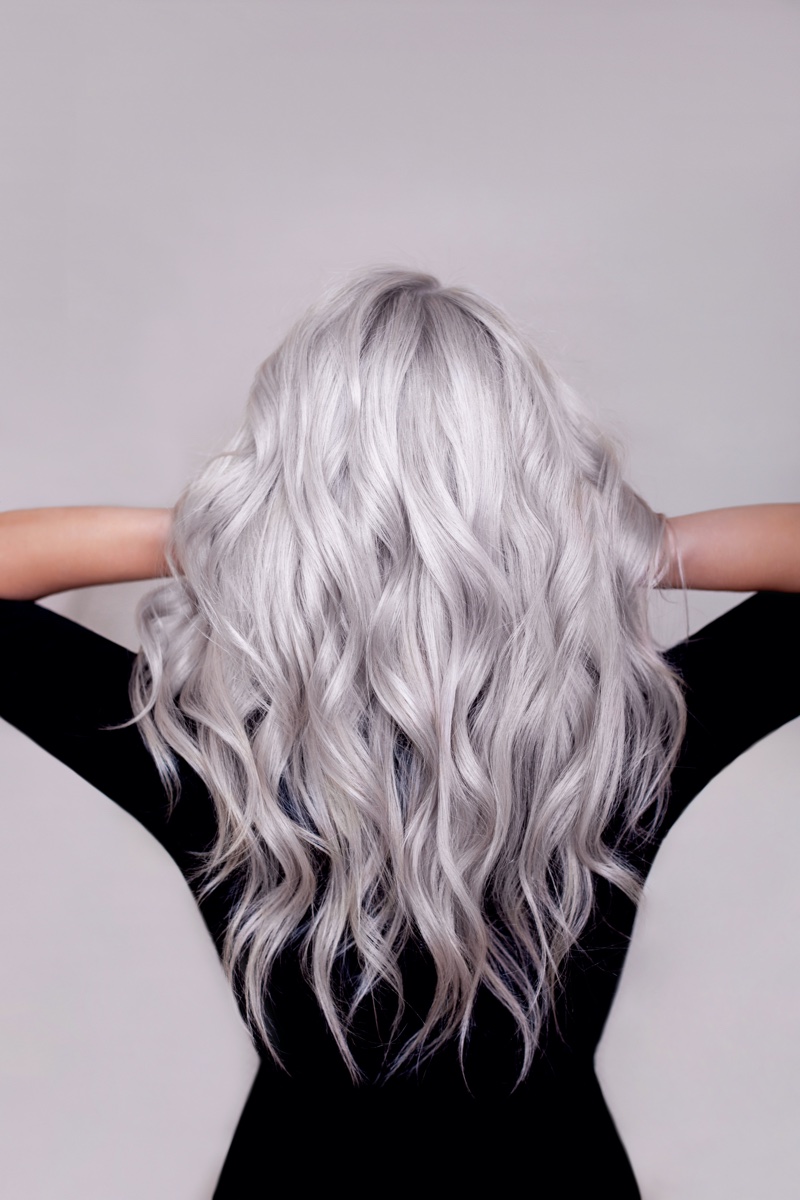
Can we talk about what platinum blonde waves actually cost? Not in dollars, in hair. On fine, wavy texture at collarbone length, the lightening process strips elasticity. The result looks incredible — bright, even, almost silver in certain light — but the strands feel drier after week two. Toning is a weekly event. Skip one wash and the platinum veers toward butter yellow. The honest downside is that this shade demands a protein filler and a bond treatment between every appointment. It is not a low-maintenance color. It is a high-drama color that asks for care.
Dark Brown With Caramel Curtain Bangs
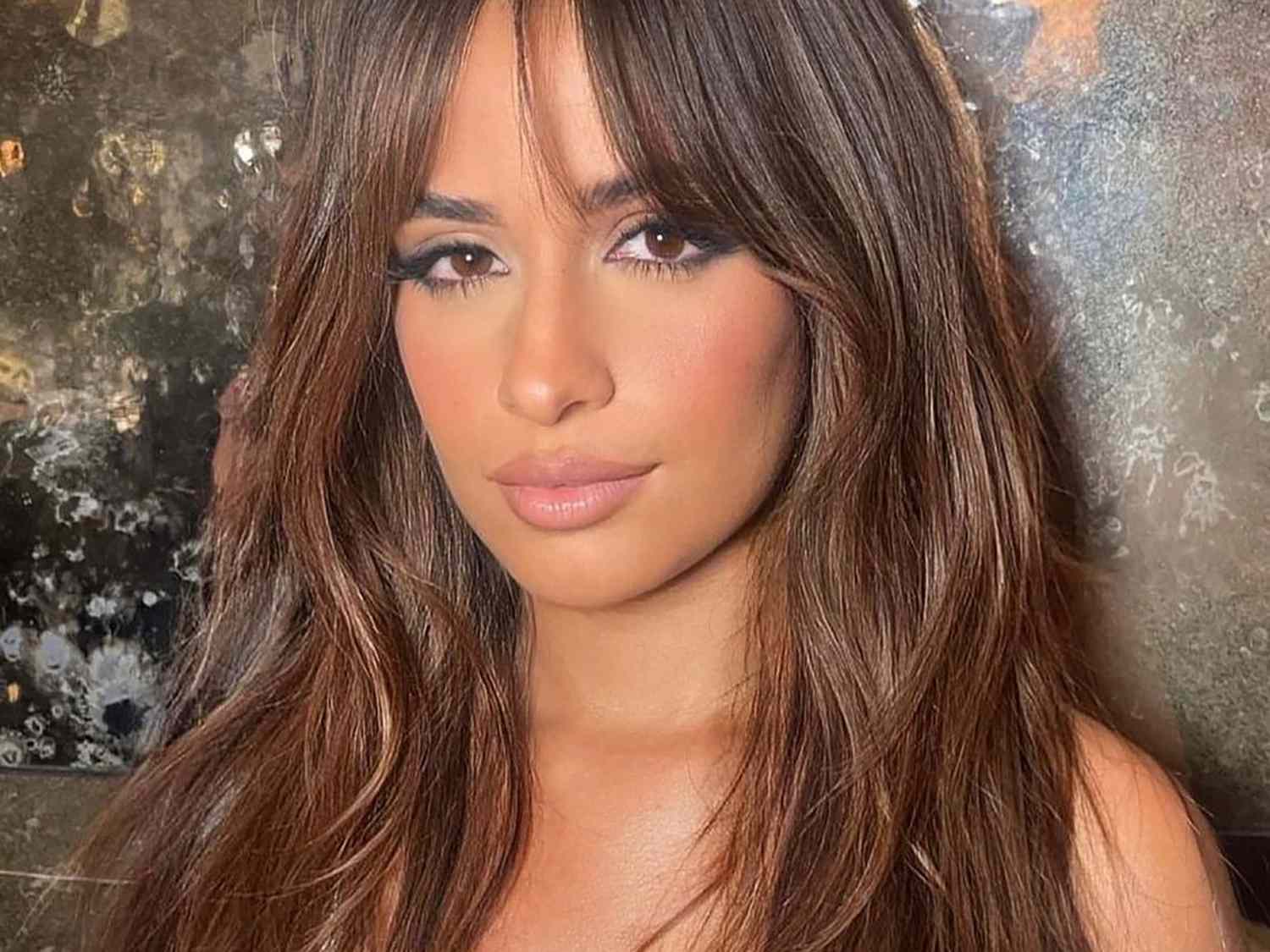
Dark brown curtain bangs with caramel highlights look best when the caramel is placed only on the bangs and the first inch of the face-framing pieces. The rest stays dark. That single move gives warmth around the face without pulling the whole head brassy. On wavy, medium-density hair at collarbone length, the caramel reads as a soft glow rather than a stripe. The curtain bangs need a round brush and a cool shot of air every morning. The caramel highlights will need refreshing every eight to ten weeks or they fade into a muddy tan. Keep the base dark and the contrast clean.
Chin Bob Soft Rose Gold Blonde
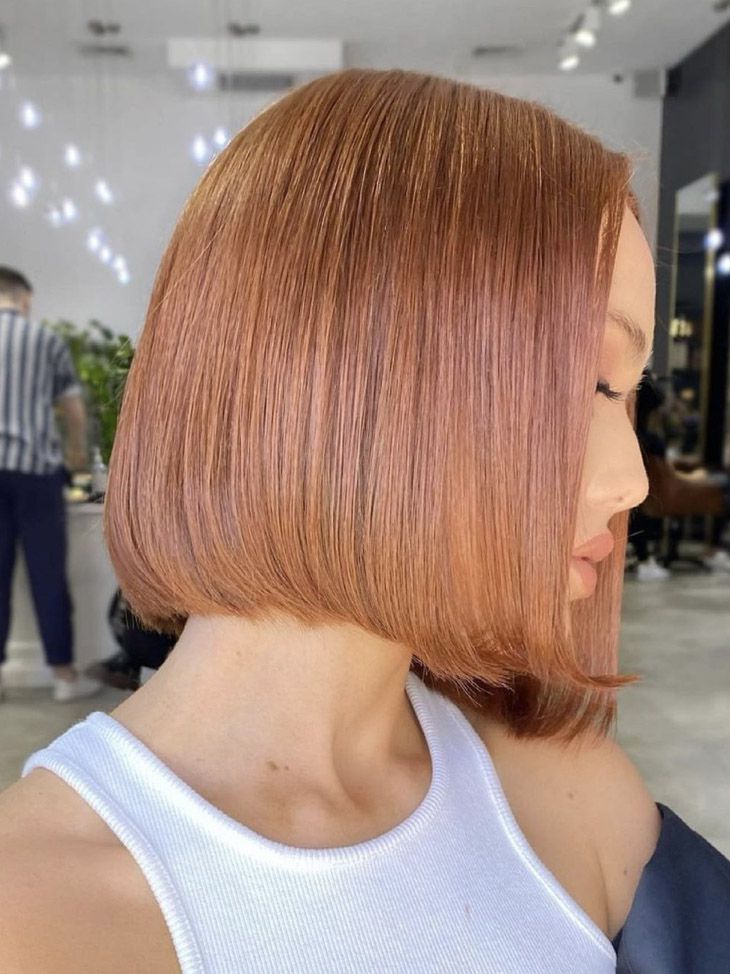
A rose gold blonde bob on fine, straight hair is a specific kind of gamble. It pays off if your natural base is already light blonde or very light brown. If your base is darker, the rose gold washes out in two weeks and leaves a pinkish tan that looks like a bad toner job. On a blunt chin bob with a side part, the color reads as delicate and luminous, not brassy. The honest downside is that this shade fades fast. A gloss every three weeks keeps the pink alive. Straight, sleek texture holds the color longer than wavy because there is less cuticle lift.
Deep Plum With Cool Undertones
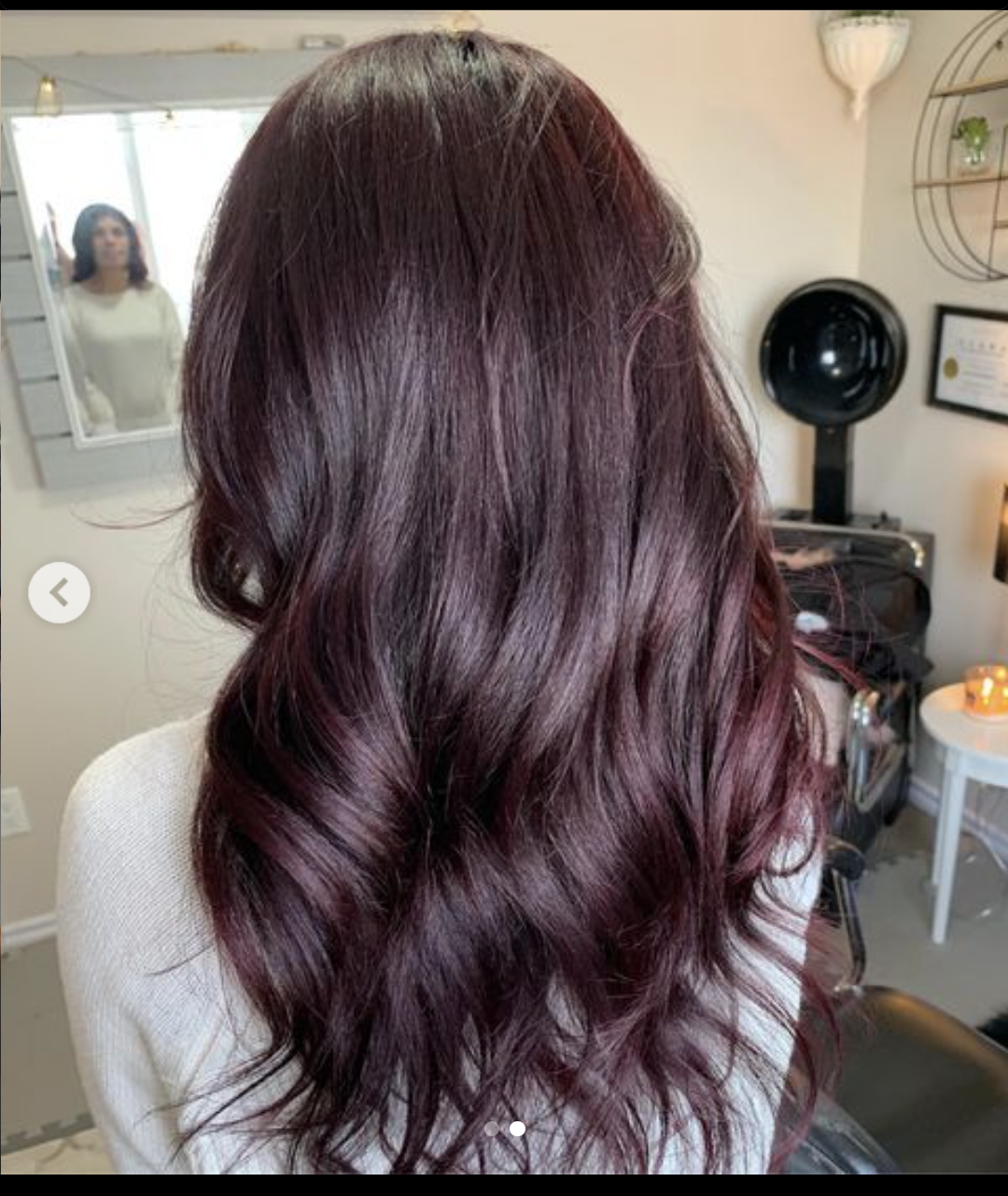
Back view, loose waves, and that deep plum hair color you can’t unsee. The technique starts with a dark violet base, then a cool-toned gloss is painted over every strand to kill any warmth. No copper, no gold, just a blue-purple that reads almost black in low light. The stylist applies the gloss section by section, letting it process for the full time so the cool undertones grab evenly. Thick, wavy texture holds the depth better than fine hair would.
Upkeep is the trade-off. That cool undertone fades first, usually within four weeks. A weekly plum-depositing conditioner keeps it from turning muddy. Mid-back length means more product, more time, but the payoff is a color that looks expensive and deliberate. Book the consultation first. This is not a box-dye situation.
Collarbone Ash Blonde With Cool Highlights
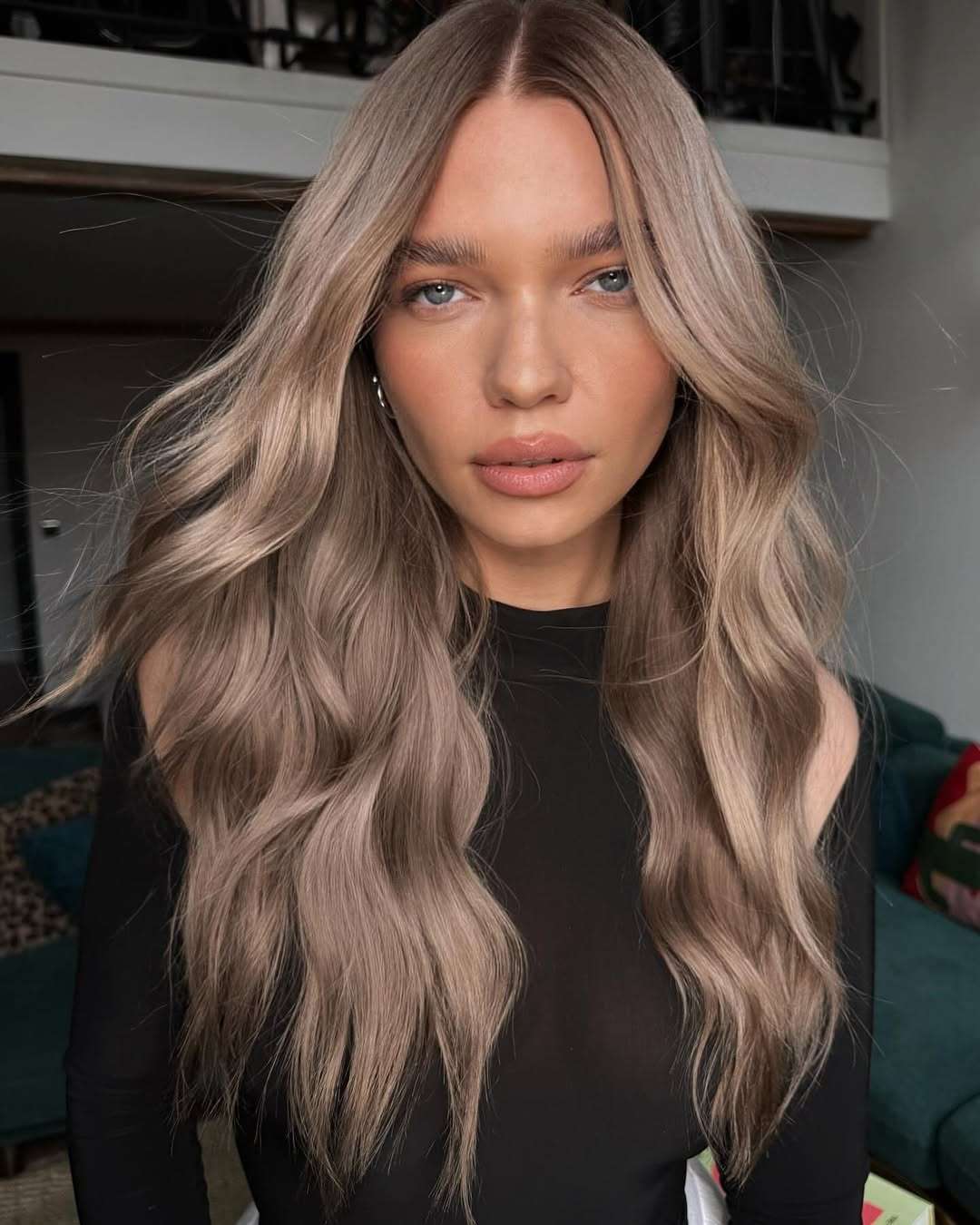
How does a collarbone-length wave keep its ash blonde cool highlights from turning brassy by Wednesday? Not by accident. The base is a muted ash blonde, and the highlights are painted in thin, vertical sections so they sit close to the surface. That placement means they catch light without overwhelming the cool tone. Medium-density wavy hair holds the shape through day two, but day three needs a refresh.
The styling steps are short but specific. A heat protectant before any iron work. A curling wand set to medium heat, wrapping sections away from the face. Then a light texture spray at the roots to lift the part. The waves are loose, not tight, so they stay soft and the highlights stay visible. Skip the heavy products; they weigh down the collarbone length and dull the cool reflection.
Mid-Back Auburn With Subtle Highlights
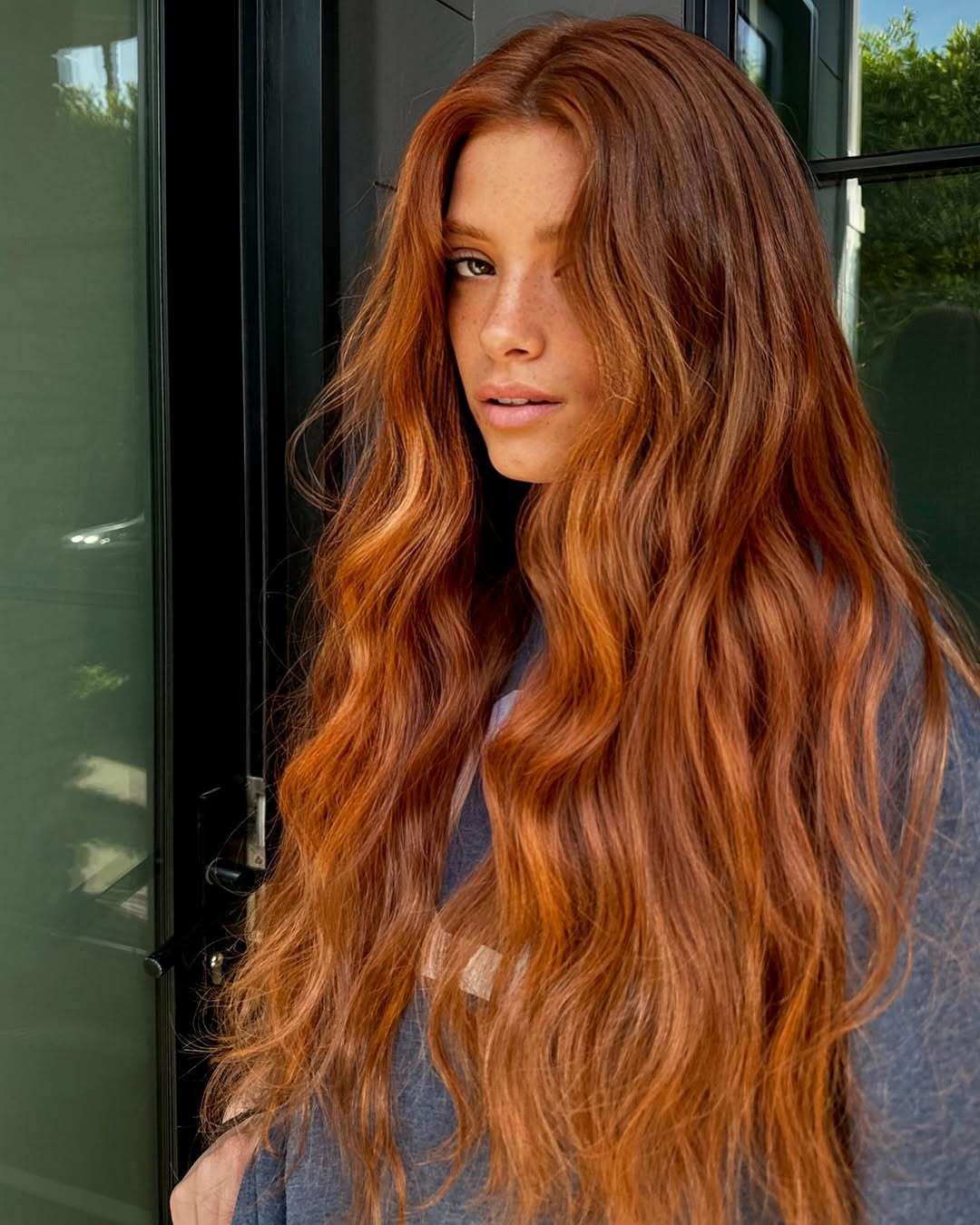
Most reds lean cool these days. This warm auburn hair does not. The base is a true copper-red, not cherry or burgundy, and the subtle highlights are a shade lighter, woven in sparingly around the face and mid-lengths. The effect is natural, almost sun-warmed, without the violet or blue tones that cooler reds rely on. On medium-density wavy hair, the color looks dimensional, not flat.
DIY versus salon: I would not attempt this at home. Auburn is notoriously hard to lift evenly, and the subtle highlights need precise placement to avoid a stripey look. A stylist can control the undertone, keeping it warm without tipping into orange. The side part helps the highlights read as effortless, but the application is anything but. Book it. Your bathroom mirror will thank you.
Deep Cool Brown Sleekness
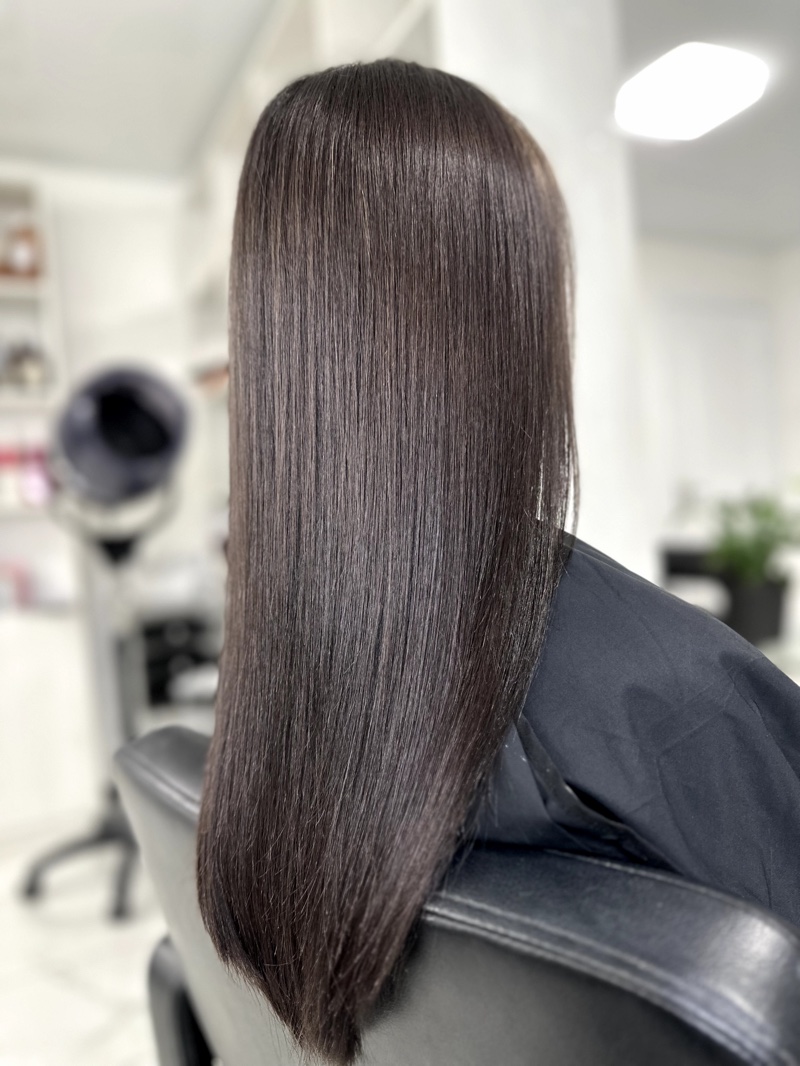
This deep cool brown hair is the shade for anyone who wants a neutral brunette that reads expensive, not flat. The cool-toned brown base has no red or gold, just a soft ash that looks almost charcoal in dim light. On straight, fine hair, the sleekness is immediate, but there is an honest downside: without a flat iron and a shine serum, fine hair can look limp. The middle part and straight cut work best on medium to high density; low density will show scalp through the part. If your hair is fine and you do not heat style, skip this look. The shine is the whole point, and it requires work.
Deep Burgundy With Red Undertones
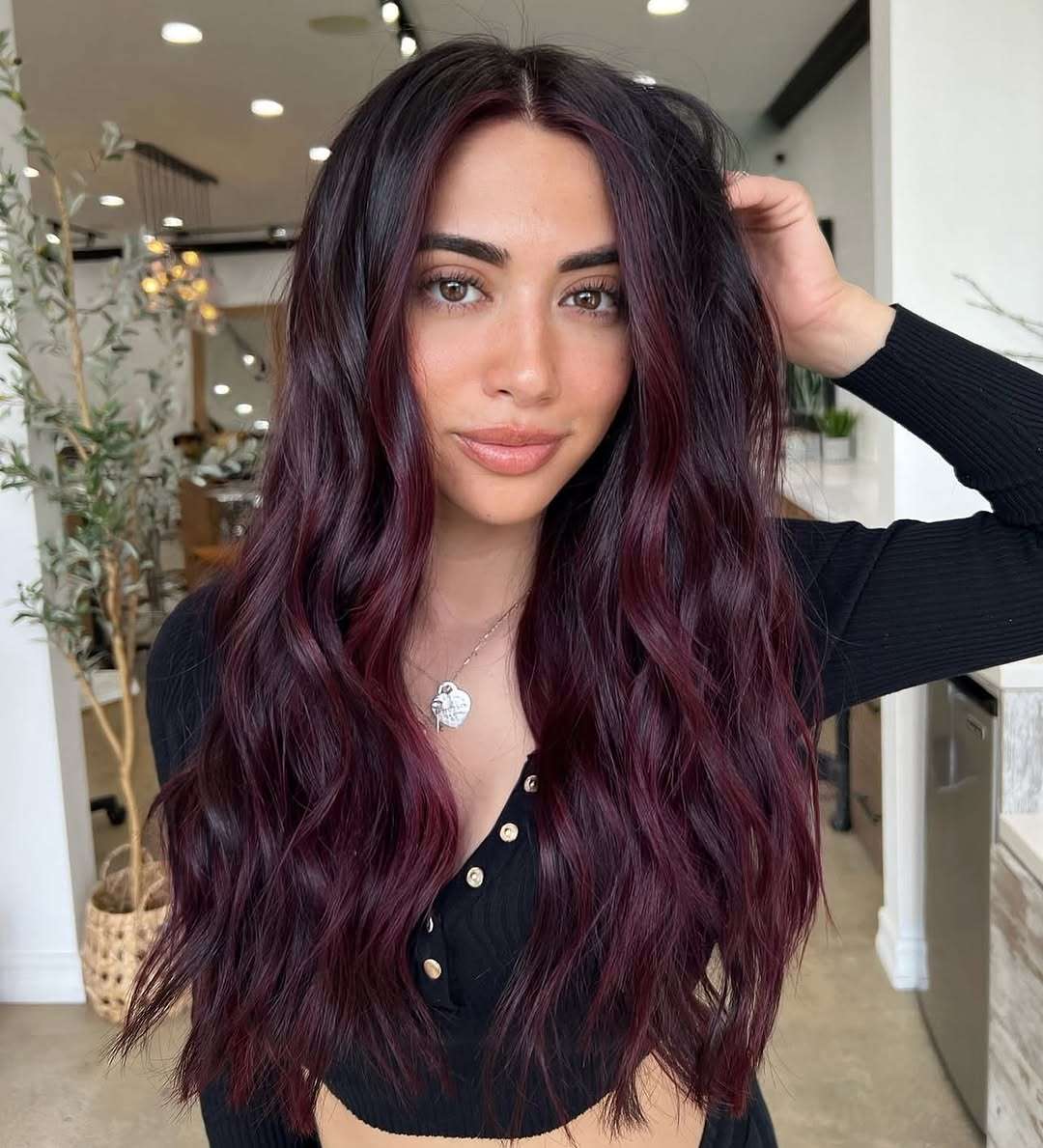
This color stops me every time. Deep burgundy hair with subtle red undertones is built by starting with a dark brown base, then applying a burgundy pigment that leans red, not violet. The stylist paints it in sections, saturating each strand so the undertone is even from root to tip. Thick, wavy hair holds the richness without looking flat, and the loose waves let the red catch light.
Season and occasion matter here. This shade is made for fall and winter, when deeper colors feel intentional. It works for evening events, holiday gatherings, or any moment you want the hair to do the talking. The red undertones fade faster than the base, so a color-depositing conditioner every two weeks keeps the warmth alive. Save this for when you want a bold, grown-up red, not a candy apple.
Dark Brown With Ash Blonde Face-Framing
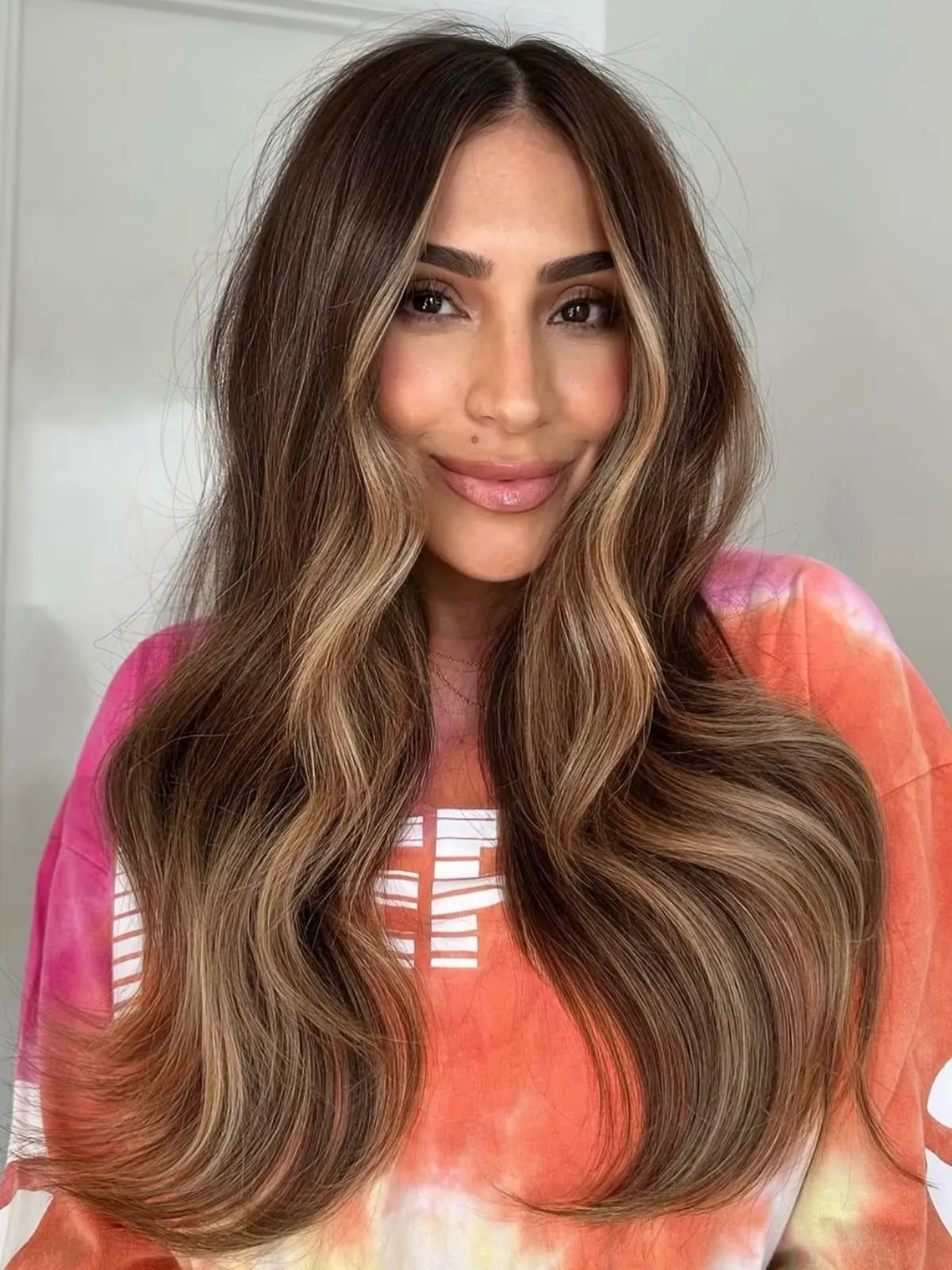
I’ll admit, I was skeptical about face-framing highlights on dark hair. But this dark brown base with ash blonde face framing changed my mind. The contrast is sharp without being harsh, and the collarbone length keeps it from feeling heavy. My thick, wavy hair holds a blowout well, and the highlights catch the light in a way that makes the whole cut look intentional.
The upkeep is real: a color-safe shampoo, a purple toning conditioner every other wash, and a trim every six weeks to keep the ends fresh. The highlights grow out gracefully, but you’ll want to book a touch-up around week eight when the contrast softens. Worth it for the way it brightens the whole silhouette.
Thick Straight Deep Plum
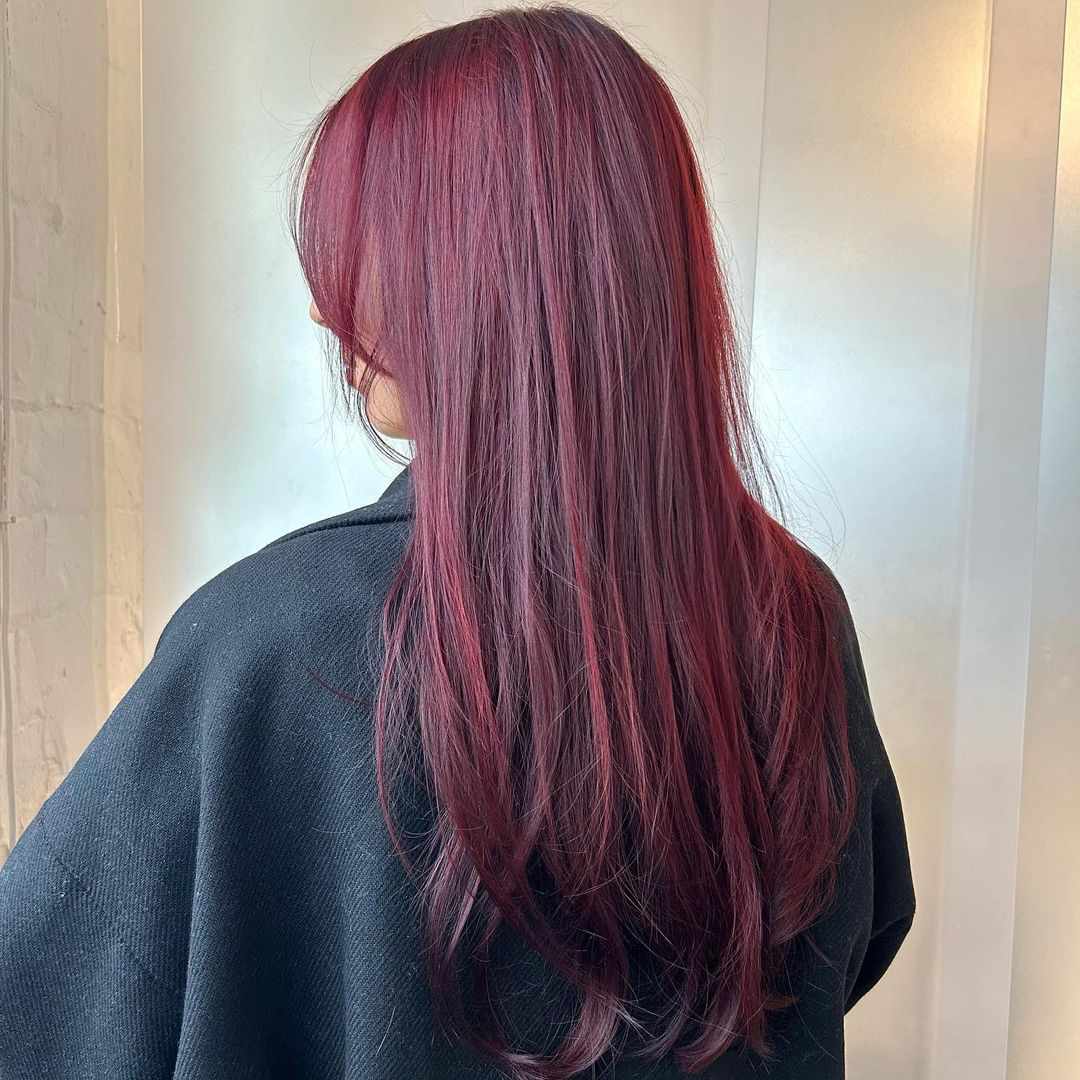
Monday morning, and the plum is still vibrant. That’s the promise of deep plum on thick straight plum hair: the color sits on the surface and glows. The mid-back length with long layers gives it movement, and the cool undertones keep it from looking muddy. Straight hair reflects light evenly, so the plum reads as a solid, rich block of color.
The honest downside? It fades. Within three weeks, that deep plum starts pulling more violet than purple. By week five, it’s a dusty mauve if you don’t use a color-depositing conditioner. And because the hair is thick and straight, regrowth shows as a sharp line at the roots. You’ll need a root touch-up every four weeks to keep the line blurred. The payoff is the initial pop, but the upkeep is not optional.
Deep Cherry Red With Cool Undertones
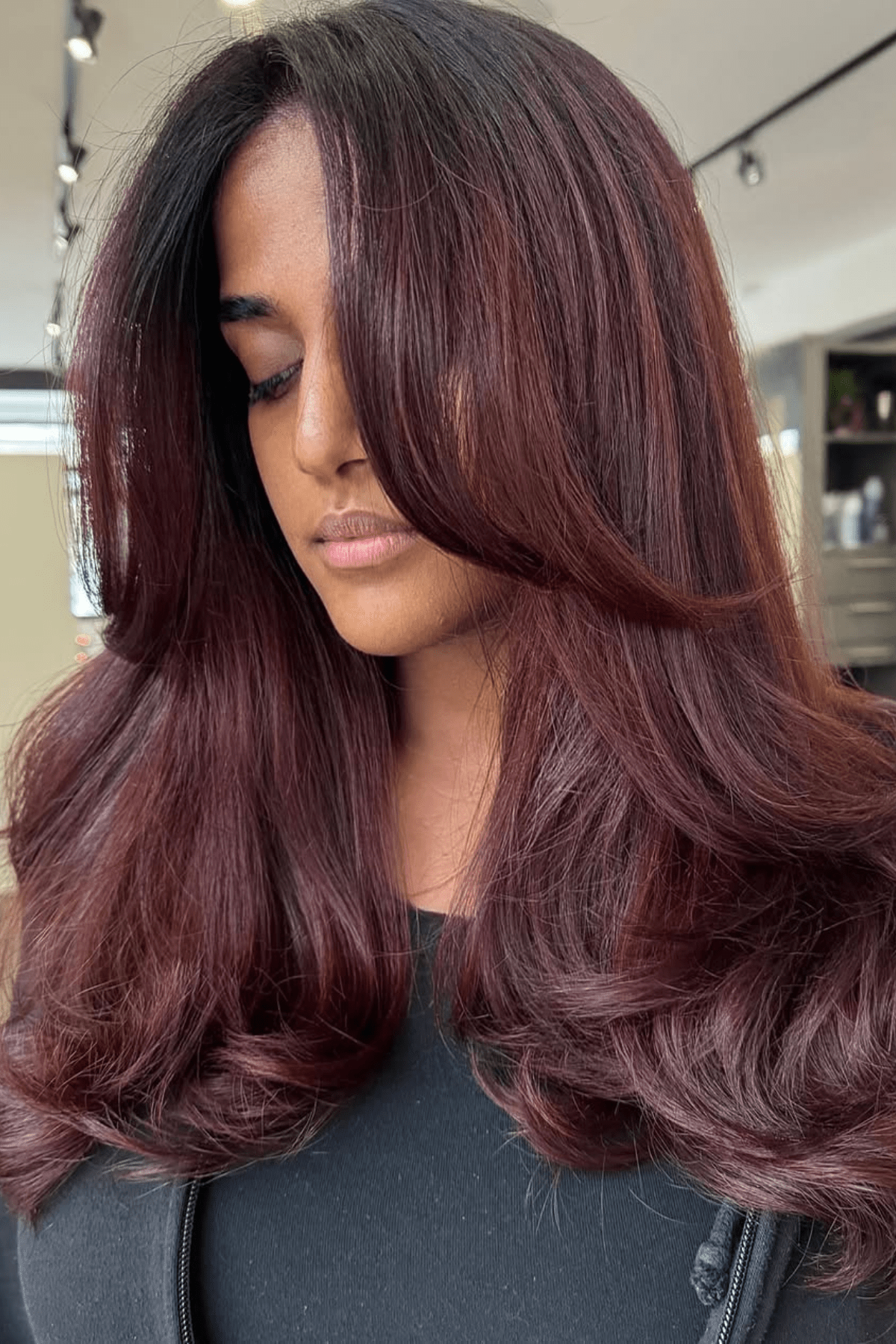
You can get this deep cherry red at home, but you need to be patient. Start with a clean, dry base that hasn’t been colored in six weeks. Apply a cool-toned red dye from mid-shaft to ends, then go back to the roots last to avoid hot roots. The key to the cool undertones is choosing a shade with a blue or violet base, not orange. Leave it on for the full processing time, no shortcuts.
After rinsing, use a cool water final rinse to seal the cuticle. The mid-back length with long layers means you’ll need two boxes of dye for full saturation. The wavy texture helps the color look dimensional even with a single process. But here’s the thing: achieving that exact deep cherry red hue requires a pre-lightener if your natural base is darker than medium brown. Without it, the red reads more burgundy than cherry. So test a strand first.
Dark Brown With Warm Balayage
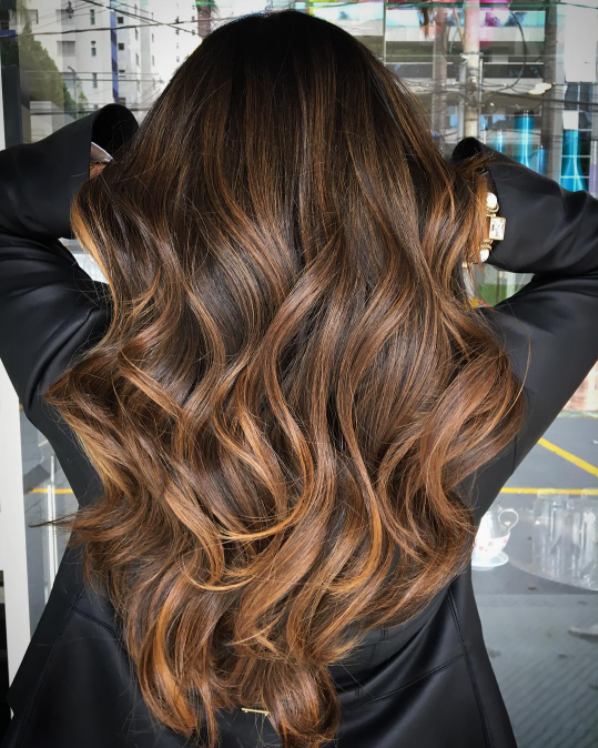
Why does warm caramel balayage feel so right in fall? Because the dark brown base grounds it, and the honey tones catch the low autumn light. The mid-back length with long layers lets the balayage sweep through the waves, and the thick, wavy texture holds the curl pattern without effort. The honest downside: warm tones fade warm. Within a month, that caramel can shift brassy, especially on a dark base. You’ll need a blue shampoo to neutralize the orange, and a toning gloss every six weeks to keep the honey from turning copper. Worth it for the seasonal glow, but plan for the upkeep.
Collarbone Cherry Red With Curtain Bangs
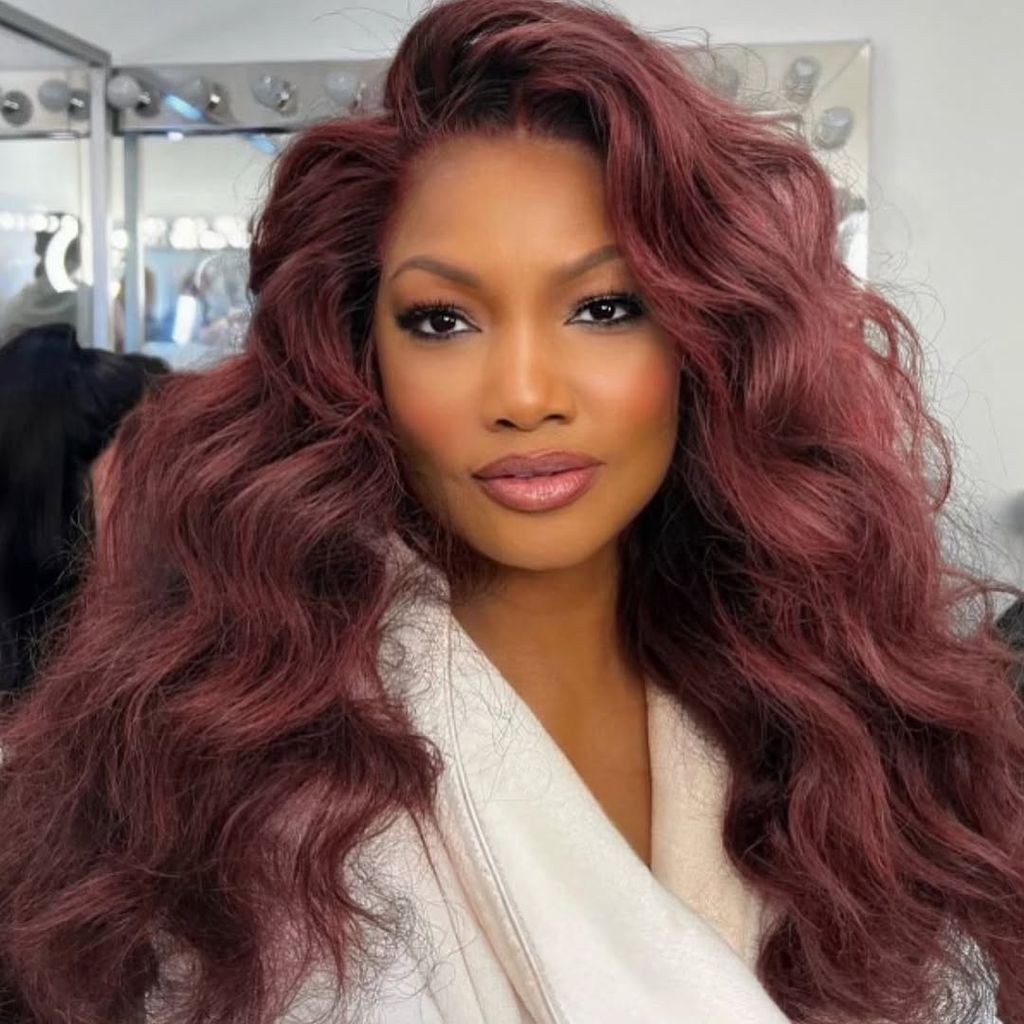
This color stops you in your tracks. The deep cherry red with cool undertones is intense, and the cherry red curtain bangs frame the face without overwhelming it. The collarbone length keeps it wearable, and the wavy, thick texture gives the waves volume that lasts. This is a look for someone who wants to be noticed — think holiday parties, a big birthday, or a season where you want to lean into bold. The cool undertones mean it reads sophisticated, not costume-y. But it’s not for the shy: the color demands attention, and the curtain bangs need daily styling to sit right. If you’re ready for that, it’s a showstopper.
Ash Blonde With Silver Undertones
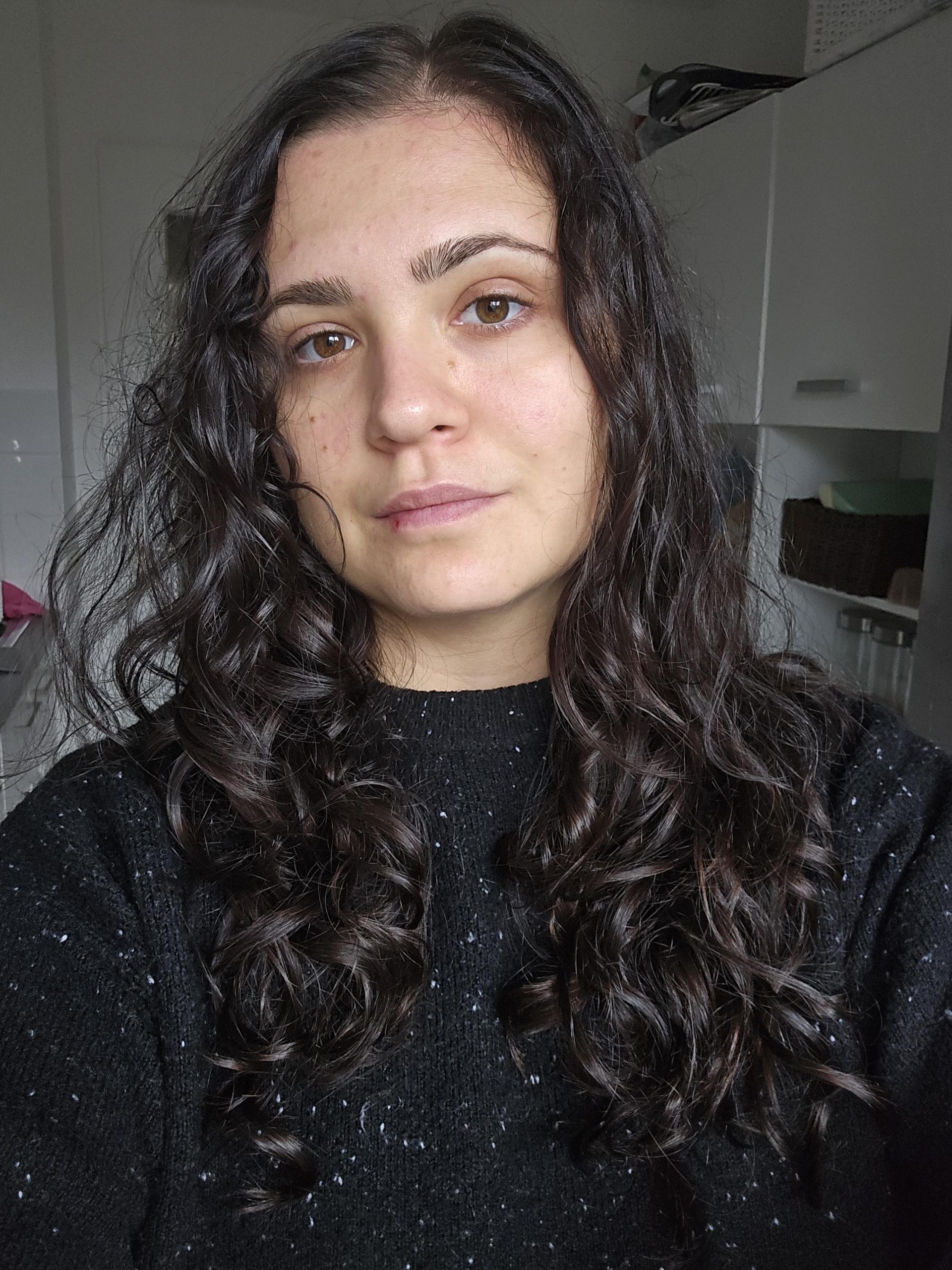
The path to an ash blonde silver undertones finish runs through a double process: a heavy lift to pale blonde, then a violet-based toner applied at the bowl. Mid-back layers keep that wavy thick texture visible, and the middle part lets the cool tone read evenly from the roots down. I have seen this shade read icy at the sink and flat by week two if the toner is not refreshed with a violet shampoo every third wash. The silver undertones pull warm from sun exposure, so a leave-in conditioner with UV protection is non-negotiable for anyone who spends time outdoors.
Wear means watching your part line and the hairline. Upkeep demands a salon toning visit every four to six weeks, and the grow-out on a mid-back length becomes visible around week five. You can stretch it if you keep the ends trimmed, but the root shadow will be obvious. A violet shampoo alone will not fix the brass if the underlying lift was uneven, which is why this is a salon-only game from the start.
Ash Brown With Violet Undertones
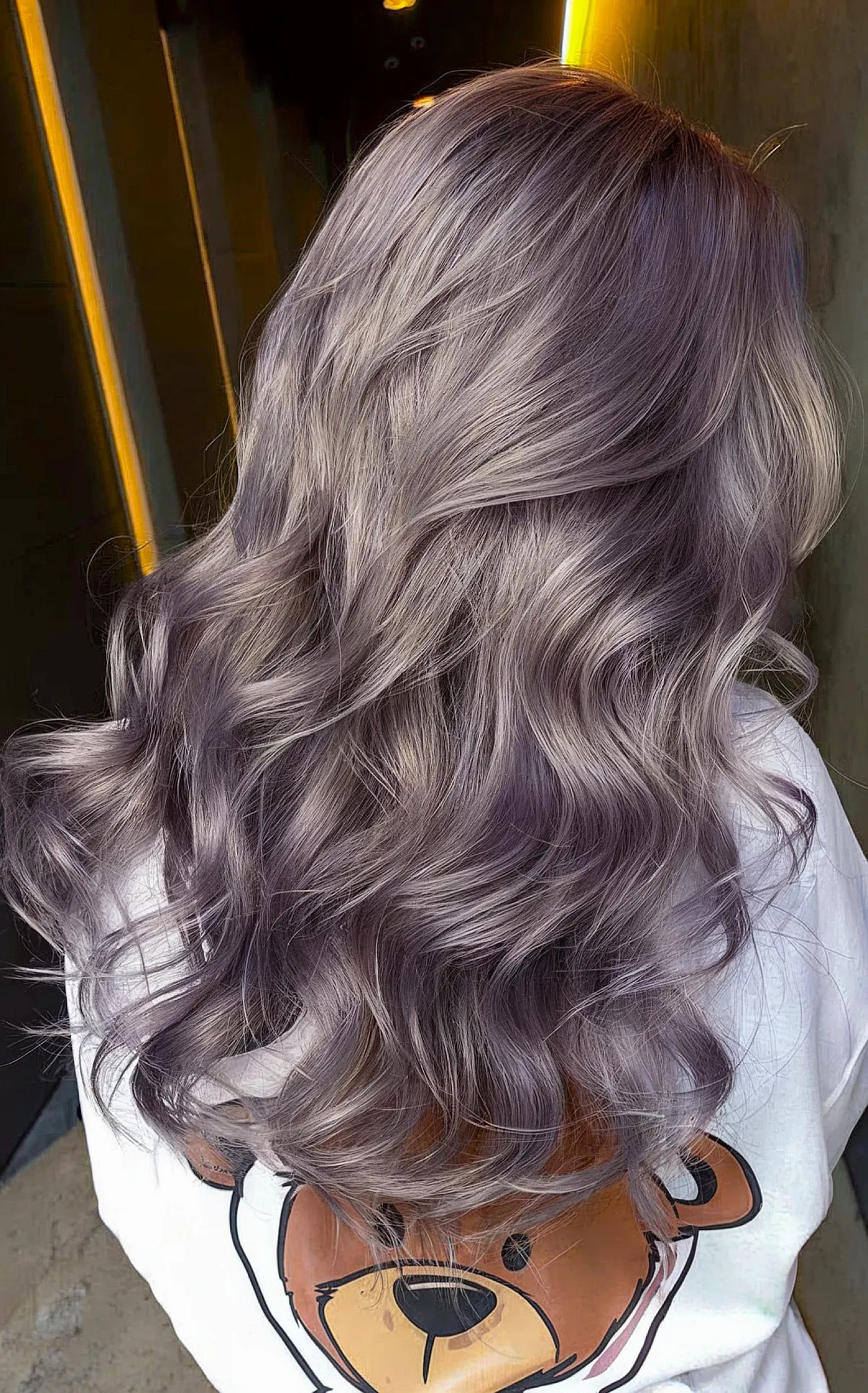
The ash brown violet undertones in this combination demand attention every morning. Mid-back wavy thick layers with a blowout show the cool violet tones and ash blonde highlights best after washing, but by day three the brass starts creeping into the lighter pieces. I have learned that a dry shampoo at the roots helps, but it does not stop the ash blonde highlights from turning slightly yellow by the weekend.
Ask your stylist for a toner that leans more violet than ash, and request a root shadow on the ash blonde highlights. Highlights need refreshing every eight to ten weeks, and the violet undertones in the base need a color-depositing shampoo weekly to stay dimensional.
Deep Red With Vibrant Hue
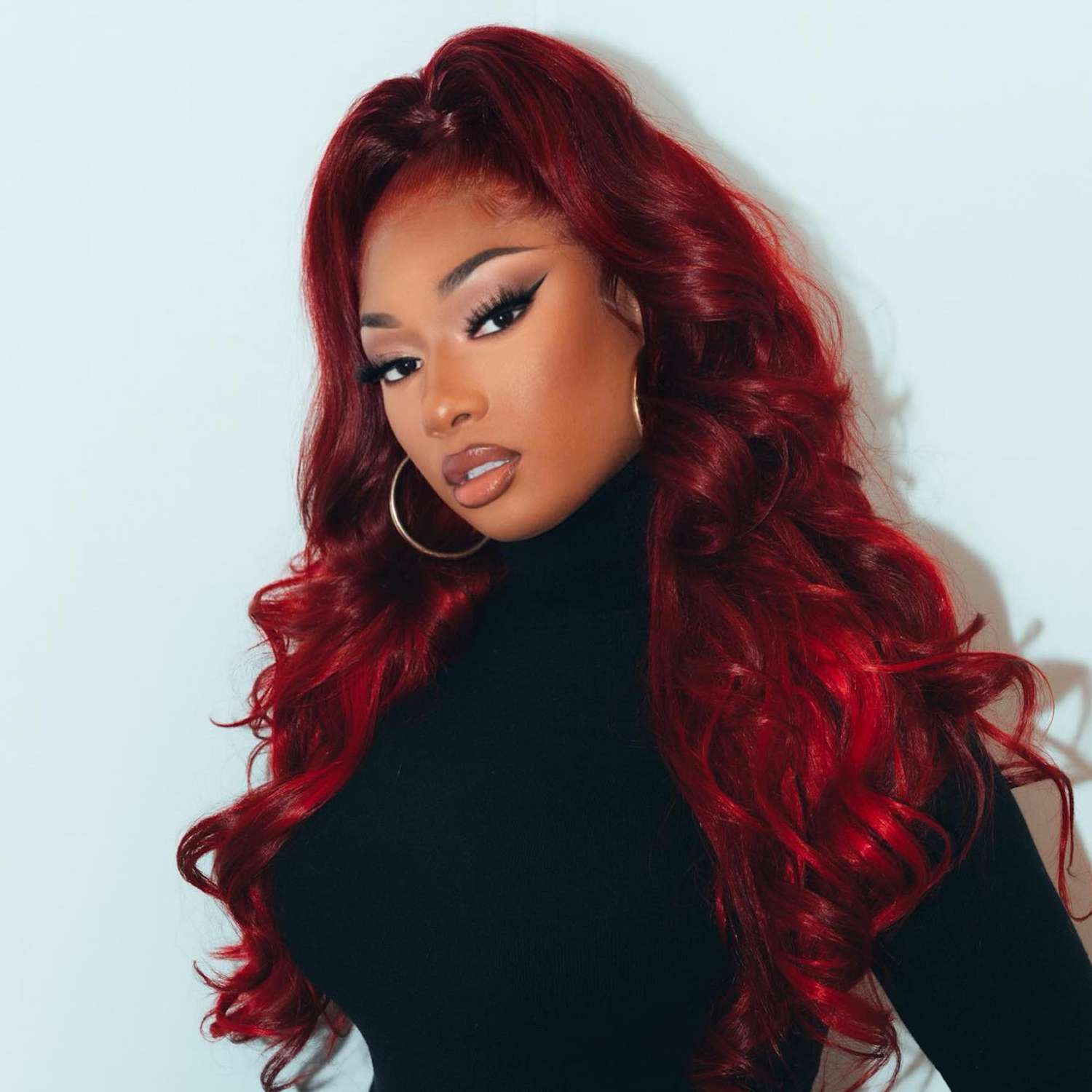
Which deep red hair color actually stays true for more than two weeks? Most reds fade to rust or pink, but a vibrant hue like this one holds its saturation because of a three-step process: pre-lightening to a pale orange, then a direct dye application, then a clear gloss seal. Mid-back wavy thick layers with a blowout make the color look almost liquid, but the same surface area that shows off the color also accelerates fading.
This is a salon-dependent choice. The pre-lightening step strips the cuticle, and the direct dye needs professional placement to avoid patchiness. I have seen box versions turn muddy by week two. Touch-ups every four to six weeks are standard, and you cannot do that halfway yourself. The vibrant hue demands a committed relationship.
Ash Blonde With Platinum Highlights And Root Shadow
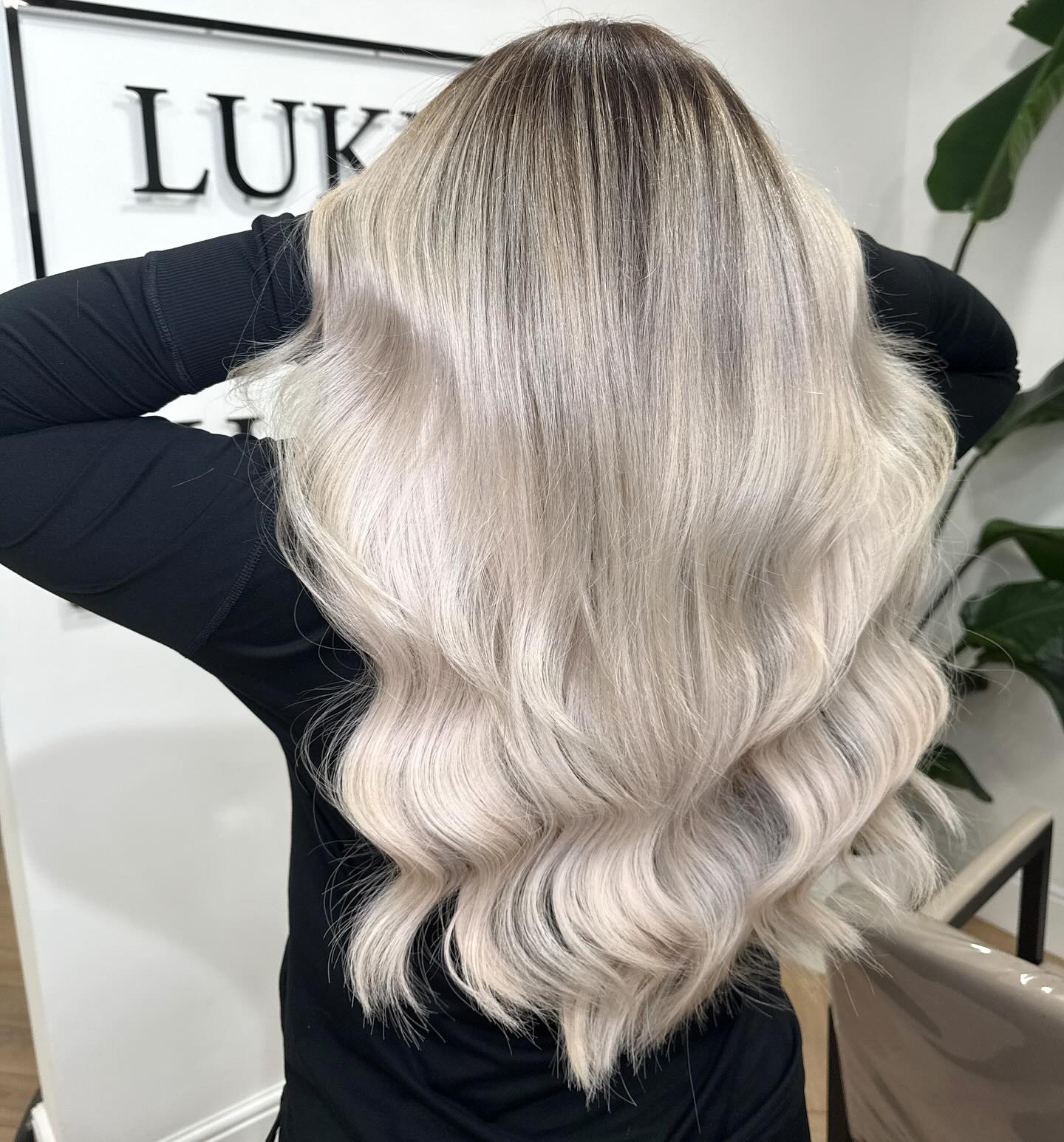
I remember the stylist saying the ash blonde root shadow would buy me two months. Mid-back layers with loose waves let the platinum highlights catch the light, and the root shadow blurred the grow-out line for a solid eight weeks. I had always gone platinum from root to tip, so the dark base felt like a compromise. It was not. It was the smartest color decision I have made.
The honest downside: the platinum highlights still require a toner every six weeks, and the root shadow, while soft, does darken the overall look. You lose some of that ice-blonde brightness at the scalp. But the grow-out is genuinely forgiving. I went ten weeks between appointments without anyone noticing the line. That never happened before. The blend is the whole point.
Deep Burgundy Curls
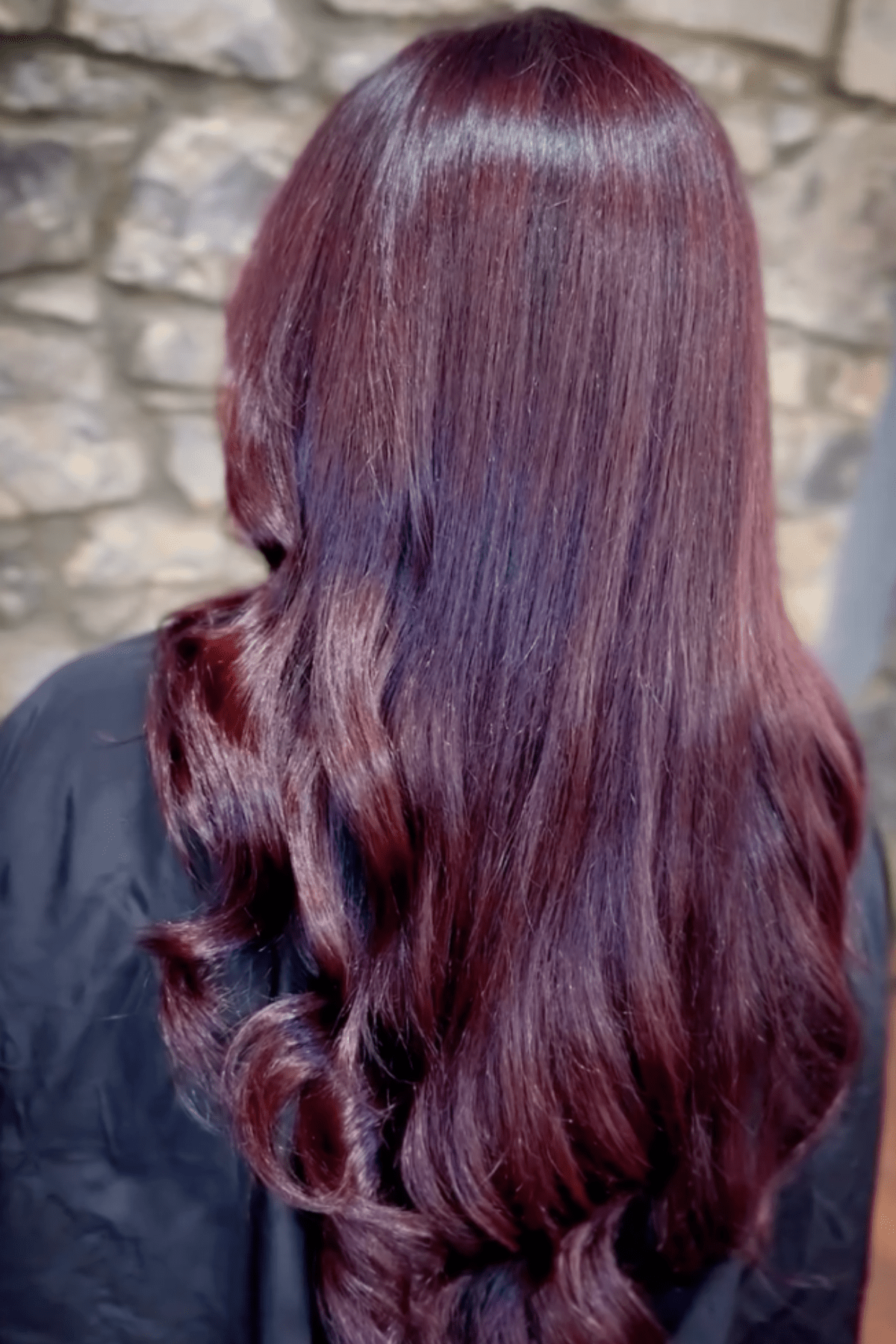
Deep burgundy curls stop me every time because they look rich without trying. Thick, wavy, mid-back hair holds this shade with a natural depth that straight hair cannot replicate. The loose curls catch the light in layers, and the cool undertones in the deep burgundy read icy against cooler skin tones rather than muddy. A middle part spreads the color evenly. This shade works best on thick textures because the pigment saturates the hair fully without washing out the wave pattern. If your hair is fine or straight, the color can look flat and one-dimensional, and warm undertones in skin will fight the cool burgundy base. Stick to richer reds if your skin runs golden.
Vibrant Copper Red Blowout
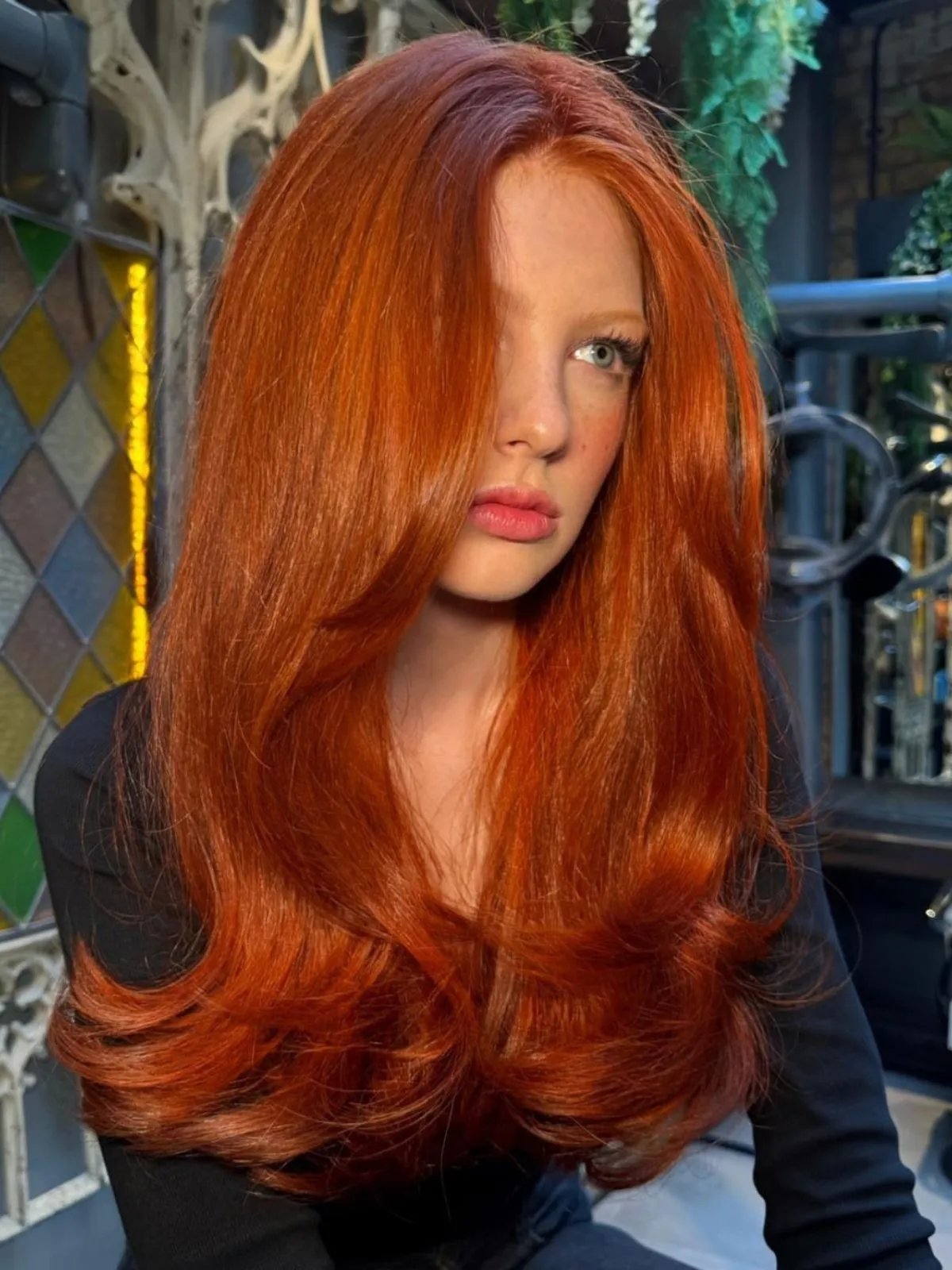
Vibrant copper red hair is not a compromise color. You either want it or you don’t, and if you do, the technique matters more than the shade. This is a full-commitment copper: no subtle highlights, no soft fade, just pure saturation from root to tip on a mid-back length of thick, wavy hair.
- Mid-back length for maximum color real estate
- Full saturation application on a pre-lightened warm base
- Thick wavy texture that catches every light angle
- Voluminous blowout with soft waves, middle part
- Ask your stylist for a high-saturation copper with a warm undertone
The key is even saturation. A good colorist lifts the base to a warm orange before applying the copper pigment, so the color lands true and stays bright. No banding, no flat spots. Just a fiery, consistent red that owns the room.
Final Thoughts
After writing all of these, I noticed something: the cool tones that looked intimidating in the chair actually relaxed into something wearable. The ash blonde with a root shadow? That’s the one I’m booking next week. No fuss, no brass, just six calm weeks before the next tone.