

Locs at any length can hold a shape, take a color, or sweep into a style that looks deliberate. The current shift favors soft face-framing layers and glossy natural texture over anything that reads as flat-ironed poker straight.
These 25 ideas cover the full range: from a chin-length bob to mid-back lengths, from low-upkeep wash-and-go to occasion-ready updos. The collection solves for fine locs that lose their shape, a visible grow-out line, or a fringe that refuses to sit. Classy Length Locs means each style earns its place through how it holds and how it moves.
Thick Wavy Black Locs Shoulder Length
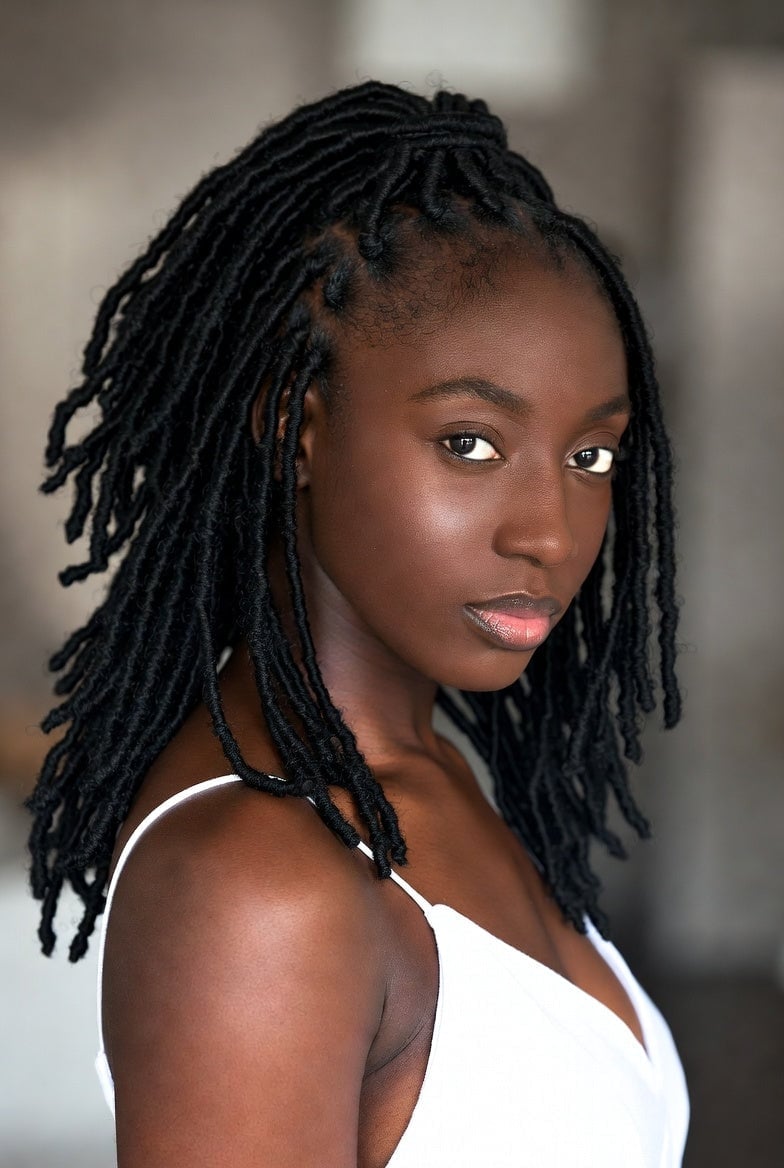
Shoulder length is the sweet spot where thick, wavy locs have enough weight to hang with presence but not so much that they pull flat at the root. The wave pattern here does the work: it builds volume across the sides instead of letting the locs cling straight down, which keeps the shape round rather than triangular. A side part breaks up the density and adds lift on one side. Medium to thick density hair that can hold a wave benefits most here, and the length suits round and oval faces particularly well. Ask your stylist for: shoulder length loose wavy locs with a side part. Scrunching a texturizing spray through the palms defines the wave without stiffness.
Dense Wavy Black Locs Middle Part
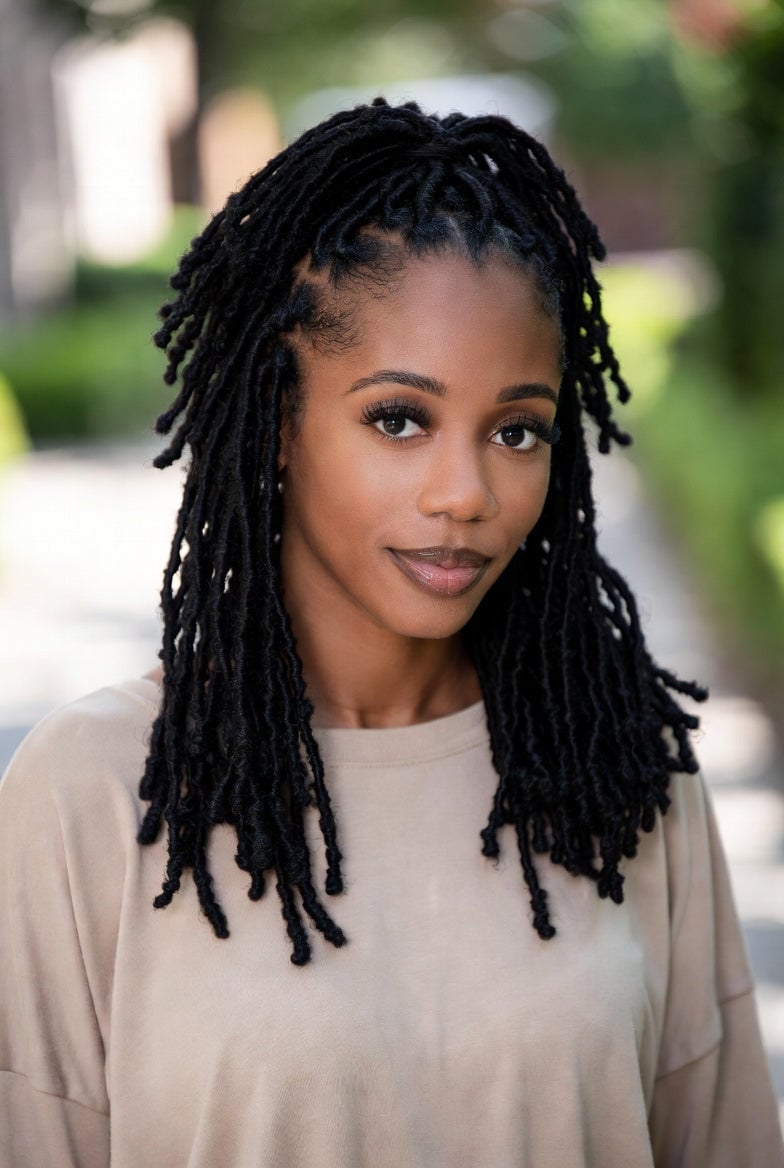
A side part gives locs an asymmetrical swing, but a middle part does something else entirely: it pulls the eye straight down the center, making the hair read as a symmetrical curtain. On dense, shoulder-length locs, that symmetry can feel heavier, almost sculptural. The trade-off is that a middle part on very thick locs can create a solid block of volume, so it works best when the wave pattern has enough movement to break up the mass. It elongates round or square faces by creating vertical lines. Ask your stylist for: shoulder length loose wavy locs, middle part. A light serum on the ends adds definition, and a trim every six to eight weeks keeps the shape clean.
Glossy Collarbone Locs Medium Brown
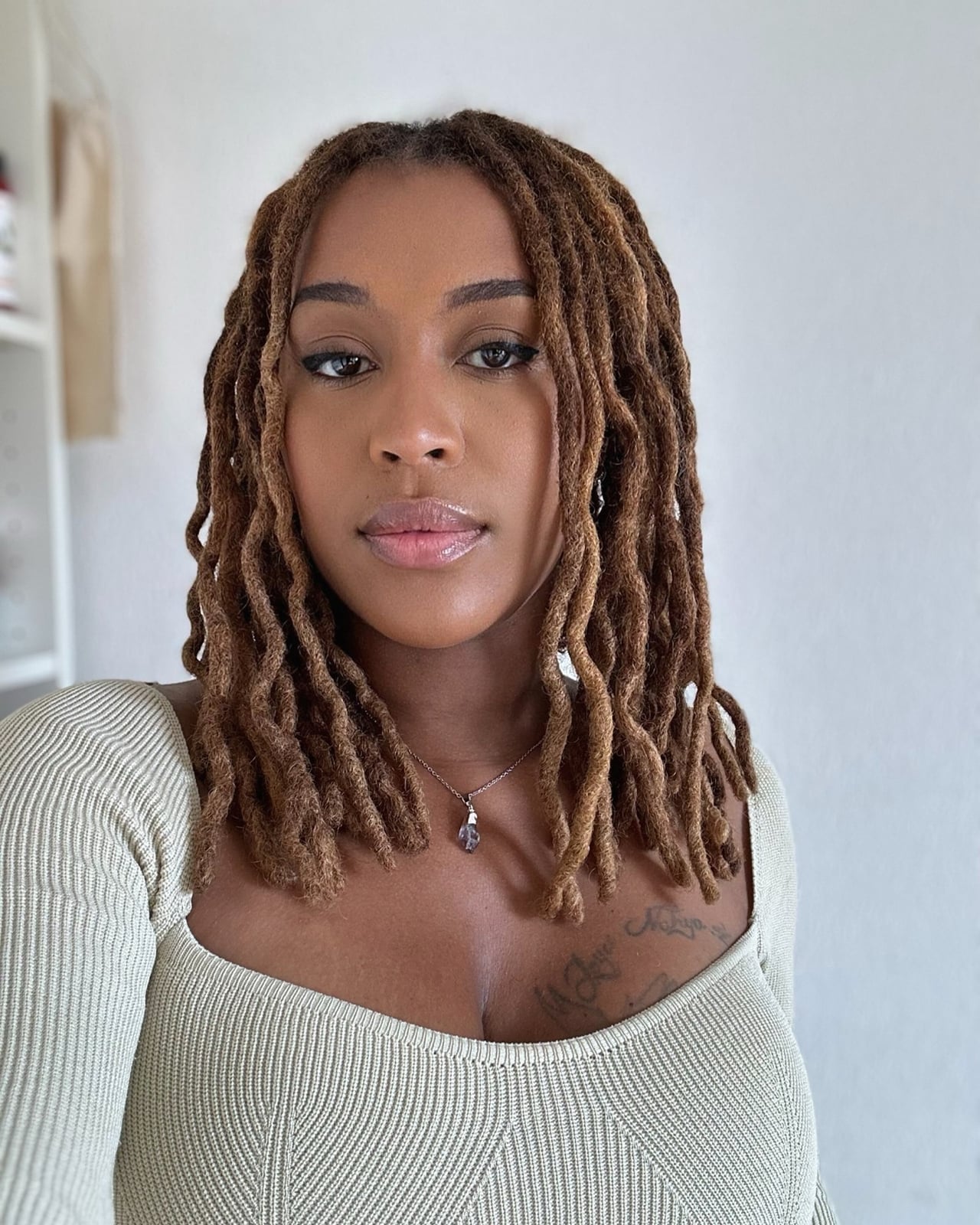
A glossy finish on medium brown locs is less about product and more about the cuticle surface. When locs are well-matured and the hair is healthy, light bounces evenly off the strands instead of scattering. The collarbone length here keeps the locs from being weighed down, so the wave pattern stays visible and the gloss reads as reflective rather than greasy. A side part adds asymmetry. Ask your stylist for: collarbone length wavy locs, medium brown, glossy finish. A shine spray applied to the mid-lengths and ends maintains the gloss between salon visits.
Shoulder Length Black Locs Side Bangs
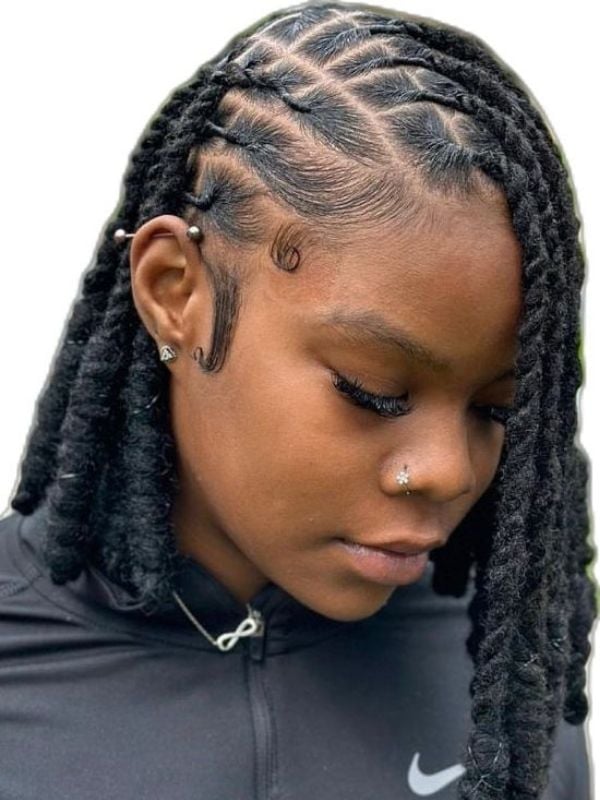
Side-swept bangs on locs require careful placement and length. Here, a side-swept bang is cut into the front sections, angling down toward the jaw, which keeps the bangs from floating separate from the hair. Subtle braided elements near the hairline add detail without competing with the bang. Side-swept bangs soften square and round faces by breaking the horizontal line across the forehead. Ask your stylist for: shoulder length locs with side-swept bangs and subtle braids. The bang section is usually twisted or palm-rolled to match the loc texture.
Sleek Chin Length Black Bob Locs
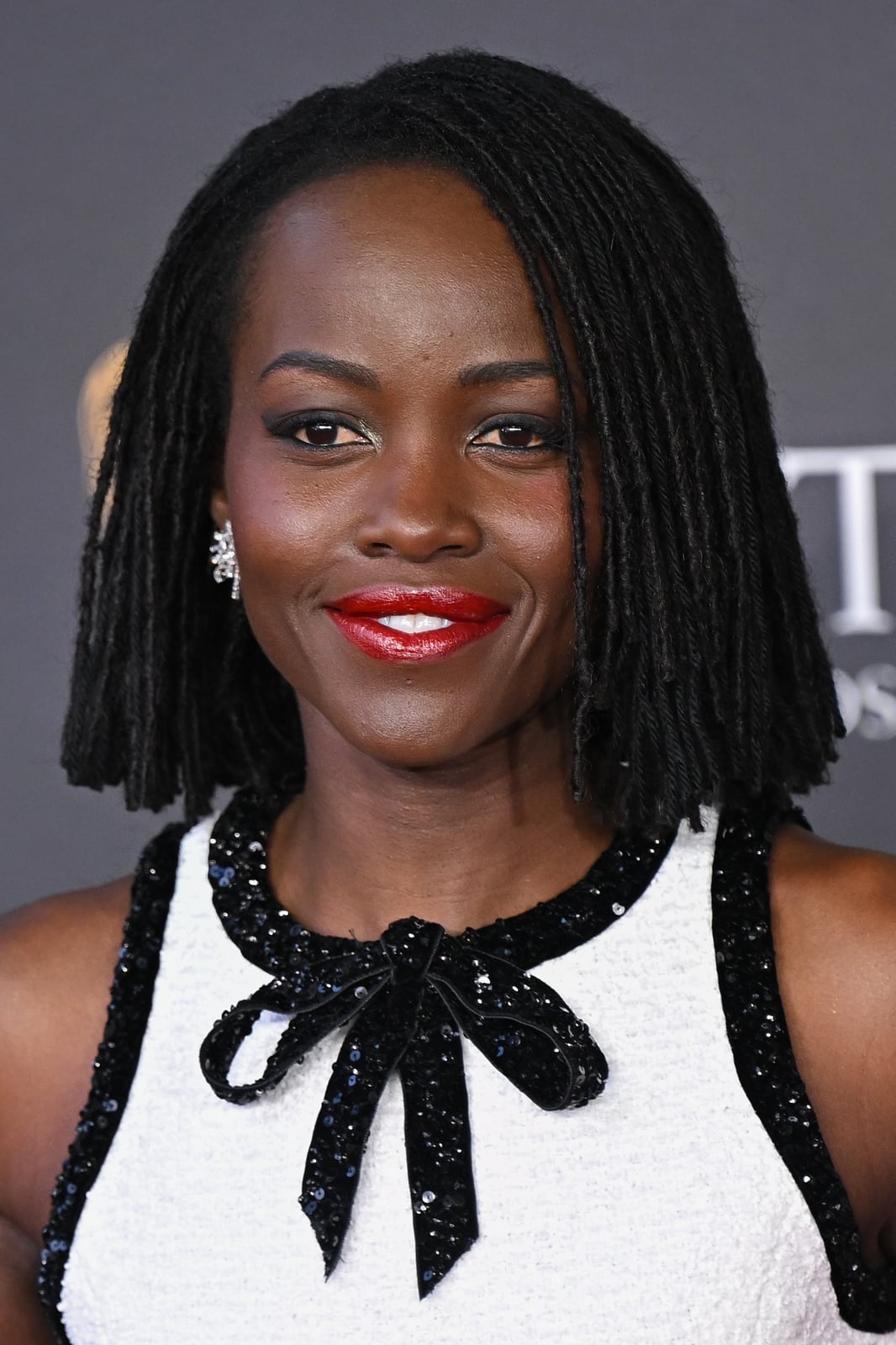
A chin-length bob is one of the most demanding shapes for locs because any unevenness is immediately visible. The straight texture here is key: it lets the bob form a single clean line, not a series of staggered ends. Thick density ensures the bob has weight, so it does not wisp out at the hemline. The middle part reinforces the symmetry. This cut suits most face shapes, particularly round faces that benefit from the horizontal width at chin level. Ask your stylist for: chin length sleek bob locs, straight style. The sharp line needs a trim every five to six weeks, and any new growth or frizz at the ends breaks the silhouette completely.
Neat Shoulder Length Fine Wavy Sisterlocks
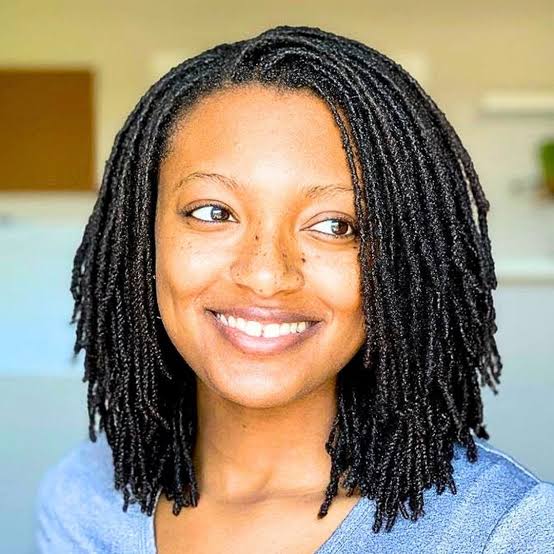
Fine sisterlocks at shoulder length deliver a clean, uniform look that reads as deliberate. The wavy texture and middle parting keep the weight evenly distributed, which makes this style work for almost any face shape. If your hair density is fine to medium, the scale of sisterlocks prevents the style from feeling sparse. Ask your stylist for: shoulder length loose fine wavy sisterlocks. A lightweight mousse on damp locs encourages the wave pattern without buildup, and a trim every eight to ten weeks keeps the ends from looking frayed.
Dense Tight Coiled Black Sisterlocks
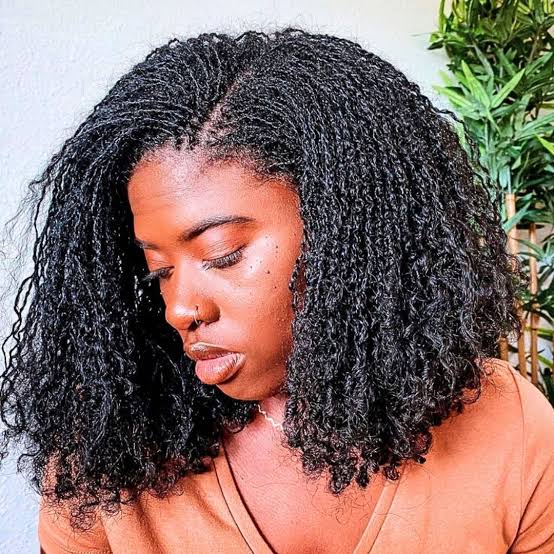
How do you keep dense sisterlocks from looking heavy when the texture is this tight? The answer is the middle parting and shoulder length. That combination lets the scalp breathe visually while the coiled strands stack into a compact, neat silhouette. Fine-to-medium hair densities get the most lift here because the locs stay light enough to move. Ask your stylist for: shoulder length dense tightly coiled sisterlocks. Moisture is the daily job: a few drops of oil on the scalp and along the shafts prevent the natural dryness that tight coils invite. A trim every eight to ten weeks maintains the shape.
Collarbone Butterfly Locs Curly Texture
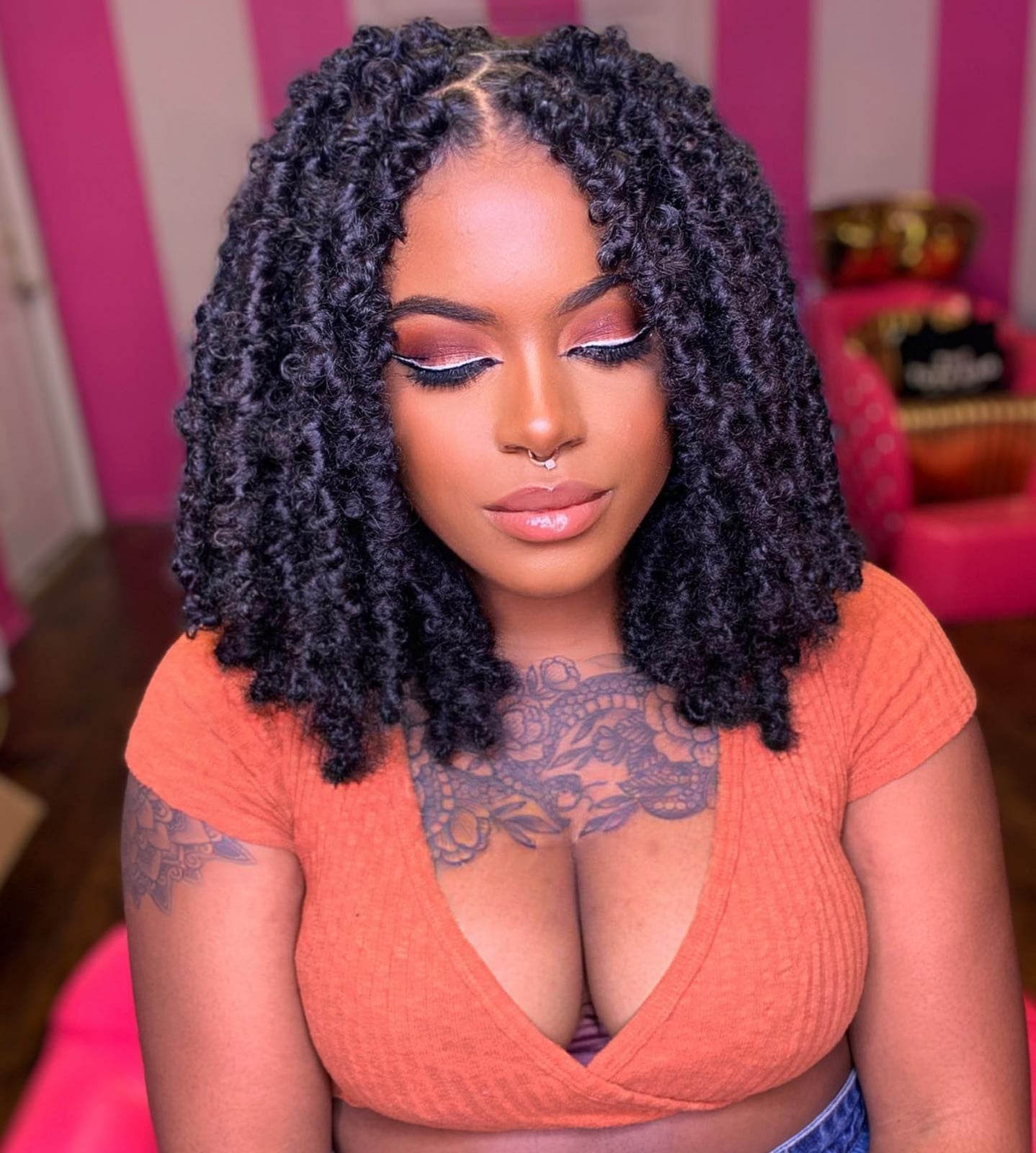
Butterfly locs are built by wrapping synthetic hair around the natural loc, leaving the ends loose to form a curl. At collarbone length, the loose ends land right where they catch movement, and the defined curl pattern adds volume without extra bulk. Medium to thick hair densities hold the wrap best because the loc itself needs substance to anchor the synthetic strand. Ask your stylist for: collarbone length loose curly butterfly locs. A curl-defining cream on the loose ends keeps the ringlets distinct, and a trim every six to eight weeks stops the length from drifting past collarbone.
Mid-Back Dark Brown Locs Auburn Undertones
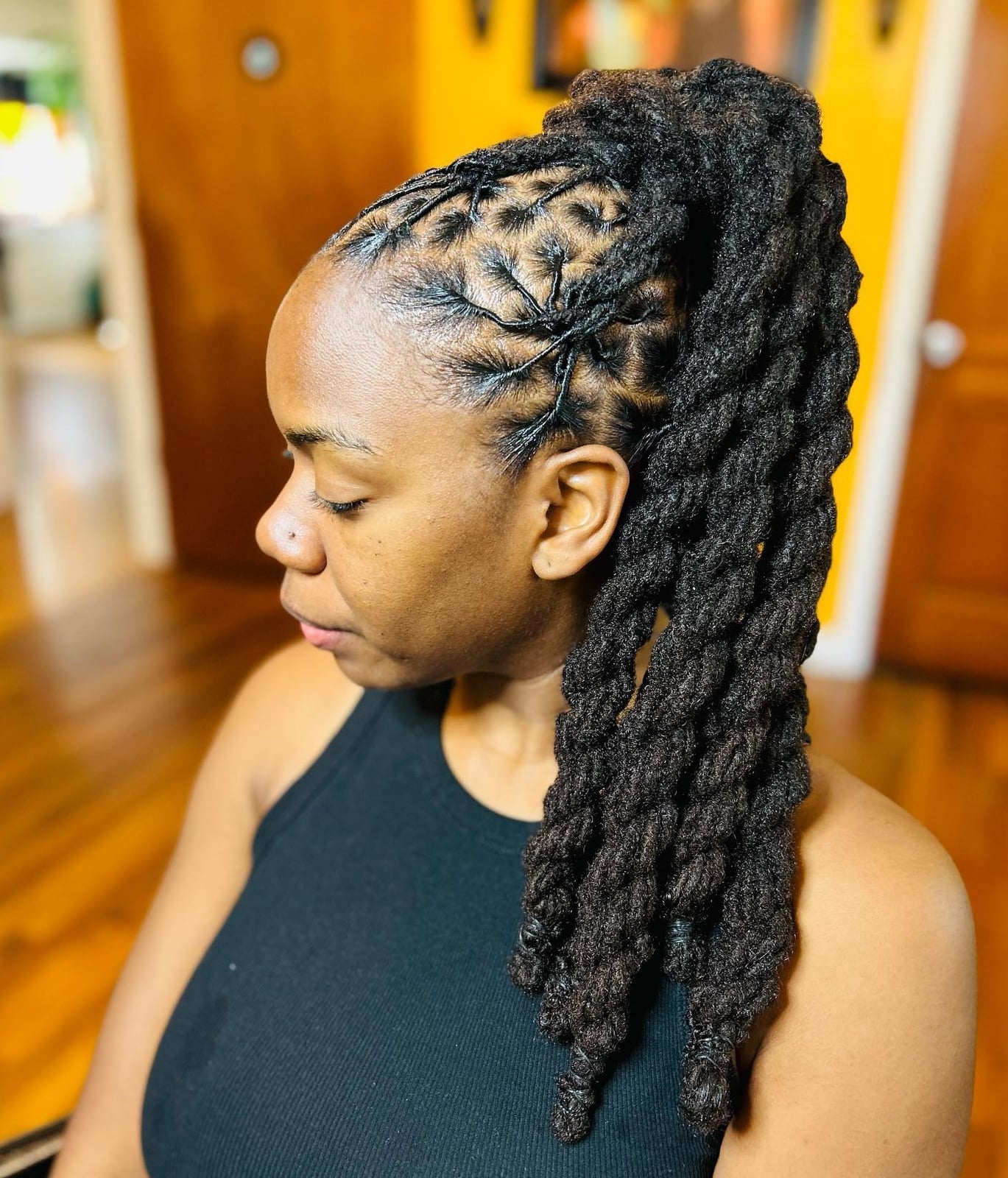
Dark brown locs with auburn undertones are a solid neutral, not a color experiment. The auburn shows only when light hits the strands, which keeps the overall look professional while adding dimension. The mid-back length and thick coily texture work together to create a full, grounded silhouette that suits long faces best because the volume sits low instead of at the crown. Ask your colorist for: mid-back loose coily locs, dark brown with auburn undertones.
The middle parting is implied here, and it prevents the locs from pulling heavy on one side. A hydrating product applied from mid-shaft to ends keeps the coily texture hydrated enough to maintain its shape. Trimming the ends every ten to twelve weeks prevents the length from thinning out over time.
Glossy Mid-Back Wavy Locs Highlights
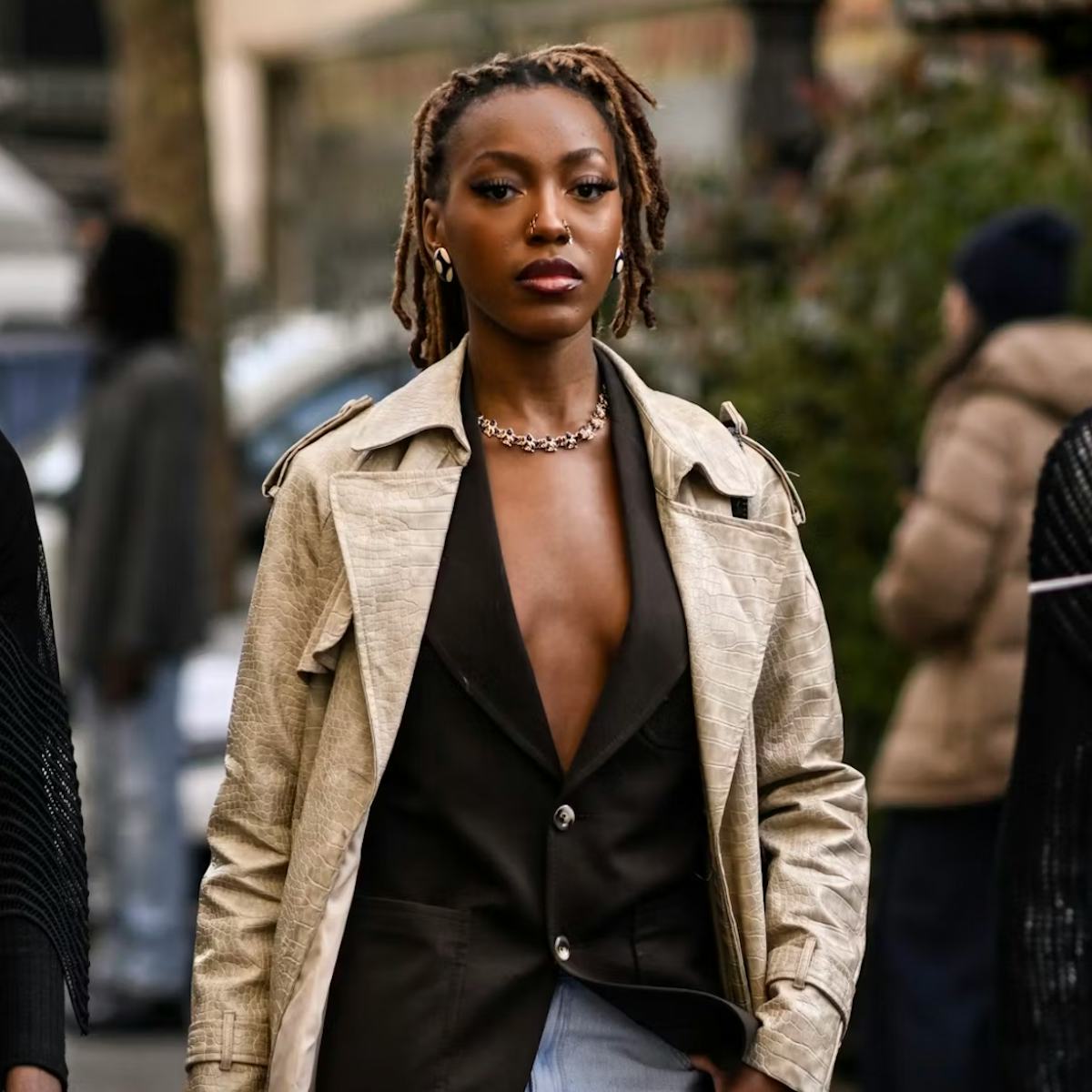
The glossy finish on mid-back wavy locs reflects light evenly so the subtle highlights create natural dimension. The dark brown base with lighter pieces scattered through the midsection keeps the color from looking flat, and the wavy texture ensures the highlights are visible from different angles. Medium to thick hair densities are ideal here because the wave pattern needs enough strand weight to hold its S-shape. Ask your colorist for: mid-back loose wavy locs, dark brown with subtle highlights, glossy finish.
A satin bonnet at night preserves the gloss without adding grease, and a trim every ten to twelve weeks keeps the ends from fraying against the shine. The loose styling and middle parting let the locs fall forward or sit back without disturbing the highlight placement.
Shoulder Length Multi-Toned Soft Locs
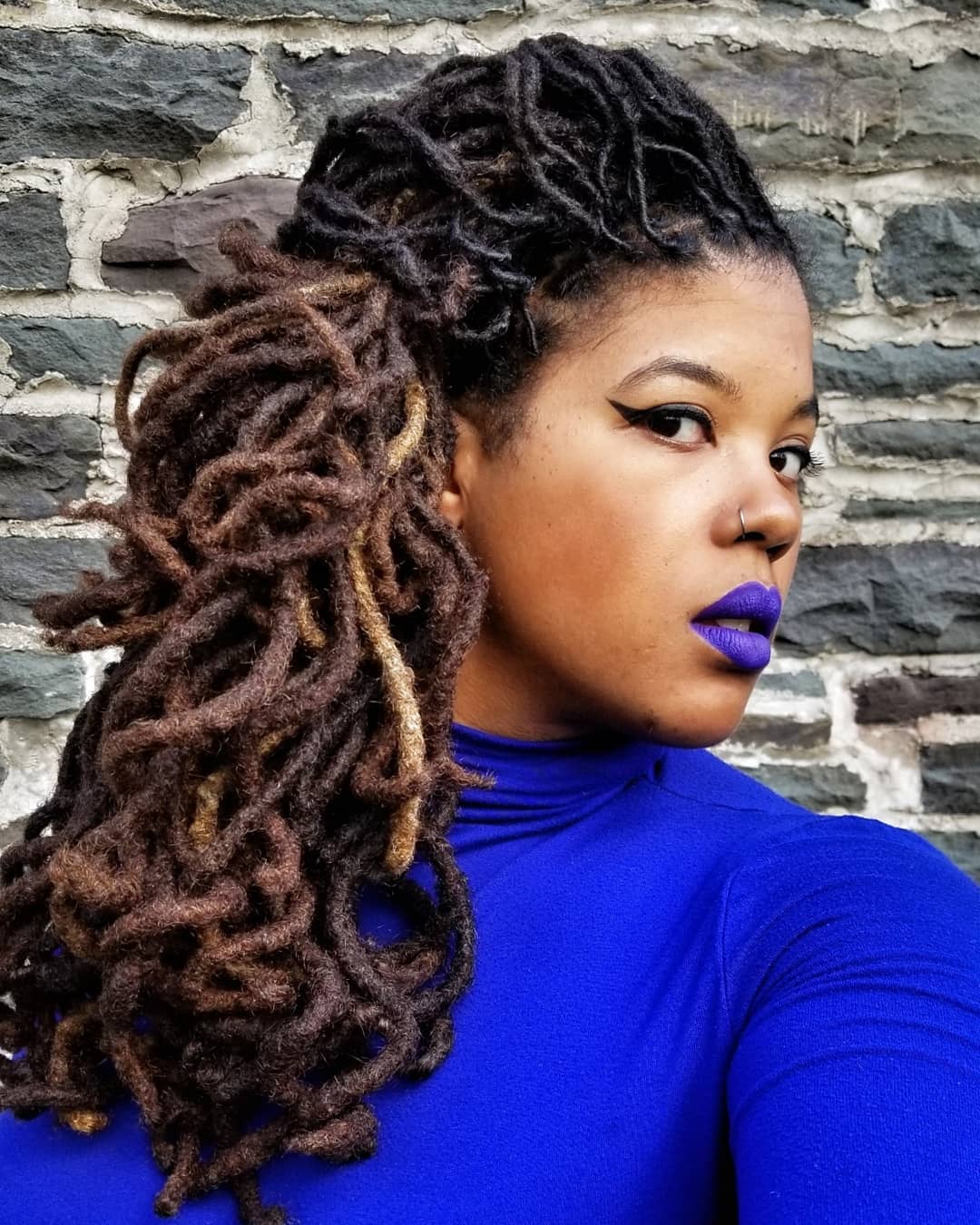
What do you do with a loc style that needs to work for both a Tuesday meeting and a Saturday brunch? You let the color carry the weight. These shoulder-length soft locs are woven with dark brown, blonde, and auburn highlights, giving medium-density hair a dimensional, wavy finish that looks layered without a single scissor snip. A side part and a partial sweep-up break up the volume so it lands softly without piling up. Ask your stylist for: shoulder length multi-toned soft locs, partially up. A texturizing spray on the ends keeps the wave pattern visible and separates the tones. Trim every 6 to 8 weeks to keep the length clean and the highlights fresh.
Mid-Back Tied Back Locs Special Occasion
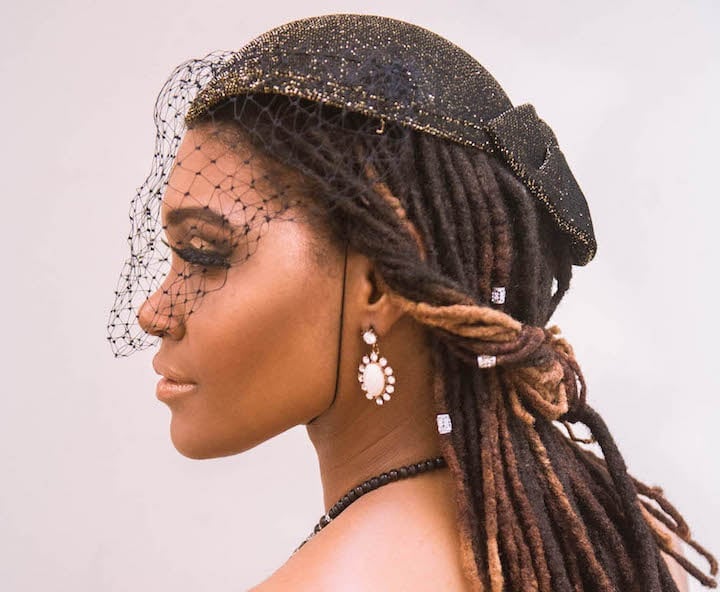
A hat and veil sit over mid-back locs that are a mix of black and brown with a wavy texture, partially tied back. The trick is the partial tie-back: it gathers the weight without losing the length, so the locs still swing. Medium to thick hair holds the shape best; finer locs may need a few bobby pins behind the tie to stay put. Ask your colorist for: mid-back wavy locs tied back elegantly. Decorative pins or a silk ribbon at the gathering point add the finish that makes it feel intentional rather than thrown together. Trim every 10 to 12 weeks to keep the ends neat enough for the formal setting.
Collarbone Wavy Locs Two-Tone Bangs
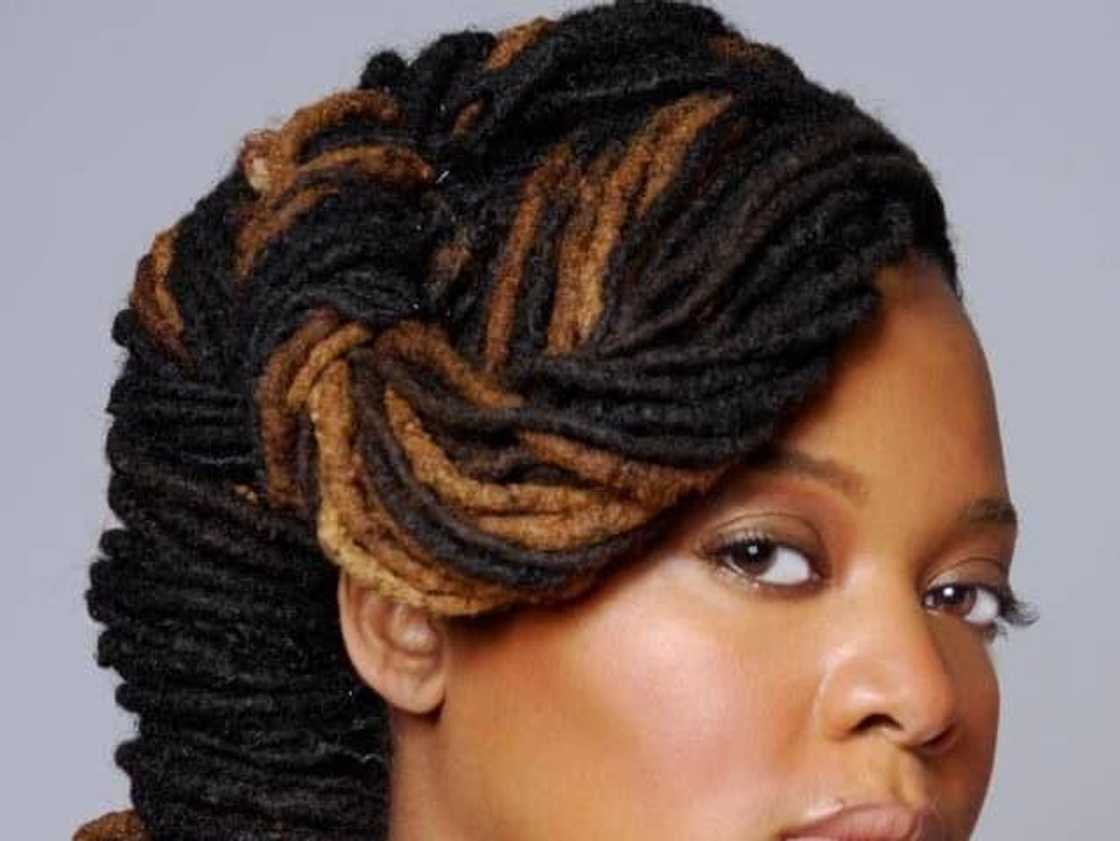
To get a two-tone effect that looks built in, start with a black base and add brown highlights that follow the natural wave of the loc, placed so the lighter strands sit mostly in the front and at the ends. These collarbone-length dreadlocks use side-swept bangs to make the color shift visible without needing to pile the hair up. Medium to thick density keeps the bangs from floating away. Ask your colorist for: collarbone length wavy locs, black with brown highlights, side-swept bangs. A lightweight serum on the bangs gives them definition without weighing down the wave. Trim every 6 to 8 weeks to keep the bangs landing exactly where you want them.
Mid-Back Dark Brown Locs Curly Ends
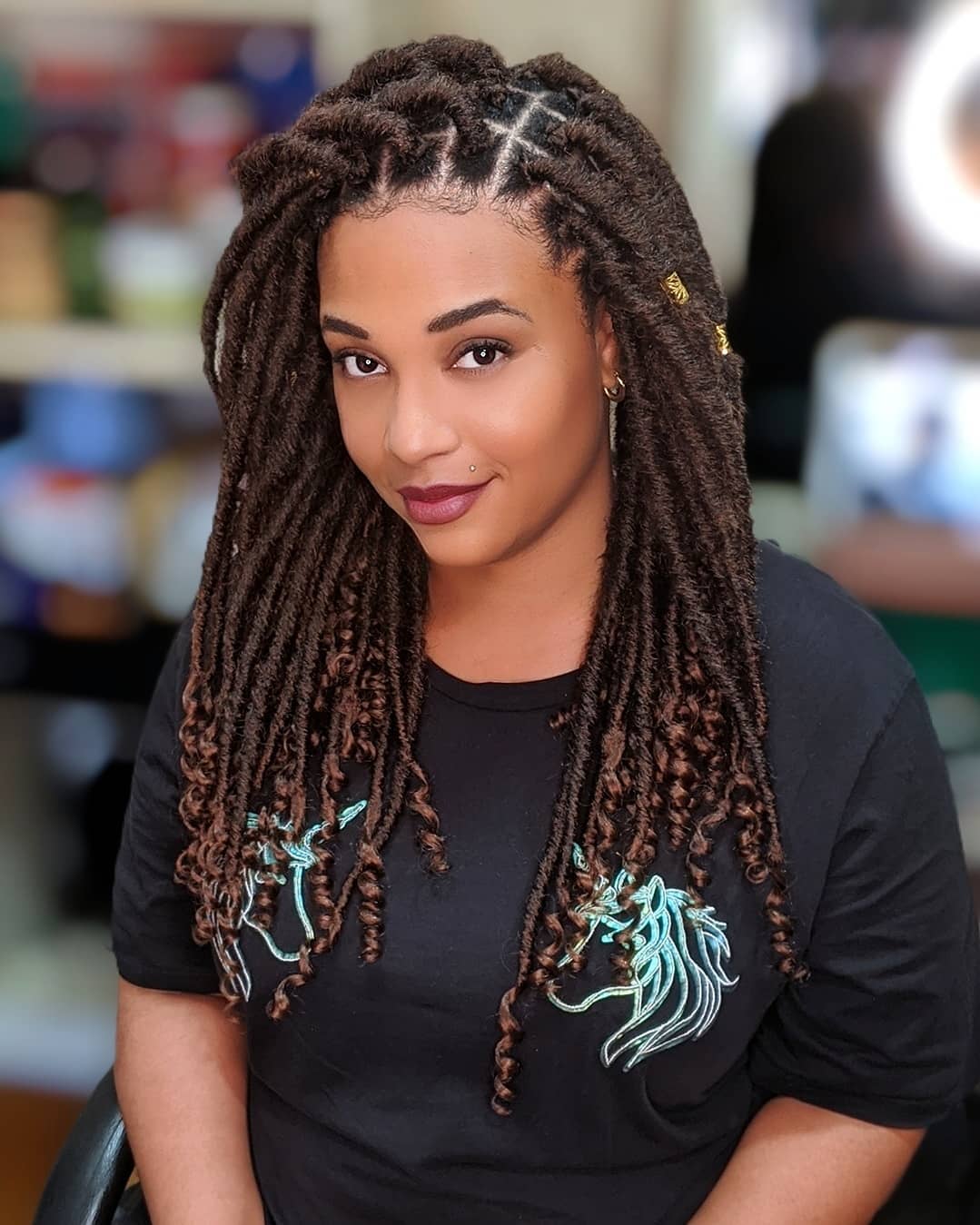
The curly end is a salon technique, not a happy accident. These mid-back locs start thick and dark brown with lighter brown highlights woven through the shaft, then finish in distinct curls that add a softer silhouette to the bottom third. A middle parting keeps the weight balanced. Medium to thick hair works best because the curl needs enough substance to hold its shape. Ask your stylist for: mid-back loose locs, dark brown with lighter highlights, curly ends. The curls are set during the install using a small rod or finger coil, so this is a salon-only process; a DIY attempt usually unravels within a day. A curl cream on the ends maintains definition between retwists.
Long Twisted Locs Half-Up Style
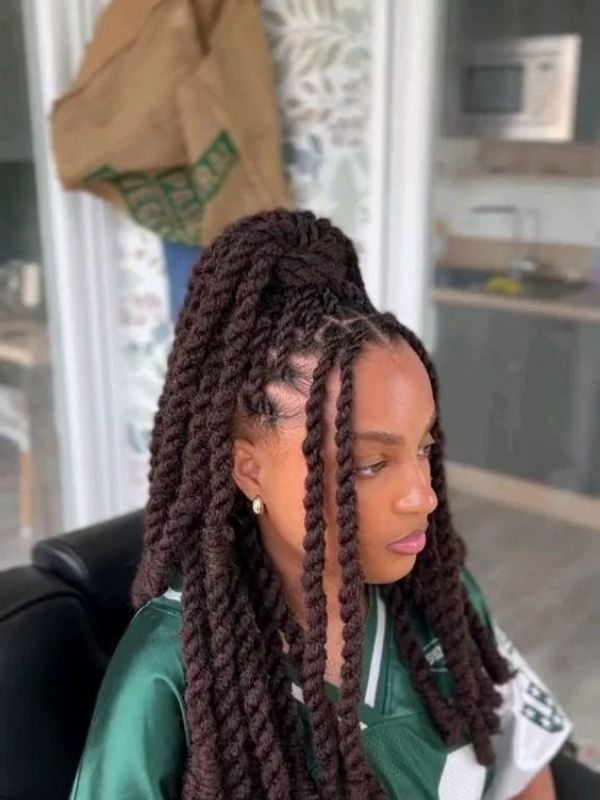
The half-up is a reliable way to show off length without committing to a full ponytail, but with long, thick twisted locs, the weight adds up. These dark brown locs are pulled into a high half-up with face-framing pieces left out, so the volume sits high and the rest falls freely. The gathered section can pull at the roots after a few hours, especially if the locs are dense. Face-framing pieces soften the pull and keep the style from reading as severe. Ask your stylist for: long twisted locs, high half-up style with face-framing pieces. Strong pins at the base of the gather prevent slipping. Trim every 10 to 12 weeks to keep the ends from fraying against the tie.
Collarbone Wavy Black Locs Ponytail
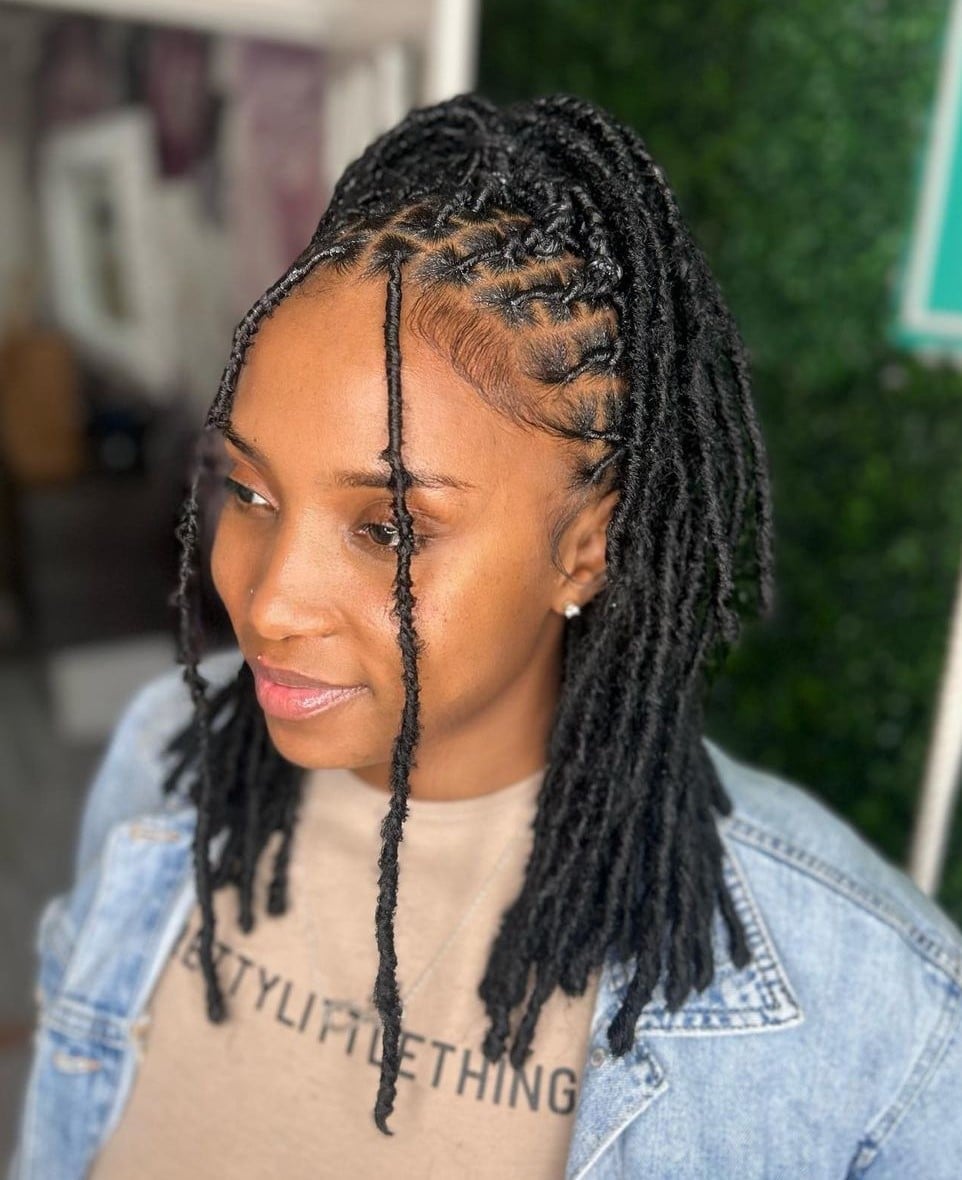
A high ponytail of collarbone-length wavy black locs is a practical choice, but the loose face-framing strands are the part that needs daily negotiation. This design suits medium to thick hair, and the strands around the jaw soften round or square faces. Ask your stylist for: collarbone length wavy black locs in a high ponytail with face-framing strands. A flexible hold hairspray keeps those pieces from drifting into your eyes by noon. The wavy texture gives the ponytail body without extra work, and the black color stays consistent between retwists. A trim every six to eight weeks prevents the face-framing sections from looking ragged.
Mid-Back Dark Brown Locs Blonde Highlights
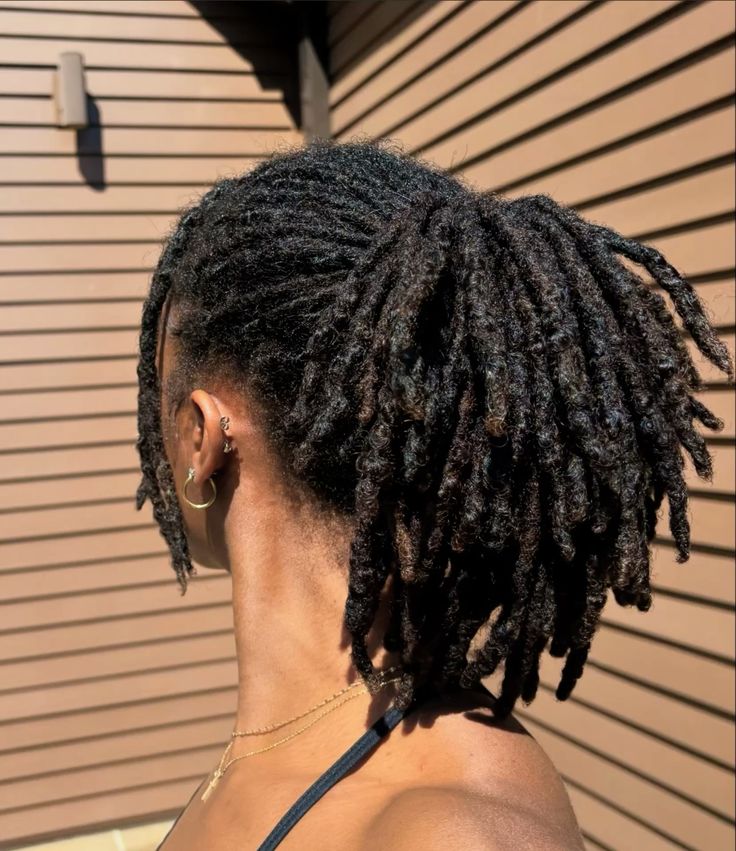
Blonde highlights on dark brown locs create a richer, more dimensional look than caramel or honey tones. The contrast is sharper, so each strand reads as distinct rather than blended. This works for medium to thick hair at mid-back length; the highlights add depth that suits most face shapes. Ask your colorist for: mid-back loose locs, dark brown with blonde highlights. The blonde pieces catch light differently than a single shade, giving the locs a polished, luxurious feel without looking overdone. A color-depositing conditioner keeps the blonde from pulling brassy between appointments, and a trim every ten to twelve weeks maintains the shape.
The alternative is a solid dark brown, which is lower maintenance but lacks the visual lift. If you want dimension without a full commitment, subtle blonde highlights on dark brown locs are the middle ground that actually works.
Glossy Mid-Back Black Locs
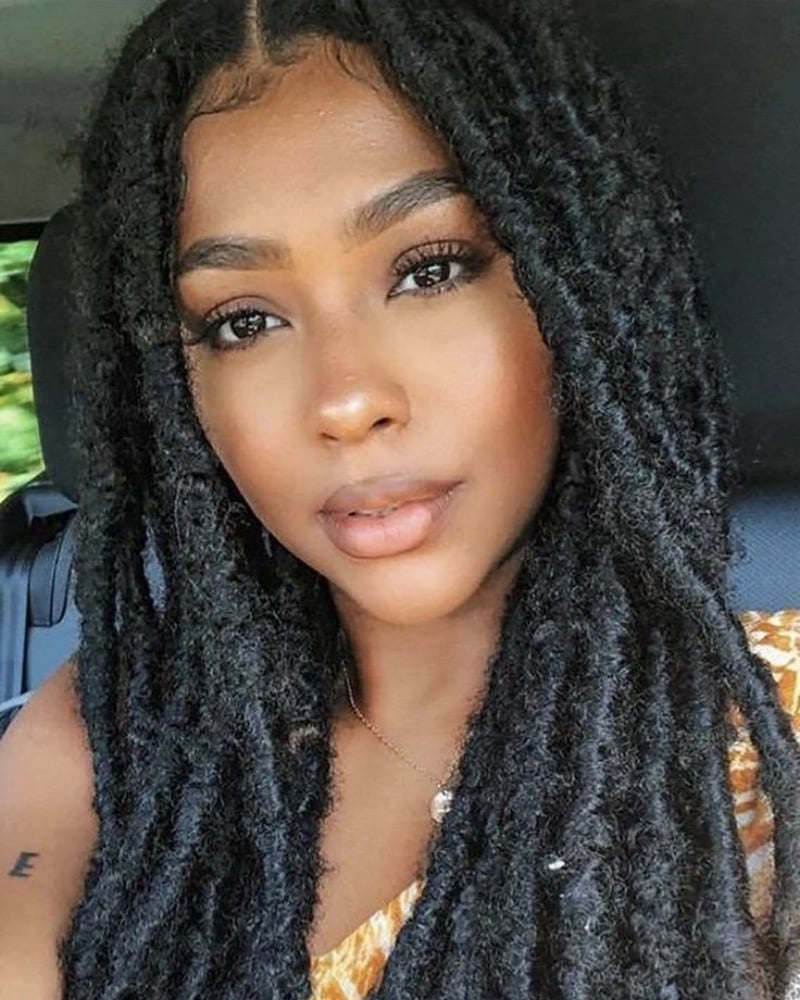
A glossy finish on mid-back black locs is not accidental. It comes from a shine serum applied after washing and a routine that avoids over-washing, which strips the natural oil that creates that reflective surface. This style suits medium to thick hair at mid-back length, and the glossy finish works with any face shape. Ask your stylist for: mid-back loose black locs with a glossy finish. The black color provides a high-contrast base for the shine, making the locs look healthy and well-maintained. A middle parting keeps the weight balanced and the symmetry clean.
The technique is straightforward: apply a lightweight shine serum to damp locs, then air-dry or use a hooded dryer. The result is a polished look that works for everyday or formal settings, and a trim every ten to twelve weeks keeps the ends from dulling the overall effect.
Mid-Back Braided Black Locs, Middle
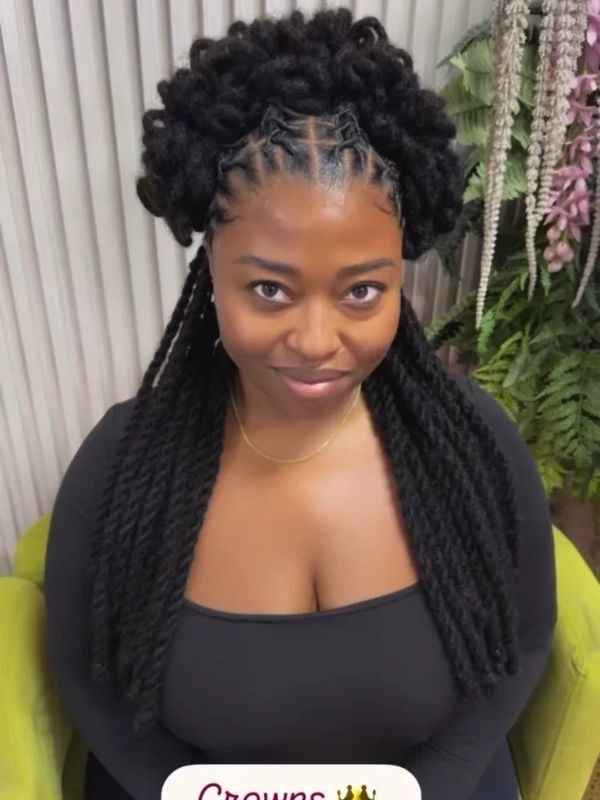
Intricate braids on locs require a clear reference for a structured, sophisticated pattern. Mid-back black locs braided from root to tip with a middle parting create this effect. The braided texture suits most face shapes. Ask your stylist for: mid-back intricate braided locs. Be specific about the pattern you want, whether it is a classic three-strand braid or a more complex design. The black color keeps the focus on the braiding detail. A lightweight oil applied to the braids prevents dryness and keeps the locs flexible. A trim every ten to twelve weeks maintains the length and prevents fraying at the ends.
Mid-Back Wavy Black Soft Locs Ponytail
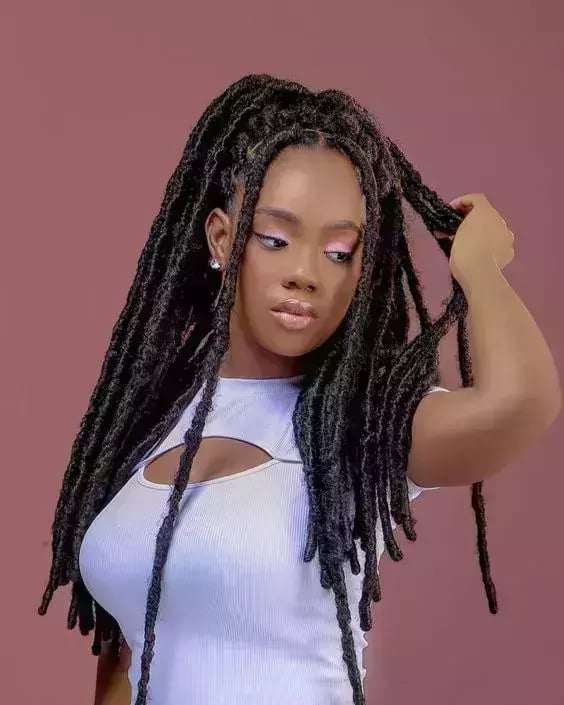
A high ponytail of mid-back wavy black soft locs is a straightforward style, but the soft locs texture changes who it genuinely flatters. Soft locs have a looser, more flexible structure than traditional locs, so they work best for hair that already has some wave or curl. The wavy texture gives the ponytail volume without needing extra teasing, and the black color provides a sleek base. Ask your stylist for: mid-back wavy black soft locs in a high ponytail. The high placement suits most face shapes, elongating the neck and drawing attention upward. A middle parting keeps the front neat. A strong elastic and a light hold hairspray keep the ponytail in place through a workday. A trim every ten to twelve weeks prevents the soft ends from looking straggly.
If your hair is fine or low density, the soft locs texture may not hold the ponytail shape as well, and traditional locs would offer more structure. Soft locs move more naturally and feel lighter.
Mid-Back Black Locs Bun Updo
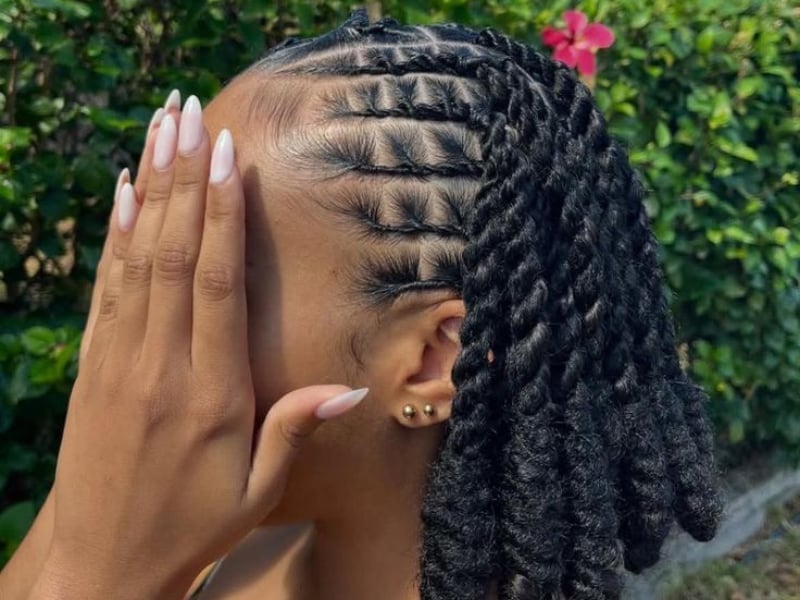
A high bun on mid-back length locs stays put all day only when you anchor it correctly. The wavy texture here gives the updo natural grip, so pins have something to grab. Ask your stylist for: mid-back wavy black locs in a high bun. Center the bun at the crown for a lifted silhouette that balances the weight of the hair. A few bobby pins crossed at the base of the bun keep flyaways in check, and a light-hold spray adds a subtle sheen without stiffness. This design holds through a workday or a dinner out, though you will want to re-pin a few strands by evening. A trim every 10 to 12 weeks maintains the shape and prevents the ends from looking ragged.
The back view of this style reveals the neatness of the bun and how the wavy texture softens the overall line. Medium to thick hair works best here; fine locs may need a smaller, tighter bun to avoid looking sparse. The middle parting keeps the front clean, so this updo suits round and oval faces equally well. The hold depends on how many locs you wrap into the bun, more locs equal more stability.
Collarbone Black Locs Braided Topknot
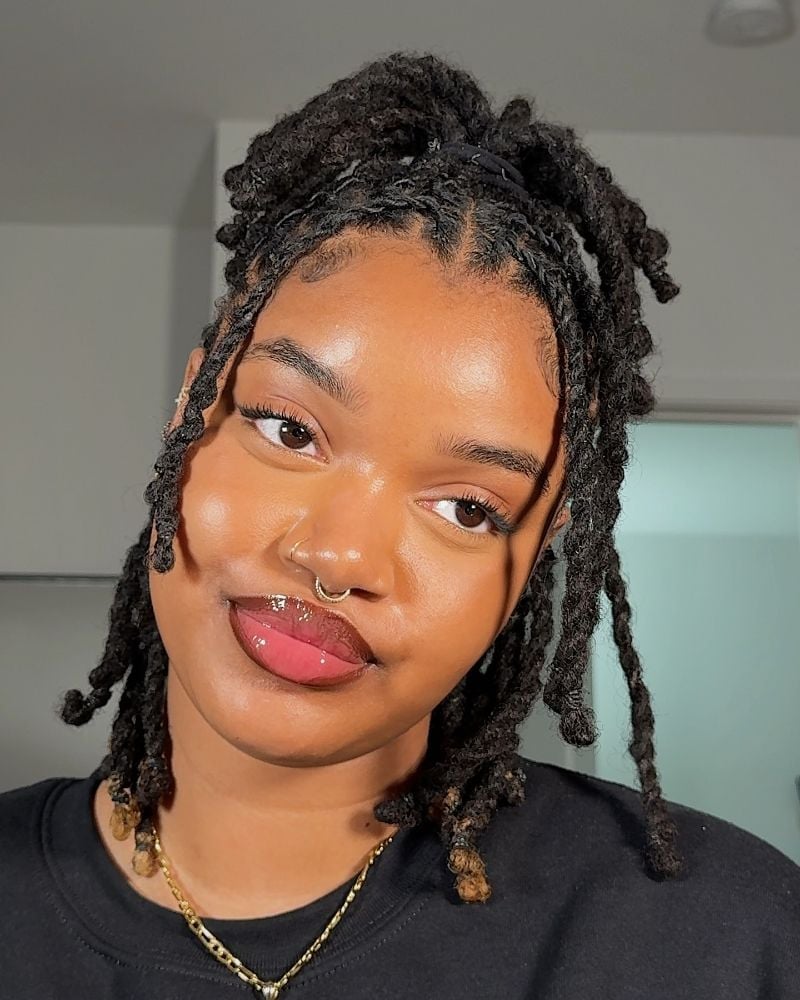
A braided topknot on collarbone-length locs looks salon-fresh but can be attempted at home with a steady hand and thirty minutes. The braiding starts at the crown and wraps into a tight knot at the top, with a few locs left loose around the hairline. Ask your stylist for: collarbone length black locs in a braided topknot with face-framing pieces. The face-framing locs soften a square jaw and shorten a long face. The braid takes patience to section evenly, and the topknot may loosen on fine hair by midday. This is a salon-leaning style for most people: the braid needs even tension to look polished, and that is harder to achieve on your own head. The hold is solid for at least eight hours if the knot is pinned well.
Shoulder Length Thick Black Locs Glossy, Middle
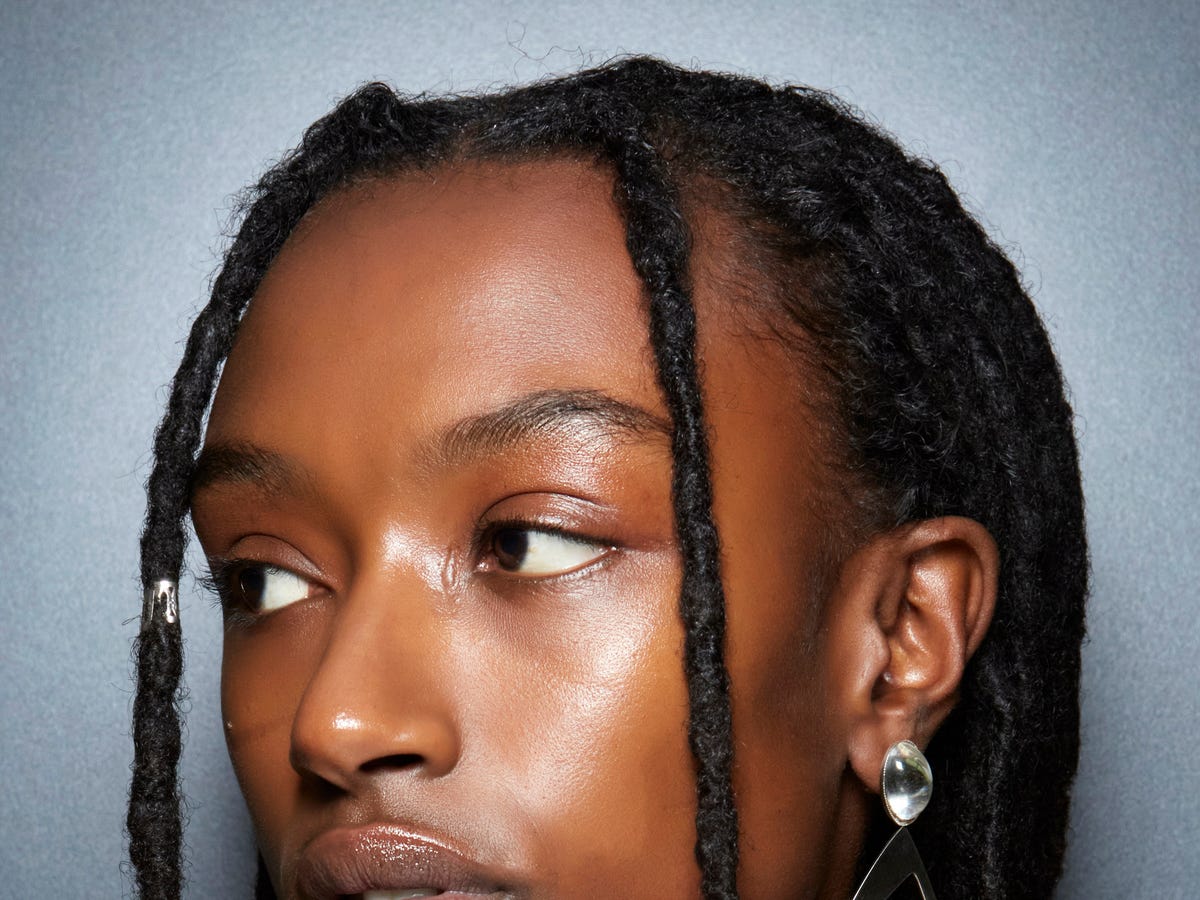
Thick black locs at shoulder length need a good middle parting to let their density breathe. The glossy finish here comes from a lightweight shine serum applied after washing, not from heavy oil that sits on the surface. Ask your stylist for: shoulder length loose thick black locs, healthy and glossy. This is a DIY-friendly style: you just need a wide-tooth comb for the parting and a few drops of serum. The drawback is that thick locs can look bulky without some shaping around the ends, so a trim every 6 to 8 weeks keeps the fall neat. A middle parting with loose locs works for most face shapes, though it can widen a round face if the locs are too full at the sides. The hold is minimal since there is no pinning or wrapping, but the natural weight of the locs keeps them in place through a day of moving around.
Mid-Back Vibrant Red Locs
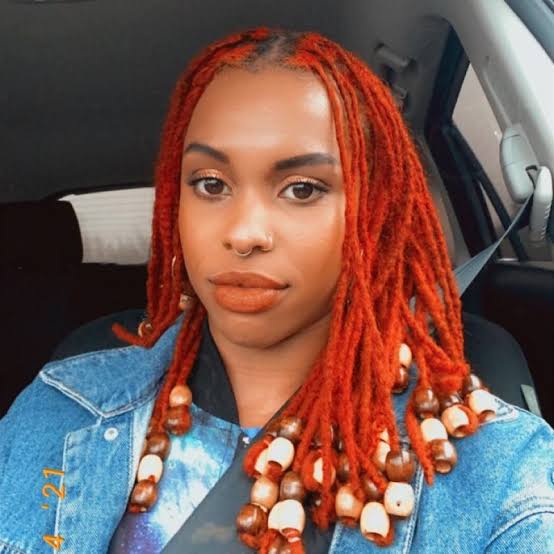
Can you wear vibrant red locs in winter without looking like you missed the season memo? Yes, because a true red is a statement year-round, not a summer-only shade. The mid-back length lets the color travel through the full fall of the hair, and the loose styling keeps the tone visible. Ask your colorist for: mid-back loose locs, vibrant red color with wooden beads. The wooden beads add a tactile element that works well at festivals or casual brunches. Medium to thick hair holds this color best because the pigment has enough surface area to appear rich and not sheer. A middle parting keeps the symmetry clean. The color needs a sulfate-free shampoo and a cool rinse every second wash to stop the red from pulling warm orange. This style suits a long face because the length and loose shape add width at the sides.
Shoulder Length Wavy Black Locs Metal Cuffs
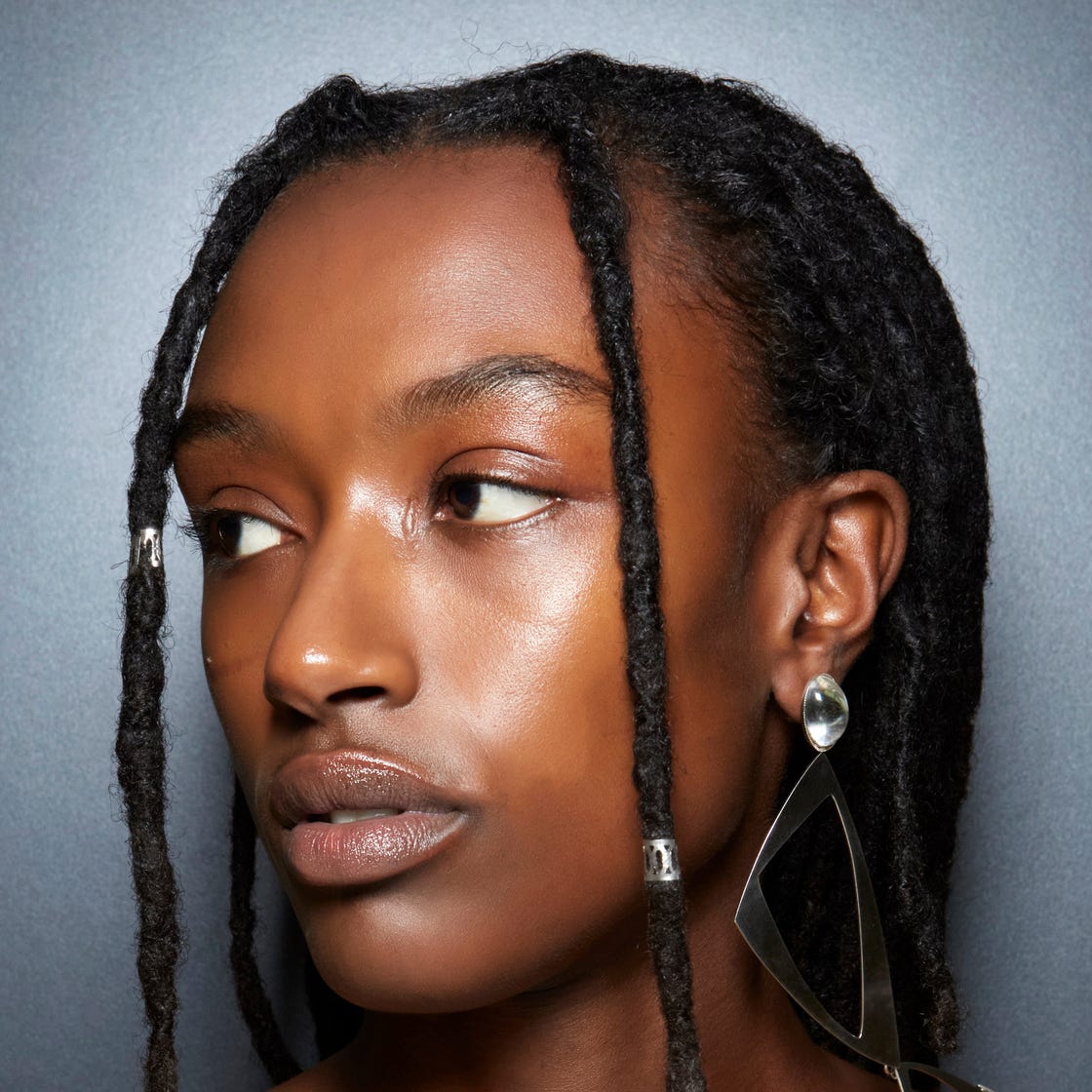
Silver metal cuffs on shoulder-length wavy black locs add a detail that catches the eye without demanding attention. The cuffs sit on random locs throughout the head, and the wavy texture helps them stay in place rather than sliding off. Ask your stylist for: shoulder length loose wavy black locs with silver metal cuffs. The middle parting keeps the look balanced, and the cuffs work best on medium to thick hair where they have enough loc mass to grip. The practical issue is snagging: cuffs can catch on scarves, collars, and pillowcases, so you will want to remove them before sleeping or wearing a turtleneck. This is a salon-leaning style because placing the cuffs evenly and closing them without crimping the loc takes practice. The hold is the same as loose locs. The cuffs add weight that can pull the hair down, so the style stays put for the day. A trim every 6 to 8 weeks keeps the ends tidy around the cuffs.
Final Thoughts
For a polished look, keep your part defined and the ends even. For a softer effect, let the natural wave fall and add a few face-framing pieces. Locs offer endless possibilities for elegant styling at any length.
- Retighten every 4-8 weeks depending on growth rate.
- Use a light-hold serum to tame flyaways without buildup.
- Sleep with a silk or satin scarf to reduce friction.
- Deep condition monthly with a water-based moisturizer.
