

An oval face is the haircut world’s blank canvas: balanced proportions mean almost any shape works, but the best cuts lean into that symmetry rather than fighting it. Right now, soft layered cuts and curtain bangs are the go-to choices for this face shape, shifting the focus from sharp lines to movement.
This collection of 28 Classy Oval Face Haircuts covers everything from a quick pixie to waist-grazing layers, with options for fine hair that needs volume and thick hair that needs weight management. No more guessing if a fringe will sit right or if a bob will look boxy. Each cut here is picked to work with your natural proportions, not against them.
Mid-Back Length Voluminous Layered Cut
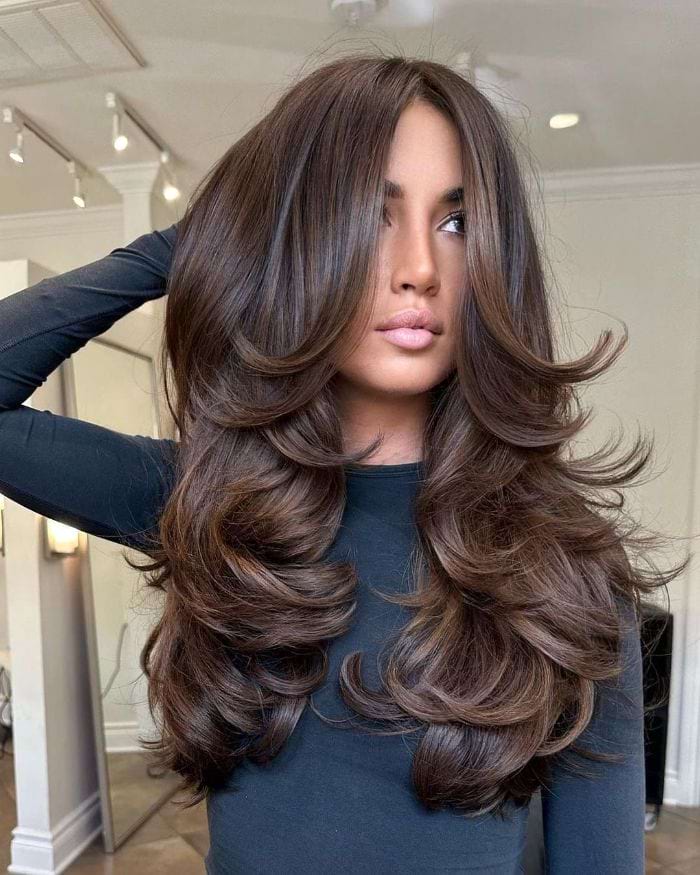
A mid-back length with long, voluminous layers adds movement to the rich chocolate brown color. The face-framing pieces prevent the shape from feeling heavy. Thick, wavy hair starting at mid-back takes to this best, since the volume has somewhere to go. Oval faces get a soft frame without any harsh angles.
Ask your stylist for: mid-back haircut with long, voluminous layers and face-framing pieces. To style, use a large barrel round brush and blow out upward at the roots for lift. A trim every 8 to 10 weeks keeps the layers from turning into one shapeless curtain, which is the only real risk this cut has.
Mid-Back Glamorous Waves With Side Part
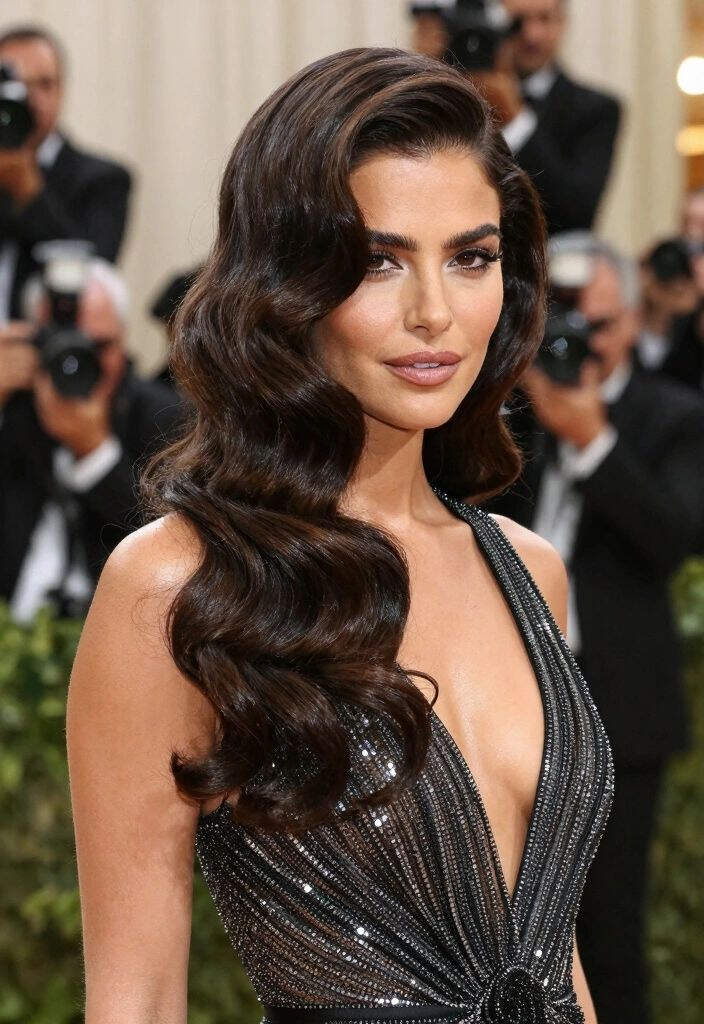
How do you get that red-carpet wave pattern without a stylist on speed dial? Start with a deep side part, then curl sections with a large barrel iron, leaving the ends out for a softer finish. Brush through once the curls cool, and you have mid-back glamorous waves that hold their shape for an evening out. The dark brown base with subtle highlights adds dimension, so the waves catch light instead of falling flat.
Thick, wavy hair starting at mid-back gives this style its body. The side-swept bangs blend into the waves, which suits oval faces by keeping the frame soft. Ask your stylist for: mid-back waves with a deep side part and side-swept bangs. This is an occasion cut, built for events where a polished finish matters.
Collarbone Lob With Textured Waves
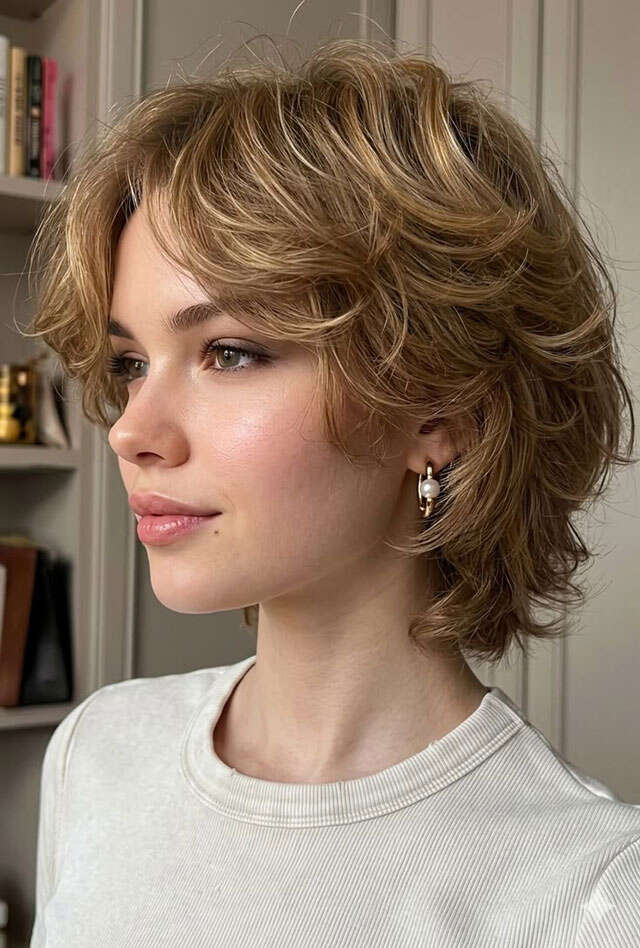
Collarbone length is the sweet spot between long and short, and this lob with visible layers proves it daily. The textured waves are styled with a soft blowout, which gives medium wavy hair a lived-in look without much effort. A middle parting keeps the shape balanced, and the layers add movement that an oval face can wear as is. The dark brown base with subtle highlights keeps it versatile for work or weekends.
Ask your stylist for: collarbone lob with visible layers and textured waves. A texturizing spray on the mid-lengths helps the waves hold their shape, and a trim every 6 to 8 weeks keeps the baseline clean. No bangs means the face stays open, which is exactly what this cut is going for.
Sleek Chin Length Bob With Side Swept Bangs
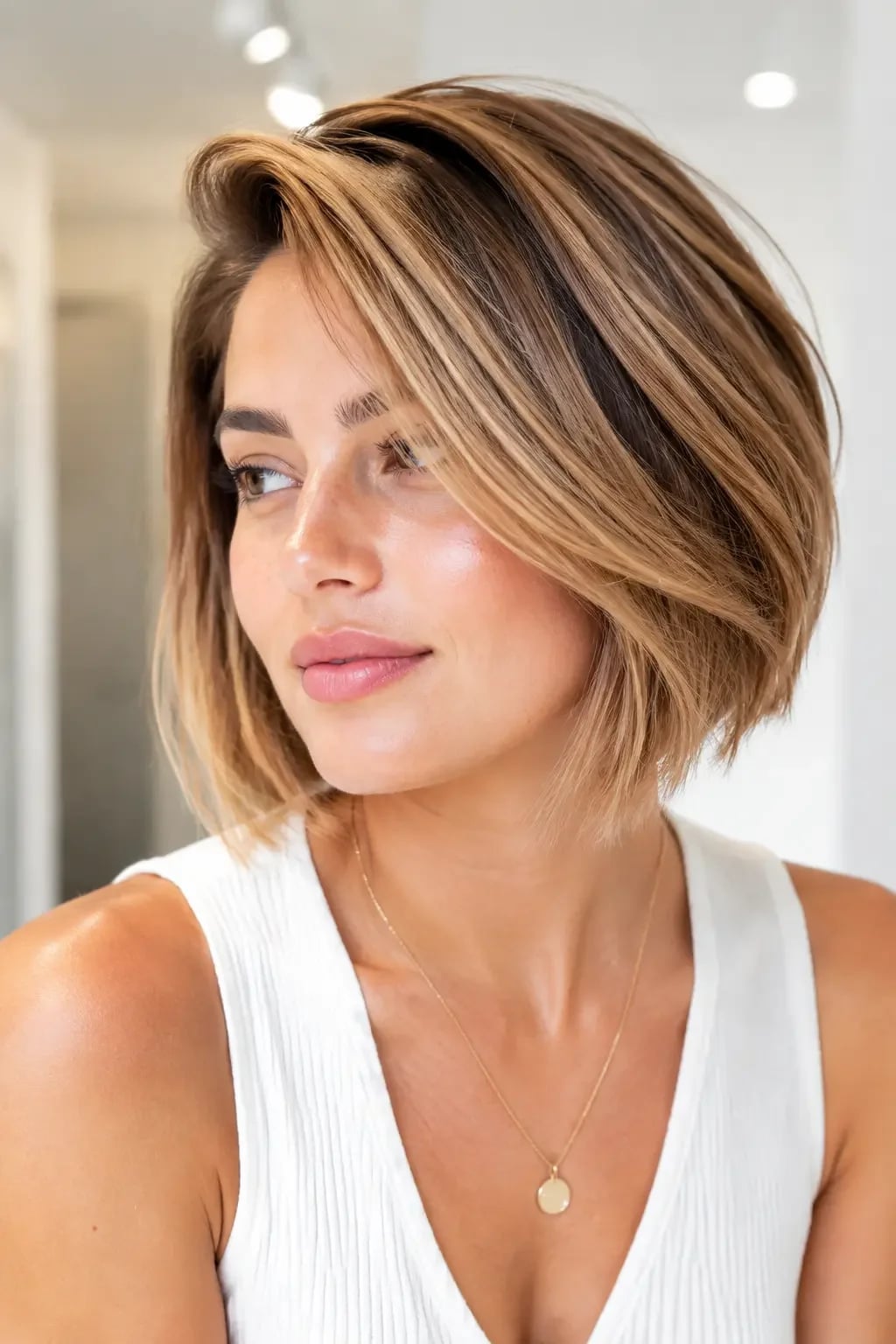
Set against a blunt bob, this chin-length version with side-swept bangs is the softer choice. The sleek, straight texture suits fine hair, since the precision of the cut gives it body without needing layers. Blonde with subtle highlights adds a bit of dimension that keeps the clean lines from reading as severe. A side parting and side-swept bangs frame oval faces gently, making the bob feel modern rather than blunt.
Ask your stylist for: chin-length sleek bob with side-swept bangs. You can maintain the style at home with a flat iron and a heat protectant, but the cut itself is a salon job. Plan for a trim every 6 weeks to keep the shape sharp.
Textured Chin Bob With Piecey Fringe

The technique here is all about the cutting: choppy layers remove weight from the interior, while the short, piecey fringe is cut with point cutting so it separates into soft pieces instead of one solid line. The deep dark brown color reads as rich, and a slight wave keeps the texture from looking too deliberate. Thick, wavy hair starting at chin length gives the bob its body, and the fringe adds a bit of edge to oval faces.
Ask your stylist for: chin-length textured bob with choppy layers and a piecey fringe. The one real drawback is the fringe: it needs a trim every 3 to 4 weeks to stay piecey, or it starts to look like a blunt bang that lost its way. Use a texturizing paste on the ends to keep the separation going between trims.
Collarbone Long Layers With Face Framing
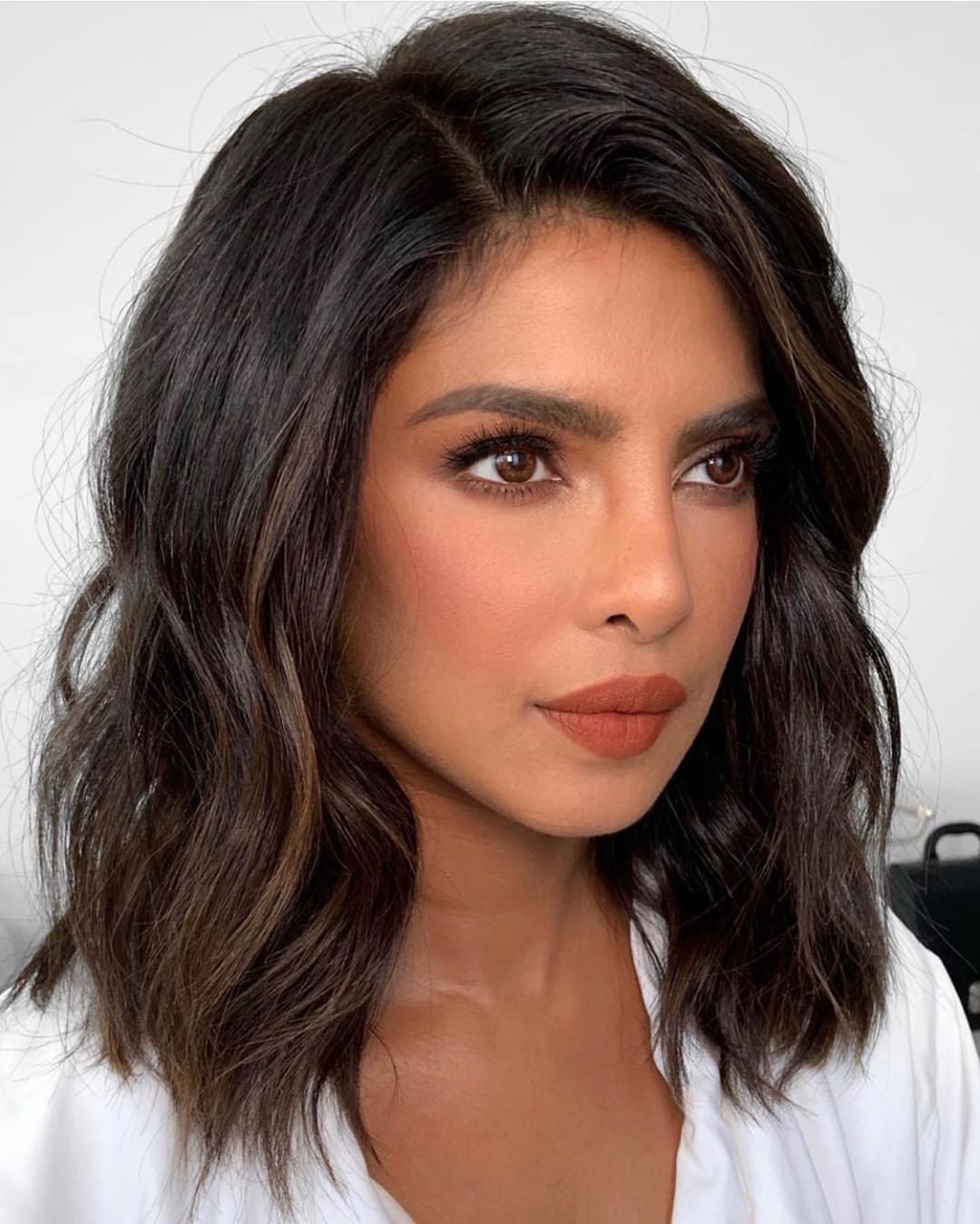
This cut banks on the face-framing pieces to do the flattering, and they deliver. Long layers start around the jaw and melt into the collarbone length, so thick, wavy hair keeps its weight without turning into a triangle. The middle part lets those front sections swing forward, which suits oval faces especially well and softens a square jaw without hiding it.
Ask your stylist for: collarbone length with long layers and face-framing pieces. The blowout is the whole point here, so budget for a round brush and ten minutes of wrist work to get that smooth bend at the ends. Subtle lighter strands give the dark brown base some depth, but they grow out gracefully. A trim every eight weeks keeps the framing pieces from turning into accidental curtains.
Ash Blonde Asymmetrical Pixie Bob
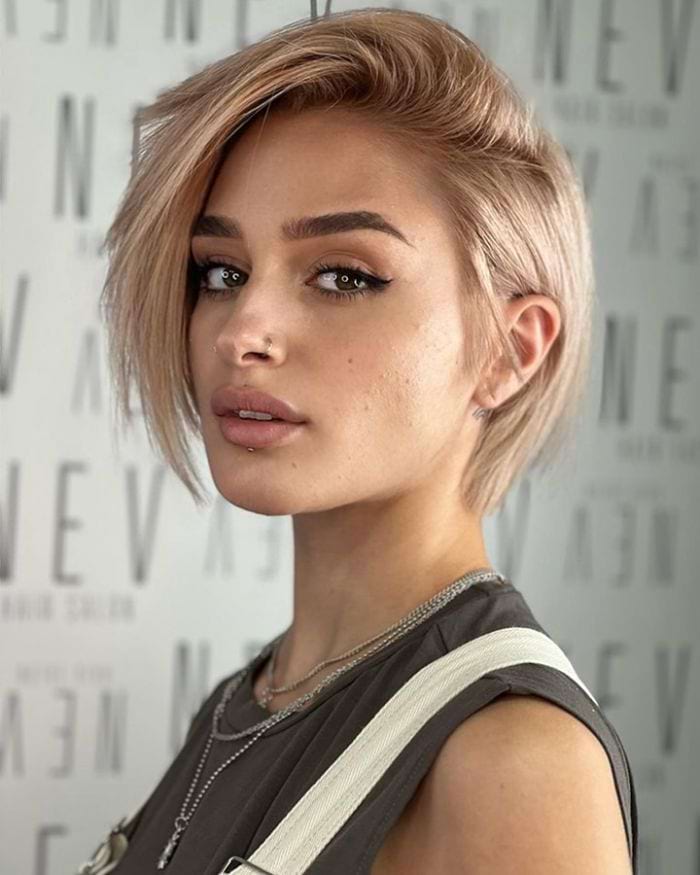
An asymmetrical pixie bob is a haircut with a strong opinion, and this one states it in ash blonde. One side sits longer than the other, ending around the ear, while side-swept bangs add a soft counterpoint to the sharp line. Fine, straight hair takes well to the precision, and the asymmetry gives oval faces a modern edge that a symmetrical crop cannot. Ask your stylist for: asymmetrical pixie bob with side-swept bangs. The trade-off is the schedule: this shape needs a trim every four to six weeks or the balance drifts into accidental mullet territory. Texture paste is your friend for keeping the ends piecey.
Collarbone Lob With Curtain Bangs

Can curtain bangs actually go from boardroom to dinner without a re-style? With a collarbone lob, yes. The soft layers and loose waves give the ash blonde base movement, while the curtain bangs frame the face from a middle part, so they behave all day. Medium density hair holds the wave pattern without going flat by happy hour. Ask your stylist for: collarbone lob with soft layers and curtain bangs. Blow-dry the bangs with a round brush for that outward sweep, then let the rest air-dry into waves. This is the everyday work cut that still looks put-together for evening, and a trim every six to eight weeks keeps the bangs from grazing your chin.
Sleek Chin Length Bob With Blunt Bangs, Dark Brown
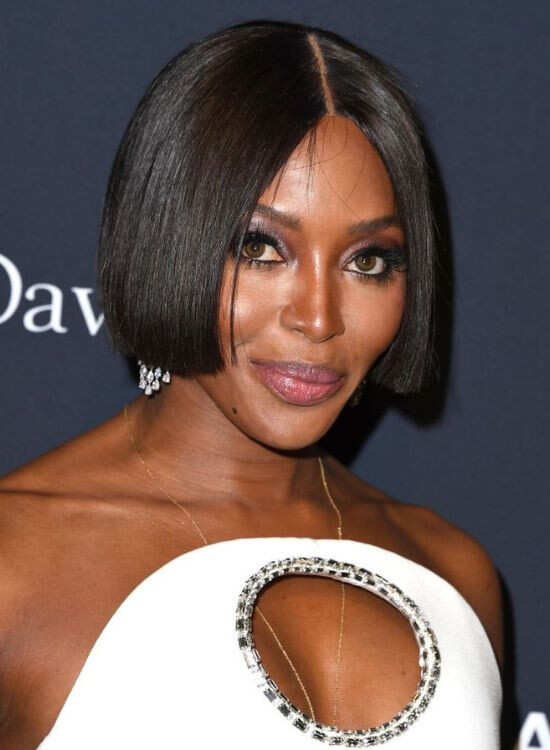
Unlike a layered bob that softens the edges, this one commits to the blunt line. Chin length, straight across, with blunt bangs to match, the whole cut is a precision exercise. Fine, straight hair is the ideal canvas, since the sleek finish relies on the hair staying put. Ask your stylist for: chin-length blunt bob with blunt bangs. This is a salon job, not a DIY trim, because a millimeter off ruins the line. A flat iron gives the glassy finish, and you will be back for a trim every four to six weeks to keep both the hem and the bangs from losing their edge. The dark brown color keeps it classic.
Dark Brown Bob With Curtain Bangs

The bob here is the reliable base, but the curtain bangs are the actual headline. They sweep to the sides from a side part, framing the face without the commitment of blunt bangs. Soft layers through the chin-length cut give thick, straight hair a hint of movement, and the sleek finish keeps it polished. Ask your stylist for: chin-length bob with soft layers and curtain bangs. Blow-dry the bangs with a round brush to set that outward curve, then smooth the rest. The side part adds volume at the crown, which balances a longer face shape. A trim every six to eight weeks keeps the bangs from joining the rest of the bob.
Shoulder Length Layers With Loose Waves

Soft face-framing layers and loose waves give shoulder-length hair a styled look without fuss. The middle part and bright blonde base with subtle highlights add dimension that reads as natural. Thick, wavy hair starting at shoulder length takes to this cut best because the layers prevent bulk at the ends. Ask your stylist for: shoulder-length cut with soft face-framing layers. Use a texturizing spray on damp hair, then air dry or diffuse for loose waves. The layers stay defined for about eight weeks before the shape softens noticeably.
Oval faces get the most out of this one. The face-framing layers skim the cheekbones without cutting across the widest part of the face. No bangs means the focus stays on the wave pattern and the subtle highlights. Trim every eight weeks to keep the layers from blending into a single blunt line.
Collarbone Blunt Bob With No Bangs
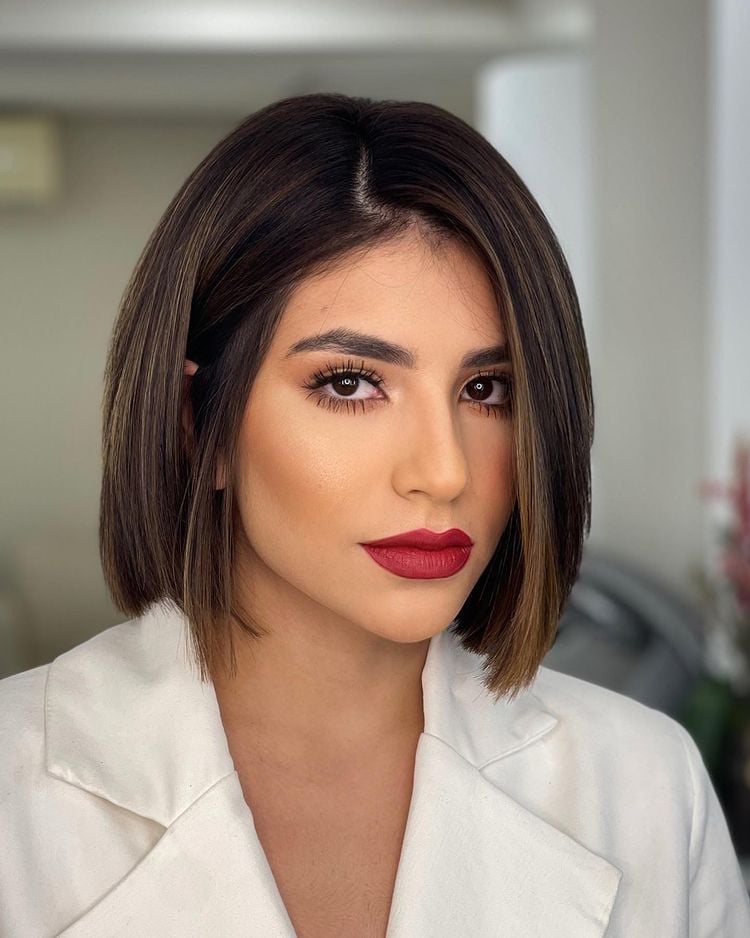
A sharp, blunt bob ending at the collarbone relies on precision, not texture. The dark brown base with subtle blonde highlights gives the clean line a bit of movement without breaking the silhouette. Styling is straightforward: a flat iron and a heat protectant, then a glossing serum to seal the ends. The blunt cut shows every uneven snip, so a salon visit for the initial cut is essential. Fine, straight hair starting at collarbone length works best here; the weight of the blunt line creates the illusion of density. Ask your stylist for: collarbone length blunt bob, no bangs. A middle part keeps the geometry symmetrical. DIY touch-ups between trims are risky, one crooked pass with shears and the whole line is off. A trim every six weeks keeps the line sharp.
Collarbone Layered Bob With Curtain Bangs

A collarbone-length layered bob with curtain bangs is the more relaxed cousin of the blunt bob. Where the blunt version demands perfect symmetry, this one lets the layers soften the perimeter and the curtain bangs take the edge off. The light brown base with subtle highlights and loose waves adds movement without straying into shag territory. Thick, wavy hair starting at collarbone length gets the most out of the layers, which prevent the hair from sitting like a helmet. Curtain bangs soften oval faces by breaking up the length at the forehead. Ask your stylist for: collarbone layered bob with soft curtain bangs. Blow-dry the bangs with a round brush to get that swoop that lands somewhere between bangs and no bangs. The bob needs a trim every six to eight weeks to keep the layers from growing into a single block.
Mid-Back Layers With Side Part
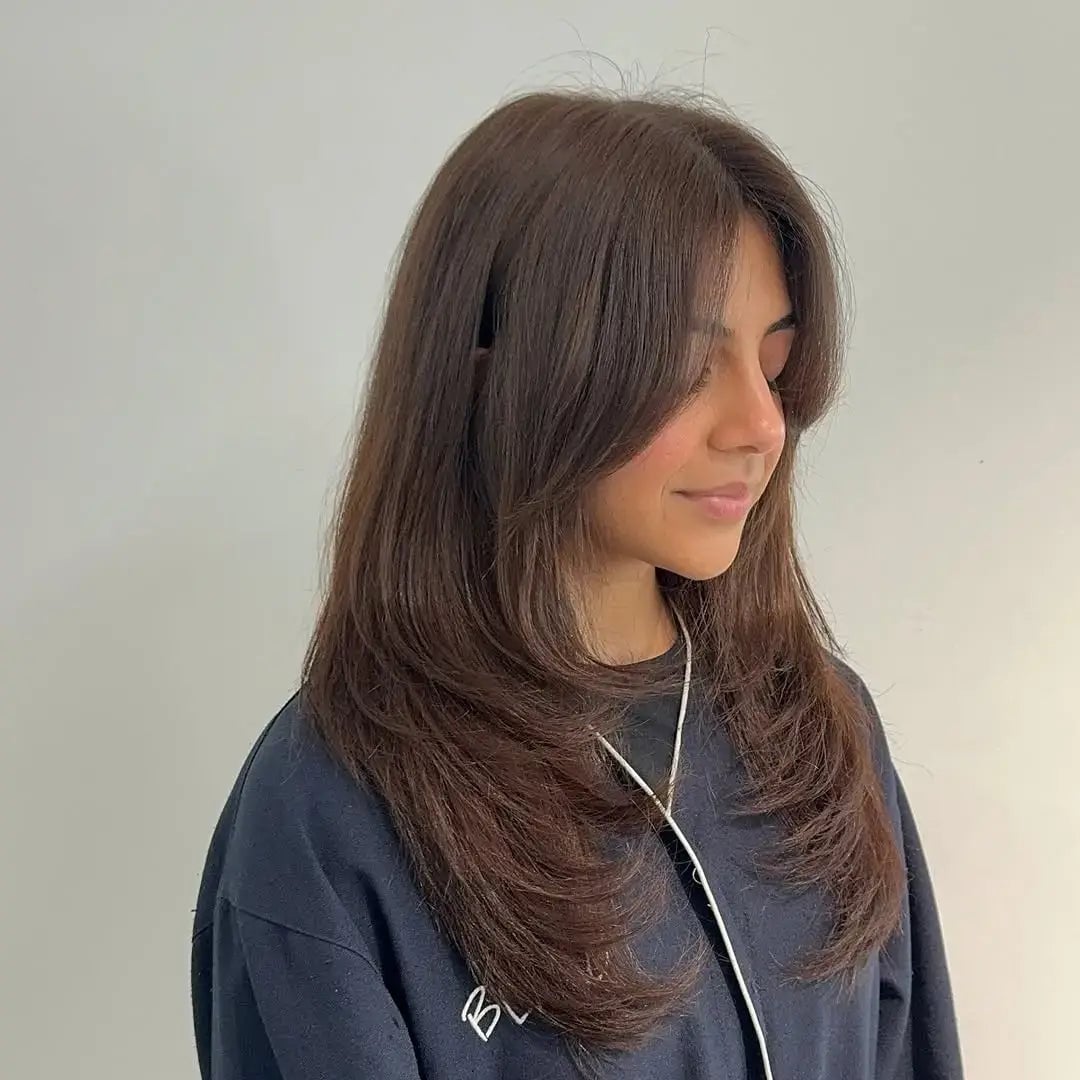
Long face-framing layers cut into thick, straight hair create air-dried texture that falls in sections. The mid-back length keeps the weight, while the layers cut through the density so the hair falls in sections rather than a single curtain. The dark brown base with subtle lighter strands adds a hint of dimension without committing to full highlights. Thick, straight hair starting at mid-back takes to this because the layers prevent the ends from flipping out as they dry. Ask your stylist for: mid-back length with long layers and face-framing pieces. The side part changes the fall of the layers, with the deeper side getting more of the shorter pieces around the jaw. Run your fingers through to separate the layers after drying. Trim every eight to ten weeks to keep the face-framing pieces from disappearing into the length.
Mid-Back Layers With Curtain Bangs
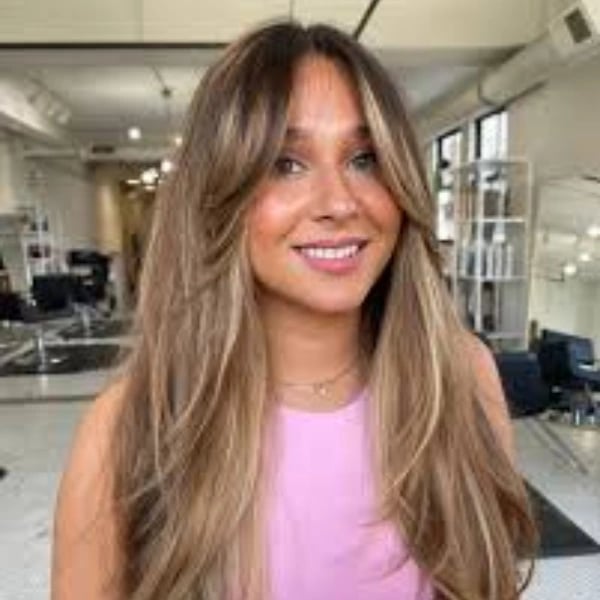
Long, layered hair with curtain bangs hits a sweet spot between low-maintenance length and deliberate styling. The mid-back length keeps the drama, while the layers and curtain bangs frame the face without committing to a full fringe. The blonde base with highlights gives the blowout that glossy, dimensional finish. Thick, straight hair starting at mid-back carries the layers well, and the curtain bangs soften oval faces by drawing the eye outward. Ask your stylist for: mid-back length with layers and curtain bangs. Styling steps: blow-dry the bangs with a round brush, then use a large-barrel brush on the rest for a smooth blowout. A middle part keeps the curtain bangs symmetrical. This cut works for everyday and the office. The layers add movement, the bangs add polish, and the length stays out of the way. Trim every eight to ten weeks to keep the bangs from growing past the cheekbones.
Mid-Back Long Layers With Curtain Bangs and A Woman With Thick
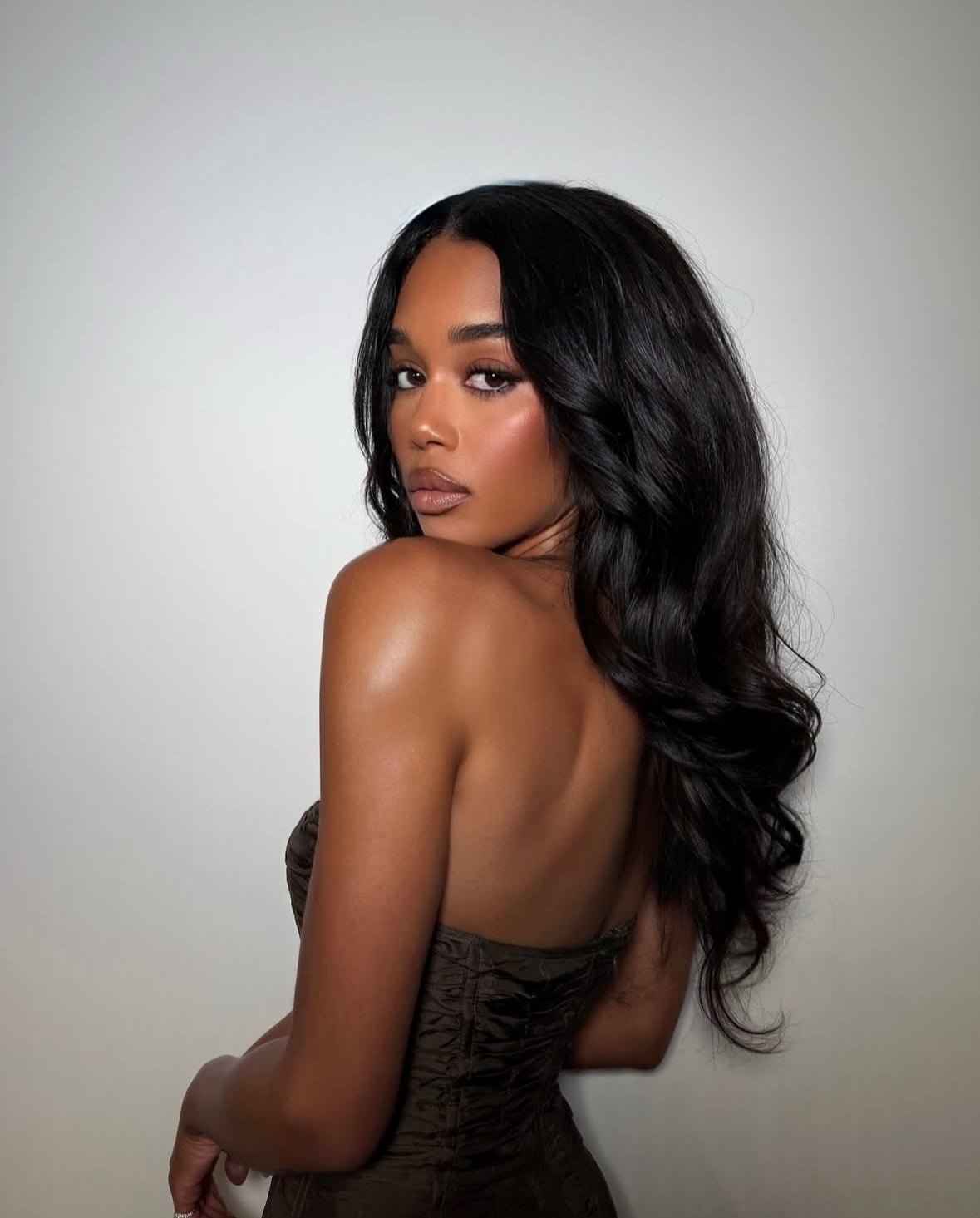
Long layers and curtain bangs are a natural partnership for thick, wavy hair: the layers prevent bulk at the ends, and the bangs break up what could otherwise be a heavy curtain of texture. The mid-back length keeps enough weight to let the wave pattern do its thing, while the subtle highlights add a little dimension without requiring a full color overhaul. This works because the curtain bangs soften the forehead and the long layers let the volume sit below the ears, a reliable fit for oval faces.
Ask your stylist for: mid-back length with long layers and curtain bangs. A blowout with a round brush and a volumizing spray at the roots gives the shape its polished finish. Trims every eight to ten weeks keep the layers from growing heavy and the bangs from grazing your chin.
Textured Pixie With Side Swept Waves
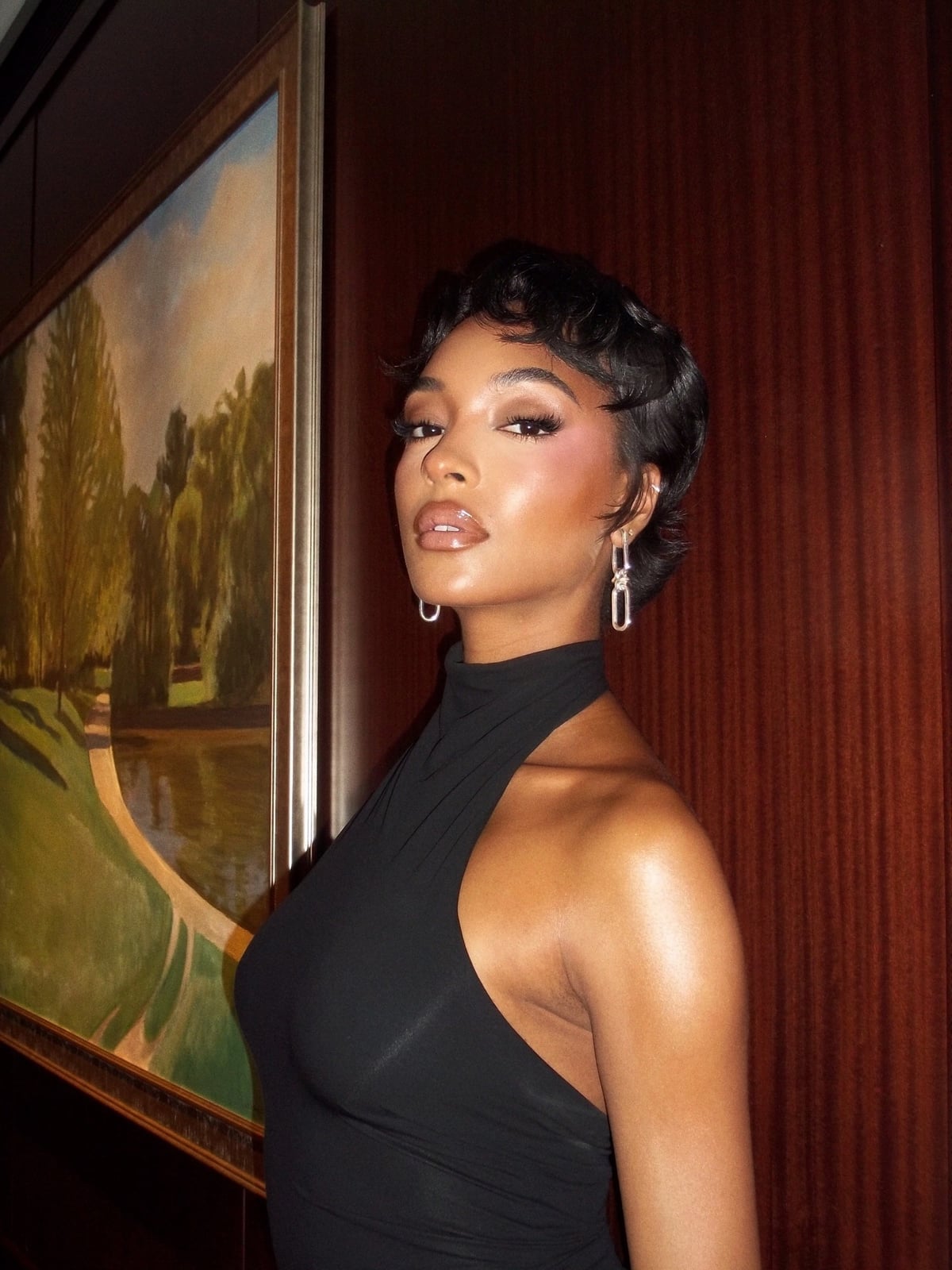
A pixie cut with textured waves swept to the side relies on a precise understructure: the back tapers to the neck, the top is left long enough to hold a wave, and the side-swept line does the work of framing the jaw. This is not a set-it-and-forget-it cut. The textured waves need a matte wax or paste worked through damp hair, then a quick blast with a diffuser to set the bend. The trim rhythm is every four to six weeks, or the silhouette starts looking more shaggy than deliberate. A salon visit is required for this style, but the styling time at home is under ten minutes once you have the technique down.
Mid-Back Natural Curls With Long Layers
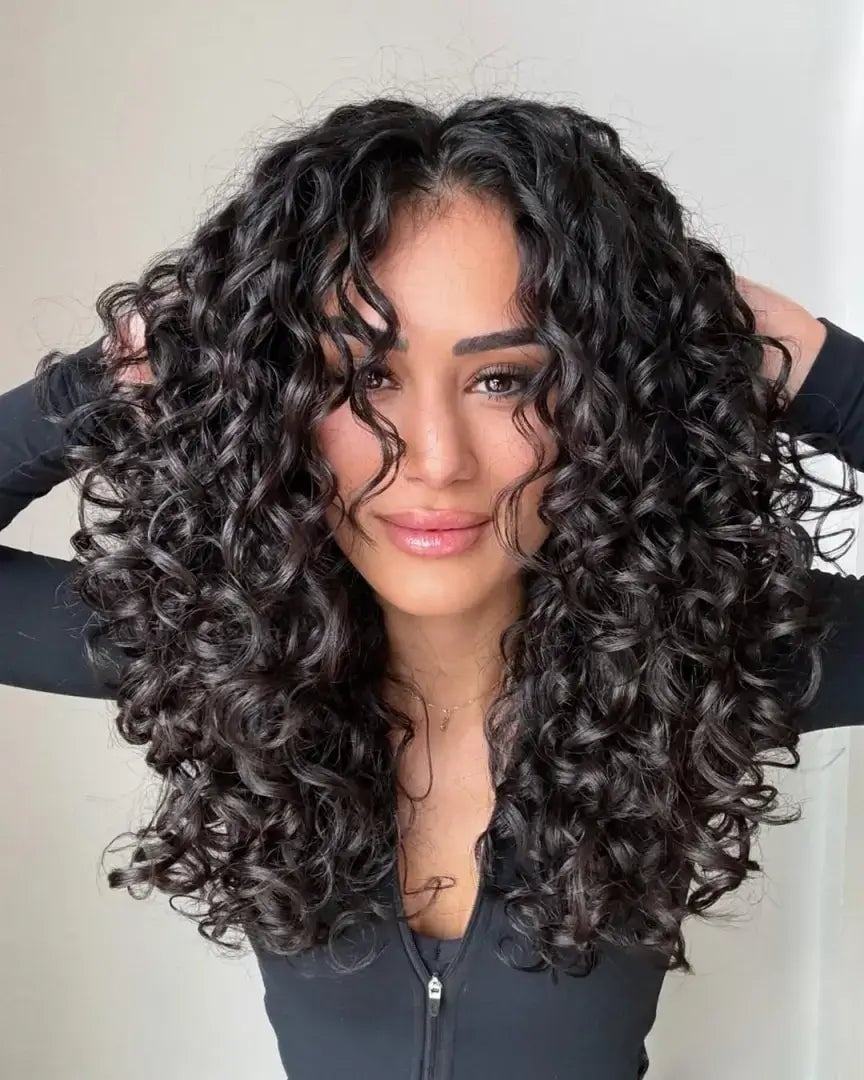
The design here is simple: long layers cut into thick, dark brown curls at mid-back, no bangs, a middle parting, and a finish that comes from air drying rather than heat. The long layers are the smart move for this texture because they let the curl pattern stack without turning into a triangle shape. Oval faces get a balanced frame from the even volume on both sides, and the middle parting keeps the weight distributed evenly.
Ask your stylist for: mid-back length with long layers for natural curls. The upkeep is a cream or gel on damp hair, then hands off. A trim every ten to twelve weeks is enough because the curls hide a slow grow-out. The trade-off is frizz on humid days, but that is more a climate problem than a haircut problem.
Sleek Chin Black Bob With Face Framing
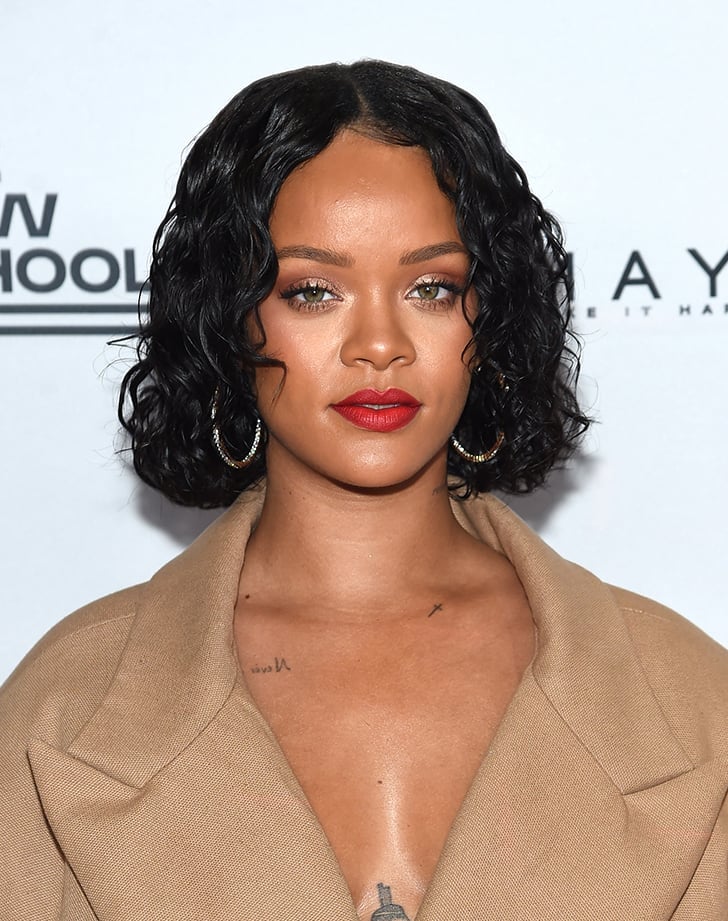
This is not a blunt bob. The difference is in the subtle face-framing pieces that curve inward at the chin, which keep the line soft. A chin-length bob on fine, straight hair needs precision: the bottom edge must be clean, and the face-framing sections need to hit exactly at the jaw to do their job for oval faces. Ask your stylist for: chin-length sleek black bob with subtle face-framing pieces. The polished finish relies on a flat iron set to a medium temperature. A trim every six weeks is standard to maintain the sharp line at the ends.
Ash Blonde Pixie With Textured Layers
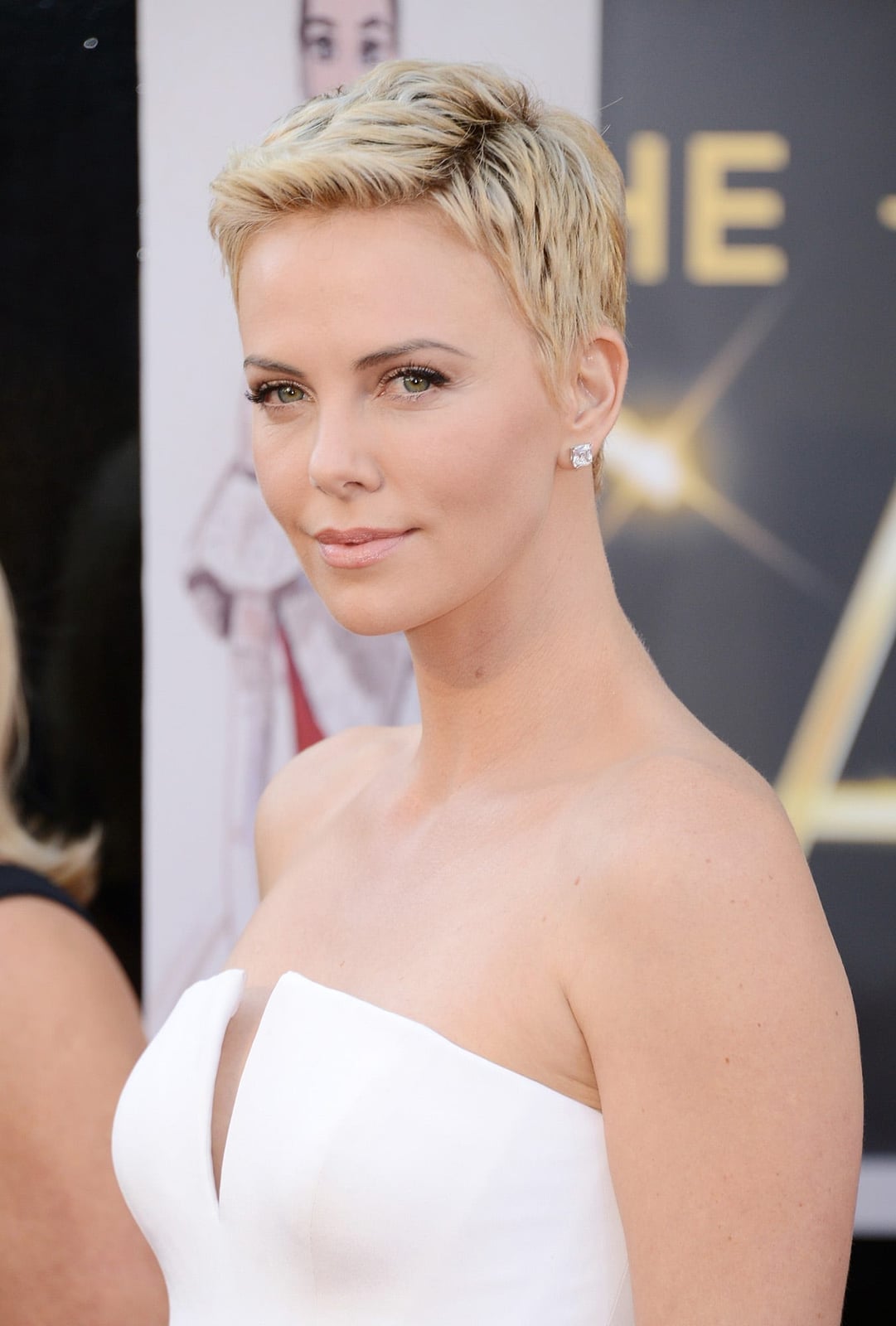
An ash blonde pixie with short, textured layers does two things for fine, wavy hair: the layers add the volume that fine texture lacks, and the tousled finish hides any unevenness in the wave pattern. The side parting pushes the hair forward, which keeps the shape from looking flat at the crown. Oval faces handle the asymmetry well because the proportions are already balanced. Ask your stylist for: ash blonde pixie with short, textured layers. A texturizing spray or wax worked through dry hair is all the styling it needs. Trims every four to six weeks are required to keep the layers distinct.
Shoulder Length Layers With Blowout
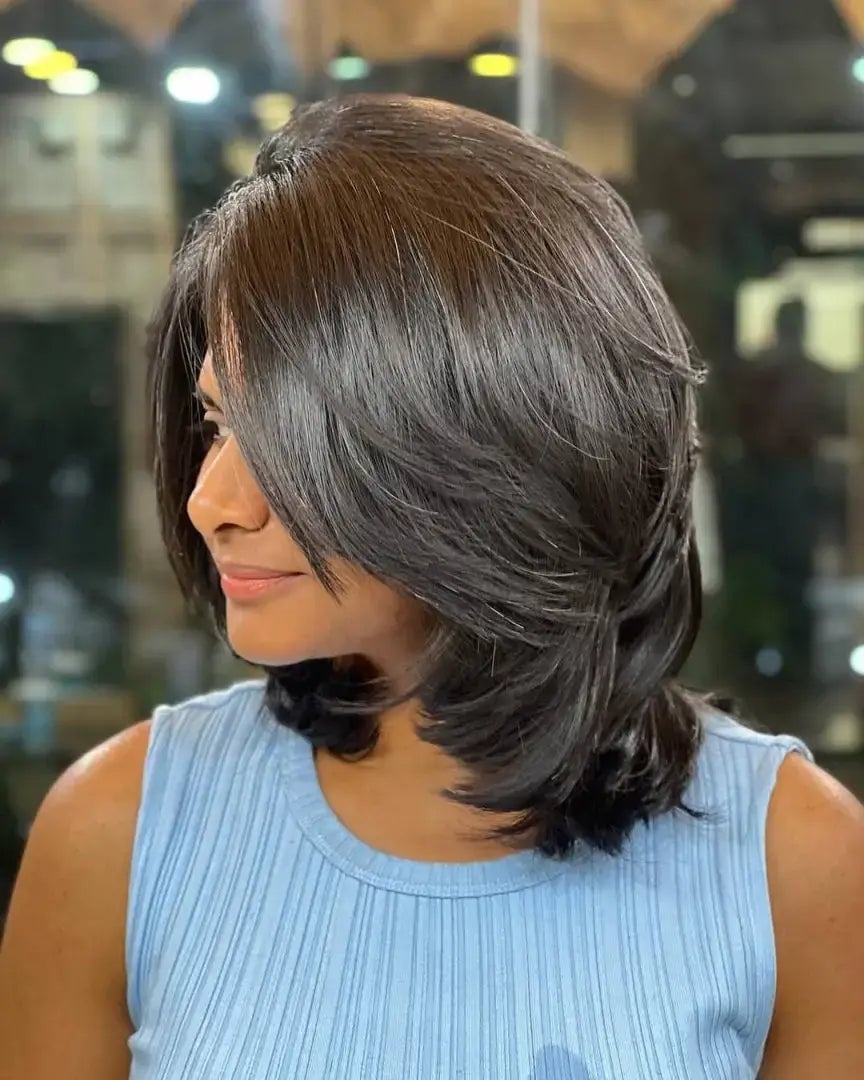
How much time do you actually have before work? If the answer is more than twenty minutes, a blowout on shoulder-length layers is a reasonable daily commitment. The cut relies on prominent face-framing layers cut into thick, straight dark brown hair, with a side parting that lets each piece fall where it should. Ask your stylist for: shoulder-length cut with face-framing layers. A round brush and a heat protectant are the tools, and the payoff is that sleek, polished finish that resists the afternoon slump better than air-dried waves. Salon styling is the honest path here, since a proper blowout needs the tension only a second hand provides. Plan on a trim every eight weeks to keep the face-framing pieces from growing past their intended line.
Textured Pixie With Wispy Side Bangs
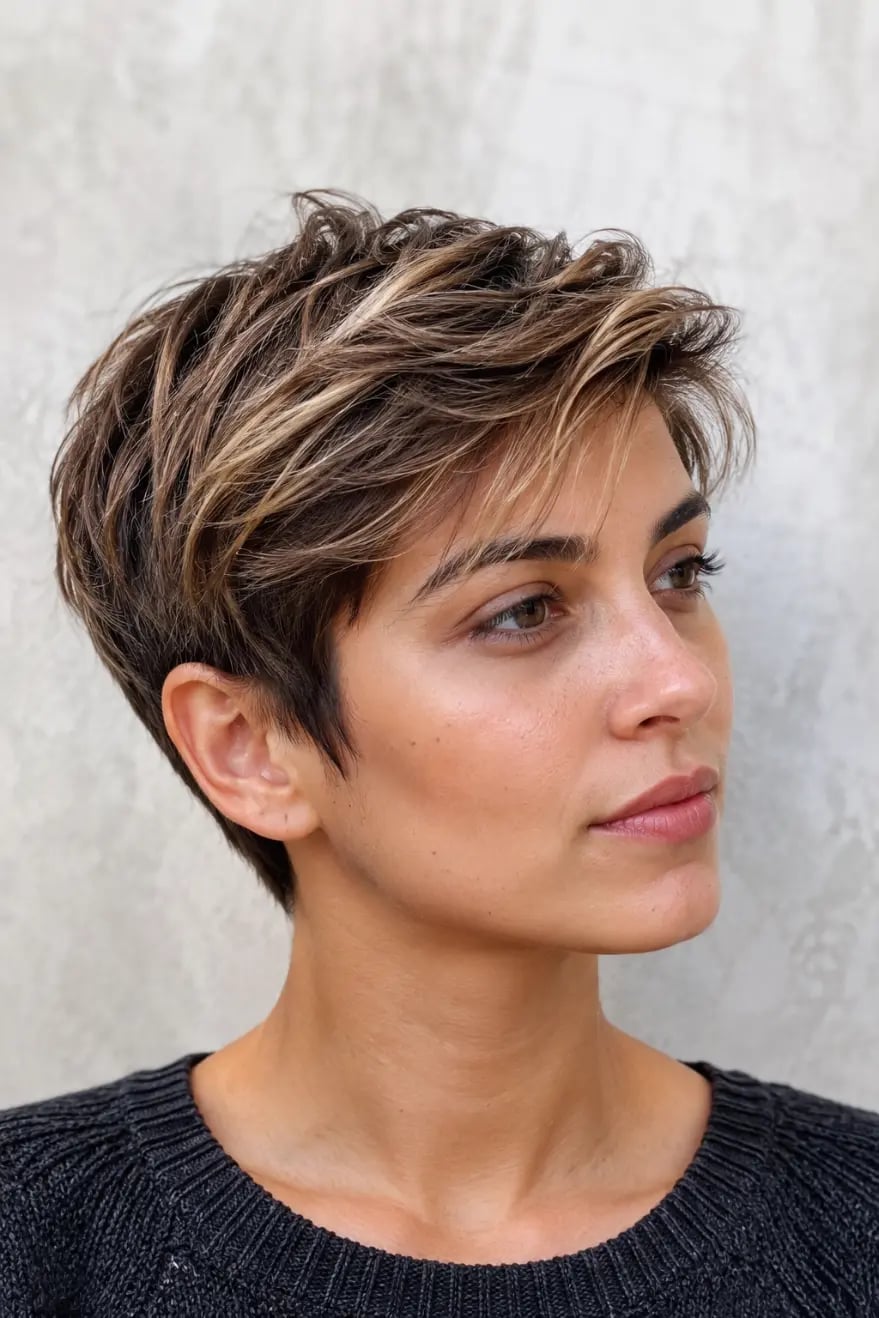
The clever part of this pixie is how the choppy layers keep the dark brown base from reading as severe, while the lighter brown highlights add dimension without a full color commitment. Fine to medium wavy hair starting at ear length takes well to the tousled finish, and the wispy side bangs soften an oval face better than a heavy fringe would. Compare it to a sleek crop and you will see the difference: this one forgives a skipped styling day. Ask your stylist for: textured pixie with choppy layers. The drawback is the calendar, not the cut. A trim every four to six weeks is non-negotiable, since the shape lives or dies by its precise angles. A texturizing spray keeps the lived-in look intact between trims.
Collarbone Lob With Side Swept Bangs
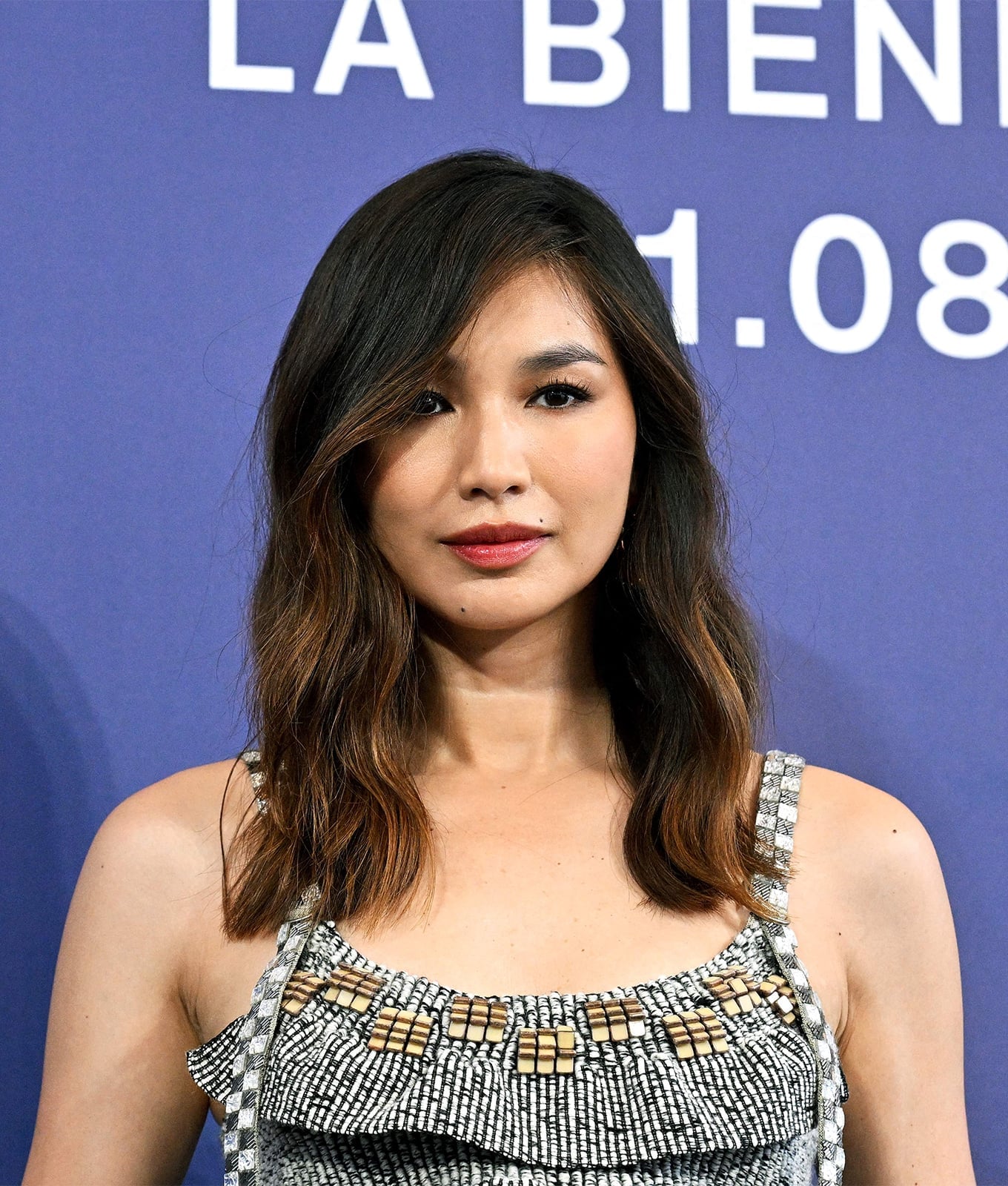
The technique starts with the cut: a collarbone-length lob with face-framing layers that begin around the cheekbone, so the side-swept bang blends into the hair and sits as a connected piece. On dark brown hair with subtle balayage highlights, the soft waves catch the lighter ends and give the medium density texture somewhere to move. Ask your stylist for: collarbone length lob with side-swept bangs. To style, wrap sections around a barrel wand, leaving the ends out for that slightly undone wave, then sweep the bang across and pin it for a minute while the rest cools. A texturizing spray breaks up any stiffness. The bob holds its collarbone line for about six to eight weeks before the ends start brushing your collarbone and throwing off the proportion.
Collarbone Long Layers With Soft Waves
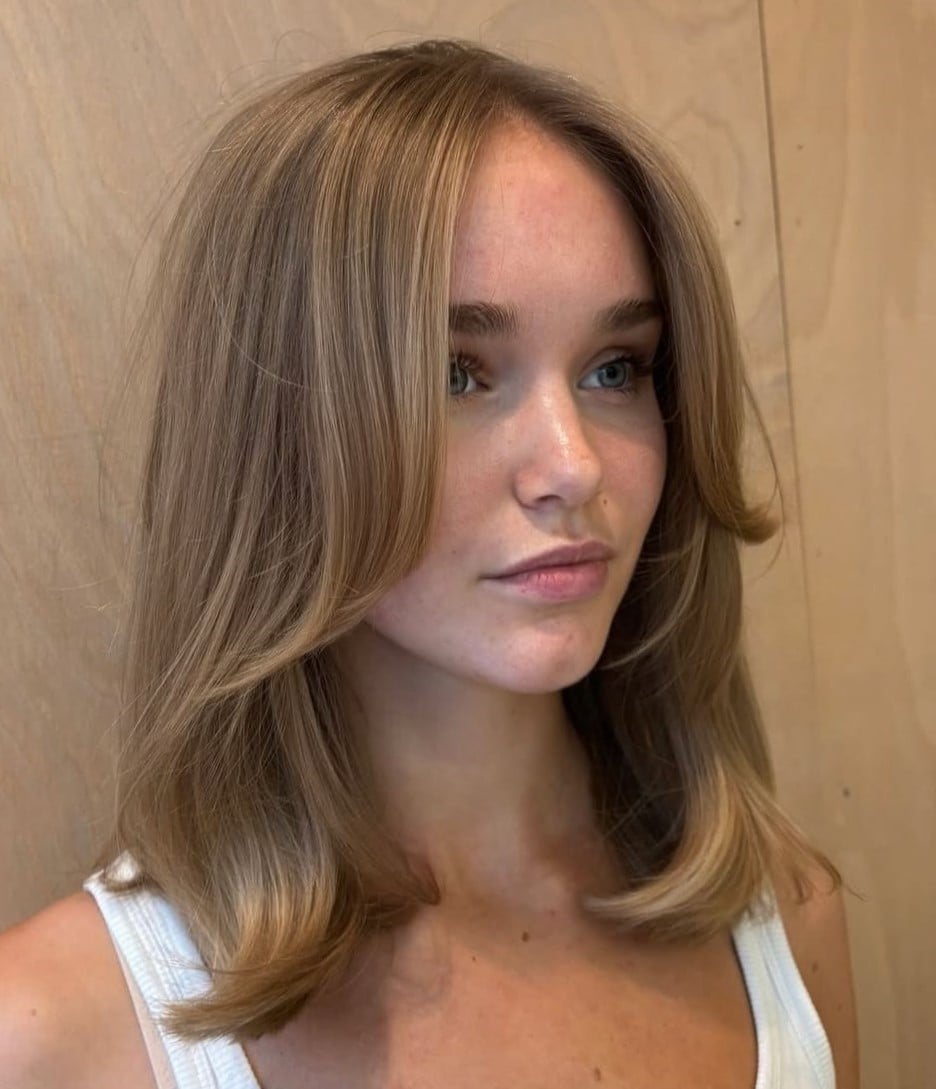
What exactly do you say when you want softness without losing length? The words matter. Ask your stylist for: collarbone length with long layers and face-framing pieces. The key is that the layers stay long enough to blend, so the honey blonde with highlights looks like one continuous color. A middle parting lets the face-framing pieces fall symmetrically, which suits an oval face by echoing its balanced proportions. For styling, a volumizing mousse worked through damp hair, then a diffuser on low heat, encourages the gentle waves without frizz. The maintenance is forgiving: a trim every eight weeks keeps the ends from splitting, and the face-framing pieces grow out gracefully, so you have a few weeks of slack before the shape starts to feel heavy.
Collarbone Shag With Blunt Bangs

A shag is not a shy haircut, and the blunt bangs here make sure you know it. The collarbone length with textured layers and face-framing pieces gives medium wavy hair plenty of movement, while the blunt bangs cut straight across the forehead add a graphic edge that an oval face can carry without looking overwhelmed. The balayage highlights on the blonde base emphasize the layered texture.
This cut suits medium density wavy hair, because the shag relies on texture to give the cut its shape. Very fine or very straight hair may find the layers fall flat rather than piecey. The real drawback is the bangs: they need a trim every three to four weeks to stay blunt, or they start to creep into your eyes and lose the sharp line. To keep the waves defined between trims, apply a texturizing spray on damp hair, then scrunch.
Collarbone Blonde Bob With Curtain Bangs, Wavy

A collarbone blonde bob with soft layers and subtle highlights relies on a side parting and loose waves to give fine hair a denser appearance. Curtain bangs are the key detail here: they soften the transition from the shorter fringe to the longer body of the bob, which is especially useful for oval faces that can handle the extra width around the cheekbones. Ask your stylist for: collarbone blonde bob with soft layers and curtain bangs.
A wavy blowout on this cut takes about twenty minutes with a round brush and a blow-dryer, focusing on the bangs and the ends. The waves hold for a day or two before needing a quick refresh with a curling iron. This is a salon cut that needs a trim every six to eight weeks to keep the bob shape clean and the curtain bangs grazing the cheekbones.
Ear Length Pixie With Undercut
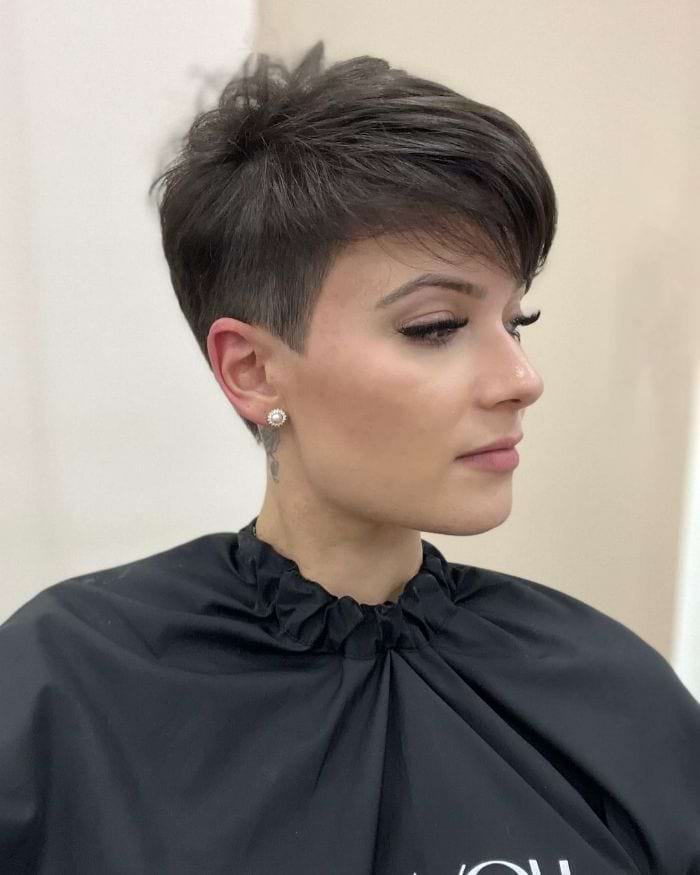
A pixie cut with an undercut is the shorter, sharper cousin of the textured pixie: the sides and back are clipped close while the top stays longer and side-swept. The dark brown base with subtle lighter pieces adds dimension without requiring a full color service. Ask your stylist for: pixie cut with undercut and side-swept texture. The honest drawback is the grow-out phase: the undercut needs a trim every four weeks to avoid looking like a helmet, and the contrast between the shaved sides and longer top becomes awkward around week five. Fine to medium density hair works best here; very thick hair can look bulky on top unless heavily texturized.
Collarbone Shag With Curtain Bangs, Dark Brown

The middle parting and dark brown color keep the cut grounded, while the textured waves give the layers visible separation. Ask your stylist for: collarbone shag with prominent layers and curtain bangs. The technique works best on medium density, wavy hair that can hold the shape without product. Straight hair needs a texture spray and a diffuser to get the same effect, but the underlying cut still provides the movement.
Final Thoughts
For oval faces, the rule is simple: maintain the natural balance. Fine hair benefits from a blunt baseline or strategic layers that add volume without thinning everything out. Thicker hair can handle long layers or a shag that controls weight and adds movement. Keep the shape clean and the rest follows.
- Trim blunt bobs and bobs with bangs every 4-6 weeks to maintain sharp lines.
- Layered cuts and long styles benefit from trims every 6-10 weeks to preserve shape.
- Toning for blonde shades may be needed every 6-8 weeks to combat brassiness.
- Use heat protectant spray before blow-drying or styling with hot tools.
- Wash color-treated hair with sulfate-free shampoo to preserve color vibrancy.
Find the cut that feels like you.
